• Former Cistercian Monastery In The Village of Carta

    Former Cistercian Monastery In The Village of Carta

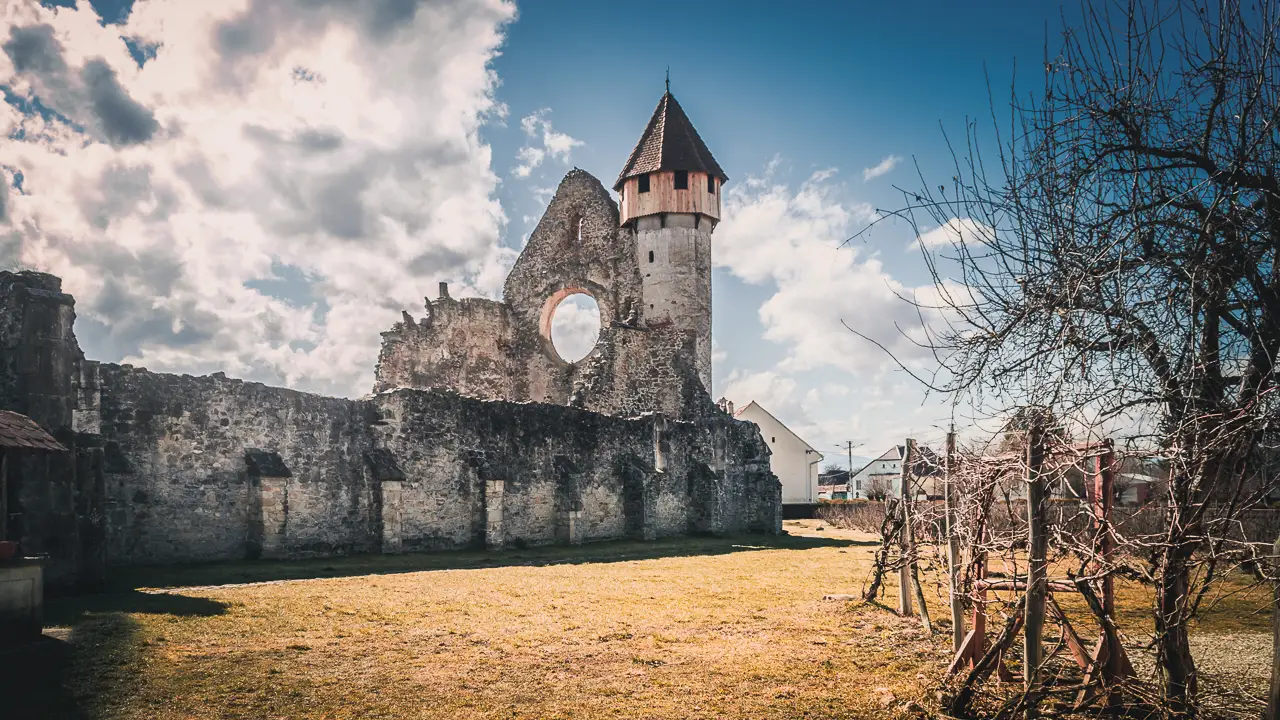
    The Carta Monastery or Carta Abbey is another important tourist attraction in Transylvania. Located in the picturesque village of Carta which is about 43 km away from Sibiu and about 73 km away from the medieval citadel of Sighisoara. Today among the old ruins, you will find an interesting Evangelical Lutheran church that belongs to the local Saxon community.

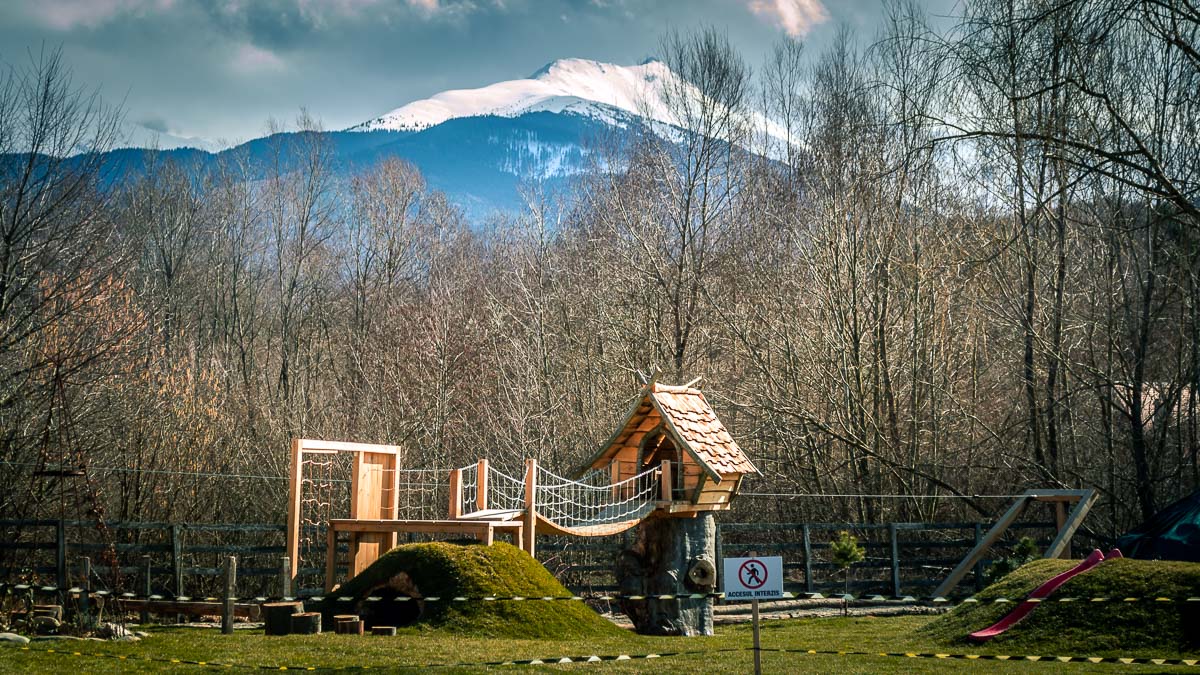
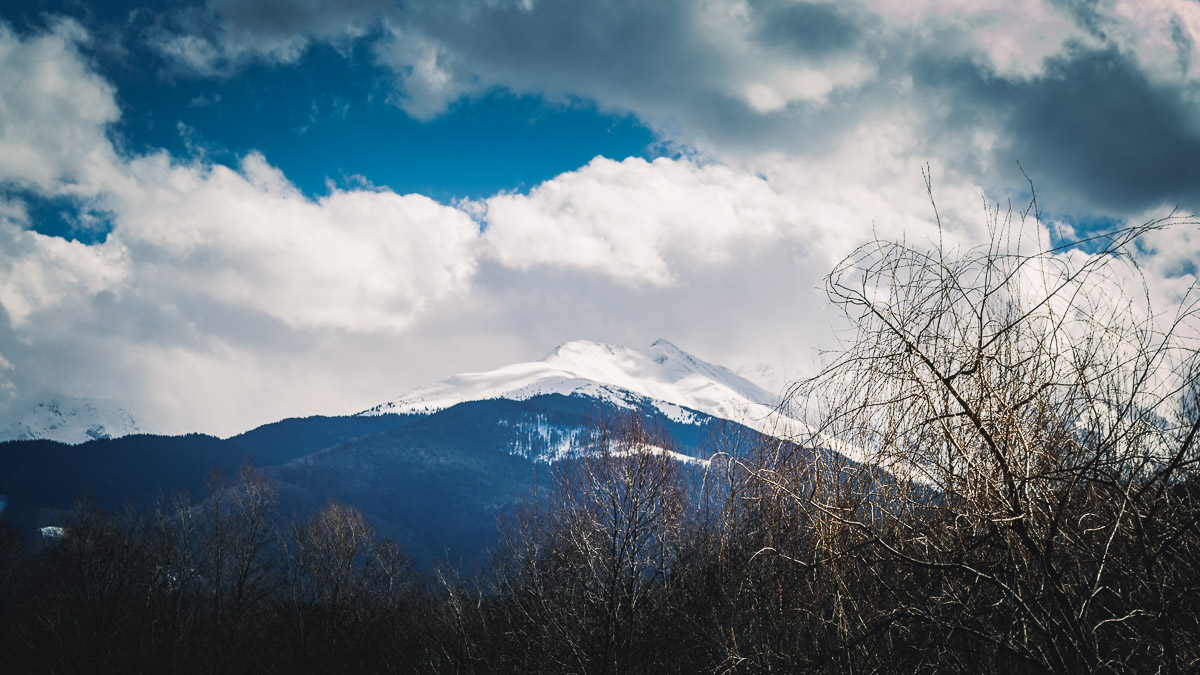
    Right behind the village of Carta, you will find the beautiful Fagaras Mountains. If you visit this place in early spring or in autumn then the scenery becomes even more beautiful especially if you are lucky enough to find snow on the peaks of the mountains.

    Before you go, you should know:

    Before visiting this place you should know that it is open from Monday to Sunday, from 11:00 to 20:00. You also have to pay a fee, 5 RON for children and 10 RON for adults.

    Short story of the monastery

    The building date of the Carta Monastery is unknown, however, according to some old documents, it is believed that it was built in the 12th century by the Cistercian monks. After the Mongol invasion from 1241, the Carta Monastery unfortunately was left in ruins. During the reign of King Matthias Corvinus, on his orders, the abbey was closed in 1474, and the Cistercian monks had to leave because the order’s properties were confiscated.

    The Monastery Tower

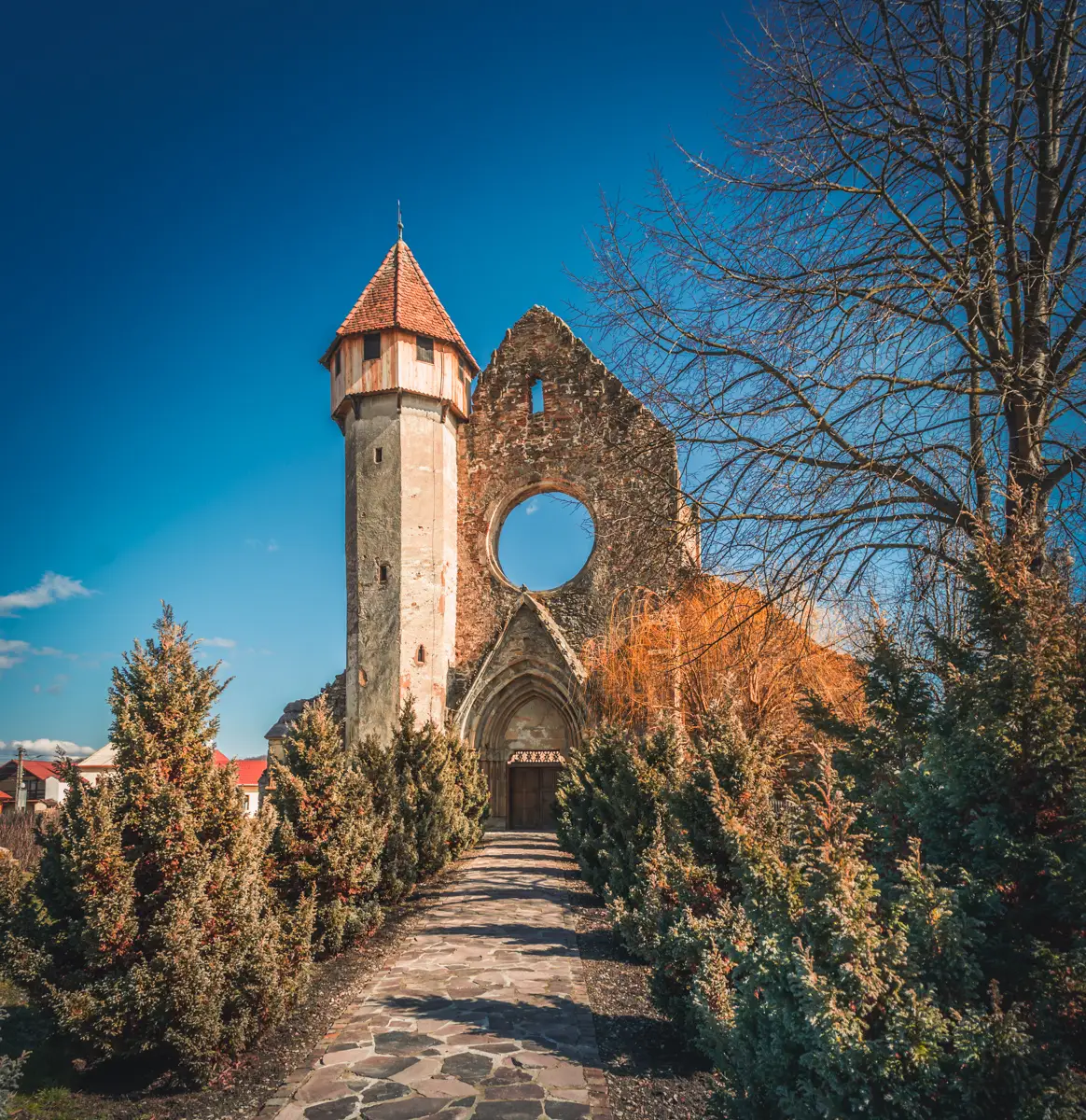
    To visit the cemetery and the Evangelical Lutheran church, you will have to go through the wooden door located next to the Monastery Tower.

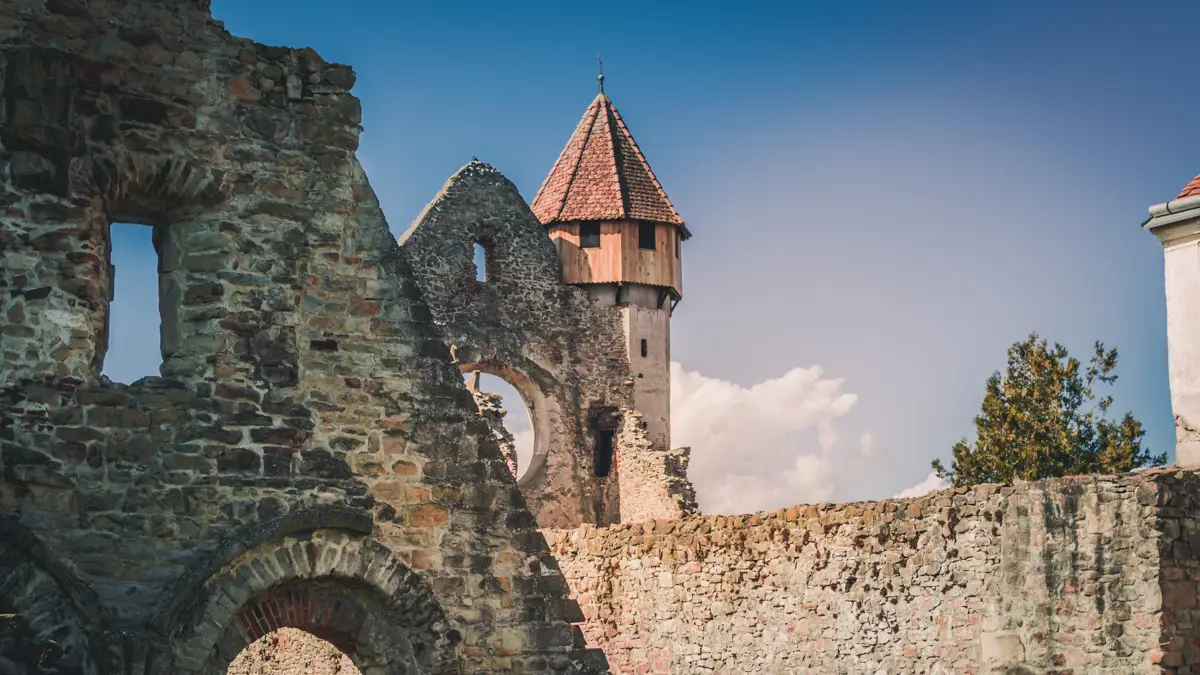
    The Monastery Tower and a part of the old abbey.
    The Monastery Tower

    The cemetery

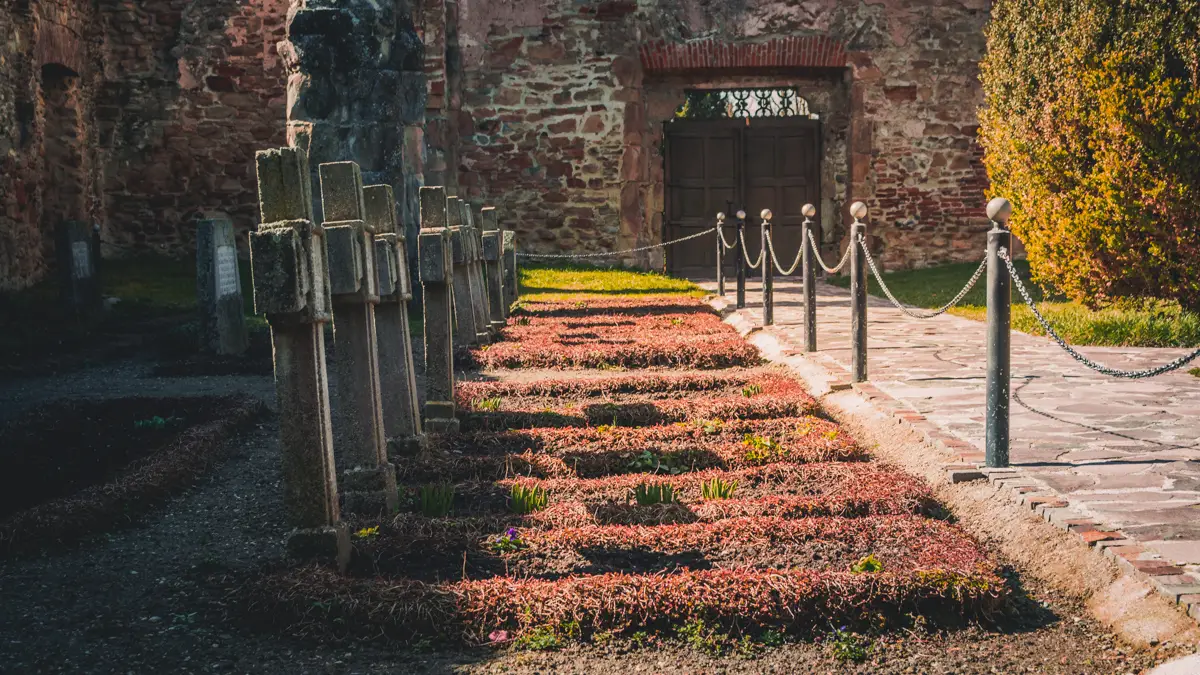
    In the small churchyard, you will find a small cemetery where are buried fallen German soldiers from World War I.

    Cemetery where German soldiers are buried.
    The small cemetery.

    The Evangelical Lutheran Church

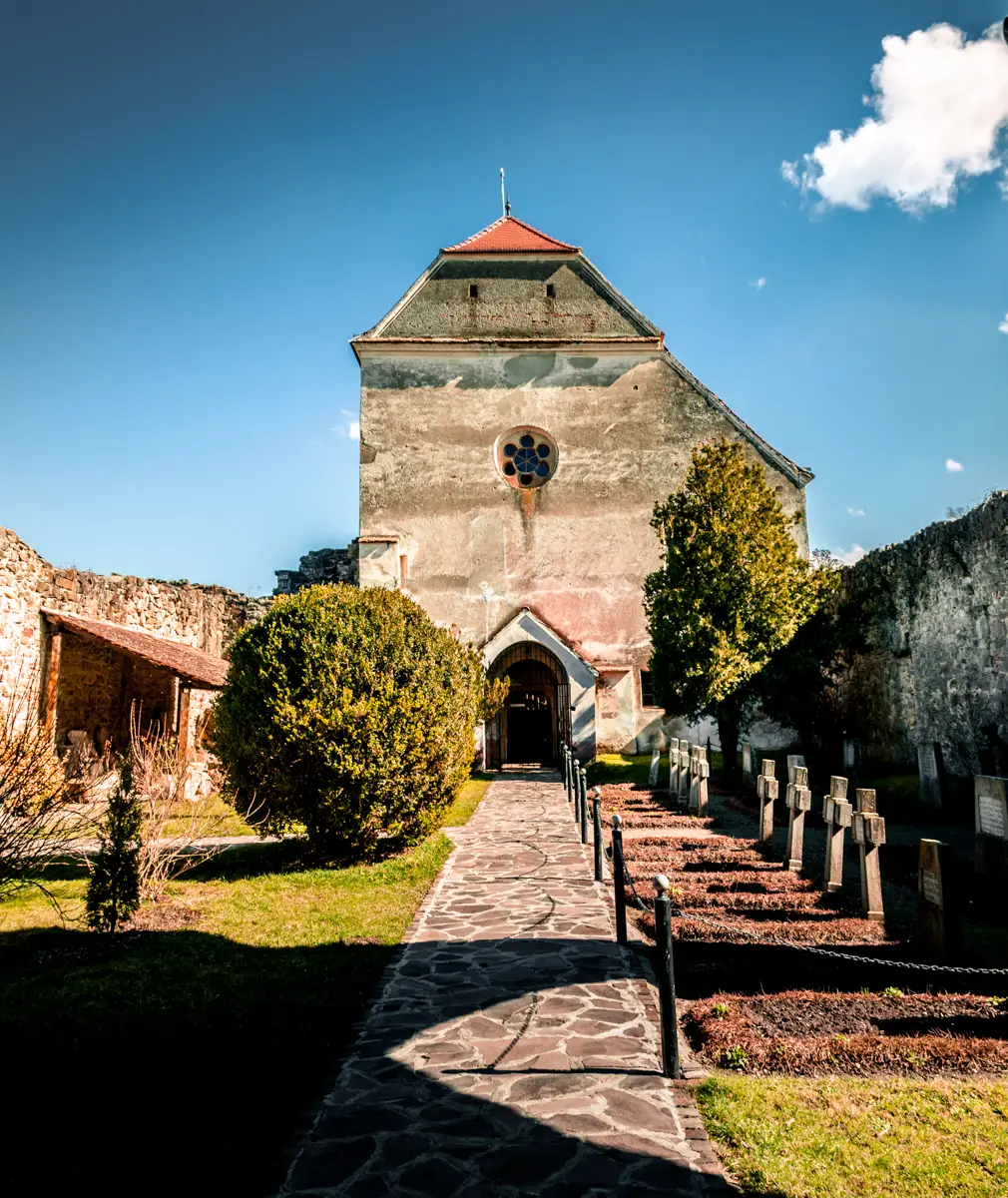
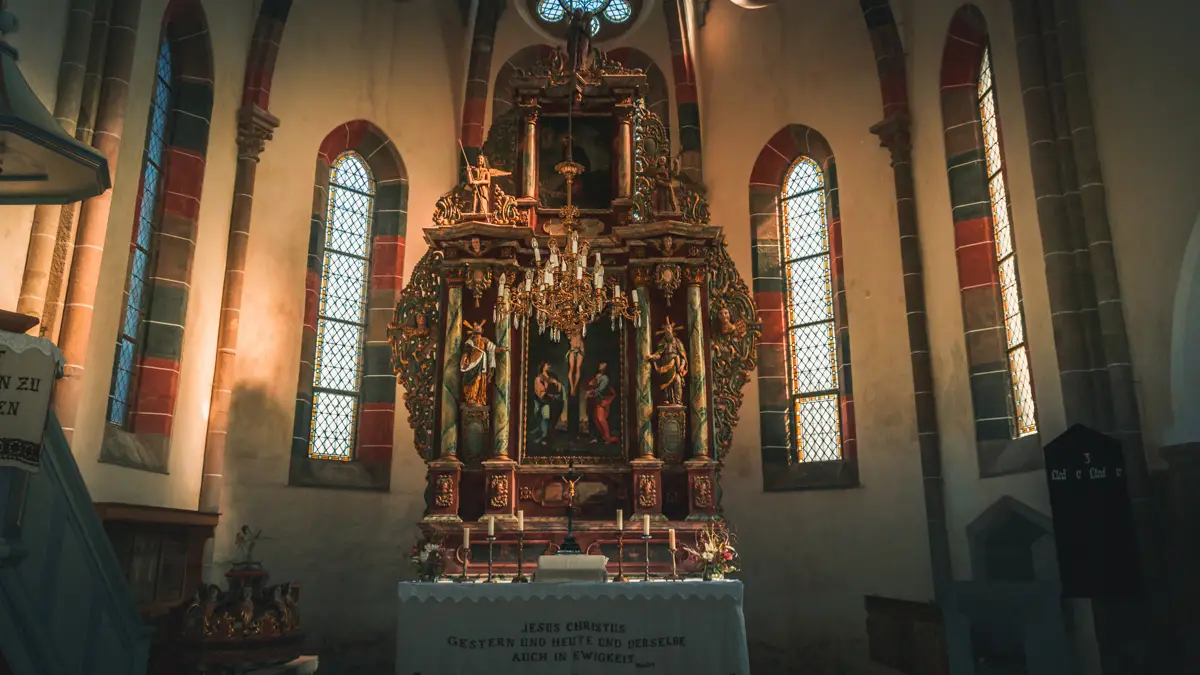
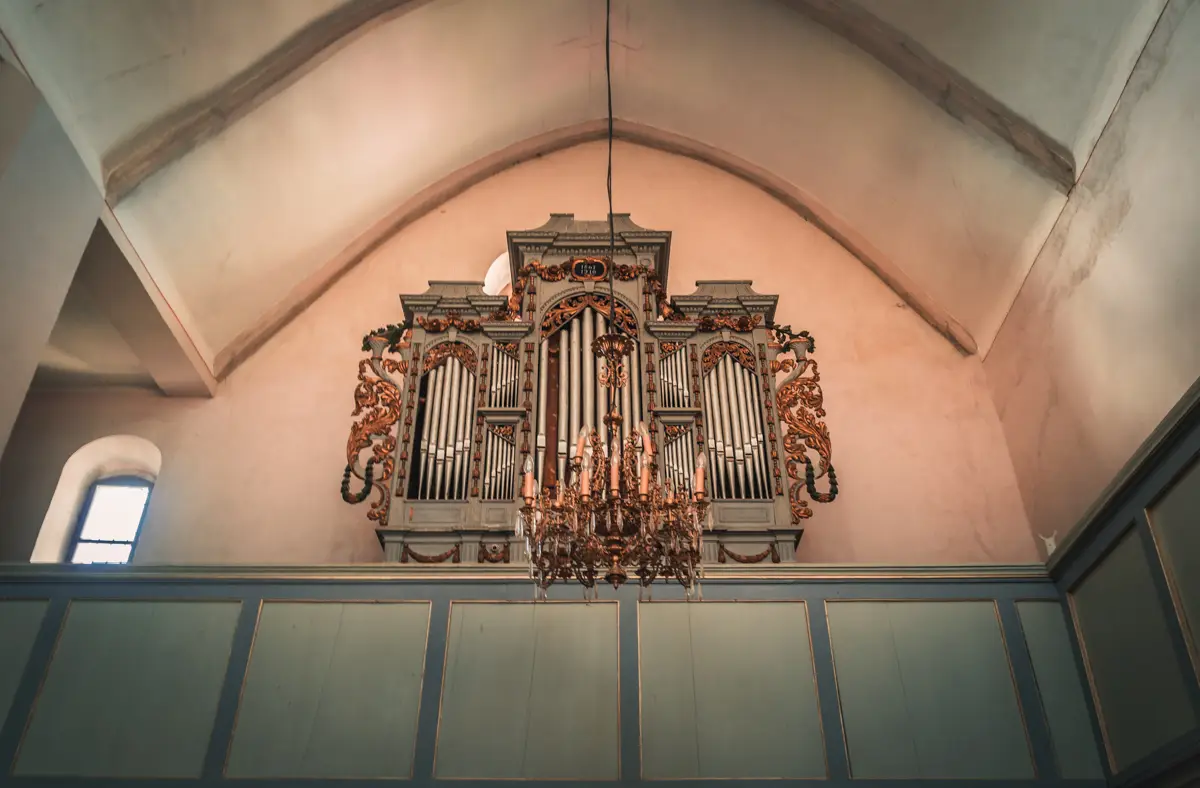
    In the back of the churchyard, there is the Evangelical Lutheran Church that was built for the local Saxon community. As you enter the church it feels like you are traveling back in time. The altar is the main focus. It’s lit up with a warm, golden light, and it’s detailed with carvings and small statues showing stories from the Bible. Right above the entrance, you will find an old pipe organ.

    The Evangelical Lutheran Church in Carta.
    The Evangelical Lutheran Church in Carta.
    The altar in the church.
    The altar in the Evangelical Lutheran Church.
    The pipe organ.
    The pipe organ.

    Visit the old ruins

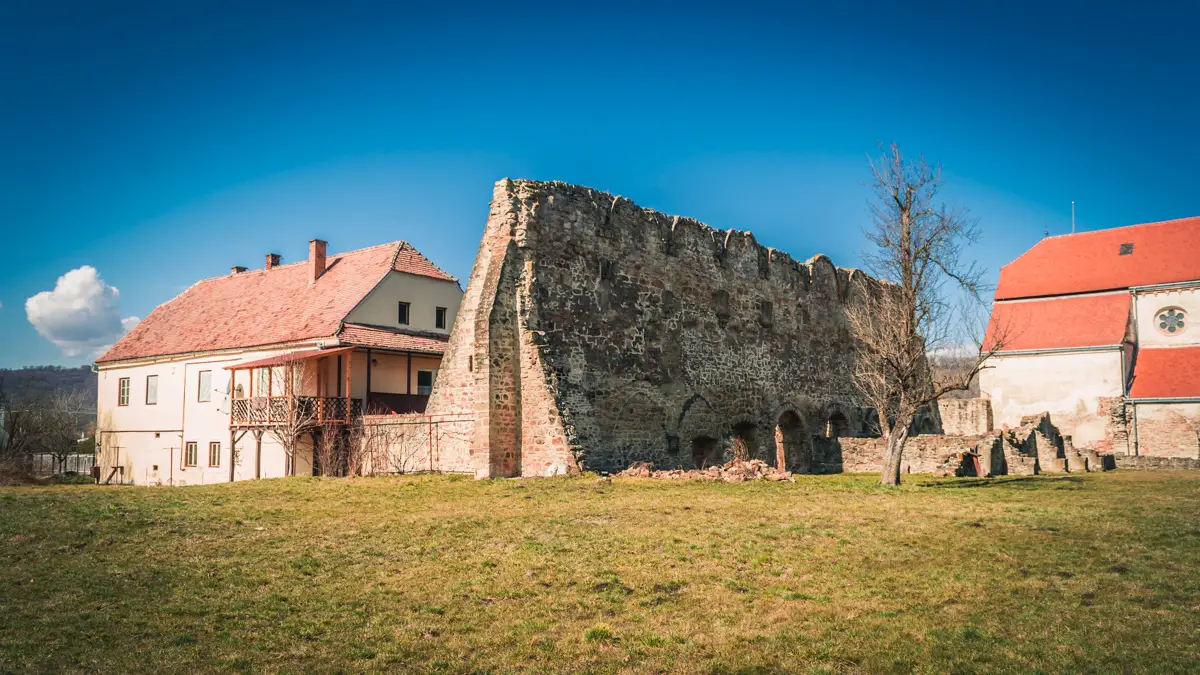
    Next to the Lutheran church, you will find the old ruins that once belonged to the nave of a much larger church. Today only a part of the wall remained.

    Old ruins that belonged to the former abbey.
    Part of the ruins.
    Path between the ruins in Carta.
    A path through the ruins.
    The monastery tower as seen between the old ruins.
    The Monastery Tower seen through the ruins.

    How to reach the village of Carta

    In order to reach the village and of course the former Cistercian Monastery, if you are coming from Sibiu on E68, you will have to make a left turn after the village of Scoreiu and drive towards Carta.

    Here you will find the exact location of the charming Transylvanian village: https://maps.app.goo.gl/w8UycSwoTJaEYZEe6

    Nearby Attractions

    The southern part of Transylvania offers you a lot of interesting places to discover. The closest objectives to the former Cistercian Monastery in Carta are the following:

    Balea Waterfall – This is a popular waterfall up in the Fagaras mountains. To reach this place you will have to drive a portion on the famous Transfagaras road which links the historical region of Transylvania to Muntenia.

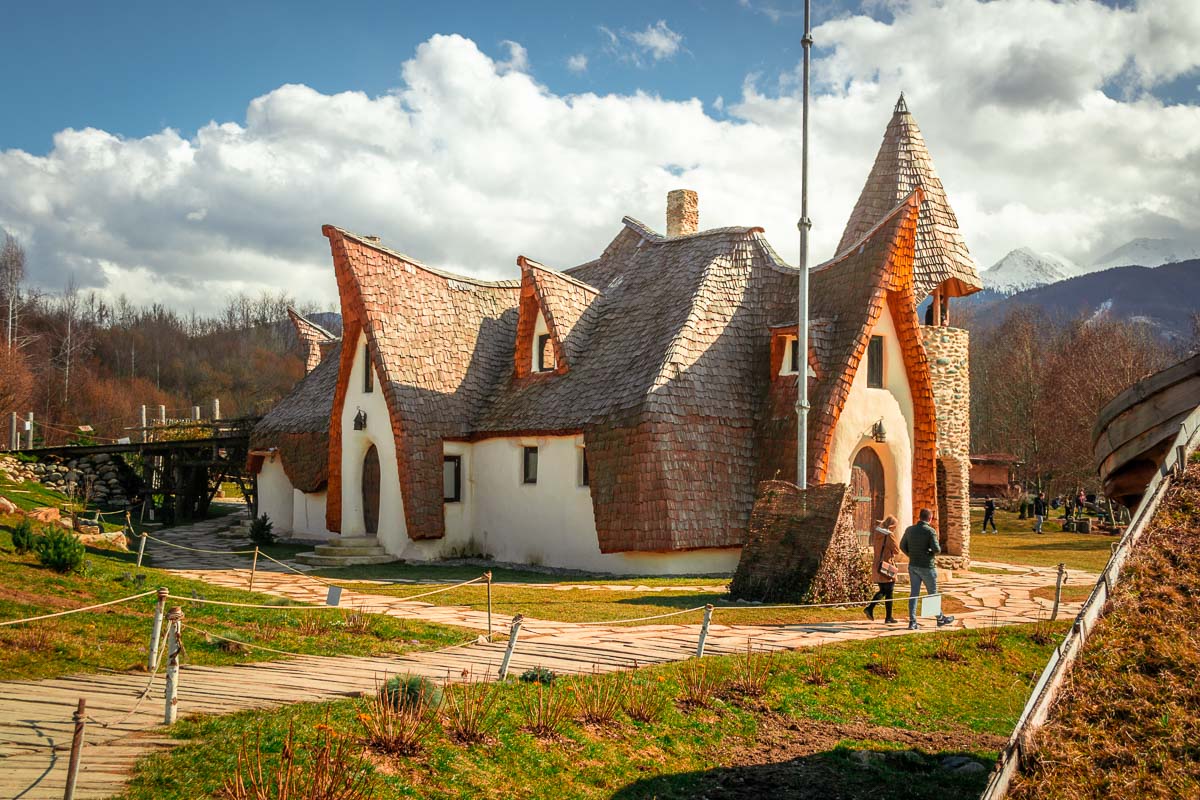
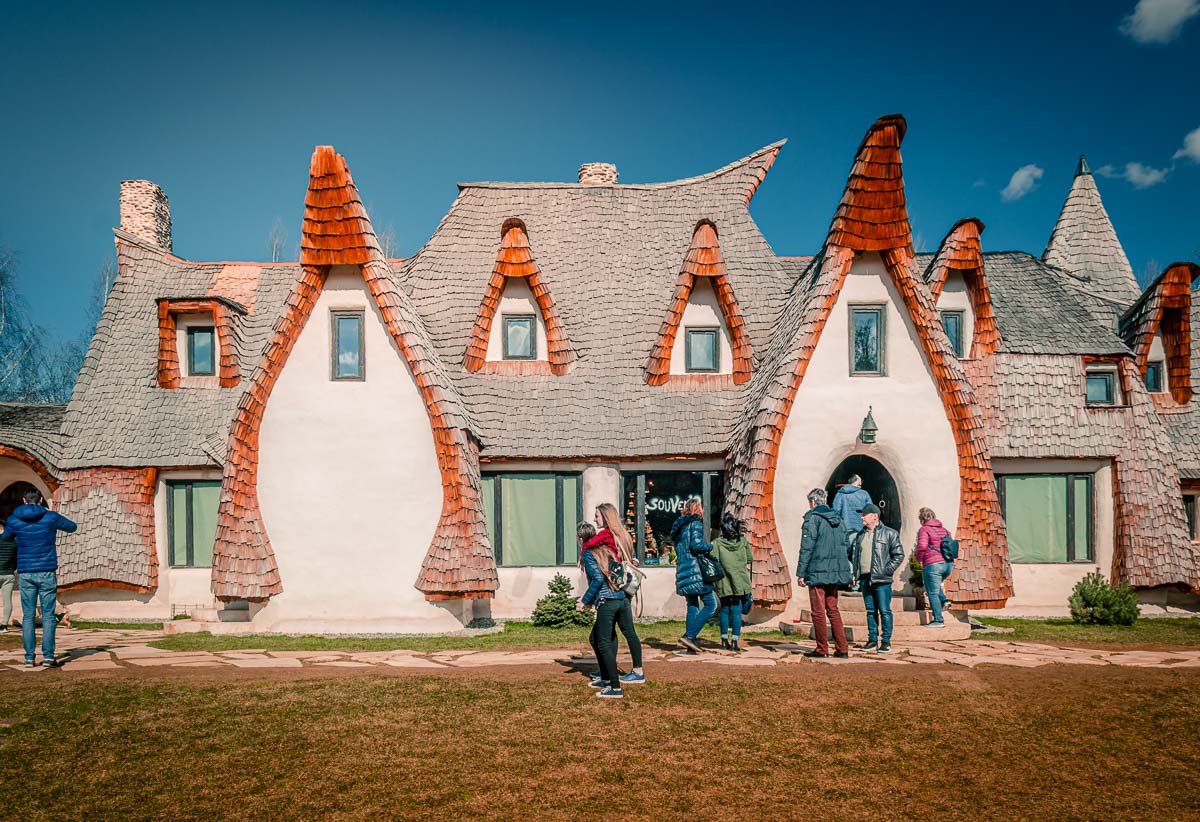
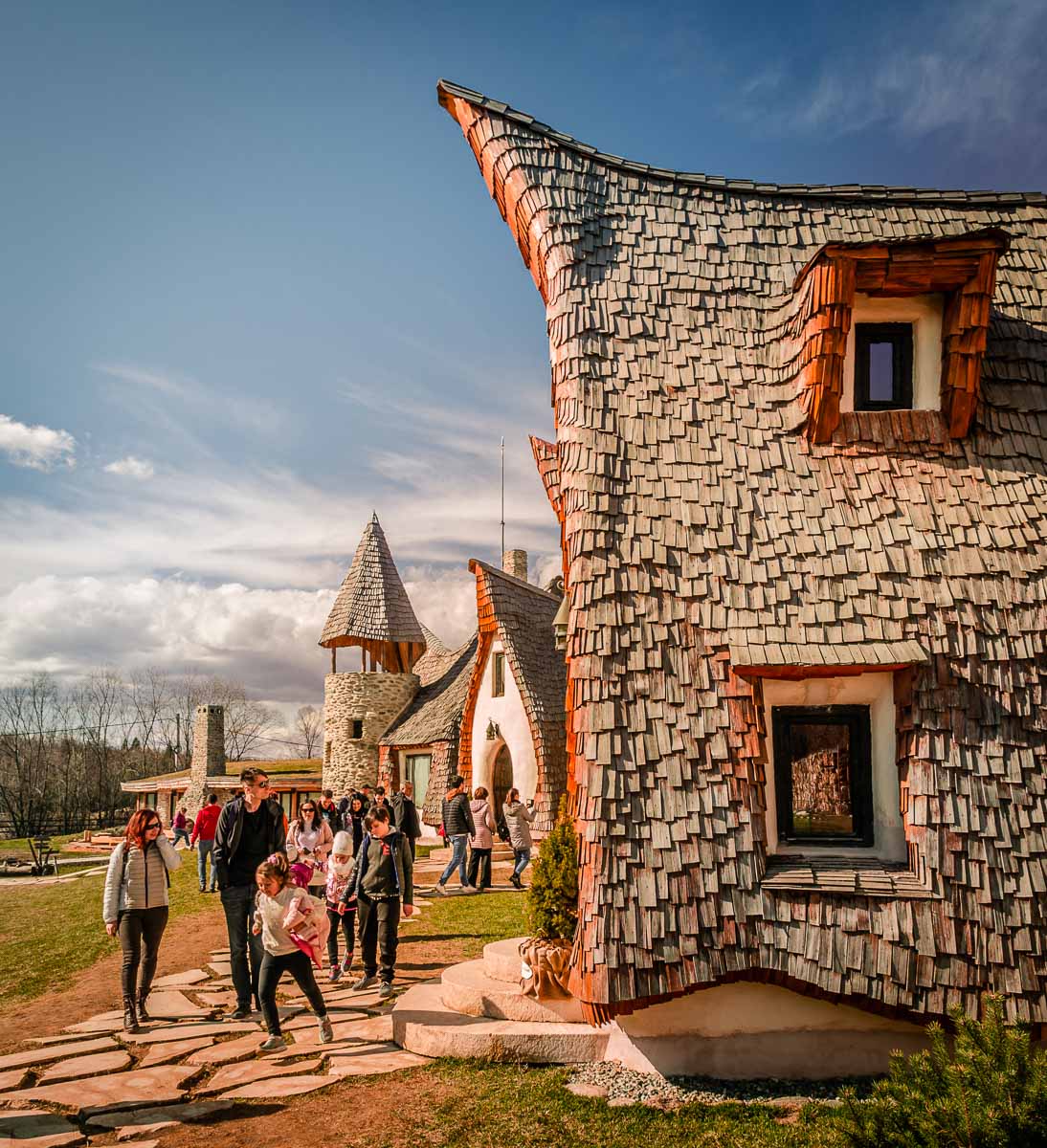
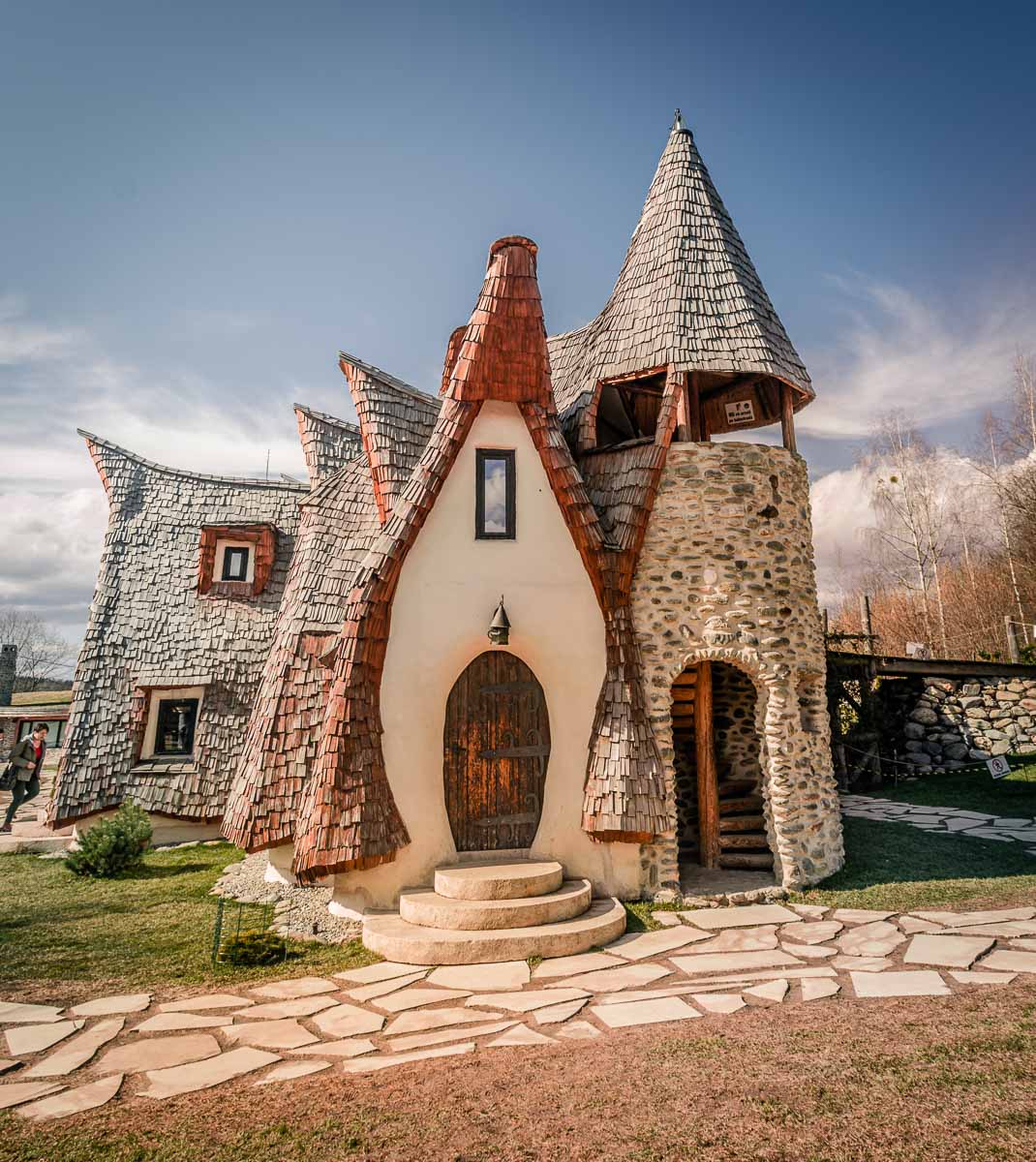
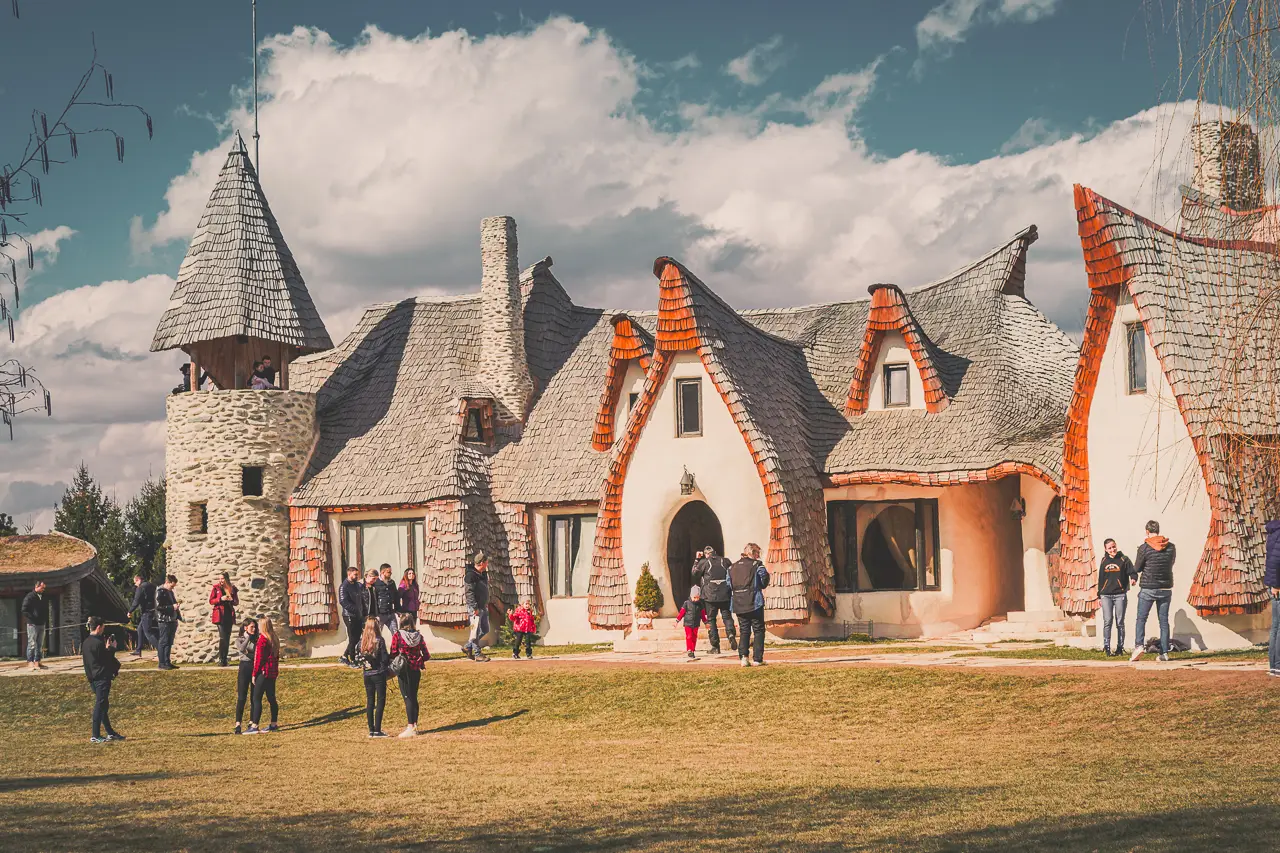
    The Clay Castle From The Valley Of Fairies – It’s a very popular place located in Porumbacu de Sus which is not far from Carta. Over there you will find an interesting castle made out of natural materials.

    The Brukenthal Summer Palace in Avrig – In Avrig you will find the Summer Palace of Samuel von Brukenthal.

  • The Brukenthal Summer Palace In Avrig

    The Brukenthal Summer Palace In Avrig

    After visiting the charming Clay Castle in Porumbacu de Sus, my next stop in the Fagaras region was the small town of Avrig, located about 30 km from Sibiu and just 15 km from the Clay Castle.

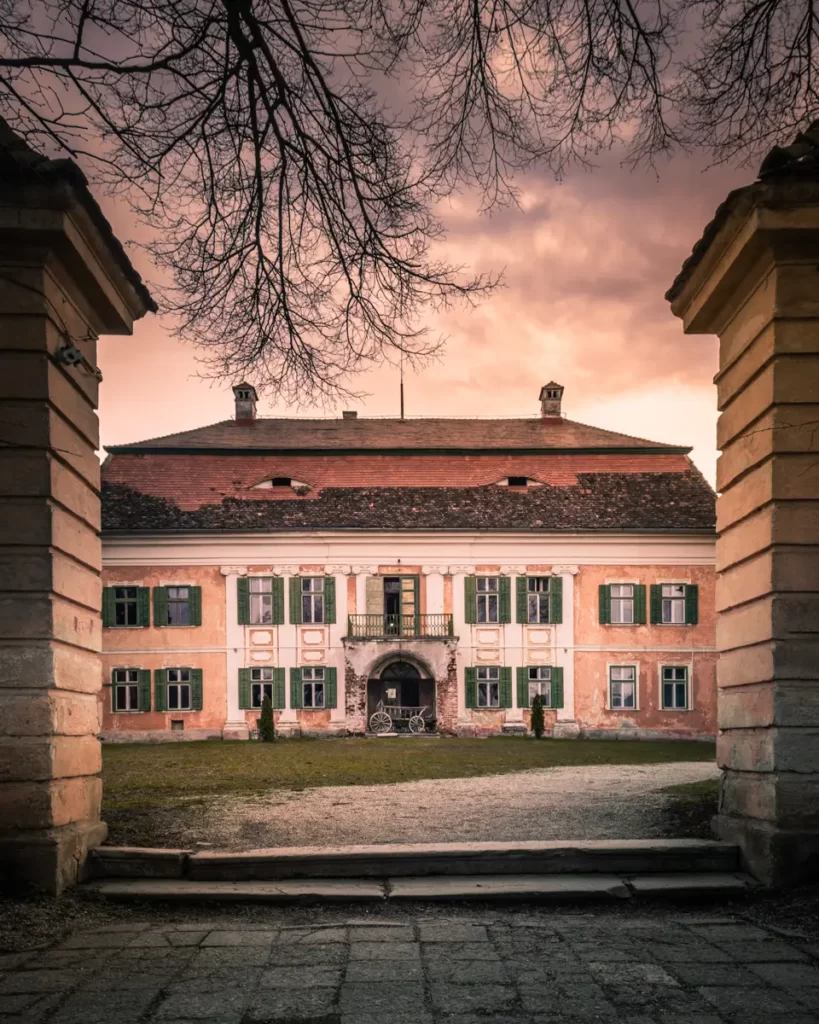
    Avrig might seem modest at first glance, but it’s home to one of Transylvania’s hidden gems: the Brukenthal Summer Palace. Once a retreat for Transylvanian nobility, this historic site offers a glimpse into the opulence of 18th-century aristocracy.

    The Summer Palace

    The palace, shaped like a “U,” was inspired by two iconic European landmarks: Luxembourg Palace in Paris and Schönbrunn Palace in Vienna. Construction began under Governor Adolf Nicolaus von Bucow and was completed by Samuel von Brukenthal, who later became Governor of Transylvania.

    Today, the palace houses a collection of 18th-century artworks and artifacts, giving visitors a chance to experience the era’s cultural richness. While some parts of the palace are currently inaccessible to the public, you can still explore the central building and enjoy its historical charm.

    Interesting Fact: During WWII, the palace was converted into a military hospital—a testament to its long and varied history

    The Summer Palace.
    The Brukenthal Summer Palace In Avrig
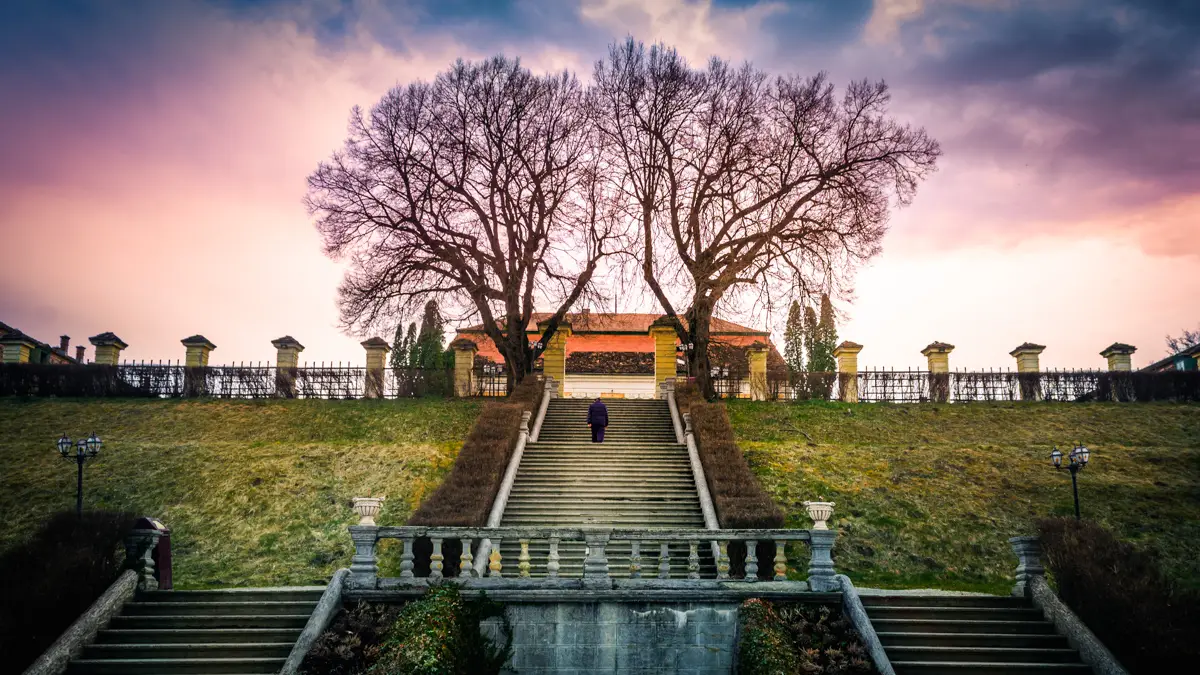
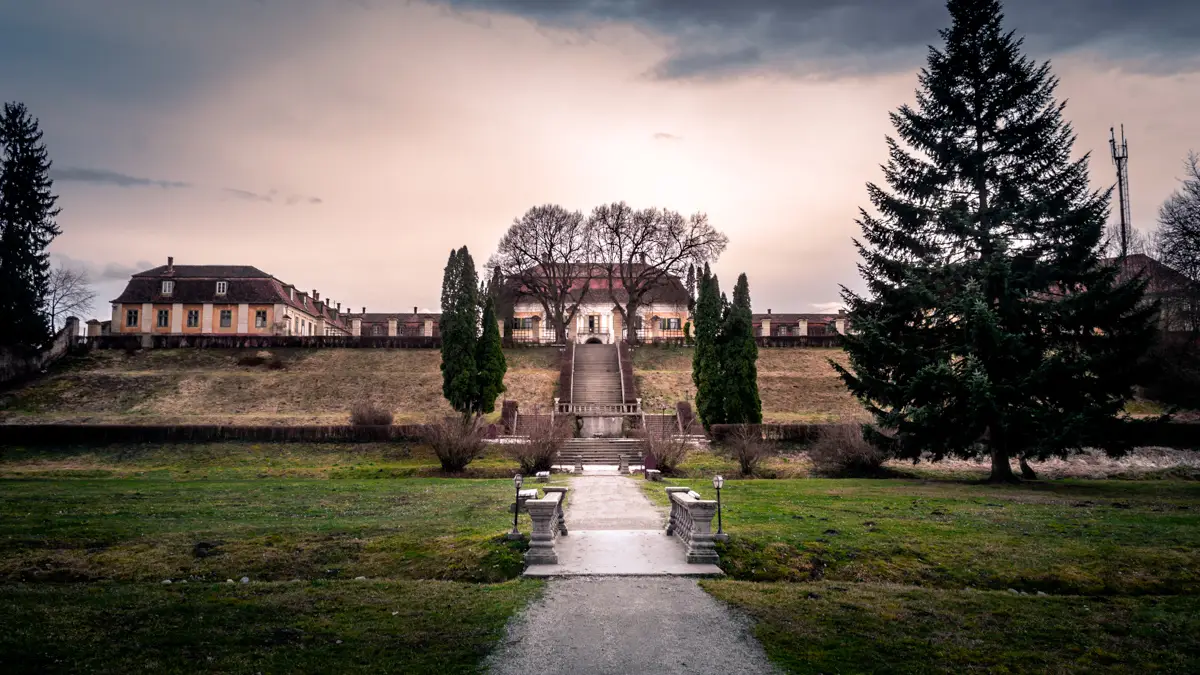
    Path in the park towards the Summer Palace.
    Path in the Palace Gardens leading up to the Summer Palace.

    The Palace Gardens

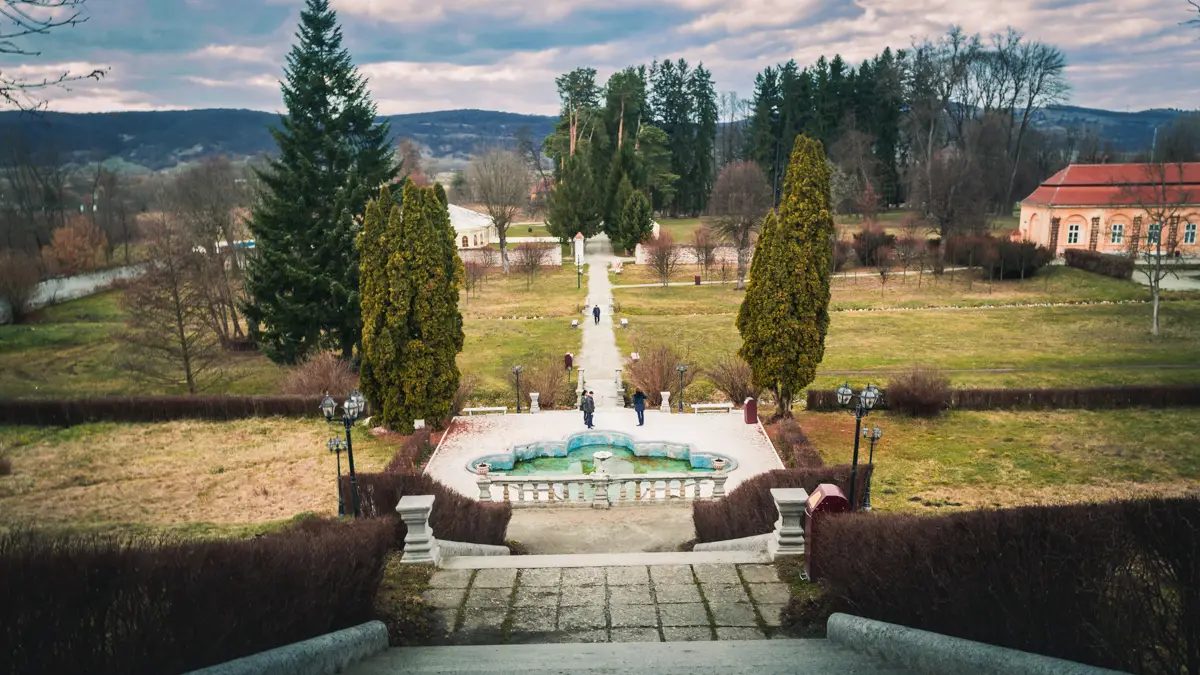
    The Brukenthal Palace Gardens are a highlight of the estate. As you walk up the stairs near the fountain, you’ll be greeted by stunning views of the entire property. The gardens are beautifully landscaped, offering a peaceful escape and plenty of photo opportunities.

    Insider Tip: On the right side of the property, you’ll find a cozy restaurant where you can enjoy delicious local cuisine or a refreshing drink. It’s a perfect spot to relax after exploring the grounds.

    A part of the palace gardens.
    The Summer Palace Gardens.

    How to reach this place?

    Finding the Brukenthal Summer Palace is straightforward:

    Head to Gării Street, just 200 meters from the intersection with Săsilor Street.
    If you’re driving, there’s ample parking nearby. For public transport users, buses from Sibiu often pass through Avrig.

    To be easier for you to find it, below I’ve shared a link with the exact location: https://maps.app.goo.gl/TRvFGmvsSWW3mksc8

    Additional Tips for Your Visit

    Best Time to Visit: Spring and summer are ideal for enjoying the gardens in full bloom.
    Nearby Attractions: Combine your visit with a trip to the nearby Clay Castle, the Carta Monastery or the city of Sibiu for a full day of exploration.

  • The Mighty Fagaras Mountains

    The Mighty Fagaras Mountains

    The Fagaras Mountains are a part of the Southern Carpathians range and are located almost in the center of Romania. The Fagaras Mountains are a range of mountains in Romania that span over 70 kilometers in length and rise to a height of 2,544 meters at their highest point. The highest peak is called Moldoveanu. These mountains are a popular destination for hikers, climbers, and outdoor enthusiasts, offering stunning views of rugged peaks, deep valleys, and glacial lakes. The mountains are home to a variety of wildlife, including brown bears, lynx, wolves, and eagles. The vegetation in the area is also diverse, with forests of beech, spruce, and fir trees covering much of the lower slopes and meadows of wildflowers dotting the higher elevations. The Fagaras Mountains offer a range of outdoor activities, from hiking to rock climbing, mountaineering to skiing. The region is home to over 200 km of marked trails that lead hikers through stunning scenery and past glacial lakes, waterfalls, and traditional Romanian villages. Some of the most popular hiking routes in the area include the Transfagarasan road, which winds through the mountains and offers spectacular views of the surrounding landscape. If you plan to drive on the Transfagarasan road then you should definitely make a short stop at Balea Cascada and explore this charming place.

    The Mountains in the Fagaras region

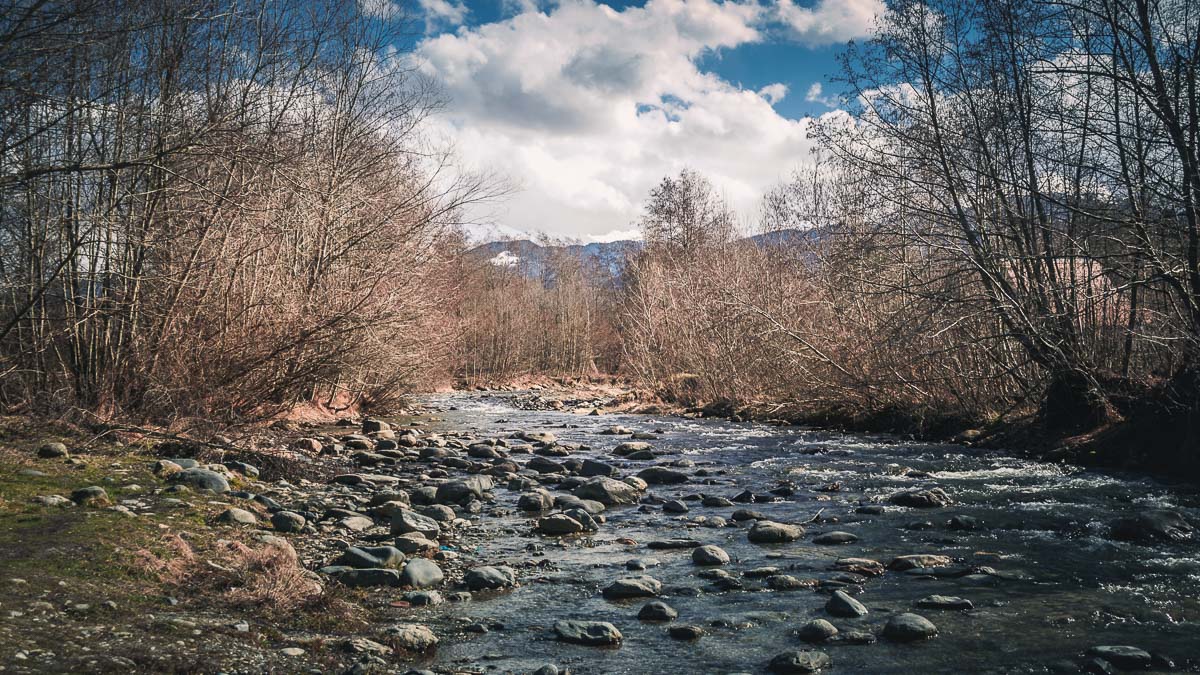
    A couple years ago, I visited a couple of popular places in the Fagaras region like the the former Cistercian monastery in Carta and The Clay Castle Valley Of The Fairies located close to the Transylvanian village of Porumbacu de Sus. Since the mountains were close to the main road, I had many opportunities to capture some interesting photos of the mountains with their snow covered peaks.

    Panoramic view of the Fagaras mountains.
    The Fagaras mountains near the village of Porumbacu de sus.
    Mountains with snow on their peaks.
    View of the Fagaras mountains from the village of Carta.
    The Fagaras Mountains near Carta, Romania.
    The Fagaras Mountains near Carta, Romania.

    In conclusion, the Fagaras Mountains are a stunning and diverse mountain range that offers a range of outdoor activities for all skill levels. From hiking and rock climbing to skiing and snowboarding, the Fagaras Mountains are a must-visit destination for anyone looking to explore the beauty of Romania’s natural landscape.