• Constanta Promenade

    Constanta Promenade

    Share this:

    Nestled along the western coast of the Black Sea, Constanta is Romania’s oldest continuously inhabited city. Founded around 600 BC as a Greek colony known as Tomis, Constanta has a storied past that includes Roman conquest, Byzantine influence, and Ottoman rule. This city is about 220 kilometers from Romania’s capital, Bucharest. During our short visit, we spent most of our time in the old town, which is where you’ll find most of the city’s main tourist attractions. After exploring a small part of the old town, it was time to check out the promenade. We started and ended our walk near the port of Constanta.

    As you walk along the promenade, you’ll pass by some of Constanta’s most iconic landmarks, including the famous Casino, a stunning Art Nouveau building that has become a symbol of the city. The promenade also takes you past the old Genovese Lighthouse, a historic structure that once guided ships safely into the port.

    The Casino

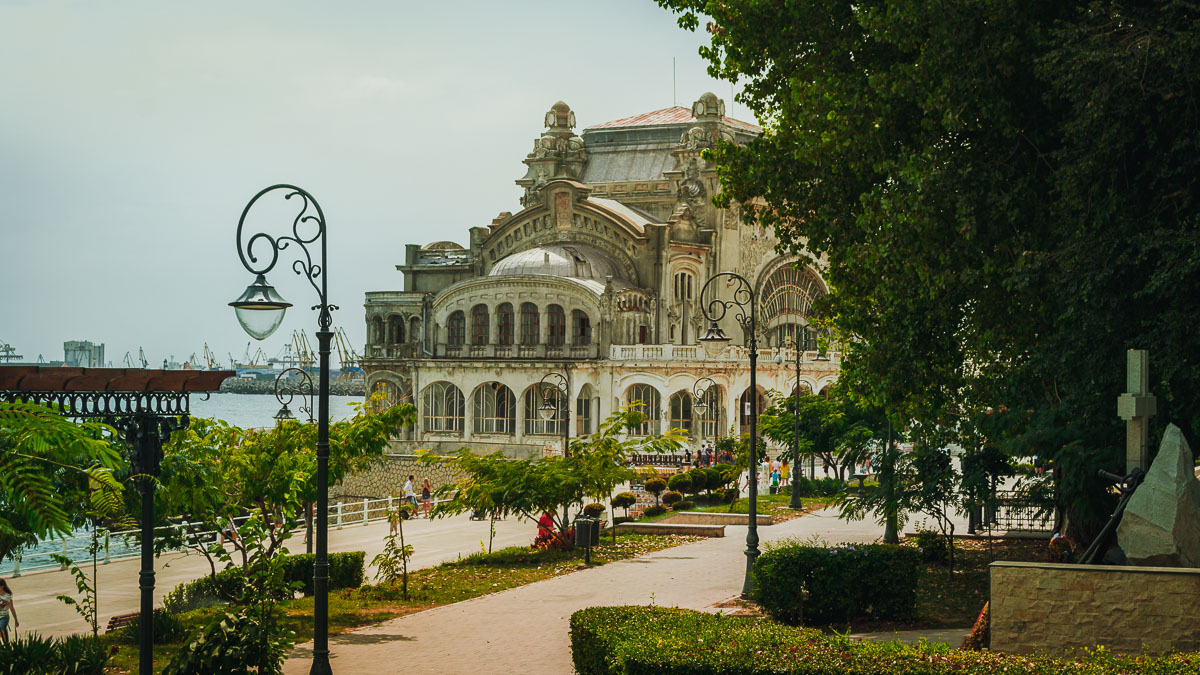
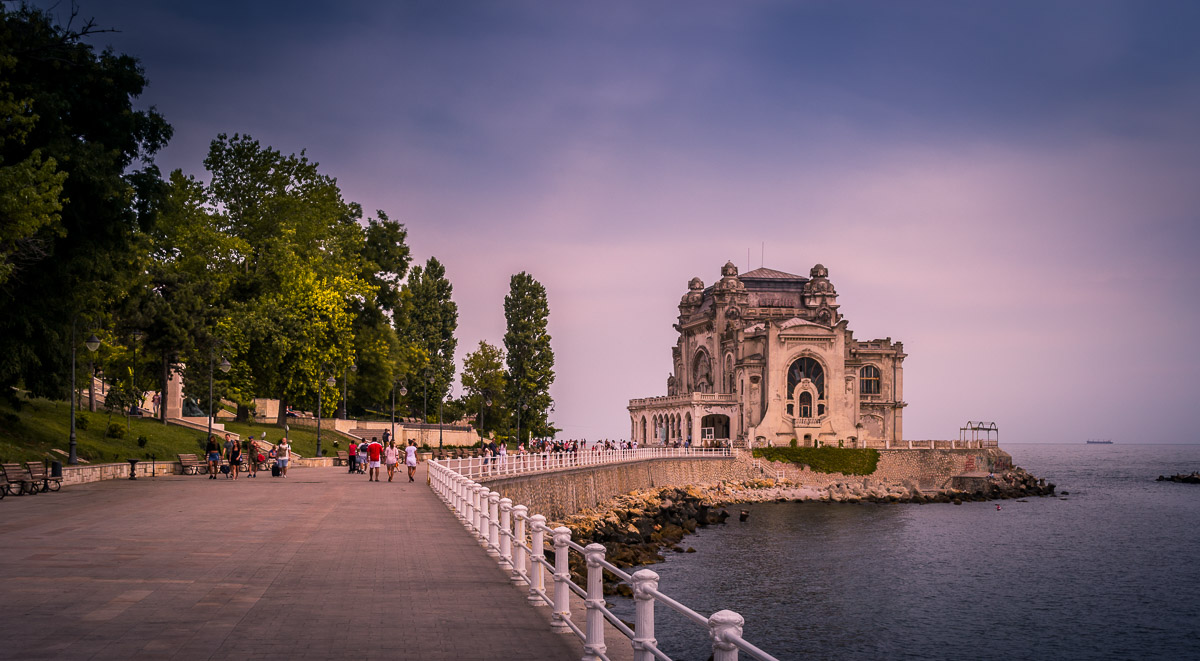
    The Casino, an Art Nouveau masterpiece, is perhaps the city’s most iconic landmark. This beautiful building is located on the seafront, near the port. The photos below were taken before the Casino began its restoration. As you can see, the building was neglected by the local authorities at that time, and it had started to fall into disrepair. I’m really curious to see how it will look once the restoration is complete.
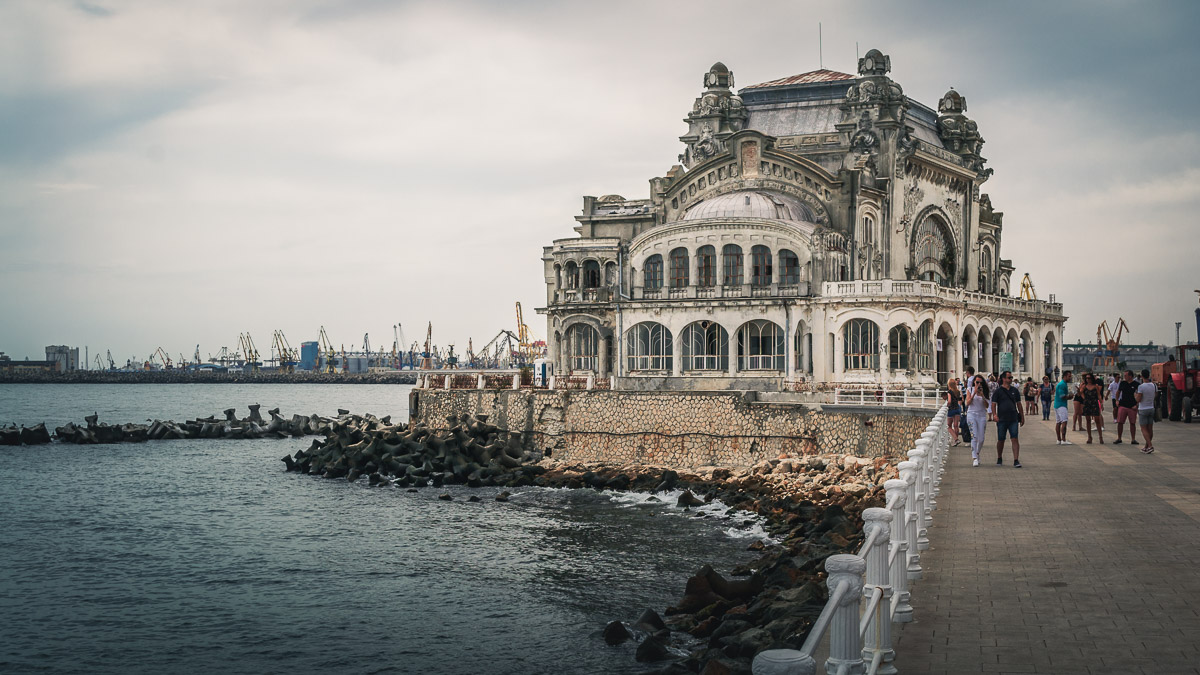
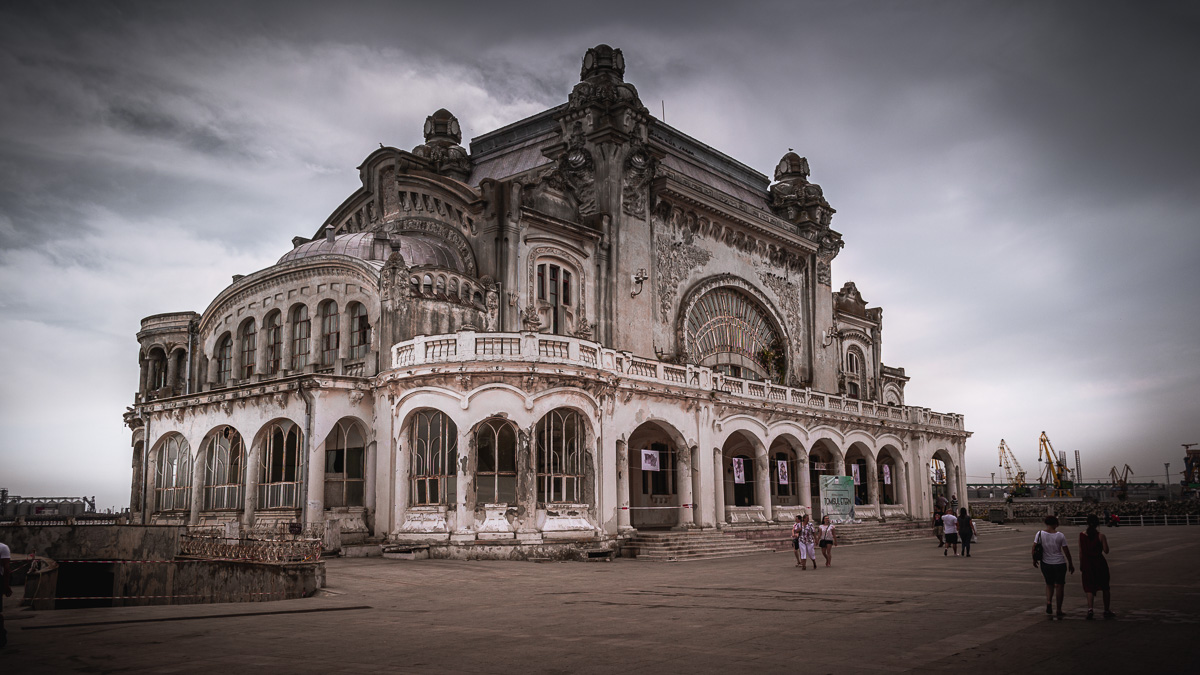
    The Casino in the city of Constanta.
    The Casino in Constanta.
    The Casino before the restauration.
    A close-up photo of the Casino.
    The Casino and the promenade in Constanta.
    People leisurely strolling along the promenade, enjoying the fresh sea breeze and the historic landmarks.

    The Genovese lighthouse

    Not far from the Casino, you will find the old Genovese lighthouse which was used until 1913. Today it only serves as a landmark along with other old buildings in the area. As an interesting fact, this lighthouse was visited by Price Carol I in 1879.
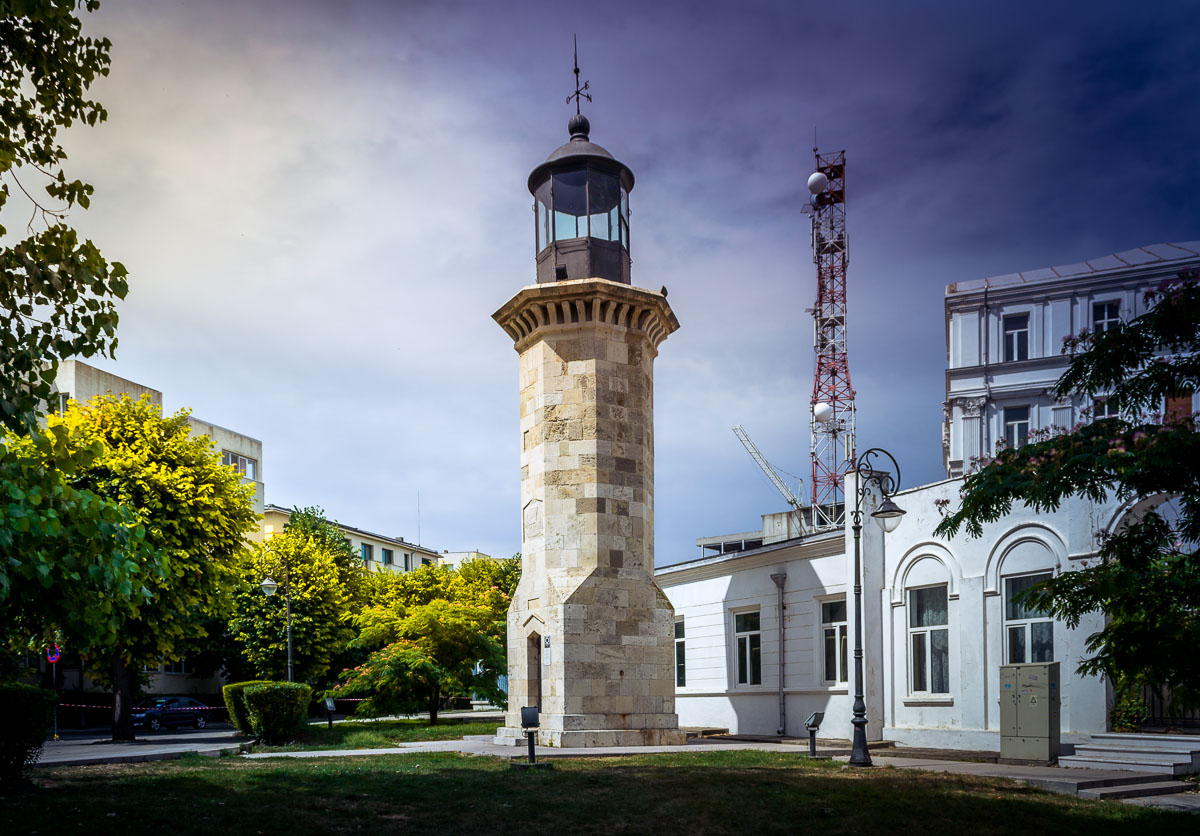
    The Genovese lighthouse.
    The Genovese lighthouse.

    Near the port of Tomis

    Continuing our walk on the seafront, we reached a large white building which today is actually the Fleet Command. Not very far from this place, you will find the port of Tomis.
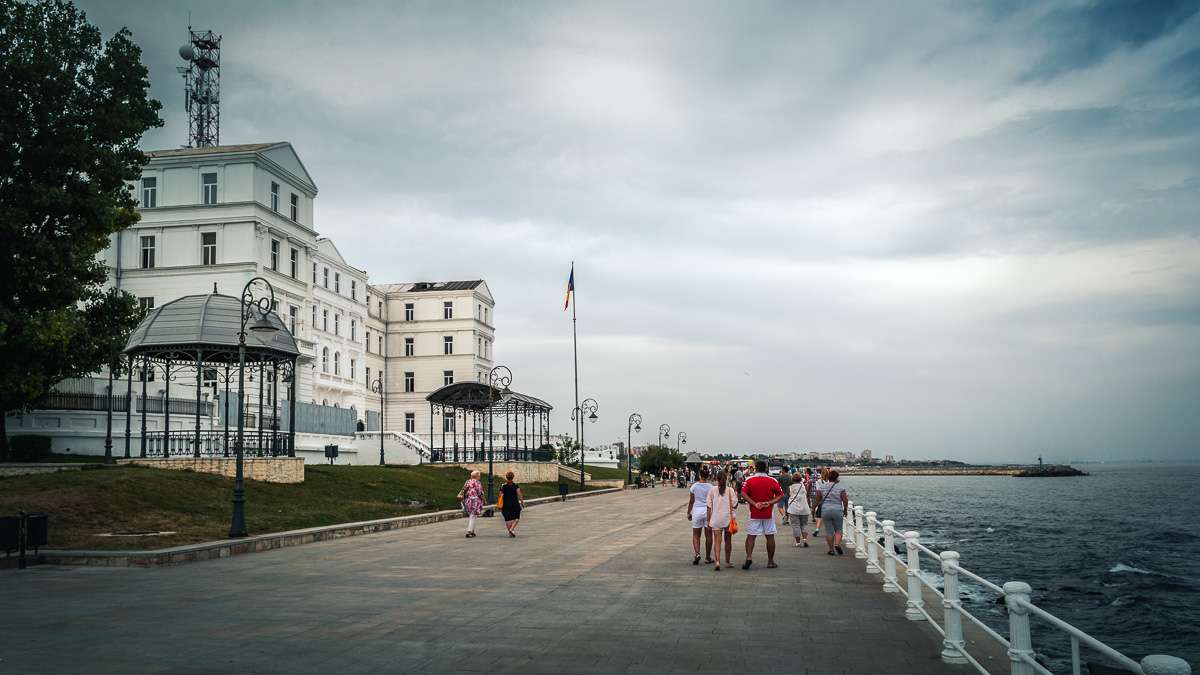
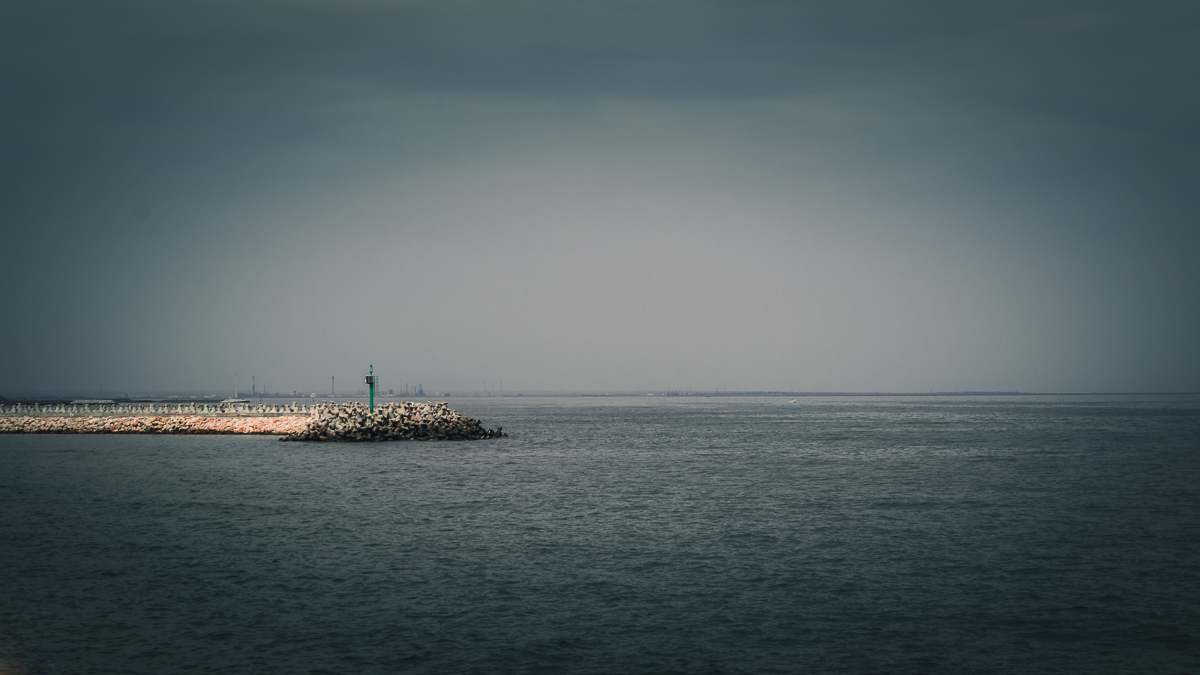
    The Fleet Command and the seafront.
    The Fleet Command.
    The Black Sea and the entrance into the port of Tomis.
    The Black Sea near the port of Tomis.

    The port of Constanta

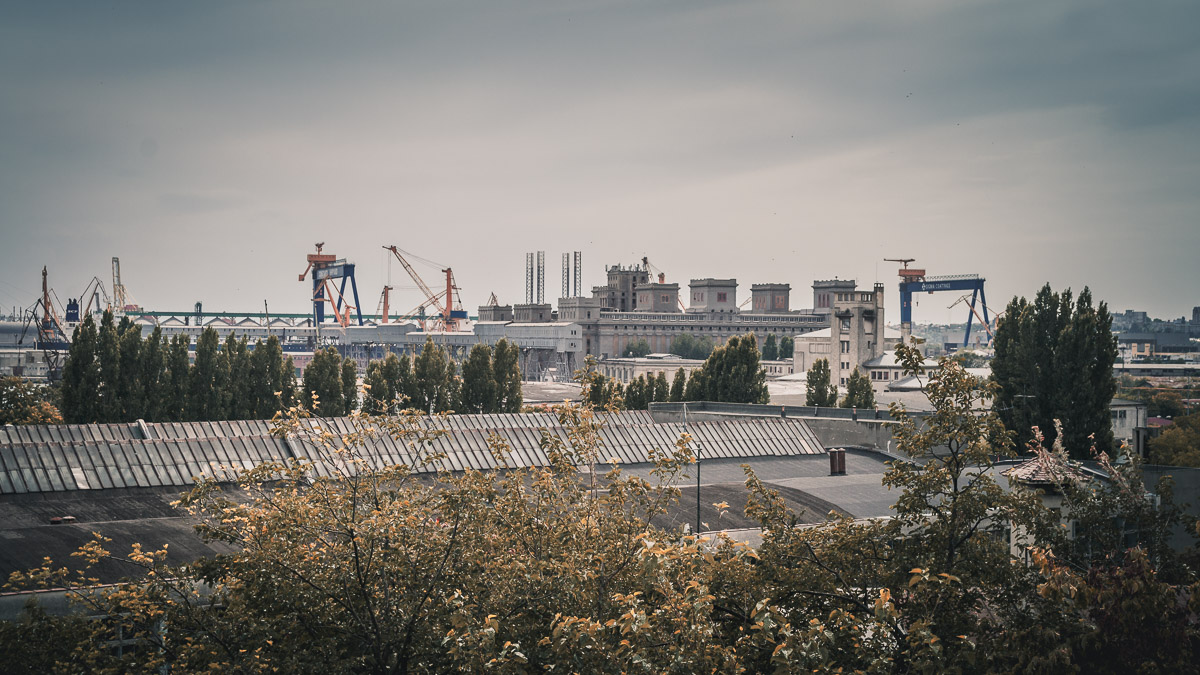
    The port of Constanta is the largest in Romania and sits on the Black Sea. It’s both a maritime and river port because it’s connected to the Danube through the Danube-Black Sea Canal. This connection allows some cargo to be transported along the Danube to European countries that don’t have direct access to the sea.
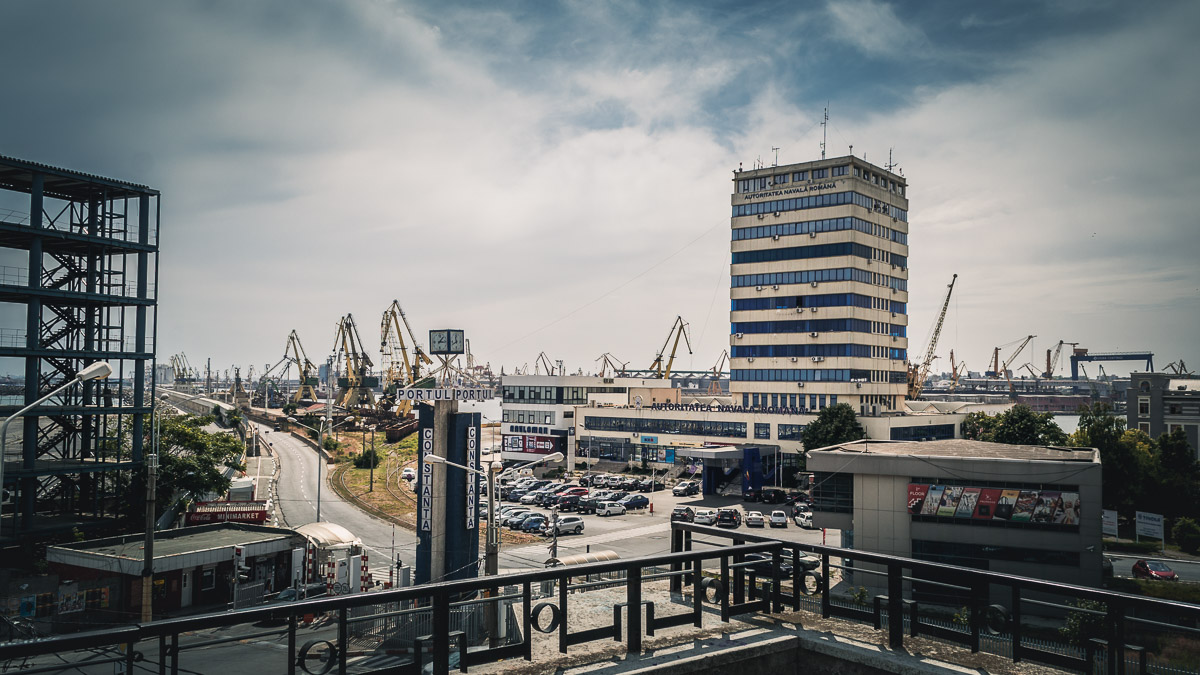
    The port of Constanta.
    The port of Constanta.
    Large cranes and buildings in the port.
    Cranes and industrial building in the port.

    What else can you do near the Black Sea

    In the small city of Mangalia, which is about 45 km away from Constanta, you can take a boat ride in the port of Mangalia. Usually you can find these small boats that take tourists on ride around to port in the Touristic Port of Mangalia.
  • The Bicaz Gorge

    The Bicaz Gorge

    Share this:

    Located within the Cheile Bicazului-Hasmas National Park in Romania lies the breathtaking Bicaz Gorge. Situated amidst the Eastern Carpathian Mountains, this natural marvel is conveniently close to the renowned Red Lake, adding to the allure of the region’s attractions.

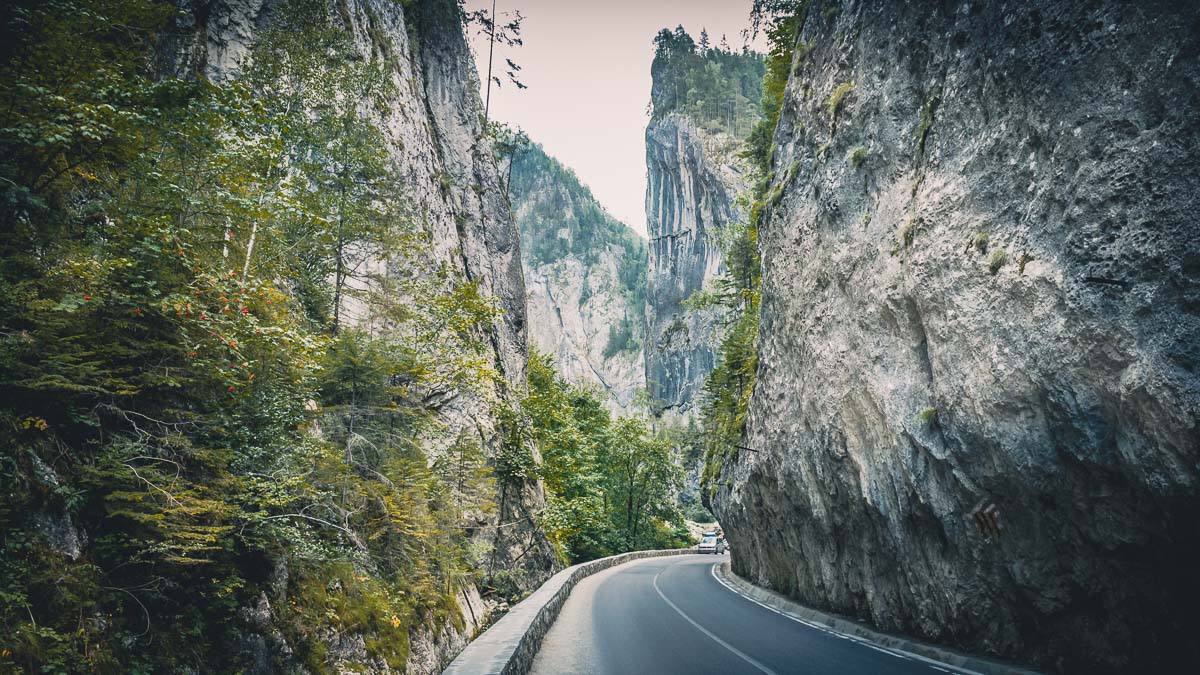
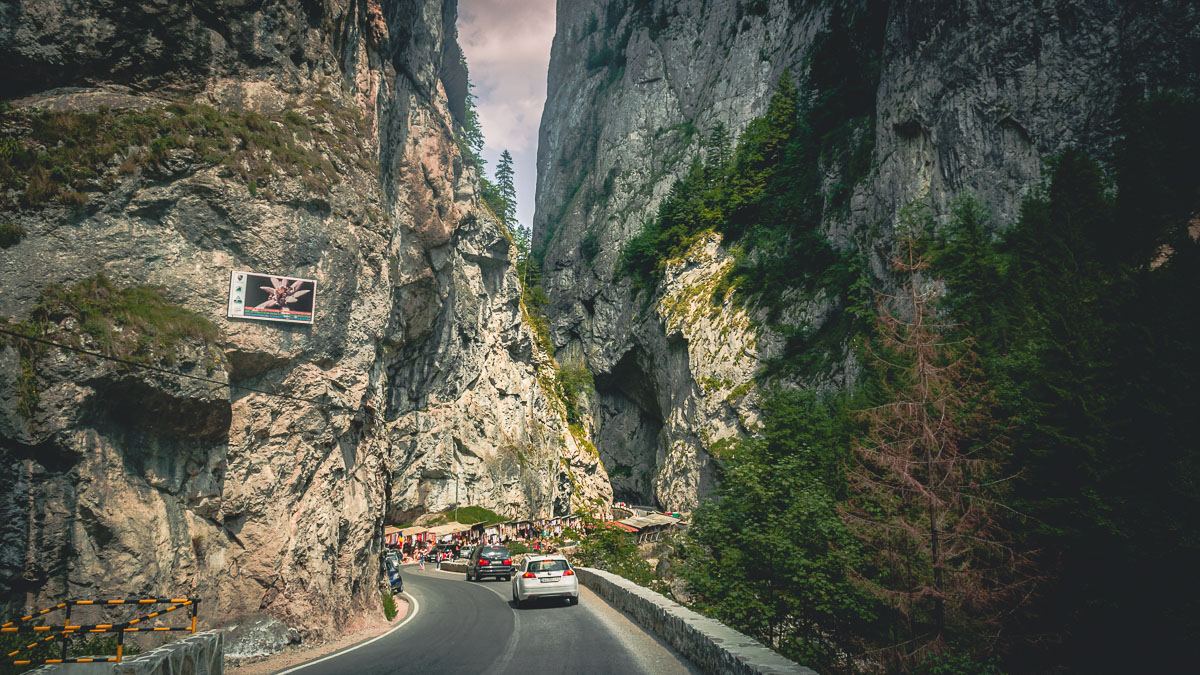
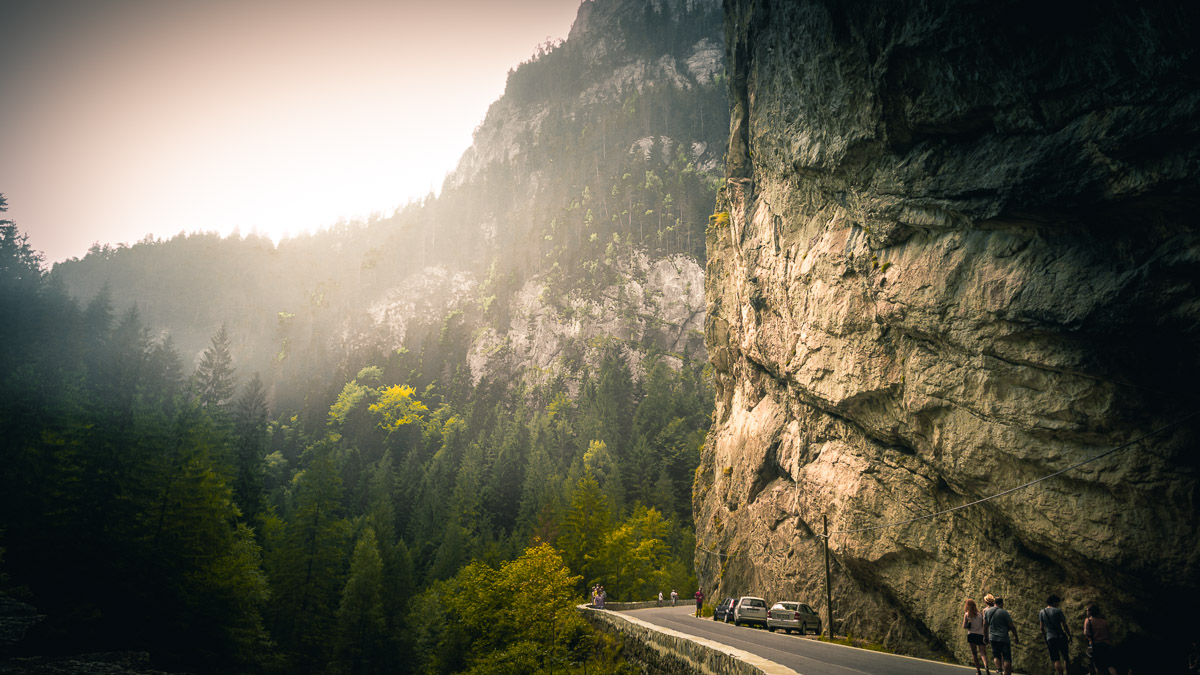
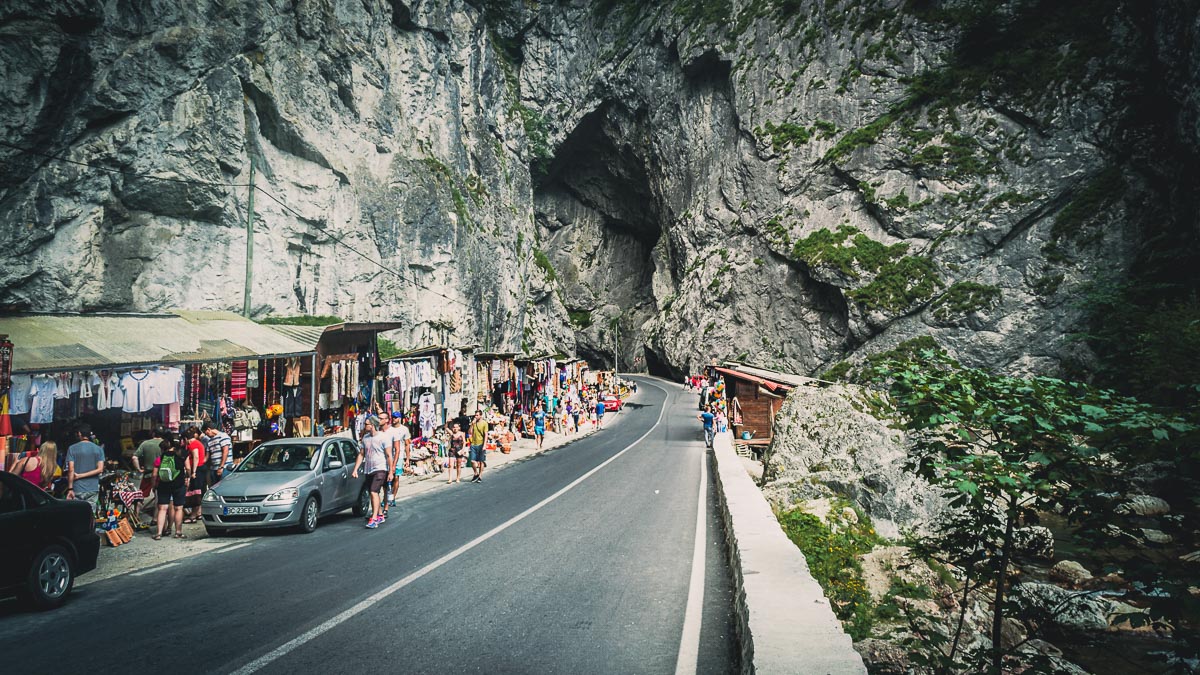
    Carved between towering cliffs alongside the rushing waters of the Bicaz River, the road through Bicaz Gorge serves as a vital link between the regions of Transylvania and Moldova. As you traverse this scenic route, you’ll encounter numerous quaint shops offering an array of souvenirs, providing an opportunity to take home a piece of the picturesque journey through this natural wonder.

    Driving through Bicaz Gorge is an experience like no other, as travelers wind their way along a narrow road that hugs the rugged cliffsides. With each twist and turn, panoramic views unfold, revealing the untamed beauty of the surrounding landscape. Adrenaline-seekers are drawn to the challenge of navigating the winding road, while nature enthusiasts marvel at the diversity of flora and fauna that call this pristine wilderness home.

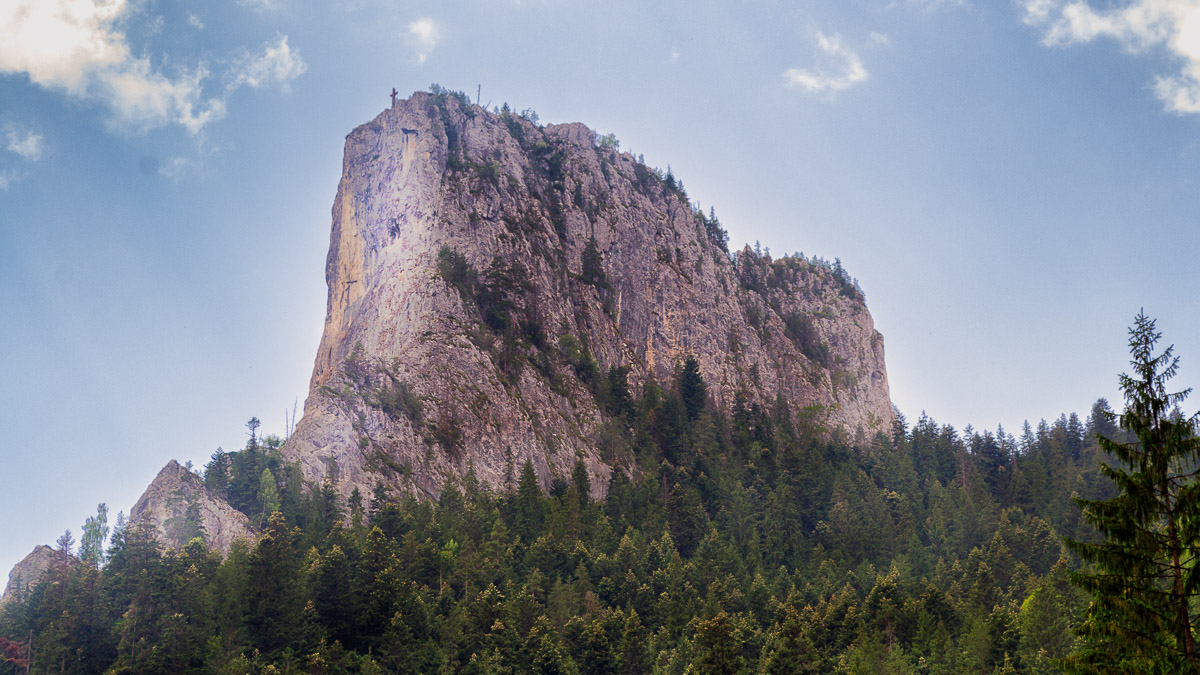
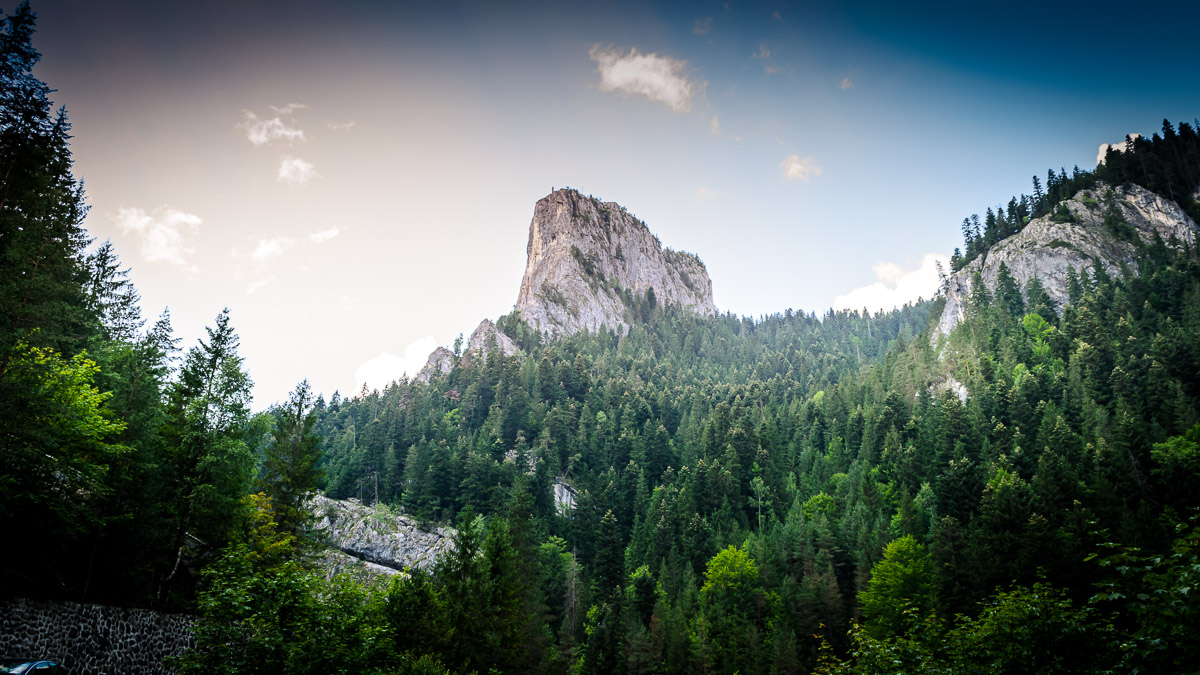
    The Piatra Altarului Mountain next to the Bicaz gorge.

    Steep cliffs next to the road

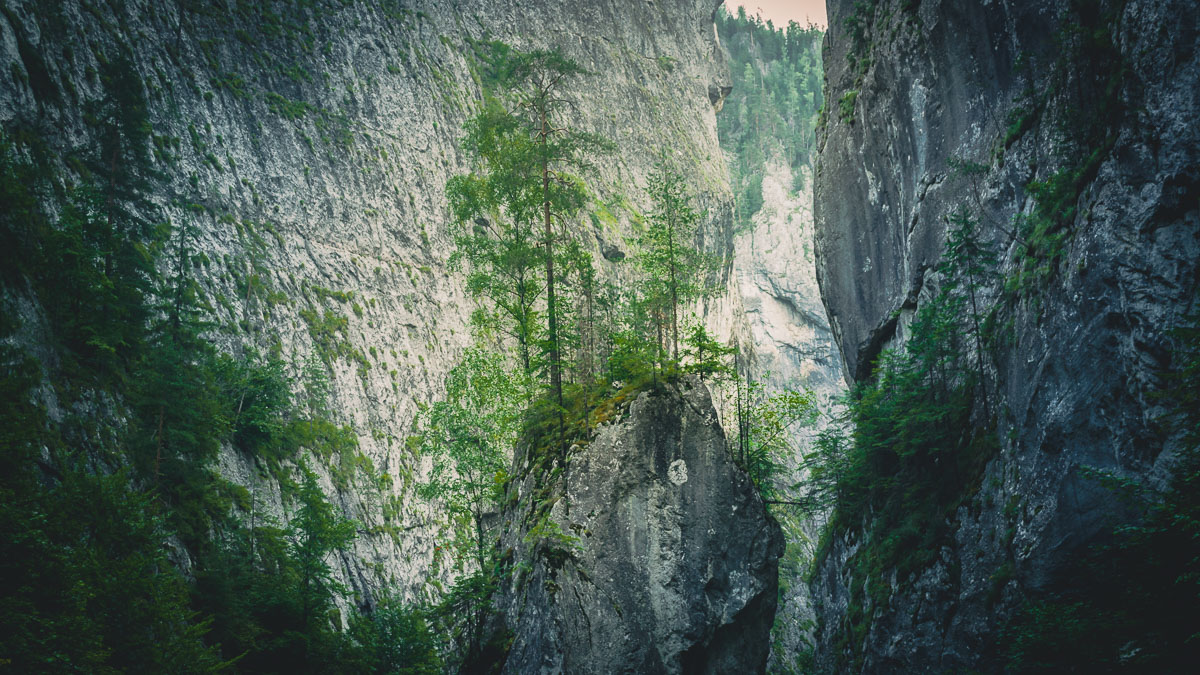
    One of the highlights of any visit to Bicaz Gorge is the chance to witness the spectacular rock formations that line the canyon walls. From towering spires to intricate rock formations sculpted by centuries of erosion, each formation tells a story of the geological forces that have shaped this landscape over millennia. Visitors are encouraged to pause and reflect on the ancient history written in stone, marveling at the sheer magnitude of nature’s craftsmanship.

    The national road between steep cliffs.
    Trees growing on a smaller cliff In the Bicaz gorge.
    Shops and tourists next to the road.
    Sunlight on the steep cliffs in the Bicaz gorge.
    Close-up photo of the Piatra Altarului.

    As one of Romania’s most beloved natural attractions, it continues to inspire and enchant visitors from around the world, inviting them to explore its rugged terrain and discover the magic of this hidden gem in the heart of Eastern Europe.

    What else can you visit?

    A short distance from the awe-inspiring Bicaz Gorge, travelers will encounter the picturesque Red Lake, a captivating natural wonder nestled within the breathtaking landscape of Romania.

  • The Sopot Waterfall In The Poiana Rusca Mountains

    The Sopot Waterfall In The Poiana Rusca Mountains

    Share this:

    The Sopot Waterfall is nestled in the Poiana Rusca Mountains of Romania, a beautiful and serene spot worth visiting. To reach the waterfall, you’ll start from the village of Poieni, which is the closest village before you head into the mountains. From Poieni, you’ll have to drive about 5 kilometers along a forest road. The road isn’t paved, but there’s no need to worry – you don’t need a 4×4 vehicle to make the journey. The road is manageable for most cars, and the scenic drive through the forest adds to the experience.

    When you reach the sign pointing to the Sopot Waterfall, you’ll need to take a short hike through the forest to get there. The waterfall is tucked away in the forest, so it’s not right by the road. Fortunately, the path is well-marked, so you won’t have any trouble finding your way. The hike is fairly easy and gives you a chance to enjoy the natural surroundings. Once you arrive at the waterfall, you’ll find some wooden benches nearby where you can sit and rest after your walk. It’s a peaceful spot, perfect for taking a break and soaking in the beauty of the waterfall.

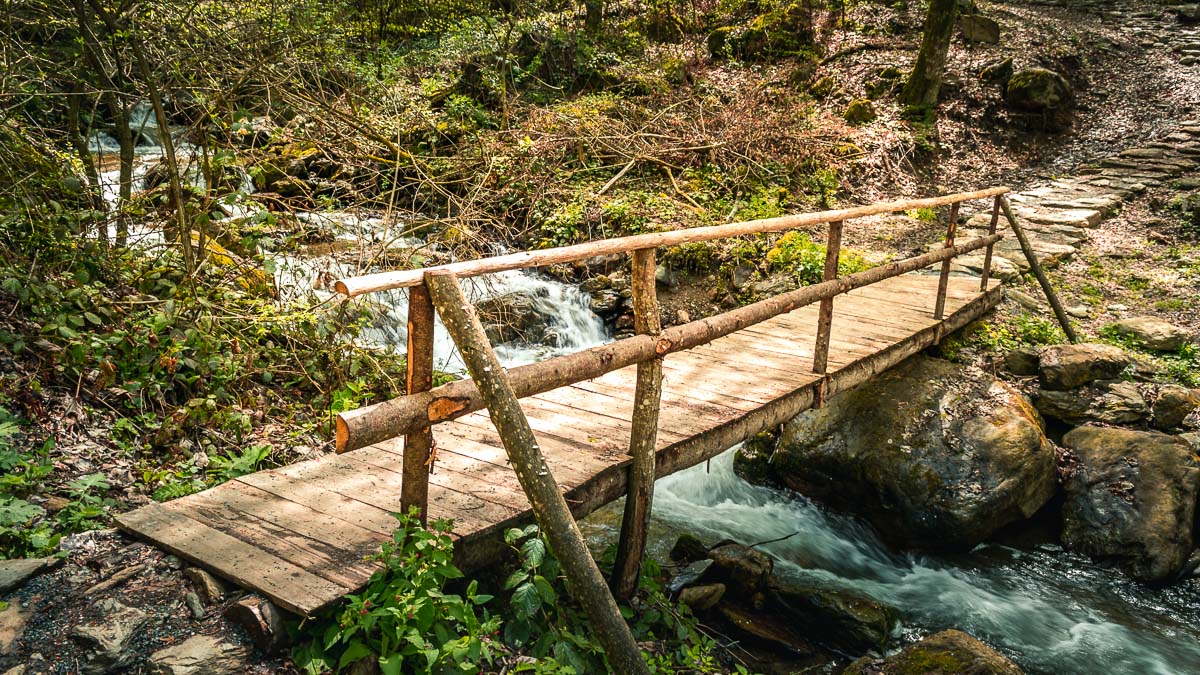
    Wooden bridge close to the Şopot waterfall.
    Wooden bridge over the stream.
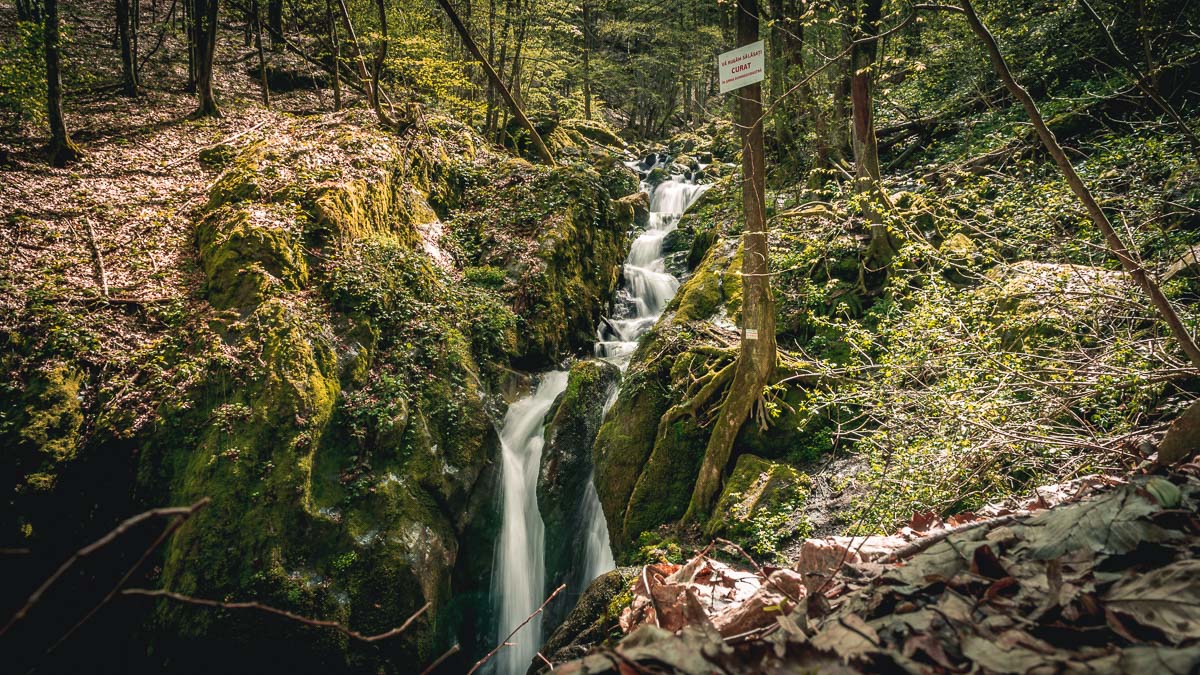
    The Sopot stream flowing down from the waterfall.
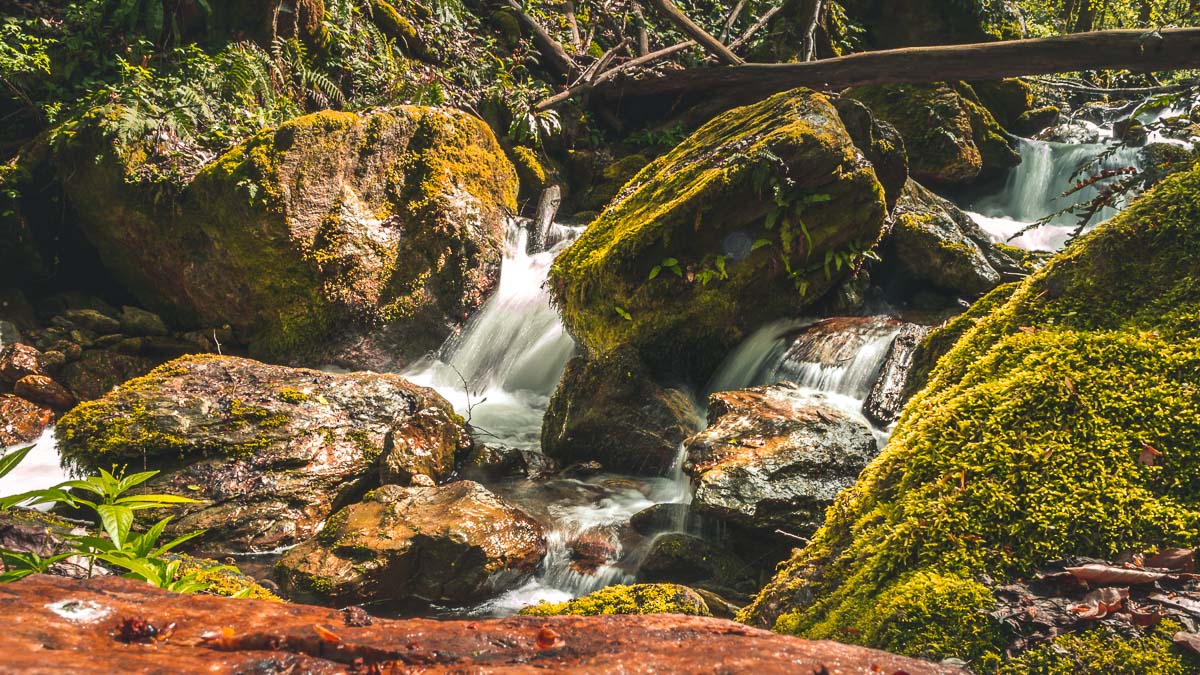
    Small waterfalls near the path.
    Mountain stream flowing in the forest.
    Mountain stream near the waterfall.
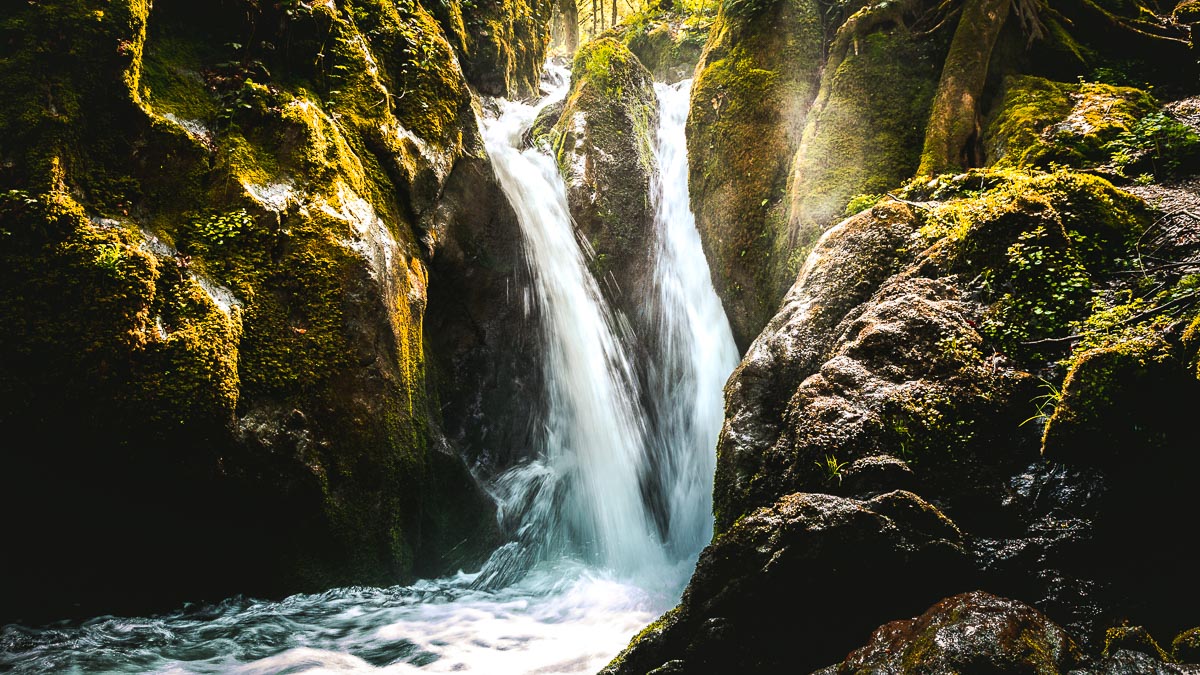
    The Sopot waterfall
    The Sopot Waterfall

    Nearby objectives to explore:

    • The Romanesti Cave – This is the most popular cave located in the area, it’s easy to reach it.
    • Lake Surduc – Is the largest lake in the area and it’s also a popular place especially in the warm summer season.
    • Transluncani road – This lesser-known route winds through the picturesque landscapes of the Banat region, connecting several rural areas and offering travelers a peaceful and scenic drive.