• Visiting Sighișoara in the winter

    Visiting Sighișoara in the winter

    Share this:

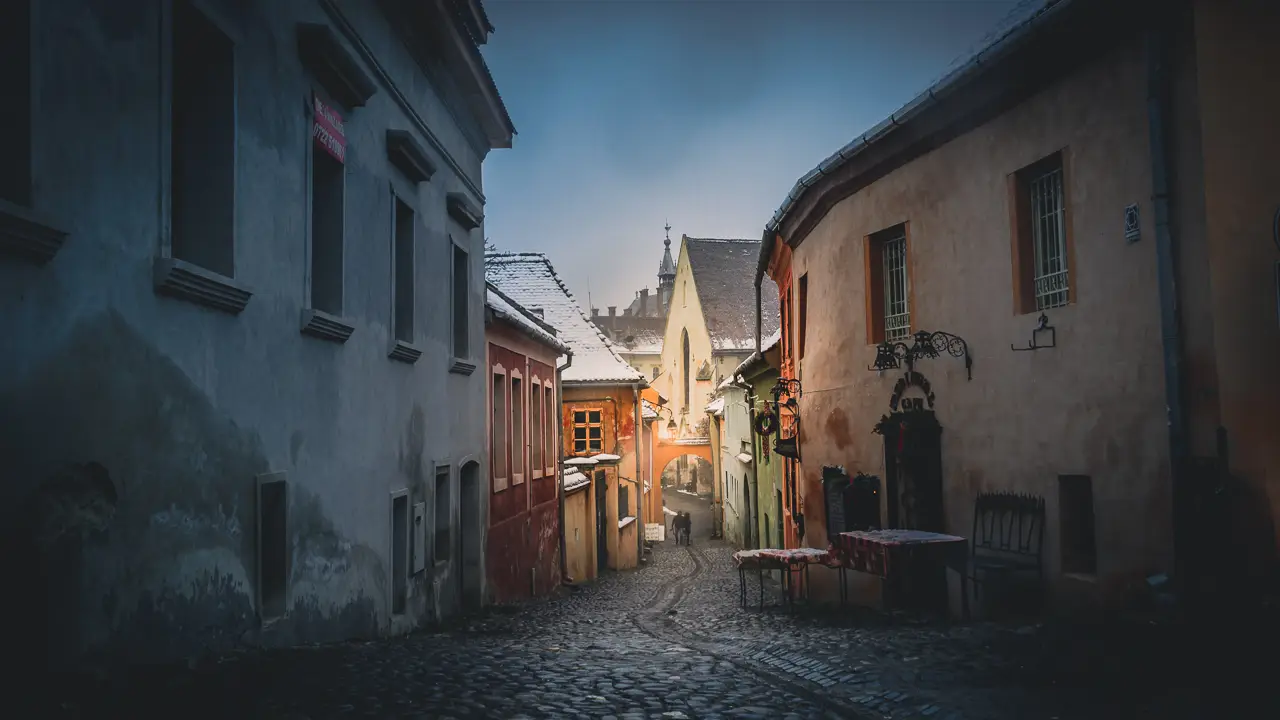
    After visiting some old fortified churches in the area, like the one form the Transylvanian village of Mălâncrav, on our way back, I’ve decided to capture some photos of the Sighișoara medieval citadel as well.

    The Clock Tower

    The starting point of this photo shoot was at the Clock Tower because this buildings is one of the most important in Sighișoara. That day despite that outside was very cold, in the citadel I saw a lot of tourists wondering around and admiring the old buildings.

    The Clock Tower from Sighișoara in the winter.
    Tourists walking around in the citadel.

    Dracula’s house and the Stag House

    According to the legends, the building painted in yellow was the birthplace of Vlad the Impaler aka Dracula. If you take a closer look, you can even see in the background of the photo the Church on the Hill.

    Not far from Dracula’s birthplace you will find another interesting building which is called the Stag House. The reason for its name is that you will find a stag head right on the corner of the building.

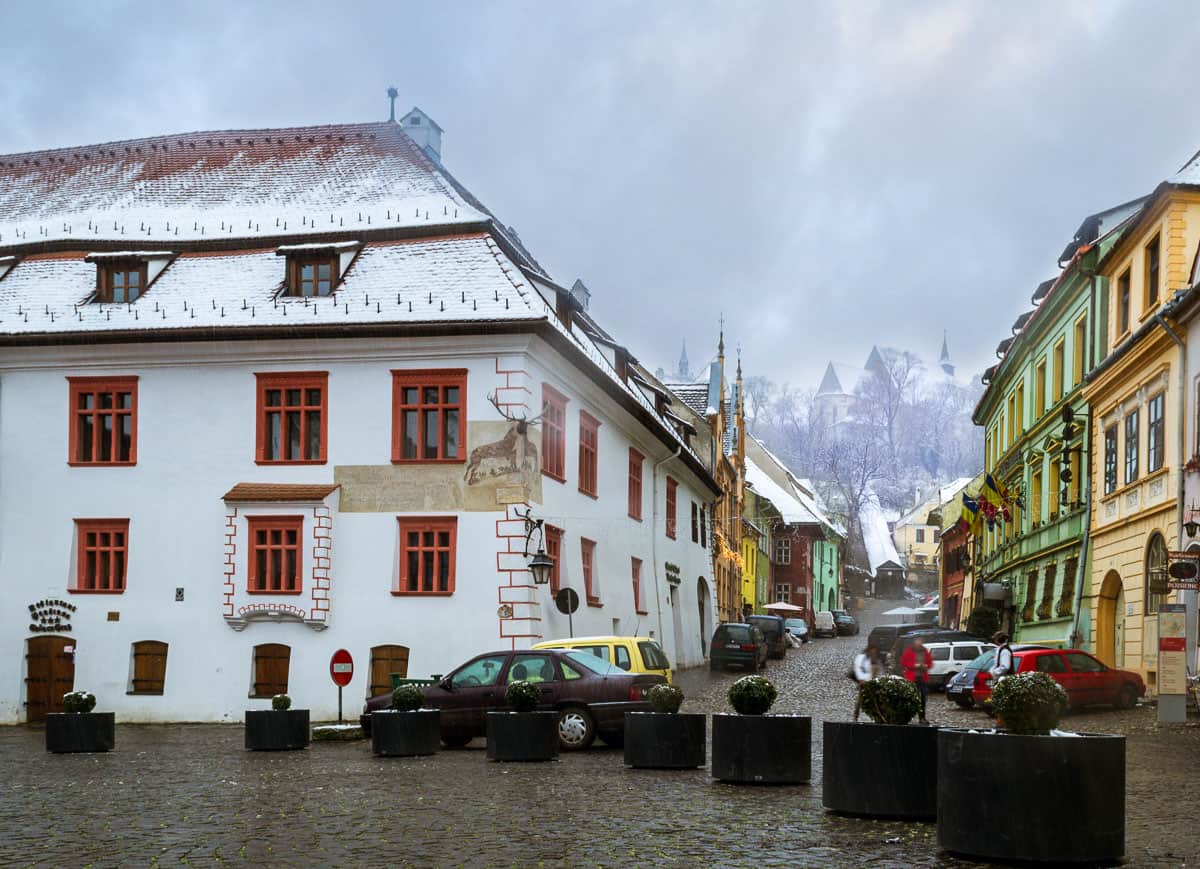
    Dracula's birthplace.
    Stag House in Sighișoara.

    The Covered Stairway in the citadel

    The covered stairway was built 1642 and it offered a safe climb to the Lutheran church and to the school especially in the winter season. The stairway is also know as the Scholar’s stairs.
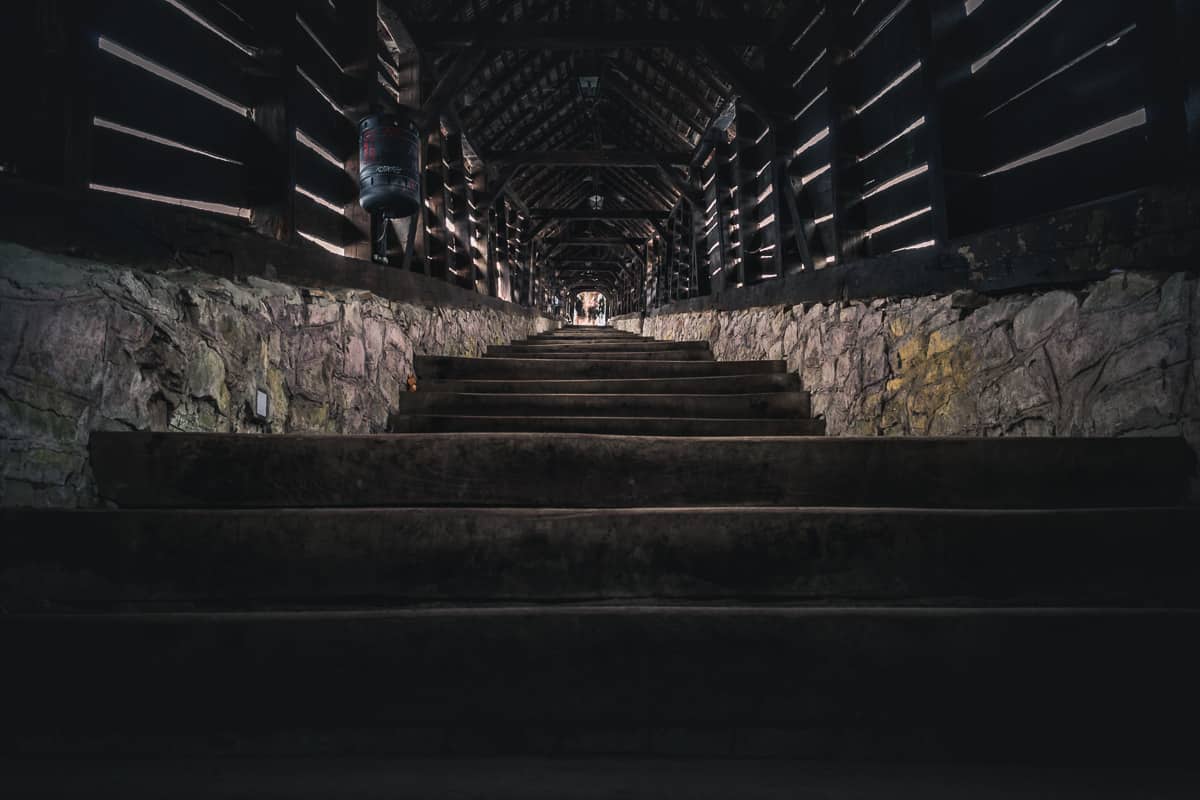
    The Covered Stairways in the medieval citadel.

    Exploring the upper part of Sighișoara medieval citadel

    Once you climb all the stairs of the old Covered Stairway you will end up in the upper part of the medieval citadel. Over there you will find the Church on the Hill which originally was a catholic church and after the 1547 Reform, the majority of the inhabitants of Sighișoara shifted to Lutheranism so after that, the Church on the Hill was turned into a Lutheran church. Near the church is the old Saxon cemetery and the Ropemaker’s tower.

    The Church on the Hill and the old Saxon cemetery.
    The Ropemaker’s tower

    More photos about Sighișoara

    If you would like to see more amazing hidden gems in the inhabited medieval citadel then I highly recommend to check out my other post about Sighișoara.
  • The village of Mălâncrav

    The village of Mălâncrav

    Share this:

    The Transylvanian village of Mălâncrav is located about 25 km away from the city of Sighișoara. You can find two important highlights in this village which are very close to each other. Those two highlights are the Apafi manor and the fortified Evangelical church.

    The Apafi manor

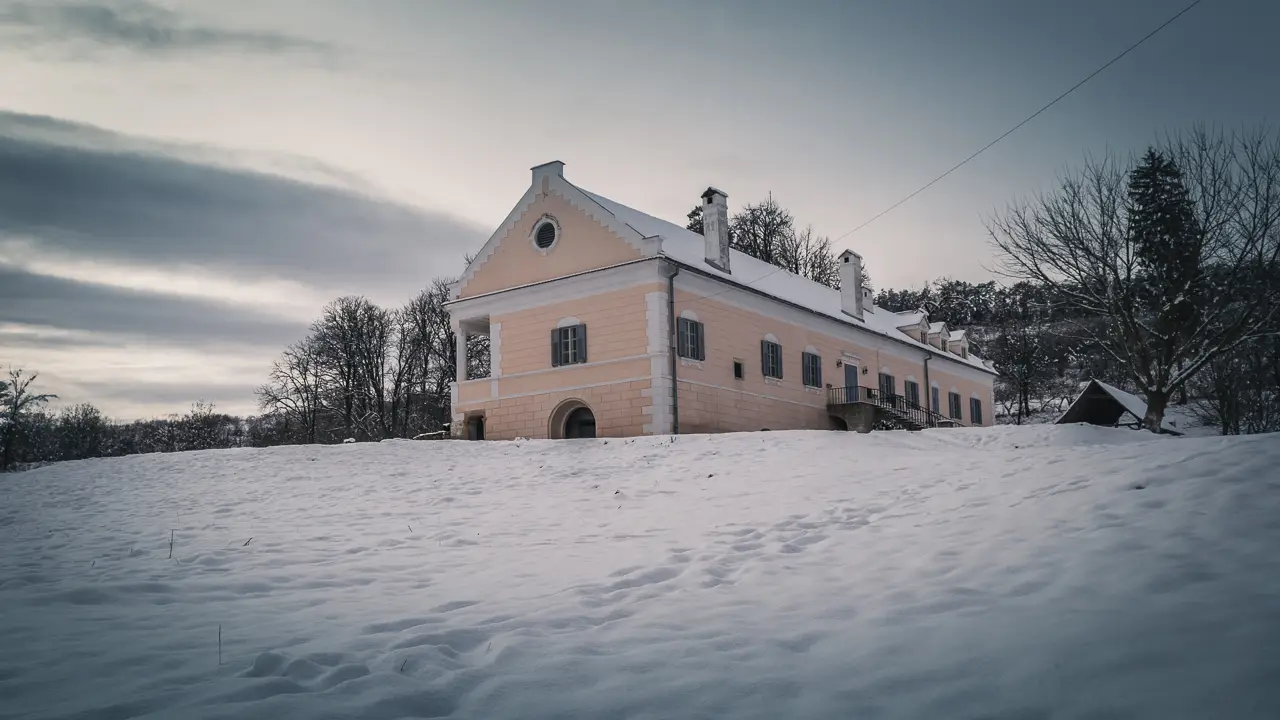
    The first important landmark to visit is the old Apafi manor which is located on the top of a smaller hill. This manor belonged to the famous Apafi noble family. We visited this place in winter when the entire place was covered by a thick layer of snow but you can easily reach it from the main road.

    The Apafi manor.
    The Apafi manor in Mălâncrav.

    The Mălâncrav fortified church

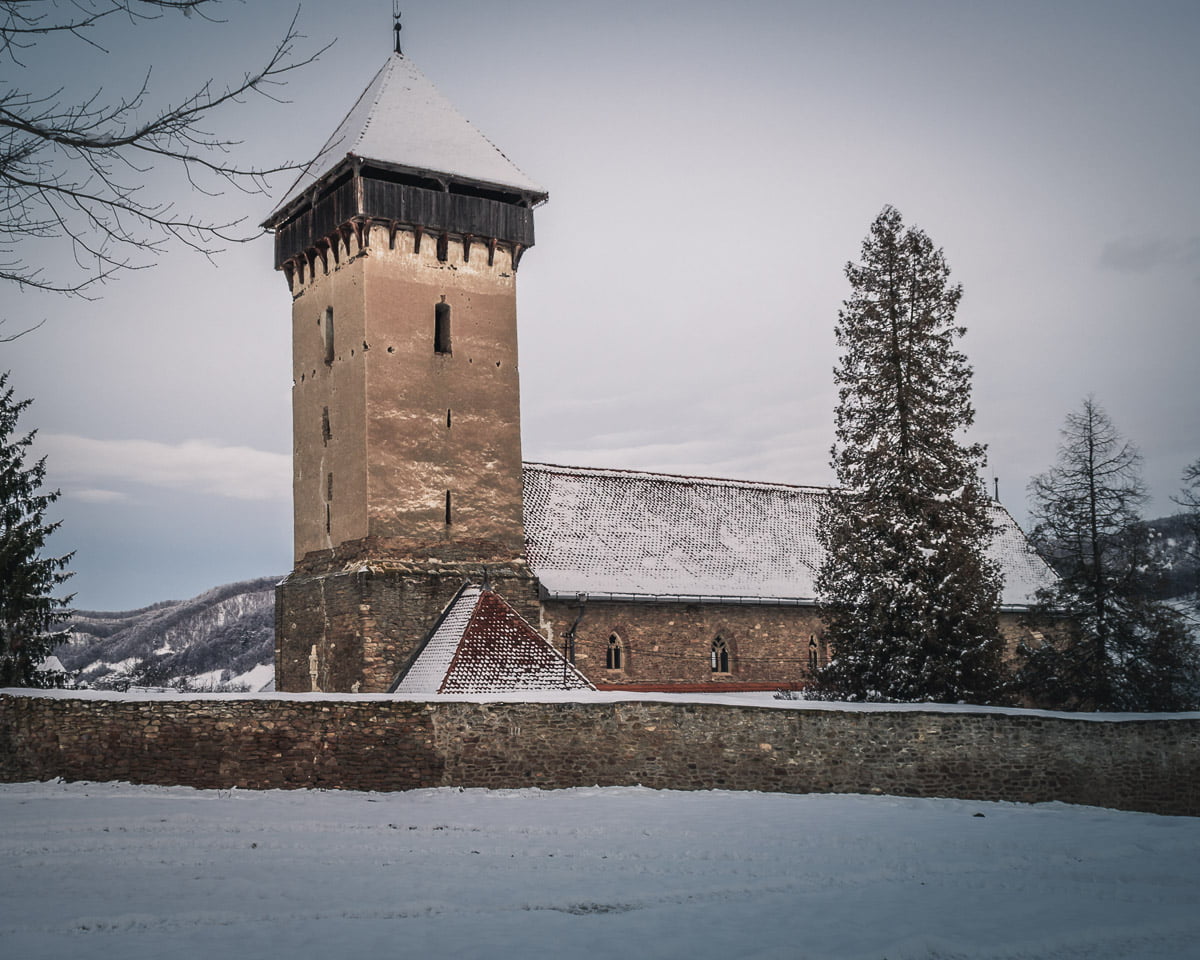
    Right next to the Apafi manor, you will find the old Evangelical fortified church. When we visited this place, the interior of the church was closed.

    The Evangelical fortified church in Mălâncrav.

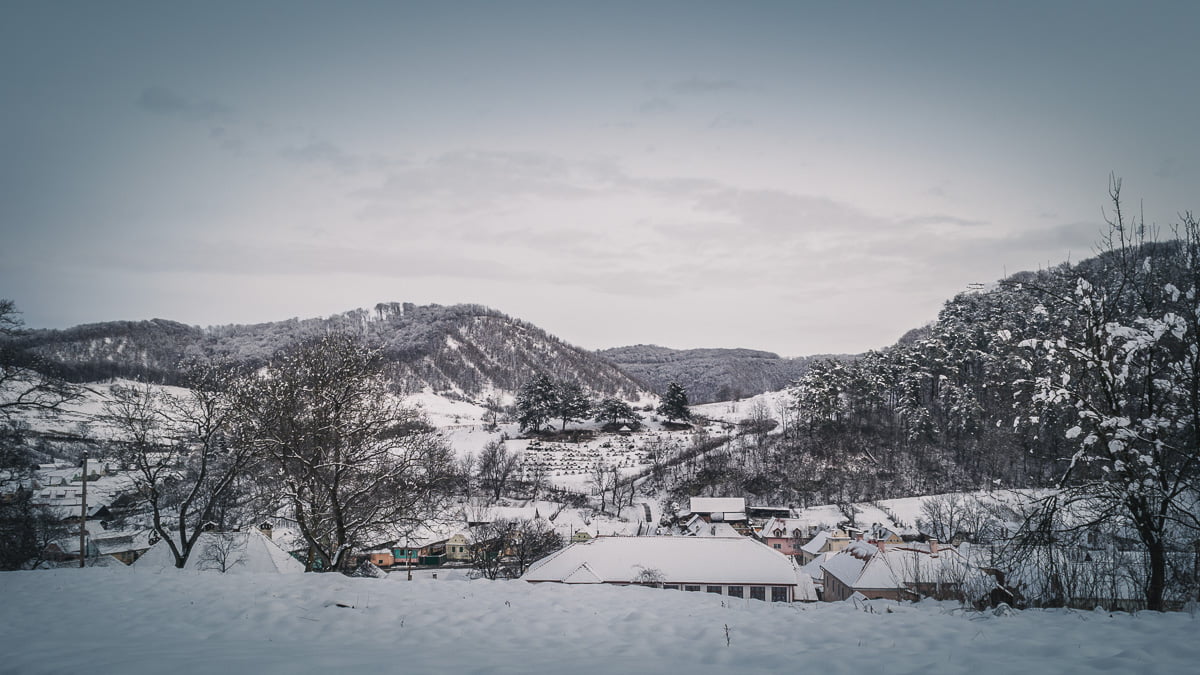
    As you can see in the photo below, almost the entire village is surrounded by forested hills. Since the Apafi manor was built on a smaller hill, you can spot from up there the entire Transylvanian village and the beautiful scenery.

    Large hills which surrounds the village in winter.

    Other attractions to visit in the area:

    • The first one would be the beautiful Transylvanian medieval citadel of Sighisoara. As I mentioned above, this objective is only 25 km away from Mălâncrav.
    • The second attraction is the Biertan fortified church, located in the commune which bears the name of the fortified church. This church is much larger and more impressive than the one from Mălâncrav.
  • Văliug In Winter

    Văliug In Winter

    Share this:

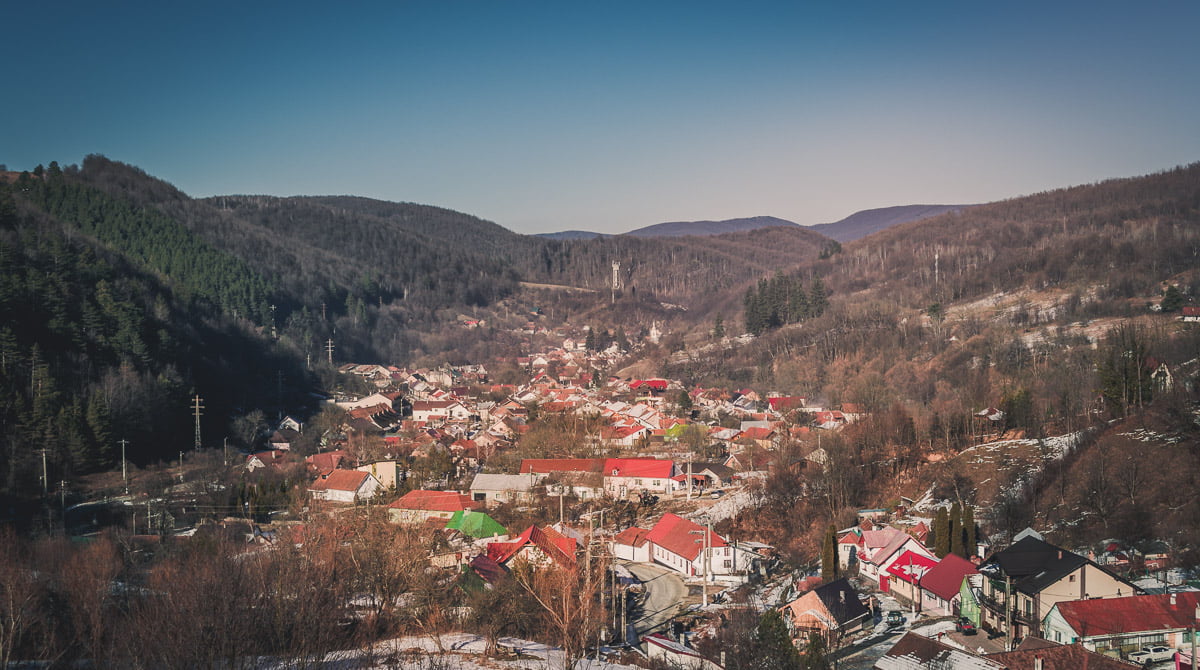
    Văliug is a small village located in the southwestern region of Romania, near the city of Resita. This charming village is nestled amidst the picturesque Banat Mountains and it offers a perfect escape from busy city life. During the winter months, Văliug transforms into a winter wonderland, offering visitors a unique and magical experience. 

    Văliug also offers visitors a chance to experience traditional Romanian cuisine during the winter months. The village is home to several restaurants that specialize in hearty, home-cooked meals. Visitors can sample traditional Romanian dishes such as stews, roasted meats, and soups, all of which are sure to warm them up on a chilly winter day.

    The commune of Văliug in the valley.
    The village of Valiug seen from the ski slope.

    Lake Gozna

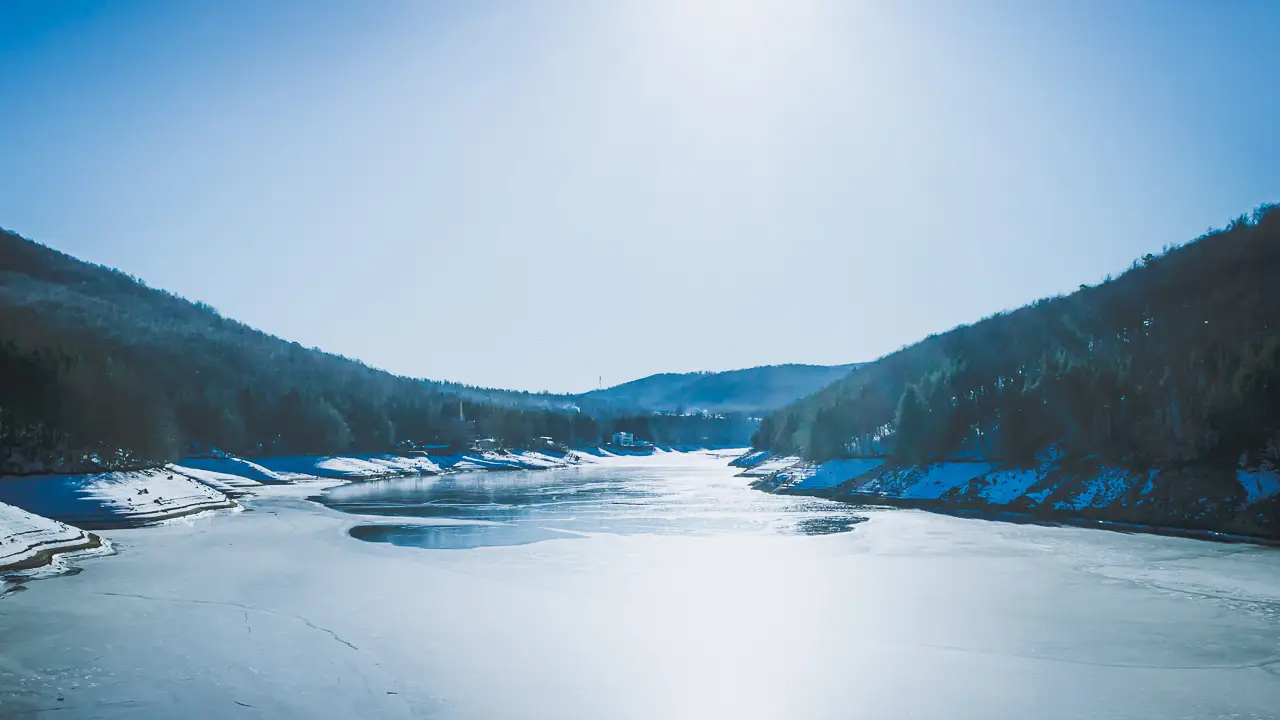
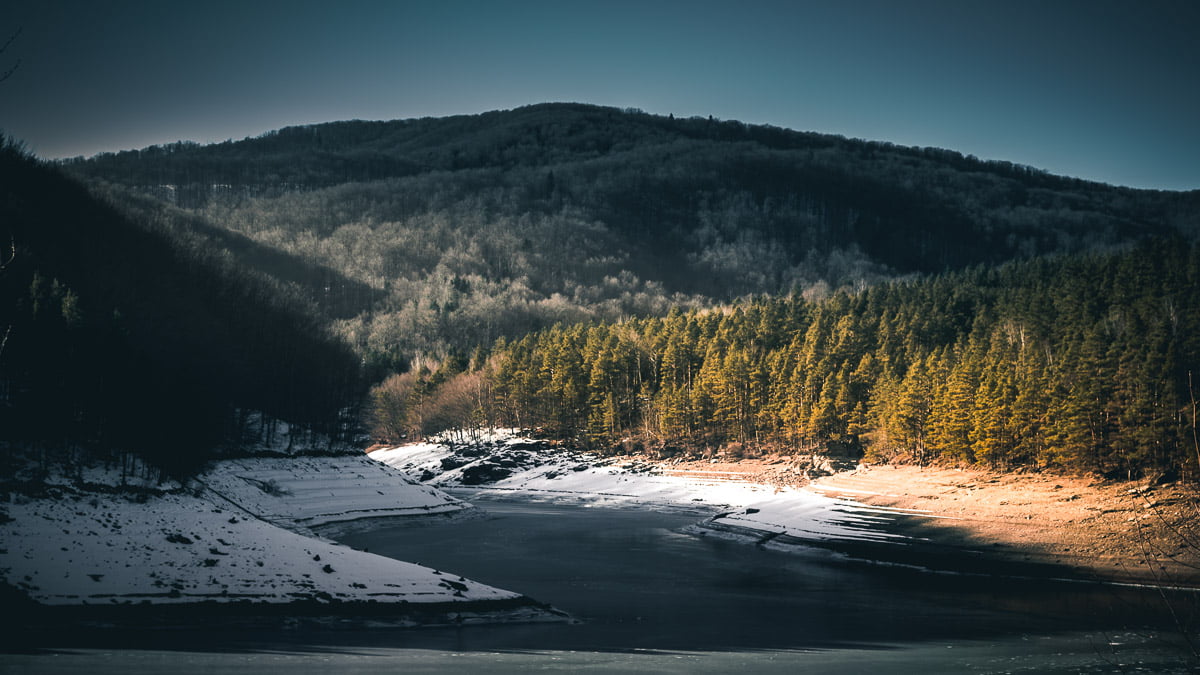
    Lake Gozna is a mesmerizingly beautiful body of water located in Văliug, Romania. The lake is situated between the Semenic Mountains and is a popular destination for nature lovers, hikers, and photographers alike. Overall, Lake Gozna is a must-visit destination for anyone traveling to Văliug. Its natural beauty, tranquil atmosphere make it the perfect place to relax and unwind in the heart of nature.

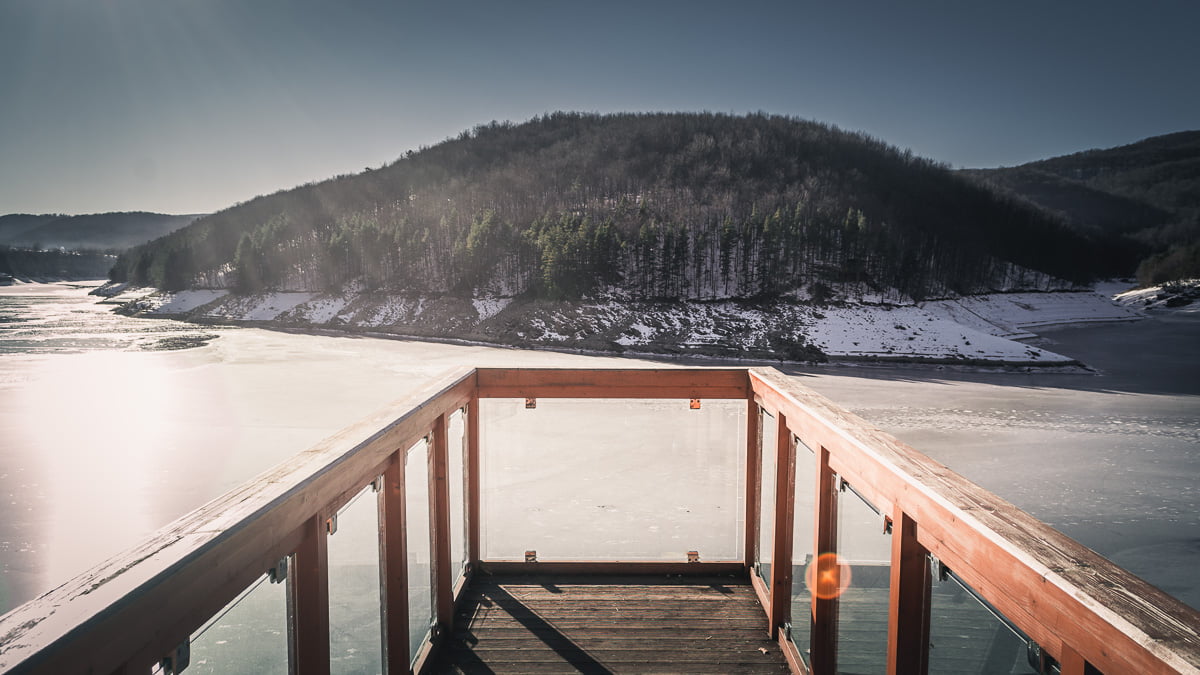
    Tip: Don’t miss the panoramic views from Ponton Casa Baraj for an unforgettable perspective of the area.

    Lake Gozna in Văliug.
    A part of lake Gozna.
    View of the landscape from Ponton Casa Baraj.
    The scenery seen from Ponton Casa Baraj.

    The ski slope in Valiug

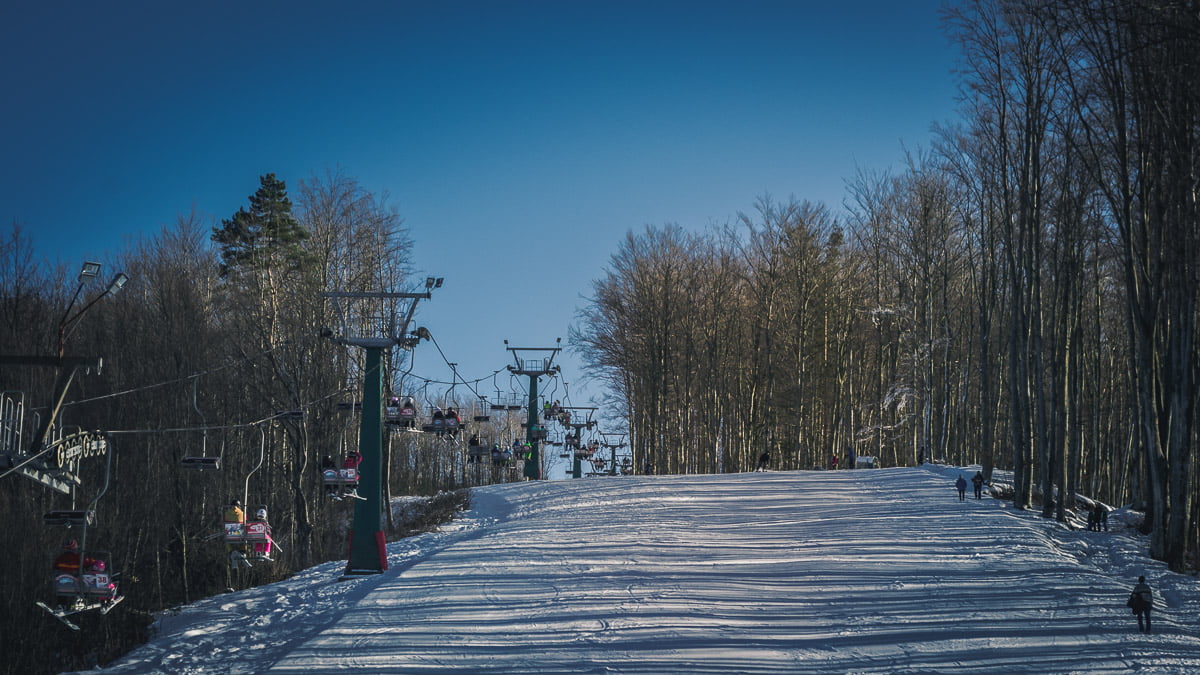
    One of the main attractions of Văliug during the winter is its ski resort, which is located on the nearby hills. The ski resort offers a variety of ski runs for all skill levels. The ski resort provides a perfect opportunity for visitors to experience the thrill of winter sports and to take in the stunning winter landscape.

    Tip: You can find more information about the ski slopes and their conditions by visiting the official website for Casa Baraj. On the website, you’ll also have access to live camera feeds that show real-time views of the ski slopes in both Văliug and Semenic, helping you plan your visit with ease. In addition to checking the live cameras, the website provides helpful details about the slopes. If you’re looking to rent ski equipment, you’ll find all the information you need there as well, such as pricing and rental options.

    Văliug ski slope in winter with tourists.
    The ski slope near Casa Baraj.

    Additional details:

    How to get to Văliug: Take the DJ582 road, which provides a direct and relatively quick route to Văliug. You can also drive from Slatina-Timiș as well.

    Best time to visit: While Văliug is beautiful year-round, in my opinion winter is the best time to visit. During this season, the village transforms into a snowy wonderland, with stunning views, festive charm, and plenty of activities.

    However, if you prefer hiking or relaxing by Lake Gozna, the warmer months (spring through early autumn) are also great for enjoying the natural beauty of the area.

    Other places to visit: You can also visit the Semenic resort which is located about 17 km away. This mountain retreat offers even more opportunities for winter sports like skiing and snowboarding, as well as breathtaking views of the surrounding landscape.

    Conclusions

    In conclusion, Văliug is a magical and enchanting destination during the winter months. With its breathtaking winter landscapes, charming traditional architecture, vibrant ski resort, and exciting winter sports, it provides visitors with a truly unique and unforgettable experience.