• Exploring Oradea, Romania: Places I Visited In The City

    Exploring Oradea, Romania: Places I Visited In The City

    Share this:

    When I arrived in Oradea, I had no idea just how much this city had to offer. Located in the northwestern part of Romania, about 170 km away from my hometown of Timisoara, this city is packed with history, stunning architecture, and beautiful places to explore.

    I’d like to share with you a few of the places I visited during my time in Oradea. Each one left a unique impression on me, and I think they’re all worth checking out if you ever find yourself in this charming city. Below, I’ve listed some of the spots that stood out to me, and I hope they inspire you to explore Oradea for yourself!

    When I arrived here, my first stop was the old Oradea Fortress. Luckily, I found a parking spot right by the eastern entrance, making it easy to start my visit.

    Oradea Fortress

    The fortress isn’t very large, so it’s quick to explore. However, if you’re interested in learning more about Oradea’s history, I highly recommend visiting the museum inside the fortress, which offers a lot of fascinating insights into the area’s past. Construction of the fortress began in the 11th century, making it one of the oldest and most significant medieval structures in the Crisana region.

    The fortress hosts various events and exhibitions, showcasing traditional crafts, music, and performances. Visitors can immerse themselves in the vibrant atmosphere and experience the local traditions firsthand.
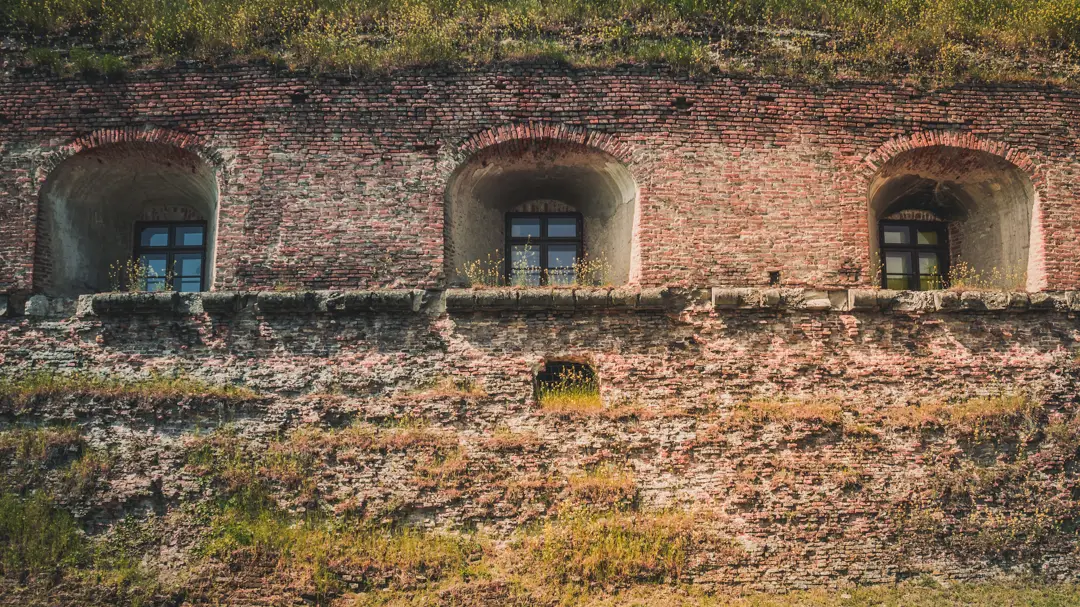
    Windows located in the fortification walls of the Oradea fortress.
    Windows on the old fortification wall.
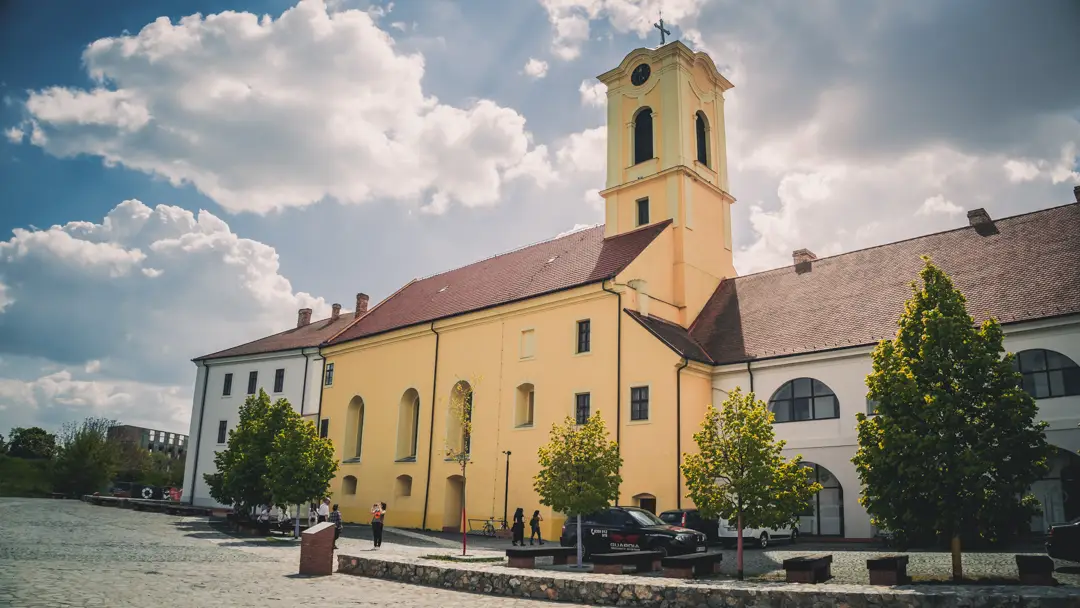
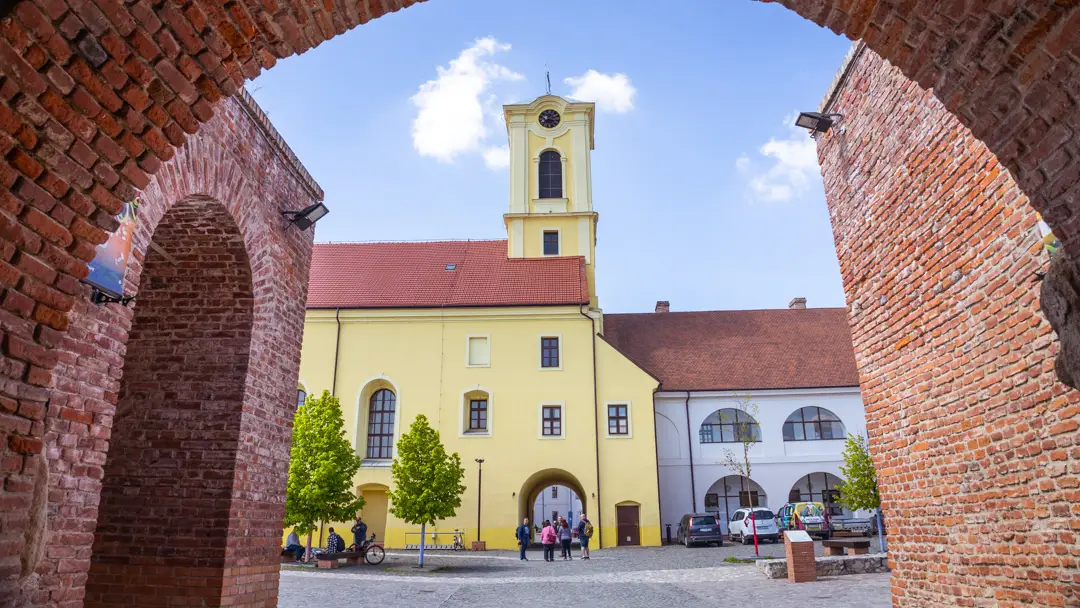
    Yellow catholic church within the fortress.
    The catholic church in the Oradea Fortress.
    Catholic church in Oradea Fortress.
    The catholic church on a beautiful summer day.
    Festival held with many people.
    Inside the fortress during a festival.
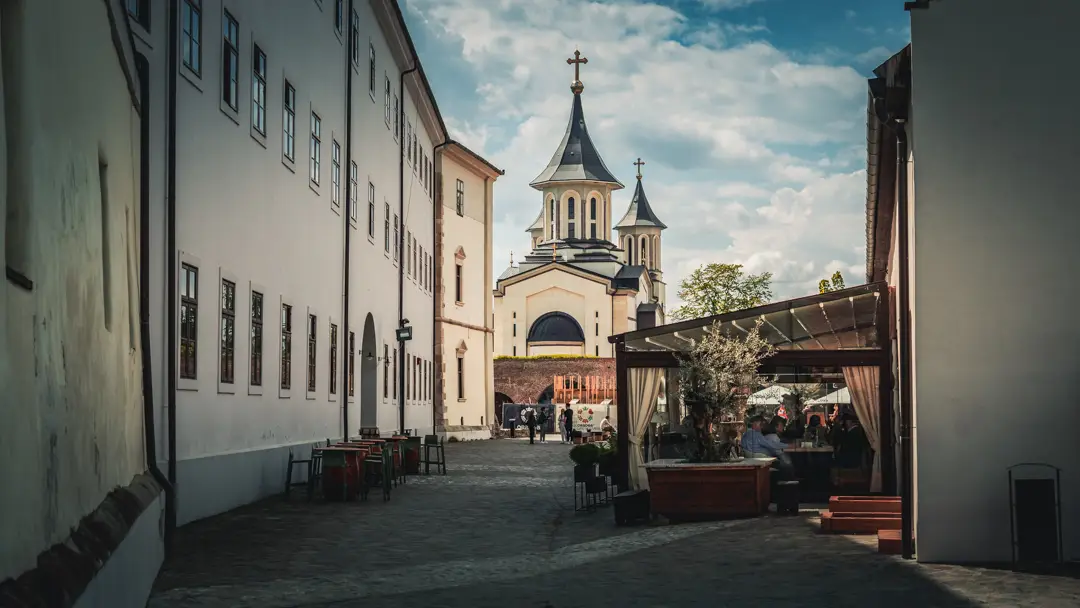
    The Episcopal Cathedral near the Oradea Fortress.
    The Resurrection Episcopal Cathedral In Oradea.
    Pedestrian street.
    Pedestrian street.
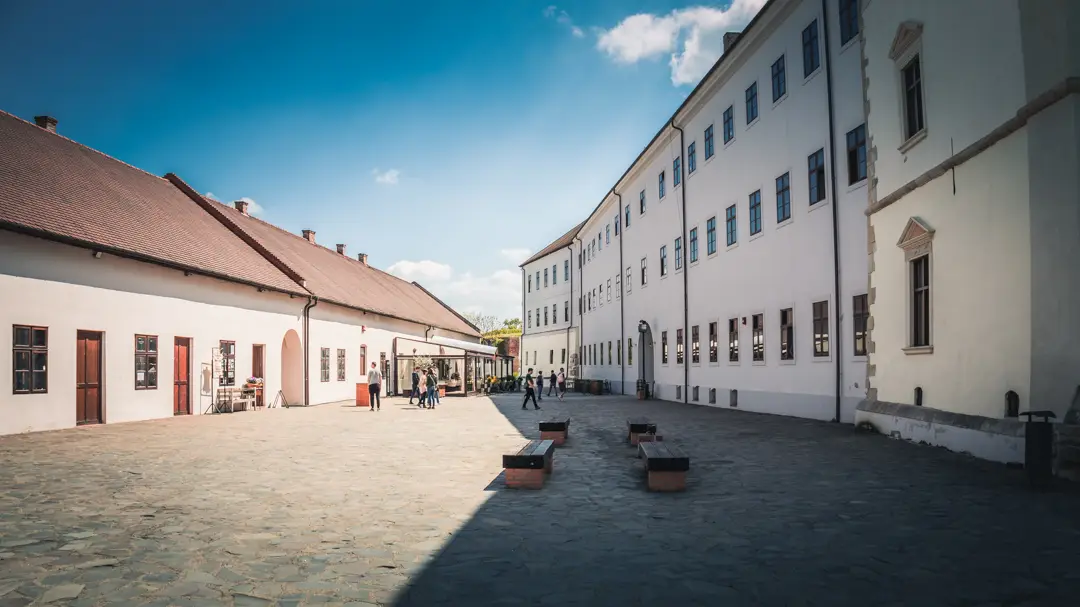
    Large fortification walls.
    Large fortification walls

    Towards the Union Square

    After leaving the Oradea Fortress, I decided to take a relaxing walk along the Crișul Repede River. It’s a lovely route to take if you want to enjoy the calmness of the water and the beauty of the city at the same time!

    Footpath near the Crisul Repede River.
    Footpath next to the river.

    The Union Square

    The Union Square, also known as Unirii Square in Romanian, has been the heart of Oradea since medieval times. Its history dates back to the 11th century when the city was first established. Over the centuries, the Union Square has witnessed significant events, political changes, and architectural transformations, making it a true historical treasure.

    The Oradea Fortress is not too far from here, making it an easy walk. It took me about 20 minutes to reach this spot, and the walk was quite enjoyable. The path was straightforward, and along the way, I had the chance to take in some of the city’s sights. Before I knew it, I had arrived at this lovely location.
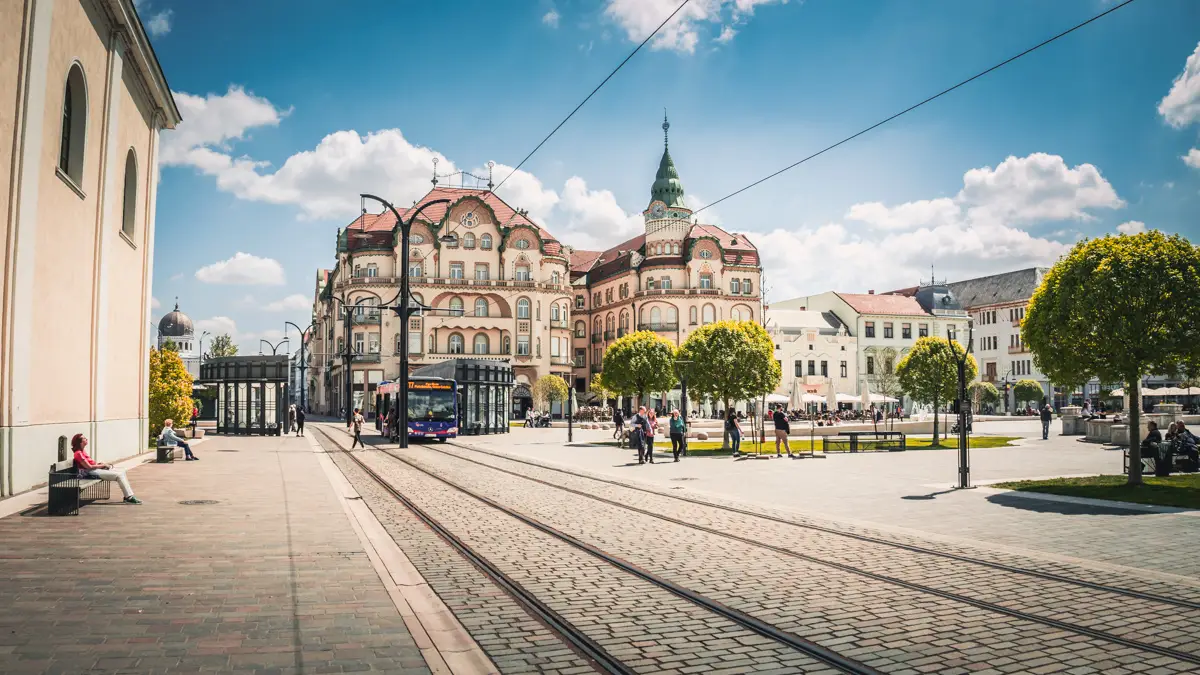
    Tram station and the Union Square.
    Tram station in the Union Square.

    These buildings showcase various architectural styles, from Gothic to Renaissance and Baroque to Art Nouveau, showcasing the city’s architectural diversity. Some of these structures house cafes, restaurants, boutique shops, and cultural institutions, adding to the vibrant atmosphere of the square.

    The Black Eagle Palace is one of the most known buildings in Union Square. In order to discover even more things about this building, I highly recommend you to visit the interior as well.
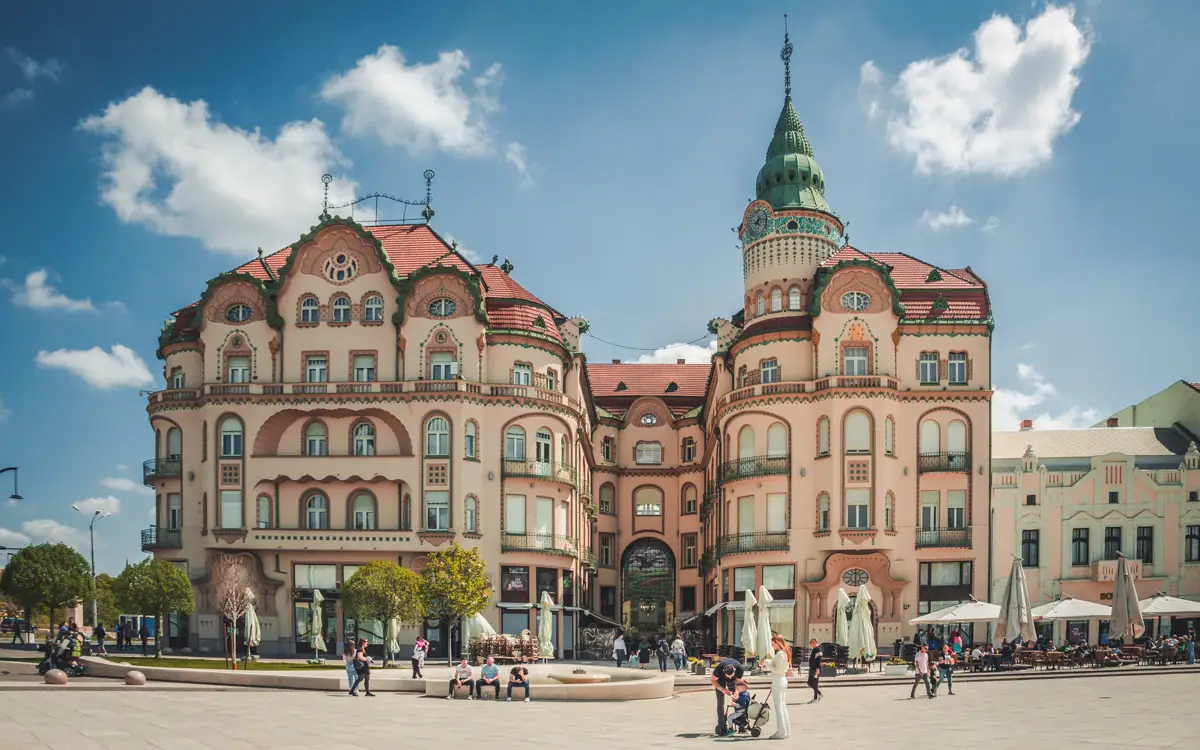
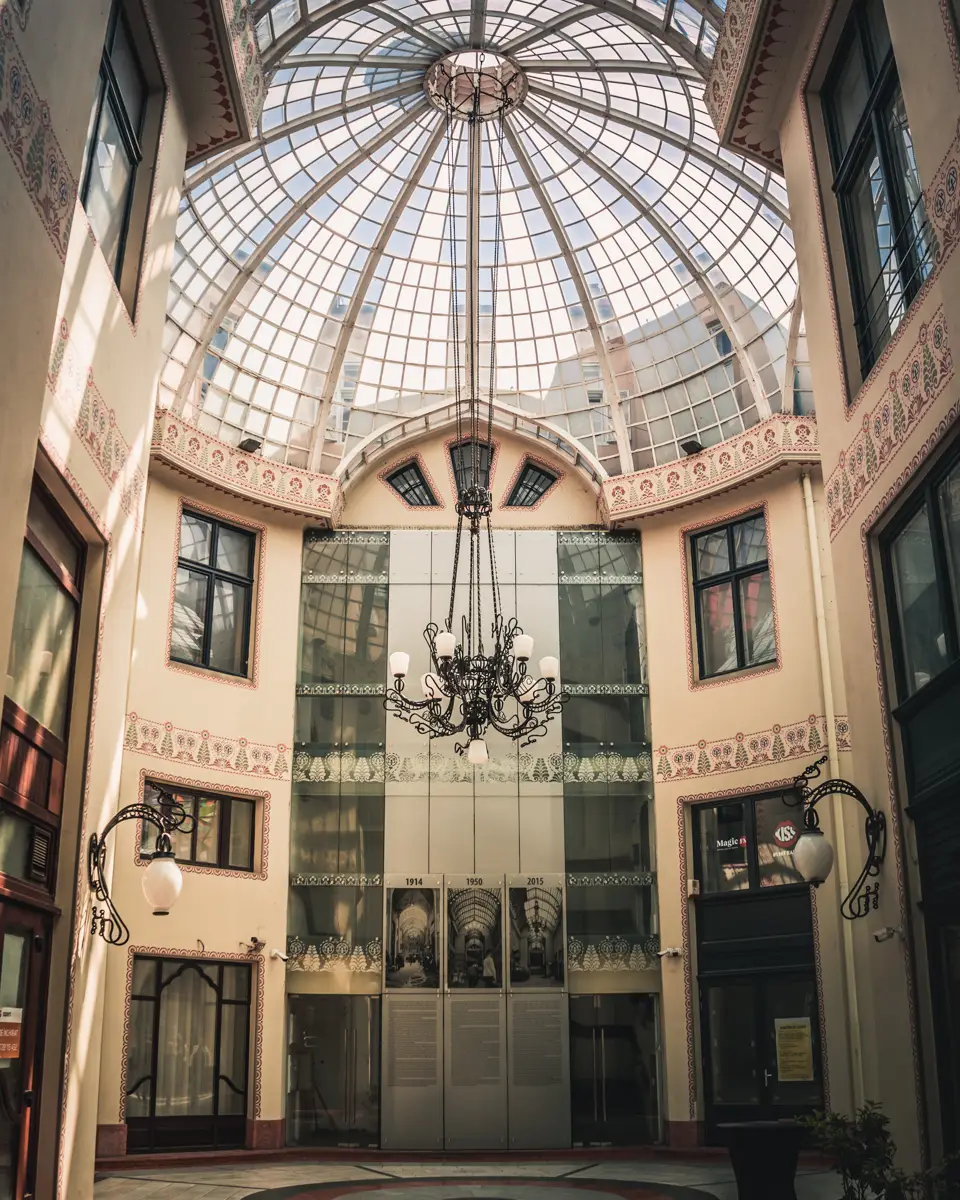
    The Black Eagle Palace in Oradea.
    The Black Eagle Palace located in the Union Square.
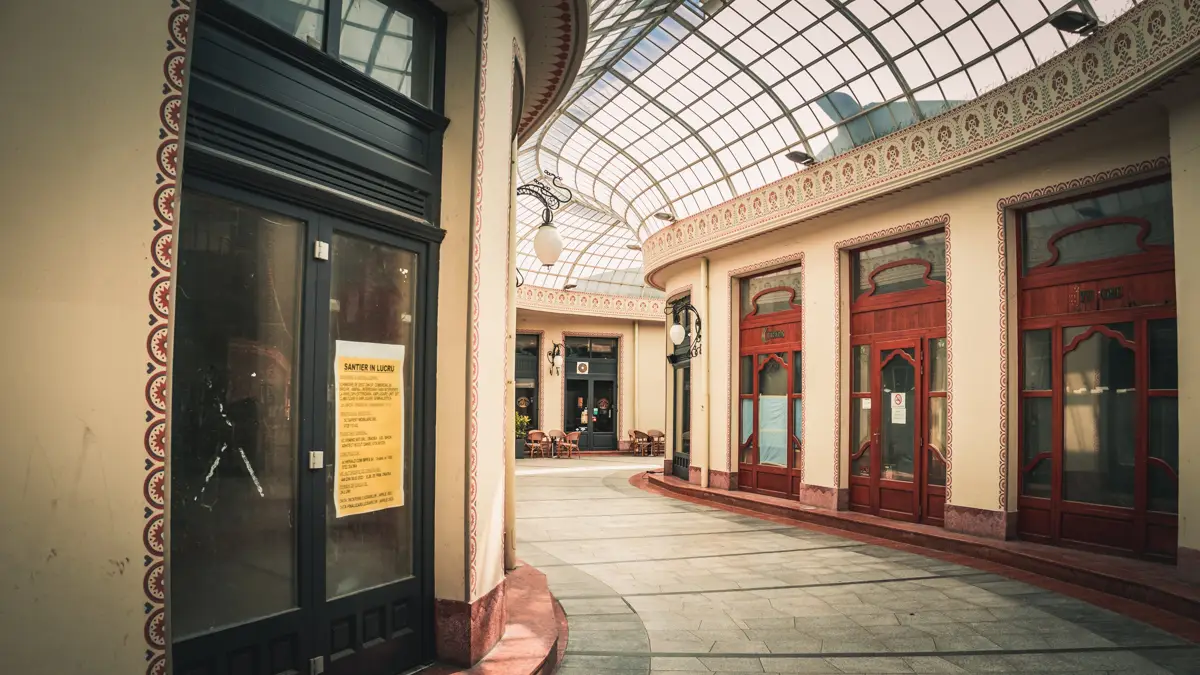
    Inside the Black Eagle Palace.
    Inside the palace.
    Shops inside the Black Eagle Palace.
    Shops inside the Black Eagle Palace.

    For those seeking a taste of the local culinary delights, this square is home to several restaurants and cafes that cater to every palate. From traditional Romanian cuisine to international dishes, visitors can indulge in a gastronomic adventure while enjoying the square’s ambiance. A nice place that I found was Vasile Alecsandri Street where as you can see in the photo below, there are multiple restaurants and terraces.
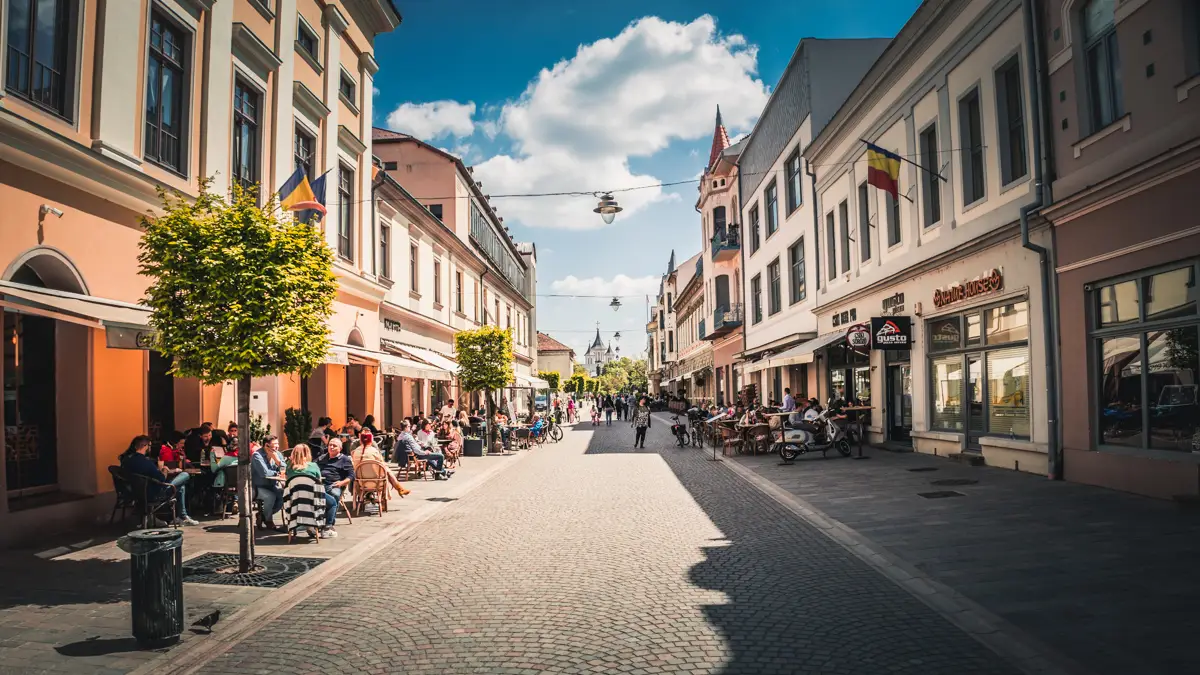
    Vasile Alecsandri Street.
    Many restaurants located on Vasile Alecsandri Street.

    Right in front of the Greek-Catholic Episcopal Palace you will find an interesting statue of Ferdinand I who was the King of Romania between 1914 and 1927.
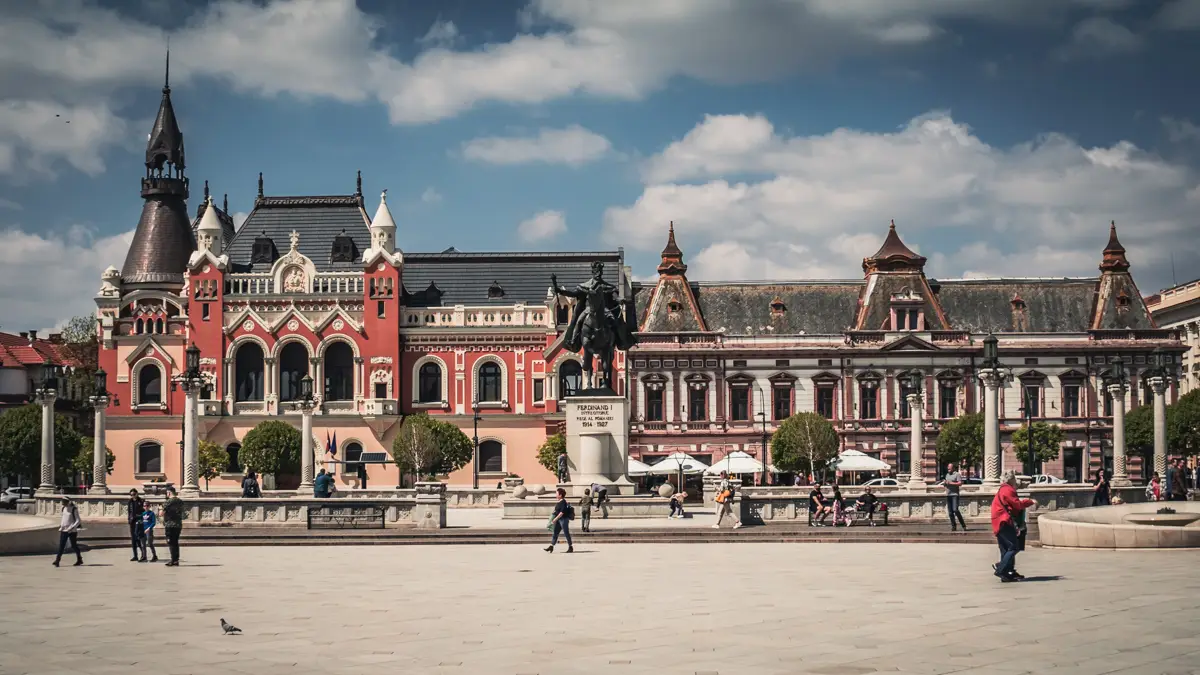
    The Greek-Catholic Episcopal Palace.
    The Greek-Catholic Episcopal Palace

    On the edge of the Union Square you will find the Dormition of the Mother of Gad Cathedral which is an Orthodox church. Right across the street, there is the St. Nicholas Cathedral which is a Greek-Catholic Cathedral.
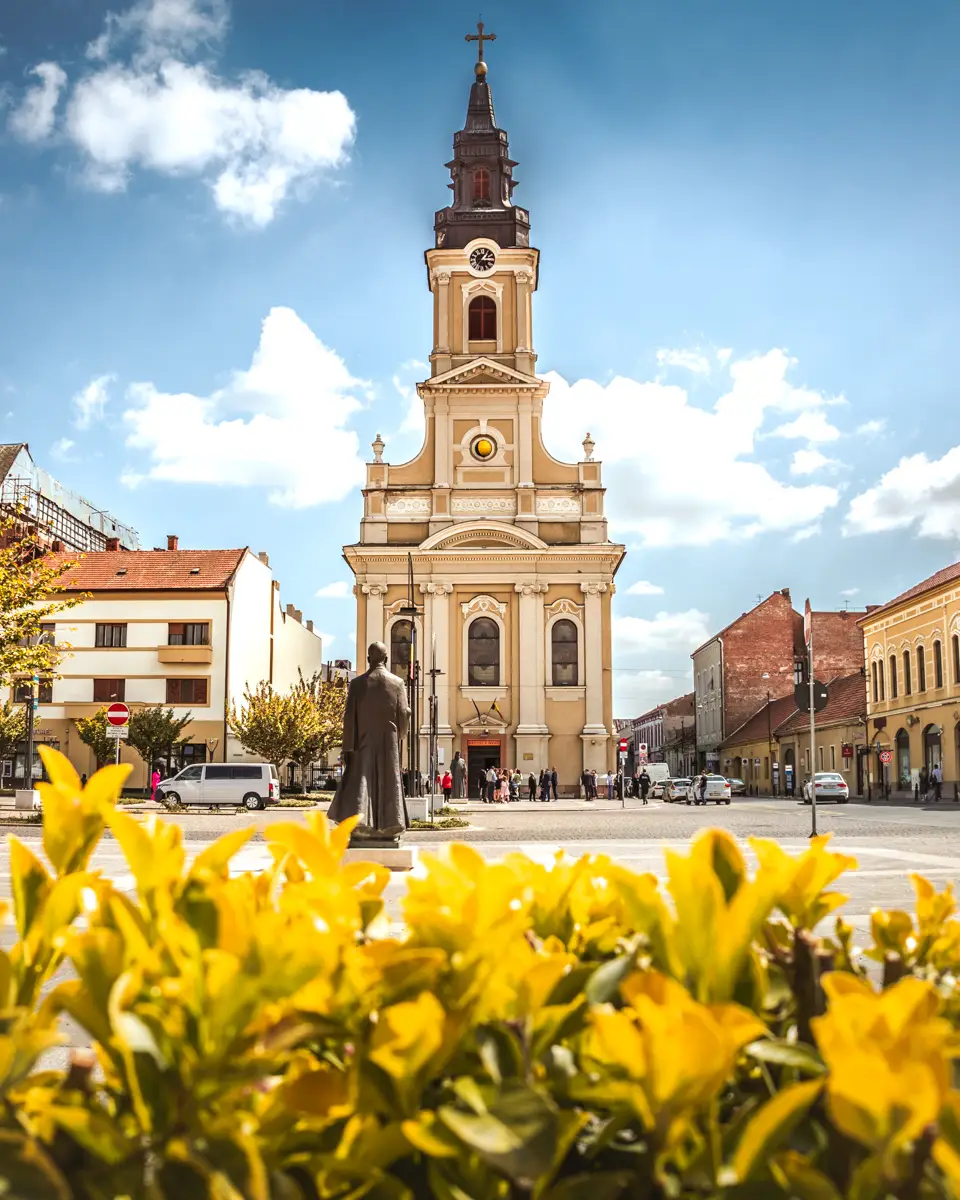
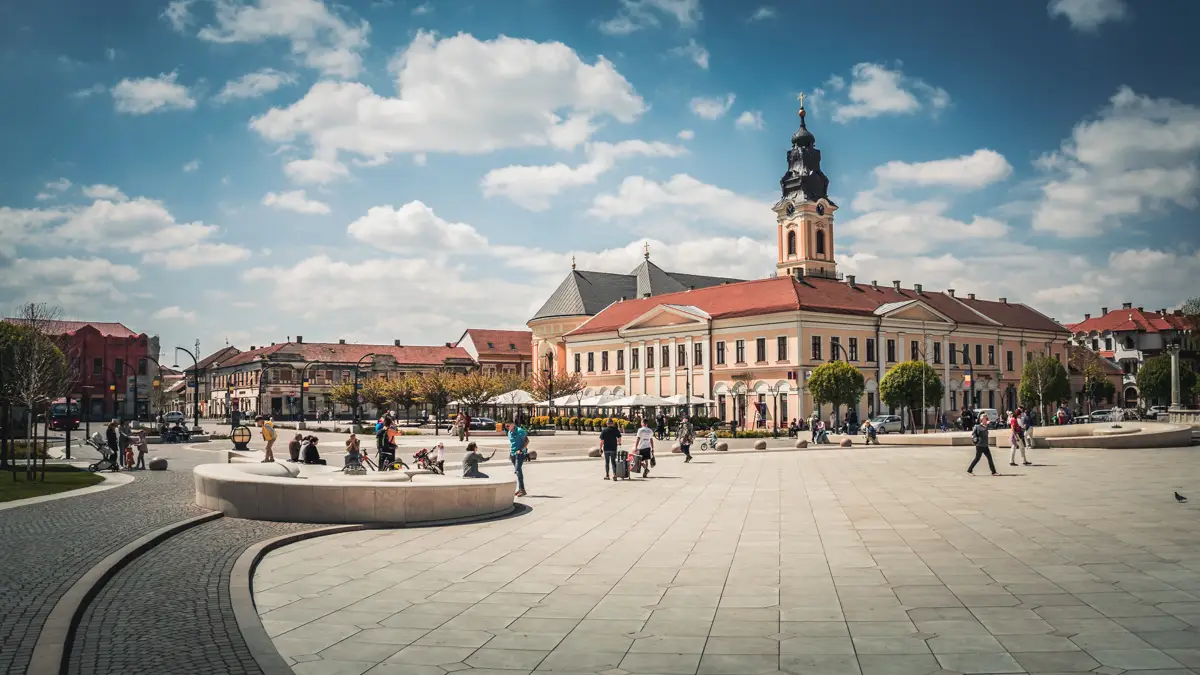
    Dormition of the Mother of Gad Cathedral.
    Dormition of the Mother of Gad Cathedral.
    Union Square in Oradea.
    A part of the Union Square.

    The St. Ladislaus Catholic Church in the foreground of the picture with the Town Hall in the background.
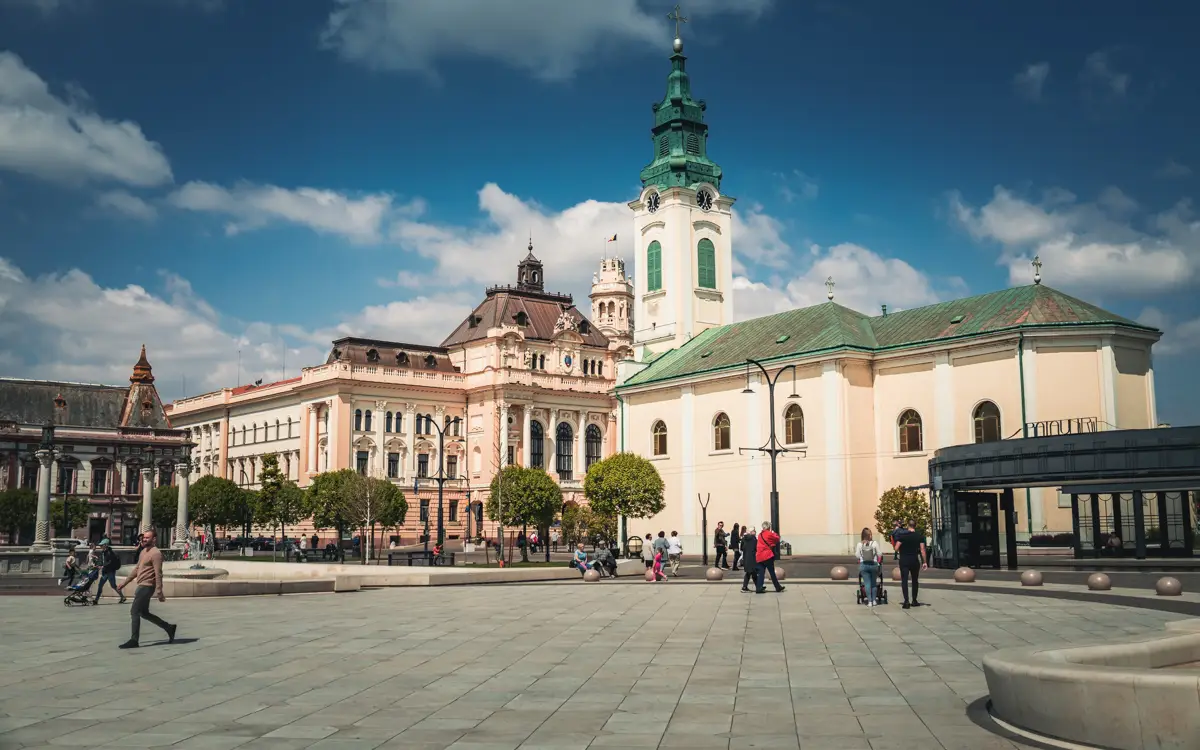
    The Church of Saint Ladislaus and the Town Hall.
    The Church of Saint Ladislaus.

    From the Town Hall’s tower, you can enjoy a beautiful view of the city.
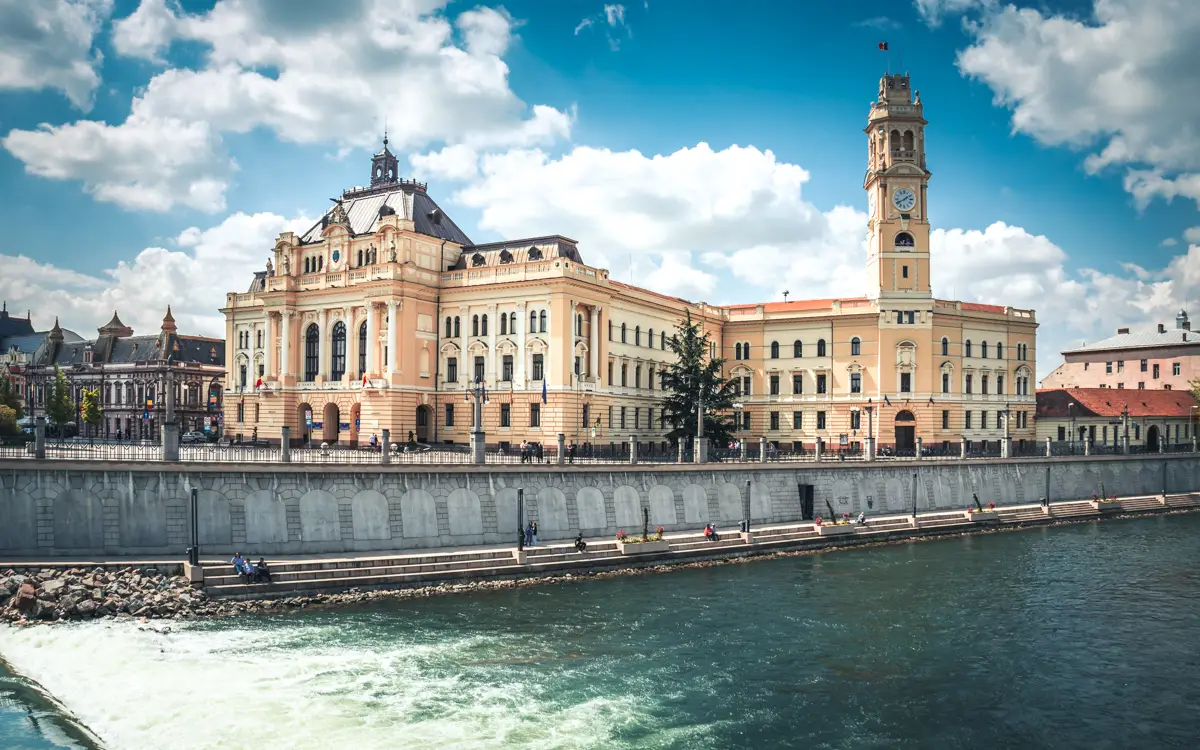
    Oradea Town Hall with the Crisu Repede River.
    The Town Hall with the Crisul Repede River in the foreground.

    The Zion Neolog Synagogue in Oradea is a stunning testament to the city’s Jewish heritage and an architectural masterpiece in its own right. Constructed in the Moorish style in the late 19th century, the synagogue’s intricate facade and interior decorations reflect the cultural richness of the Jewish community that once thrived in Oradea. Today, the synagogue continues to be an important religious and cultural center, drawing visitors from all over to admire its beauty and learn about the history of the Jewish community in the region.
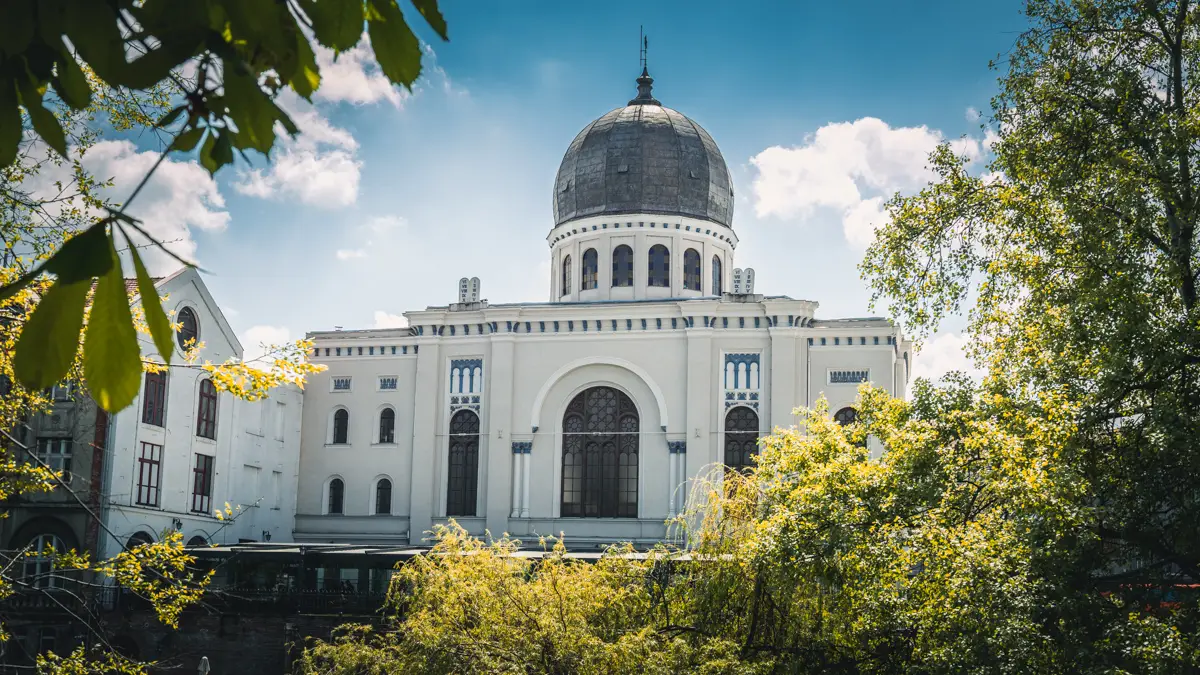
    The Zion Neolog Synagogue.
    The Zion Neolog Synagogue.

    Let’s explore the Olosig quarter

    The Olosig quarter is located very close to Union Square, making it easy to reach. To get there, you just need to cross the Crisul Repede River using the St. Ladislaus Bridge. Once you’re across, you can begin exploring many other important and popular landmarks in the area.
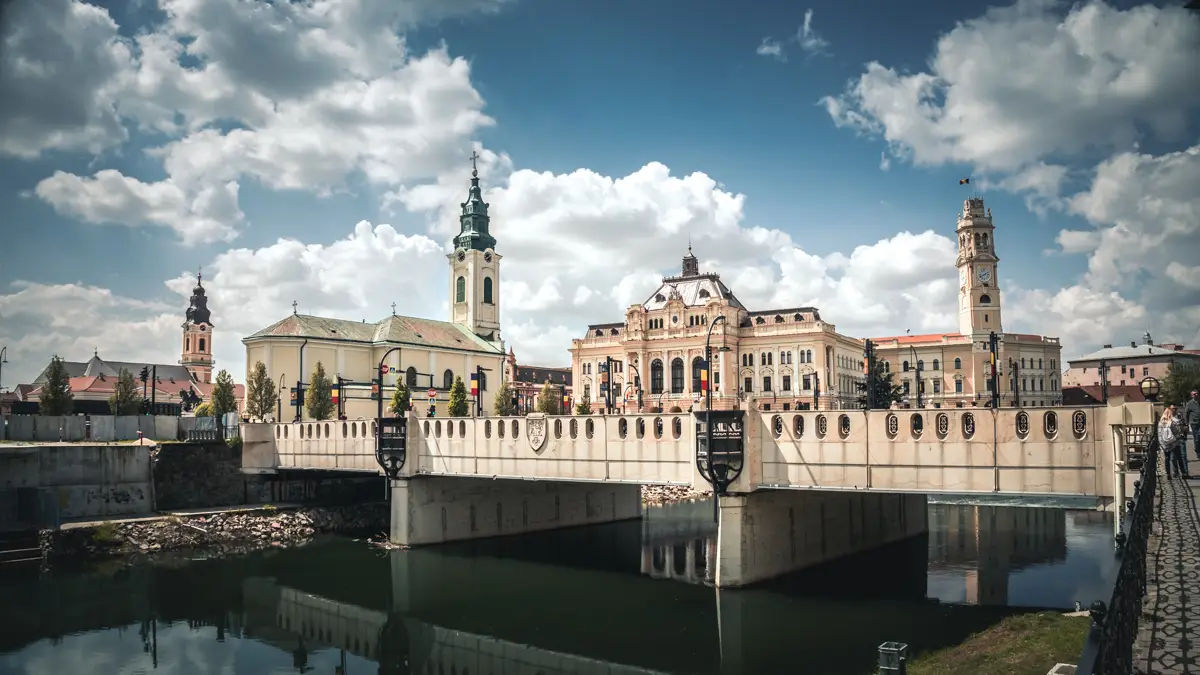
    St. Ladislaus Bridge over the Crisul Repede River.
    St. Ladislaus Bridge with the Town Hall in the background.

    The first landmark that will come into sight is the Oradea State Theater which is a stunning neoclassical building that stands as a testament to the city’s vibrant cultural scene. Since its establishment in the late 19th century, the theater has been a central hub for performing arts, hosting a wide array of theatrical productions and showcasing the city’s rich artistic traditions.
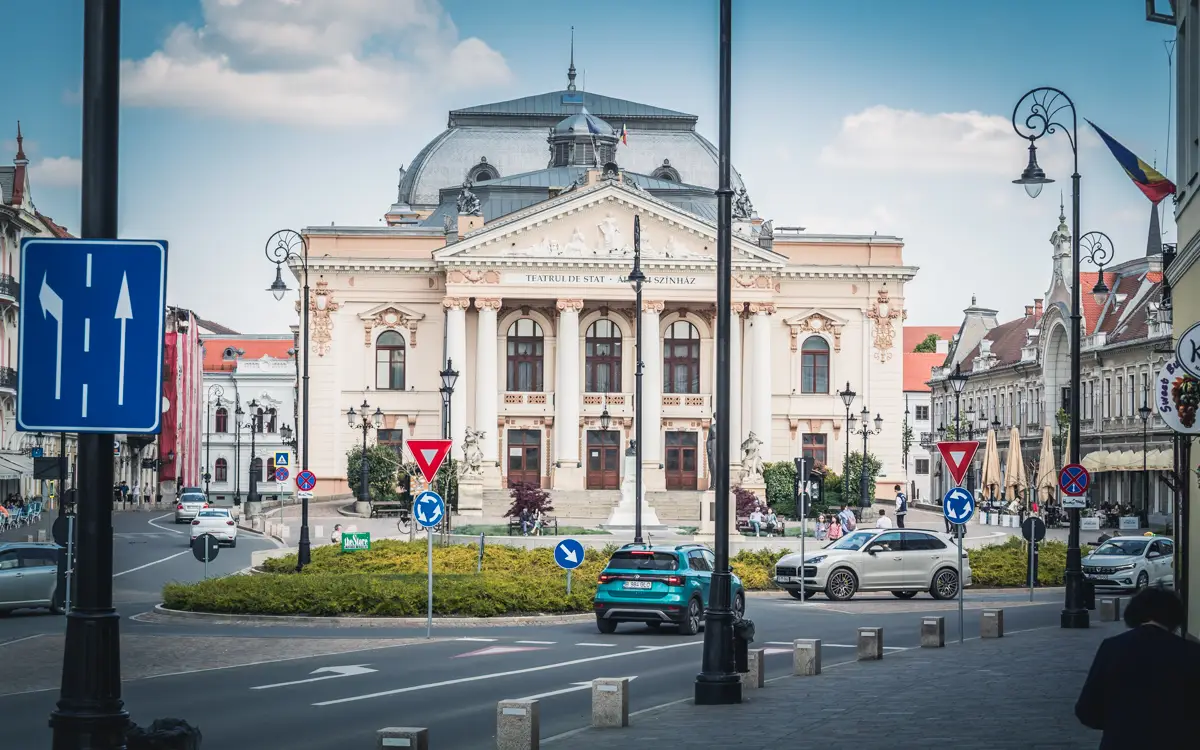
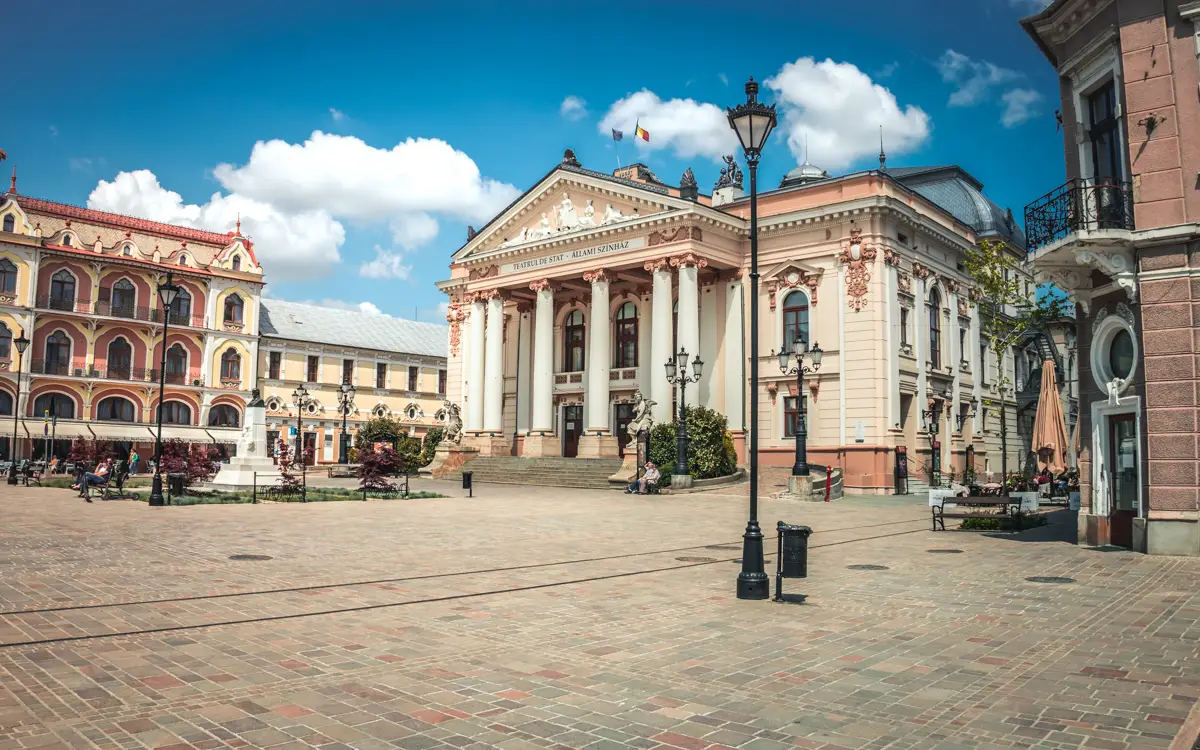
    The State Theater's front side.
    The State Theater in Oradea.

    Located next to the State Theater, the Astoria Hotel in Oradea is an accommodation option that caters to both business and leisure travelers. The hotel offers a comfortable and memorable stay for guests exploring the charm of Oradea.
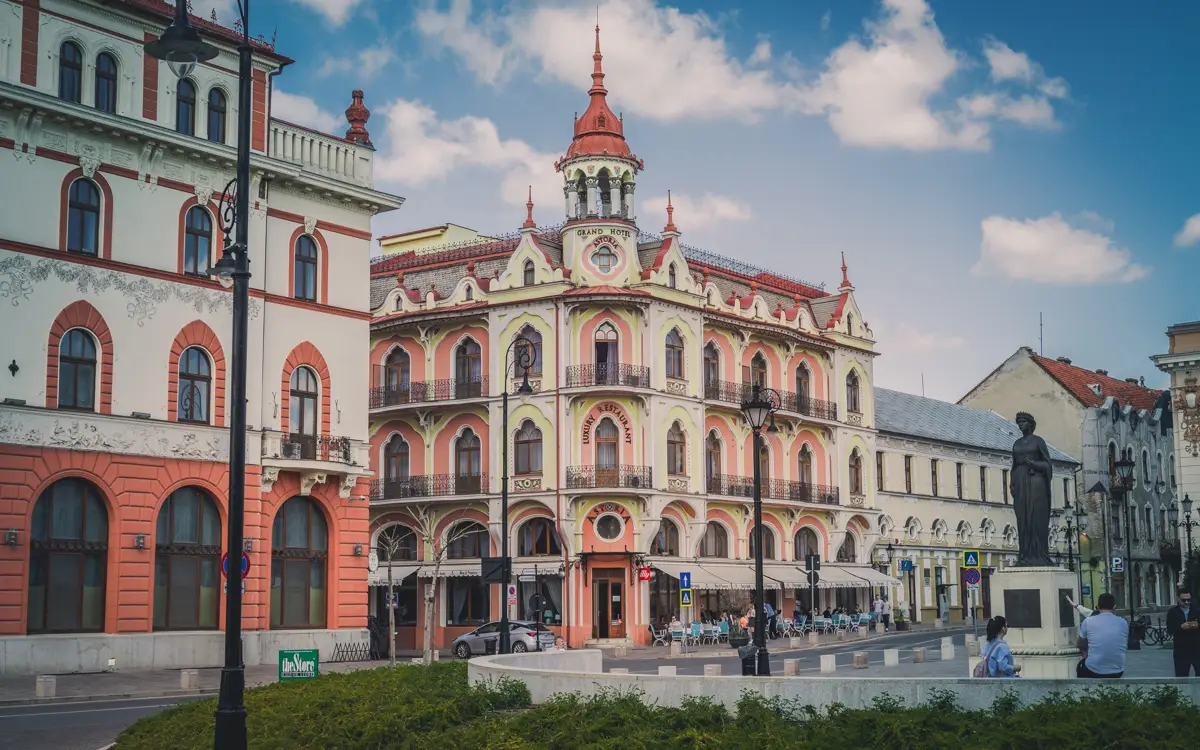
    The Astoria Hotel,
    The Astoria Hotel located next to the State Theater.

    After walking past the two amazing buildings from above, it was time to walk towards my last objective in Olosig quarter, the famous the Moskovits Miksa Palace which is one of the most popular buildings in the beautiful city of Oradea. From the State Theater you will have to walk on Republicii Street which by the way is a pedestrian street.
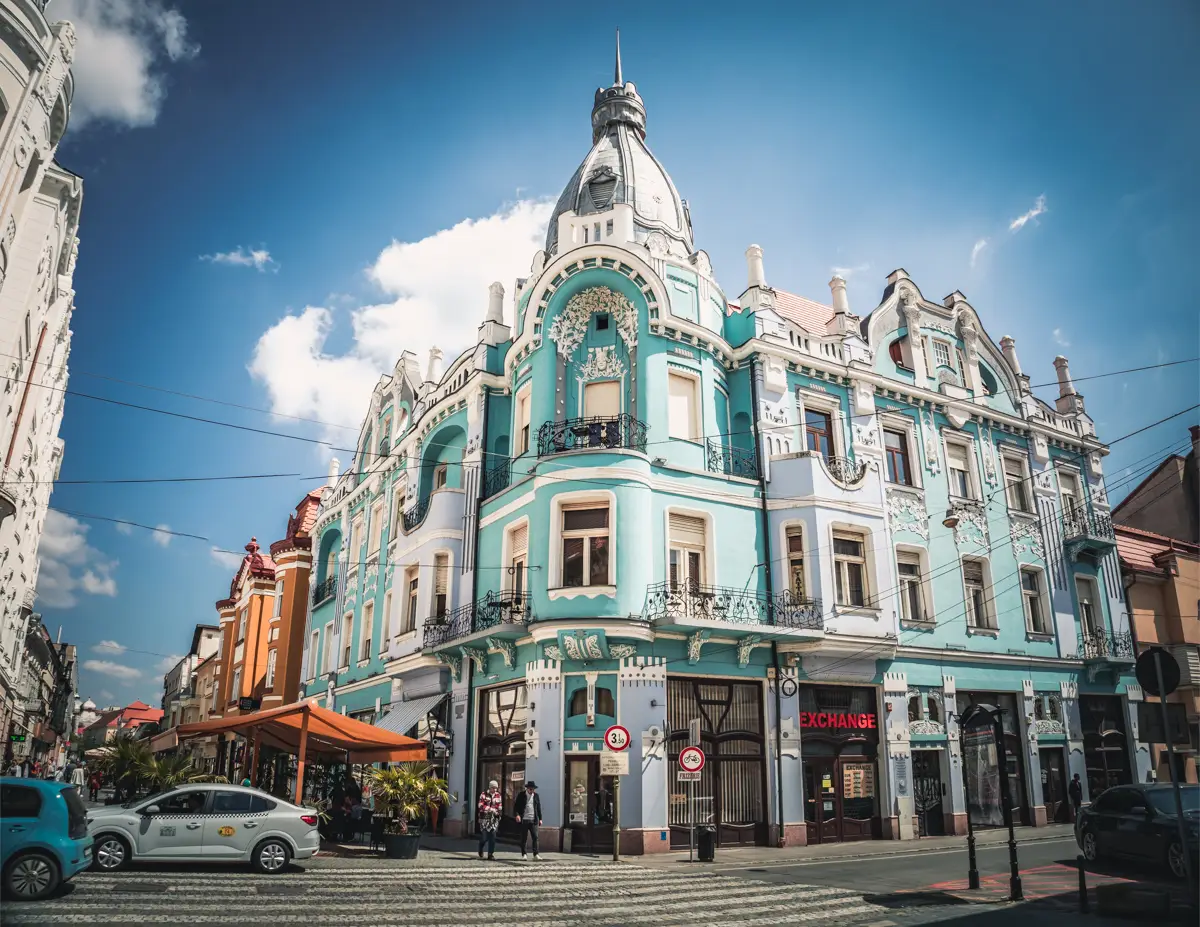
    The Moskovits Miksa Palace in Oradea.
    The Moskovits Miksa Palace, one the most popular building in Oradea.

    On the opposite side of the beautiful Moskovits Miksa Palace, you will find the Apollo Palace. This palace was built in 1914 by the architect Rimanóczy Kálmán Jr.
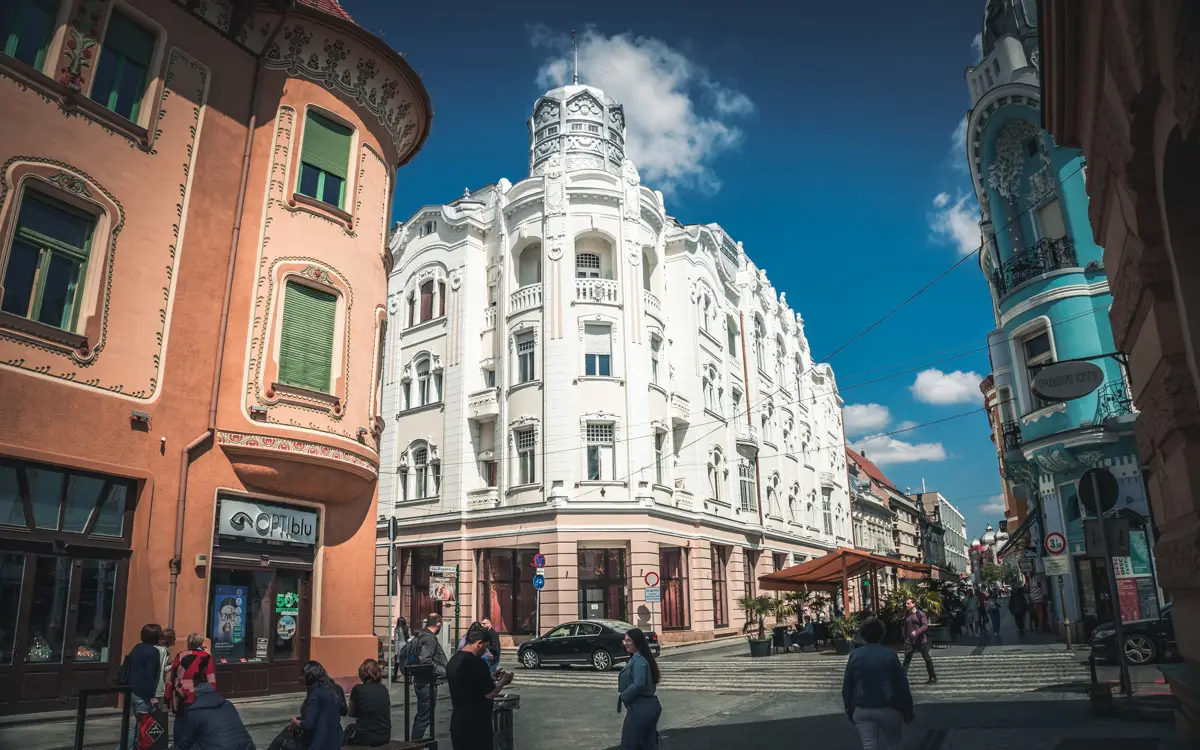
    Apollo Palace.
    The Apollo Palace.

    The Fortress Park

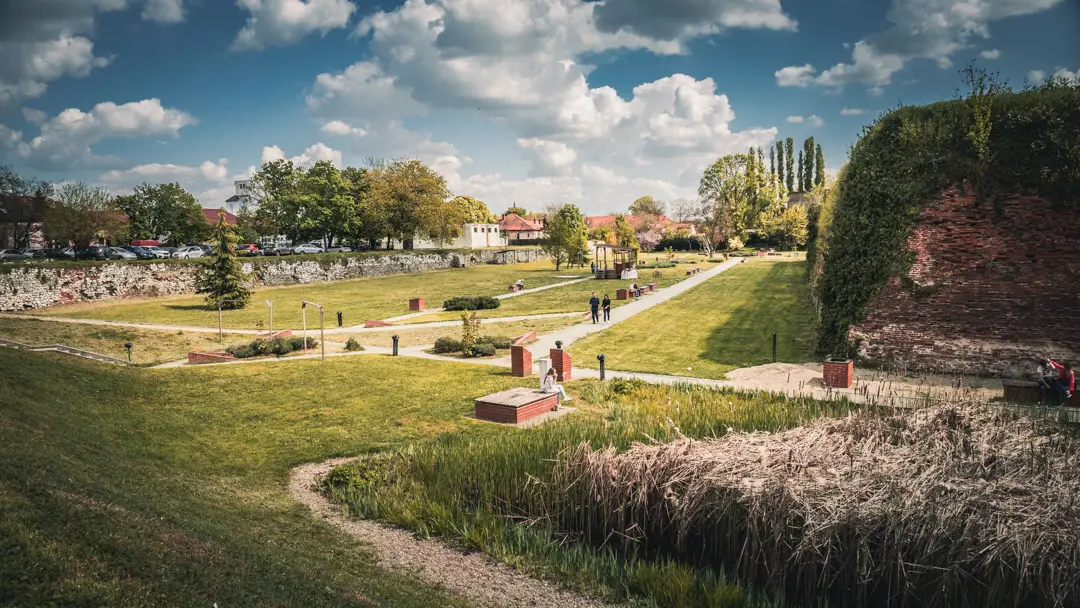
    After exploring Union Square, I decided to take a scenic walk back to my car. To get there, I strolled through the beautiful fortress park, which lies next to the fortress’s defense walls. The park is exceptionally well-maintained, with lovely walking paths and plenty of green space, making it a real pleasure to explore.

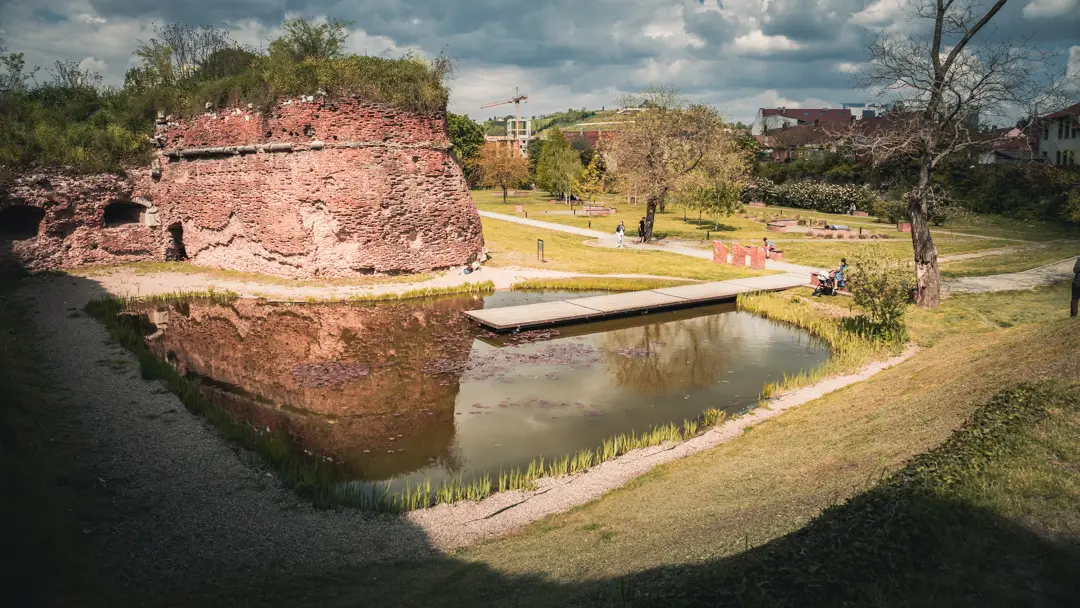
    Alley in the park.
    An alley in the park.
    Small lake with fish next to the fortress.
    Small lake with fish next to the fortress.
    The park next to the fortress.
    A part of the park with and the old walls belonging to the Oradea Fortress.

    The Mushroom hill

    My final destination in Oradea was a beautiful spot known as Mushroom Hill. This is a lovely place where you can enjoy breathtaking views of the city from a high vantage point. It’s the perfect spot to take in the scenery and appreciate the charm of Oradea from above.

    If you’re planning to drive there, the hill is conveniently located not too far from Union Square. It’s only about a 10-minute drive, making it an easy and quick trip. As you get closer to Mushroom Hill, you’ll notice a short stretch of steep road leading up to it. Don’t worry, though! The road is well-maintained, and a regular car can handle it without any trouble.

    Visiting Mushroom Hill is definitely worth the effort for the stunning views and peaceful atmosphere it offers.
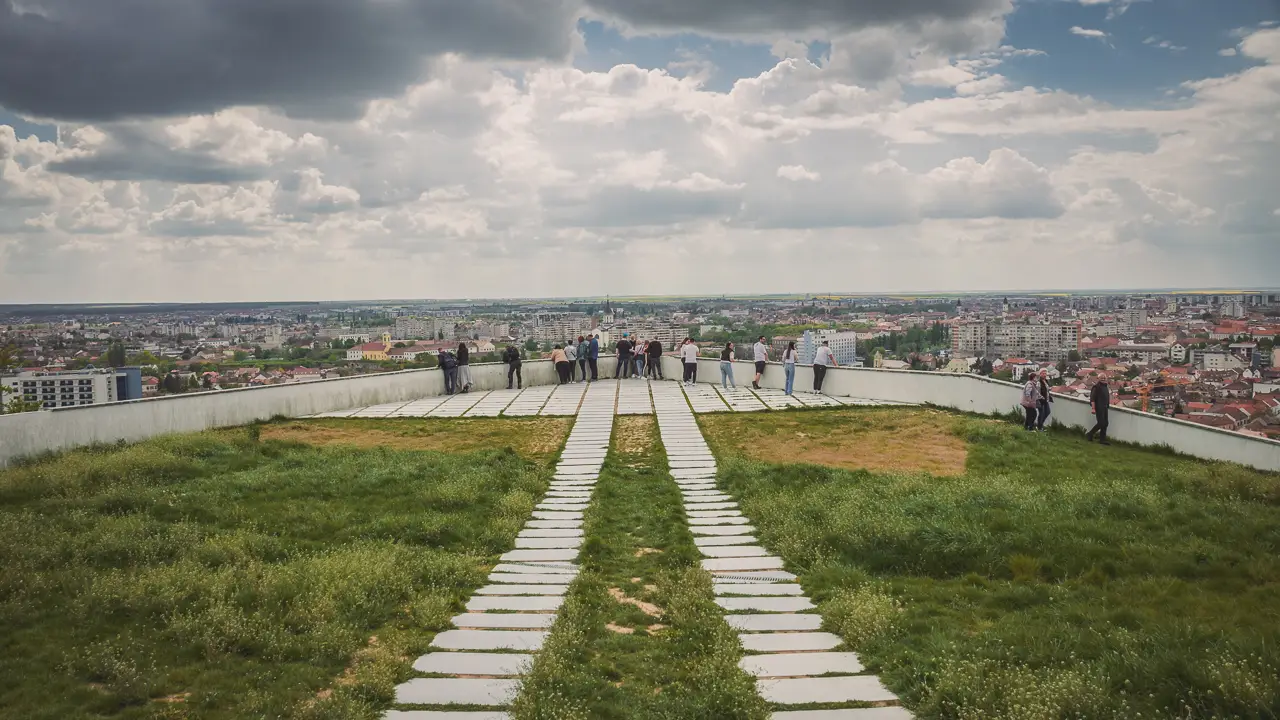
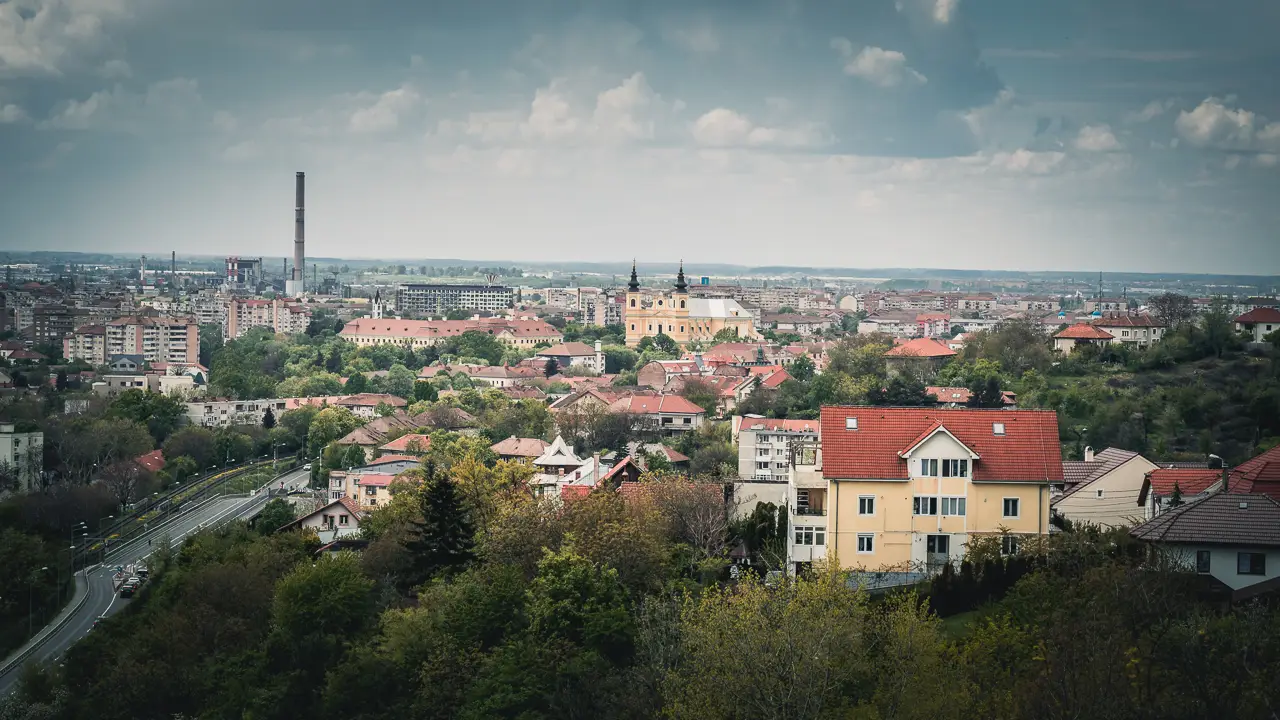
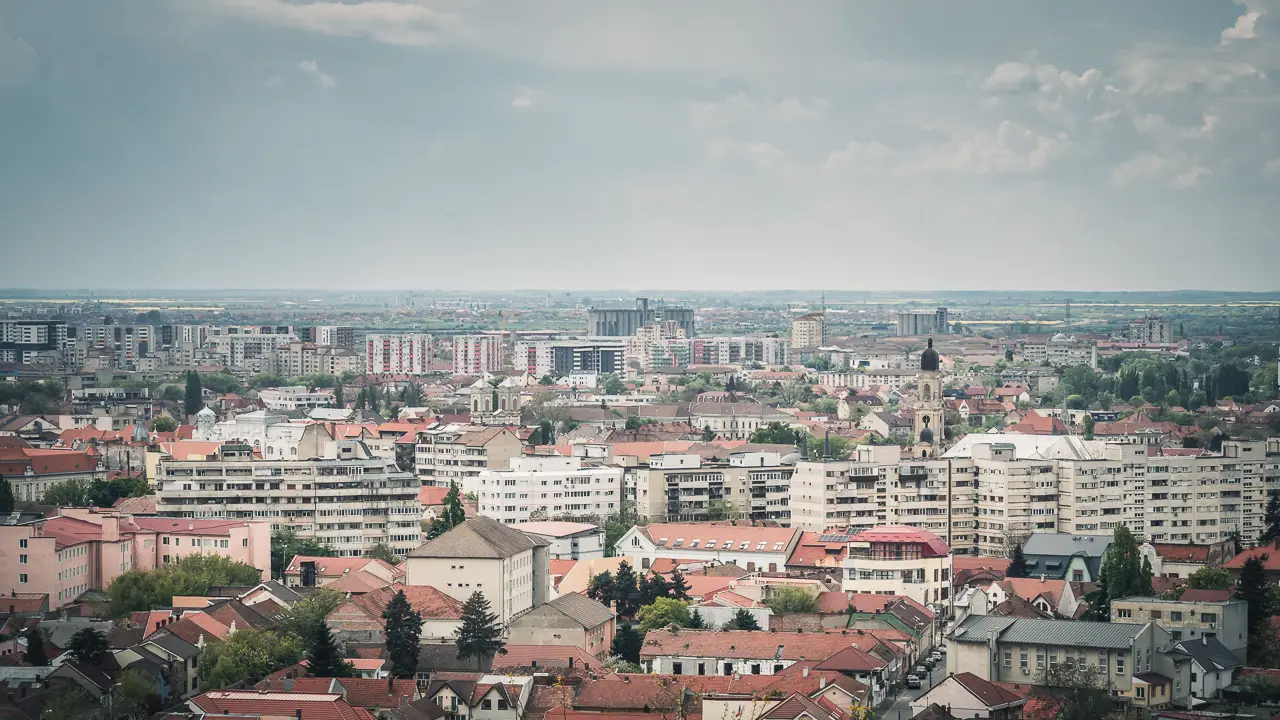
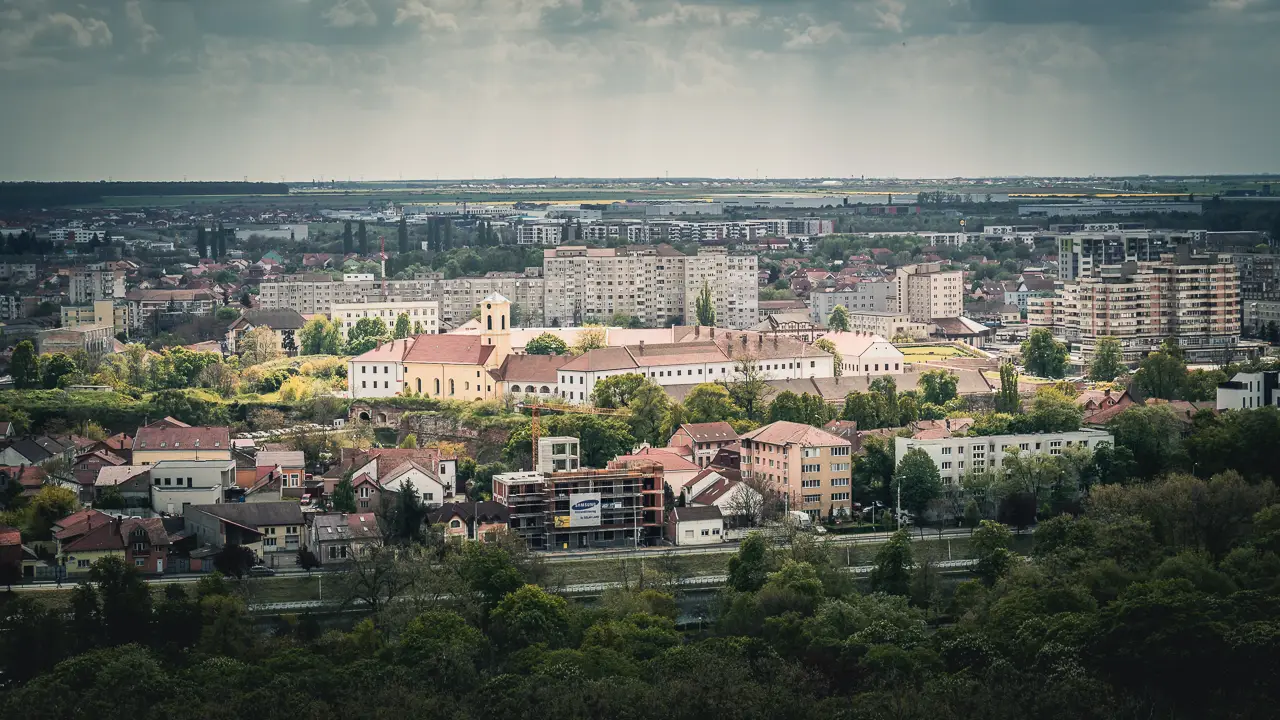
    Vantage point over Oradea.
    Vantage point over Oradea.
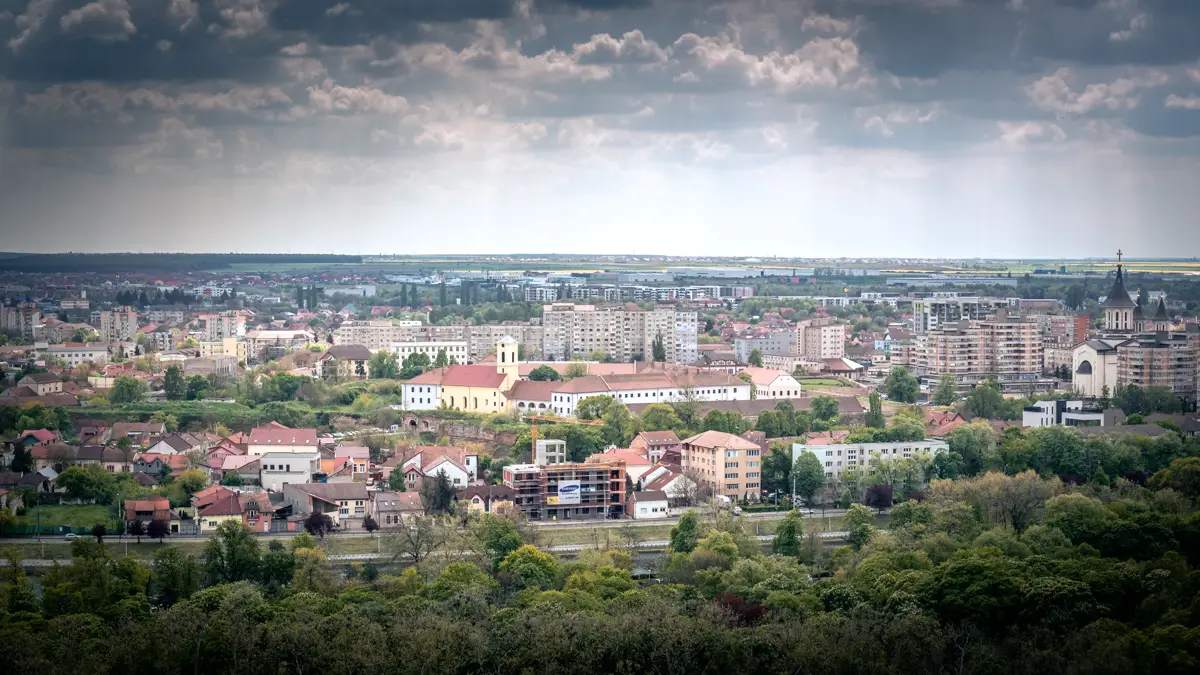
    A part of the city including the Roman-Catholic Cathedral.
    The Roman-Catholic Cathedral in the background.
    Flat apartments.
    Old and new flat apartments.
    The Oradea Fortress.
    The Oradea Fortress seen from the Mushroom Hill.
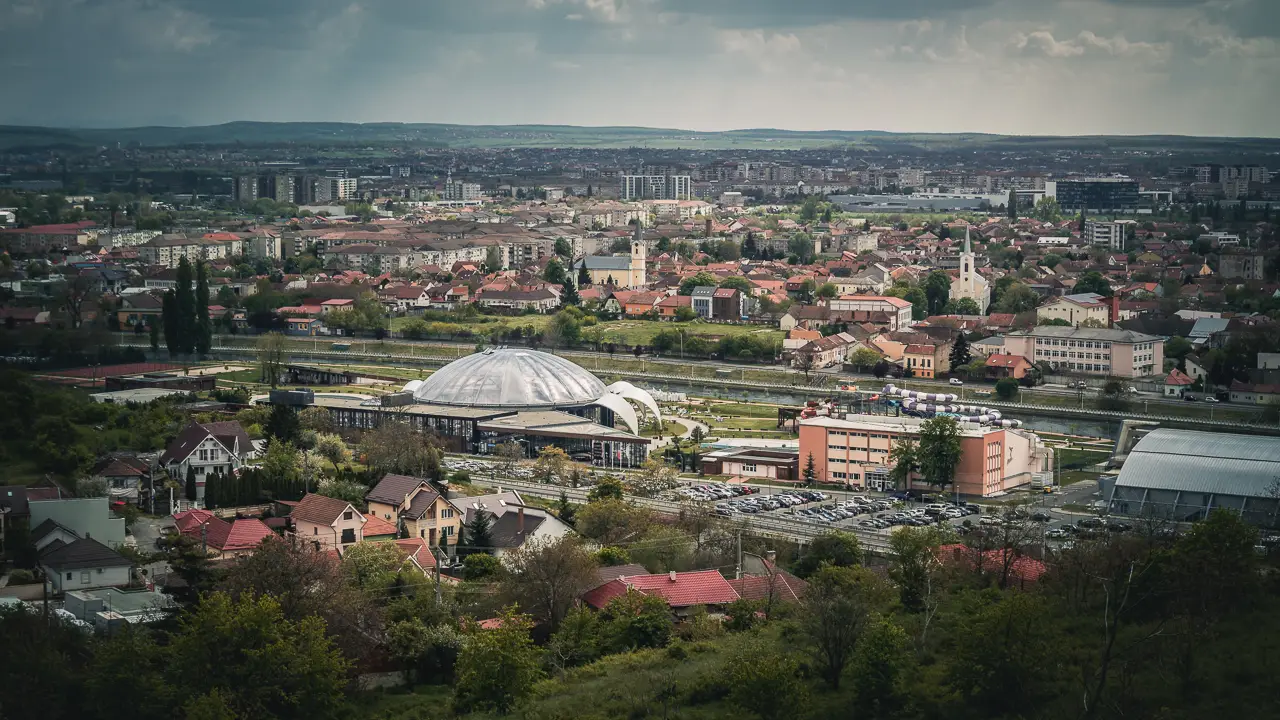
    Aquapark Nymphaea.
    Aquapark Nymphaea.

    Nice restaurant

    If you’re planning to eat somewhere, I highly recommend a lovely restaurant by the Crișul Repede River called Botanic by Armonia. The food I ordered was tripe soup with sour cream and hot peppers, honestly, it was delicious. The flavors were rich, and the dish was very satisfying. It’s definitely worth trying if you’re in the area!

    Final conclusions

    I really enjoyed this short city break to Oradea! I believe that to truly explore and appreciate everything the city has to offer, you would need to stay for a few days. However, for a quick city break, you can still discover many of the main attractions and get a good feel for the city’s charm.

    One of the best things about Oradea is that you can easily spend a few hours wandering around and exploring. Most of the main attractions are located close to one another, so it’s very convenient to walk between them without much hassle.
  • Arriving in Baile Herculane, Romania – My First Impressions

    Arriving in Baile Herculane, Romania – My First Impressions

    Share this:

    After I spent some time exploring the fascinating watermills in the village of Rudaria, it was time to hit the road again. My next destination was the city of Baile Herculane, which was about an hour’s drive from Rudaria. I was excited to visit this place because it’s famous for its historic thermal baths and unique charm.

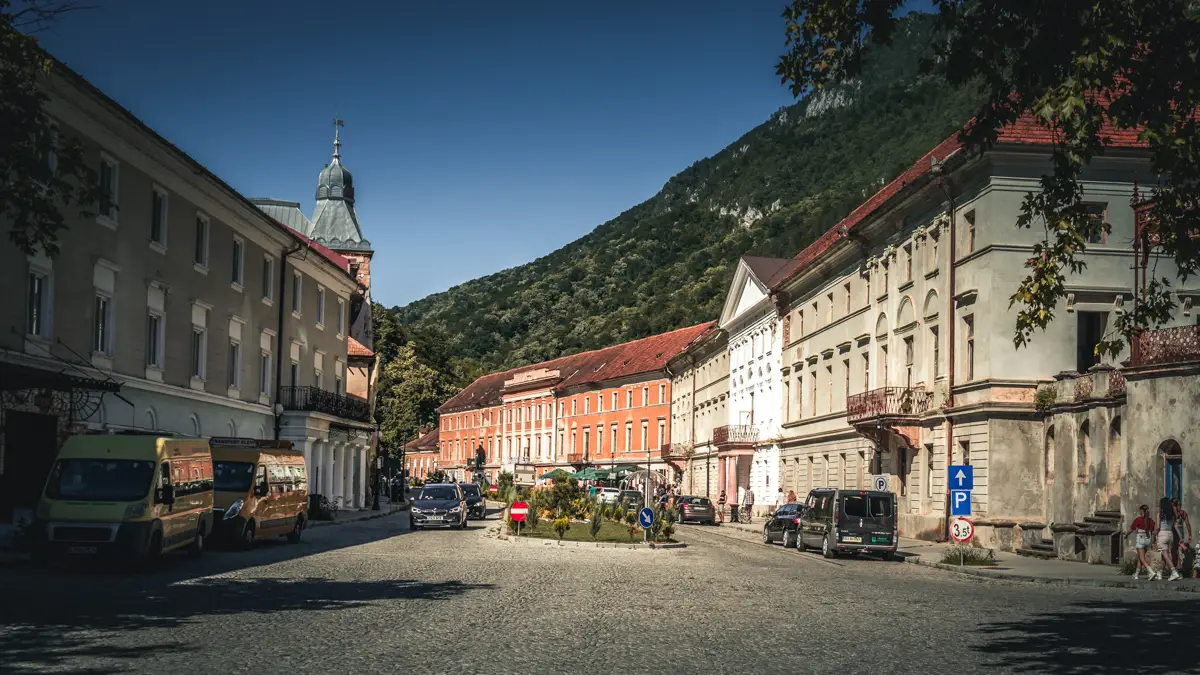
    When I arrived in Baile Herculane, I decided to focus my visit on the old town. This area is where most of the city’s iconic and well-known buildings are located. The architecture told stories of the city’s rich past, and every corner seemed to hold a new surprise. This town has a history that stretches back to the Roman times, making it one of the oldest spa towns in Europe.

    The Austrian Imperial Baths

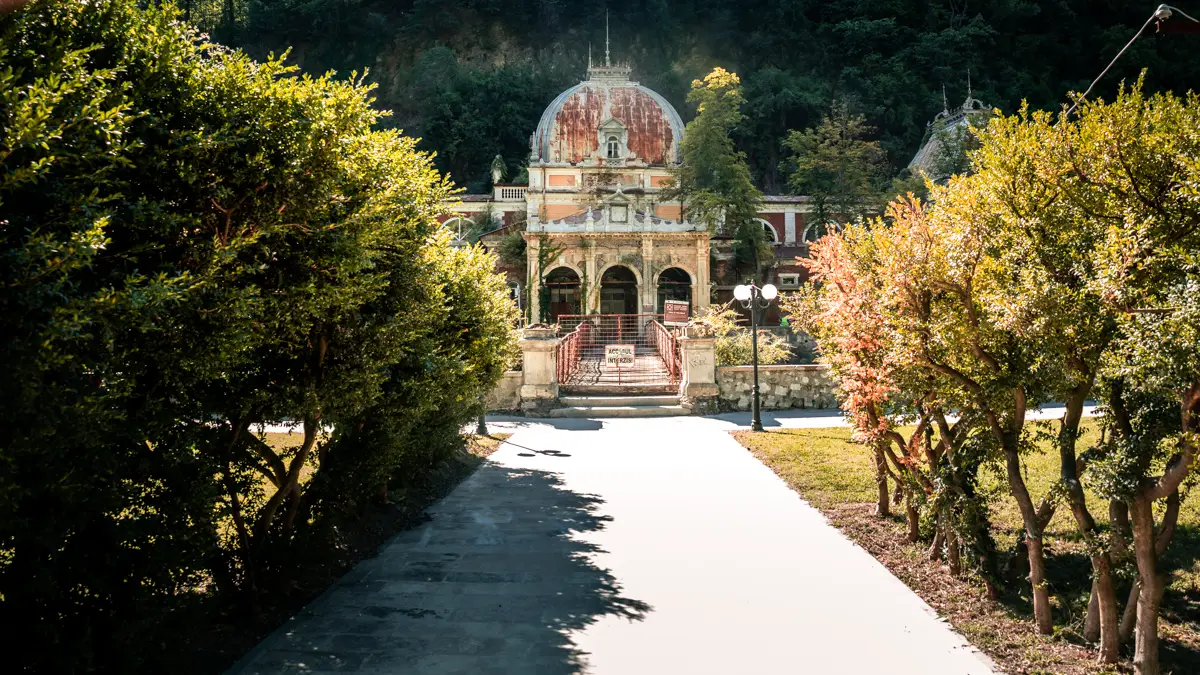
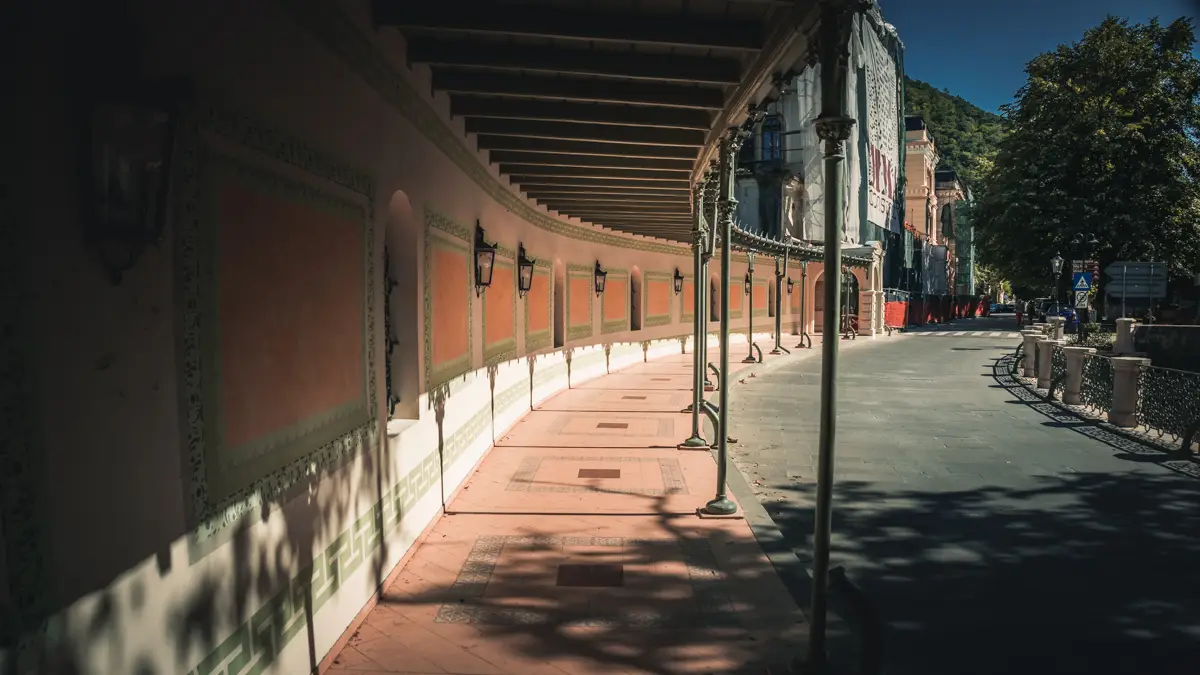
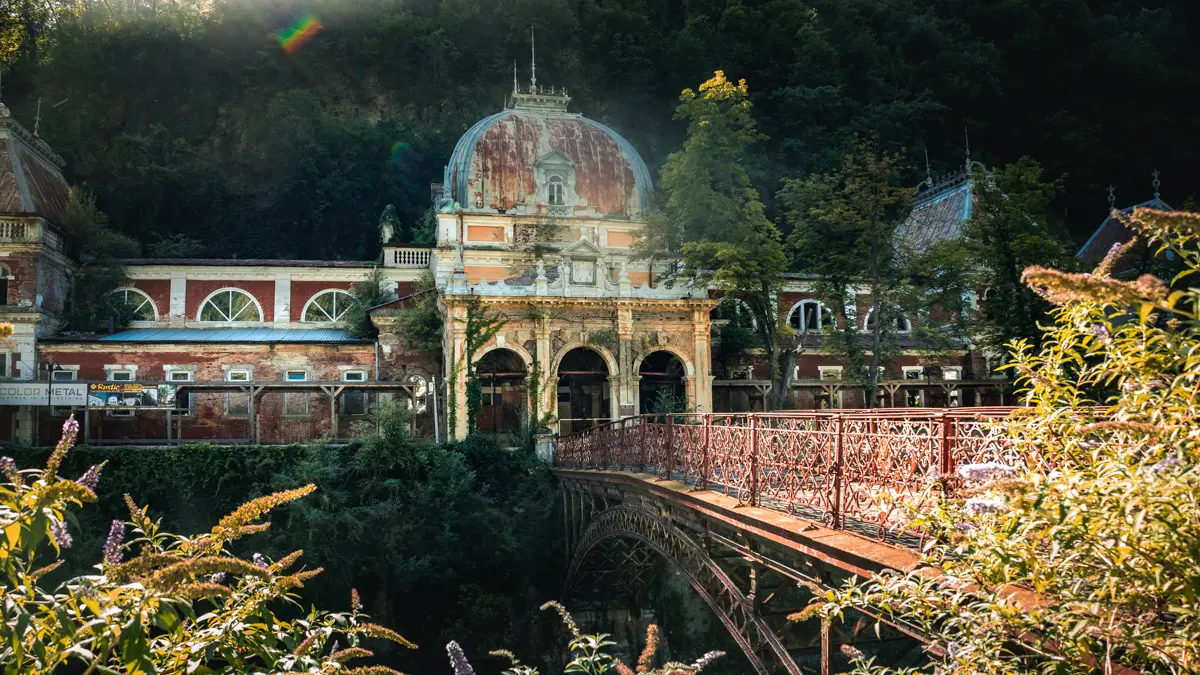
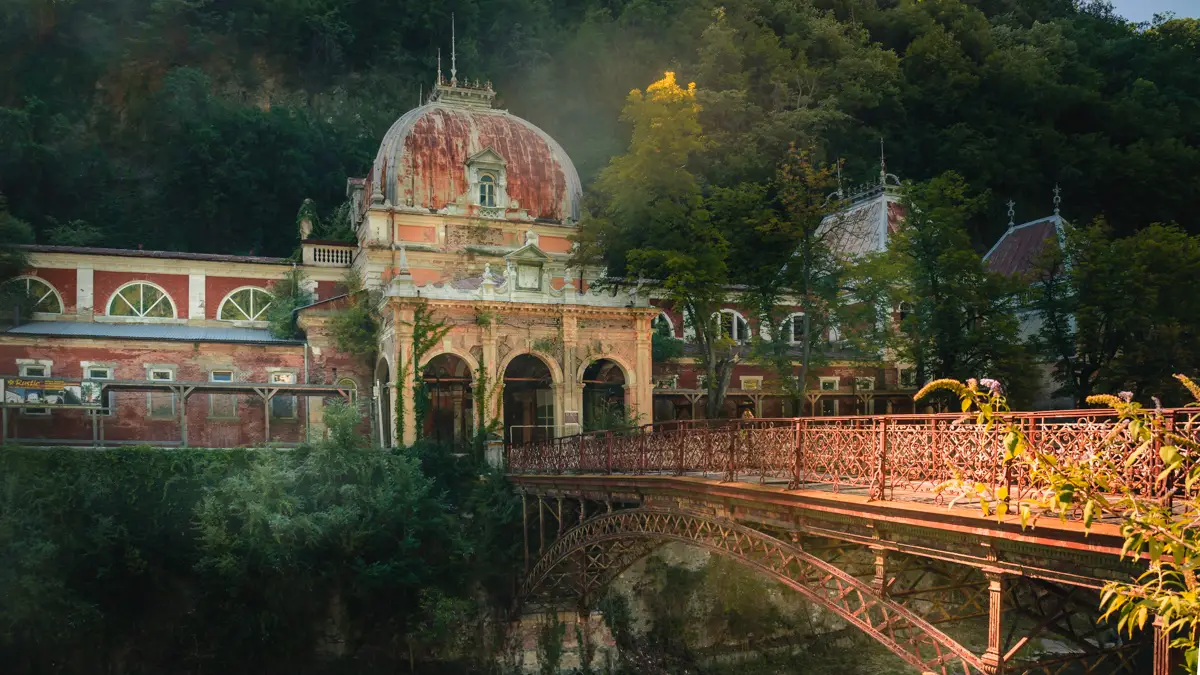
    The Austrian Imperial Baths, also known as the Neptune Baths, are a fascinating historical site that, sadly, has been abandoned. While the interior of the building is not open to visitors, you can still enjoy its stunning architecture from the outside. Standing before this magnificent structure, it’s easy to imagine how grand it must have been in its prime. In its glory days, this place was a bustling hub that drew many tourists, all eager to experience its beauty and splendor. Although time has taken its toll, the exterior remains a testament to the elegance and charm that once made it a sought-after destination.

    The abandoned Imperial Baths in Baile Herculane.
    The Imperial Baths and the abandoned bridge across the Cerna River.
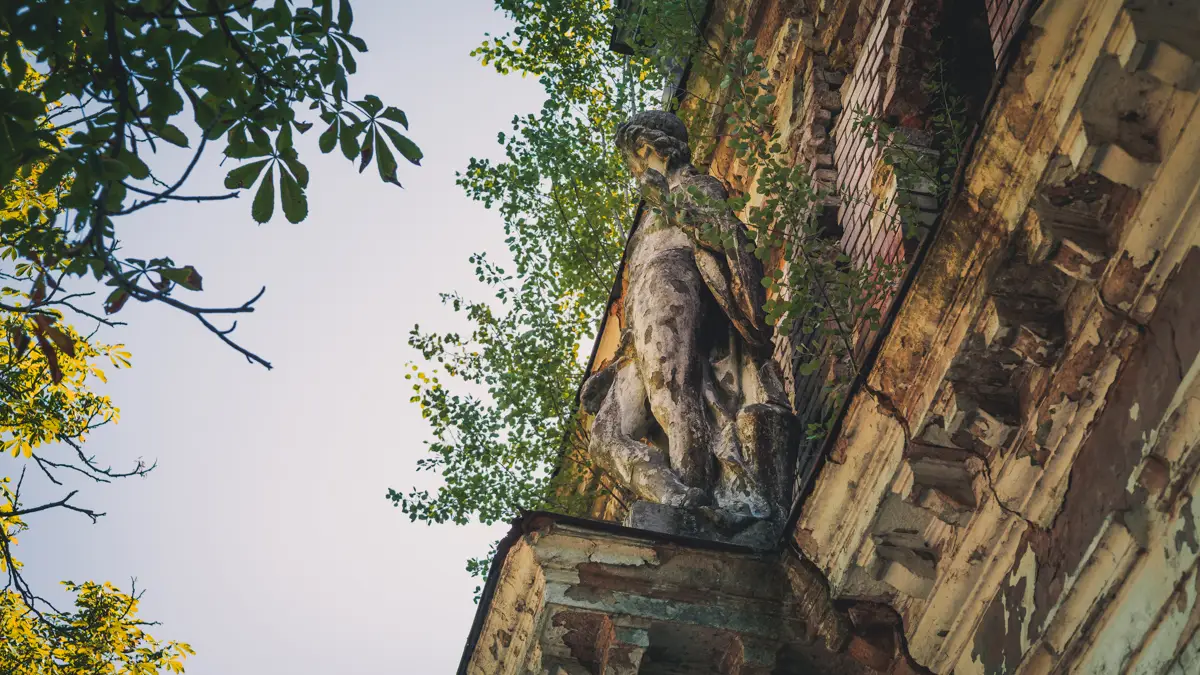
    Statue on the abandoned Imperial Baths.
    Statue and vegetation growing on the Imperial Baths.
    Another statue on the abandoned building.
    Another statue on the crumbling building.
    Bai sulfuroase
    Bai sulfuroase means sulfur baths in English.
    The Imperial Baths as seen from the other side of the Cerna River.
    The Imperial Baths seen from the other side of the Cerna River.

    Hercules Square

    Just a short walk from the Imperial Baths, you’ll find Hercules Square, the heart of the old town in Baile Herculane. Though the square is small, it has a unique charm that makes it worth a visit. On a hot summer day, it’s the perfect spot to pause and enjoy a delicious ice cream from one of the nearby vendors. If you’re looking for a place to rest, there are benches shaded by the tall, historic buildings surrounding the square, offering a cool and relaxing spot to take a break. At the far end of Hercules Square, you’ll come across a small yet fascinating church, adding a touch of history and culture to this quaint area.

    Hercules Square.
    The Hercules Square located near the Imperial Baths.
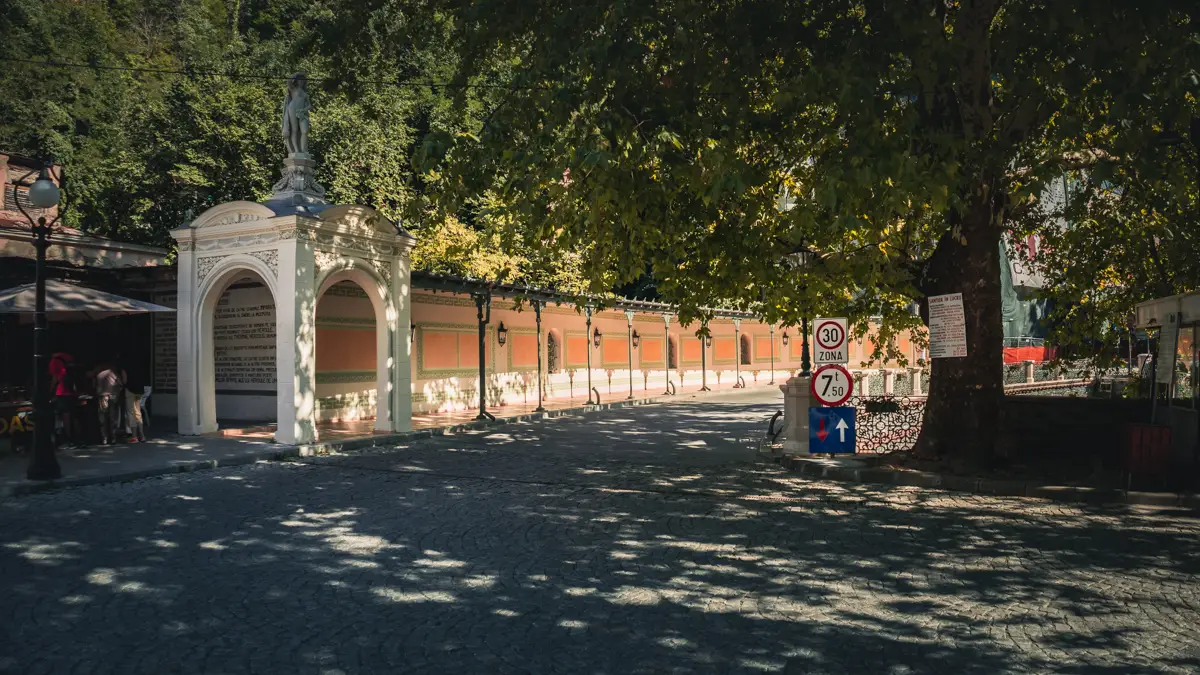
    Statue of Hercules.
    Statue of Hercules located almost in the middle of the square.
    The Dormition of the Mother of God Church.
    The Dormition of the Mother of God Church in Baile Herculane.
    The Hercules Square seen from the church.
    Hercules Square seen from the church.

    Between Hercules Square and the Imperial Baths, you’ll come across the Diana Bath, a historic building with a story to tell. Originally built entirely out of brick in 1810, it was redesigned in 1858 to take on its current appearance. One of the most unique features of this building is the statue of Hercules that proudly stands on its roof.

    The Diana Bath.
    The Diana Bath next to the old town.

    The Stone Bridge

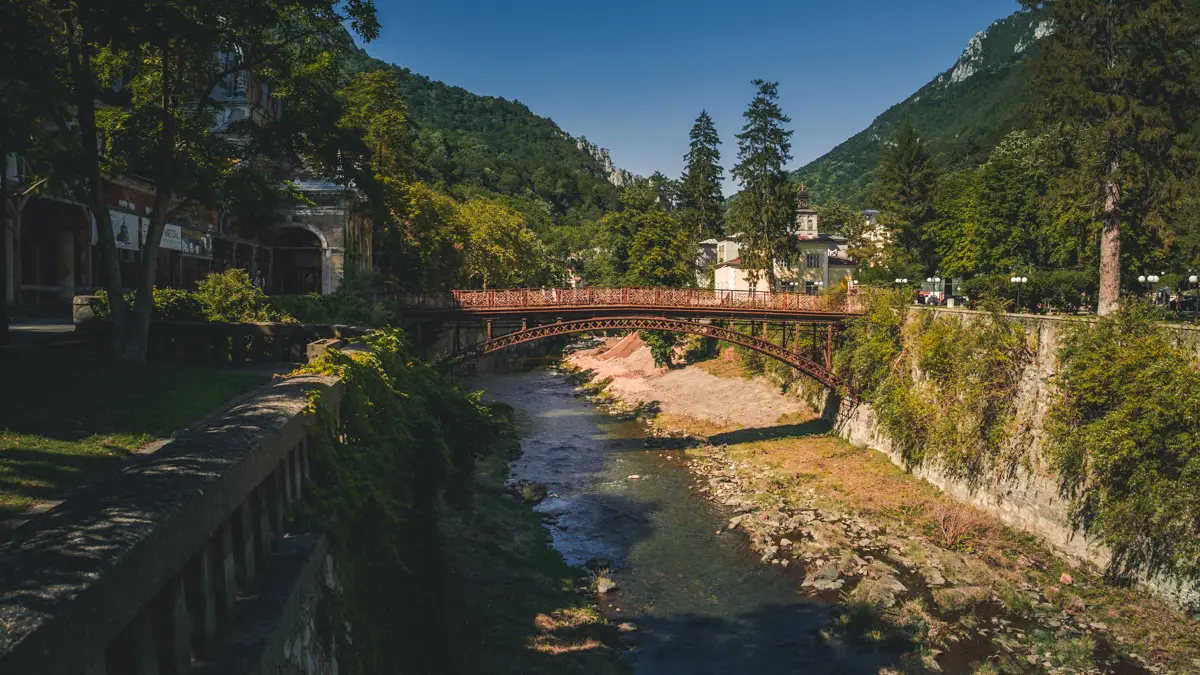
    This stone bridge across the small Cerna River connects the old town with the rest of the city.

    The Stone Bridge over the Cerna River.
    The Stone Bridge across the Cerna River.
    Covered footpath.
    Covered footpath over the Stone Bridge.
    Close-up shot of the beautiful covered footpath.
    Close-up photo of the renovated covered footpath fond on the Stone Bridge.

    Before leaving Baile Herculane, I took some time to capture more photos of this charming and historic city. Nestled in a valley surrounded by steep, dramatic mountains, Baile Herculane is a place of incredible natural beauty and rich history. I wanted to preserve the memories of its unique atmosphere and stunning views. Here are some of the photos I took during my visit:

    Iron bridge across the Cerna River.
    Bridge across the Cerna River located right in front of the Imperial Baths.
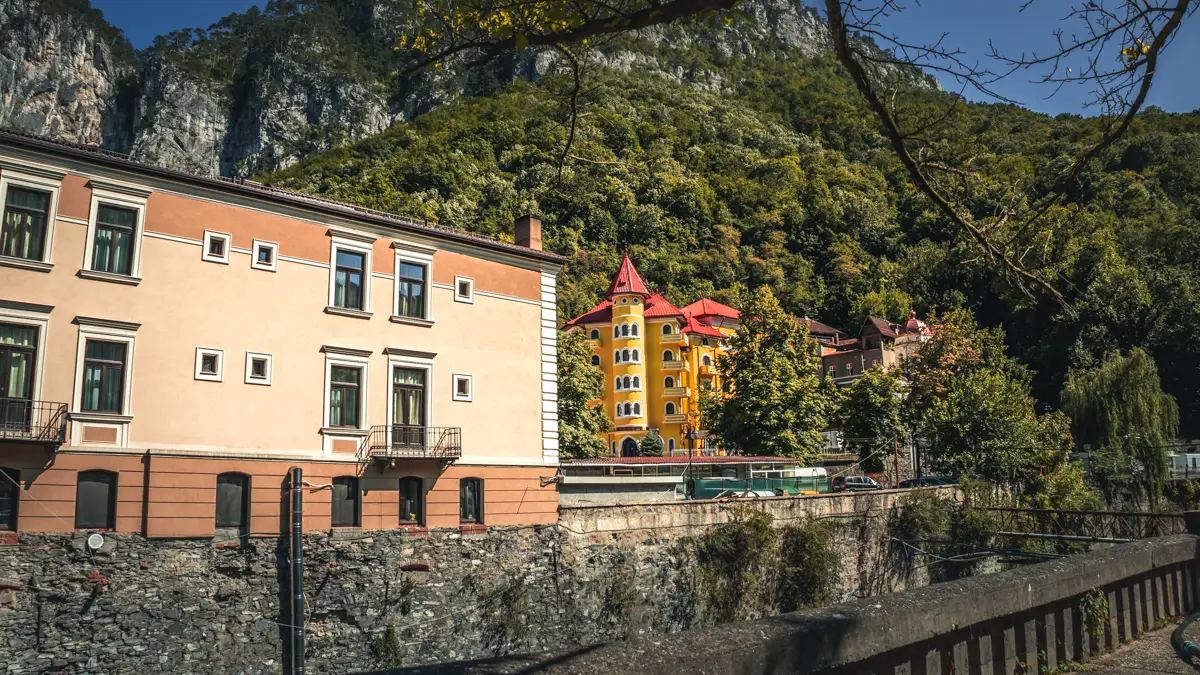
    Hotels next to the steep mountains.
    Hotels next to the steep mountains.
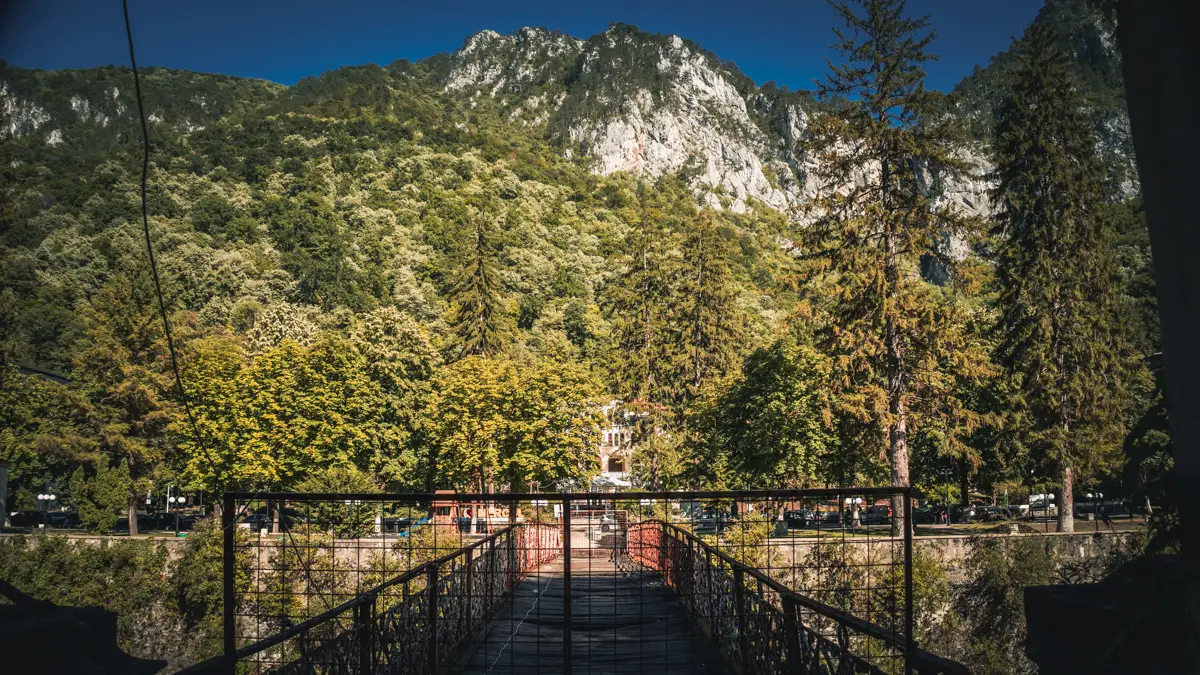
    Mountains.
    Mountains that surrounds the city.

    Where should I go next?

    Just 21 km from Baile Herculane lies the small and picturesque city of Orsova, situated on the scenic shores of the Danube River. From Orsova, you can take a memorable drive along the Danube all the way to Moldova Noua. This road offers plenty of opportunities to stop and explore. Along the way, you can admire the impressive Decebalus Rex statue, the largest rock sculpture in Europe, and visit the historic Ladislau Fortress in the village of Coronini.

    If you’re looking for more inspiration, you can check out additional photos from this breathtaking road trip here: Road trip next to the Danube River in Clisura Dunării.

  • The Watermills In Rudaria

    The Watermills In Rudaria

    Share this:

    After exploring Bigar Waterfall, I headed to my next stop which was high on my bucket list: the charming village of Eftimie Murgu located in Caras Severin County. This village is famous for its historic watermills, which have drawn visitors for years. Until 1970, it was actually known as Rudaria. These watermills have a rich history and are a unique part of the area’s heritage, nestled in a beautiful valley and surrounded by peaceful, scenic landscapes.

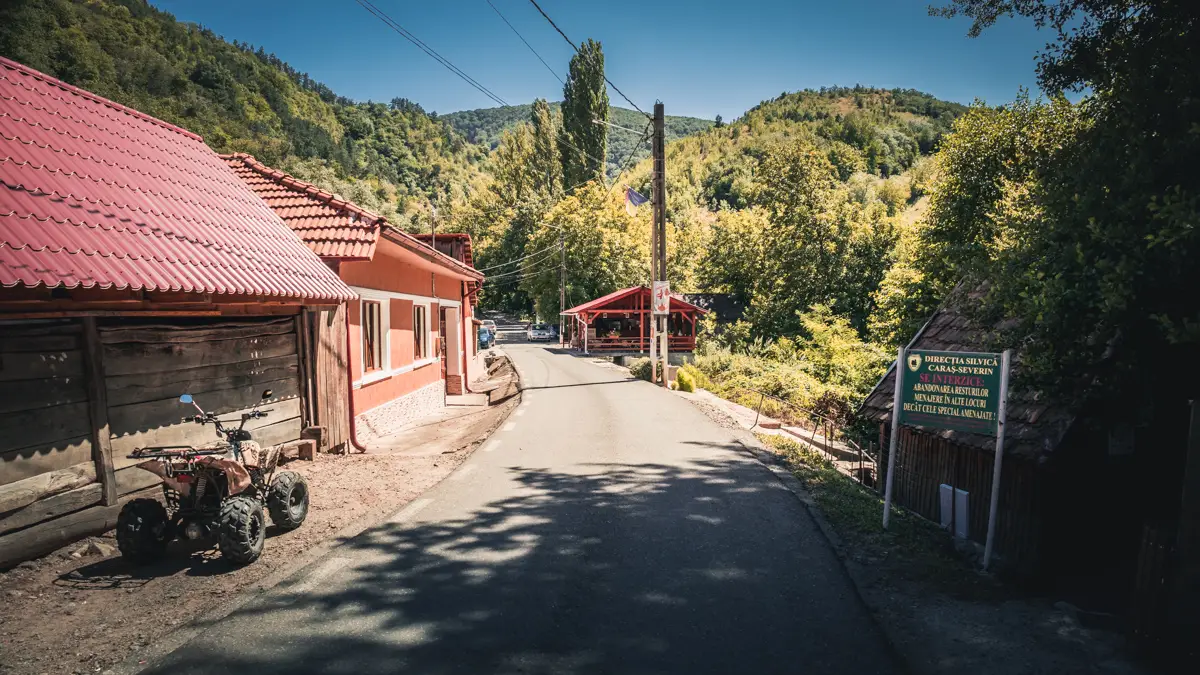
    Once you arrive in Eftimie Murgu, drive to the end of the village to find the mills. Near the first mill, there’s a parking area on the left side of the street where you can leave your car. Be prepared for a narrow road as you get closer to the mills—it’s only wide enough for two cars to pass slowly.

    The road towards the watermills in Eftimie Murgu.
    The road to the watermills.

    Let’s explore a couple of watermills

    Talking with a local, I learned that there are 20 functional traditional watermills here, most of which are still in use today. Each mill harnesses the river’s flow to power large circular stones inside, which grind grains into flour.

    During my visit to Rudaria, I had the chance to explore a few of the traditional watermills to see firsthand how wheat is transformed into flour. I was fortunate to find two mills in operation, allowing me to observe the intricate mechanisms used to grind the grain. The rhythmic motion of the water-powered wheels and the craftsmanship behind each mill made the experience both fascinating and memorable.

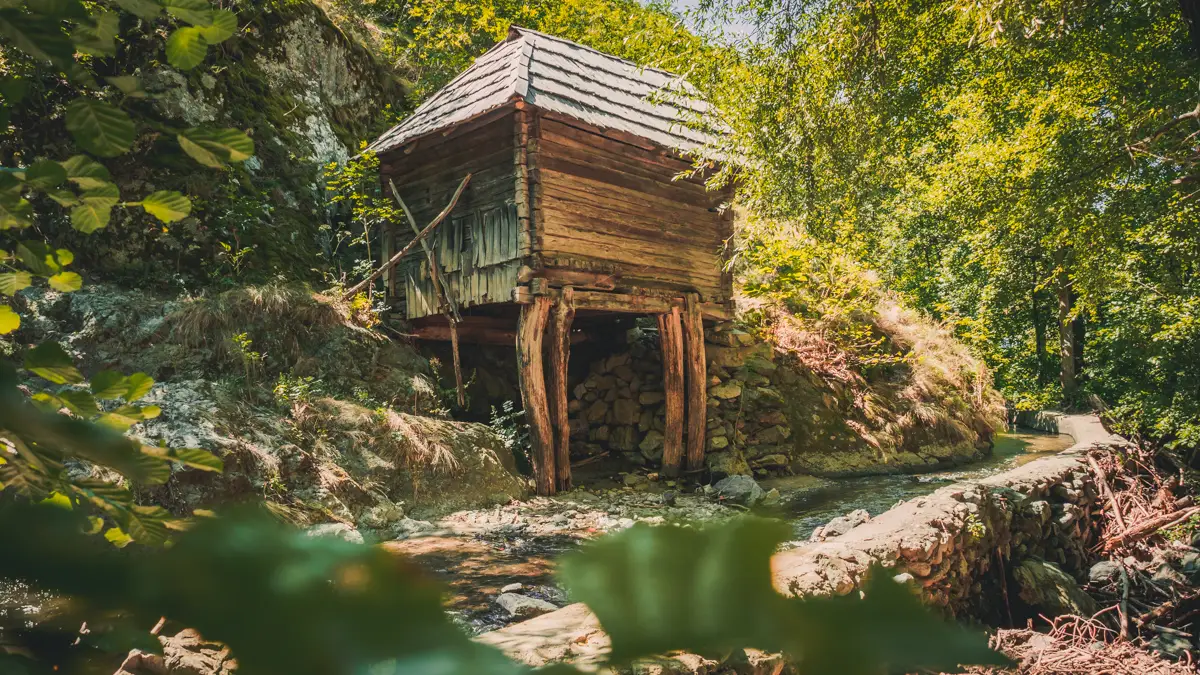
    The two watermills I visited were called Firiz and Indaratnica dintre Rauri. Both of these mills use paddles beneath the building to harness the flow of the river. As water rushes over the paddles, it pushes them, making a long shaft turn. This rotating shaft connects to a heavy, round millstone inside the mill, which spins as a result. The spinning stone grinds the wheat into flour in a steady, rhythmic motion powered entirely by the river’s current.

    The Firiz watermill

    Firiz watermill in Rudaria.
    The Firiz watermill in Rudaria.
    Inside the watermill.
    Inside the Firiz watermill.

    Indaratnica dintre Rauri watermill

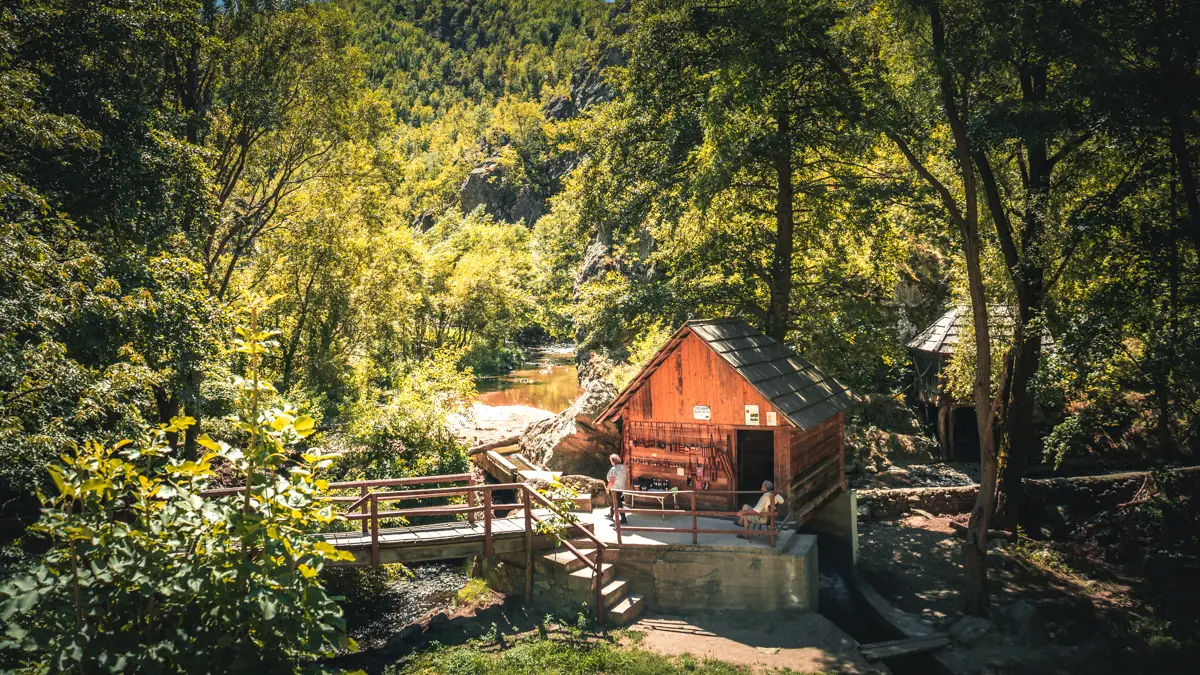
    This watermill was in much better shape compared to the first one I visited, likely because it had been renovated a few years ago. Right outside the mill, there was a small area where locals sold various souvenirs, giving visitors a chance to take home a piece of the experience. You could also buy freshly ground flour or maize flour for 5 RON per kilogram. The maize flour is perfect for making mămăligă, a traditional Romanian dish similar to polenta.

    Indaratnica dintre Rauri watermill.
    Indaratnica dintre Rauri watermill.
    The water flowing over paddles under the mill.
    Water flowing over the paddles.
    Rudaria valley.
    Rudaria valley.

    Below you will find a video in which you can actually see the watermill in action.

    Other watermills

    Besides the two ones from above which were opened and the interior can be visited by the tourists, in Rudaria you can find other watermills along the Rudaria valley.

    Batolea watermill.
    Batolea watermill.
    Batolea watermill as seen from near the river.
    Batolea watermill seen from near the river.
    Old watermill.
    Old wooden watermill.
    The Rudaria river with a watermill in the background of the image.
    The Rudaria river.
    The road to the rest of the watermills in Rudaria.
    The road to the rest of the watermills in Rudaria.

    After exploring the watermills in Rudaria, I decided to try one last treat before leaving—a delicious, freshly made donut from a local vendor. It was the perfect way to end the visit. Honestly, I’m glad I came here because it gave me a chance to learn about the traditional methods of milling wheat, which are still used today. Watching the old water-powered machines at work was like taking a step back in time. The whole experience was not only educational but also a great reminder of how communities used to make their own food using simple, natural techniques.