• Exploring the Renovated Dendrological Park in Buzias

    Exploring the Renovated Dendrological Park in Buzias

    On my way back from the Romanesti cave, I decided to take a short detour to visit the Dendrological Park in the small town of Buzias. The park was recently rehabilitated, and I was curious to see how it had changed since our last visit in the winter of 2021. You can check out how the park looked during rehabilitation here.

    I was pleasantly surprised to see how nice the park looks now, although the ruins of the old Bath 2 and other smaller buildings which are still falling apart, were an exception.

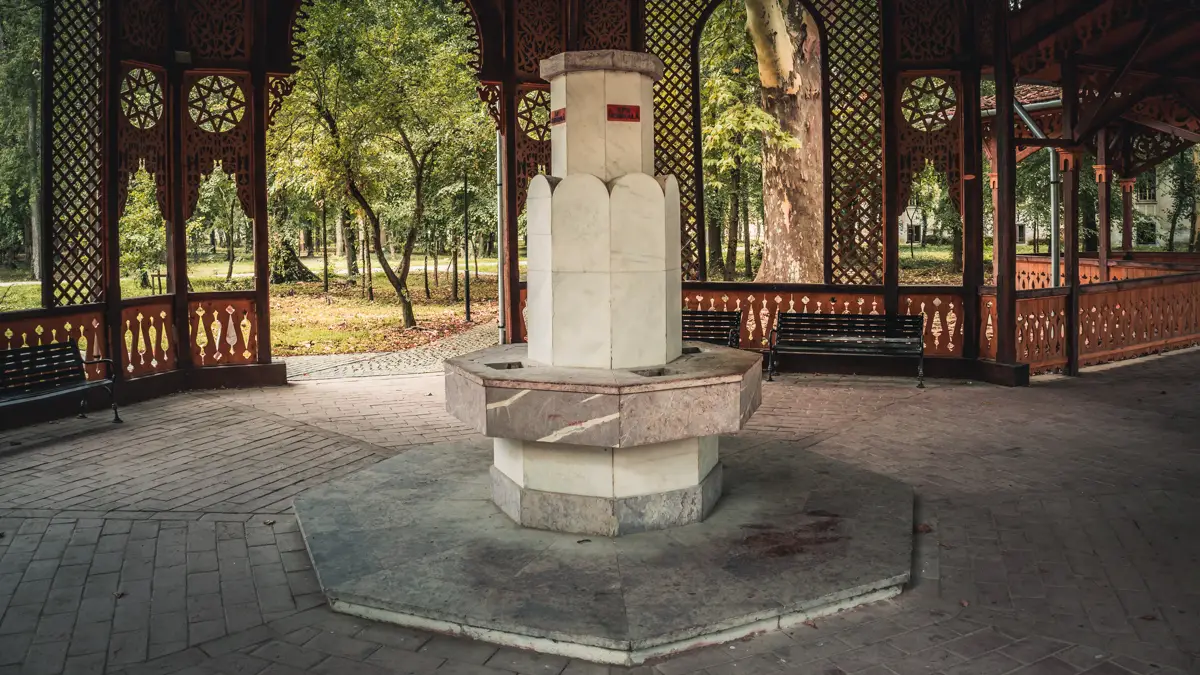
    The Fenix fountain

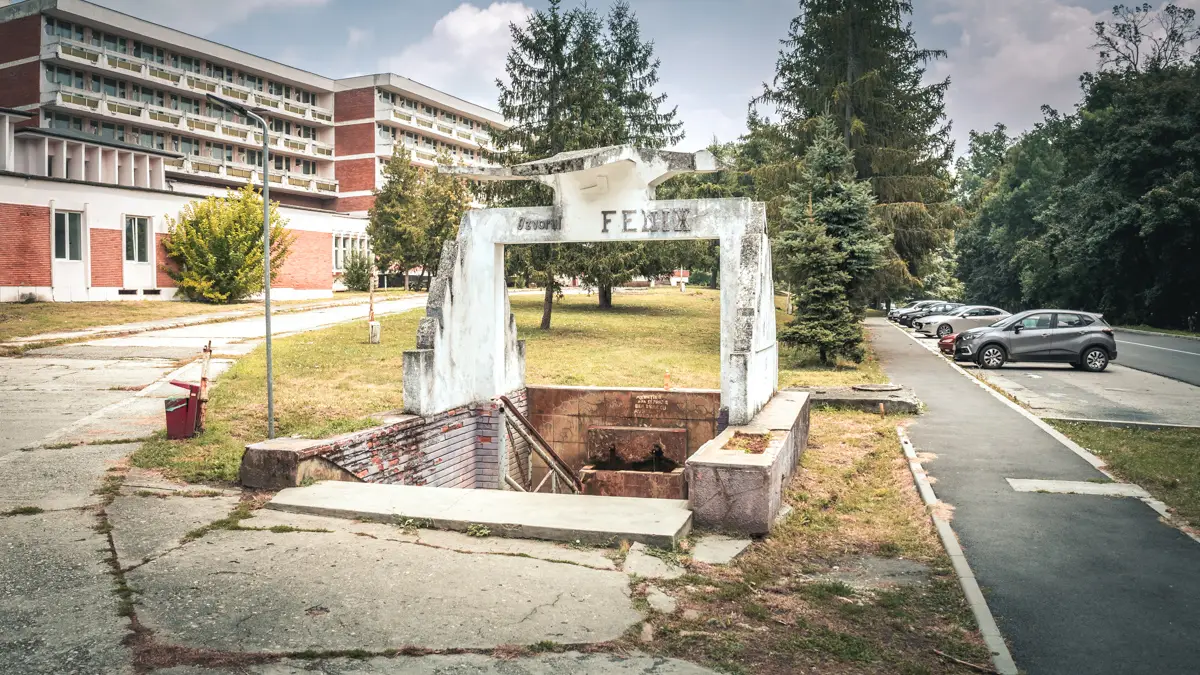
    Since there are usually plenty of parking spaces near the hotels by the Fenix fountain, we parked our car there and continued on foot to explore the Dendrological Park after it was rehabilitated. By the way, you can actually drink mineral water from the Fenix fountain. It’s known for its natural mineral springs, so many people stop by to fill their bottles or have a refreshing drink straight from the source.

    The Fenix fountain.

    Let’s explore the park

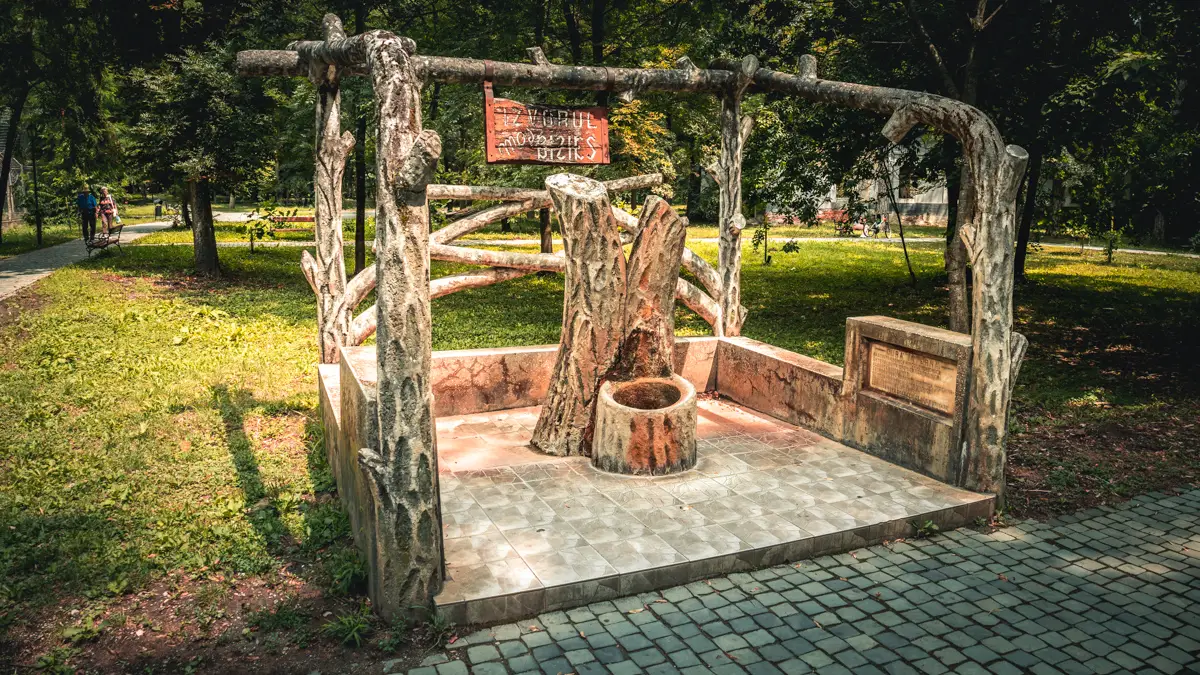
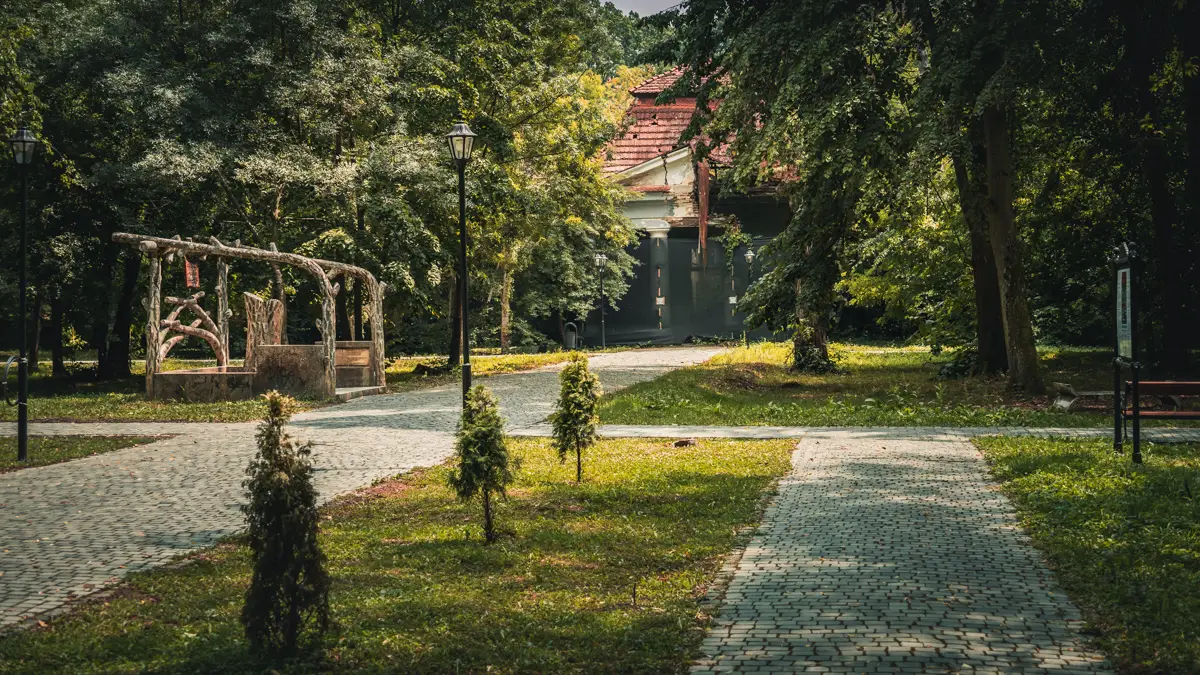
    When I entered the park, I followed a small path that led me near a fountain called Mos Bizies. This fountain sits right in front of the ruins of Baia 2. It was interesting to see how close the modern restoration work came to these older parts of the park, yet it seemed like some of the historical buildings, like Baia 2, were left out of the restoration efforts. Walking past the ruins gave me a sense of the park’s long history, but I couldn’t help but feel that these old structures deserved more attention to match the newer, refreshed parts of the park.

    Mos Bizies fountain.
    The ruins of Baia 2 or Bath number 2.
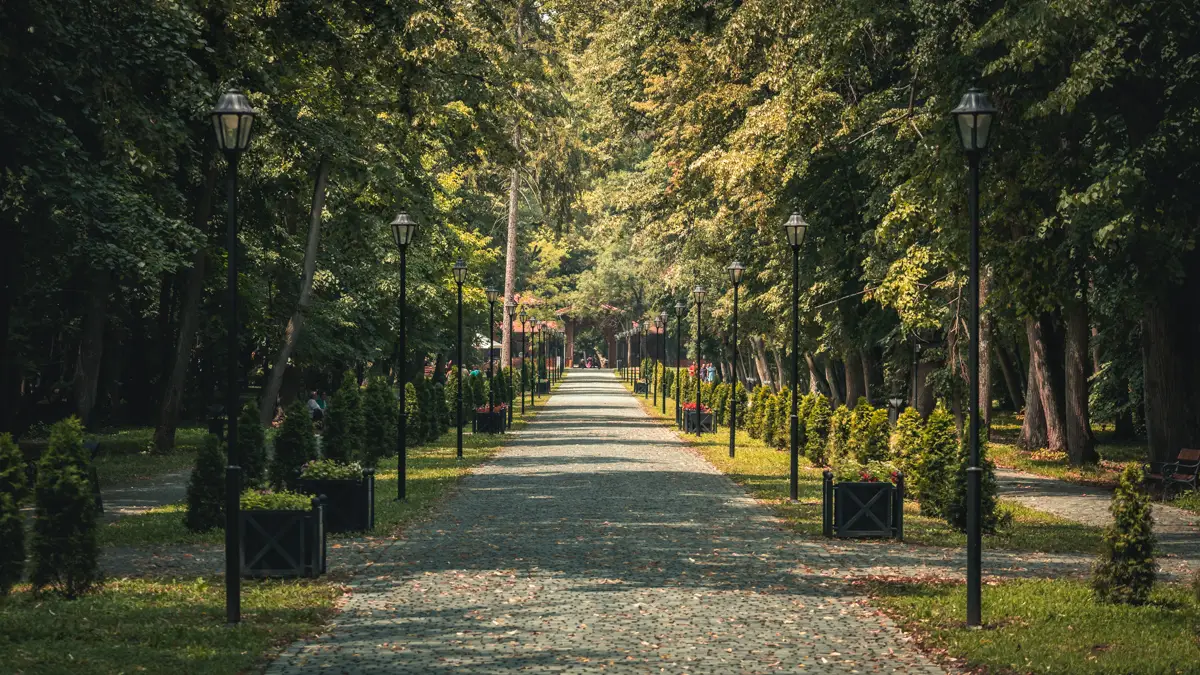
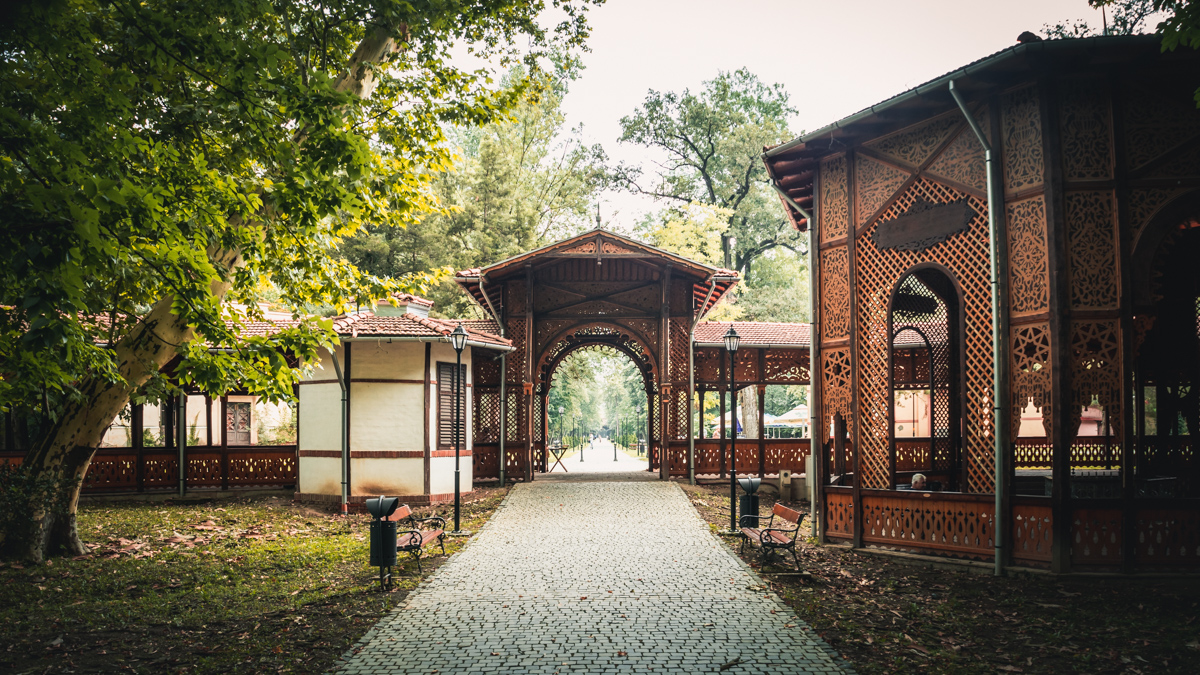
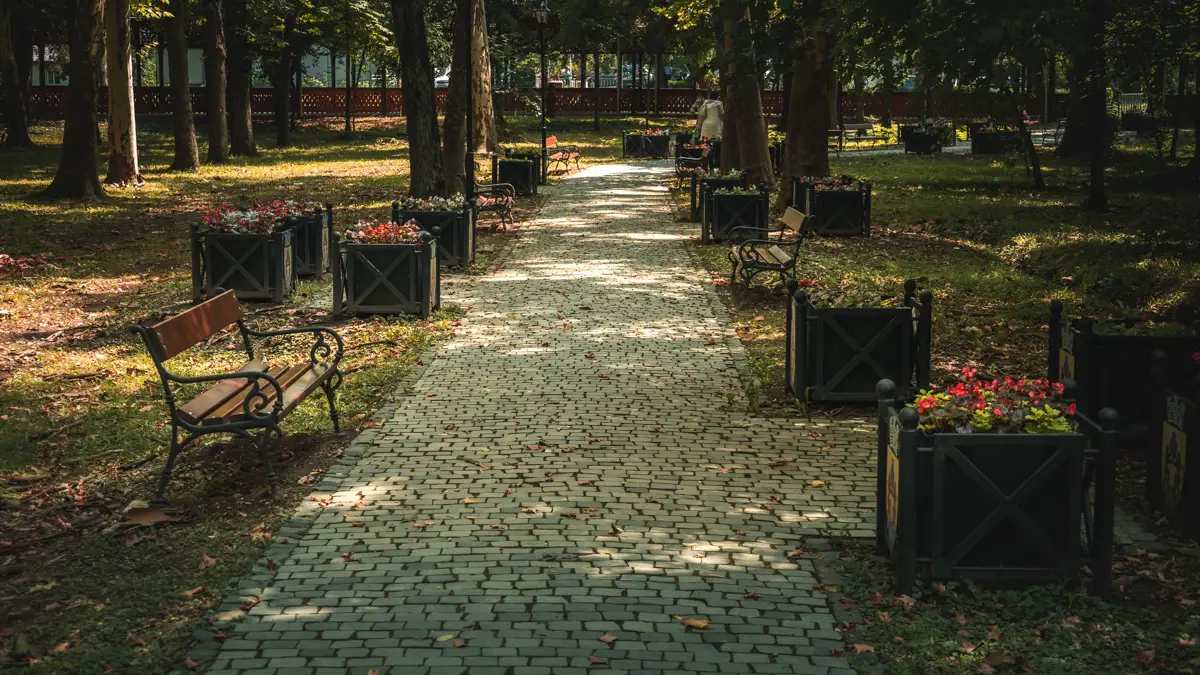
    Main alley the park.
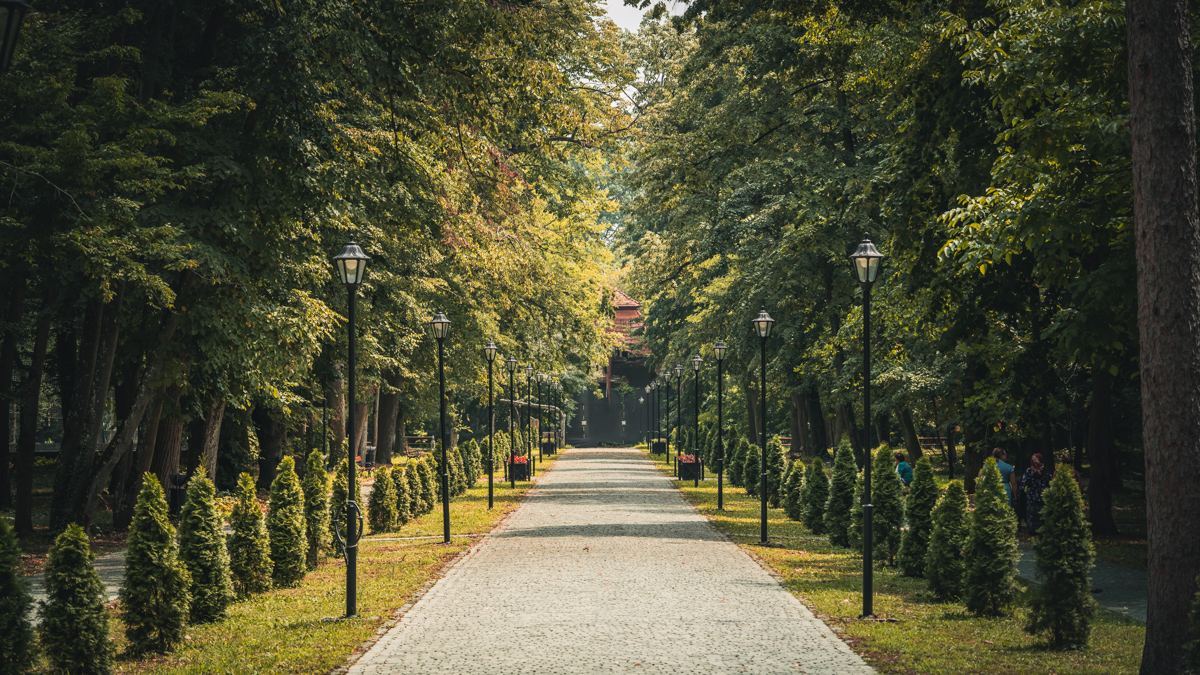
    On the main alley with the ruins of Baia 2 baths in the background.
    The colonnades and the main alley in the Dendrological park in Buzias.

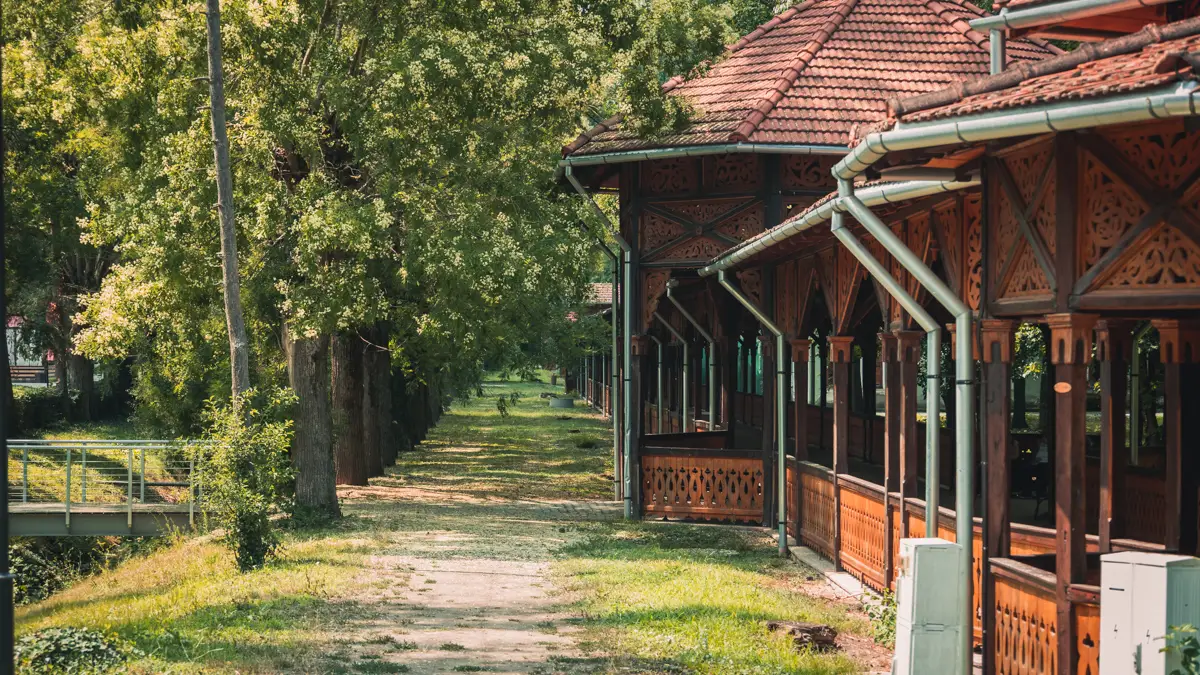
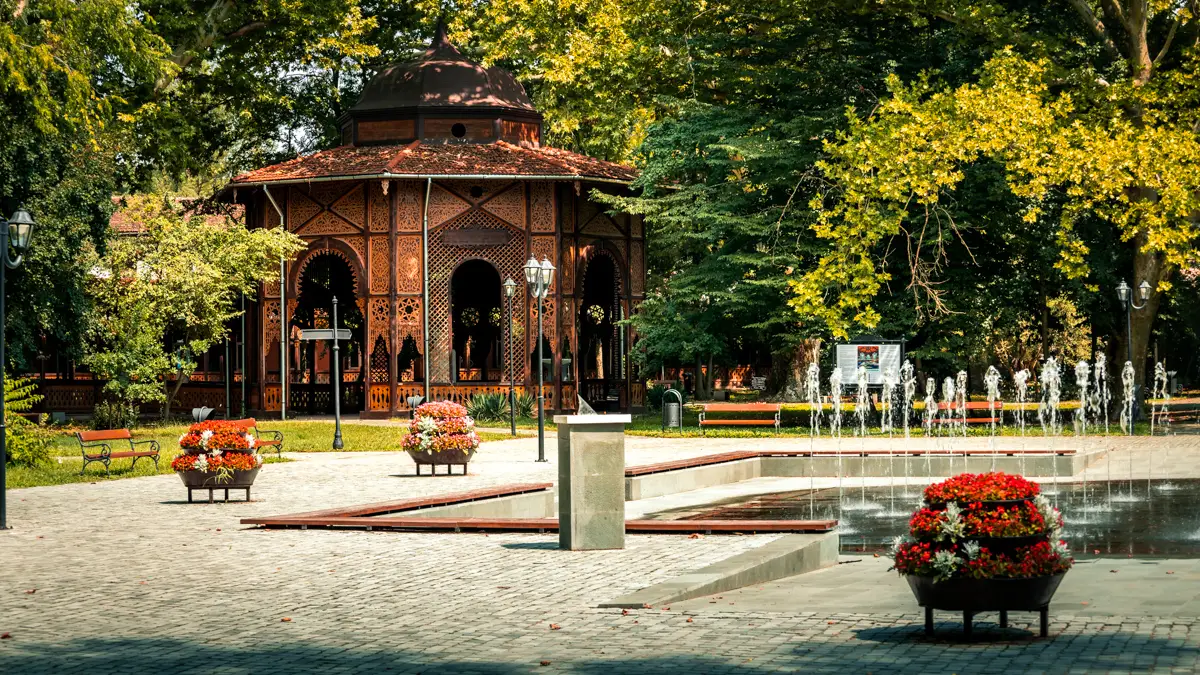
    The wooden covered colonnades

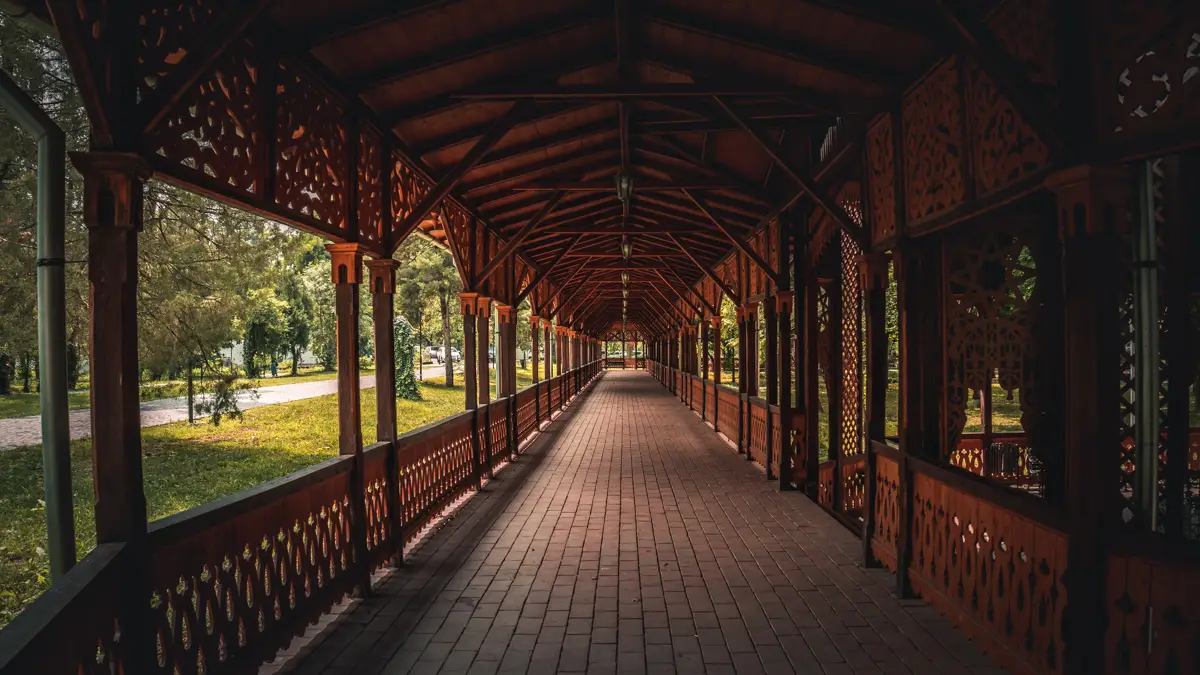
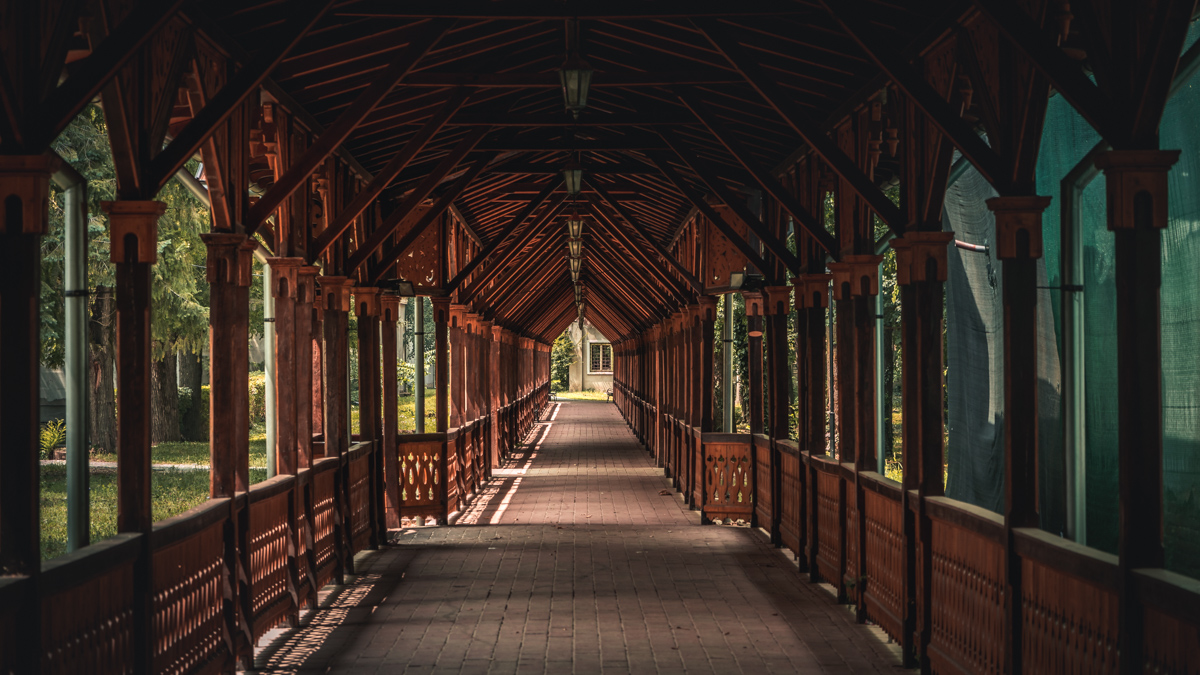
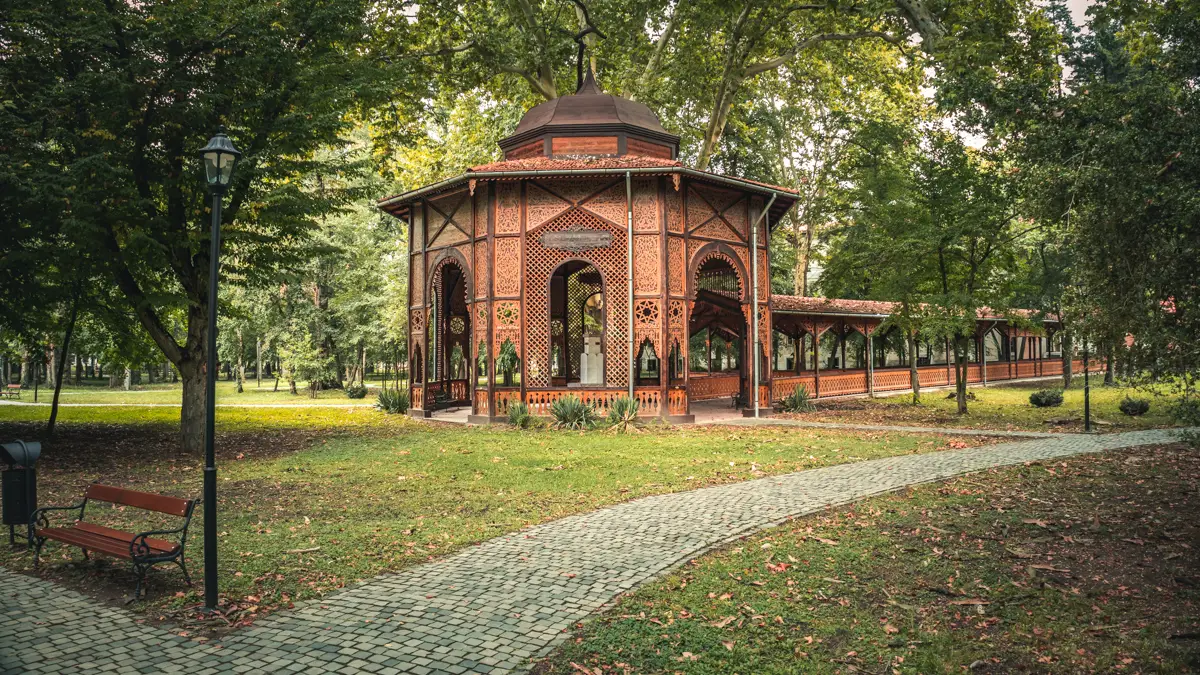
    The covered colonnades were renovated too, and they look much better now. In fact, they’ve become one of the main attractions of the Dendrological Park. With their fresh new look, they stand out even more and add a unique charm to the area. Walking under the colonnades feels like stepping into a piece of history, and they provide a nice shaded path for visitors to enjoy while exploring the park. It’s clear that the renovations really helped bring out their beauty, making them a highlight of the park.

    The covered colonnades in Buzias.
    Narrower covered colonnades.
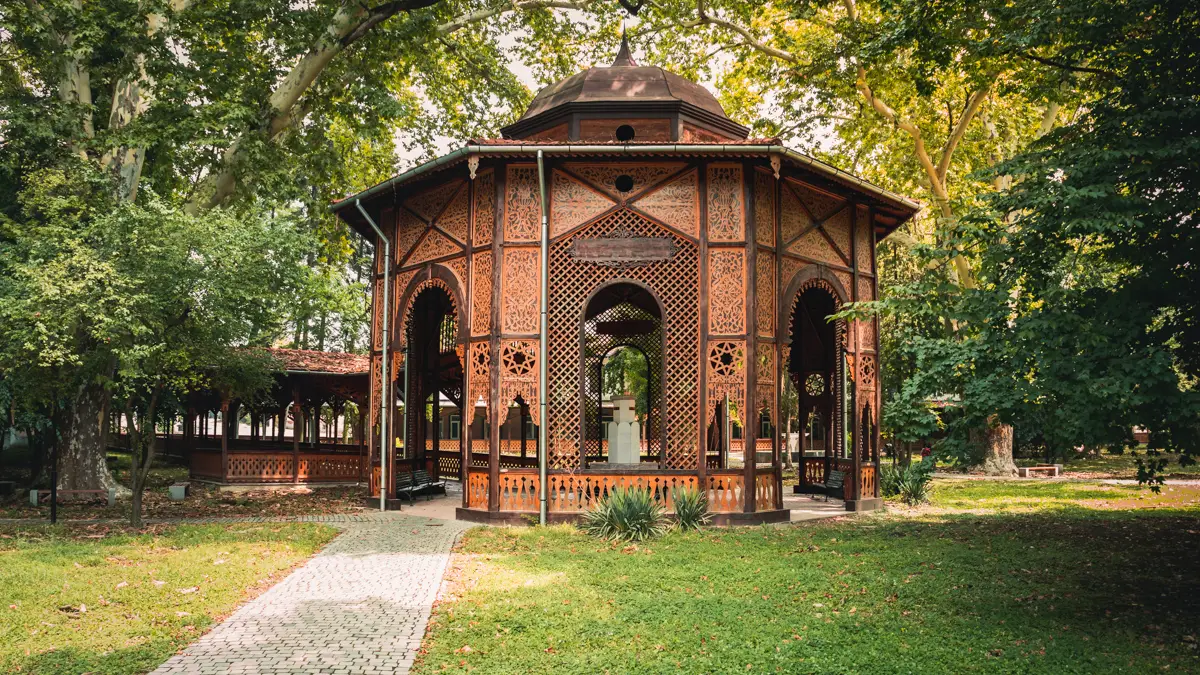
    Former fountain under the covered colonnades.
    Former fountain.
    The wooden colonnades in the Dendrological Park.
    The covered colonnades after renovation.

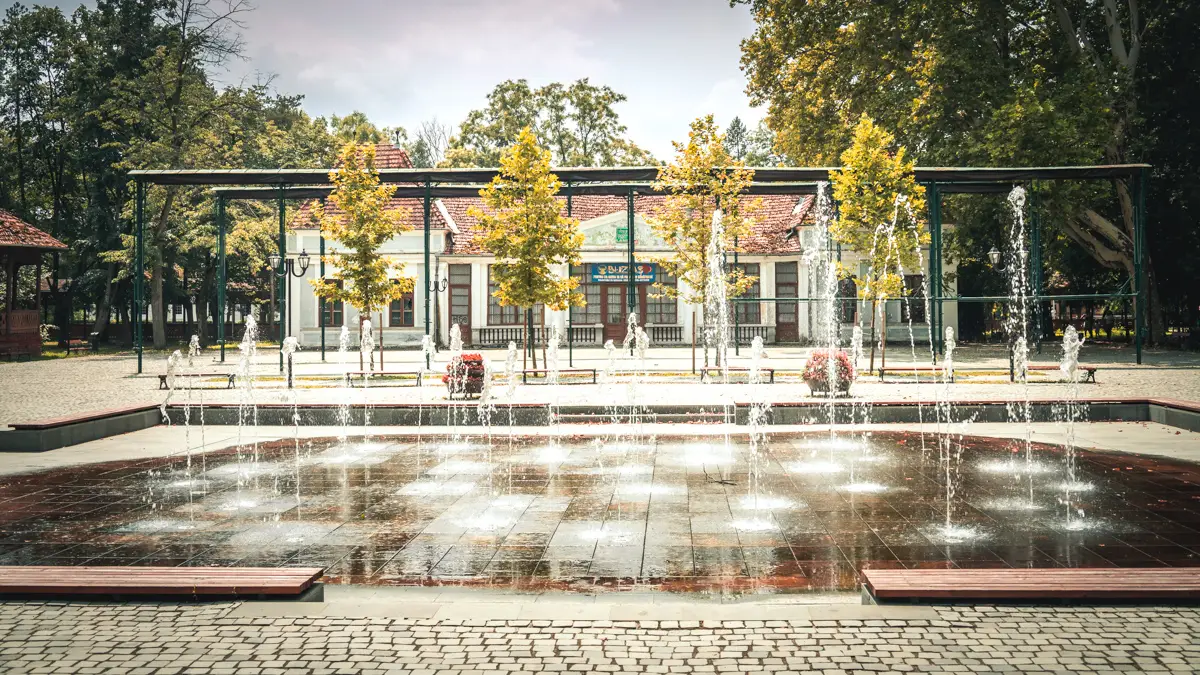
    The fountains in the park

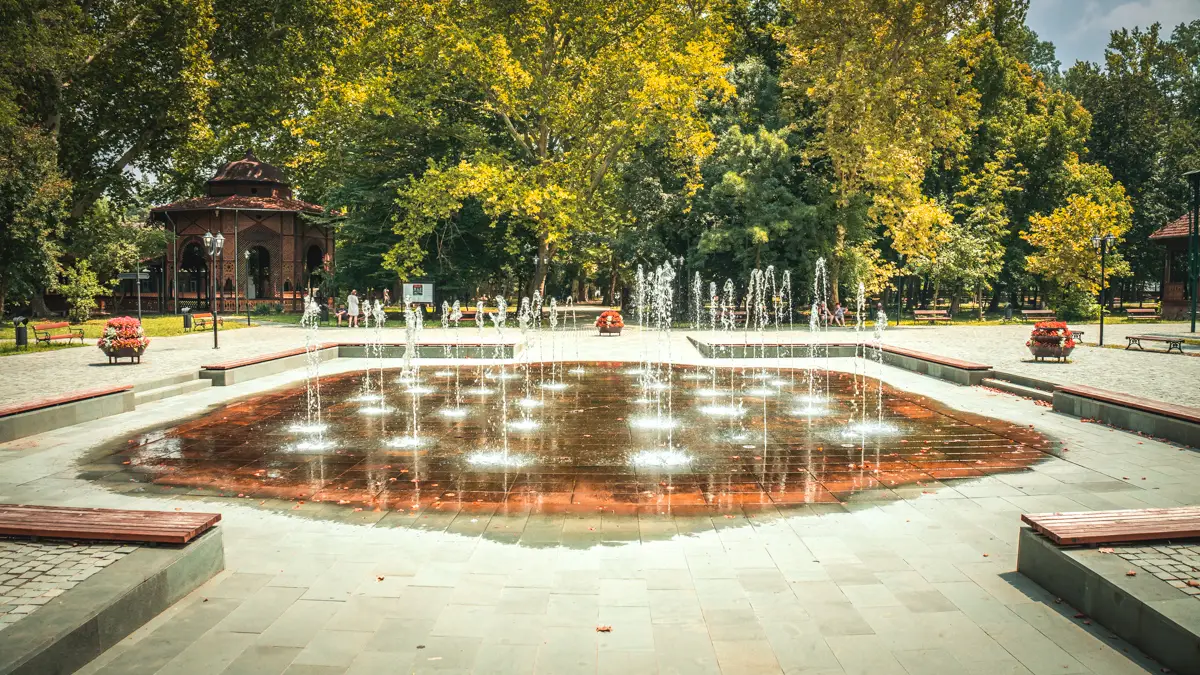
    If you start at the ruins of Baia 2 and follow the main alley, the path will lead you straight to the area with the fountains, close to the colonnades. It’s an easy and pleasant walk, surrounded by the greenery of the park. As you approach, you can hear the sound of the water, and the fountains create a peaceful atmosphere. This part of the park is especially beautiful, with the newly renovated colonnades adding to the charm.

    The fountains.
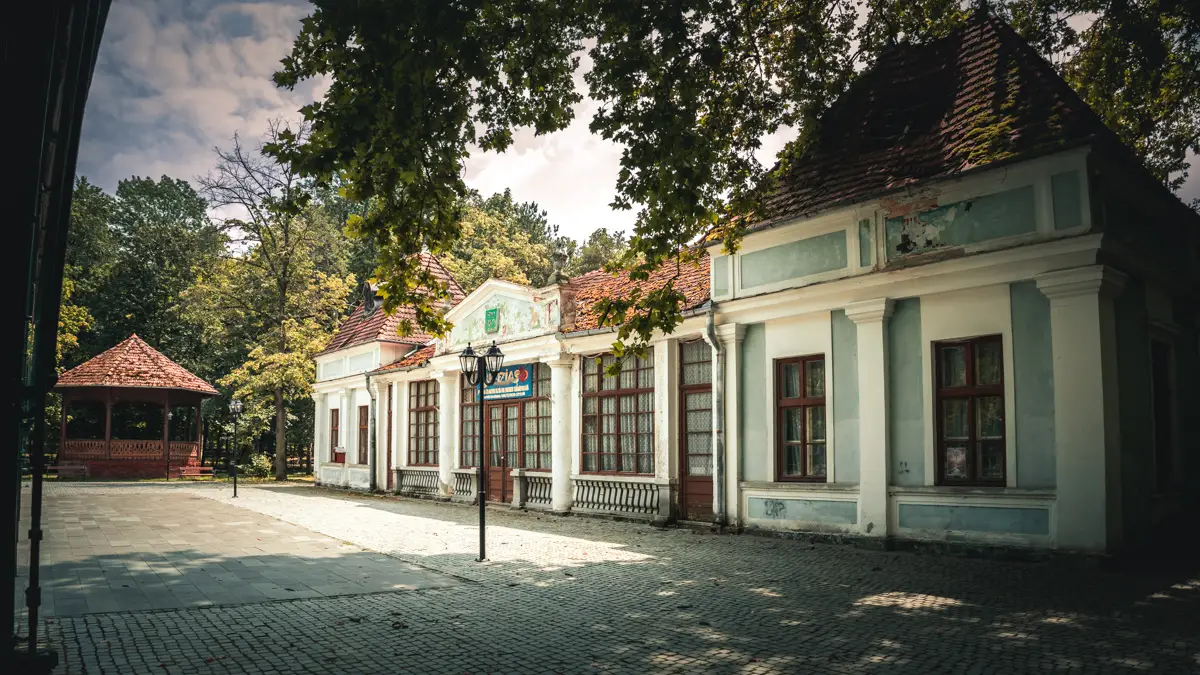
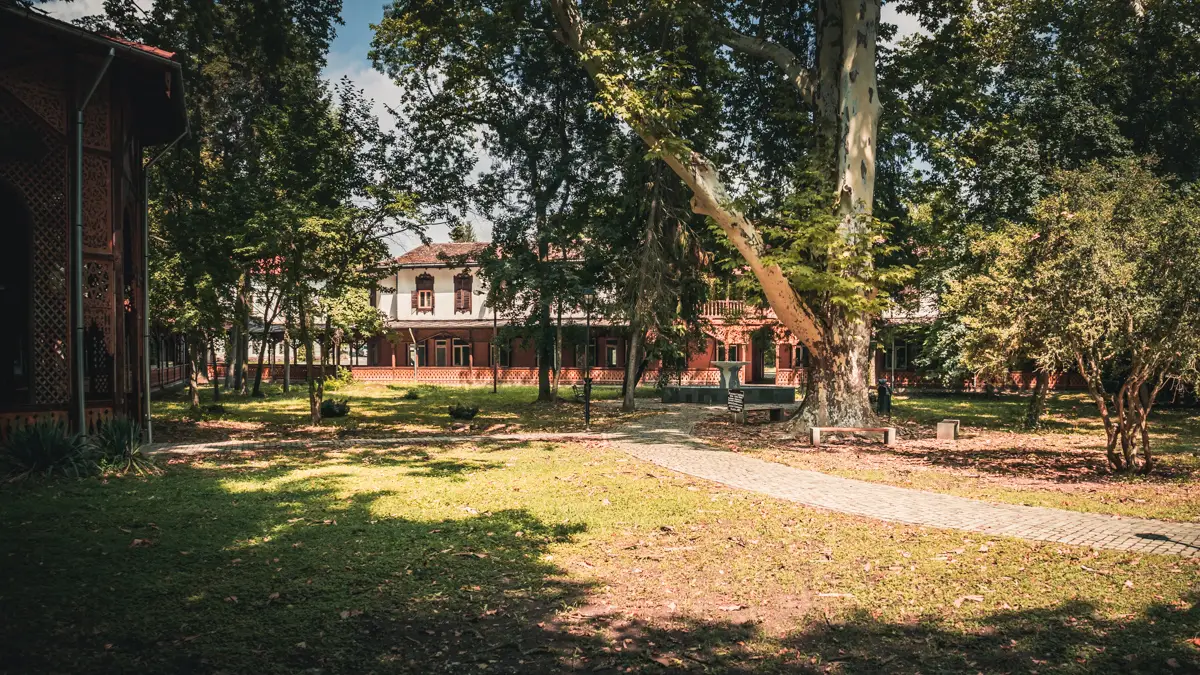
    The fountains with an old building in the background.
    Old building in Buzias.
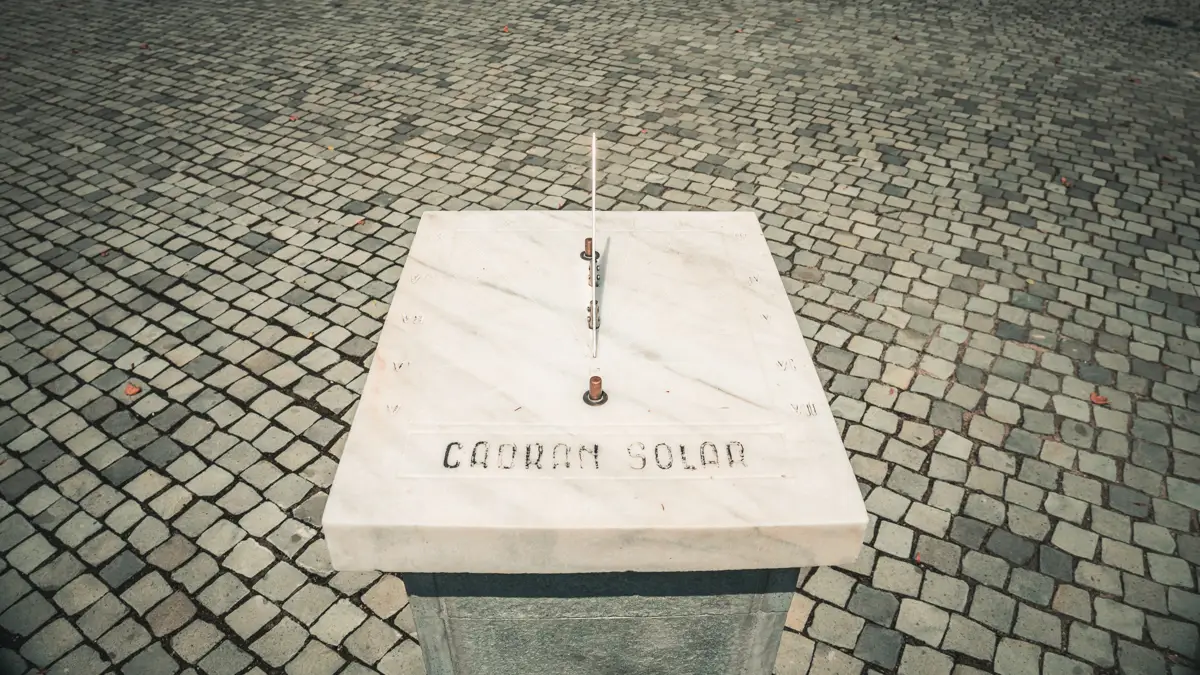
    Sundial.
    Very old plane tree with the Bazar Villa in the background.
    Benches in the park.

    The swimming pool

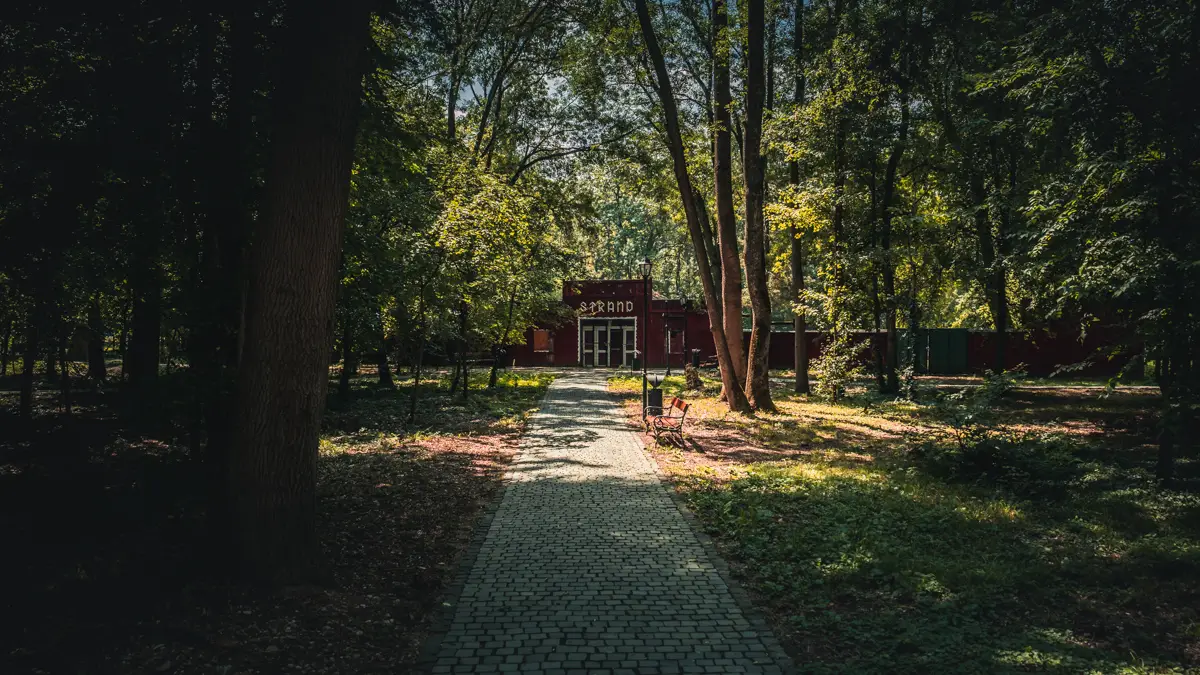
    Near the edge of the park, you will the ruins of the former swimming pool. Unfortunately, this place was abandoned many years ago and it is in a bad condition. Hopefully one day this will be renovated as well.

    The old swimming pool in the park.

    At the airport

    The airport was quite busy when we visited the park. A lot of people were there, either enjoying a meal or chatting over a cup of coffee or a cold beer at the restaurant located beneath the airplanes. The area had a lively atmosphere, with families, couples, and friends relaxing and making the most of the day.

    At the airport in Buzias.

    After we finished exploring the park, it was time to head back to Timisoara. Overall, the park has changed quite a bit, and for the better. The renovations have really improved the atmosphere, making it a more enjoyable place to visit. From the restored colonnades to the refreshed walking paths and fountains, everything feels updated and well-maintained. It’s clear that a lot of care went into making the park a more inviting and peaceful space.

  • The Nativity Of Saint John The Baptist Church In Romanesti

    The Nativity Of Saint John The Baptist Church In Romanesti

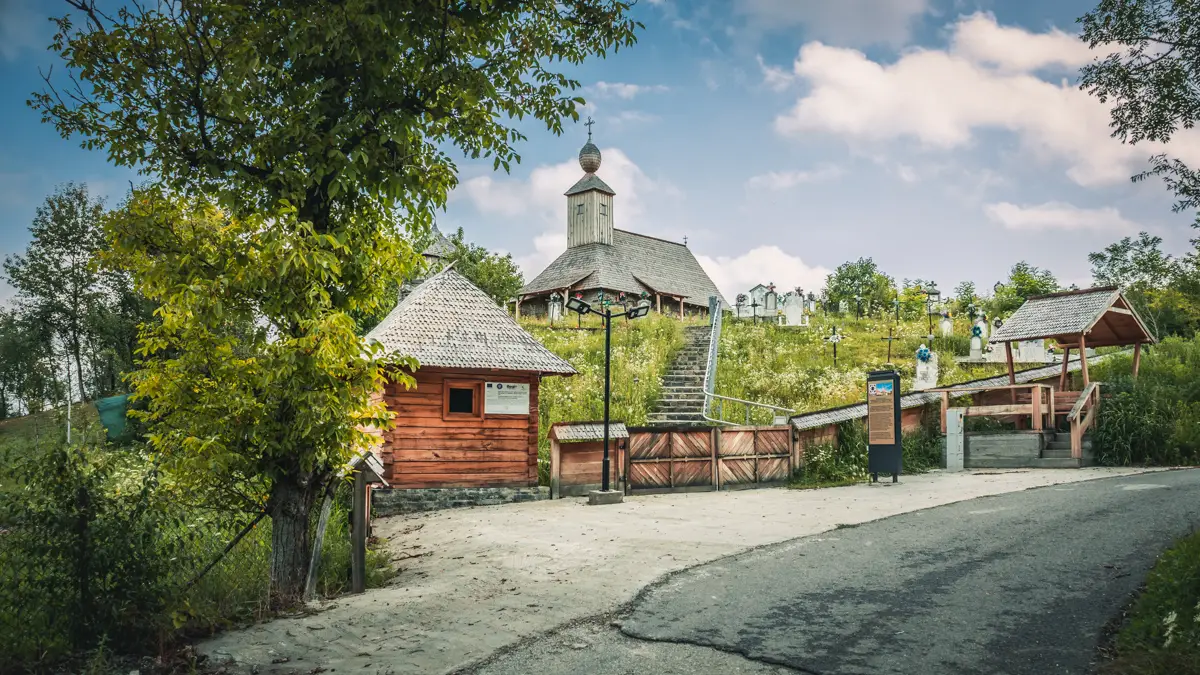
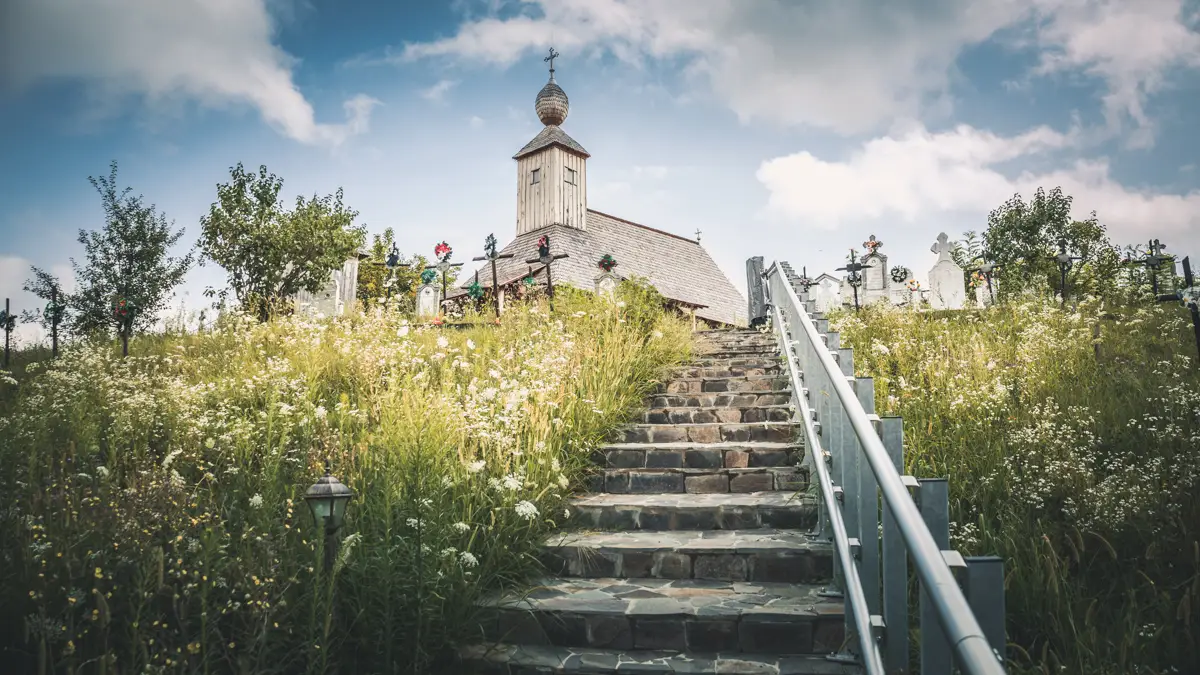
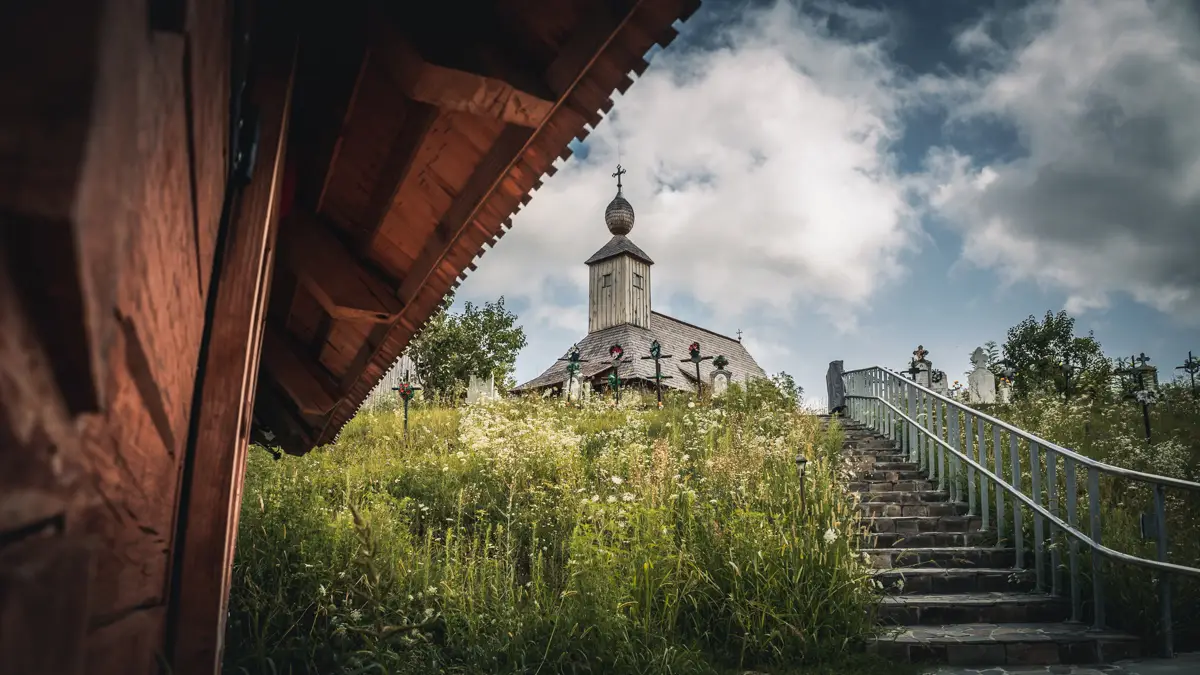
    In the village of Romanesti, there is a charming little wooden church that you can find on a smaller hill within the Orthodox cemetery. The church, which has a simple yet beautiful design, has recently undergone renovations to restore its original beauty. You can easily reach it from the main road, as you drive from Valea lui Liman towards Cosevita, almost in the middle of the village you will have to make a right turn. You can even spot it from the main road.

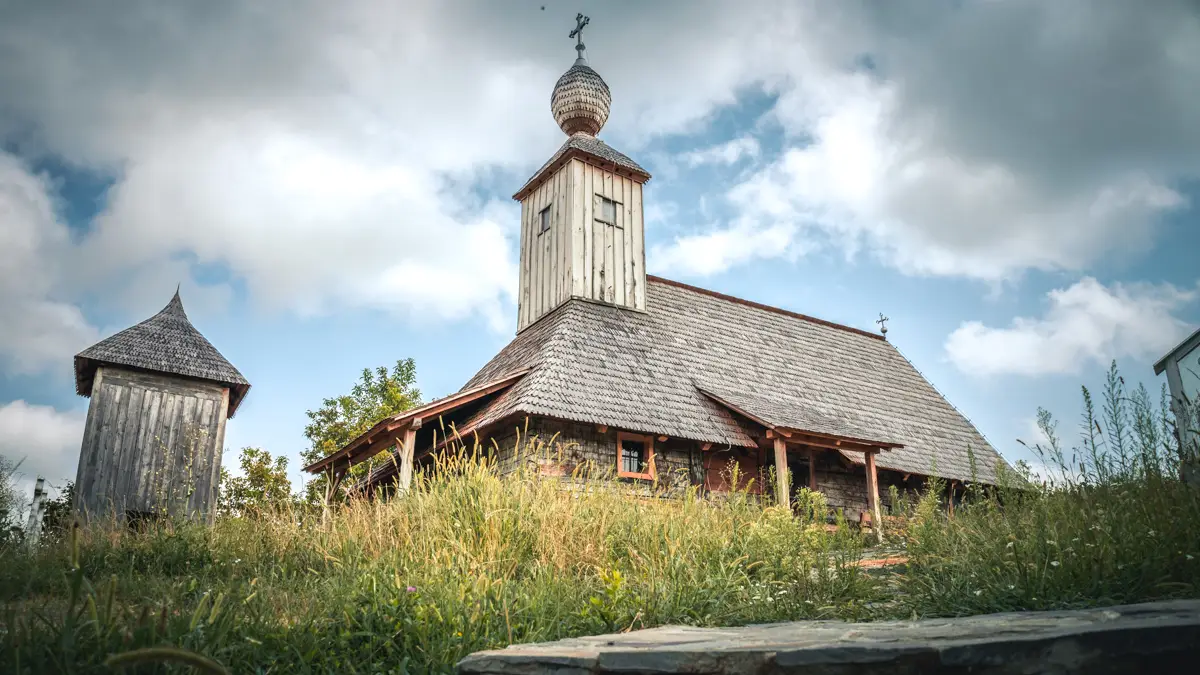
    This small church was originally built in the late 17th century in the Mures Valley, which is not far from the village of Romanesti. In the 18th century, the church was carefully taken apart and moved to its current location in Romanesti. Over time, the church became a cherished part of the village’s history.

    Interestingly, not far from Romanesti, in the nearby village of Zolt, there is another small wooden church that looks very similar to the one in Romanesti. Both churches share a similar style and charm, making them almost like twin buildings.

    Just in front of the cemetery, you’ll see a road that leads to the Romanesti Cave, which is only a few kilometers away. If you have the time, be sure to explore this fascinating cave too. The road is easy to follow, and the short journey is well worth it. The Romanesti Cave is a natural wonder that adds to the charm of the area, offering a unique experience for those who visit.

    Stairs leading to the wooden church.
    Stairs leading to the wooden church.
    The belfry and the Nativity Of Saint John The Baptist church.
    The belfry and the Nativity Of Saint John The Baptist church in Romanesti.
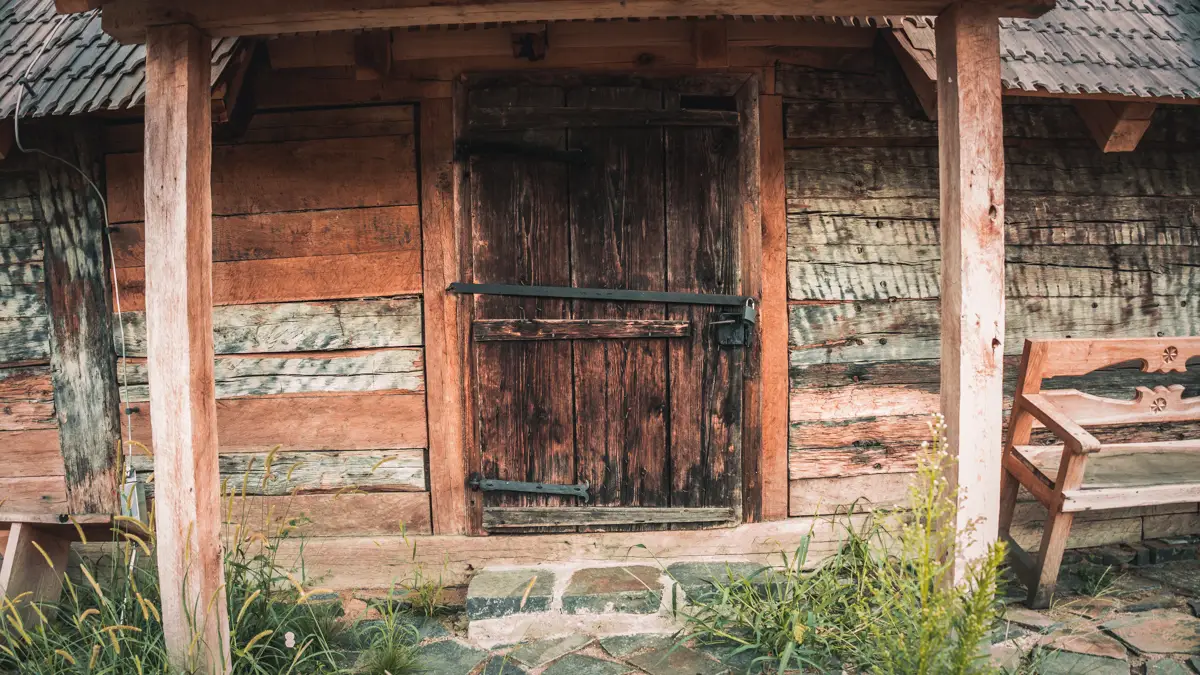
    Old church door.
    The wooden door of the church.
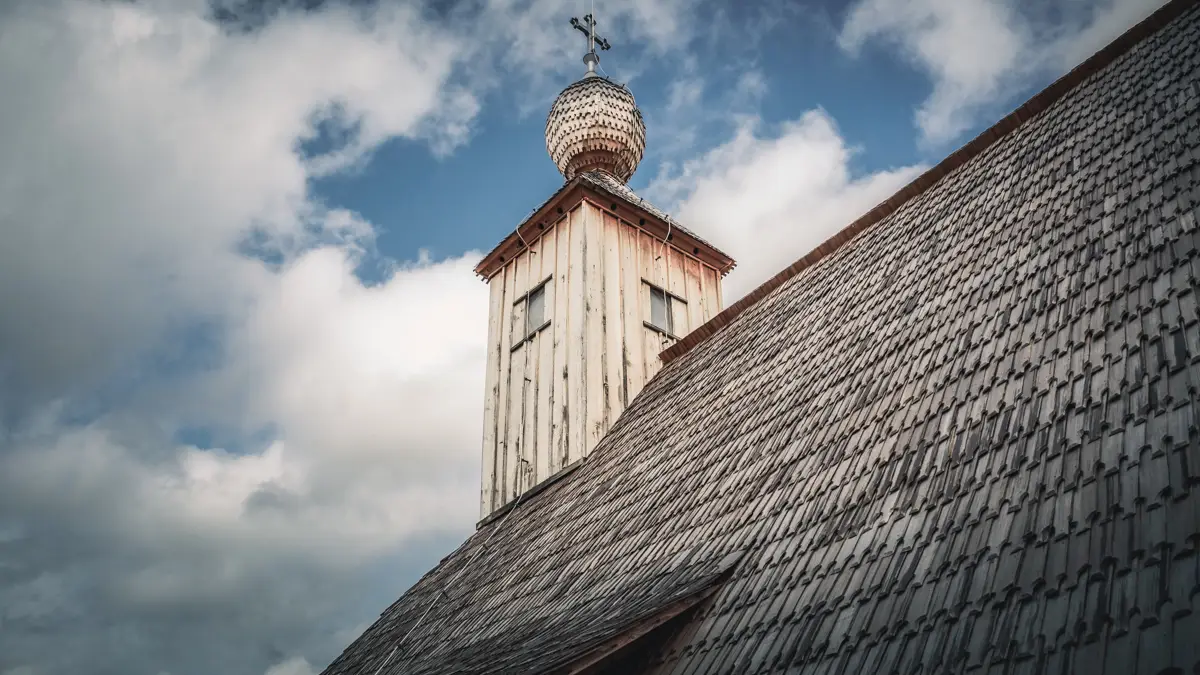
    The roof.
    The roof made out of wooden shingles.
    The cemetery and the wooden church in Romanesti.
    The cemetery and the wooden church as seen from the entrance.

    I’d also recommend to visit:

    There are actually many interesting places to visit near the village of Romanesti, here are a couple of them:

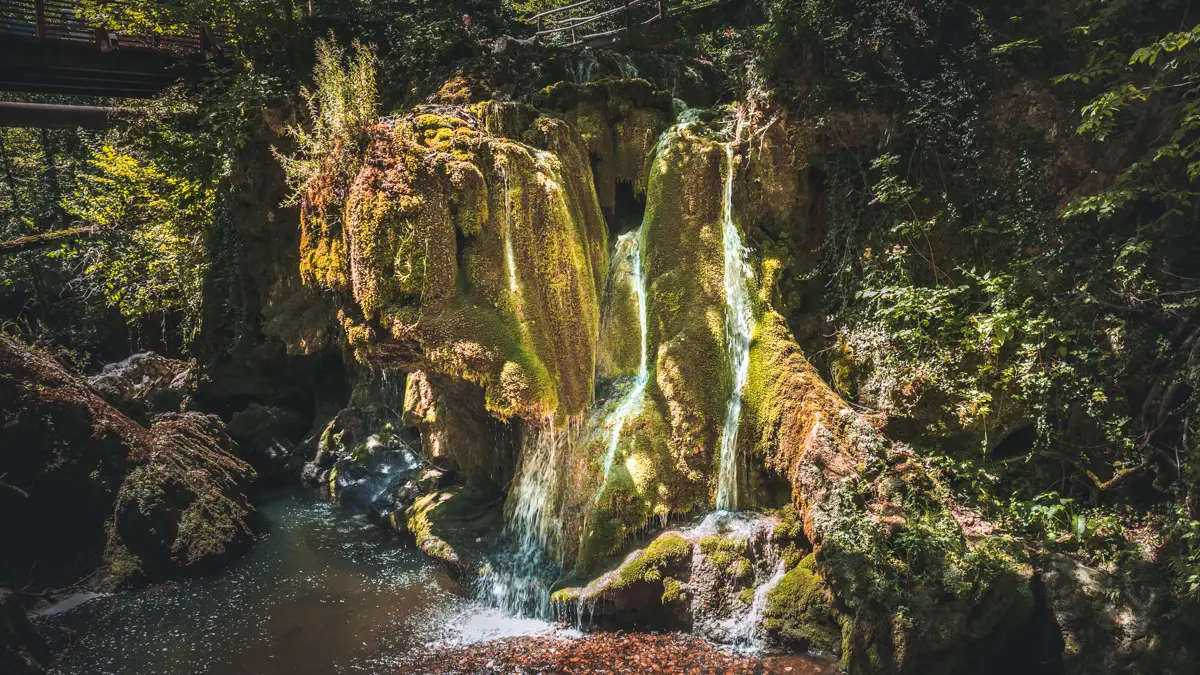
    The Sopot Waterfall – a beautiful waterfall located in the forest.

    The Transluncani road – in the village of Luncanii de Jos you will find a road built in the mountain with many tight curves.

    Lake Surduc – a popular lake in the Poiana Rusca Mountains.

  • Romanesti Cave: A Hidden Gem In The Poiana Rusca Mountains

    Romanesti Cave: A Hidden Gem In The Poiana Rusca Mountains

    The Romanesti Cave can be found in a forest, in Timis County, near the village which has the same as the cave, making it a peaceful and accessible destination for visitors. The cave is easy to reach, and exploring it is a straightforward experience for anyone interested in nature. As an interesting fact, a few years ago, it was the site of symphonic concerts, where musicians performed in the cave’s natural acoustics.

    How to find your way to Romanesti Cave

    In the village of Romanesti, while driving on the main road towards Valea lui Liman, you’ll need to make a left turn almost at the center of the village. After turning, you’ll pass by a cemetery and an old wooden church, which has recently been renovated. The asphalted road is quite narrow so it’s important to drive carefully. Once the asphalted road ends, you’ll continue for a few kilometers on a dirt road on the edge of the forest. Don’t worry the road is actually not that bad and you can drive easily with a normal car.

    The dirt road that leads to the cave.
    The dirt road which leads to Romanesti cave.
    Large tree near the forest.
    Large tree near the forest.

    We parked our car at the edge of the forest, and from there, it’s a approximately a 30 minutes walk in the forest to the cave. Once you will reach some benches in the forest, you will have to follow the left road which will lead you to the cave.

    In the oak forest.
    Beautiful green forest.
    Intertwined trees.
    Intertwined trees.
    Road towards the benches.
    The road leading to the benches.

    Here you can take a rest in the shade should you wish to do that. From this point, you will have to make a left turn in order to visit the cave and follow the signs near the road.

    Benches in the forest
    Benches in the forest.

    The Romanesti Cave

    After walking through the forest for over 30 minutes, we finally arrived at the cave. If you plan to explore the inside, be sure to bring a flashlight. The cave can get quite dark, and a flashlight will help you see the fascinating details within. Also inside the cave you will find a large bat colony as well.

    The cave mouth.
    The mouth of Romanesti Cave.
    the cave interior.
    The interior of the cave.

    Other objectives to visit in the area:

    After exploring the Romanesti Cave, make sure to visit the objectives from below:

    • Sopot Waterfall – not very far from Romanesti you will find the beautiful Sopot Waterfall which is also located in a forest.