• The Heart of Jesus — Eastern Europe’s Tallest Christ Statue

    The Heart of Jesus — Eastern Europe’s Tallest Christ Statue

    Share this:

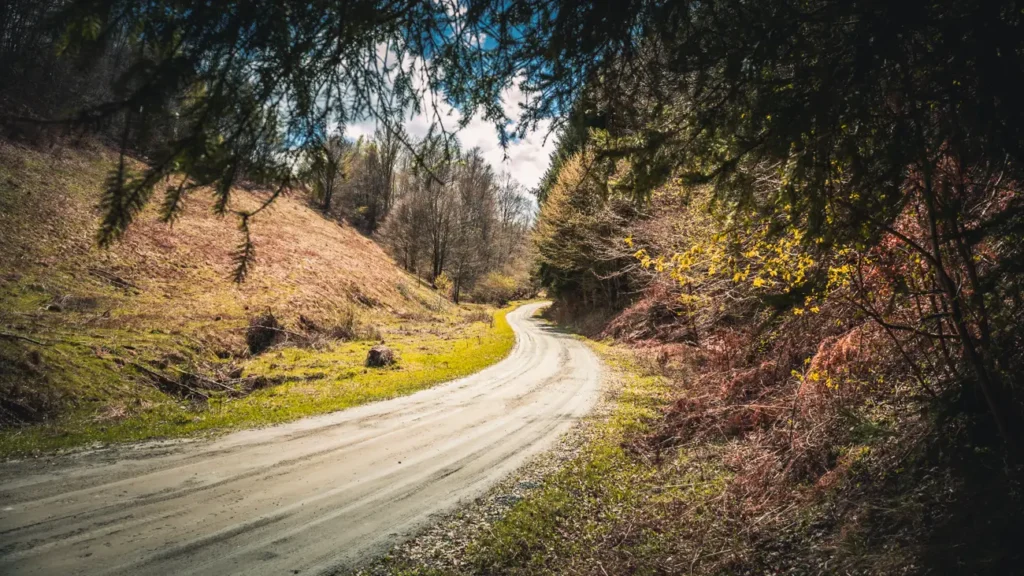
    Starting from the medieval citadel of Sighisoara, I began my journey towards the Heart of Jesus Statue. After leaving the small town of Cristuru Secuiec, I turned left and took the 13C road heading towards Rugănești. I had heard that this road was in better condition compared to road 137, which connects Cristuru Secuiesc to Odorheiu Secuiesc, so I decided it was the wiser choice.

    The drive from Sighisoara took almost an hour before I reached the village of Bisericani. From there, I continued towards the next village, Bulgareni. Just before entering Bulgareni, I noticed a road on the left-hand side. This is the road that climbs the hill leading to the Heart of Jesus Statue. There is also a clear sign pointing the way, so it’s easy to spot.

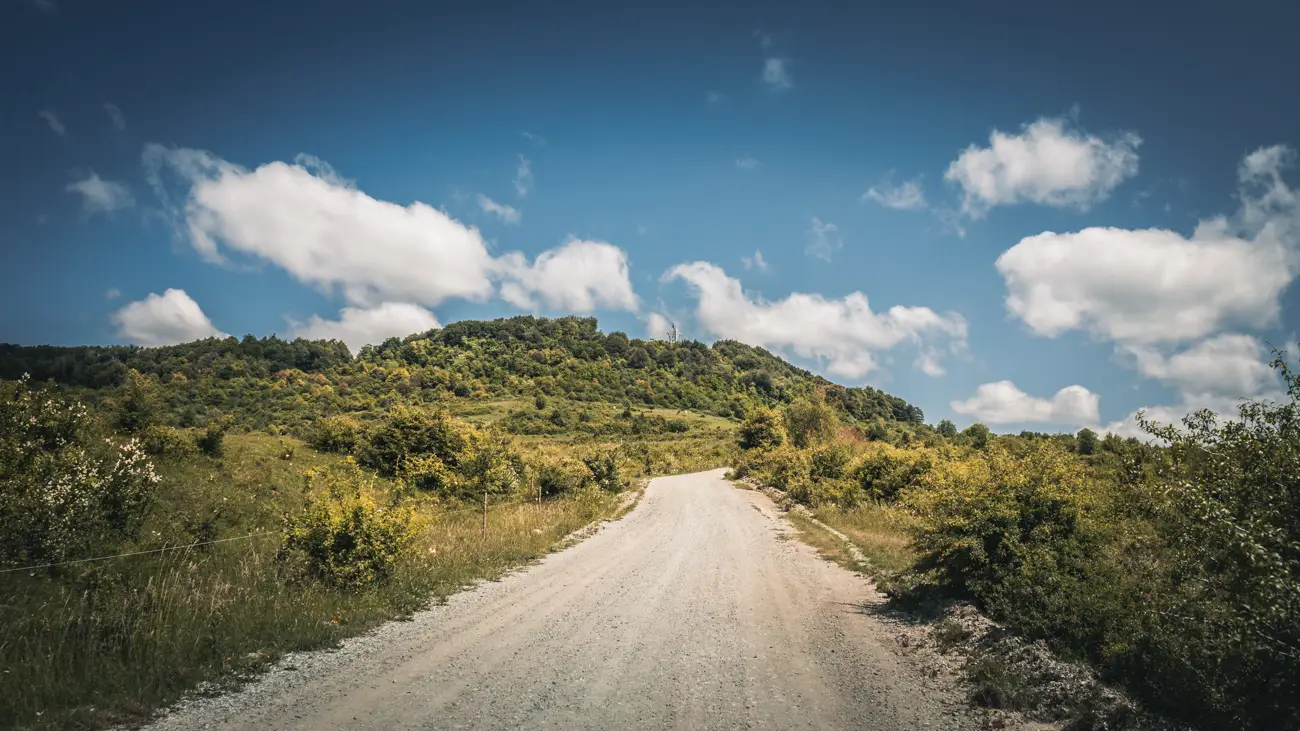
    The road from Bisericani to the statue is only partially paved. While some stretches are covered in asphalt, most of it is not, and certain parts are steep. Still, despite these small challenges, I was able to reach the statue using a regular car. The climb is worth it – the towering statue is truly magnificent, and the surrounding scenery makes the trip even more memorable.
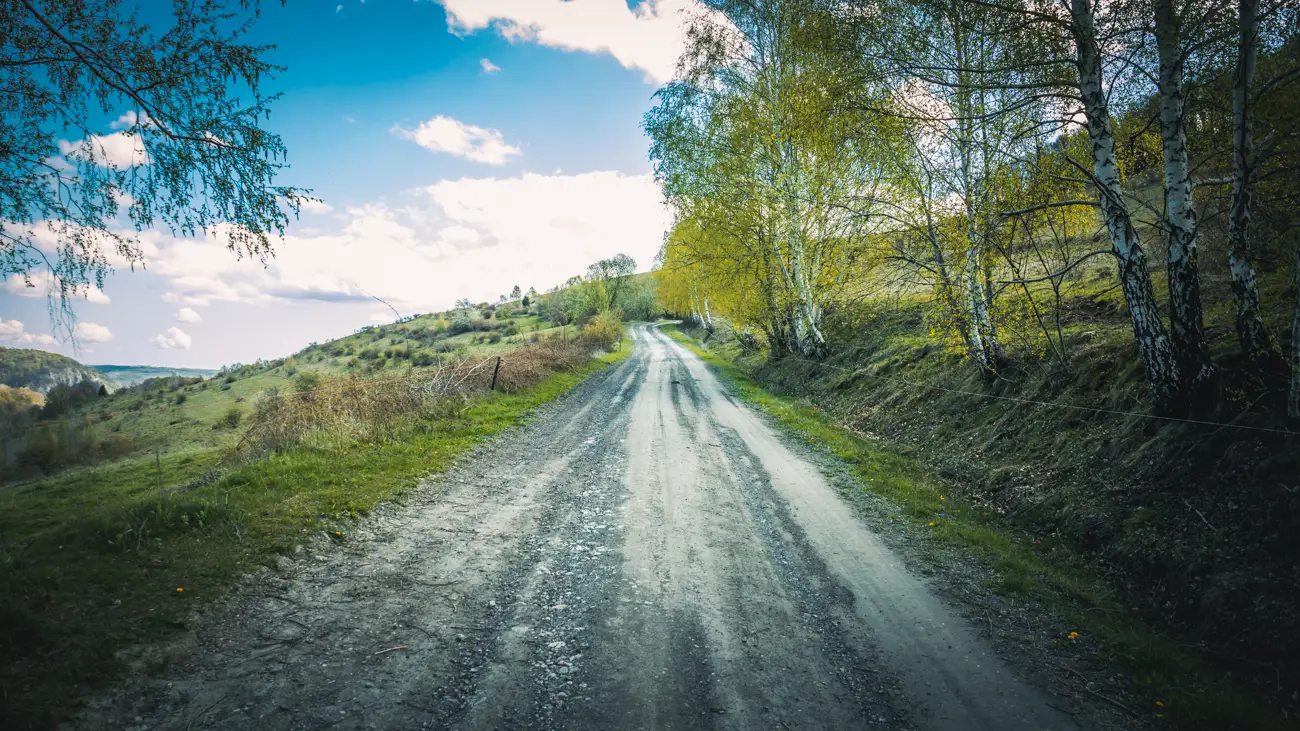
    The road up to the Gordon Hill.
    The road up to the Gordon Hill.
    The Heart of Jesus statue on top of Gordon Hill.
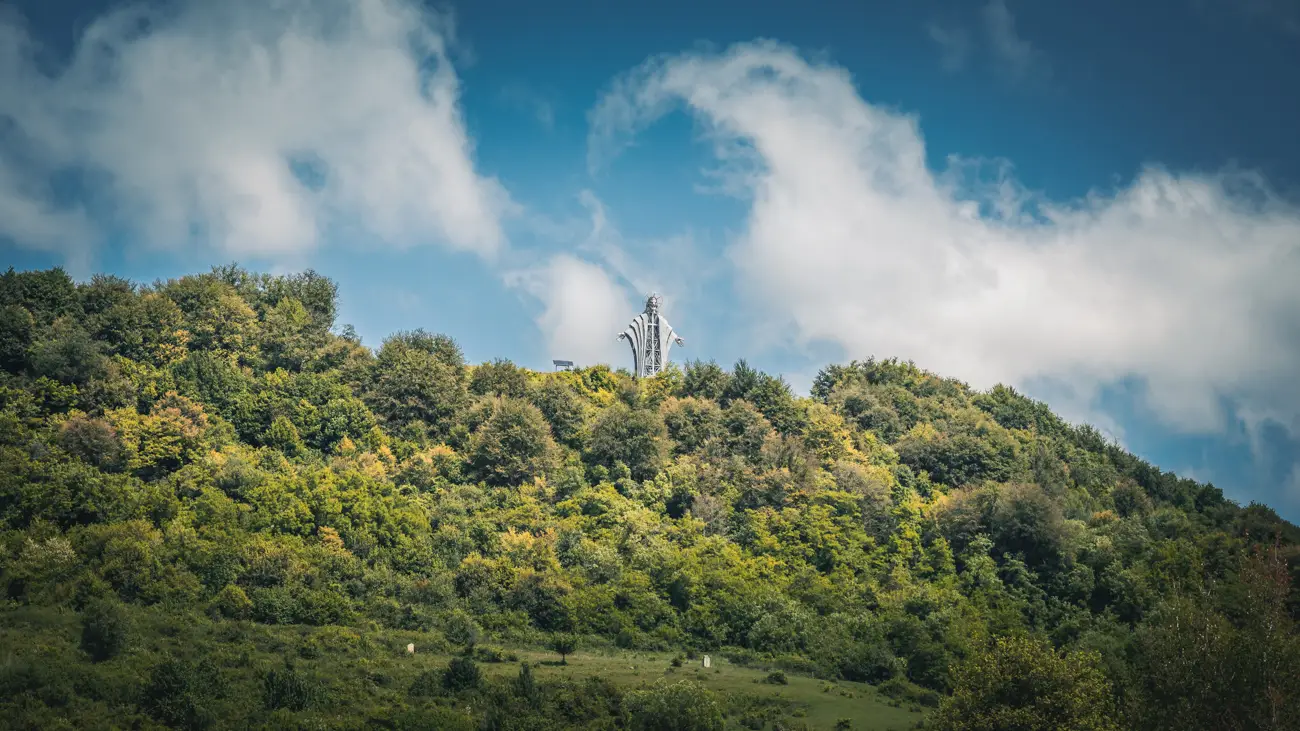
    The Heart of Jesus statue on top of Gordon Hill.

    Interesting facts of the Heart of Jesus Statue

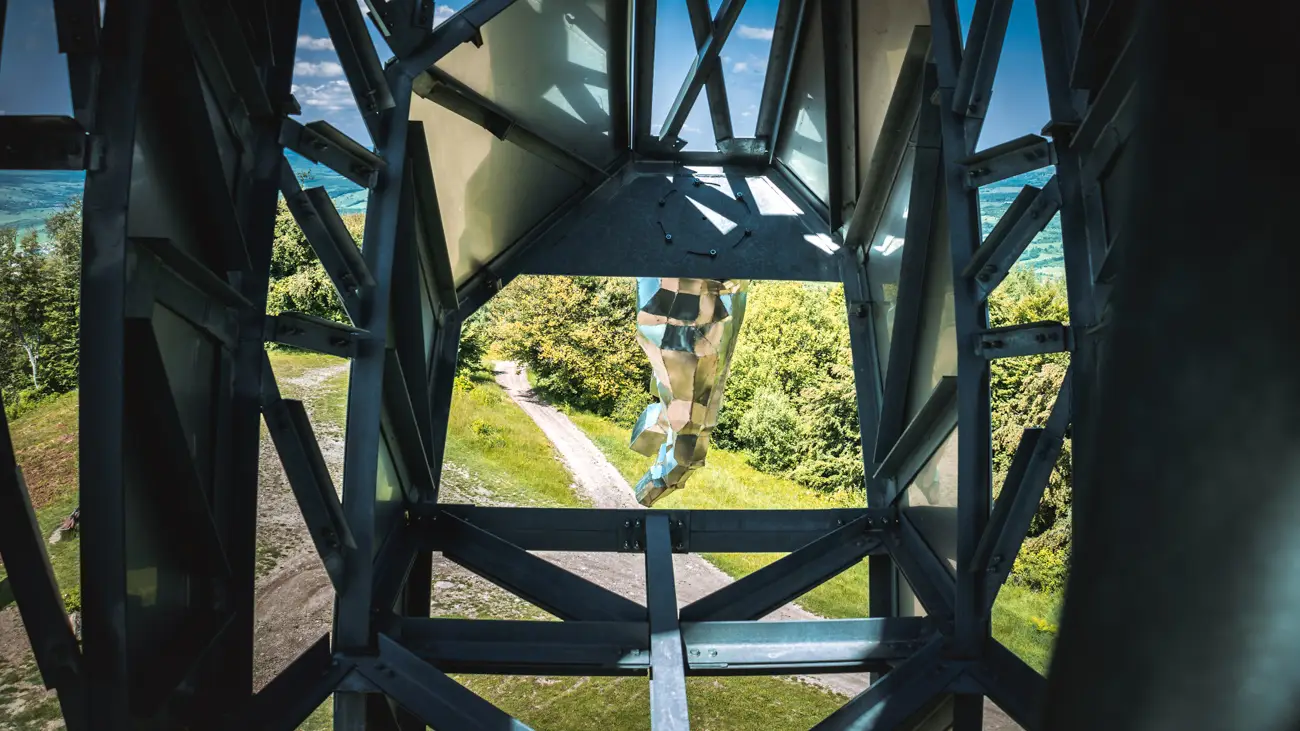
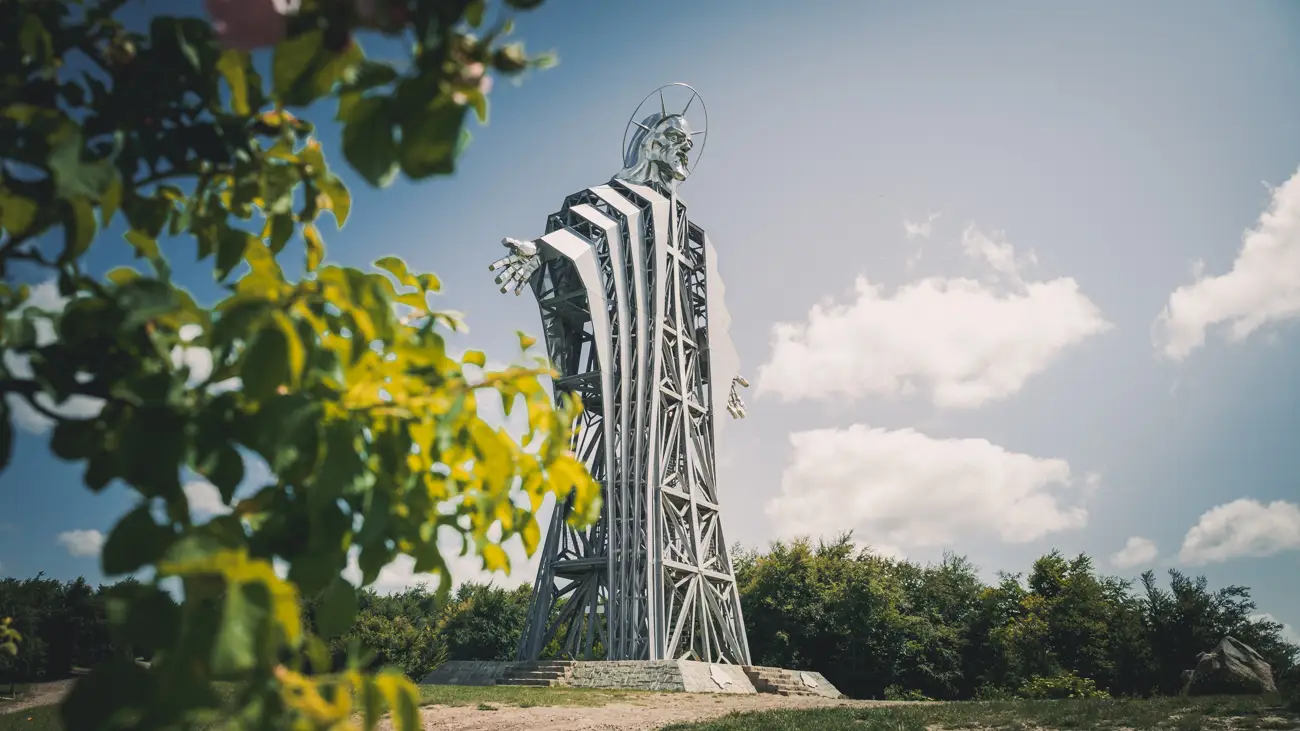
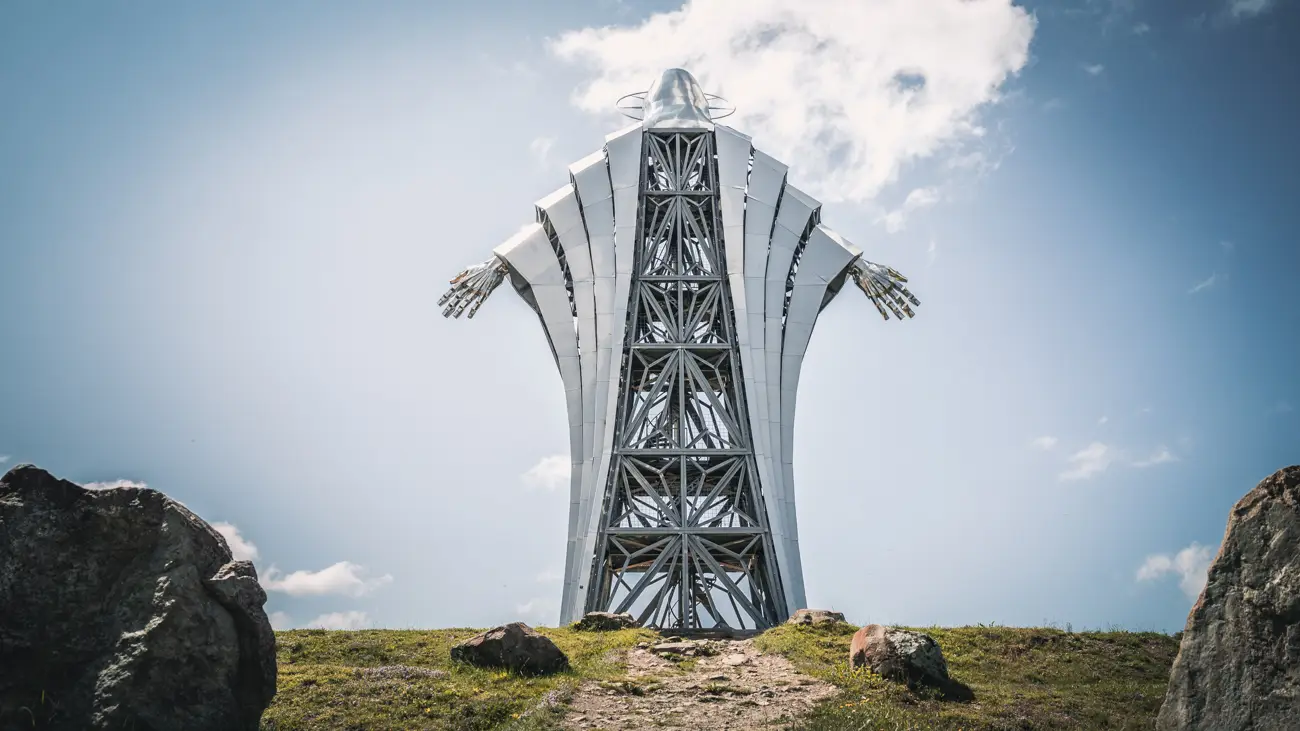
    The Heart of Jesus Statue stands an impressive 22 meters tall and is built on the top of Gordon Hill. Completed in 2011, it holds the title of the largest statue of Jesus in all of Eastern Europe. The statue is made of stainless steel and iron and has a unique feature inside – a spiral staircase. This staircase winds its way up to the head of the statue, where visitors can enjoy breathtaking views of the Transylvanian landscape.
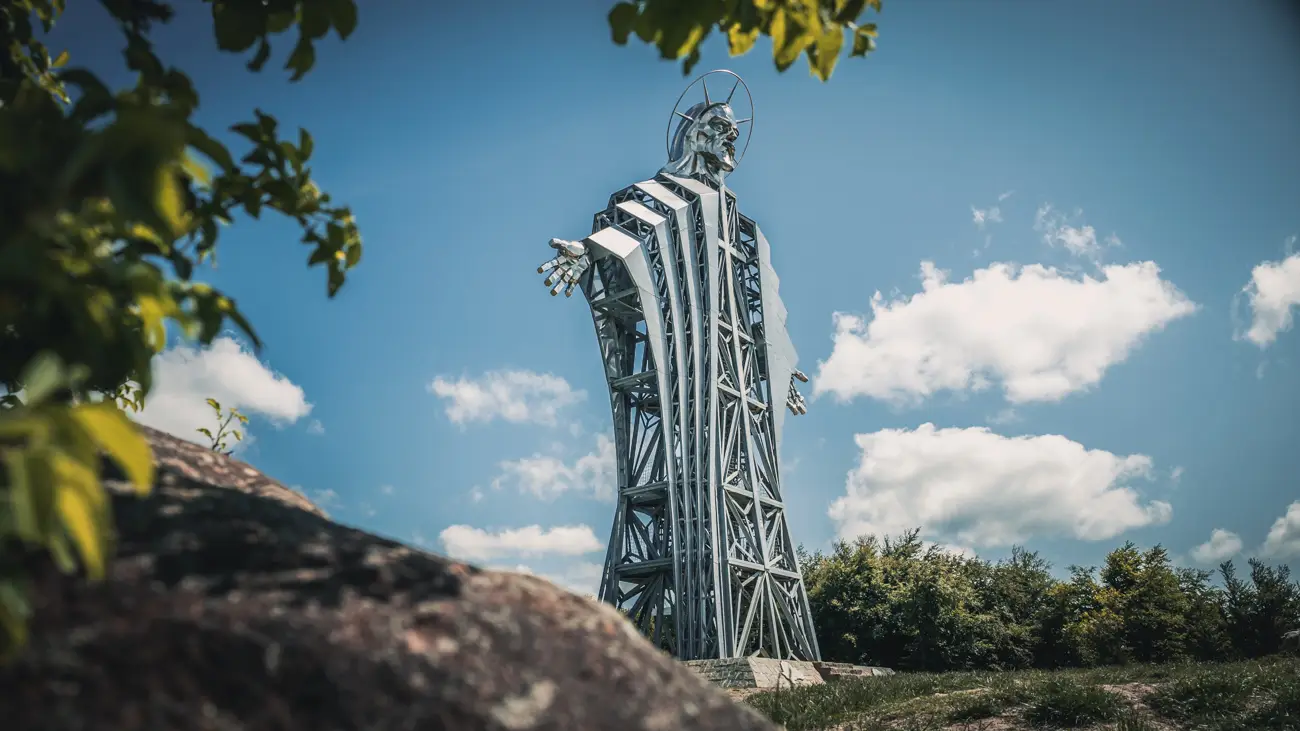
    Next to the tall statue.
    Next to the tall statue.
    The back of the tall statue.
    The back of the tall statue.
    Inside the statue.
    Inside the statue.

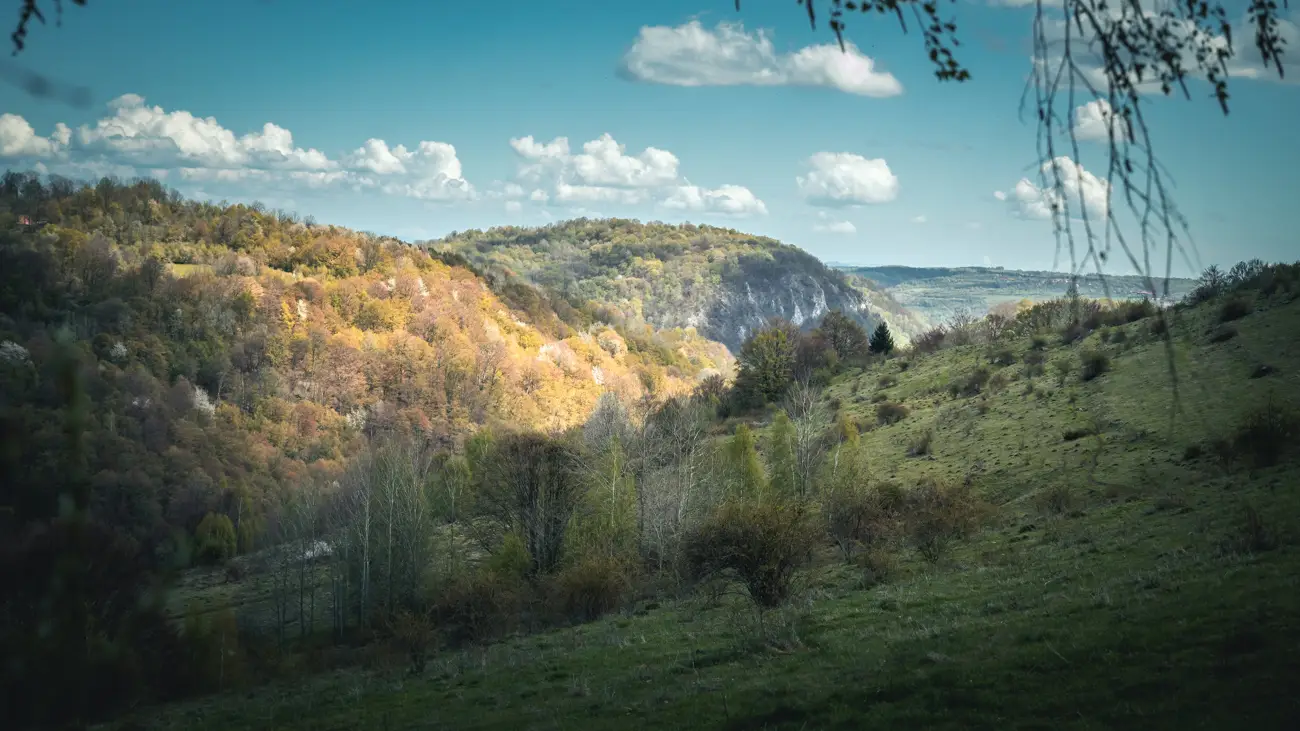
    The scenery from the Gordon Hill

    From this high vantage point, you can see the picturesque villages scattered throughout the valley below. It’s even possible to spot the main road that connects Odorheiu Secuiesc to Praid, winding its way through the countryside.

    When you arrive at Gordon Hill, the scenery is simply unforgettable. Surrounding the statue is a peaceful rural landscape—rolling hills, fields, and small villages—that perfectly captures the charm of this part of Romania. It’s a place where history, faith, and nature come together in one striking view.
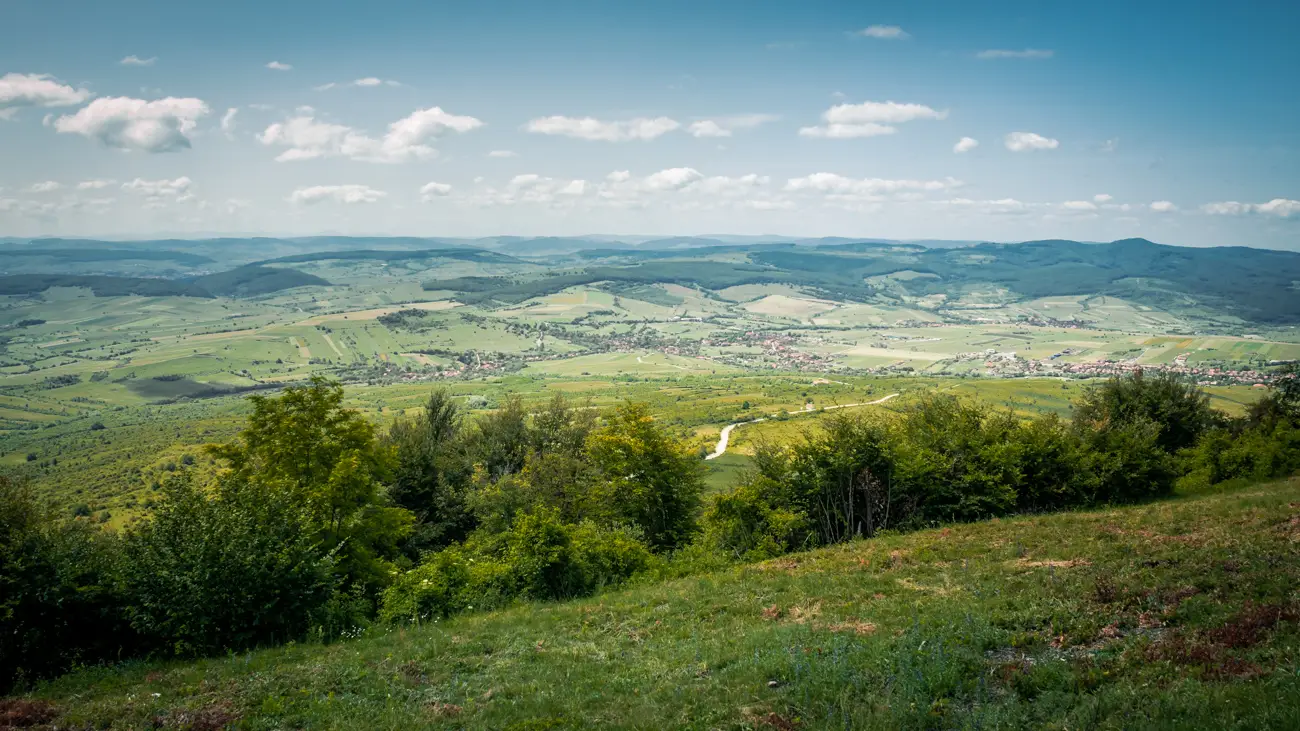
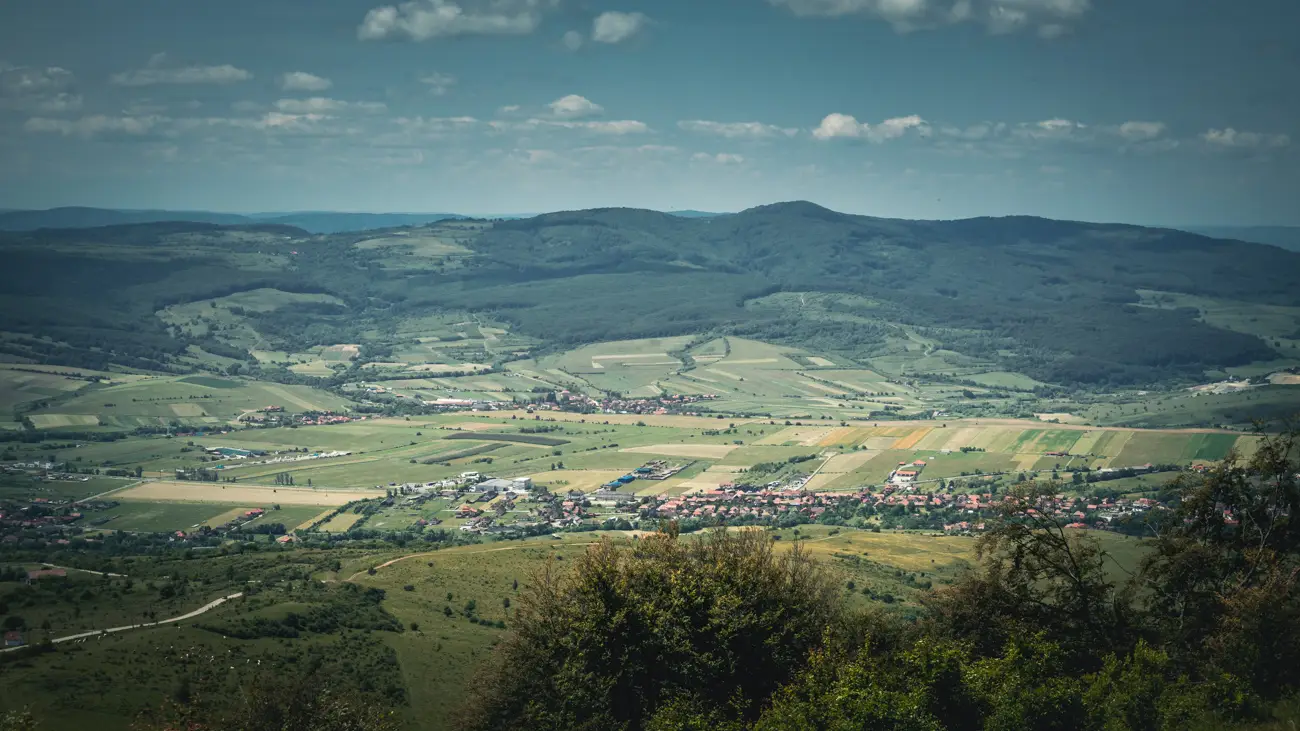
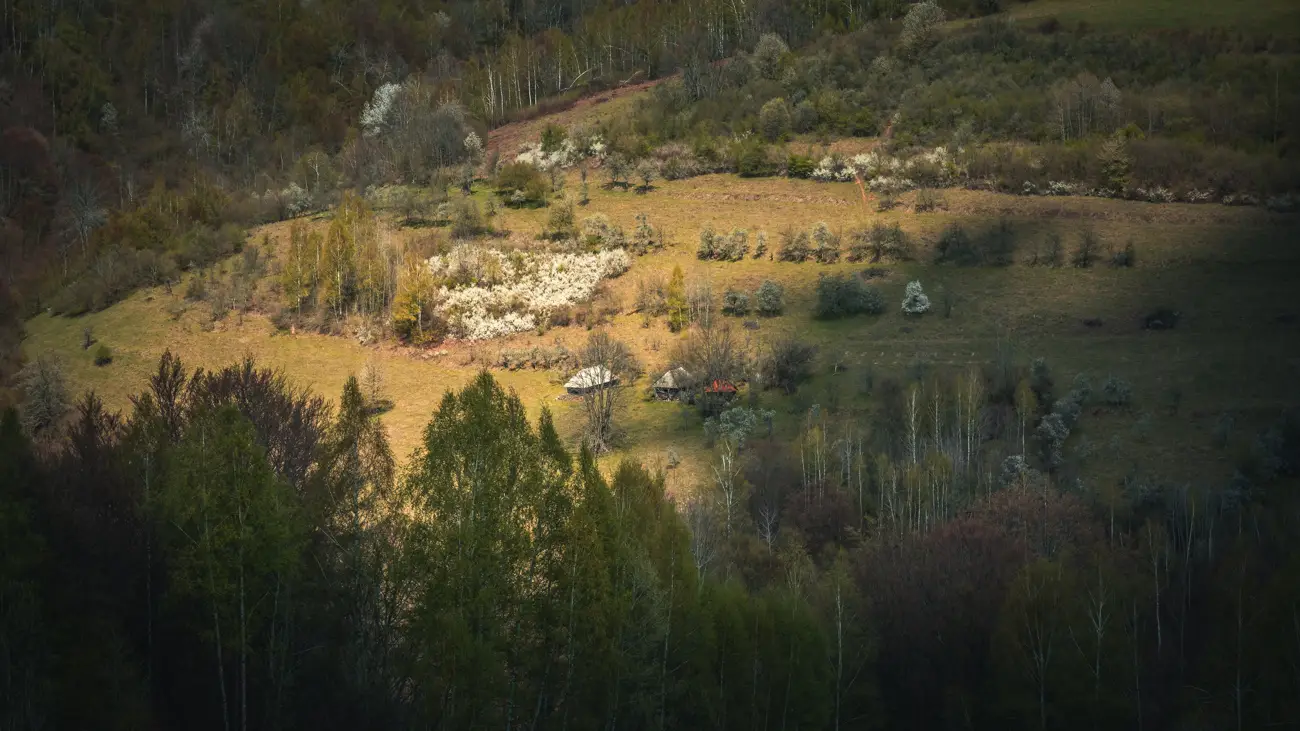
    Village in the valley.
    Multiple villages can be seen from the Gordon Hill.
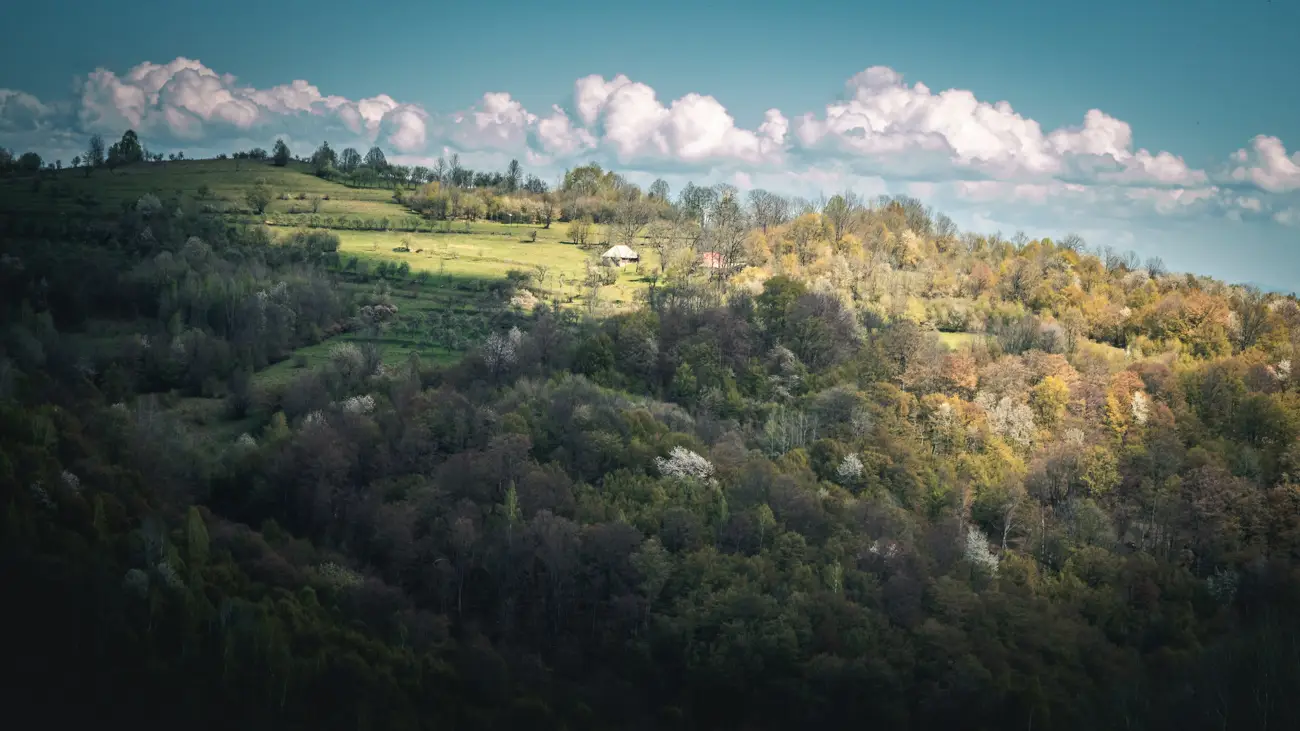
    Beautiful rural landscape.
    Beautiful rural landscape.
  • This Rock Resembles The Bucegi Sphinx

    This Rock Resembles The Bucegi Sphinx

    Share this:

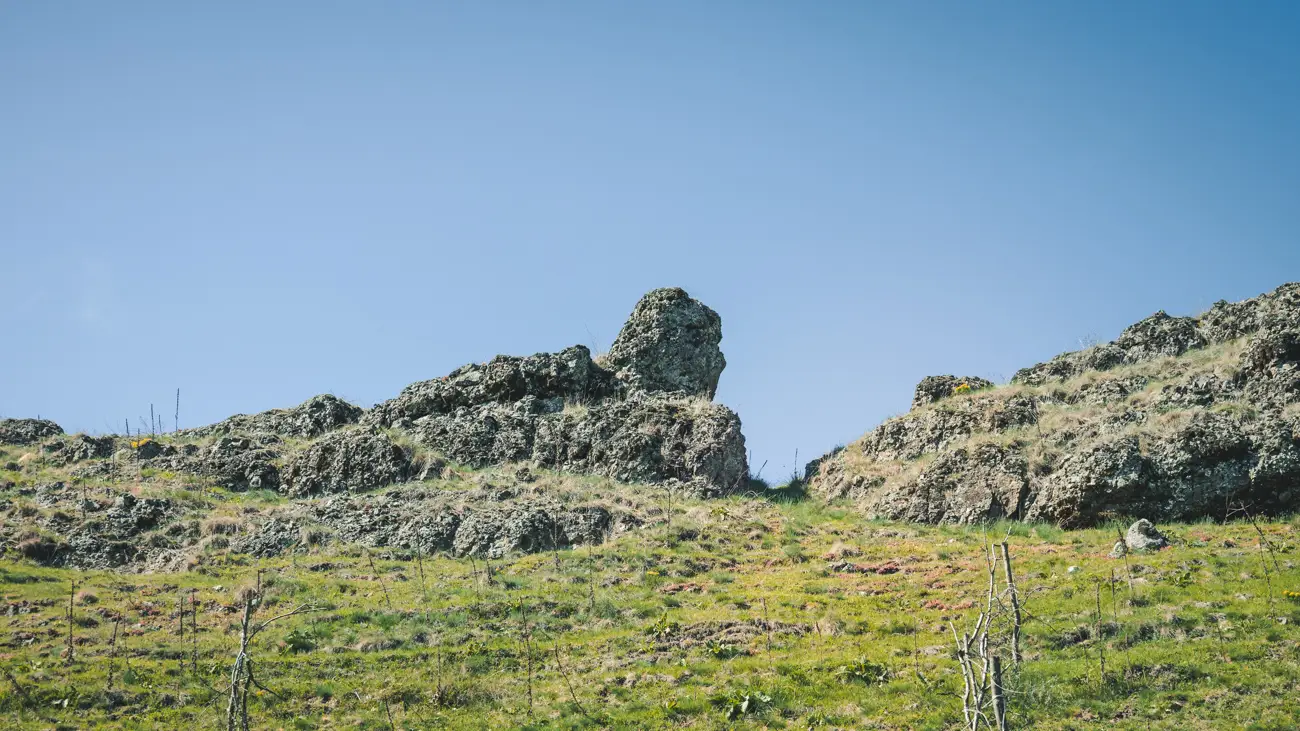
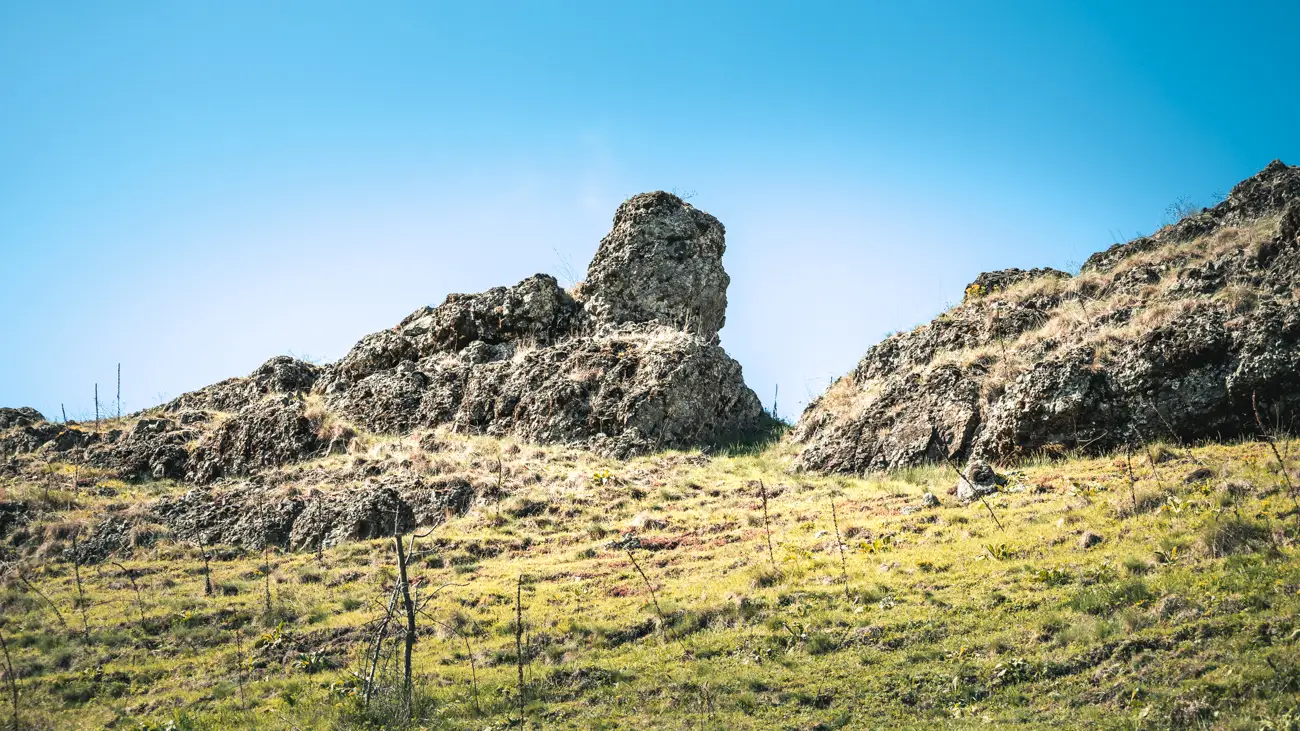
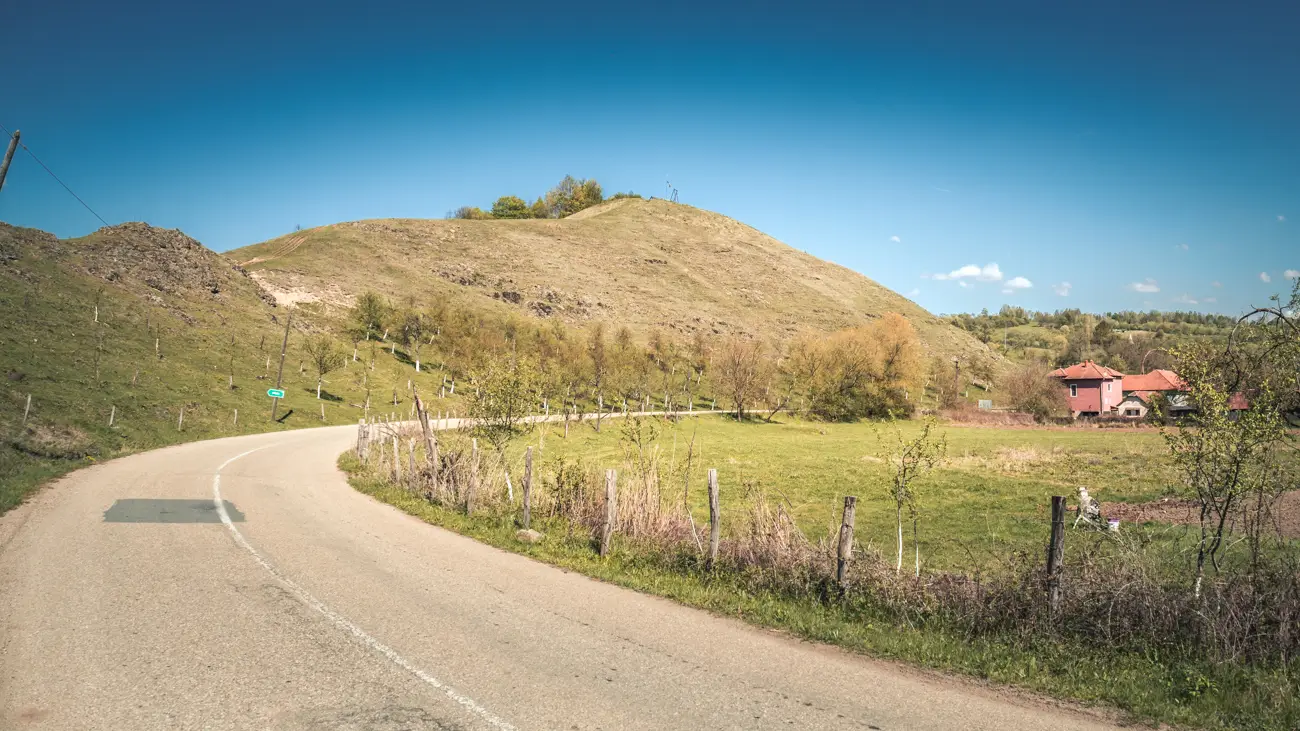
    On the outskirts of Crivina de Sus, as you drive towards the village from Pietroasa, you will see an interesting rock formation on the left side of the road, sitting on a small hill. This formation is called the Sphinx and it looks a lot like the famous Sphinx in the Bucegi Mountains .

    Unfortunately, the entire area around the rock is fenced off, so you can’t climb up the hill directly from the main road. Just before the sign that points to the Sphinx, there is a small spot where you can park your car. From there, you can enjoy a nice view of this unusual and beautiful rock formation without leaving the road.

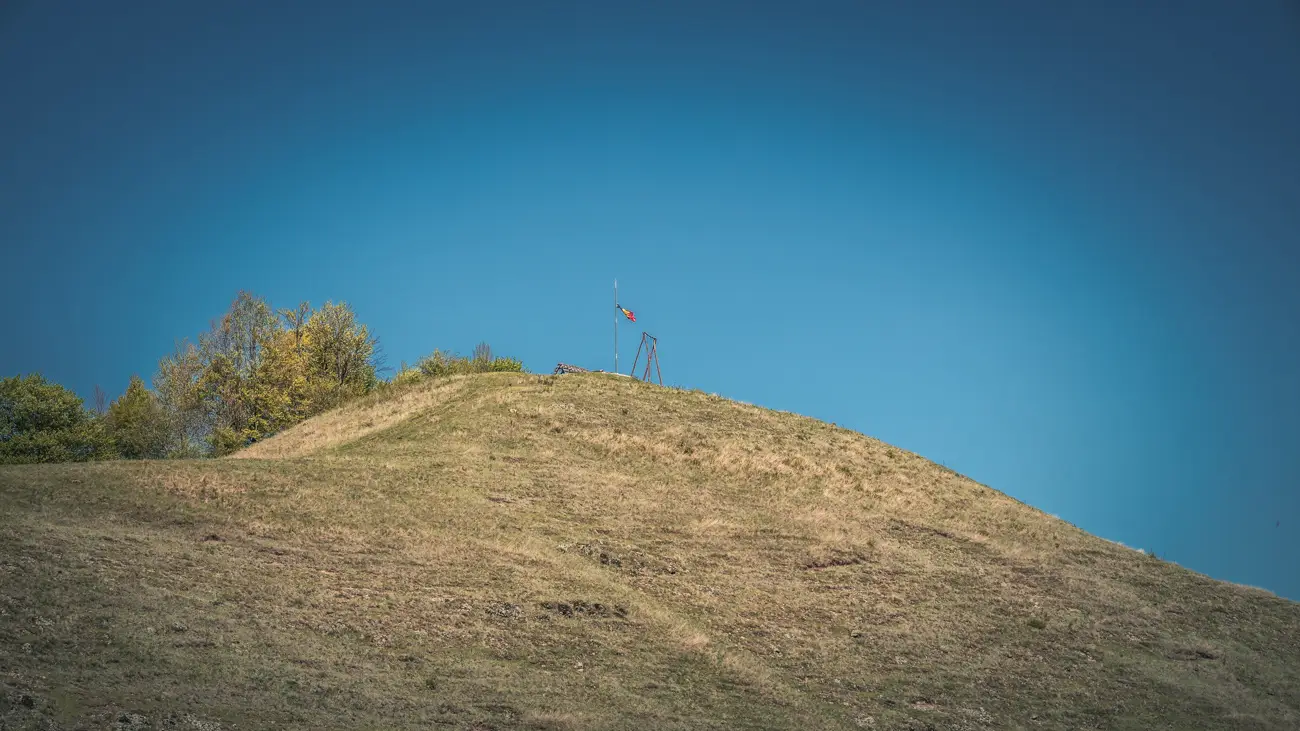
    If you look towards the taller hill closest to the village, you will notice a swing at the top. It’s a lovely place to relax and take in the scenery.

    Also, if you keep driving on the road past this spot, you will reach another beautiful destination: the Sopot Waterfall. This waterfall is a great place to visit if you want to continue your adventure. The distance from Crivina de Sus to the Sopot Waterfall is about 14 kilometers, making it an easy trip if you have some extra time.

    So if you’re in the area, make sure to stop and admire the rock formation that looks like the Sphinx, and don’t miss the chance to visit the nearby waterfall for an even more memorable experience.

    The Sphynx.
    The Sphynx near the Romanian village of Crivina de Sus.
    Rock formations.
    Rock formations on the hill.
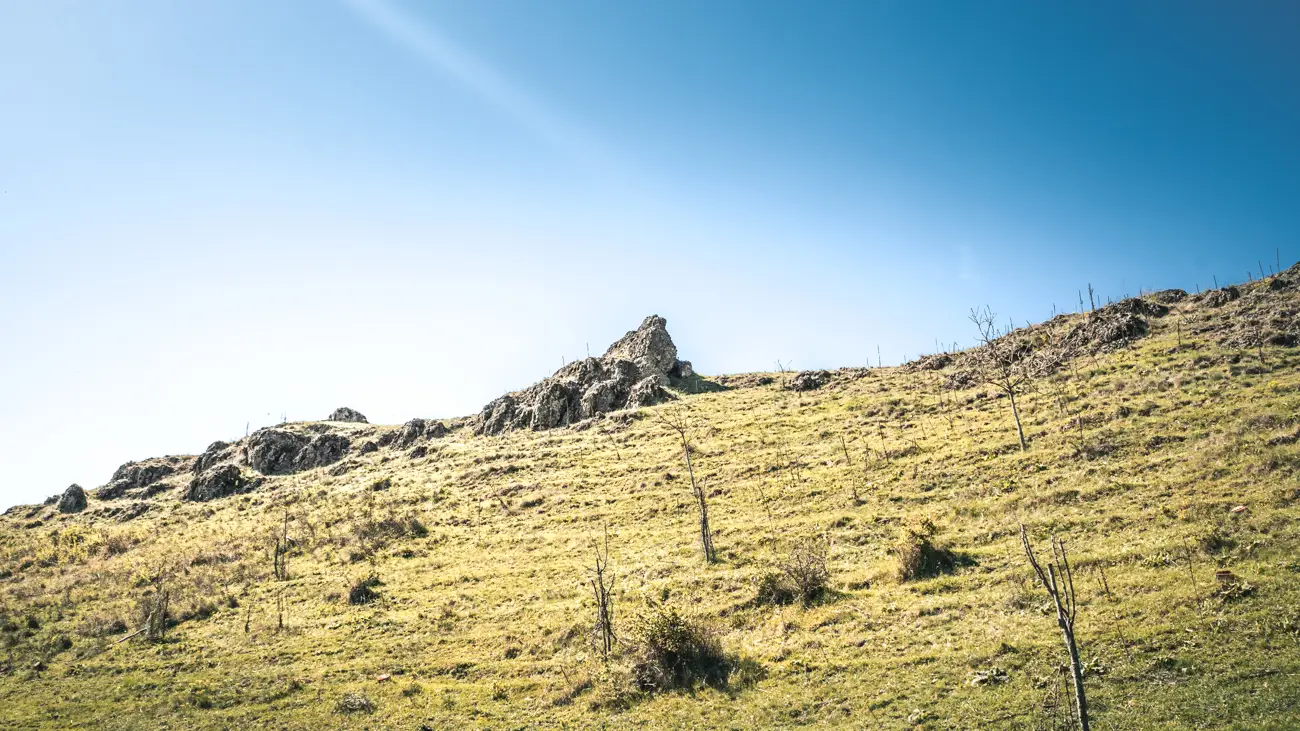
    Large hills near the village of Crivina de Sus.
    Large hill next to the village.
    A swing located on the top of the large hill overlooking the village.
    A swing located on the top of the large hill overlooking the village.
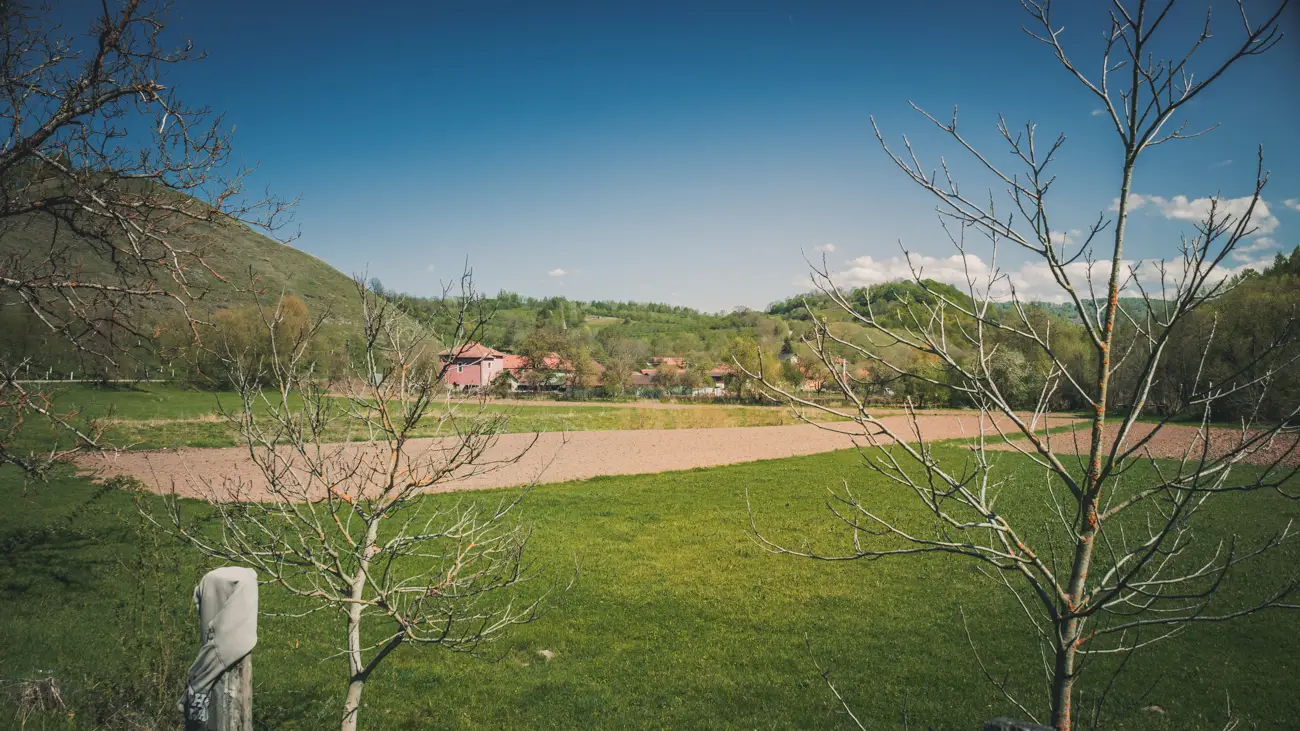
    The village of Crivina de Sus.
    The outskirts of the village of Crivina de Sus.

    Other places that I’ve visited in the area:

    Old Wooden Church In Romanesti – a beautiful recently renovated wooden church located in the village of Romanesti.

    The Romanesti Cave – located in a forest, not very far from the village of Romanesti.

    Transluncani Road – a popular winding road located close to Luncanii de Jos.

    The village of Batrana – a small remote village with some old traditional wooden houses.

    Lake Surduc – a popular lake located not far from the small town of Faget.

  • Visiting Bătrâna in Ținutul Pădurenilor

    Visiting Bătrâna in Ținutul Pădurenilor

    Share this:

    Starting from my hometown of Timișoara, I drove for almost two hours before reaching the small village of Bătrâna. The journey was peaceful and pleasant, and I enjoyed watching the scenery change as I got closer to the mountains.

    Bătrâna is a quiet village in Hunedoara County, nestled in a region called Ținutul Pădurenilor, which lies in the beautiful Poiana Ruscă Mountains. It is located about 30 kilometers from the commune of Dobra. If you are planning to visit Bătrâna, you’ll first need to drive to Dobra. Once you reach Dobra, take a right turn and continue toward the next village, which is called Roscani. After passing through Roscani, the paved road comes to an end, and from there, you’ll need to continue your journey on a dirt road until you reach Bătrâna.

    When I visited, the dirt road was in surprisingly good condition. You don’t need a special off-road or 4×4 vehicle to get there — a regular car will do just fine. The drive up to Bătrâna is quite scenic, as the road follows a small mountain stream and winds its way through a forest. I found the drive very beautiful and relaxing, especially because of the peaceful forest surroundings.

    Towards the remote village

    made a short stop just before reaching the village because the landscape was absolutely stunning. Let me share a few photos of the nearby mountains and the tall hills surrounding the area.

    Dirt road.
    Dirt road up to Bătrâna.
    The landscape near the village of Bătrâna.
    The landscape near the village.
    Small houses on the hill.
    Small houses on a hill.
    The scenery in the Poiana Ruscă Mountains.
    The scenery in the Poiana Ruscă Mountains.

    The village

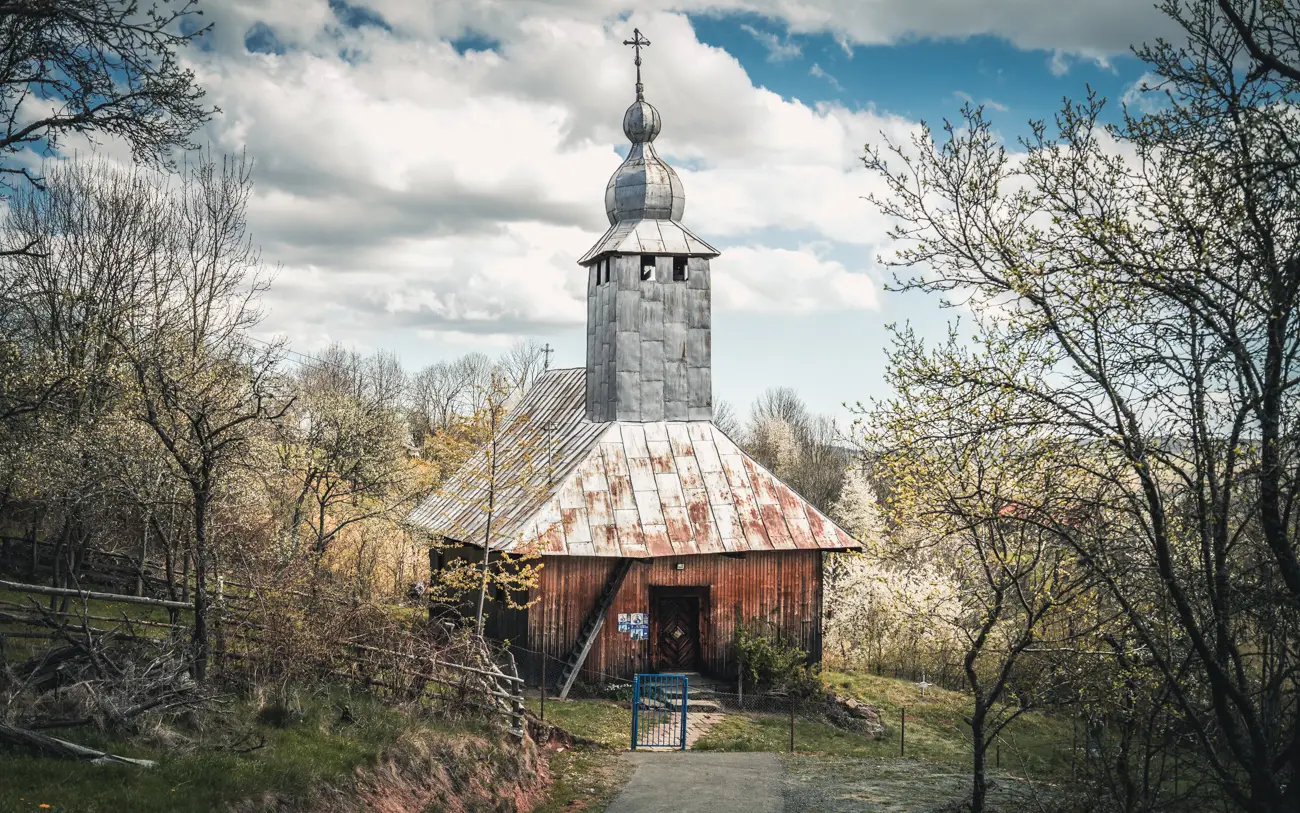
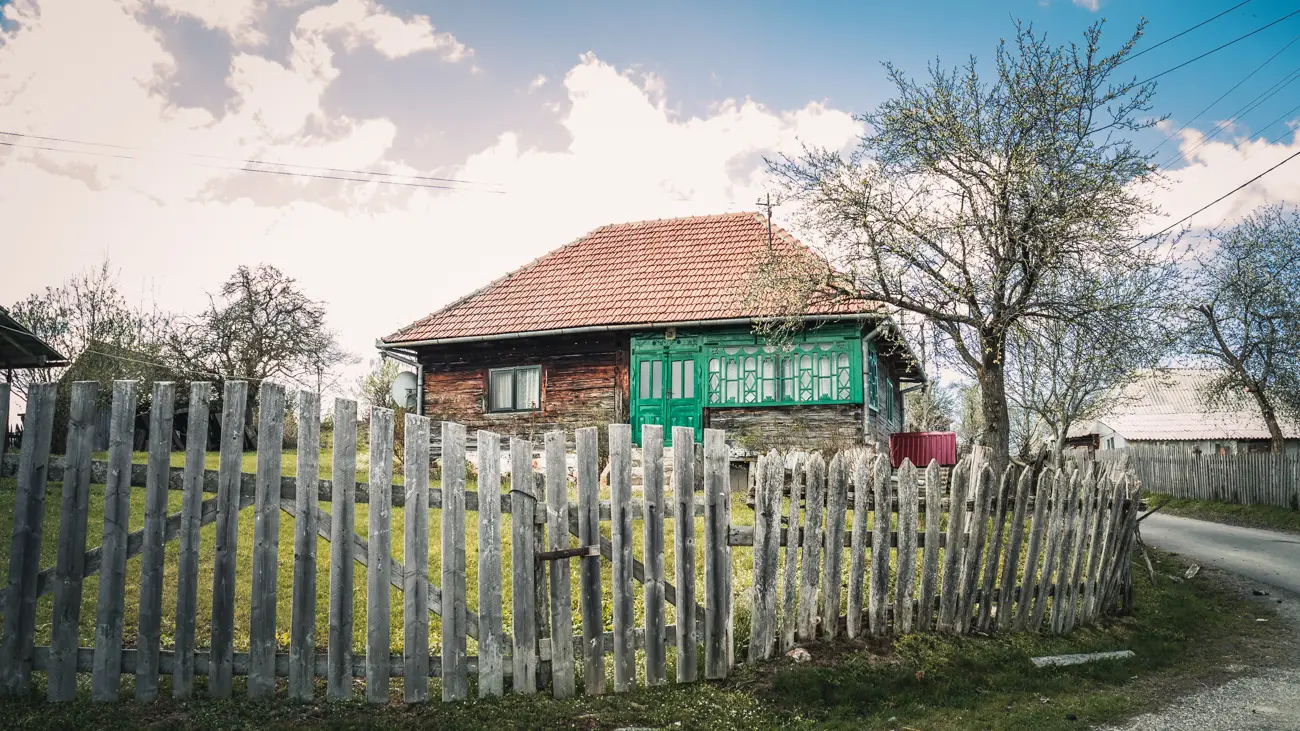
    The village itself is small and charming, with a few narrow streets that are lined with traditional wooden houses. These old homes give you a glimpse into the past and the way people used to live in this part of Romania. Near the center of the village, there is also an old wooden church that is worth visiting. It’s simple and it adds to the quiet charm of Bătrâna.

    This remote village sits on top of a high hill, at an altitude of around 900 meters. From there, you can enjoy amazing views in every direction. The village of Bătrâna is completely surrounded by nature, making it a perfect place to take in the peaceful and beautiful scenery.

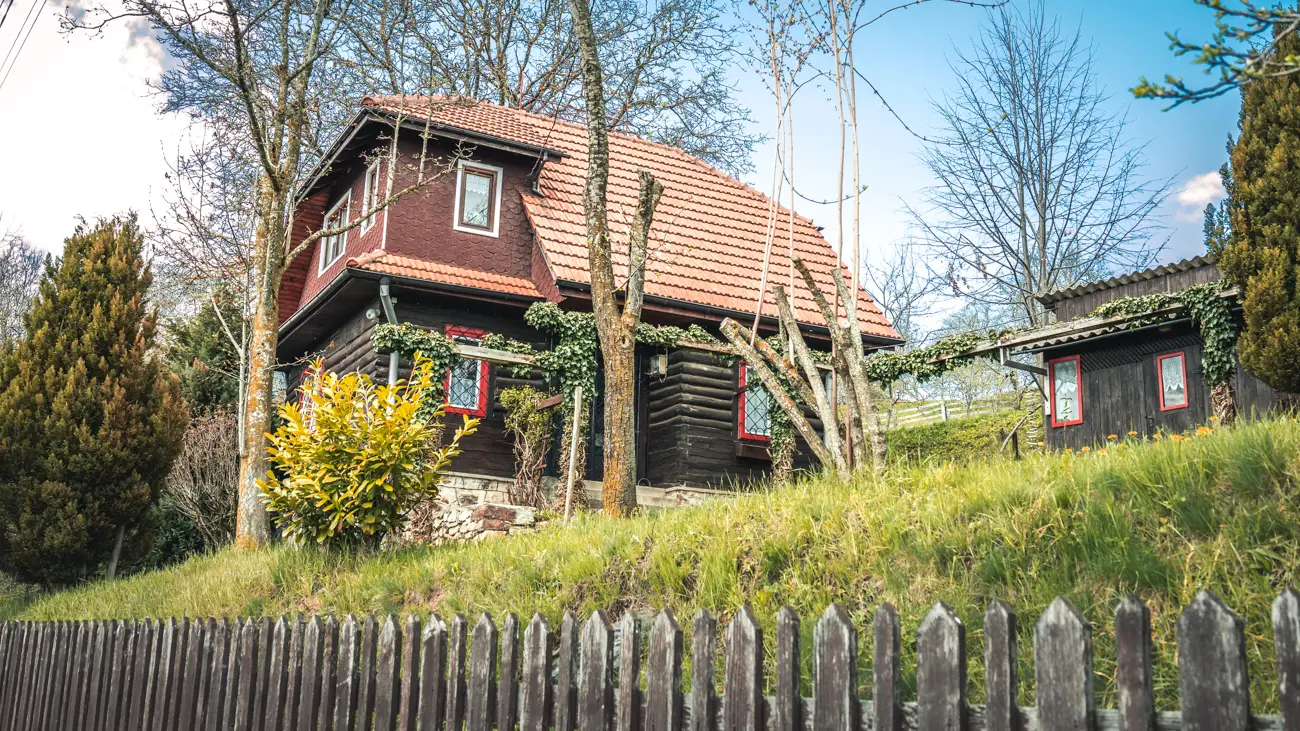
    Beautiful wooden house.
    A very interesting and beautiful wooden house.
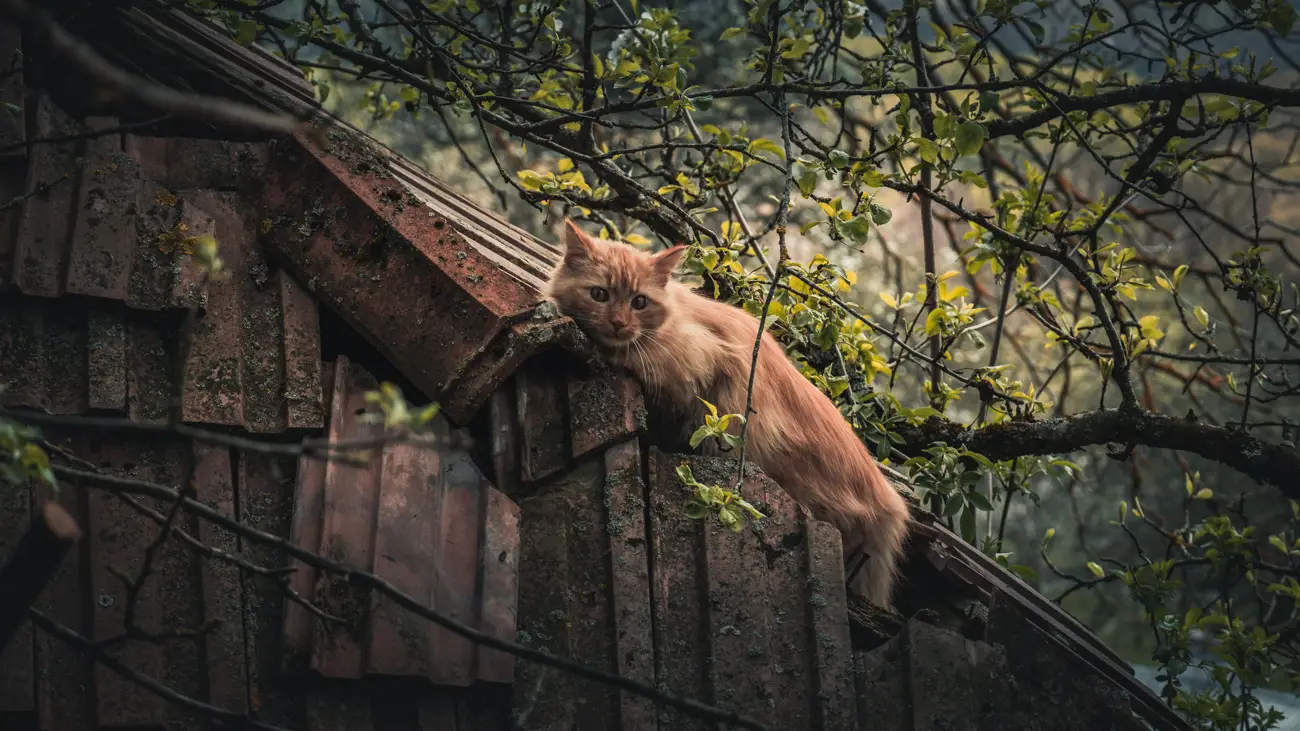
    Cat resting on the roof.
    Cat resting on the roof.
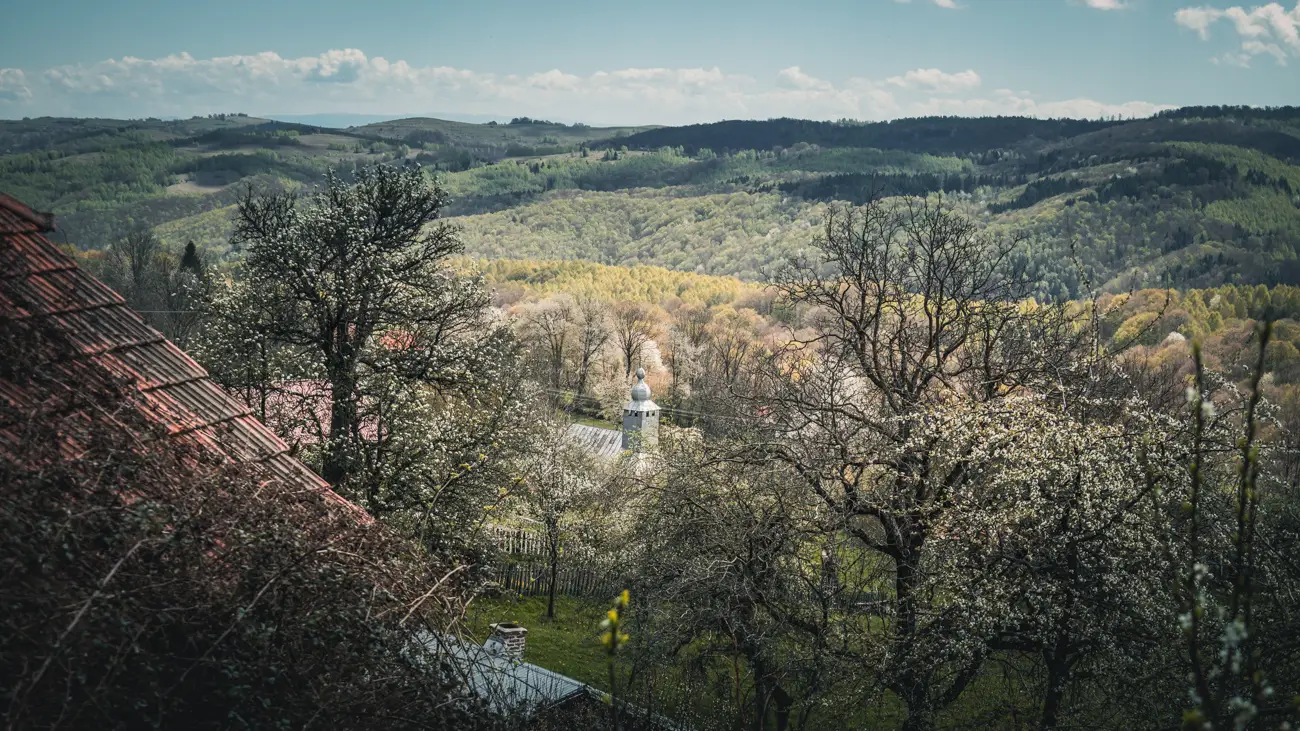
    The wooden church's tower in the valley.
    The church tower visible from the village.
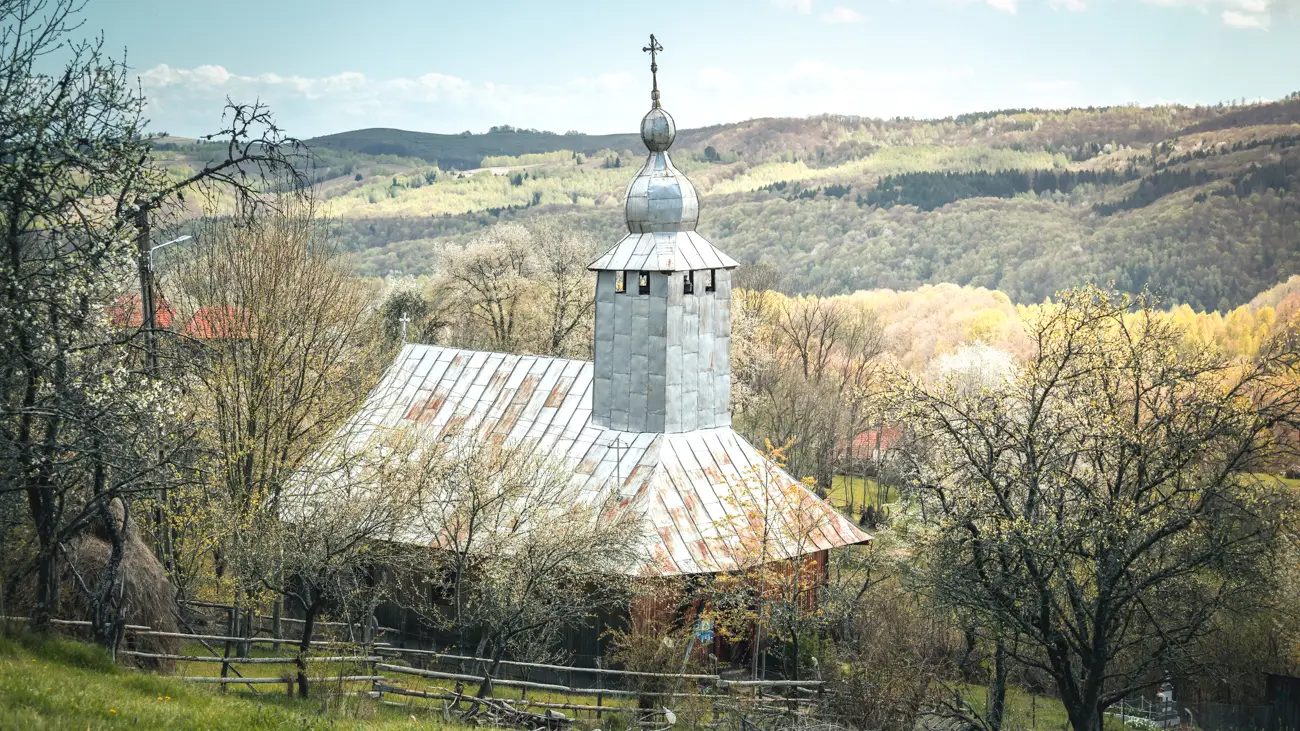
    The church with the forested hills in the background.
    The small church with the forested hills in the background.
    The wooden church in Bătrâna.
    Next to the church in Bătrâna
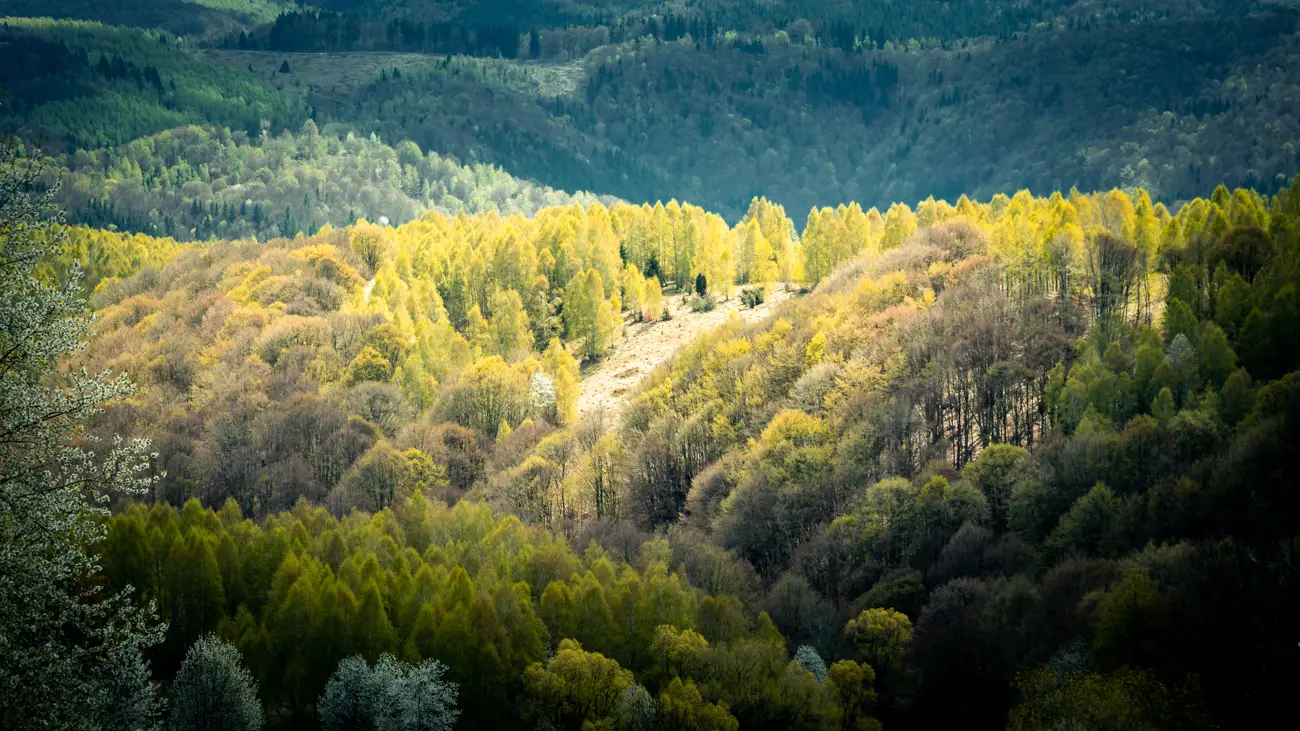
    Green trees on the top of a smaller hill.
    Many green trees on the top of a smaller hill.
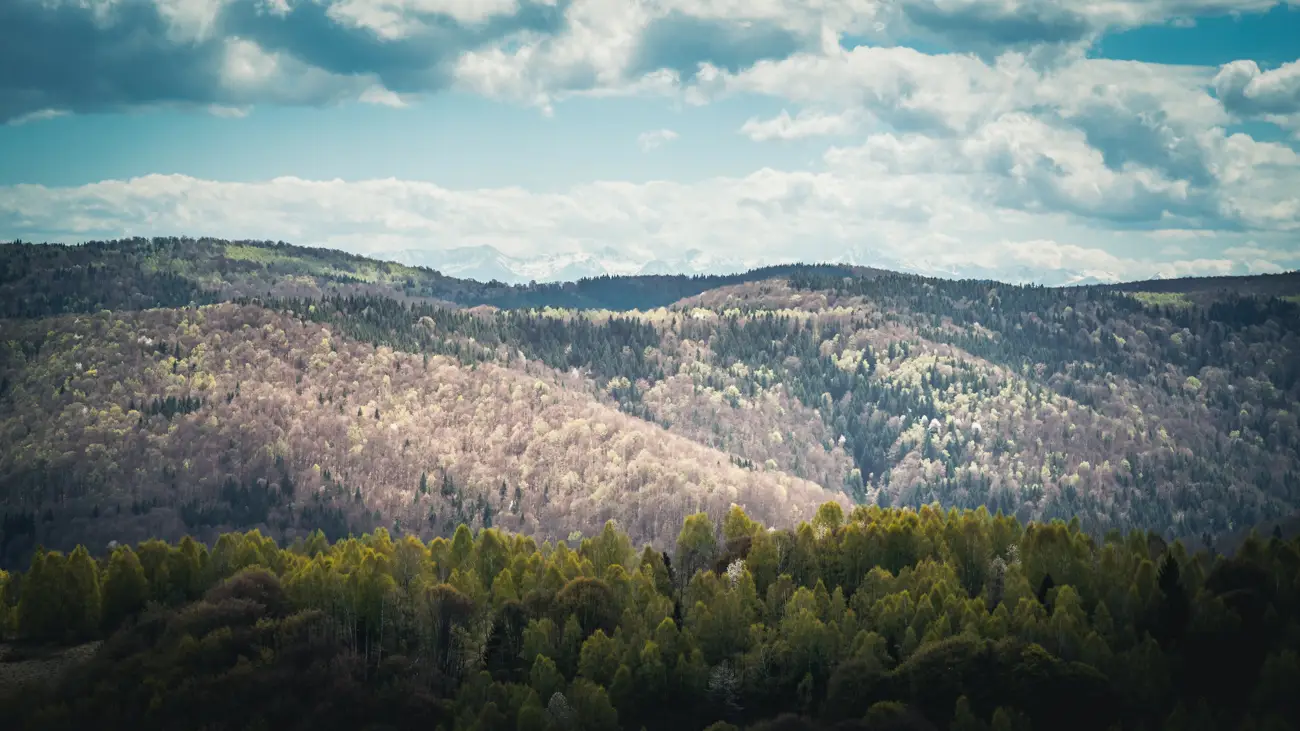
    Hills and mountains seen from the village.
    Tall hill with the mountains in the background.
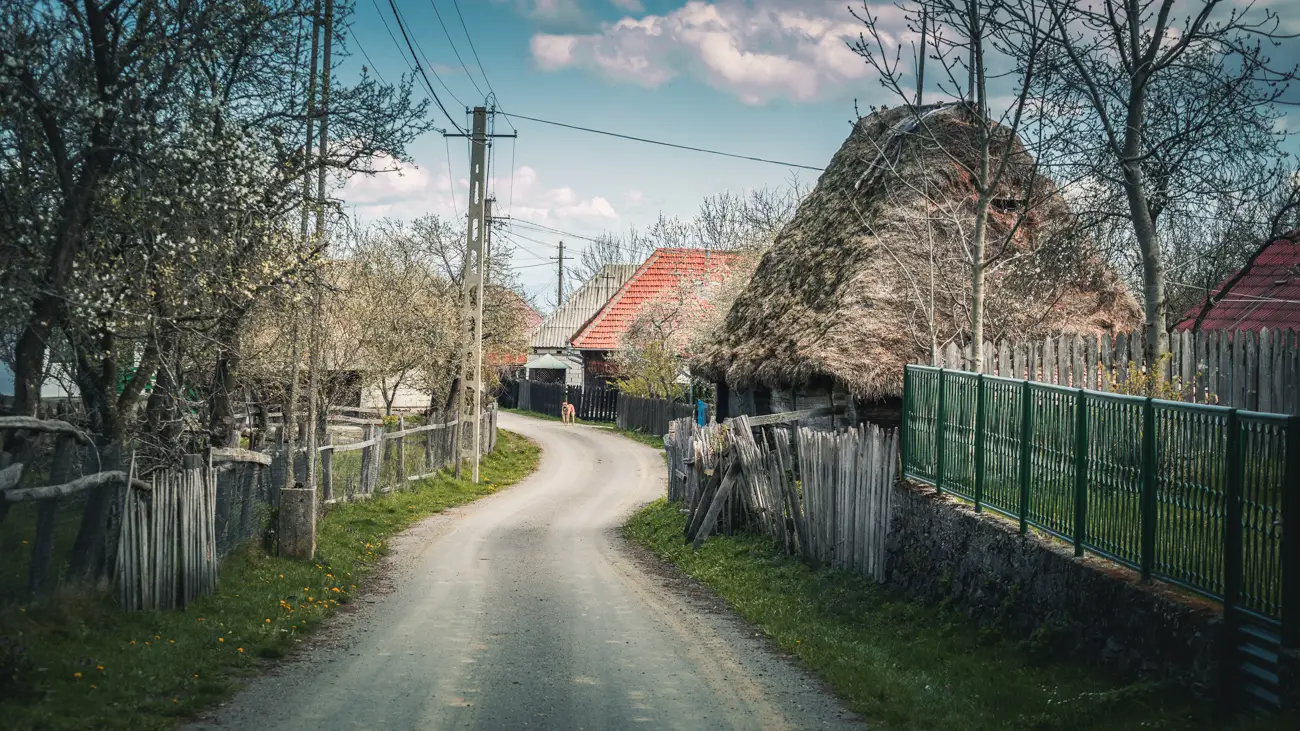
    Narrow street.
    A narrow street in the village.
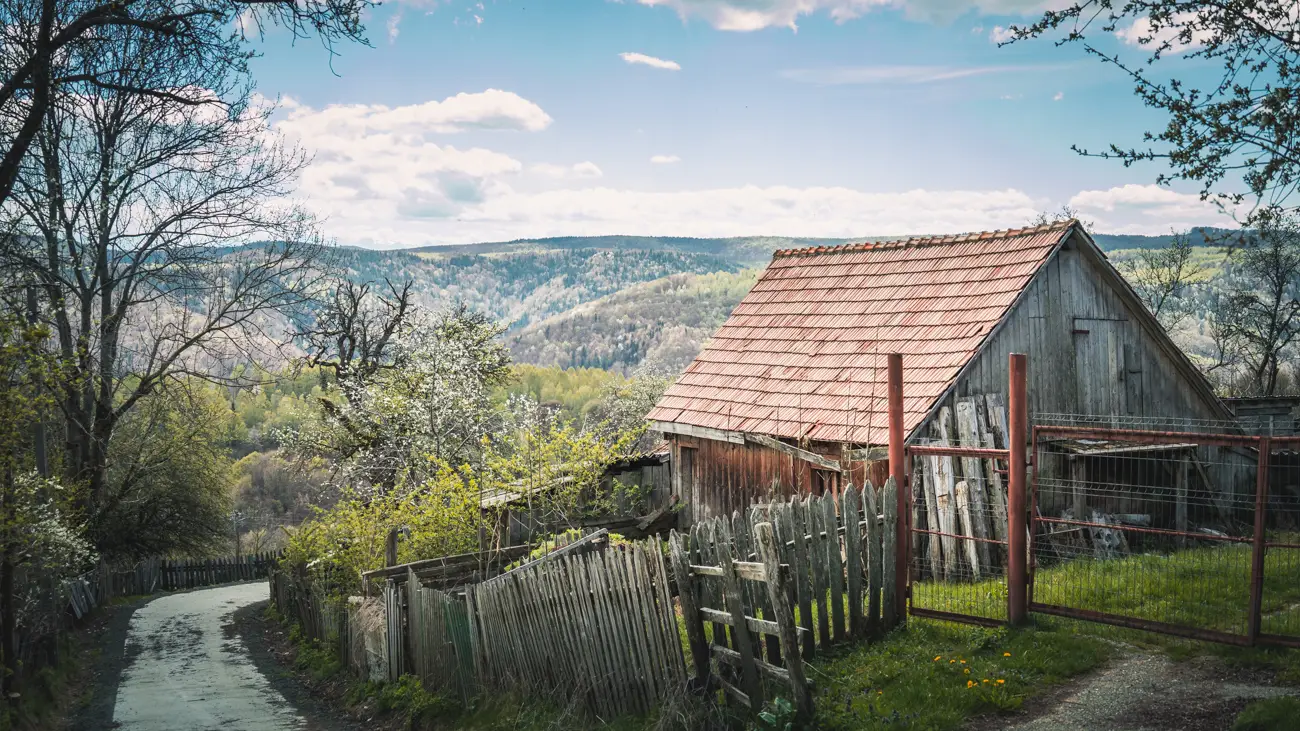
    Narrow asphalted street with an old traditional barn.
    Narrow asphalted street with an old traditional barn.
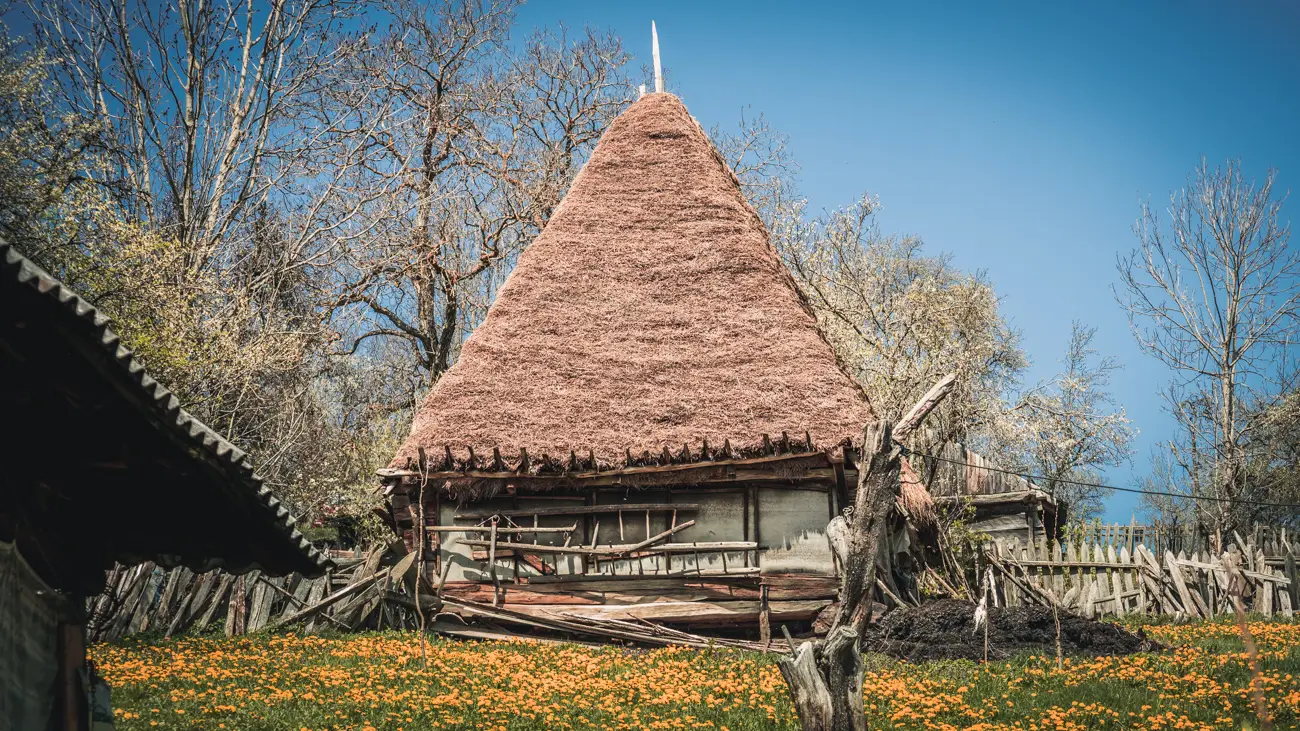
    Traditional barn with a roof made out of straw.
    A traditional barn with a roof made out of straw.
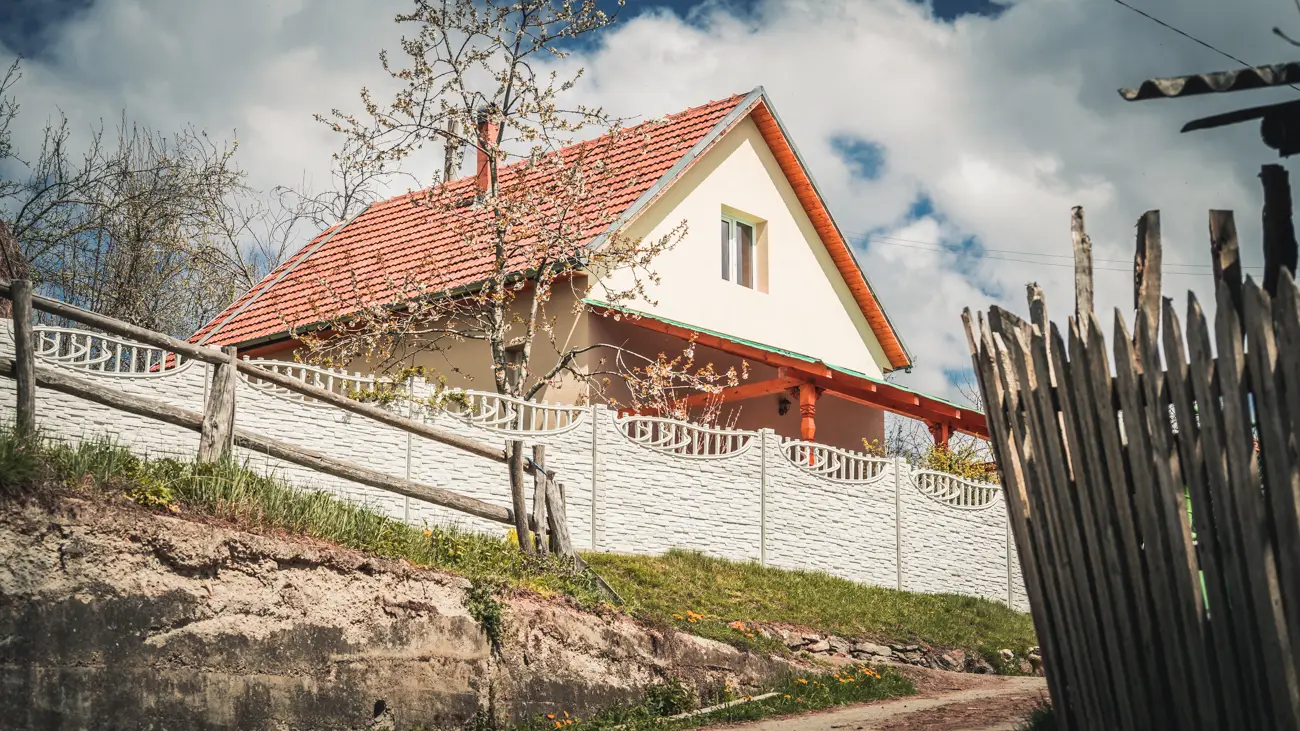
    Another beautiful hose in the village.
    Another beautiful hose in the village.
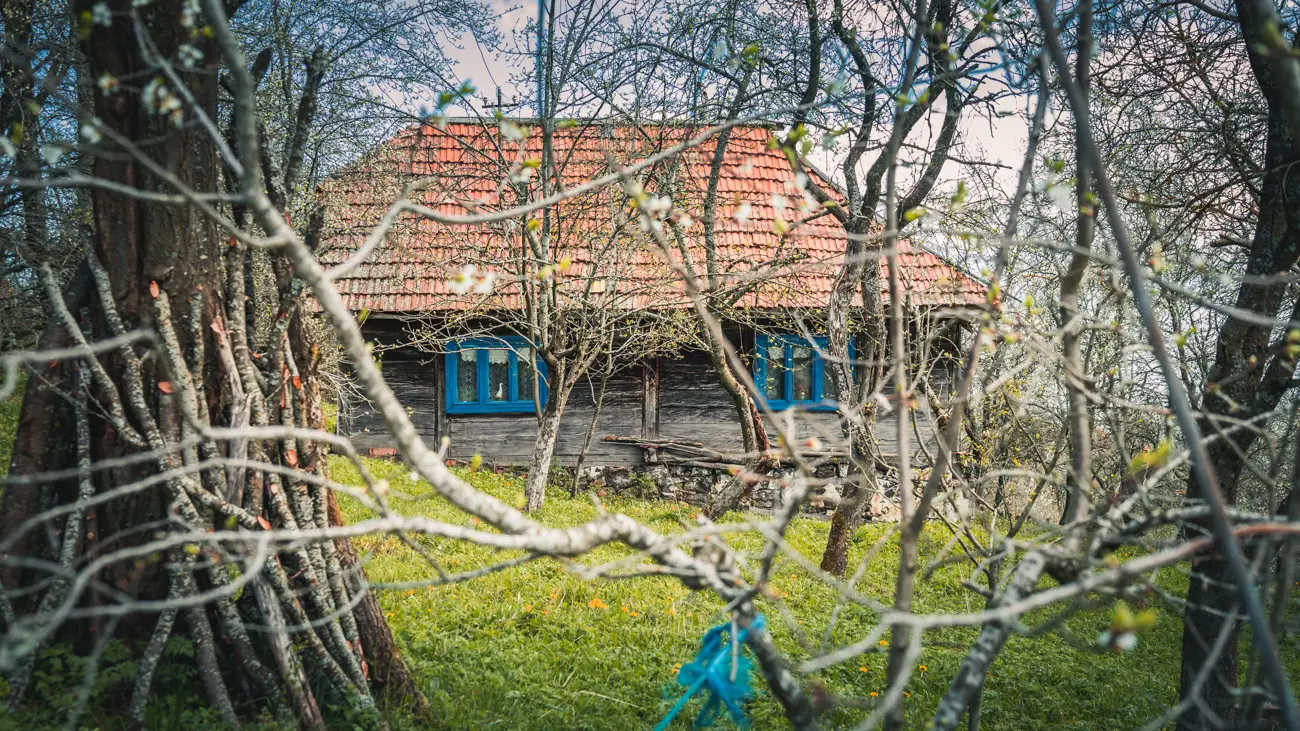
    Traditional wooden house with blue windows.
    Traditional wooden house with blue windows.
    Wooden house with green windows and door.
    Another example of a traditional house in Bătrâna.
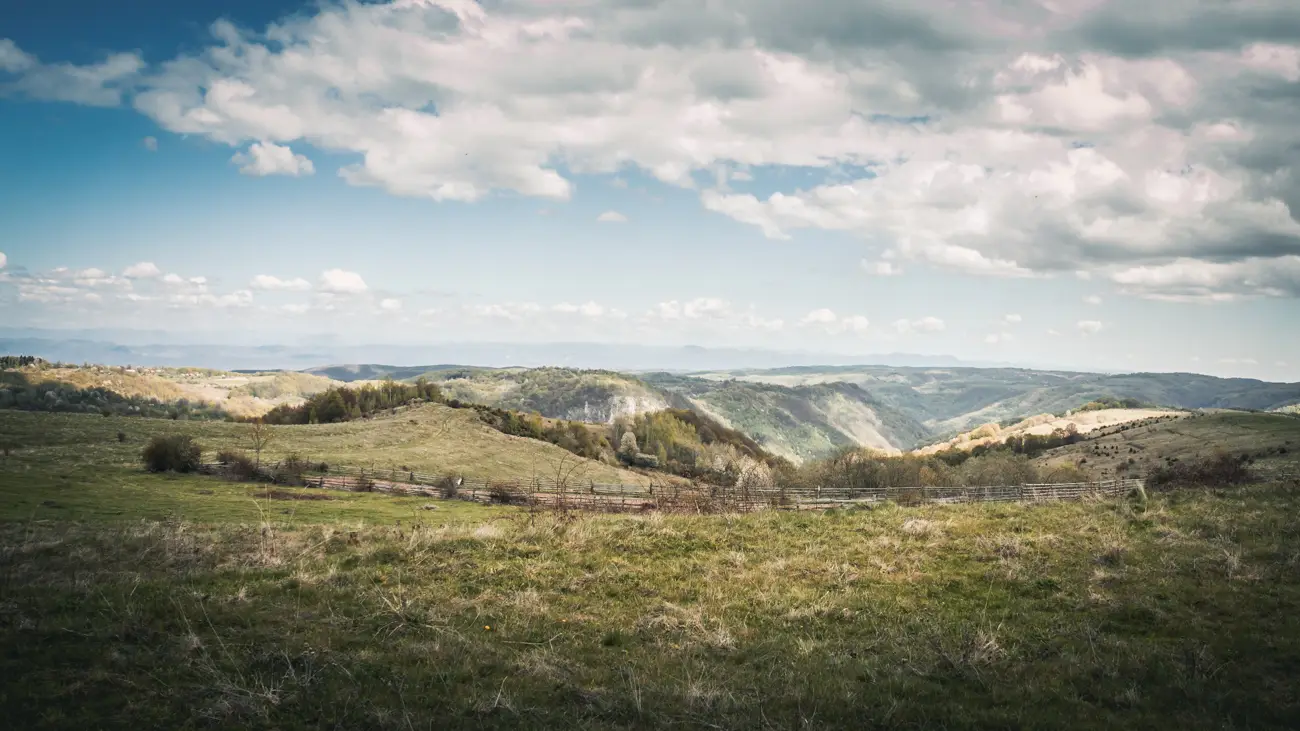
    The landscape near the outskirts of Bătrâna.
    The landscape near the outskirts of Bătrâna.
    Cross next to the entrance into the village.
    Cross next to the entrance into the village.

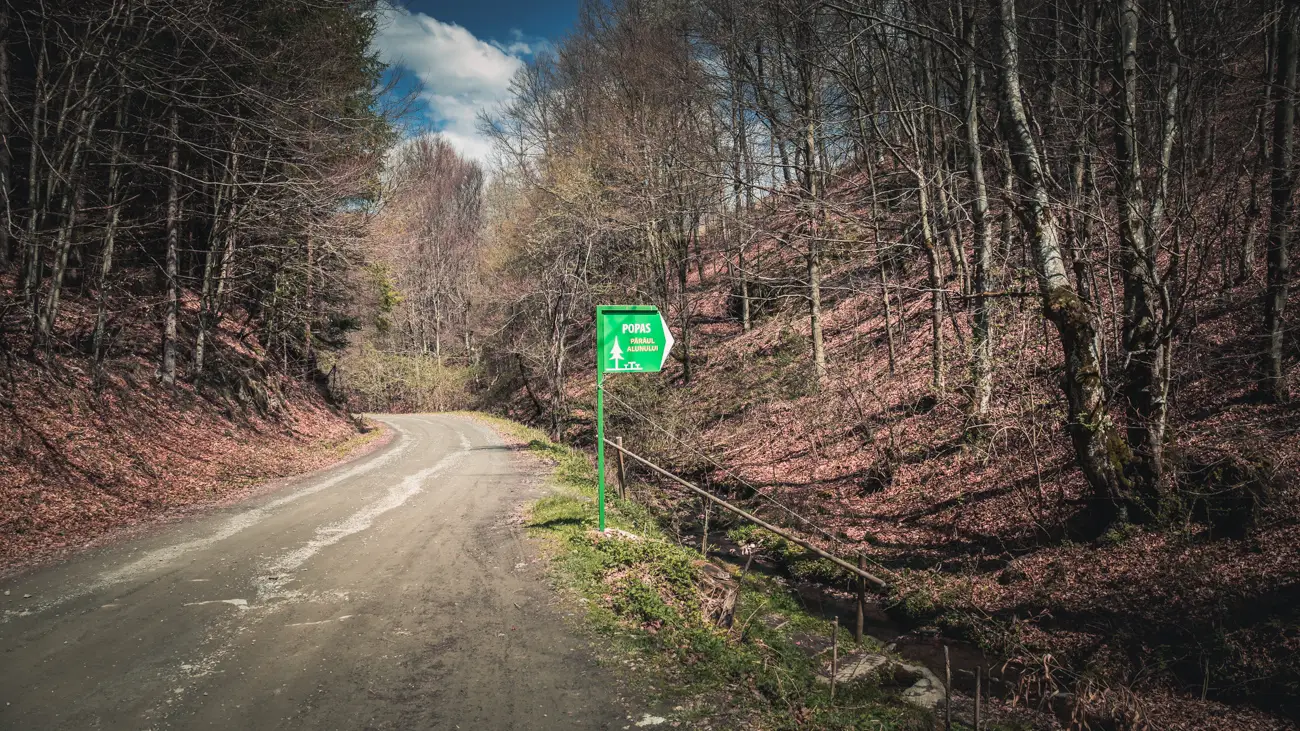
    Pârâul Alunului

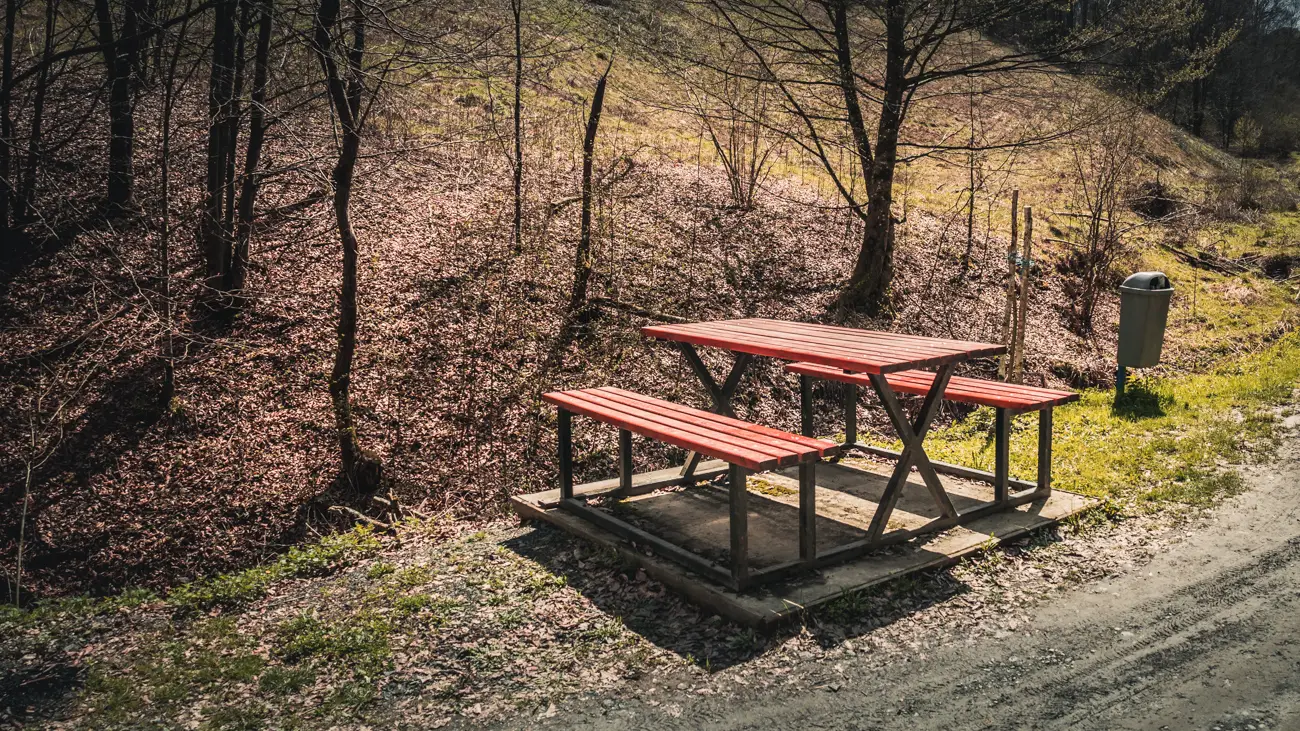
    Just before reaching the village, at the bottom of the hill where Bătrâna is located, there’s a nice little resting place called Pârâul Alunului. Here, you’ll find a bench by the side of the road where you can stop, take a break, and admire the beautiful natural scenery all around you. It’s a peaceful spot where you can enjoy the fresh air and the calm atmosphere of the mountains.

    Pârâul Alunului near Bătrâna.
    Pârâul Alunului.
    Bench next to the road.
    Bench next to the road.
    The road to Bătrâna.
    The road to Bătrâna.

    Other objectives to visit in Poiana Ruscă Mountains

    Șopot Waterfall – This is a smaller waterfall located in the forest not far from the village of Poieni

    Transluncani road – explore the small version of the Transfăgărășan road located near the village on Luncanii de Jos.

    The Românești Cave – not far from the village of Românești you will find a cave which can be explored.

    The old wooden church in Românești – in the village of Românești, located on in the cemetery you will find an old but beautiful wooden church.