• The Red Lake

    The Red Lake

    Share this:

    The Red Lake lies approximately 26 kilometers from the quaint Romanian town of Ghiorgheni. As you embark on your journey to this picturesque destination, be prepared for a drive along winding roads that promise to captivate with their scenic charm. Rest assured, the adventure ahead guarantees breathtaking views of the surrounding mountains that are sure to leave a lasting impression. And as you near your destination, brace yourself for the enchanting allure of the Bicaz Gorge, a stunning continuation of natural beauty waiting to be explored.

    Short history about the Red Lake

    Lacul Roșu, known as the Red Lake in English, stands as one of the largest barrier lakes nestled within the Eastern Carpathian Mountains. Its origins trace back to a monumental landslide that obstructed a valley, prompting the accumulation of water within the resulting basin. The distinctive hue of its name is derived from the reddish sediment that blankets the lakebed, adding a unique allure to its natural splendor.
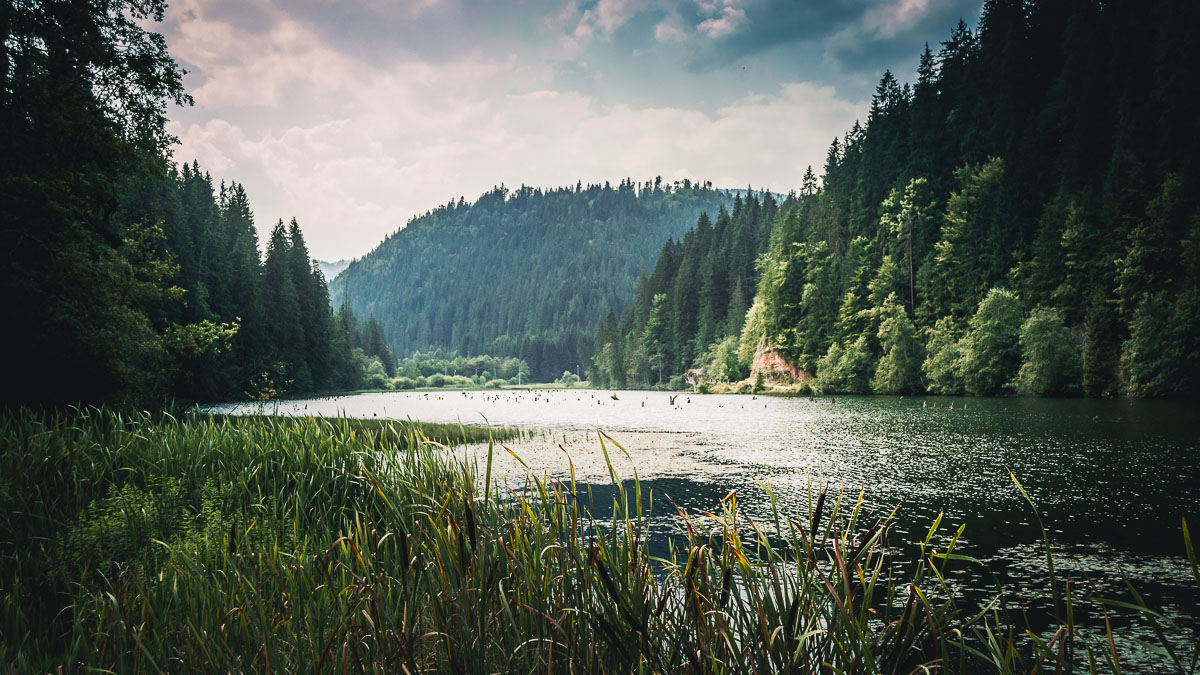
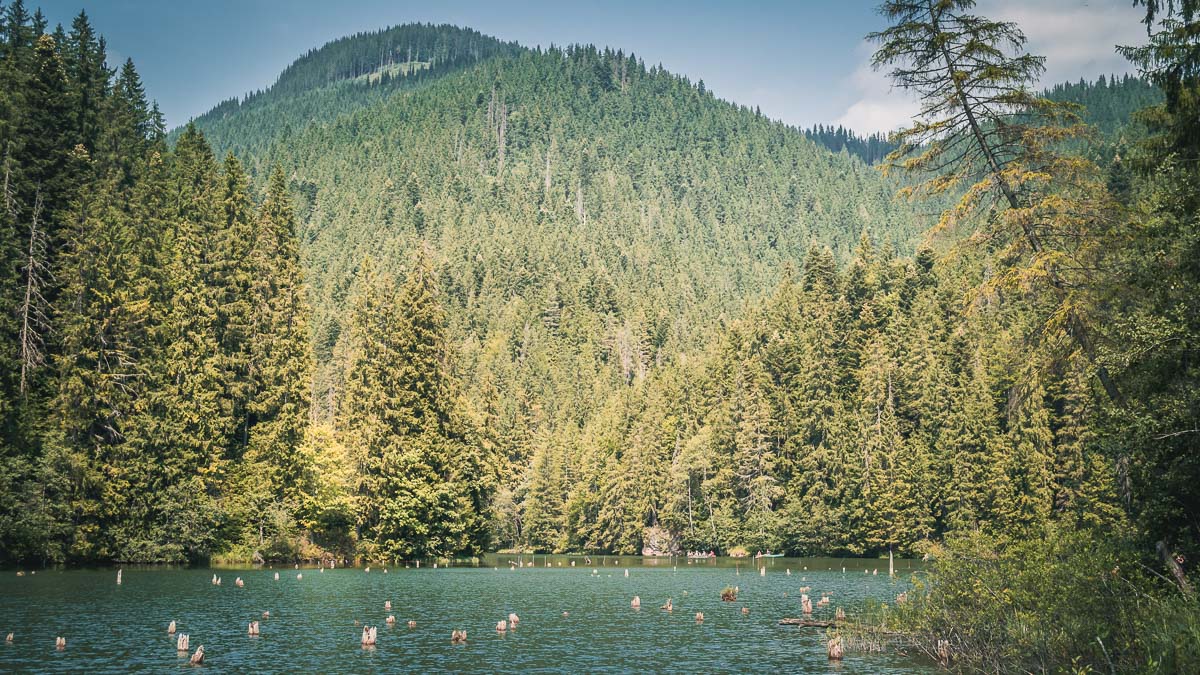
    The Red Lake in a beautiful summer day.
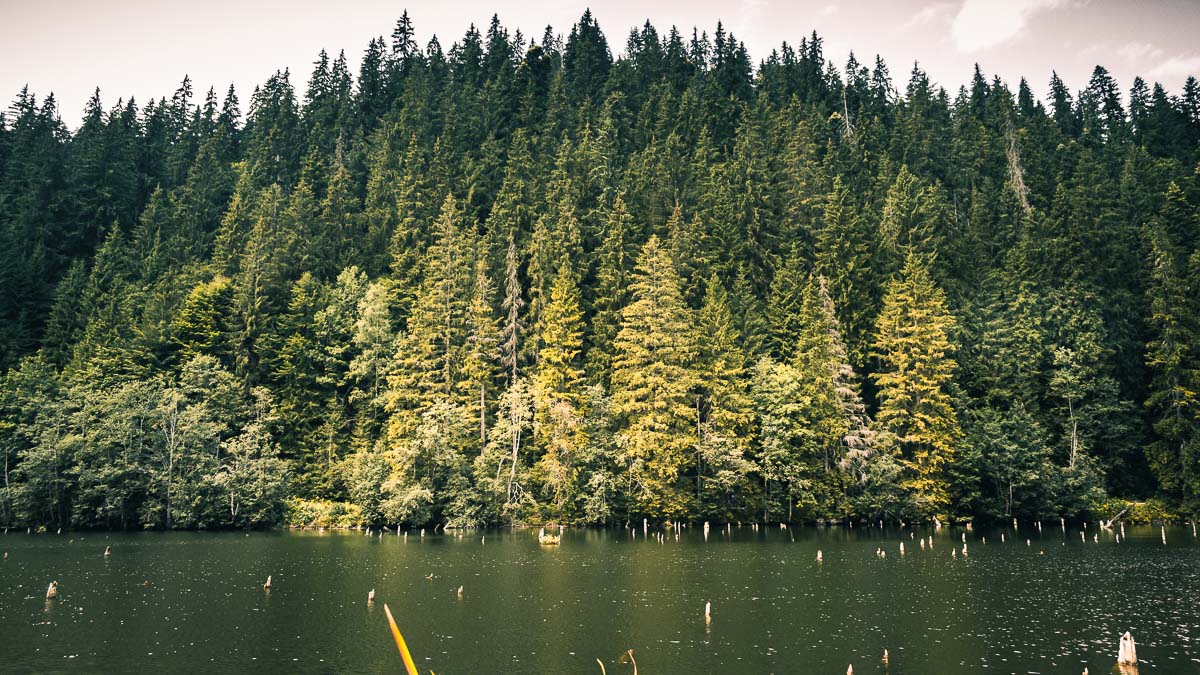
    Pine forest next to the lake.
    Large forested mountains which surrounds the Red Lake.
    Suhardul Mic mountain.
    The Red lake in the summer.

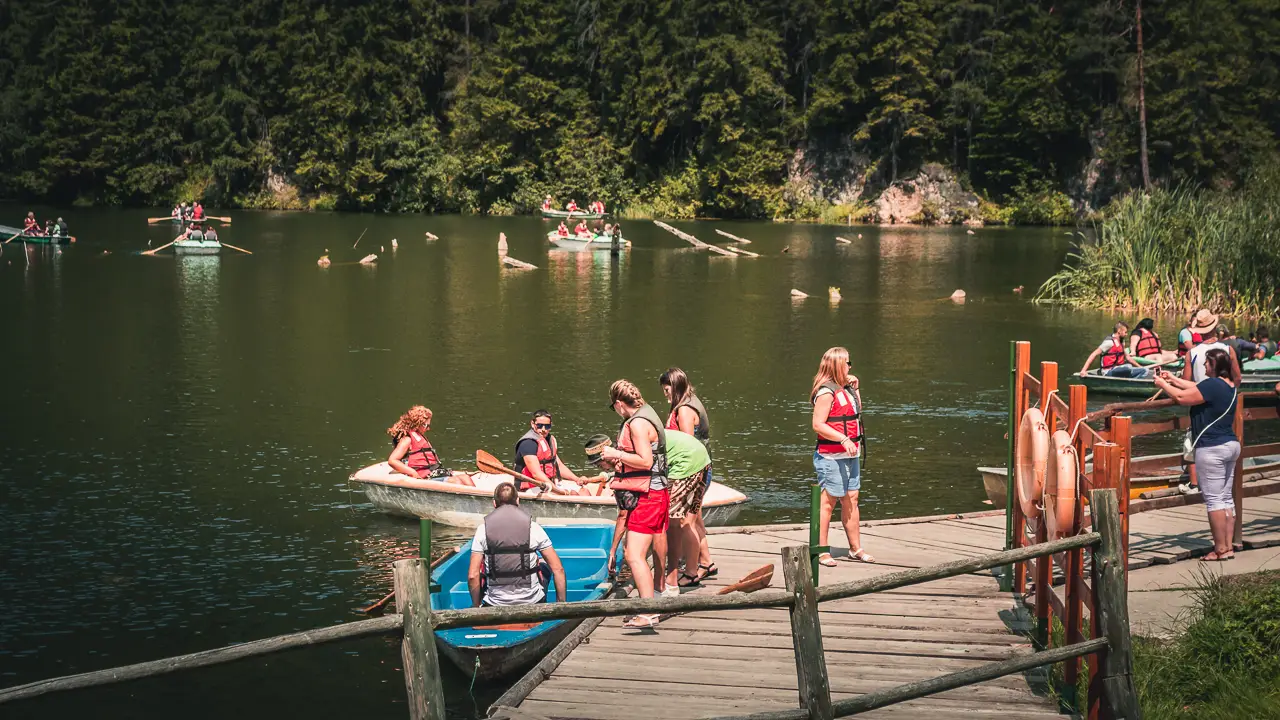
    Boat riding on the lake

    For an alternative exploration of this captivating lake, consider renting a boat. Conveniently located near the restaurants, you’ll discover a spot where paddle boats are available for rental. Embark on a leisurely excursion across the tranquil waters, soaking in the serene surroundings and creating unforgettable memories amidst nature’s embrace.

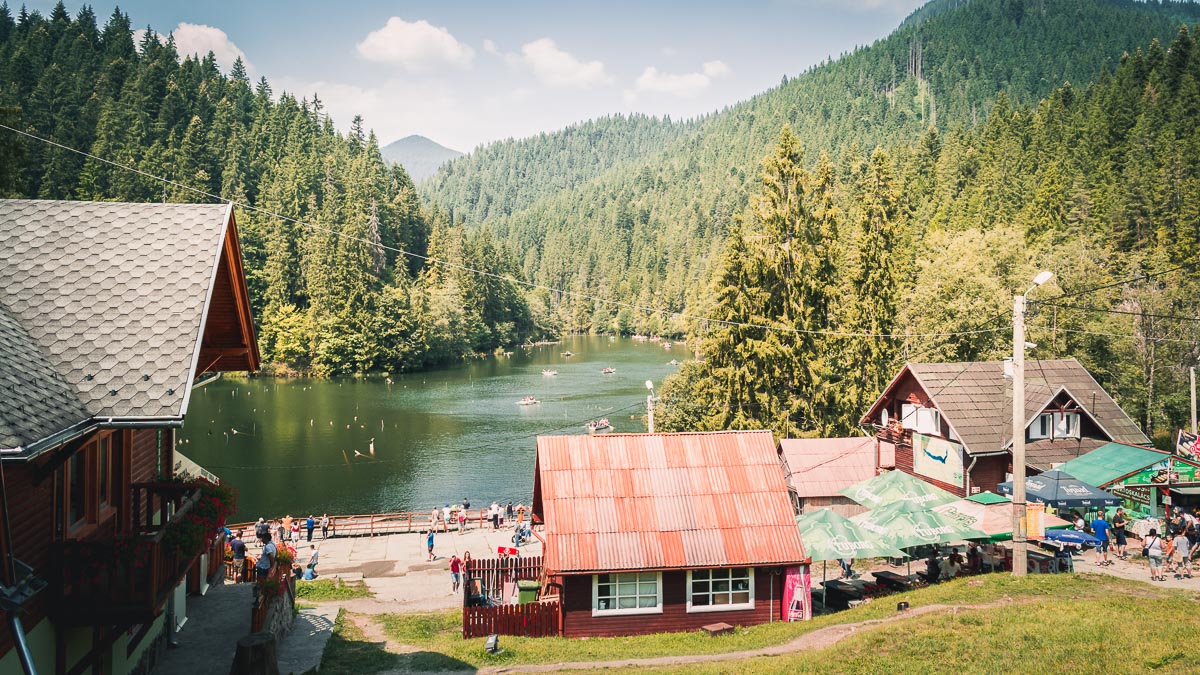
    Paddle boats on the Red Lake.
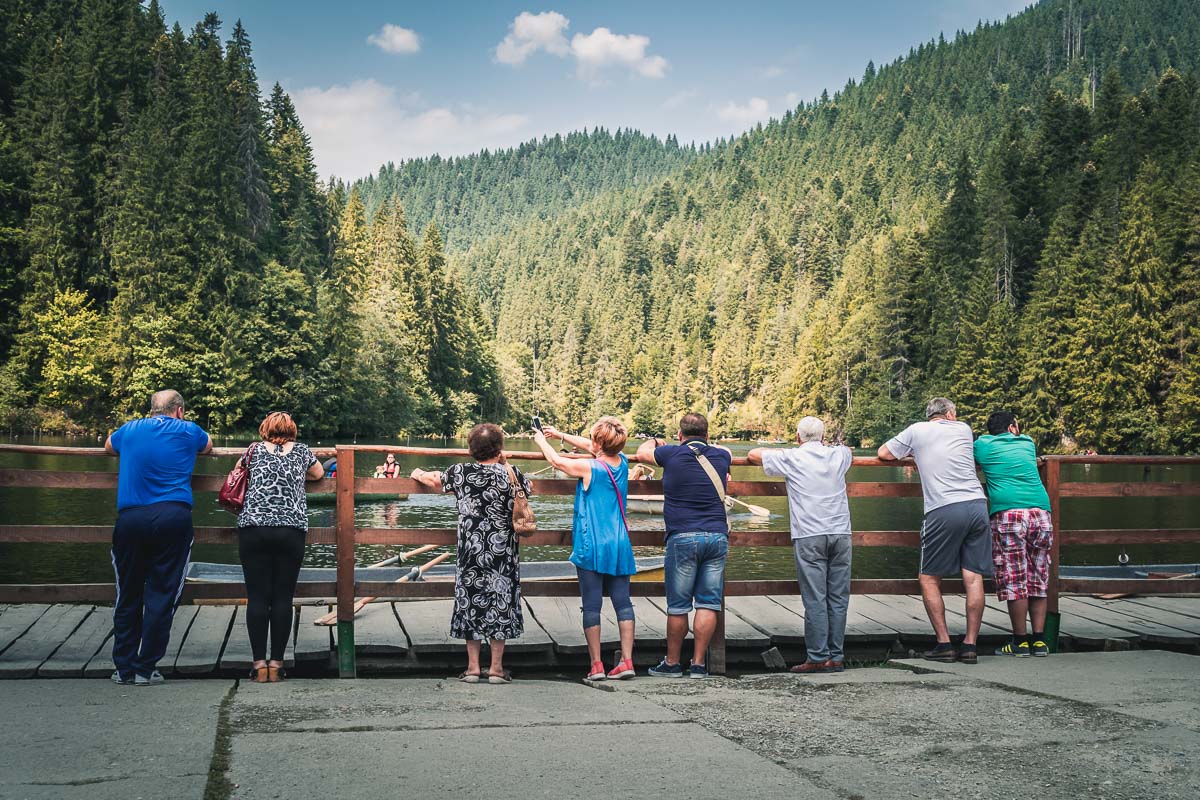
    Tourists admiring the Red lake.

    Conclusions

    The only downside I encountered was the scarcity of parking spots in the vicinity. During my visit, I observed just one paid parking area situated alongside the main road, which was predictably packed with cars. Consequently, I had to settle for parking my vehicle along the roadside, squeezed in amongst others. Despite this inconvenience, I wholeheartedly endorse a visit to this area. Moreover, you’ll discover numerous hiking and trekking trails waiting to be explored nearby.

    What else can you visit in the area?

    A short drive along the main road toward Piatra Neamt will lead you to the stunning Bicaz Gorge, a natural wonder awaiting your discovery.
  • Mocănița Sovata

    Mocănița Sovata

    Share this:

    Mocănița Sovata is a narrow gauge steam locomotive hauling 3-4 passenger cars. This steam train runs between the city of Sovata and Câmpu Cetății which is a Transylvanian village located 14 km away. The starting point of each journey is from Gara Mică in Sovata. The entire journey to Câmpu Cetății and back usually takes approximately 2 hours. Along the line, the Transylvanian rural scenery is pretty amazing. I bet you won’t regret this trip on the Mocănița Sovata.

    Important tip: For the latest updates on the schedule and ticket prices, be sure to visit their official website at https://mocanitasovata.ro/. You’ll find all the details you need, including the most up-to-date information to help plan your visit!

    What is a Mocăniță?

    In Romanian, Mocăniță means a train which runs on a narrow gauge railway. The most important one is in the region of Maramureș. However, there are a couple of them in Transylvania as well. Today, the majority of the narrow gauge lines in Romania are used for touristic purposes.

    What type of steam locomotive is used?

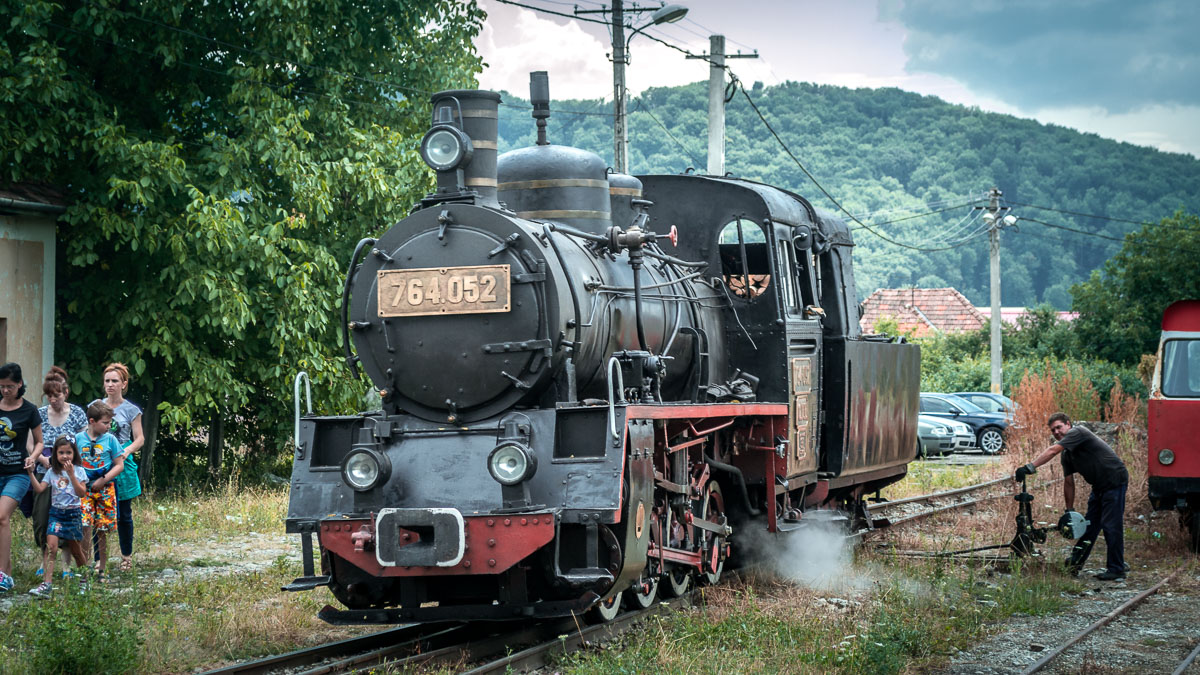
    The steam locomotive which is used on the Sovata to Câmpu Cetății narrow gauge line was built in Poland in 1949. It has a top speed of 35 km/h. On this line, the steam train doesn’t exceed an average speed of 15 km/h.

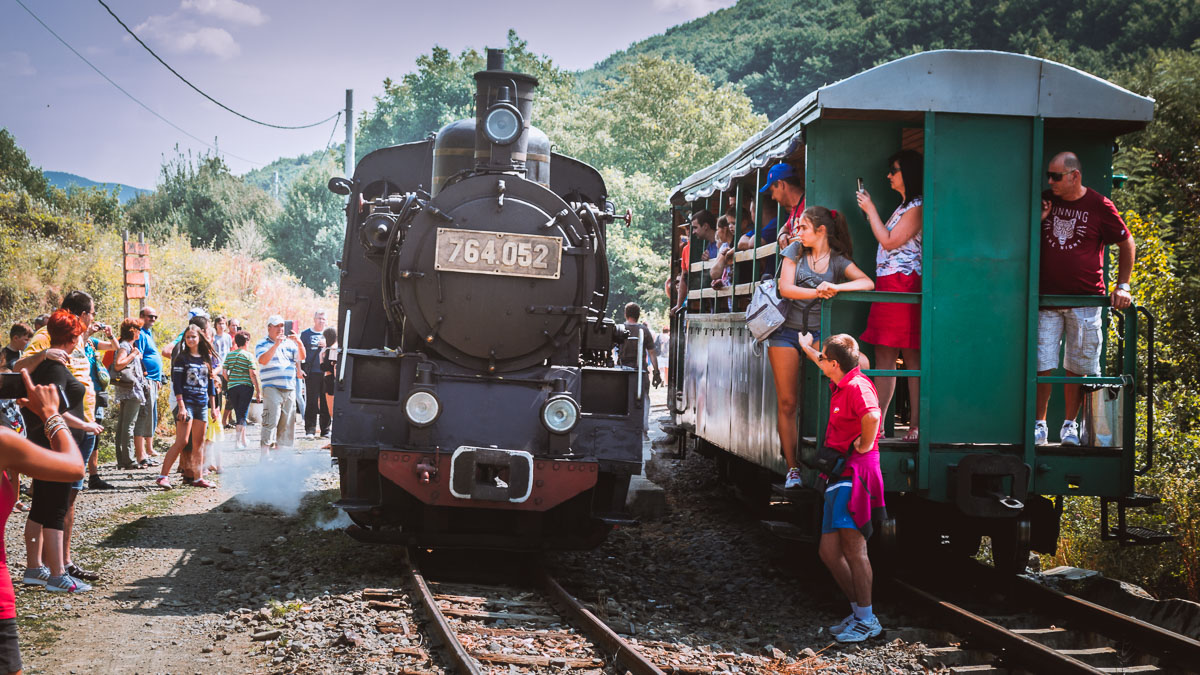
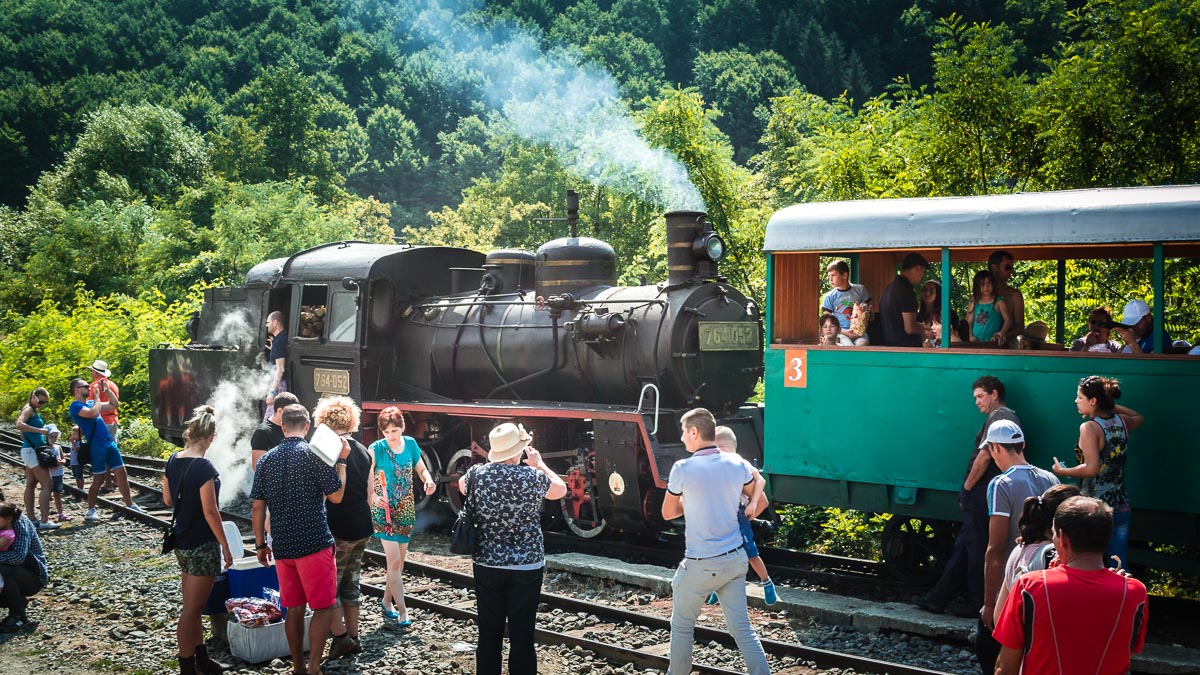
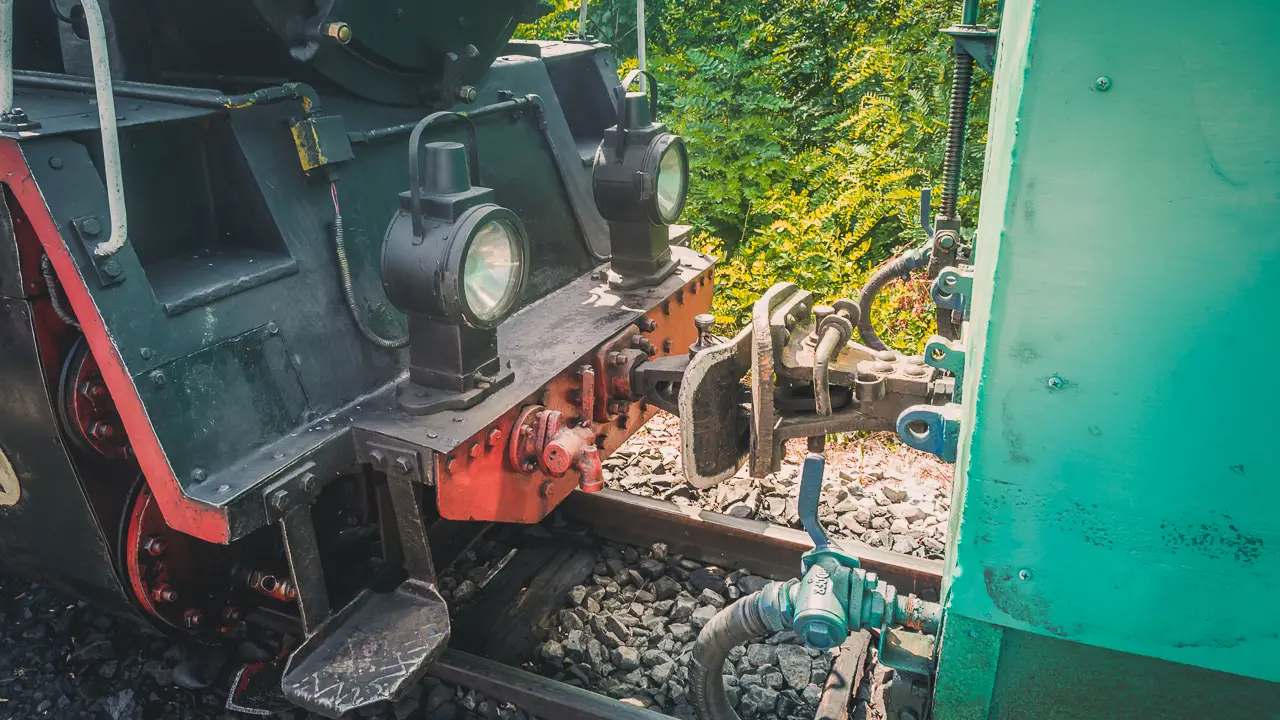
    764.052 narrow gauge steam locomotive in Sovata.

    What is the history of this line?

    In 1912 the construction of the narrow gauge railway line between Târgu Mureș and Praid has started and the first train started to operate on this line on 31th January 1915. Unfortunately, after 82 years, this amazing railway line was closed. In 2011 a private company has started to operate on a 14 km segment of the old Târgu Mureș – Praid narrow gauge railway line. To be more precise, between the “increasingly popular health resort” of Sovata and Câmpu Cetății. In a nutshell, this is how Mocăniță Sovata was founded.

    From Sovata to Câmpu Cetății

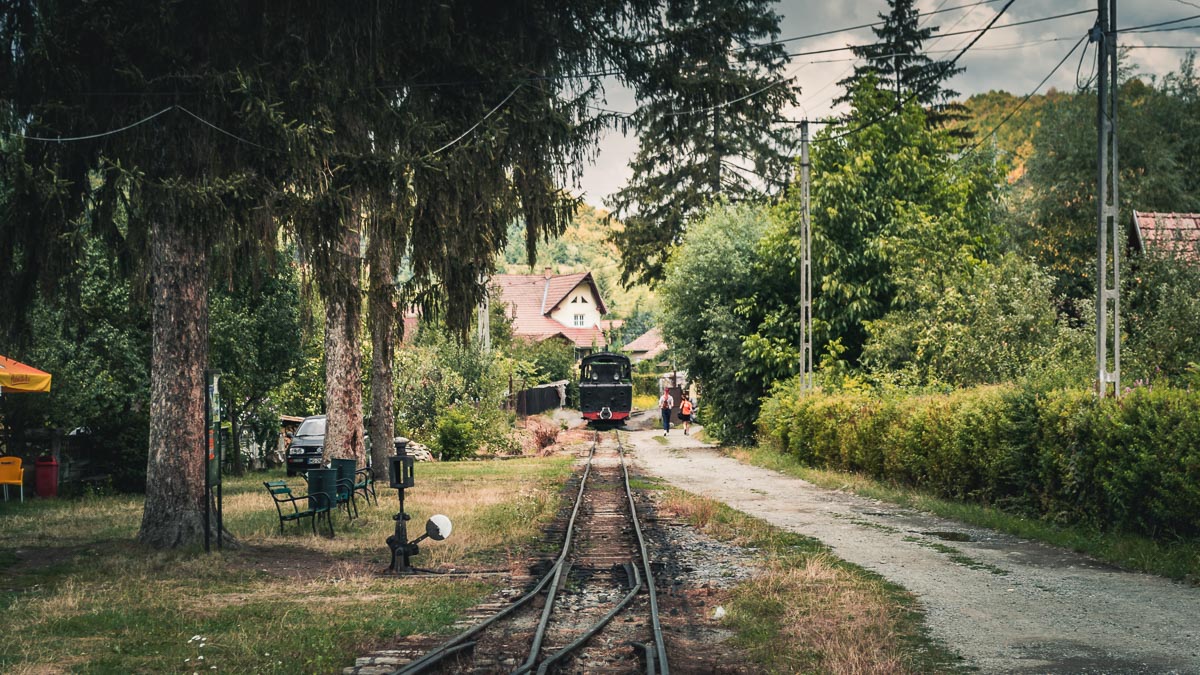
    As I mentioned above, the starting point is at Gara Mică in the city of Sovata. Below you will find some photos of the beautiful Transylvanian rural landscape along the railway line.

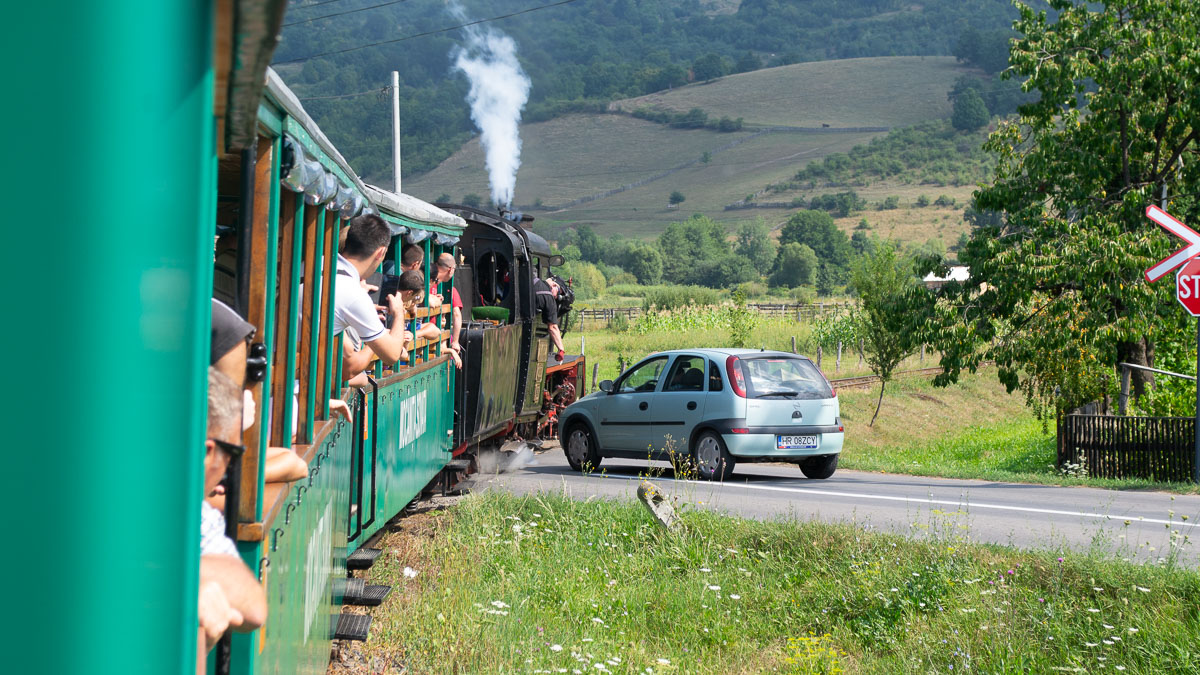
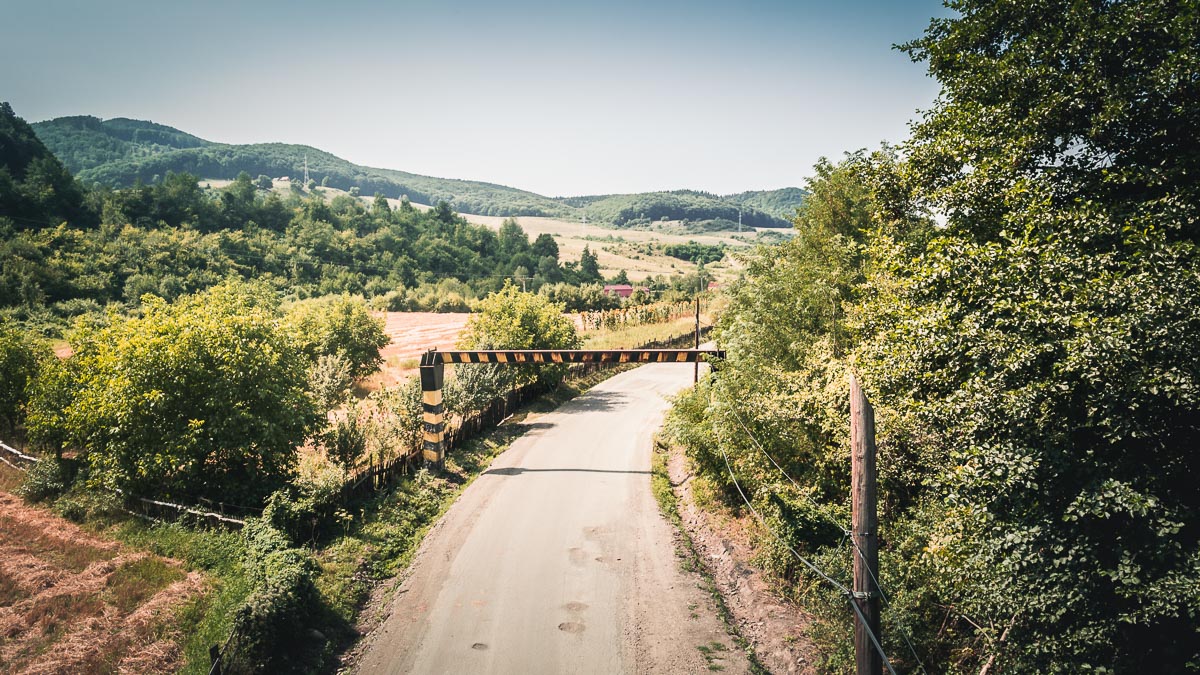
    The Mocăniță Sovata close to an accident with a car.
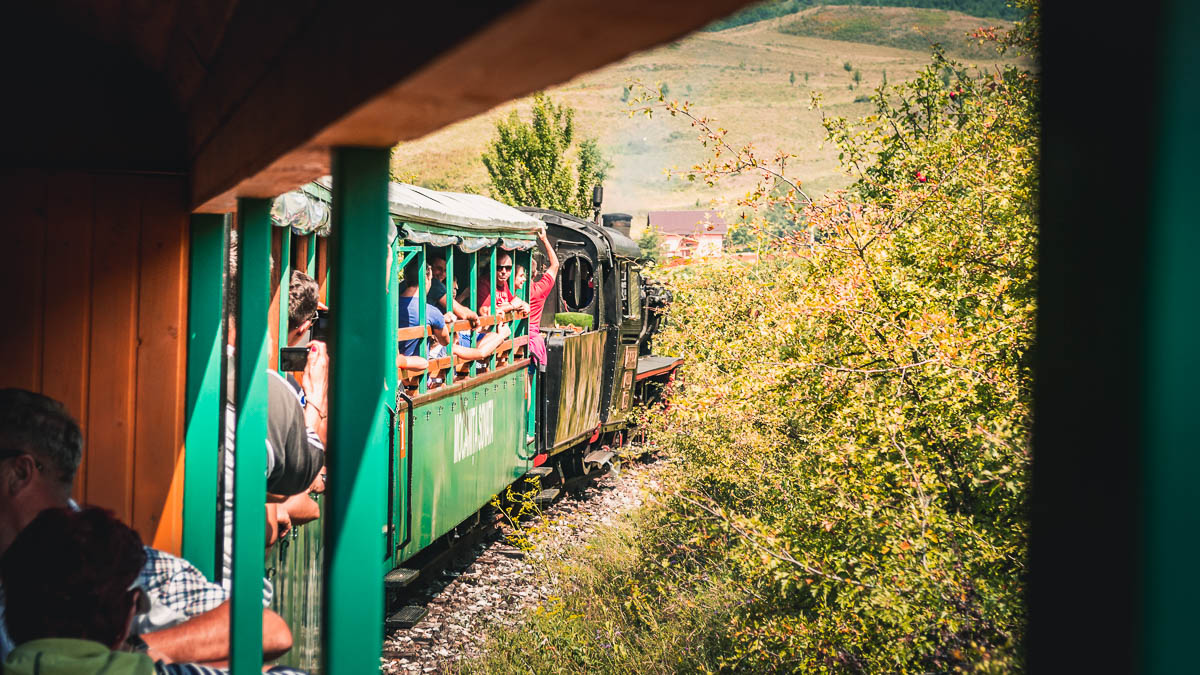
    The Mocănița Sovata with tourists.
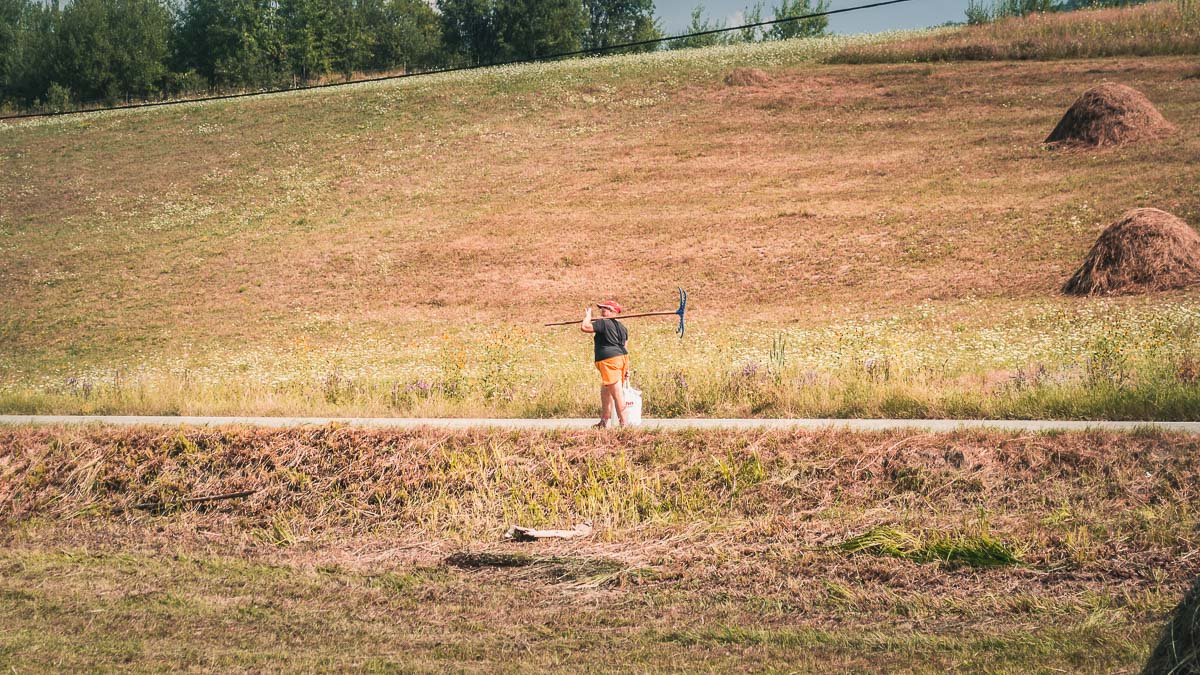
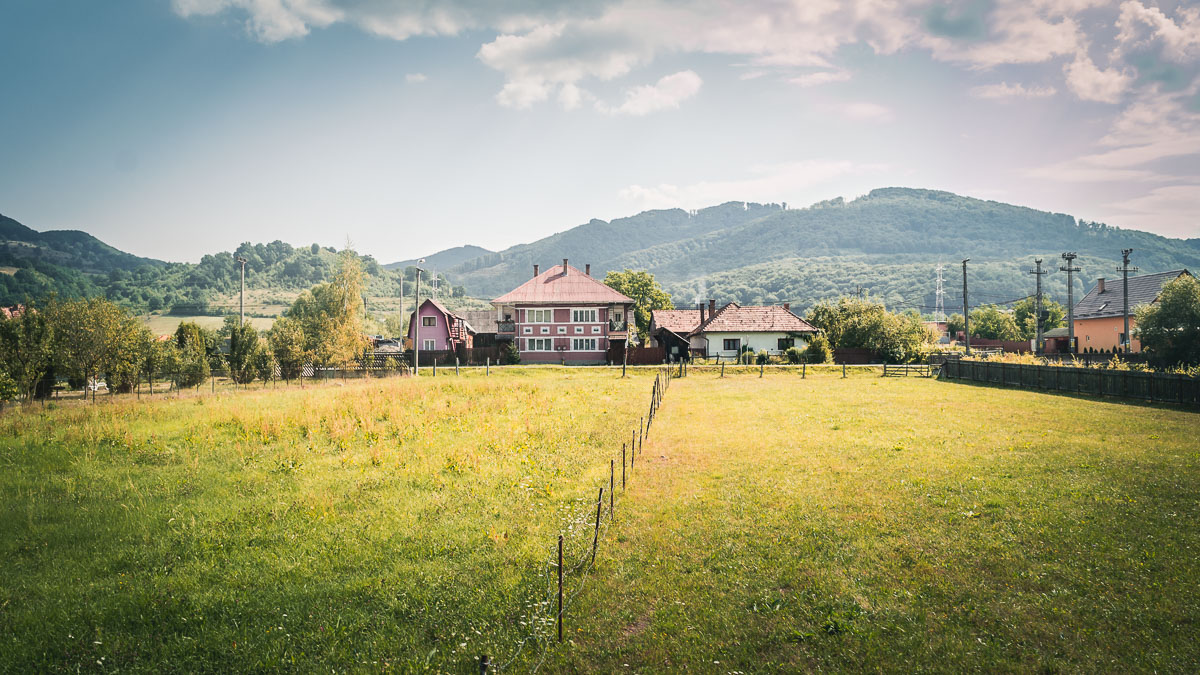
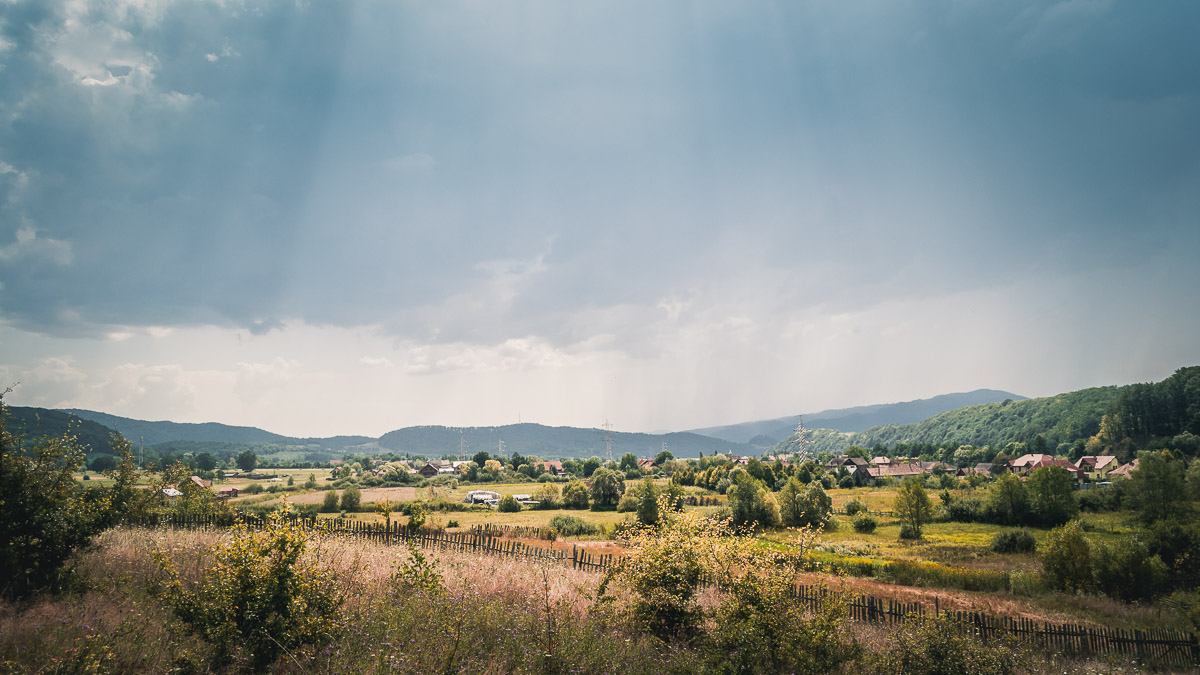
    Transylvanian houses in a Romanian village.

    At Câmpu Cetății

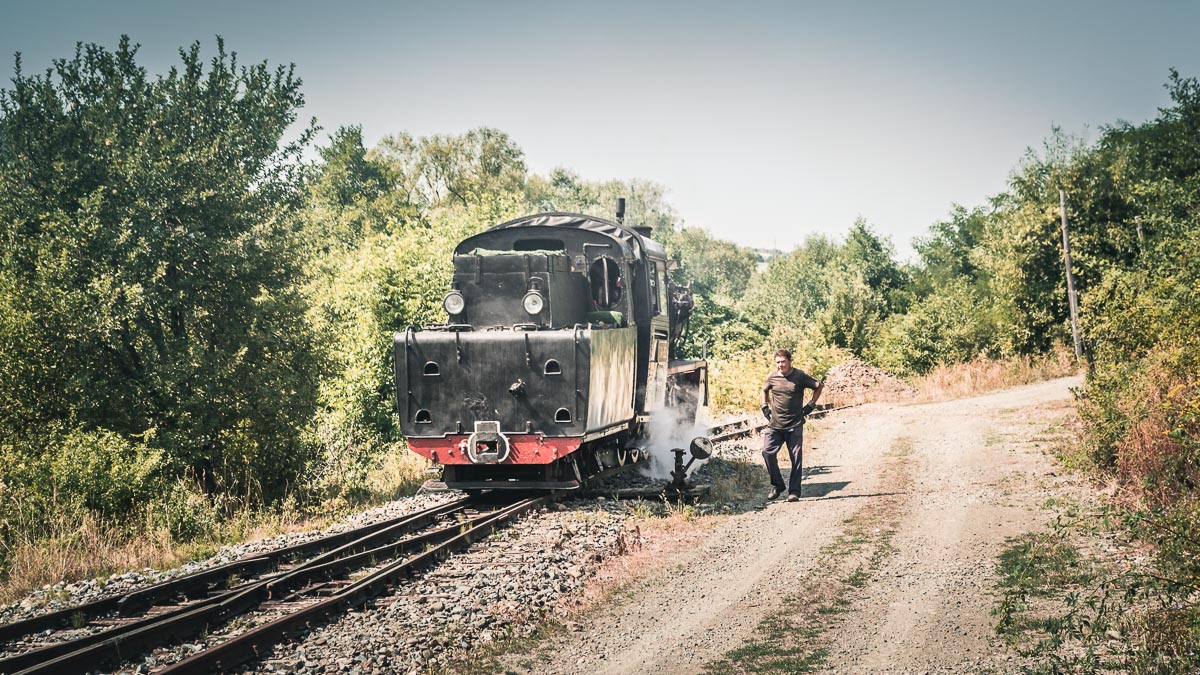
    Basically this is the terminus station on the Sovata – Câmpu Cetății narrow gauge line. Here, the steam locomotive is uncoupled from the front of the train and its coupled at the back of the train. Usually at Câmpu Cetății, the train stays for almost 10 minutes. In those 10 minutes you have plenty of time to take some amazing photos of the gorgeous train and the surrounding area.

    Changing tracks at Câmpu Cetății.
    The Mocăniță Sovata next to the passenger cars in Câmpu Cetății.
    Tourists taking admiring and taking photos of the Mocănița.

    From Câmpu Cetății back to Sovata

    After almost 10 minutes the Mocănița Sovata was ready for the journey back to Sovata. Below, I’ve shared a couple of photos from this part of the trip.

    Transylvanian rural scenery.
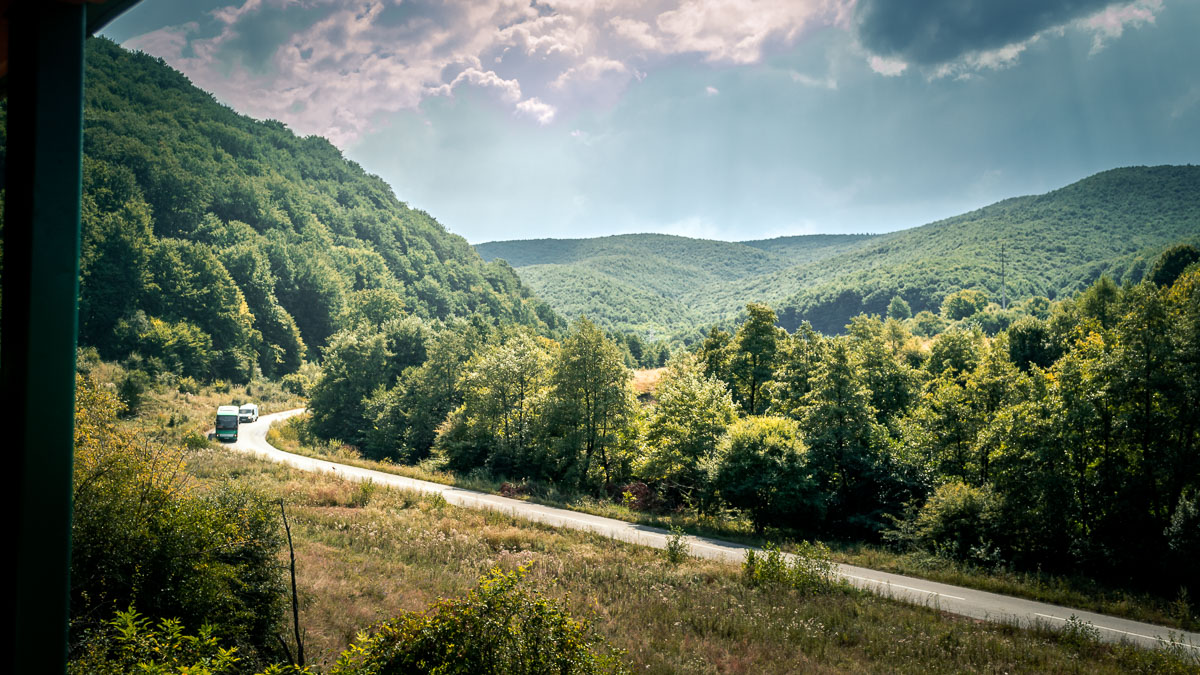
    Forested hills next to the narrow gauge railway line.
    The former trains station in Săcădat, right before Sovata.
    Transylvanian rural landscape.

    Back in Sovata

    After another hour of chugging through the picturesque landscapes, the steam train finally arrived in Sovata. A large crowd of tourists and train enthusiasts had already gathered, eagerly waiting to catch a glimpse of the famous Mocăniță.

    Mocănița in Sovata
    The steam locomotive at the depot in order to be loaded with wood.
    Passenger cars in Gara Mică.

    What to Do in Sovata?

    Sovata is a charming and popular health resort, known for its natural beauty and therapeutic properties. One of the main attractions here is the famous Bear Lake, or Lacul Ursu in Romanian. This unique salt lake is renowned for its warm, heliothermal waters, making it a must-visit for relaxation, swimming, or simply soaking up its health benefits. Surrounded by lush forests, Bear Lake is perfect for nature lovers and those seeking a peaceful getaway.

    Something else to visit near Sovata?

    Absolutely! Just a short drive away—only 10 km—you’ll find the quaint town of Praid, home to the impressive Praid Salt Mine. This underground marvel is more than just a salt mine; it’s also a health retreat and an exciting destination for tourists. Inside, you can explore vast galleries, learn about salt mining history, and even experience its therapeutic microclimate, which is said to benefit respiratory health.

  • The village of Daia in Mureș county.

    The village of Daia in Mureș county.

    Share this:

    The village of Daia is located in Mureș County, Romania. It is a small Transylvanian village that belongs to the commune of Apold, which is about 8 km away. To reach Daia, you’ll need to drive along a dirt road, adding to its remote charm.

    The Evangelical fortified church in Daia

    In Daia, you’ll find the historic Evangelical fortified church, built in the 15th century in the Gothic style. What makes this church especially unique is that its tower was constructed outside the fortification walls, separated by a dirt road. This is unusual because, in most fortified churches of Transylvania, all key buildings were enclosed within the fortification walls for protection during enemy attacks.

    Unfortunately, the exterior of these historic buildings is in poor condition. Over the years, large cracks have developed in the church tower, affecting its structure and causing it to tilt. Despite its current state, this church remains an architectural gem, and there’s hope that one day it will be restored to its former glory.

    The Evangelical church tower in the village of Daia.
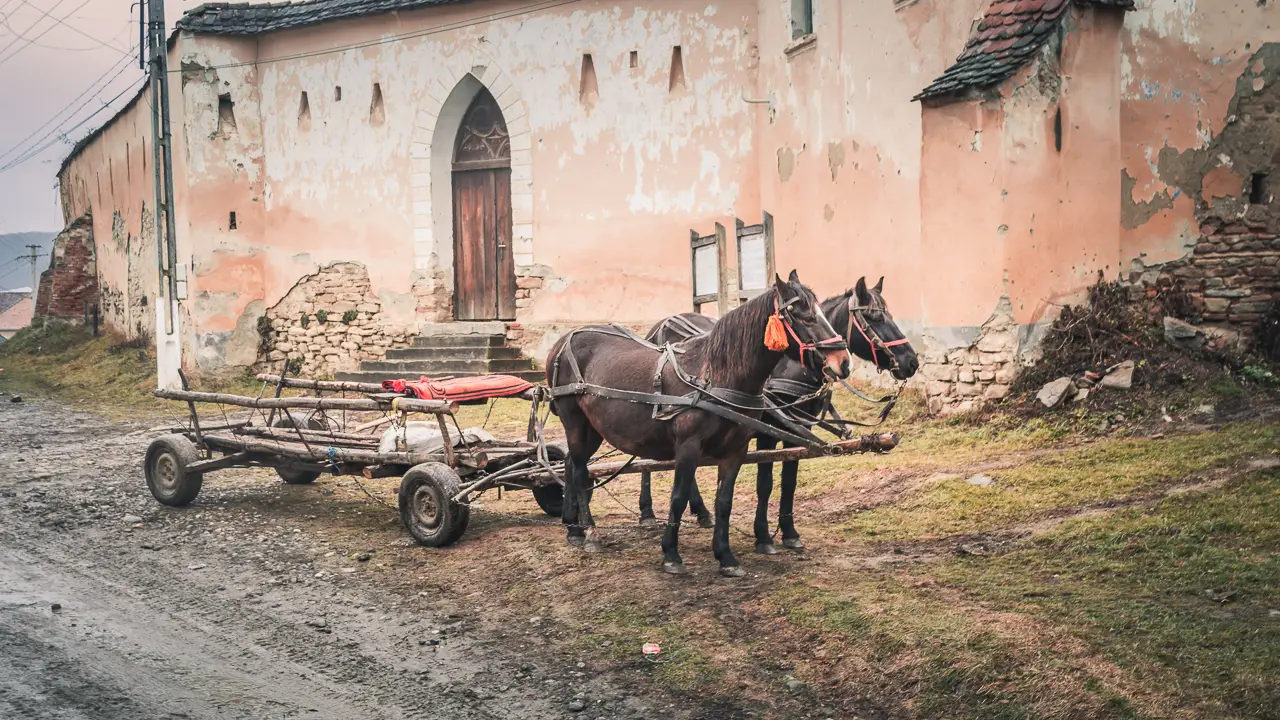
    Exterior shot of the fortified Evangelical church.
    The old church.
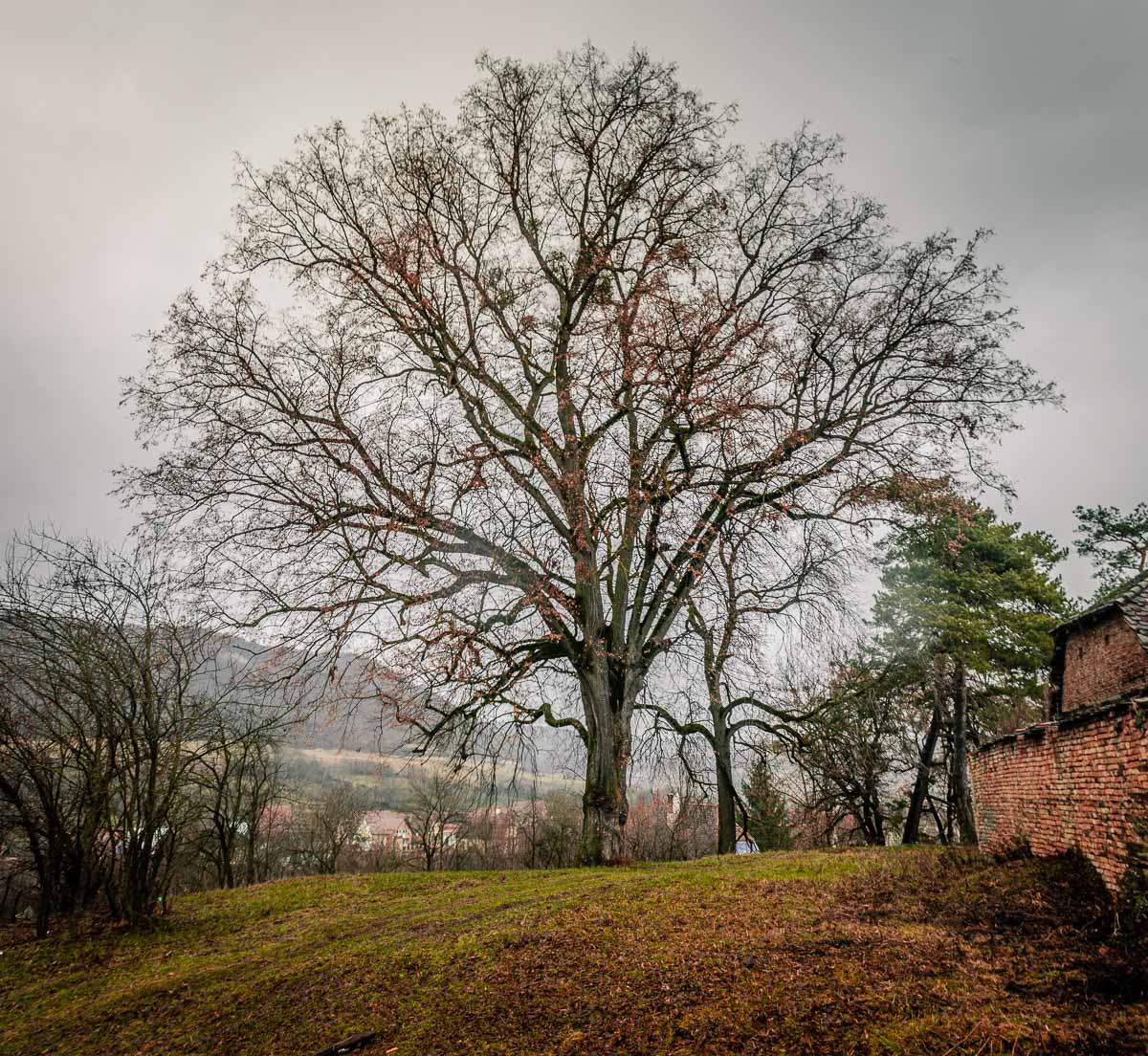
    Large tree right behind the Evangelical church and a part of the village in the background.

    After spending some time near the Evangelical church and exploring the quiet village, it was time to head back to Apold. The weather that day—cold, gray, and rainy—shortened our visit. By the time we decided to leave, it had even started to rain.

    Other important places to visit nearby?

    About 23 km from Daia is the Sighisoara Medieval Citadel, a place I highly recommend visiting. This well-preserved fortress is full of history and charm, making it a must-see destination in Transylvania.

    On your way to Sighisoara, you can make a short stop in Apold, the next village along the route. Here, you’ll find the Lutheran Fortified Church, another fascinating example of Transylvanian history and architecture.