Category: Romania

Category dedicated for all the photos taken in the country of Romania.

  • Breathtaking Views at Balea Waterfall in the Stunning Fagaras Mountains

    Breathtaking Views at Balea Waterfall in the Stunning Fagaras Mountains

    Share this:

    A few days after exploring the charming Transylvanian city of Sibiu, I decided to drive towards Balea Waterfall, located in the stunning Fagaras Mountains. The journey was filled with scenic views, making it an exciting road trip.

    The Balea Waterfall or Cascada Balea in Romanian, is a popular waterfall located in the Fagaras Mountains at an altitude over 1200 m. In order to reach this place, you will have to drive on the famous Transfagarasan road until Hotel Balea Cascada which is about 18 km away from the village of Cartisoara, this village is actually the last one before the Fagaras Mountains. If you plan on hiking to the waterfall, there’s convenient parking available right behind the Balea Cascada Hotel, which is a great starting point for your adventure.

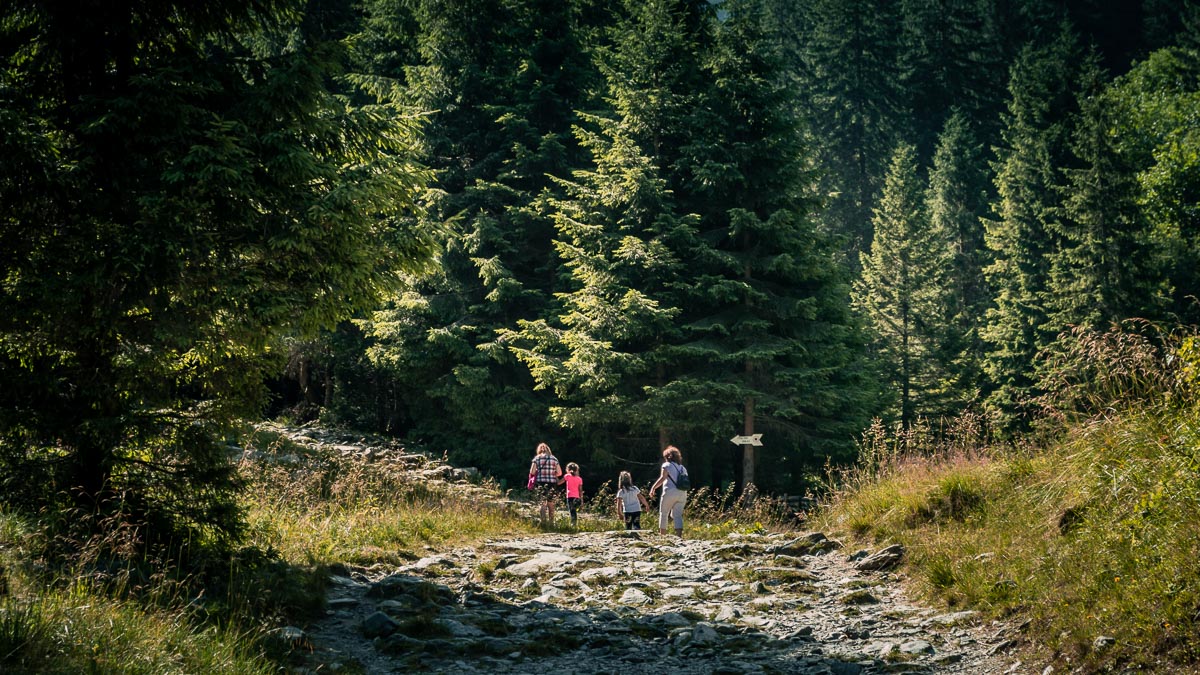
    Once you will arrive to Hotel Balea Cascada, you will find a marked trail which will take you next to the waterfall. Usually this hike will take you approximately 50 minutes.

    Besides Balea Waterfall, you can visit Balea lake as well which is located at an altitude of over 2000 m. In order to visit the lake, you have two options:

    • You can drive on the Transfagarasan road up to the lake. Keep in mind that the road has many curves but in exchange the scenery is truly breathtaking.
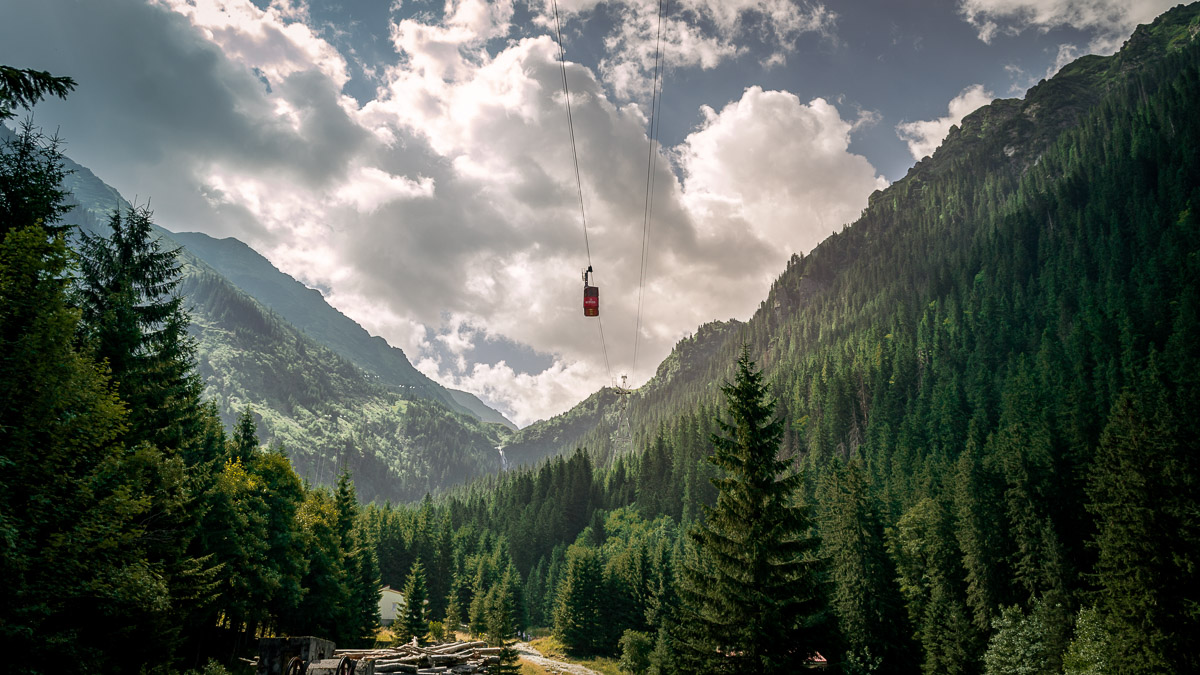
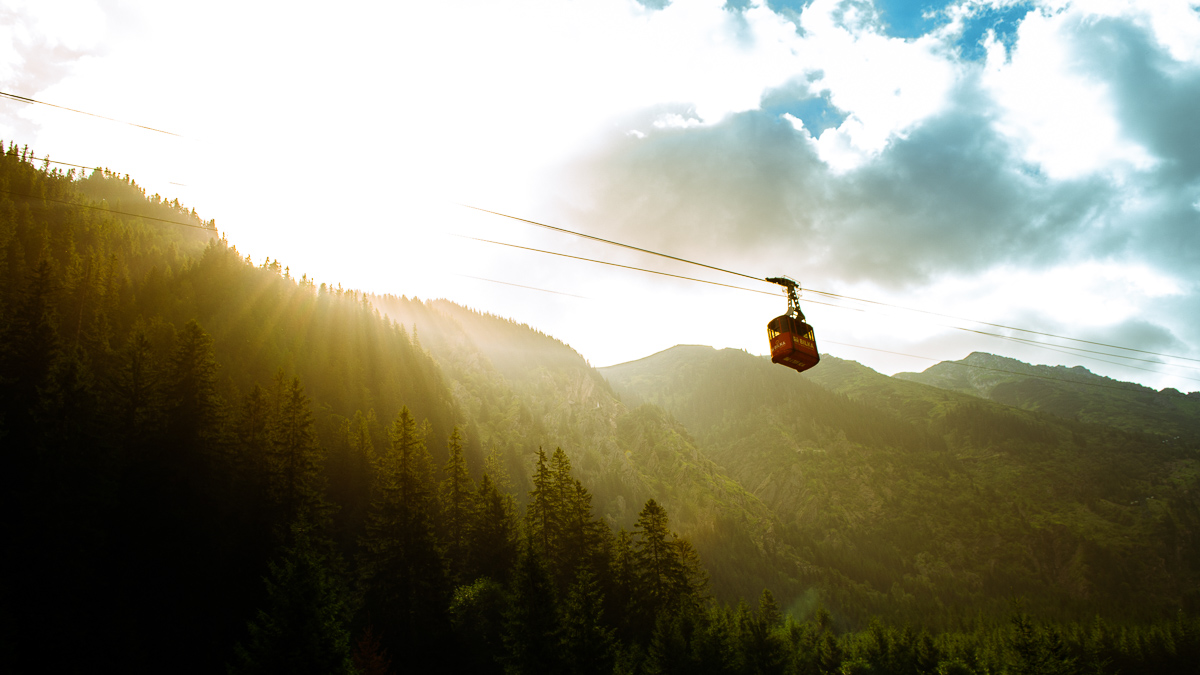
    • You can take the cable car from hotel Balea Waterfall. The ride takes about 12 minutes until the final destination. Keep in mind, the cable care is not working in bad weather conditions.
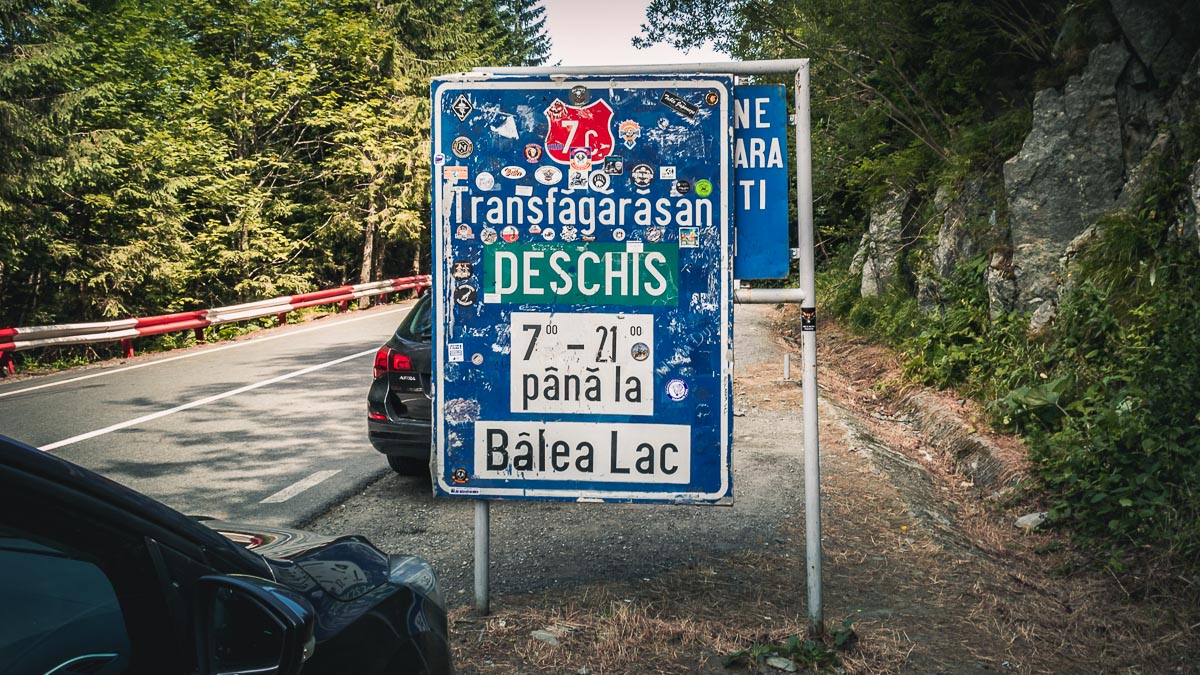
    Transfăgărășan road sign at Bâlea Waterfall.
    Transfagarasan road sign near Balea Cascada Cabin.
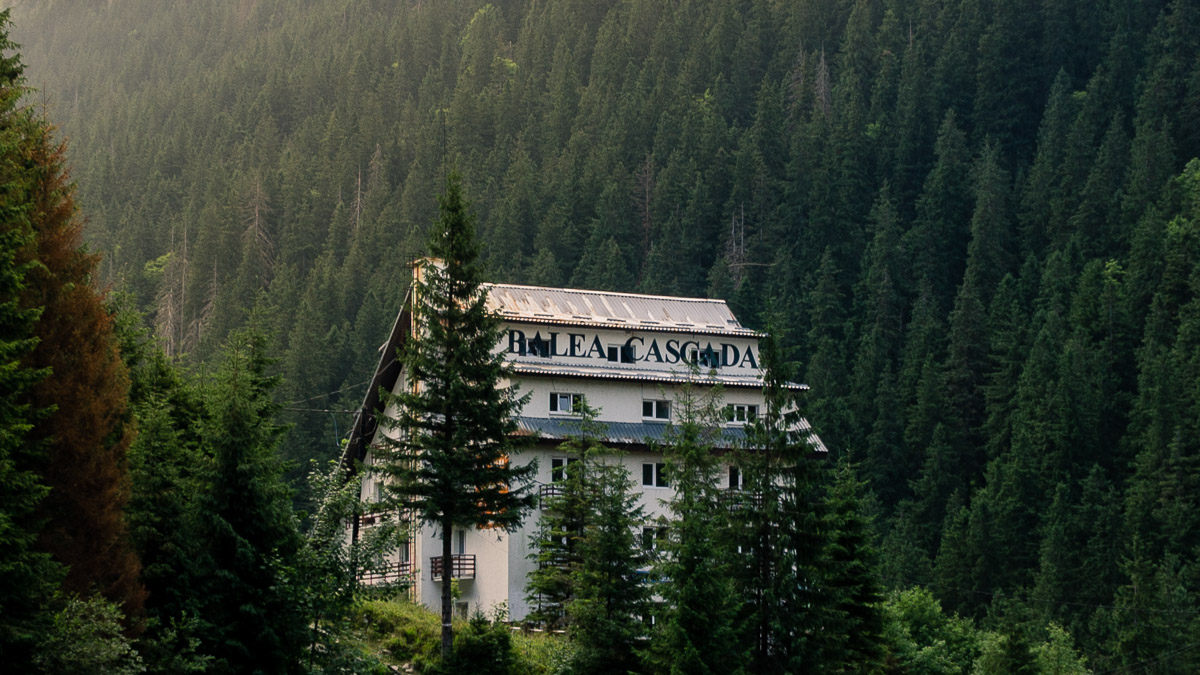
    The scenery near hotel Bâlea Cascada.
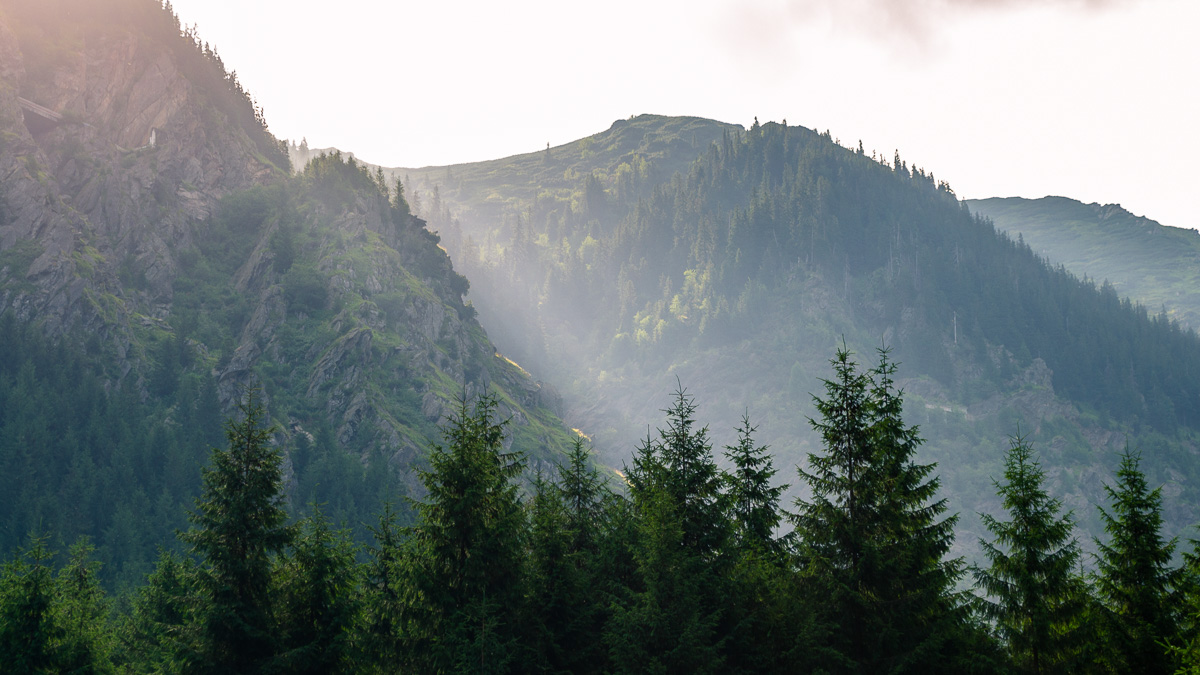
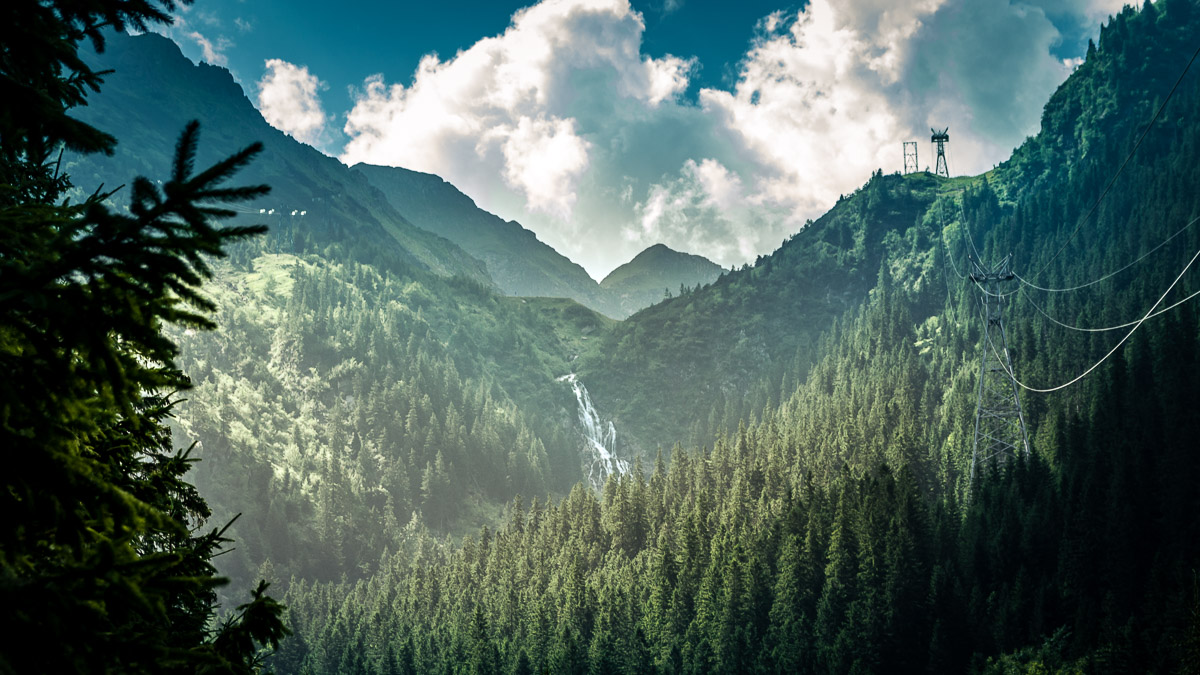
    The beautiful Alpine scenery in the Fagaras Mountains.
    Cable car near hotel Bâlea Cascada.
    Cable car on bright summer day.
    Tourists heading towards the waterfall.
    Path towards the Balea Waterfall.
    The Făgărăș Mountains.
    The Fagaras Mountains.
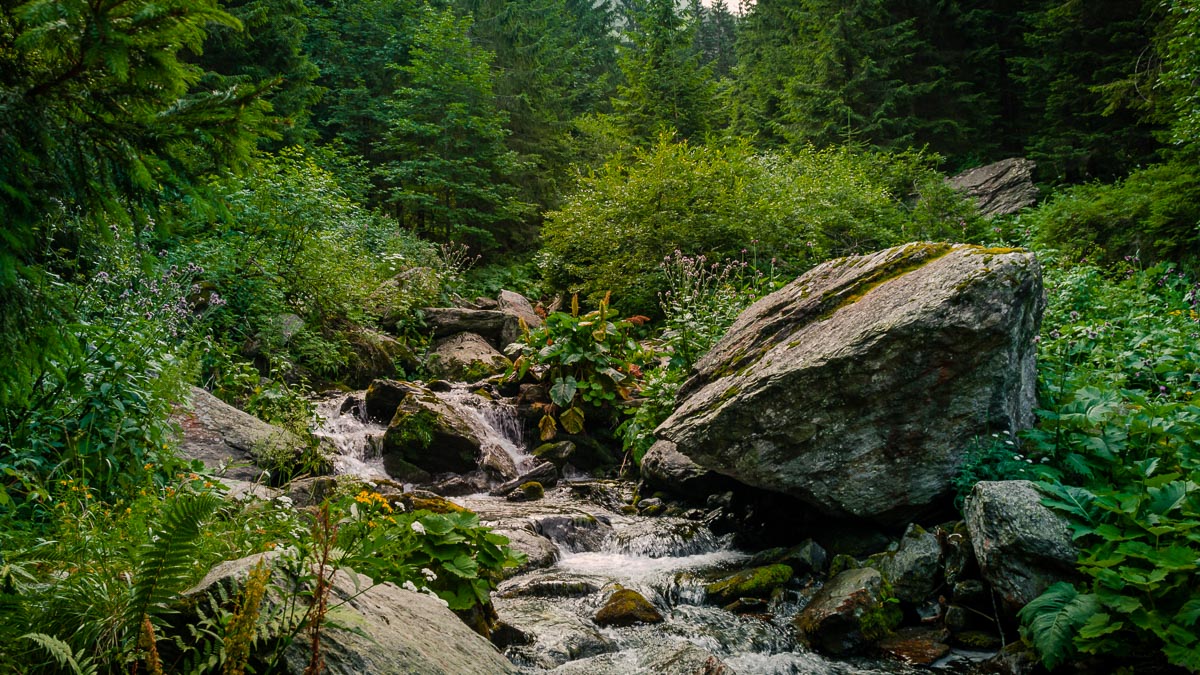
    Mountain stream in the forest.
    A small mountain stream near the path towards the Balea Waterfall.
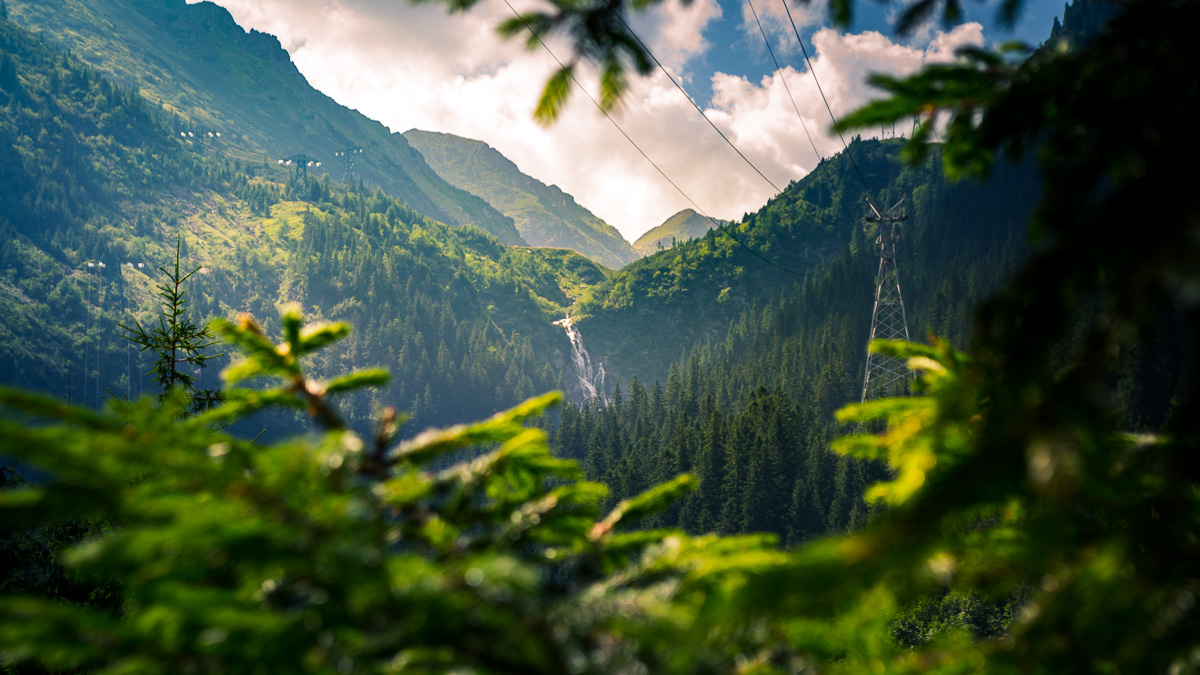
    The Bâlea waterfall.
    The Balea Waterfall in the background.
    The Bâlea waterfall in the Făgăraș Mountains.
    The waterfall from a slightly different angle.

    The Balea Cascada Cabin

    This spot tends to get quite busy, especially during the summer months when it attracts a lot of tourists. On a warm, sunny day, you’ll see people coming here to enjoy the beautiful scenery, go hiking, or visit the nearby attractions. Because of its popularity, finding a parking space can sometimes be a bit tricky. The small parking areas quickly fill up, so it’s a good idea to arrive early if you want to avoid the crowds.
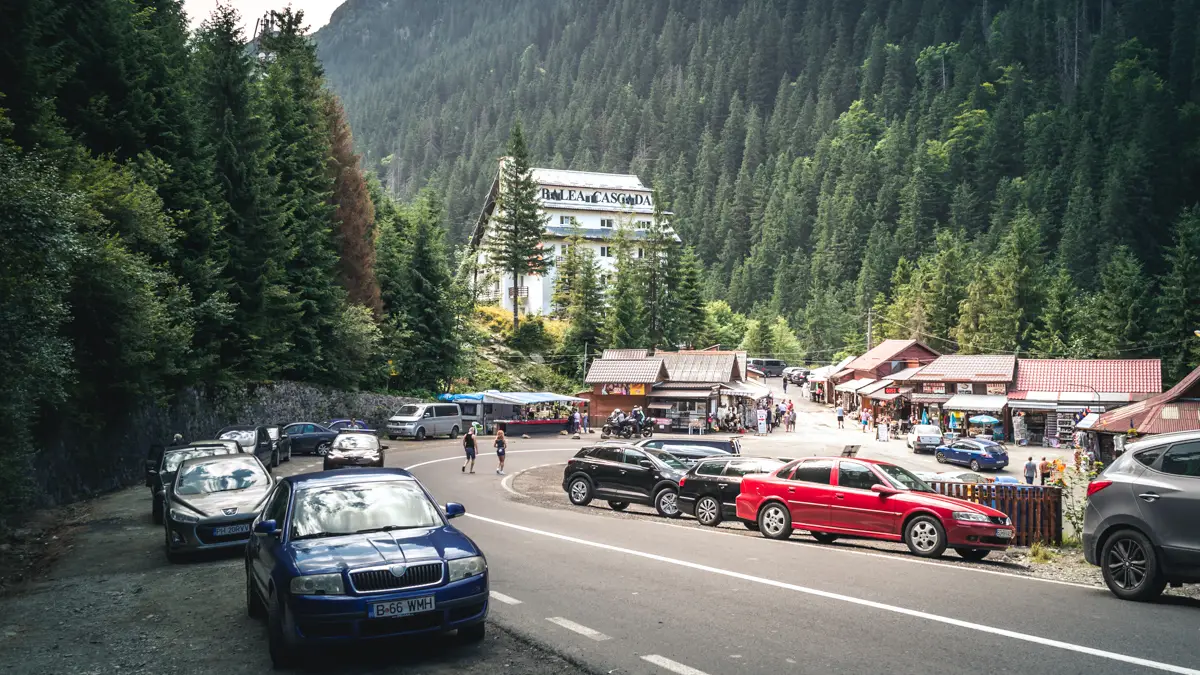
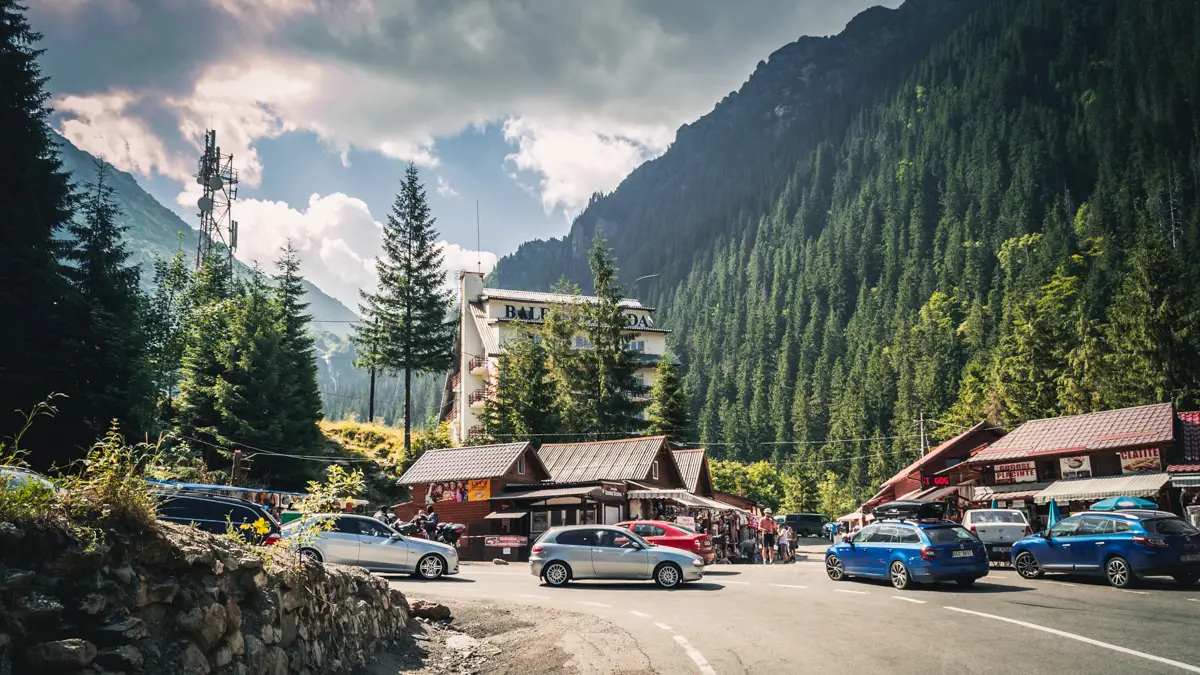
    Many tourists near the cabin.
    Many cars near the Balea Cascada Cabin.
    Small shops near Balea Cascada Cabin.
    Small shops next to the Transfagarasan road.

    Other Must-See Attractions in Southern Transylvania:

    • Carta Monastery: As you make your way down from Balea Waterfall, your first stop should be the Carta Monastery. This historical site is one of the oldest Gothic-style monasteries in Romania and offers a peaceful atmosphere and fascinating architecture.
    • Clay Castle, Porumbacu de Sus: Just a short drive from the village of Carta, you’ll find the fairy-tale-like Clay Castle. Nestled near the village of Porumbacu de Sus, this unique building, made entirely from natural materials, looks like something out of a storybook and is definitely worth a visit.
    • Brukenthal Summer Palace: If you’re feeling hungry, make a stop at the Brukenthal Summer Palace. This elegant estate features a lovely restaurant where you can enjoy a delicious meal before continuing your journey through the southern Transylvania.
    • Sibiu Old Town: Lastly, no visit to Southern Transylvania would be complete without exploring the historic city of Sibiu. Its charming old town, with narrow cobbled streets, colorful buildings, and lively squares, is one of my favorite spots in the region. Whether you’re interested in history, culture, or simply taking in the sights, Sibiu offers something for everyone.
  • Bezid Memorial Park in the heart of Transylvania

    Bezid Memorial Park in the heart of Transylvania

    Share this:

    The Bezid Memorial Park is located close to lake Bezid in Mureş County, Romania. It was built in memory of the former village of Bezidu Nou which currently lies under the lake’s water. The sad history of this Transylvanian village starts in 1975 when the construction of the nearby dam has started. Mainly, the dam was constructed to prevent flooding in the area but in exchange, the village of Bezidu Nou had to be evicted. The construction was stopped in 1977 but unfortunately it was resumed in 1984.

    In 1985 the villagers were evicted because the dam was finished and the water level started slowly to rise. In 1994 the two churches from the village were covered entirely by water.

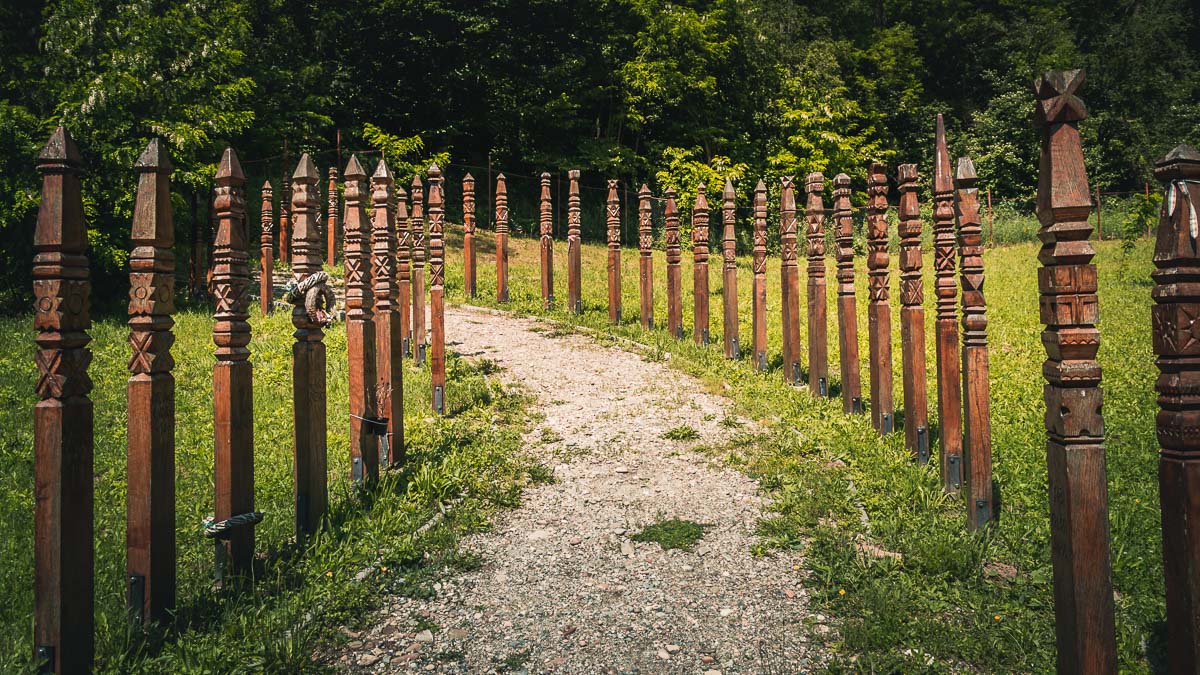
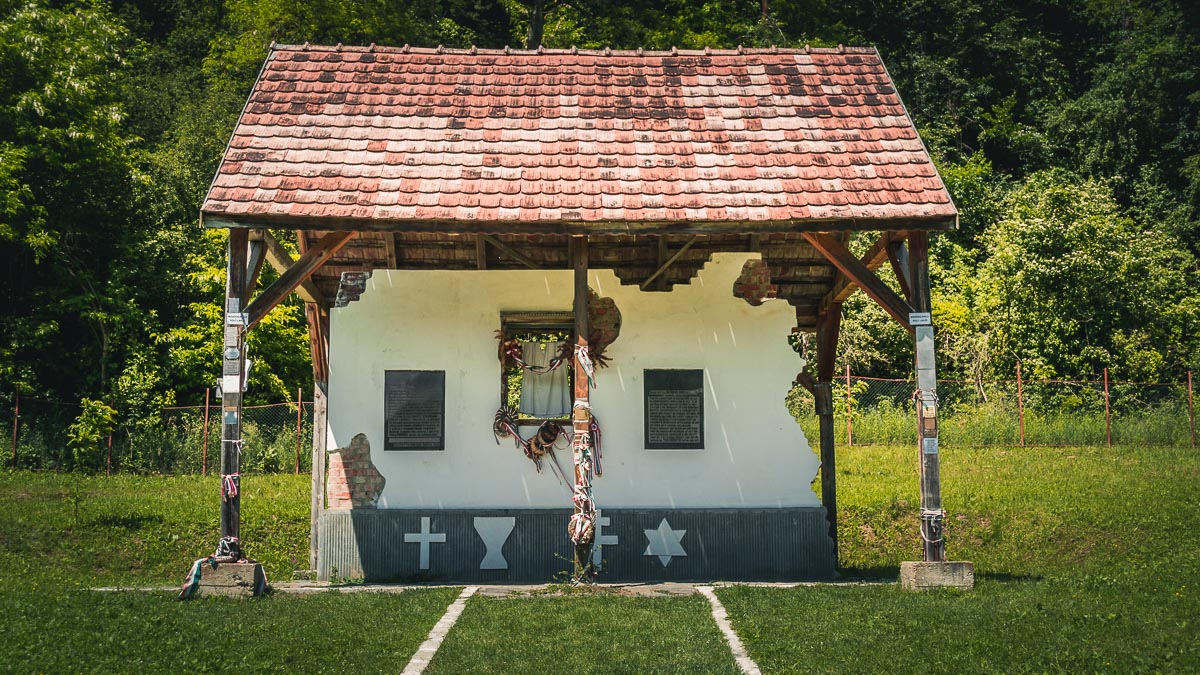
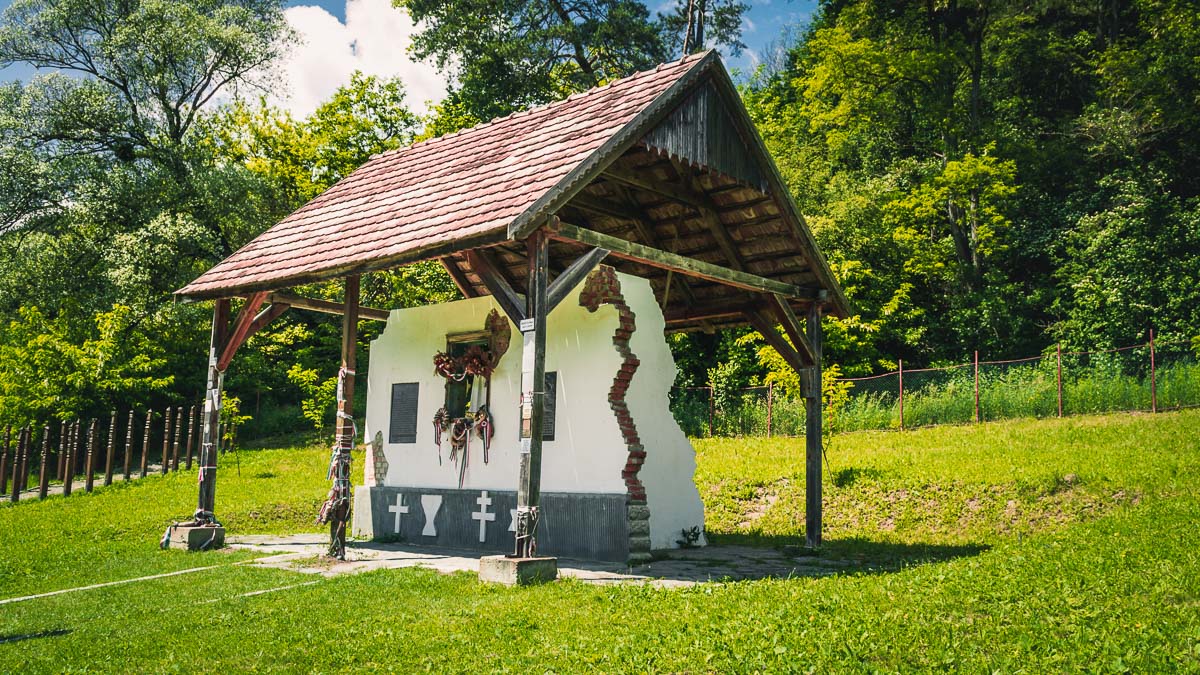
    In 1995 a former inhabitant built a memorial park on the outskirts of the former village of Bezidu Nou. Inside the small memorial park you will find a collapsed wall. Next to the wall, you will find funeray pillars which actually is a map of the former village. You will also find some older images of the village before and after it was covered by the water.

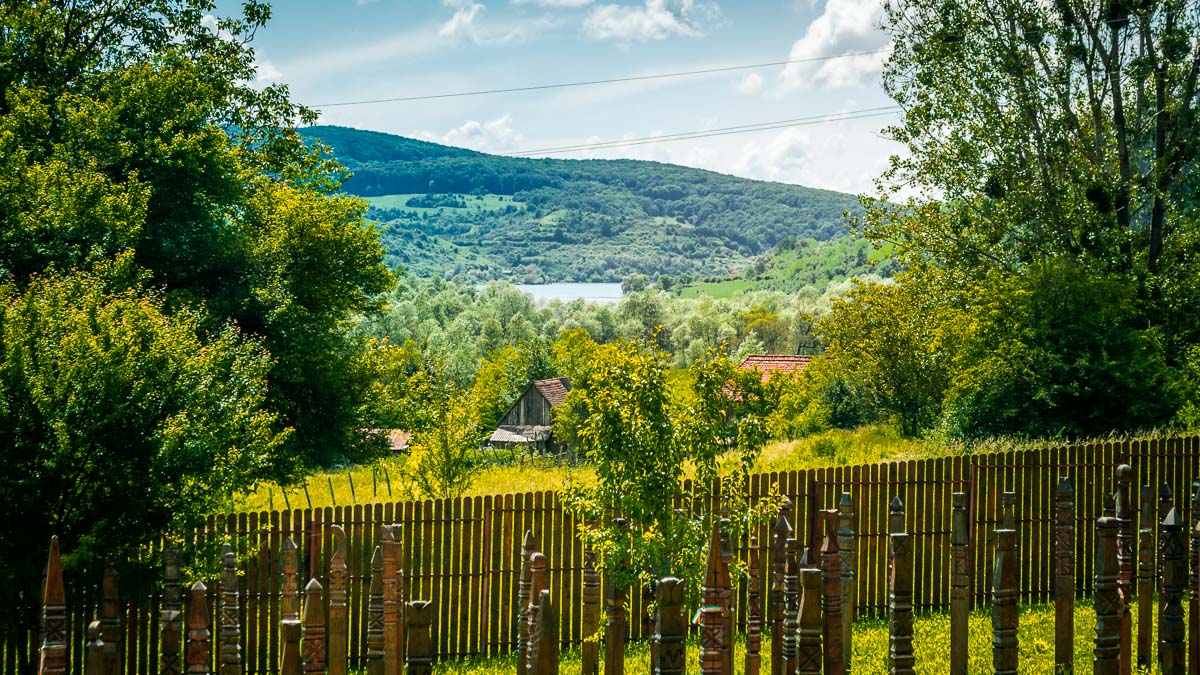
    Collapsed wall in the Bezid Memorial Park.
    Funeral pillars in the memorial park.
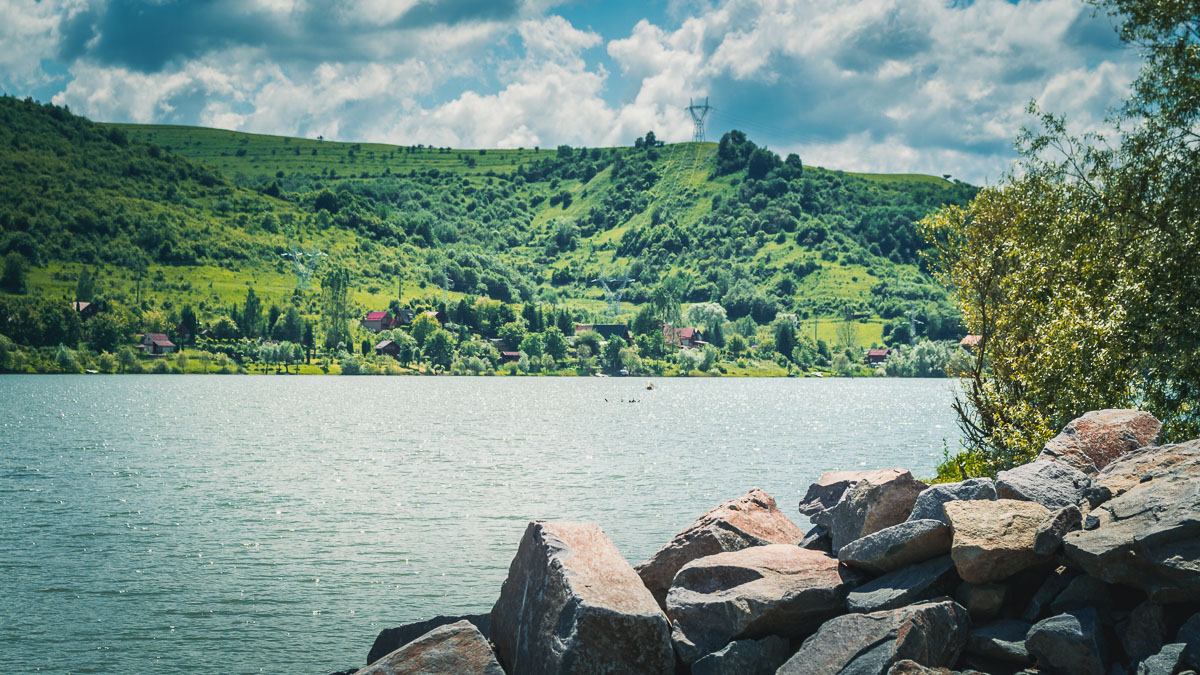
    A small part of lake Bezid in the background.
    Lake Bezid in the summer.

  • Transluncani, a spectacular road which was built in the mountain

    Transluncani, a spectacular road which was built in the mountain

    Share this:

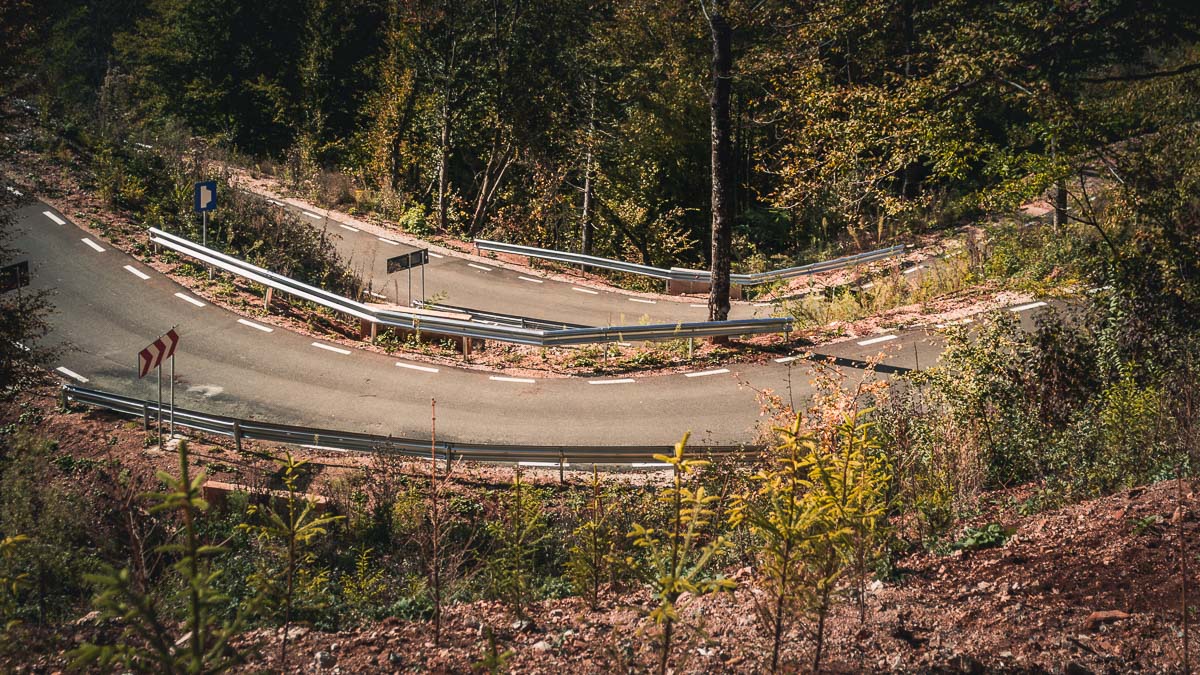
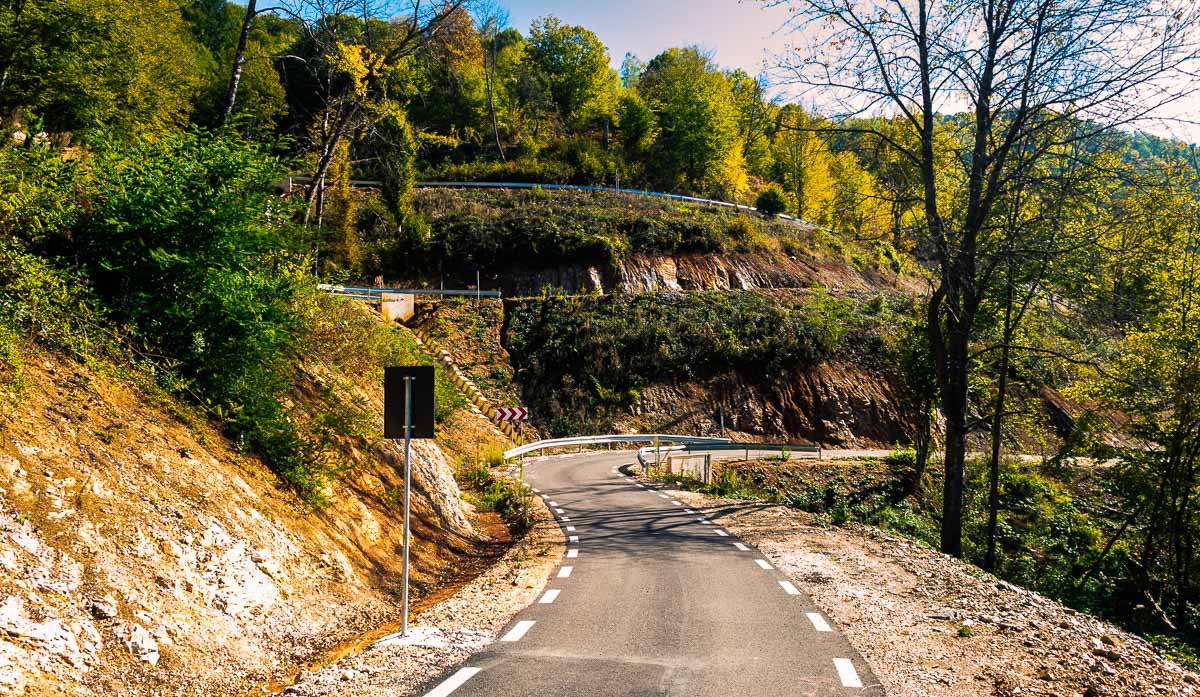
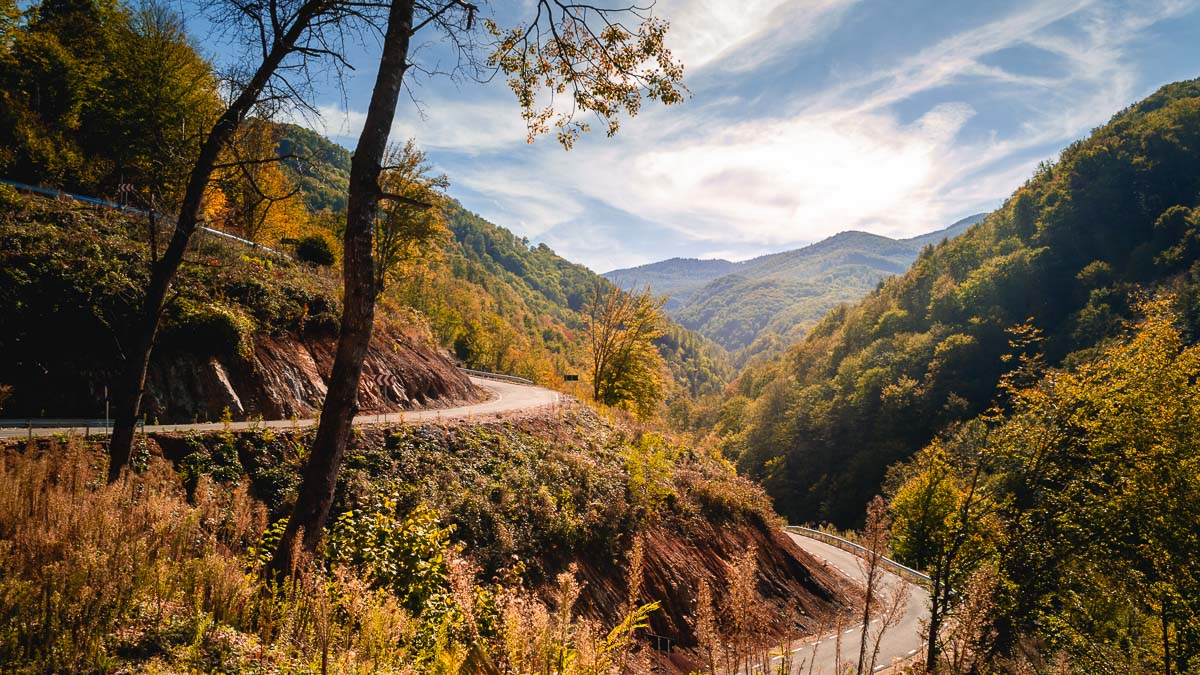
    The Transluncani is a spectacular road which was built in the mountains and you will find it near the village of Luncanii de Jos, Timiș County. The construction of this road was finished in 2019 and it was built mainly to facilitate the access to the plateau where the locals have their lands. The plateau is at an altitude of around 700 meters. On the Translucani you will find many steep hairpin turns and sharp descents. The highest gradient is around 20%. It’s recommended to drive slowly and carefully because the road is very narrow and two cars can barely fit.

    The Transluncani road is a smaller version of Transalpina or Transfăgărășan which currently are the most popular mountain passes in Romania.

    Transluncani road.
    The road at different altitudes.
    The Transluncani road in the summer.
    The mountains surrounding the Transluncani road.
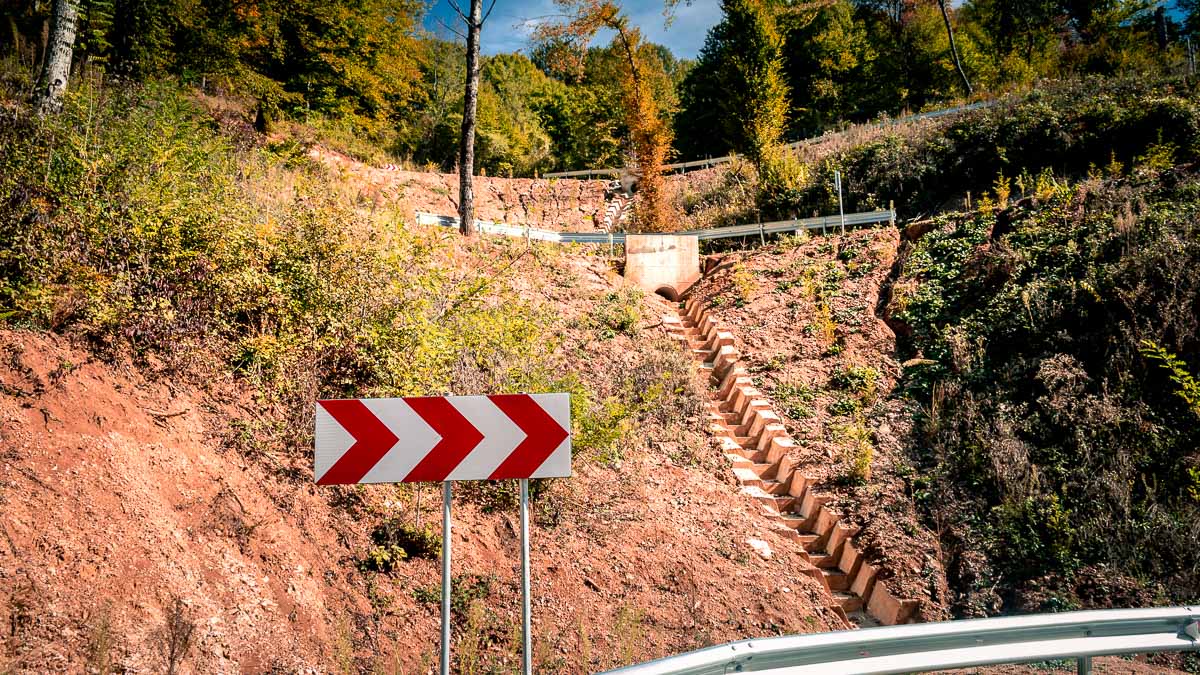
    Road drainage.
    Sharp turn with the forest in the background.
    The mountains which surrounds the Transluncani road.

    Other things to visit in the area:

    • Valea lui Liman – This is a popular touristic complex which has a nice restaurant and a hotel. It’s only about 7 km away from Transluncani.
    • Sopot waterfall – This is another popular attraction in the area that you must visit.

  • Constanta Promenade

    Constanta Promenade

    Share this:

    Nestled along the western coast of the Black Sea, Constanta is Romania’s oldest continuously inhabited city. Founded around 600 BC as a Greek colony known as Tomis, Constanta has a storied past that includes Roman conquest, Byzantine influence, and Ottoman rule. This city is about 220 kilometers from Romania’s capital, Bucharest. During our short visit, we spent most of our time in the old town, which is where you’ll find most of the city’s main tourist attractions. After exploring a small part of the old town, it was time to check out the promenade. We started and ended our walk near the port of Constanta.

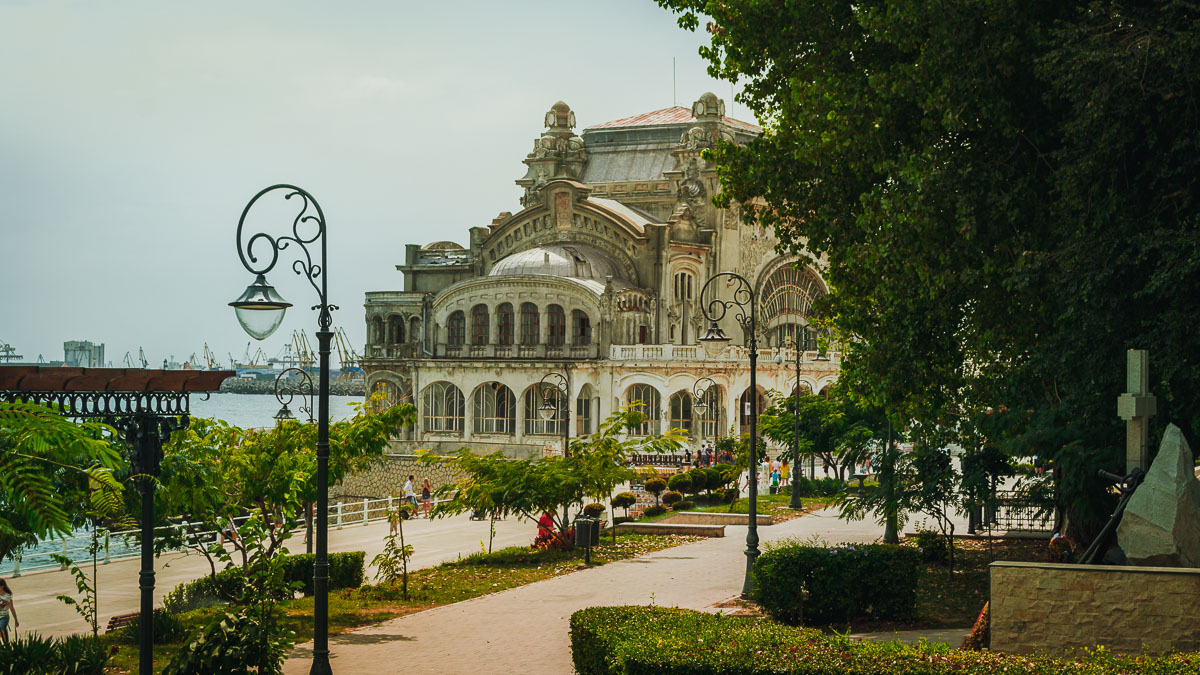
    As you walk along the promenade, you’ll pass by some of Constanta’s most iconic landmarks, including the famous Casino, a stunning Art Nouveau building that has become a symbol of the city. The promenade also takes you past the old Genovese Lighthouse, a historic structure that once guided ships safely into the port.

    The Casino

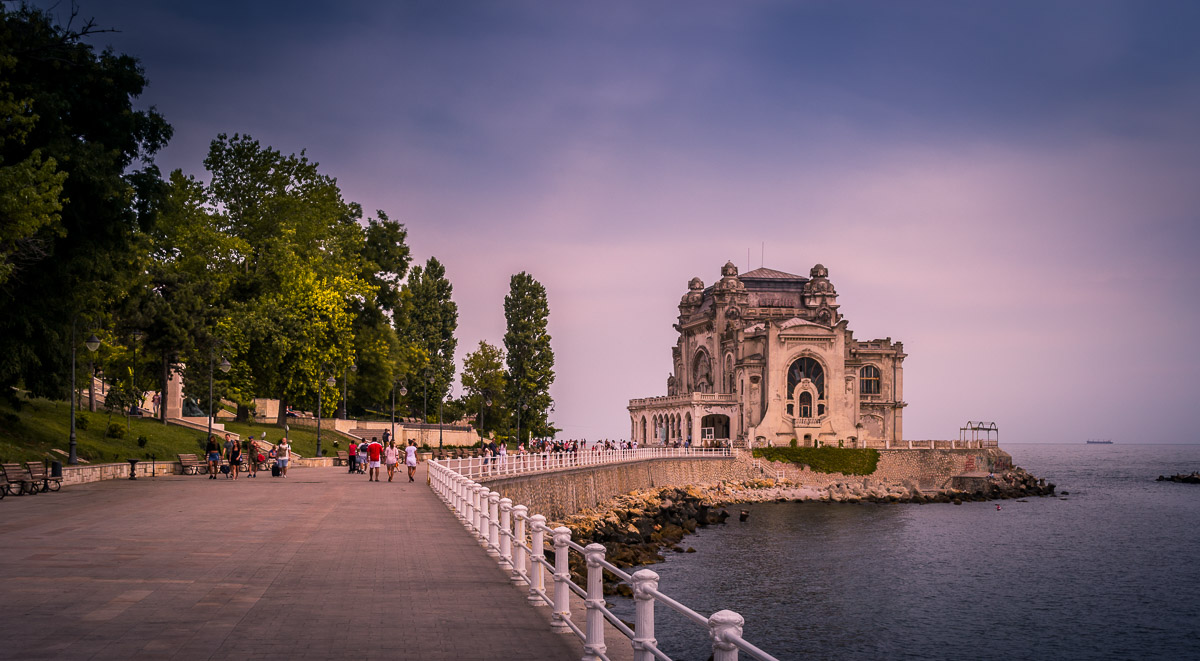
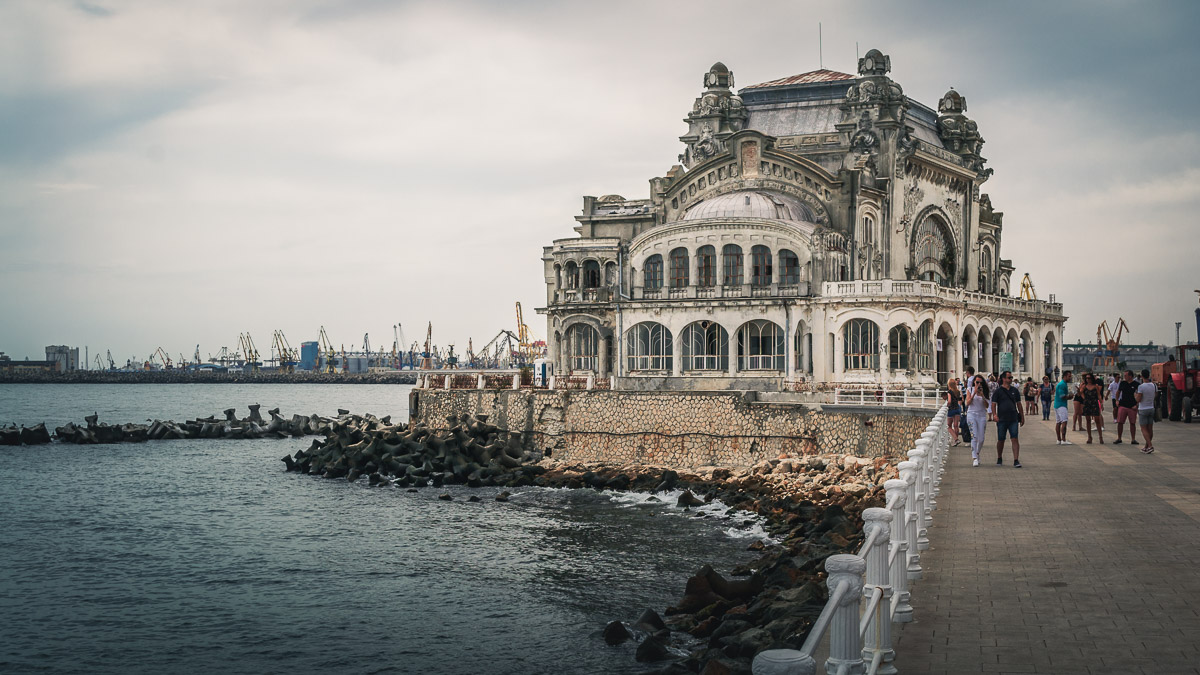
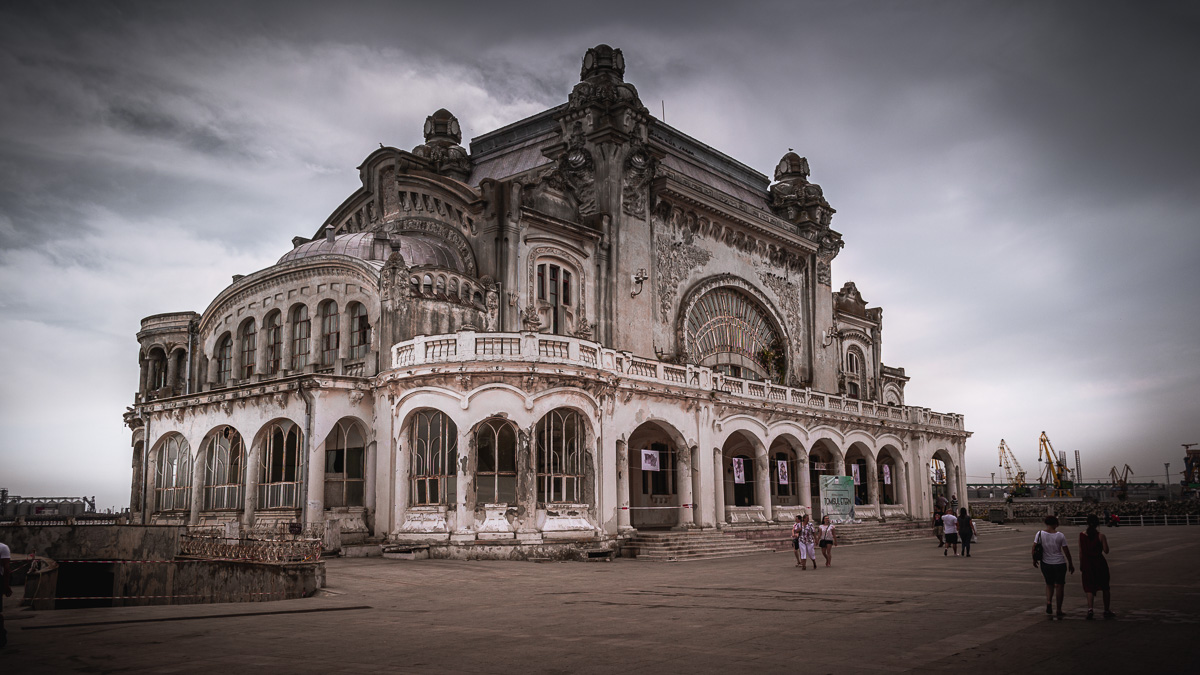
    The Casino, an Art Nouveau masterpiece, is perhaps the city’s most iconic landmark. This beautiful building is located on the seafront, near the port. The photos below were taken before the Casino began its restoration. As you can see, the building was neglected by the local authorities at that time, and it had started to fall into disrepair. I’m really curious to see how it will look once the restoration is complete.

    The Casino in the city of Constanta.
    The Casino in Constanta.
    The Casino before the restauration.
    A close-up photo of the Casino.
    The Casino and the promenade in Constanta.
    People leisurely strolling along the promenade, enjoying the fresh sea breeze and the historic landmarks.

    The Genovese lighthouse

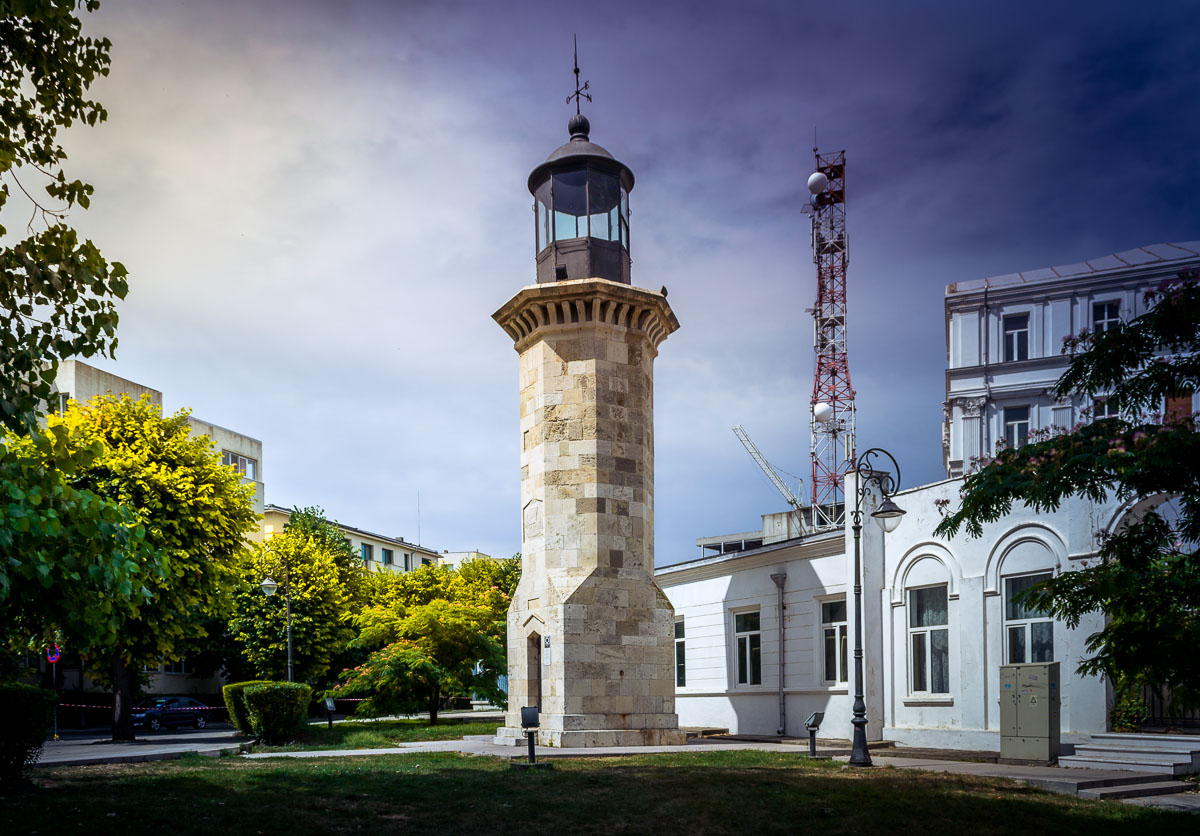
    Not far from the Casino, you will find the old Genovese lighthouse which was used until 1913. Today it only serves as a landmark along with other old buildings in the area. As an interesting fact, this lighthouse was visited by Price Carol I in 1879.

    The Genovese lighthouse.
    The Genovese lighthouse.

    Near the port of Tomis

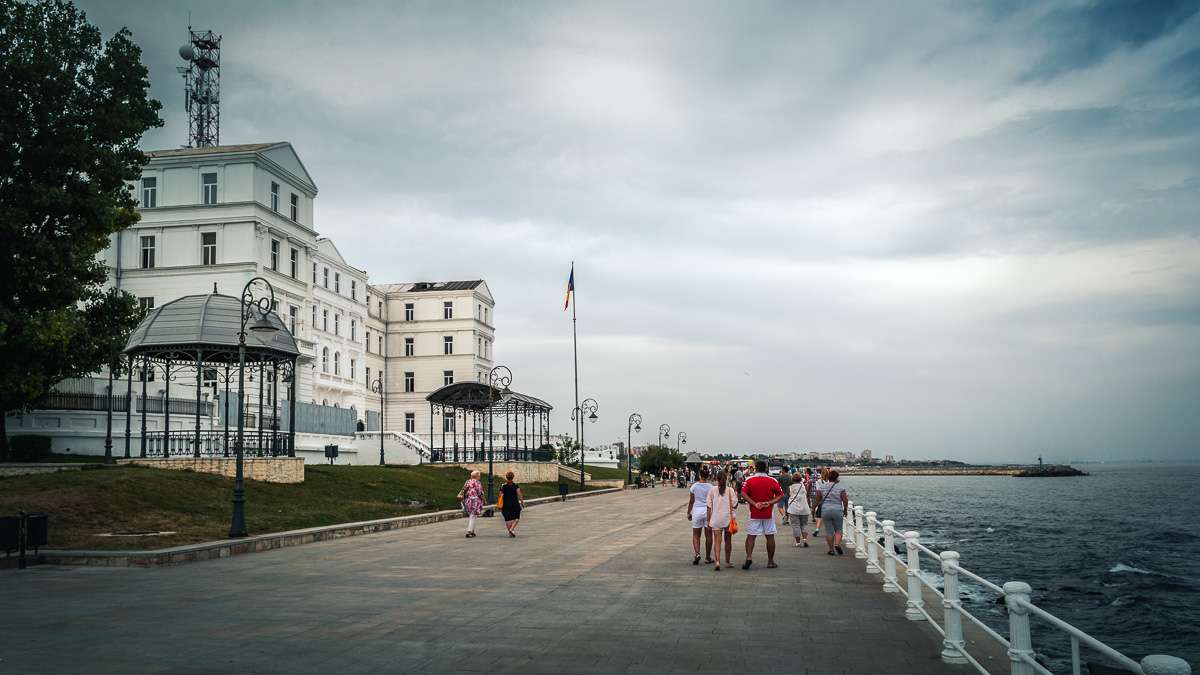
    Continuing our walk on the seafront, we reached a large white building which today is actually the Fleet Command. Not very far from this place, you will find the port of Tomis.

    The Fleet Command and the seafront.
    The Fleet Command.
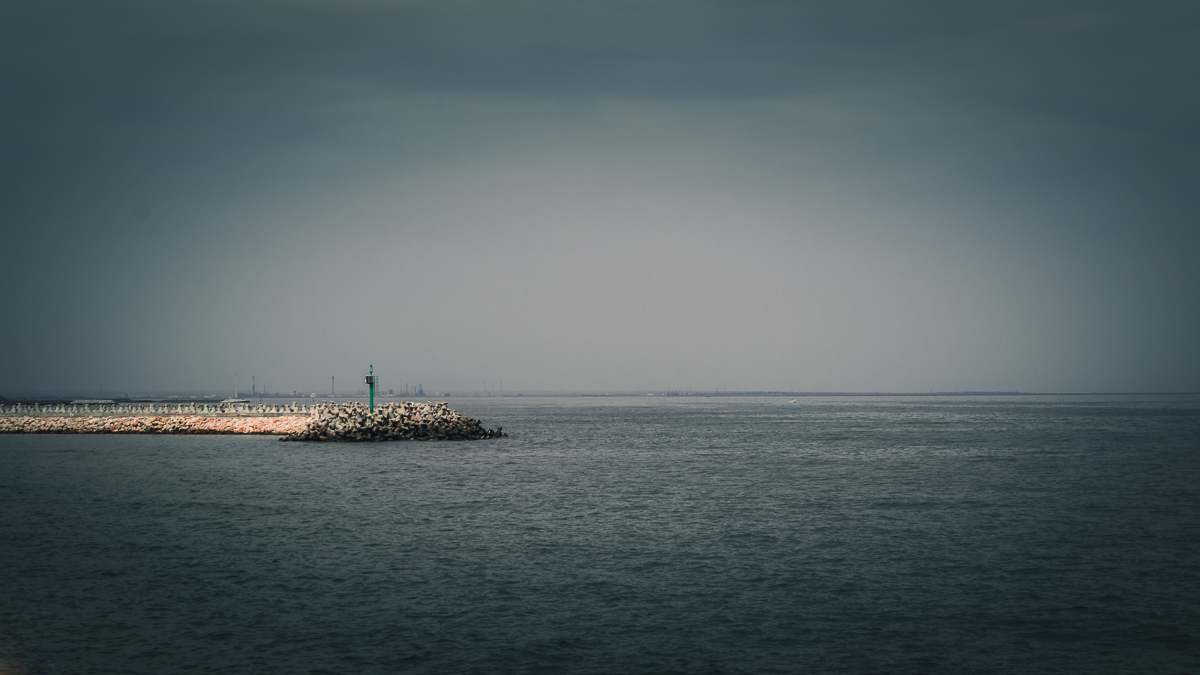
    The Black Sea and the entrance into the port of Tomis.
    The Black Sea near the port of Tomis.

    The port of Constanta

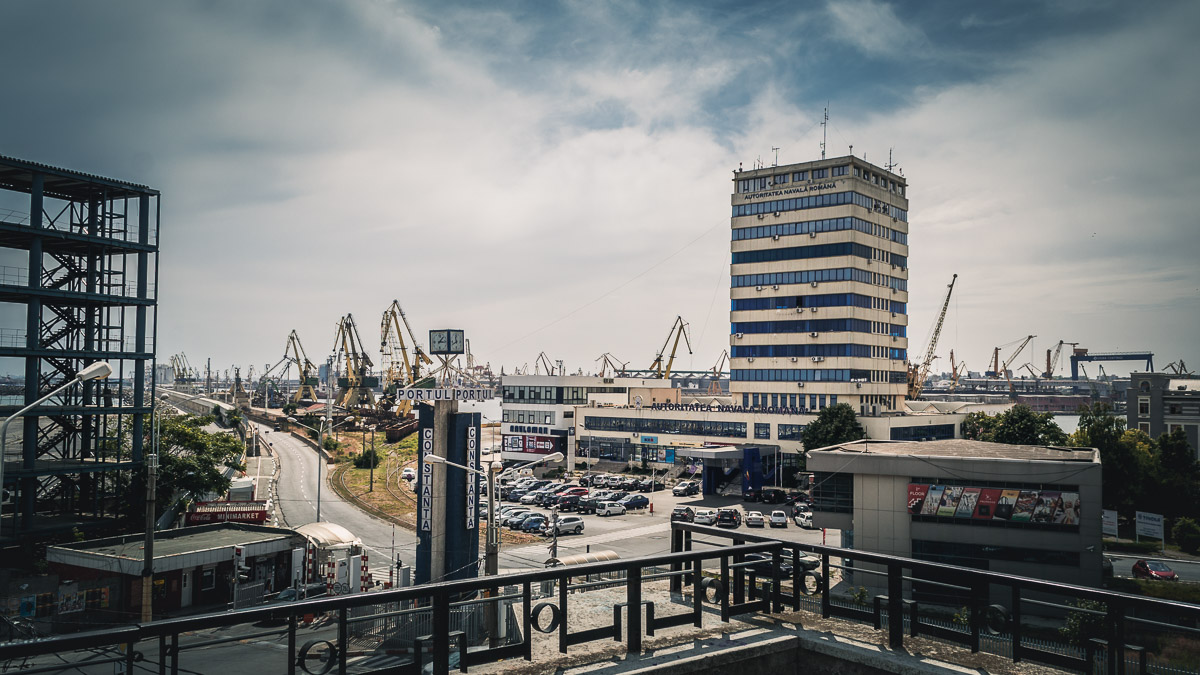
    The port of Constanta is the largest in Romania and sits on the Black Sea. It’s both a maritime and river port because it’s connected to the Danube through the Danube-Black Sea Canal. This connection allows some cargo to be transported along the Danube to European countries that don’t have direct access to the sea.

    The port of Constanta.
    The port of Constanta.
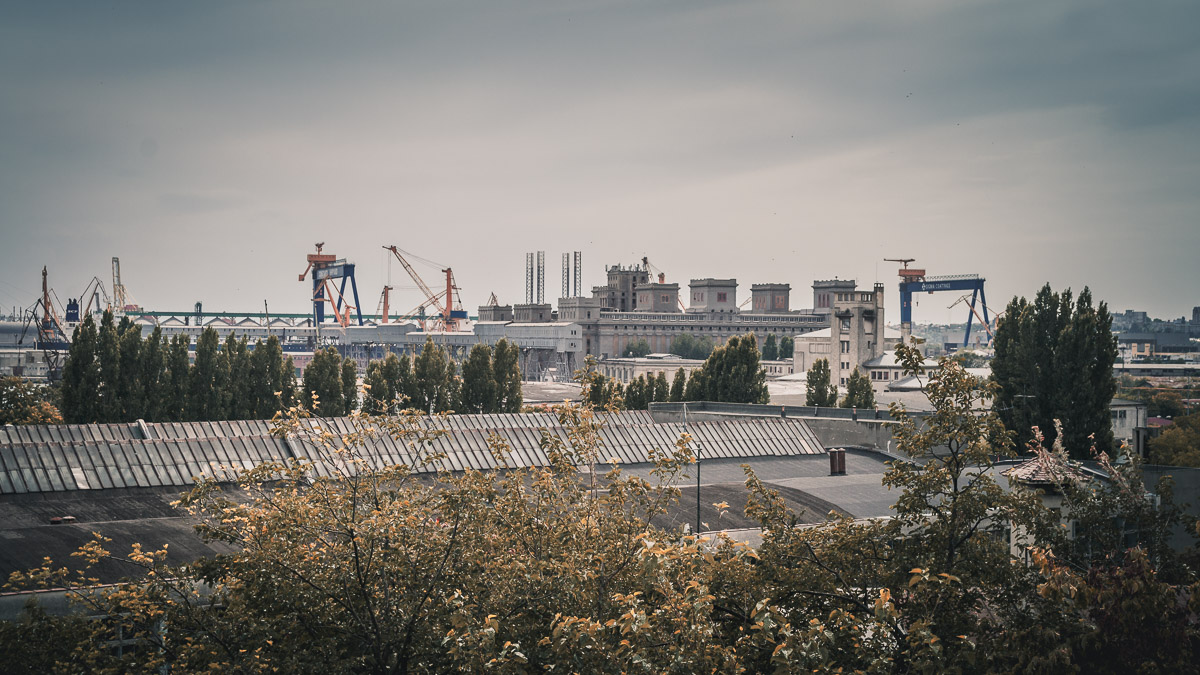
    Large cranes and buildings in the port.
    Cranes and industrial building in the port.

    What else can you do near the Black Sea

    In the small city of Mangalia, which is about 45 km away from Constanta, you can take a boat ride in the port of Mangalia. Usually you can find these small boats that take tourists on ride around to port in the Touristic Port of Mangalia.

  • The Bicaz Gorge

    The Bicaz Gorge

    Share this:

    Located within the Cheile Bicazului-Hasmas National Park in Romania lies the breathtaking Bicaz Gorge. Situated amidst the Eastern Carpathian Mountains, this natural marvel is conveniently close to the renowned Red Lake, adding to the allure of the region’s attractions.

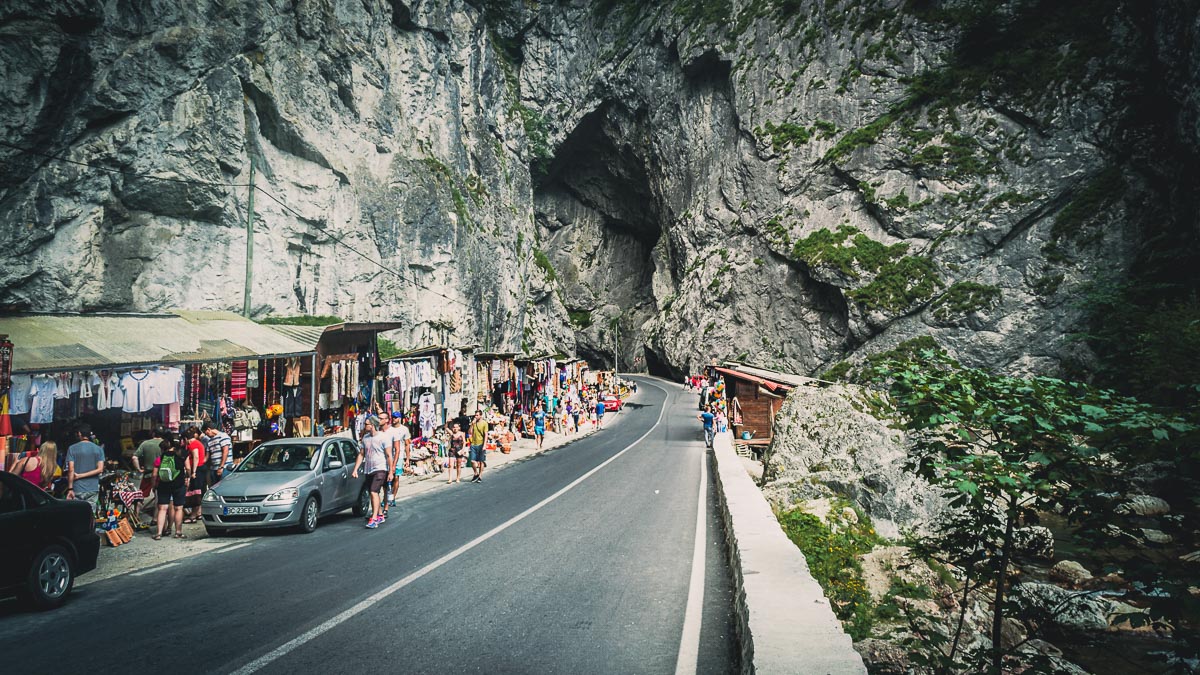
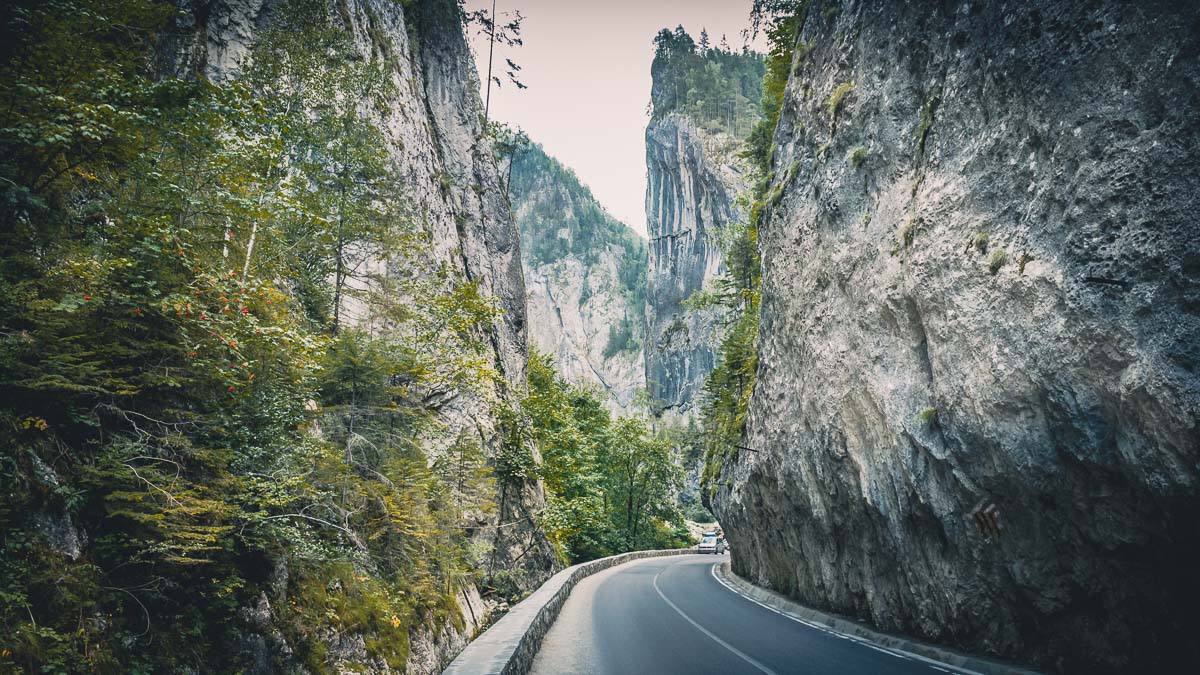
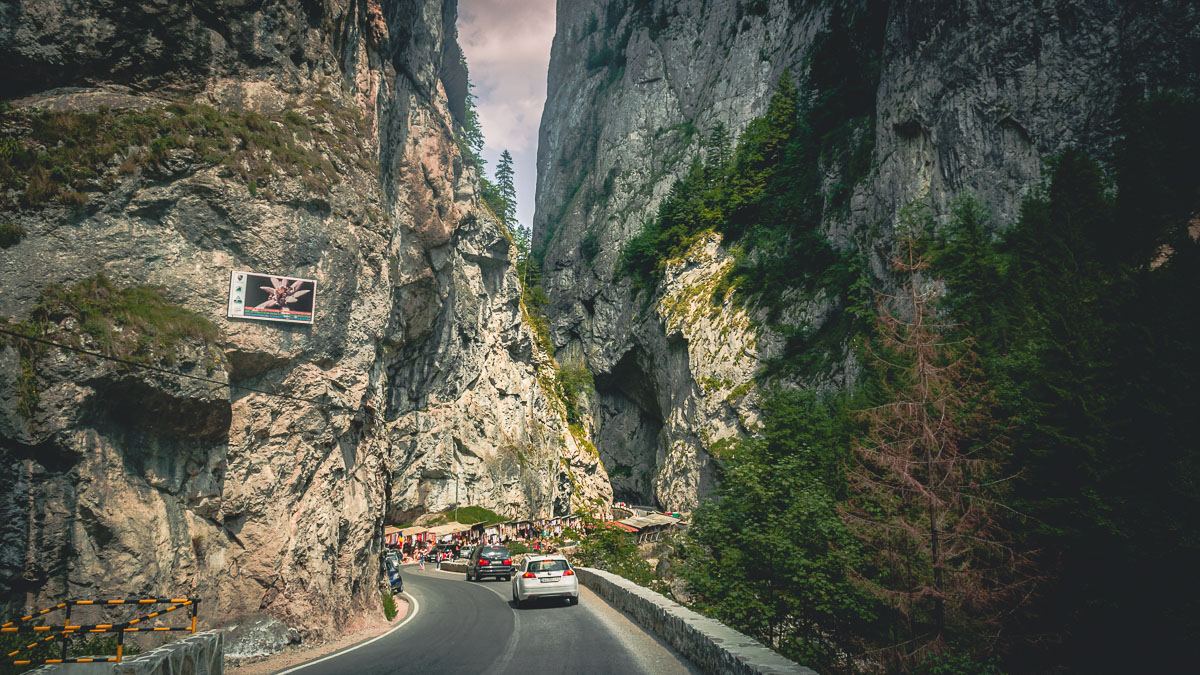
    Carved between towering cliffs alongside the rushing waters of the Bicaz River, the road through Bicaz Gorge serves as a vital link between the regions of Transylvania and Moldova. As you traverse this scenic route, you’ll encounter numerous quaint shops offering an array of souvenirs, providing an opportunity to take home a piece of the picturesque journey through this natural wonder.

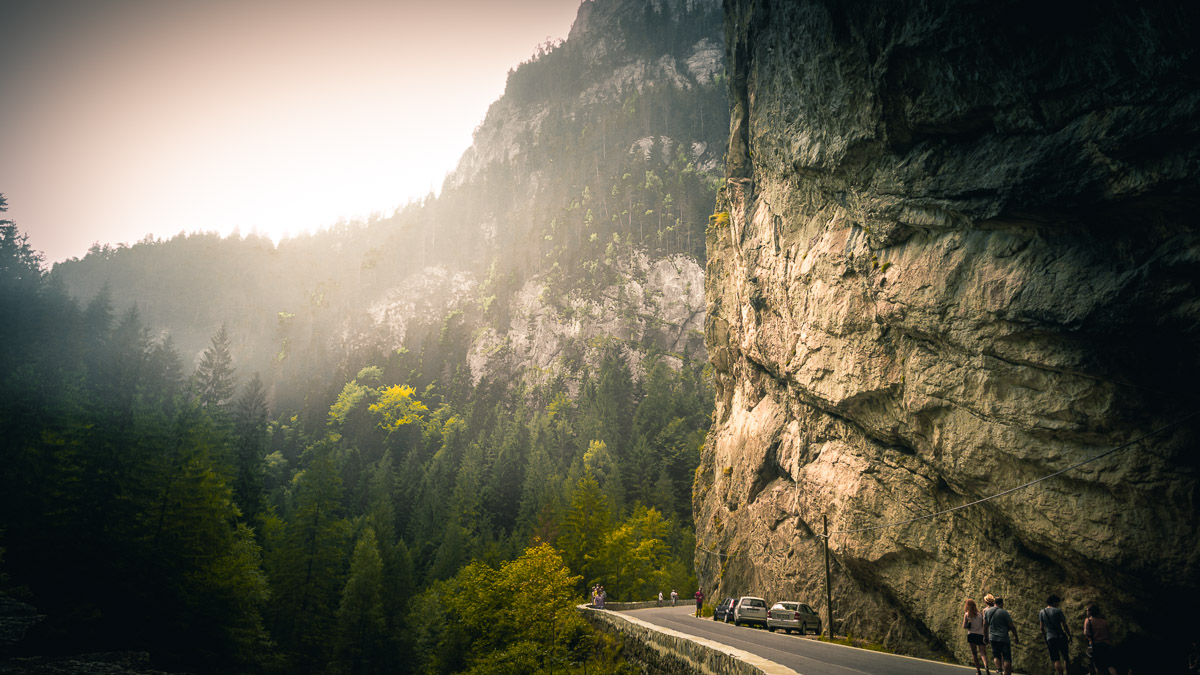
    Driving through Bicaz Gorge is an experience like no other, as travelers wind their way along a narrow road that hugs the rugged cliffsides. With each twist and turn, panoramic views unfold, revealing the untamed beauty of the surrounding landscape. Adrenaline-seekers are drawn to the challenge of navigating the winding road, while nature enthusiasts marvel at the diversity of flora and fauna that call this pristine wilderness home.

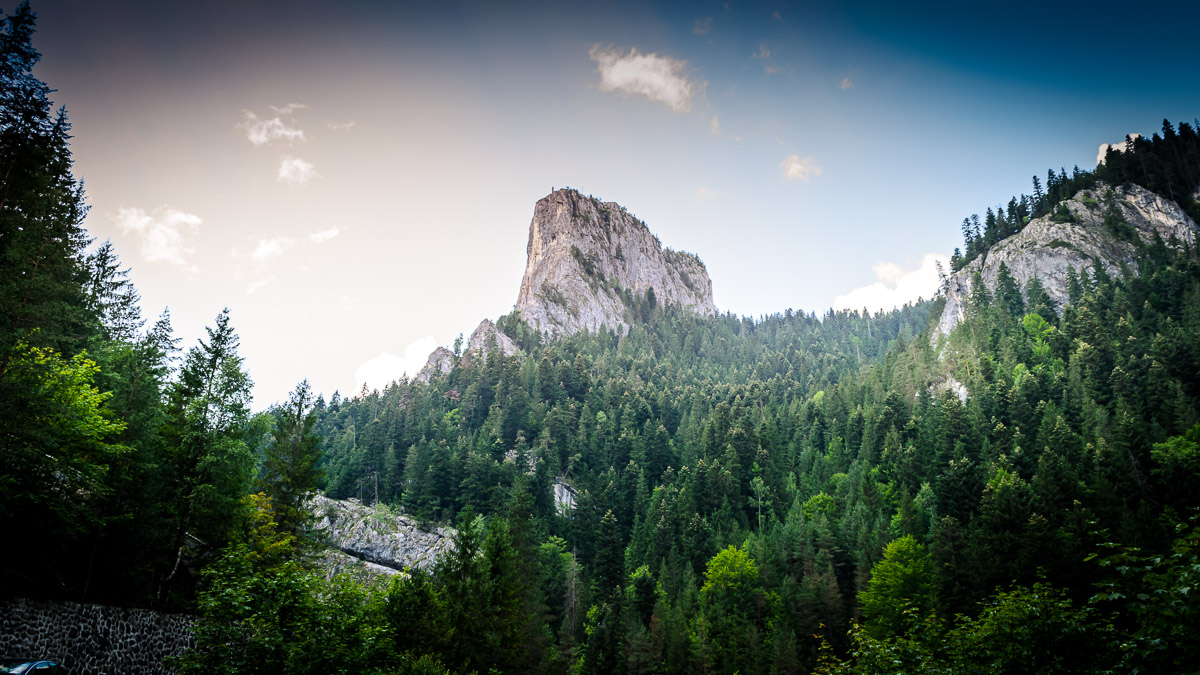
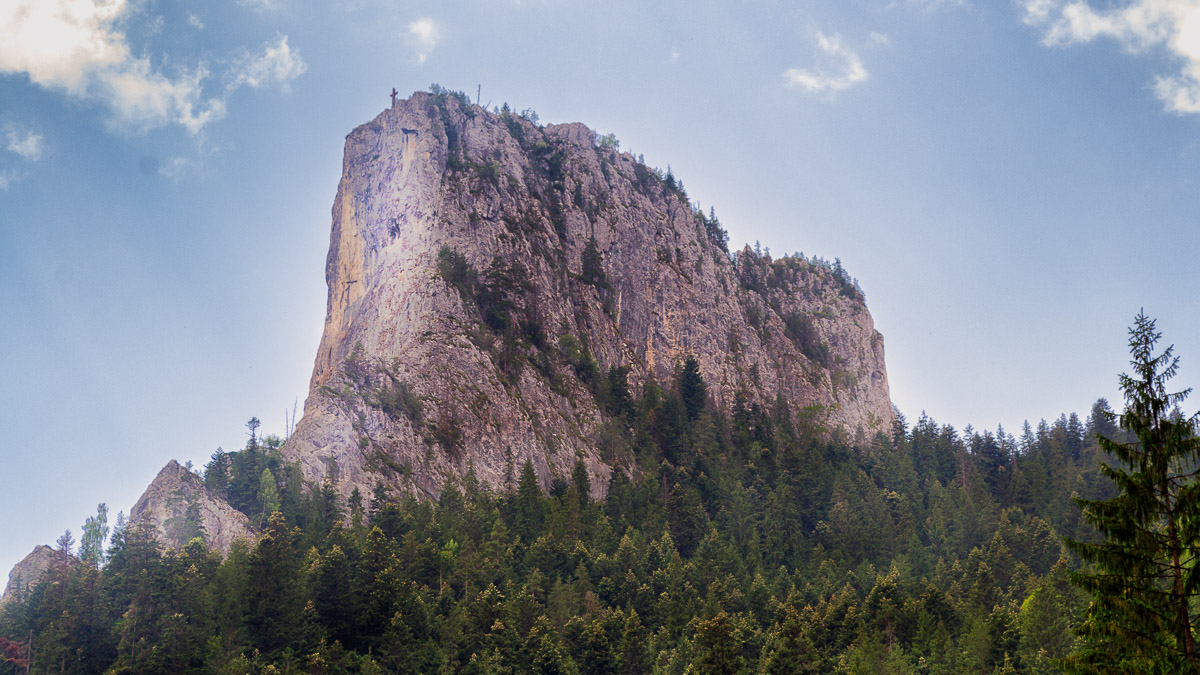
    The Piatra Altarului Mountain next to the Bicaz gorge.

    Steep cliffs next to the road

    One of the highlights of any visit to Bicaz Gorge is the chance to witness the spectacular rock formations that line the canyon walls. From towering spires to intricate rock formations sculpted by centuries of erosion, each formation tells a story of the geological forces that have shaped this landscape over millennia. Visitors are encouraged to pause and reflect on the ancient history written in stone, marveling at the sheer magnitude of nature’s craftsmanship.

    The national road between steep cliffs.
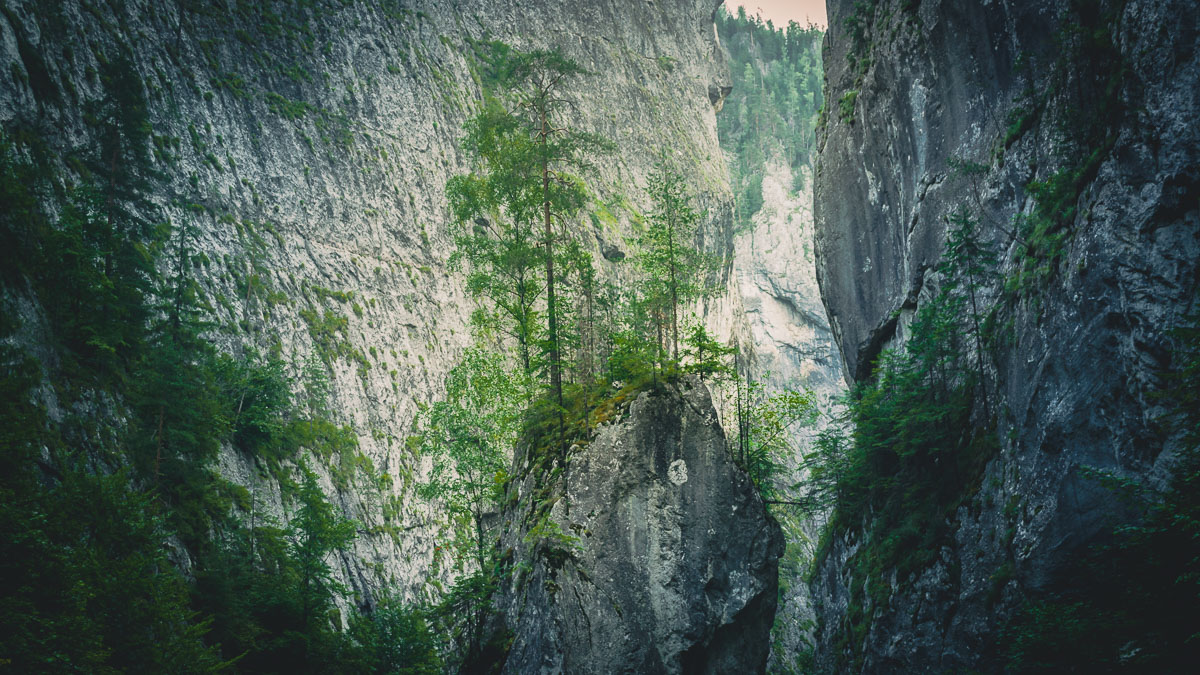
    Trees growing on a smaller cliff In the Bicaz gorge.
    Shops and tourists next to the road.
    Sunlight on the steep cliffs in the Bicaz gorge.
    Close-up photo of the Piatra Altarului.

    As one of Romania’s most beloved natural attractions, it continues to inspire and enchant visitors from around the world, inviting them to explore its rugged terrain and discover the magic of this hidden gem in the heart of Eastern Europe.

    What else can you visit?

    A short distance from the awe-inspiring Bicaz Gorge, travelers will encounter the picturesque Red Lake, a captivating natural wonder nestled within the breathtaking landscape of Romania.