Category: Transylvania

Uncover the region’s rich history, legendary folklore, stunning landscapes, and vibrant culture. Whether you’re seeking travel tips, historical insights, or a taste of Dracula’s legacy, Transylvania awaits your virtual exploration.

  • Visit the Szekler Gates in Transylvania

    Visit the Szekler Gates in Transylvania

    Share this:

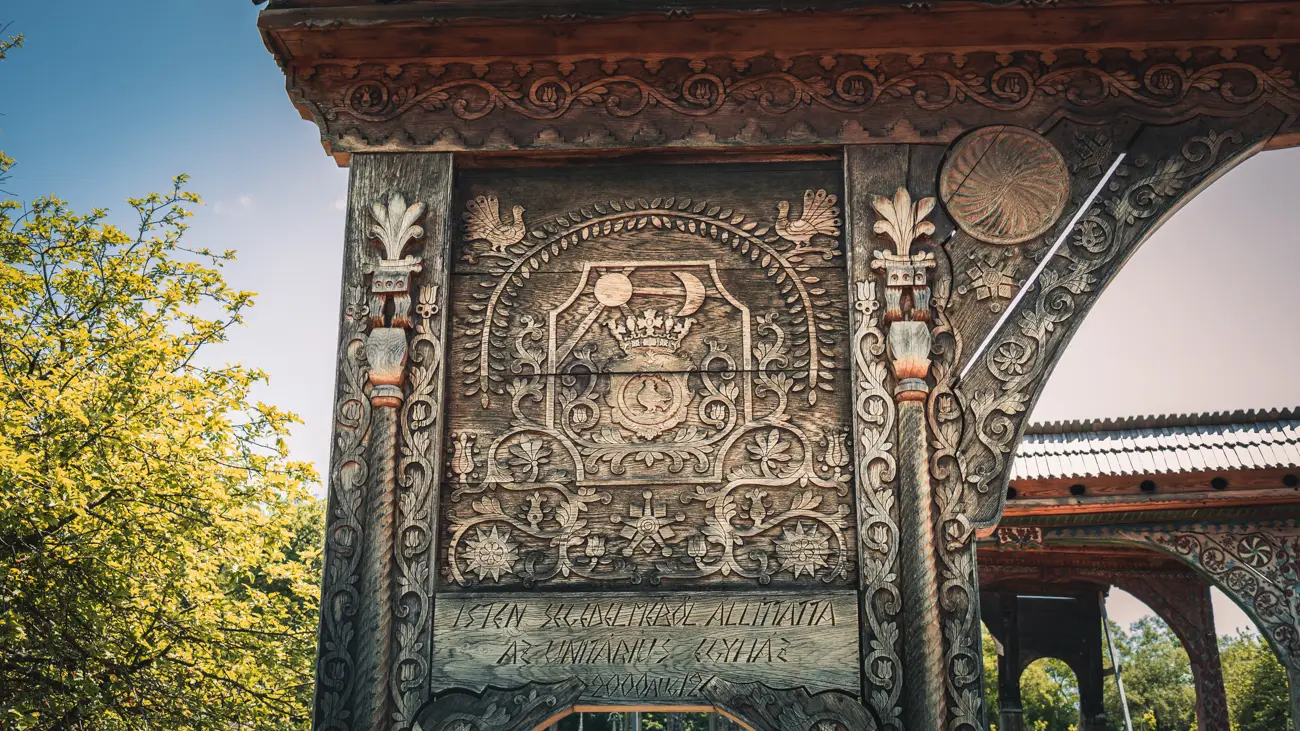
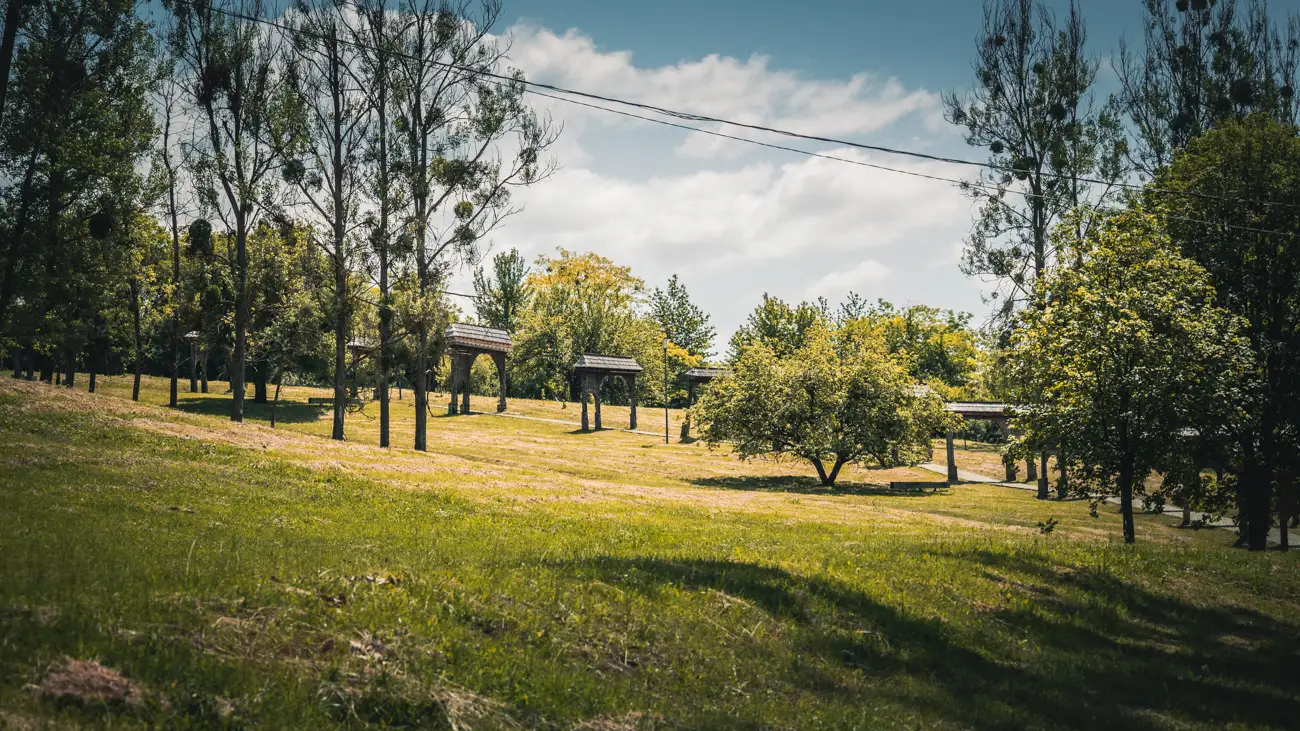
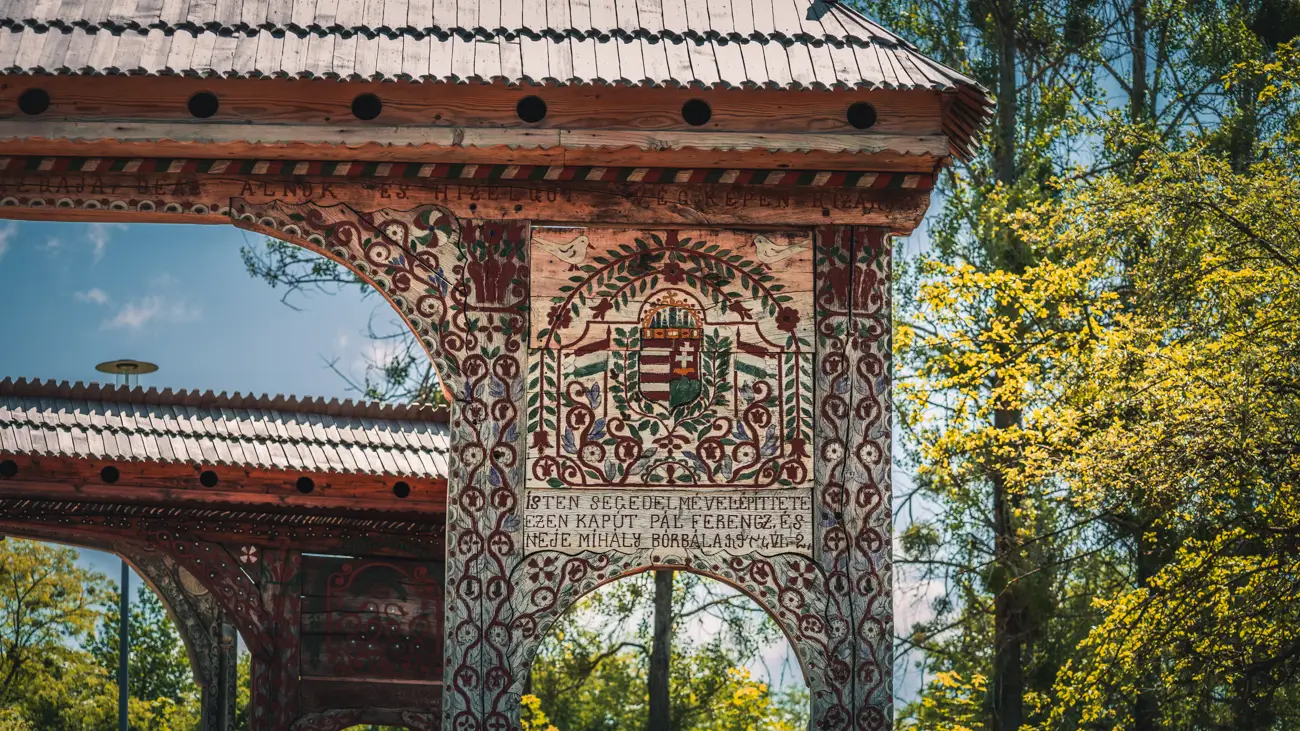
    Right next to Mini Transylvania you can visit an open-air exhibition of old wooden gates called Szekler Gates (or Székely kapuk in Hungarian). These beautifully carved gates come from villages all across the Székely region. If you haven’t heard of them before, Szekler Gates are traditional wooden entrance gates made by the Székelys — an ethnic-Hungarian community living in Transylvania. They were originally placed in front of homes and farms, and today they are an important symbol of local culture and craftsmanship.

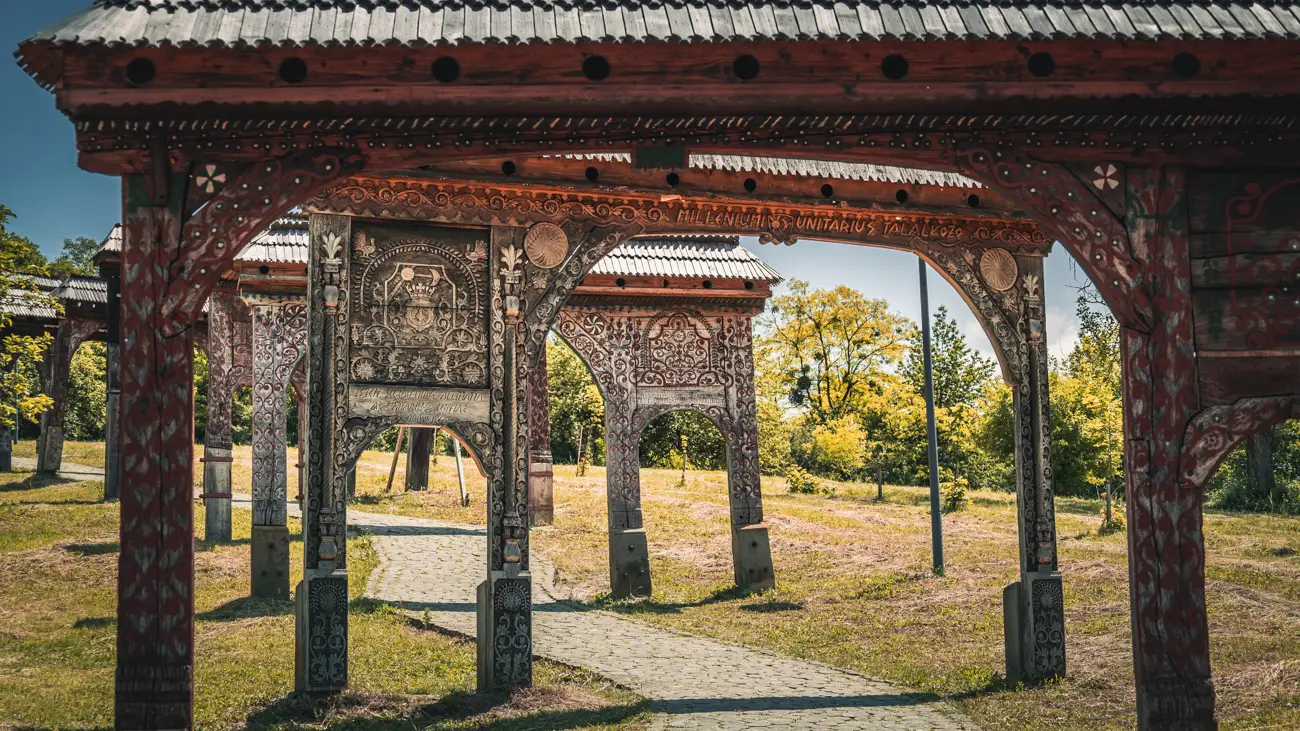
    You have the chance to admire 16 different types of Szekler Gates, each one brought from a different place in Transylvania. Every gate has its own style, carvings, and story, so walking through the exhibition feels like taking a small journey through the region’s villages and traditions.
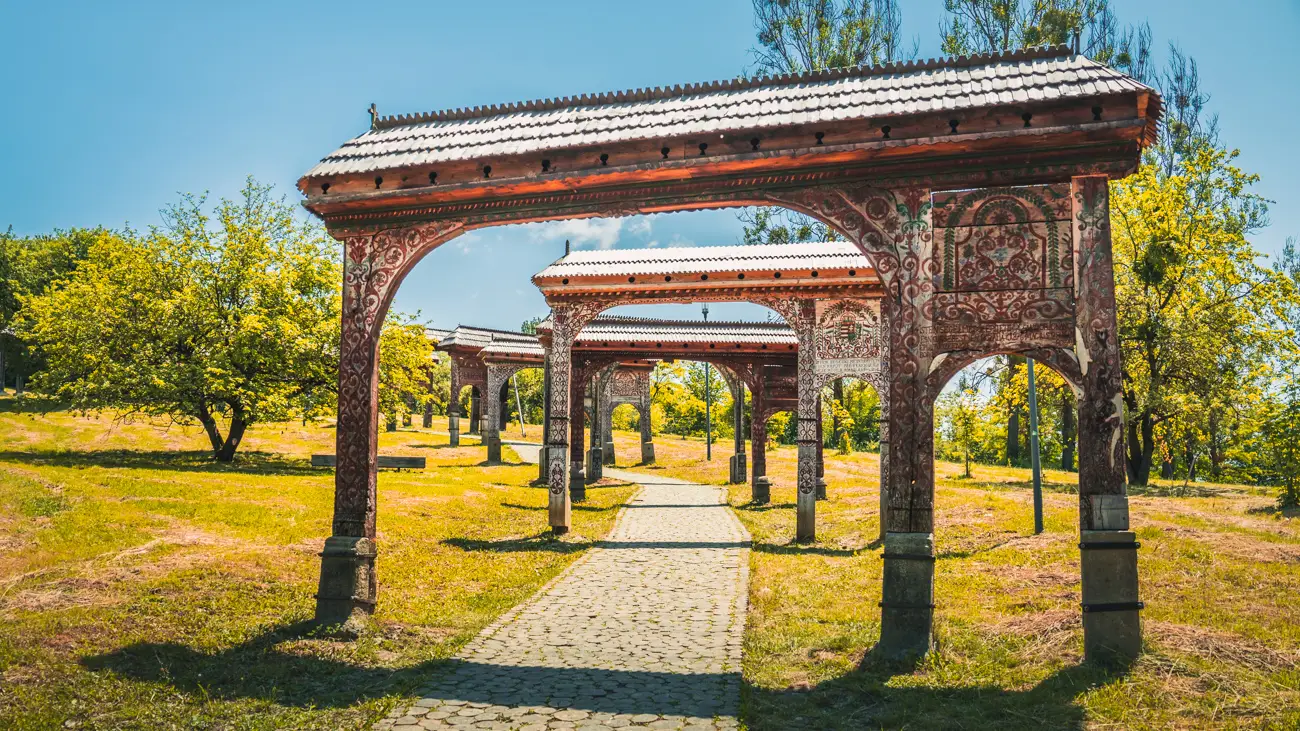
    Multiple Szekler Gates near Mini Transylvania.
    Amazing details found one of the wooden gate.
    A weathered gate showing signs of age and authenticity.
    Close up photo of the traditional carvings.
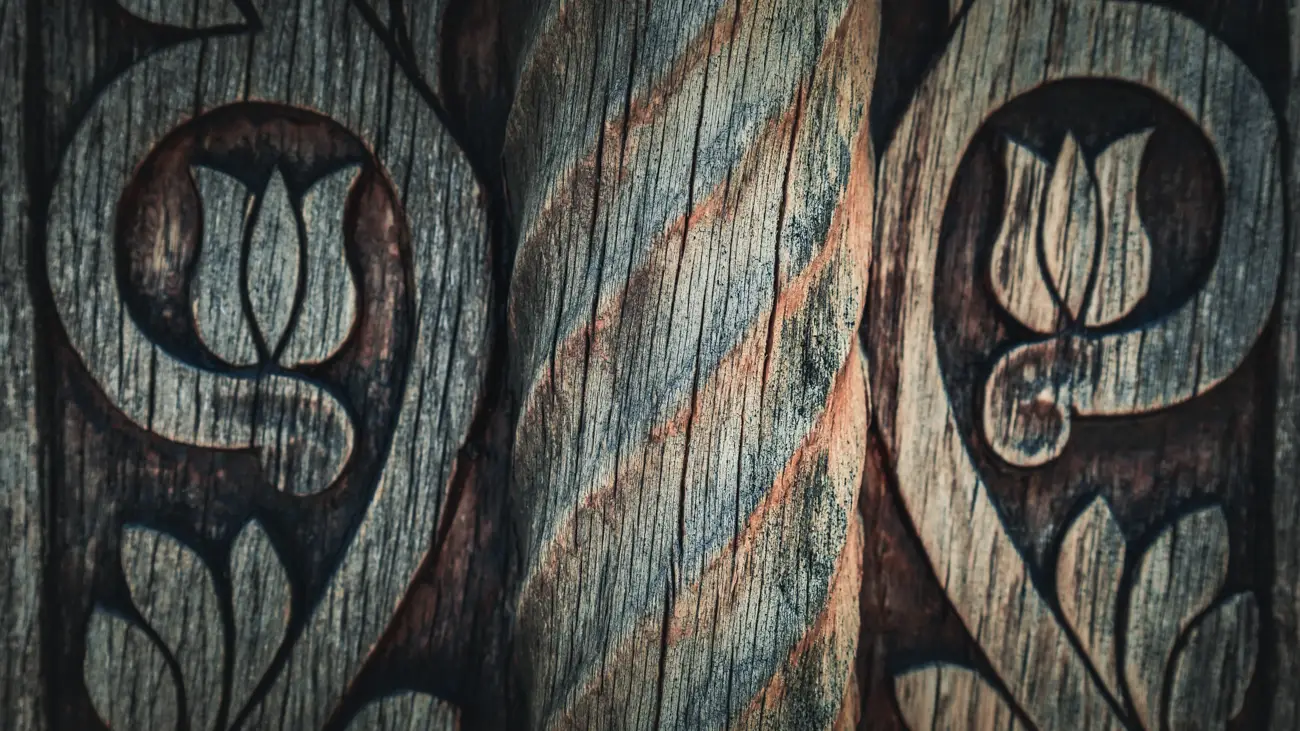
    Traditional carvings etched into dark wood.

    What to visit nearby?

    Mini Transylvania – here is an amazing places which showcases scale models of the most important historical buildings in historical region of Transylvania and not just.

    The Heart of Jesus Statue – this is an objective not very far from the place where the Szekler Gates are located. You have to drive towards Praid and in the village of Bisericani you will have to make a right turn.

    Other objectives to explore in the region:

    Sighisoara Medieval Citadel – This is one of the most famous and best-preserved medieval citadels in Transylvania. With its colorful houses, narrow streets, and historic towers, it feels like stepping back in time. It’s a must-see destination and definitely something to add to your travel bucket list.

    Mocanita Sovata – Here you can enjoy a relaxing ride on a narrow-gauge train that travels between Sovata and Câmpu Cetății. The journey takes you through forests and hills, offering beautiful scenery and a nostalgic experience.

    The Bear Lake – Located in the small resort town of Sovata, this lake is very popular, especially during the summer. Its warm, salty, heliothermal waters make it a unique natural attraction and a great place for swimming and relaxing.

    The old fortified church in Biertan – Not far from Sighișoara, you can visit this impressive medieval fortified church. It is one of the most important Saxon heritage sites in Transylvania and is known for its strong walls, towers, and peaceful village setting.
  • Mini Transylvania – Exploring Transylvania’s Architecture in One Place

    Mini Transylvania – Exploring Transylvania’s Architecture in One Place

    Share this:

    After visiting the Heart of Jesus statue, which stands proudly on top of Gordon Hill near the village of Bisericani in Harghita County, we continued our journey to the next attraction. Not far from there, right by the main road connecting Praid and Odorheiu Secuiesc, lies another fascinating destination worth a stop: the Mini Transylvania Park.

    The distance between Bisericani and the park is short — only about 6 kilometers — making it a quick and easy trip for anyone who wants to explore both places in the same day.

    About Mini Transylvania

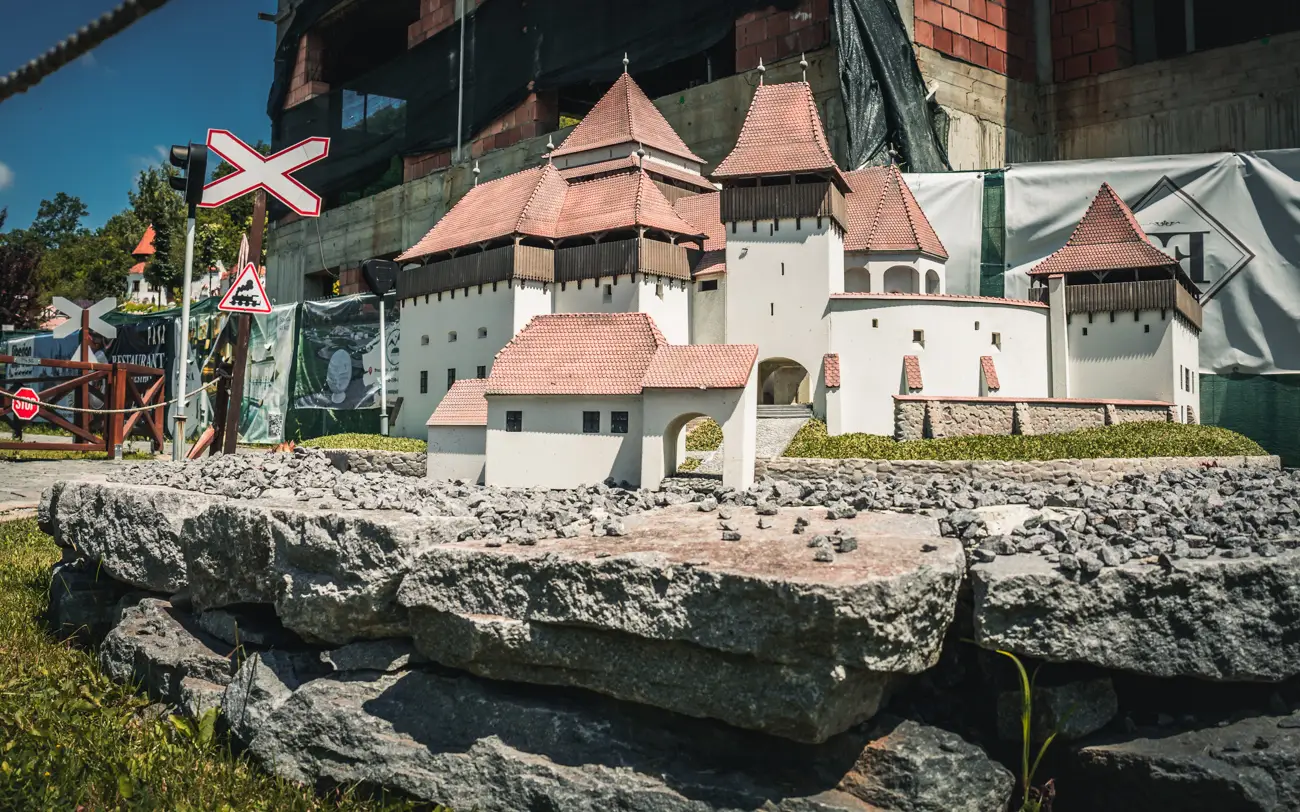
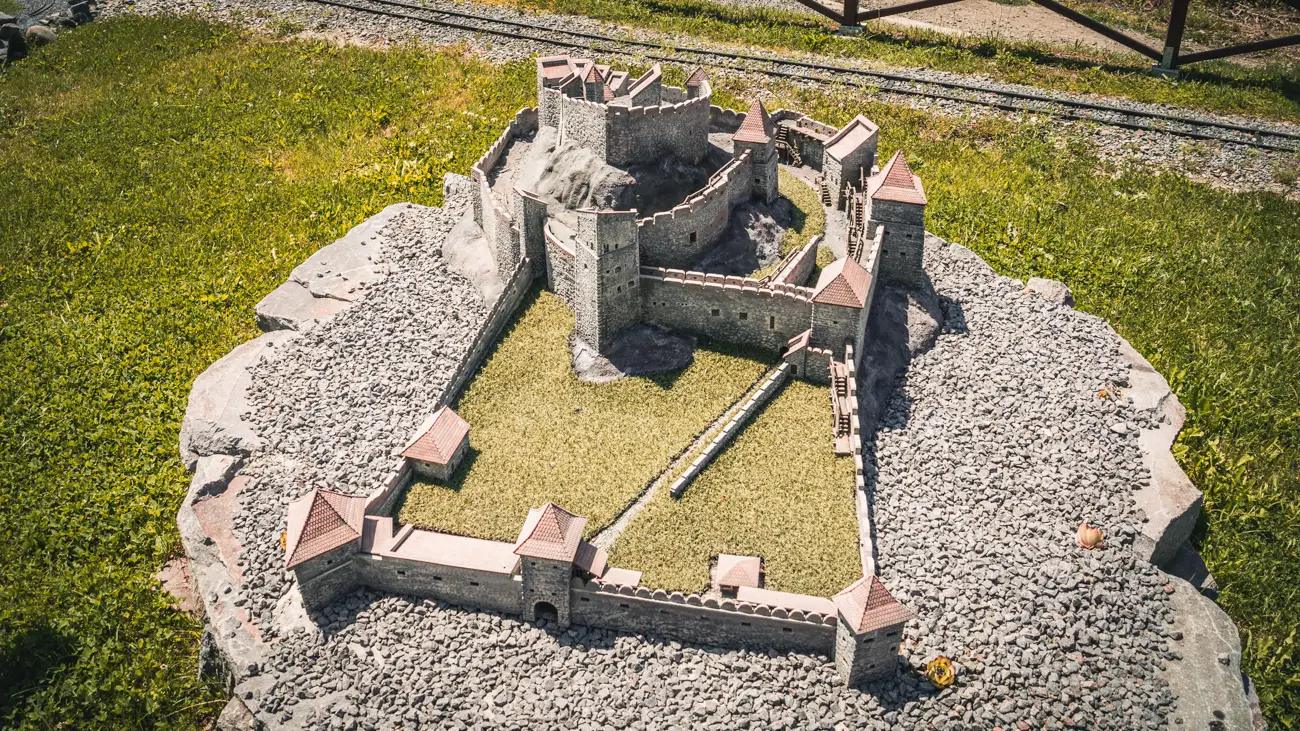
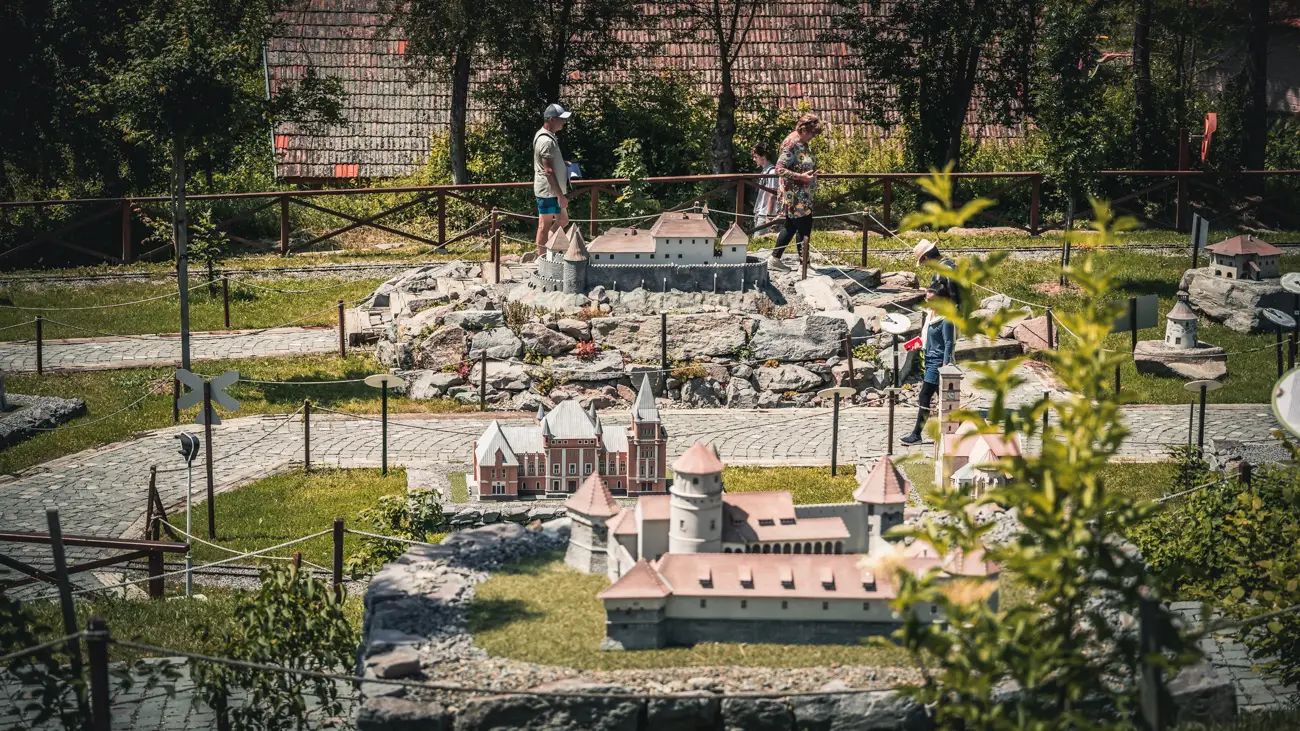
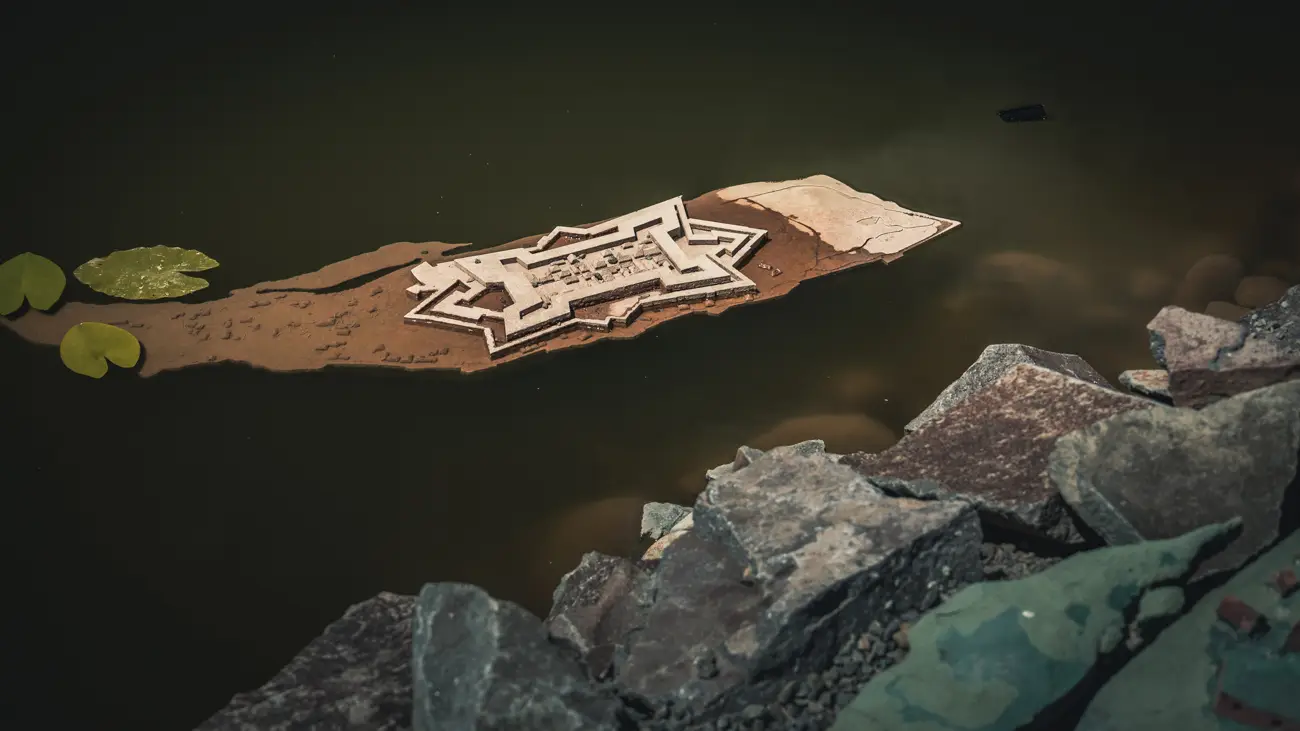
    Mini Transylvania Park, created by the Legendarium team in Odorheiu Secuiesc, showcases scale models of the most important historical buildings from across multicultural Transylvania and not just. Inspired by Mini-Europe (Belgium) and Minimundus (Austria), the park highlights UNESCO heritage sites and national monuments, offering visitors a unique way to discover and appreciate the region’s architectural and cultural diversity.

    If you’d like to visit this place, you can find details such as opening hours and ticket prices on their official website: Parcul Mini Transilvania.

    My experience

    I was truly impressed by the detailed miniature models that represent some of the most famous buildings in Transylvania, such as castles, fortresses, and fortified churches. Each model is carefully made and gives you a good idea of how these historic places look in real life.

    What makes the exhibition even more exciting is that there are also a few interactive models you can explore. My favorite one was the model of the old funicular from Comandau, which once played an important role in the area. It was fun to see how it worked and to imagine how people used it in the past.

    Ada Kaleh island.
    Ada Kaleh island.

    Unfortunately, Ada Kaleh Island no longer exists, as it was submerged when the Danube River was dammed. However, you can still explore the breathtaking Danube Gorge, which stretches along both the Romanian and Serbian sides of the river, each with scenic roads running through it. A few years ago, I had the chance to drive from Orsova to Moldova Noua, and you can find more details about that experience here: The Danube Gorge: A Scenic Road Trip Through Romania

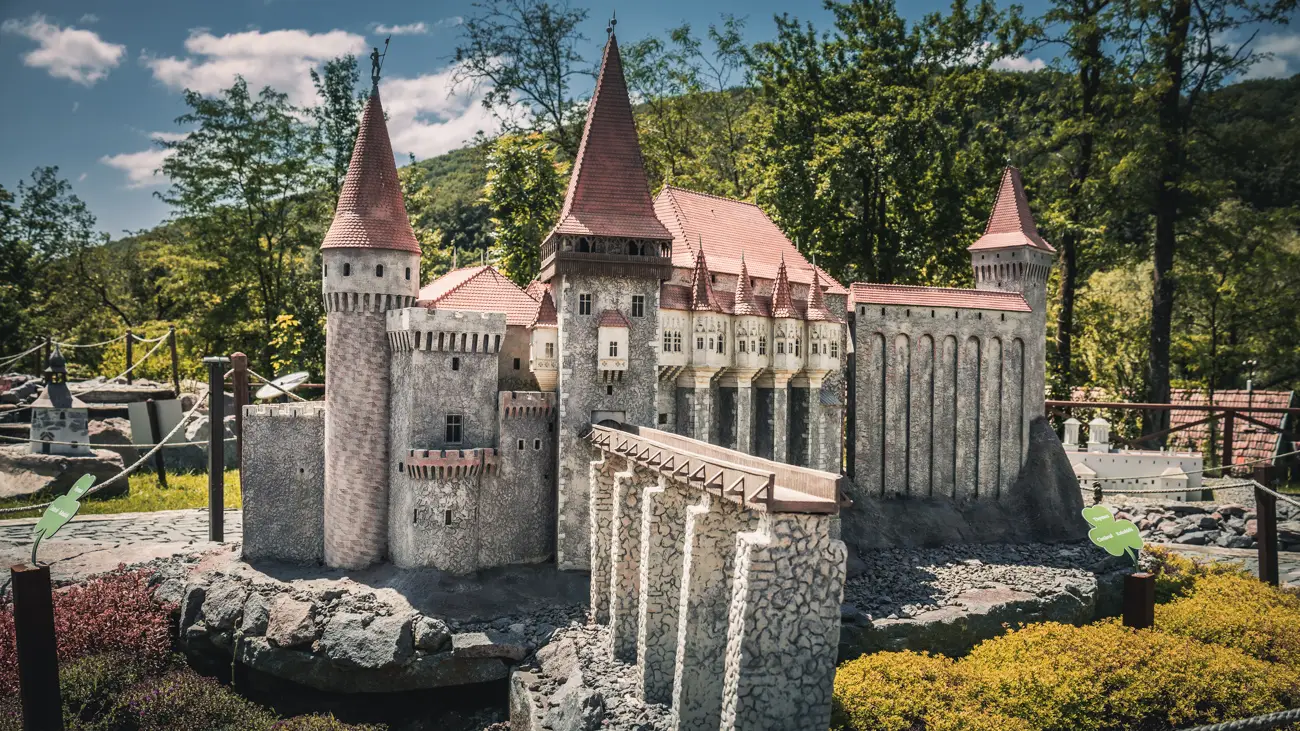
    The Corvin Castle.
    The Corvin Castle in Hunedoara.

    If you want to check out even more photos about the Corvin Castle then I highly recommend to check out this post: The Corvin Castle In Hunedoara.

    The Fortified Church in Viscri.
    The old Fortified Church in the village of Viscri.

    Here you can discover even more about the old traditional village of Viscri: The Village of Viscri, Transylvania – A Place I Visited

    Rupea Fortress.
    The Rupea Fortress.

    I visited the Rupea Fortress on a beautiful winter day, here you will find more pictures taken from that trip: The Rupea Fortress In Romania.

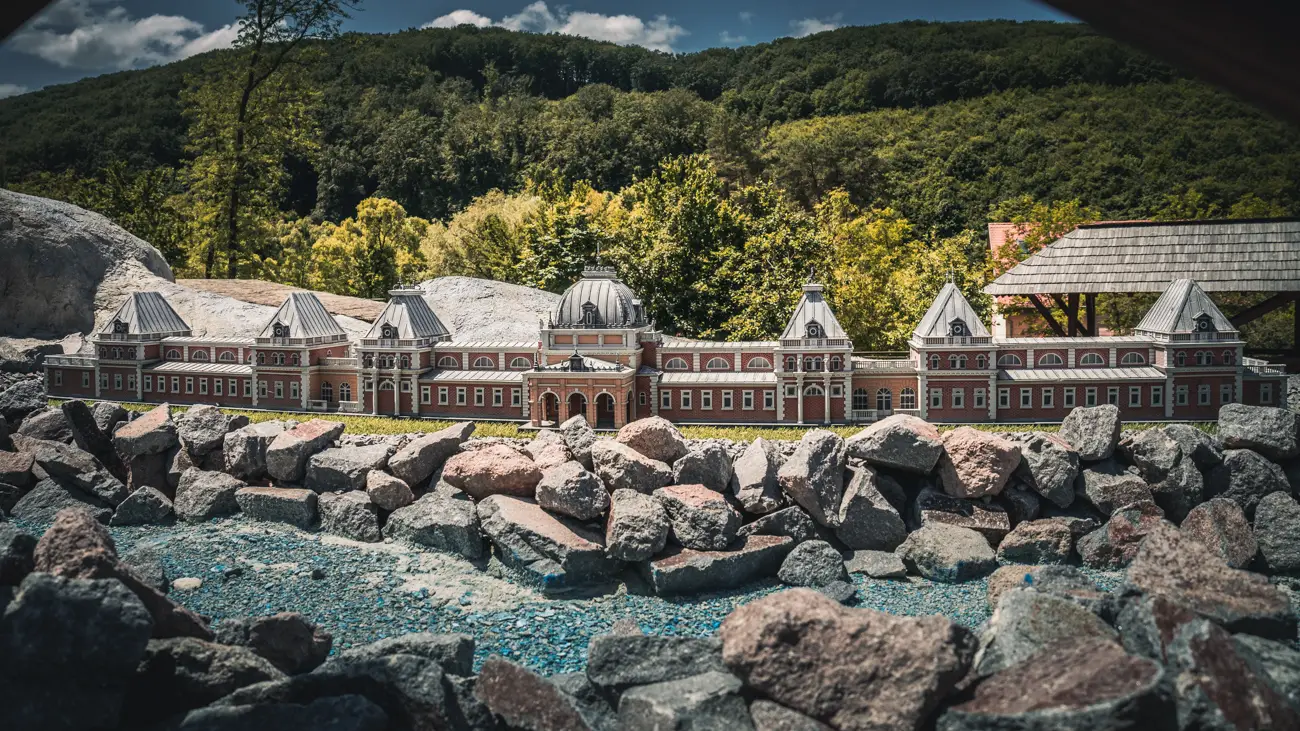
    The Austrian Imperial Baths, also known as the Neptune Baths in Baile Herculane.
    The Austrian Imperial Baths, also known as the Neptune Baths in Baile Herculane.

    Unfortunately, the real building was abandoned a long time ago, and it no longer looks like the model. This is how it looks today: Arriving in Baile Herculane, Romania – My First Impressions

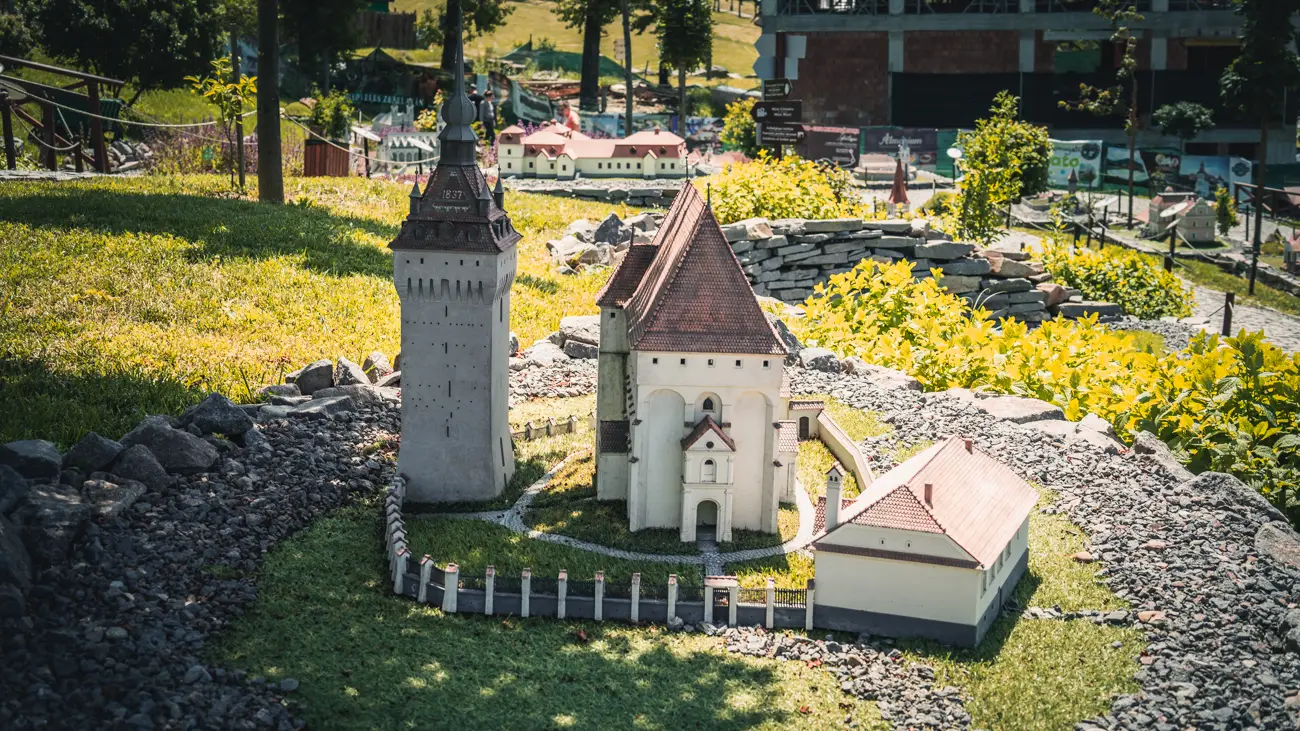
    Old fortified church in the village of Saschiz.
    Old fortified church in the village of Saschiz.

    I visited the village of Saschiz as well, here you will find more: The Old Fortified Church In Saschiz.

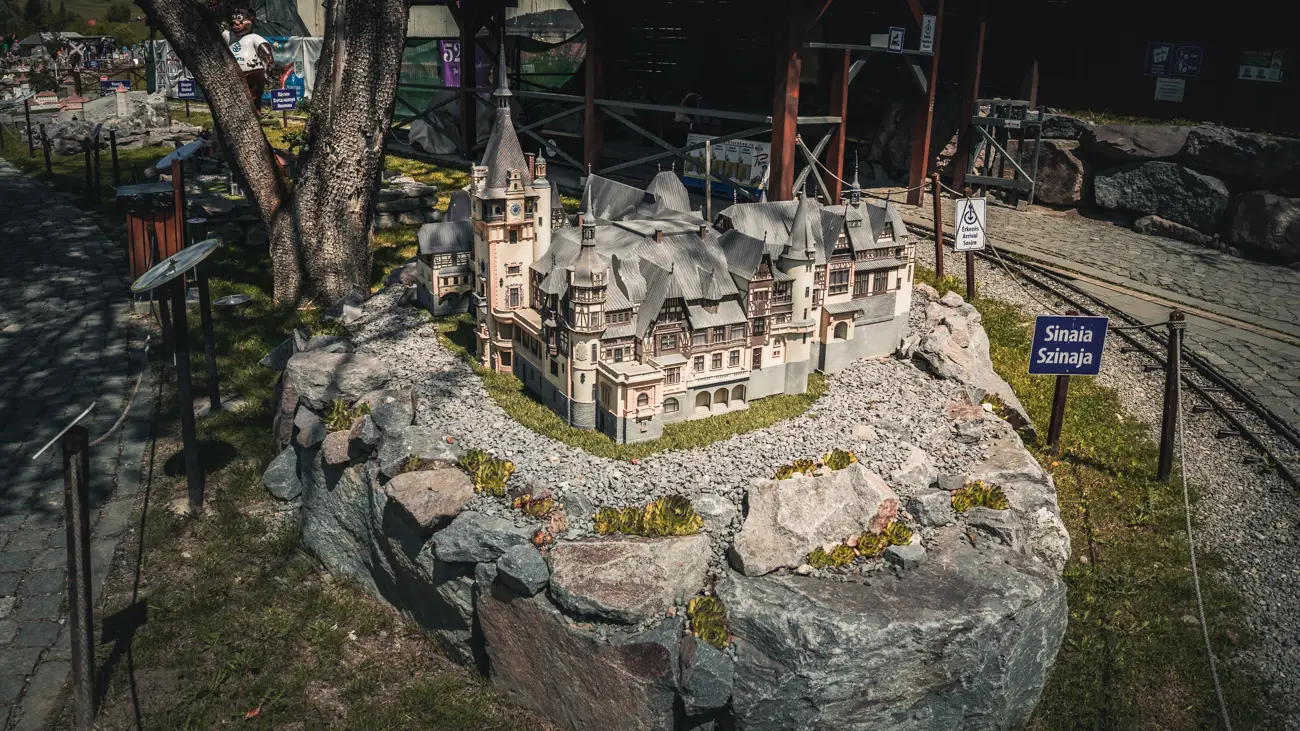
    Peles Castle.
    The famous Peles Castle located in Sinaia.
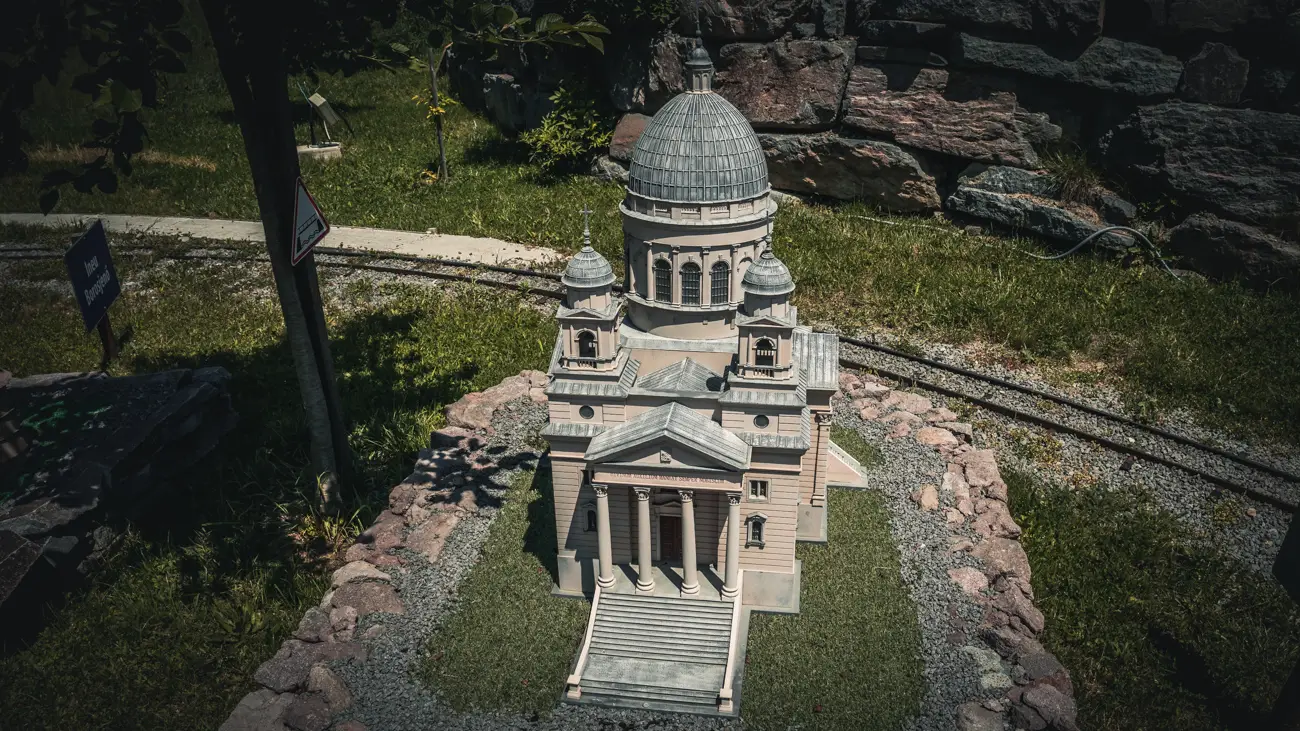
    Mausoleum Church of Bobda.
    The Mausoleum Church of Bobda.
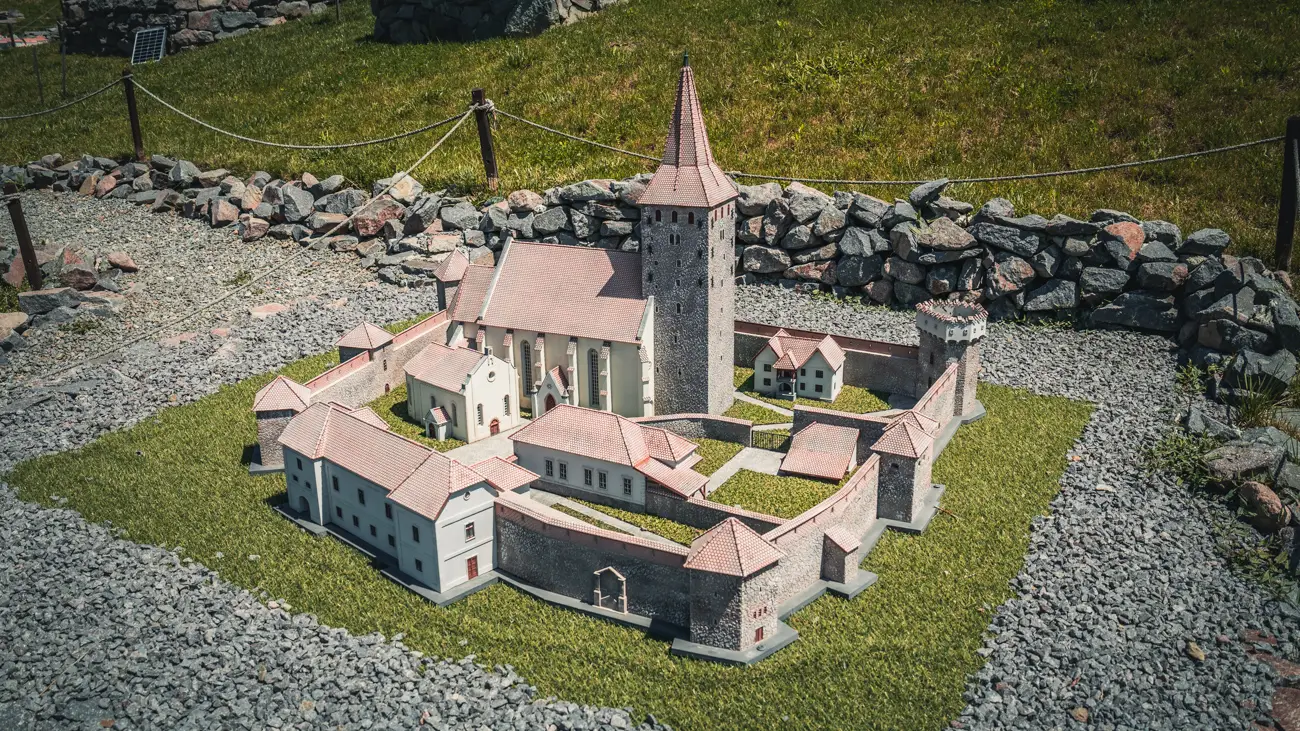
    Aiud Fortress.
    Aiud Fortress

    Other places to visit nearby:

    The Heart of Jesus Statue – located on the top of taller hill not very far from Mini Transylvania.

    Lake Zetea – You can reach Lake Zetea with a short drive from Odorheiu Secuiesc toward Subcetate.

    Mocanita Sovata – A popular narrow-gauge train that takes you on a scenic ride from Sovata to Campu Cetatii.

    The Bear Lake – A well-known lake in Sovata, especially crowded in summer, where many tourists come to swim and relax.

    The Szekler Gates – you can visit old traditional Szekler Gates located right next to Mini Transylvania.

  • The Heart of Jesus — Eastern Europe’s Tallest Christ Statue

    The Heart of Jesus — Eastern Europe’s Tallest Christ Statue

    Share this:

    Starting from the medieval citadel of Sighisoara, I began my journey towards the Heart of Jesus Statue. After leaving the small town of Cristuru Secuiec, I turned left and took the 13C road heading towards Rugănești. I had heard that this road was in better condition compared to road 137, which connects Cristuru Secuiesc to Odorheiu Secuiesc, so I decided it was the wiser choice.

    The drive from Sighisoara took almost an hour before I reached the village of Bisericani. From there, I continued towards the next village, Bulgareni. Just before entering Bulgareni, I noticed a road on the left-hand side. This is the road that climbs the hill leading to the Heart of Jesus Statue. There is also a clear sign pointing the way, so it’s easy to spot.

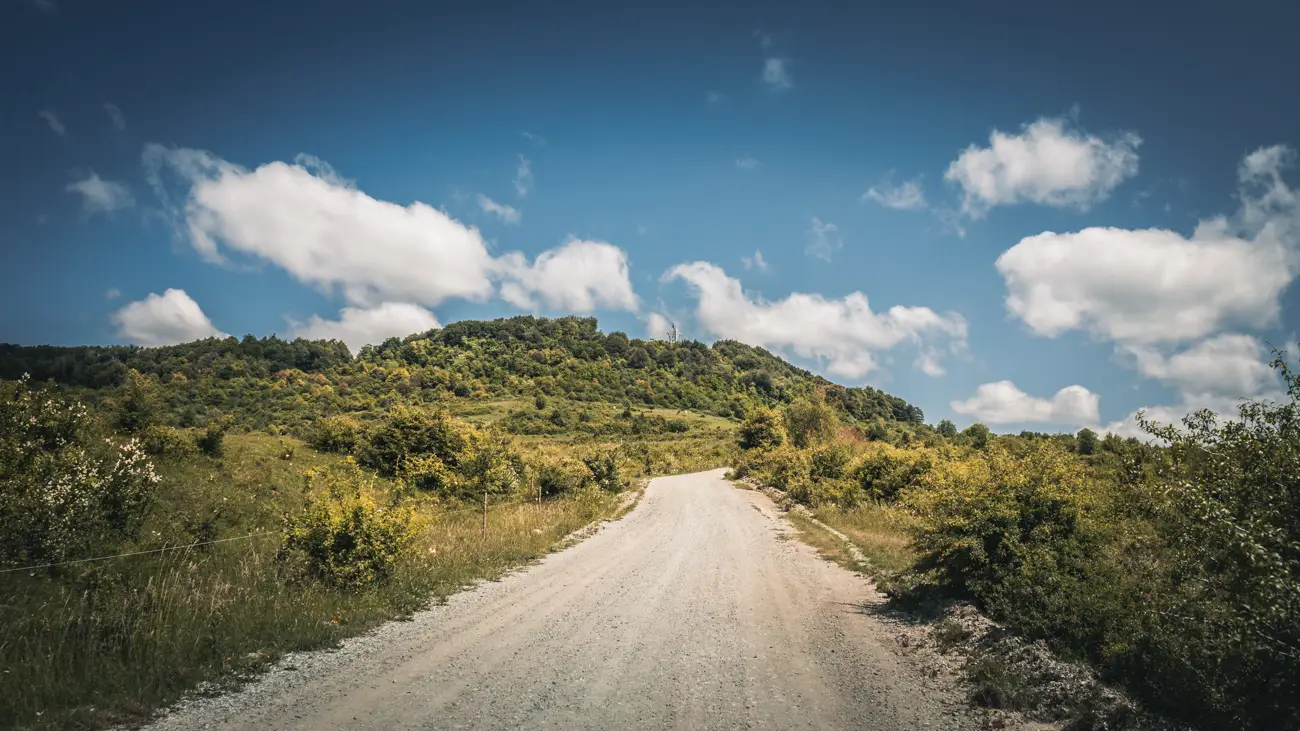
    The road from Bisericani to the statue is only partially paved. While some stretches are covered in asphalt, most of it is not, and certain parts are steep. Still, despite these small challenges, I was able to reach the statue using a regular car. The climb is worth it – the towering statue is truly magnificent, and the surrounding scenery makes the trip even more memorable.

    The road up to the Gordon Hill.
    The road up to the Gordon Hill.
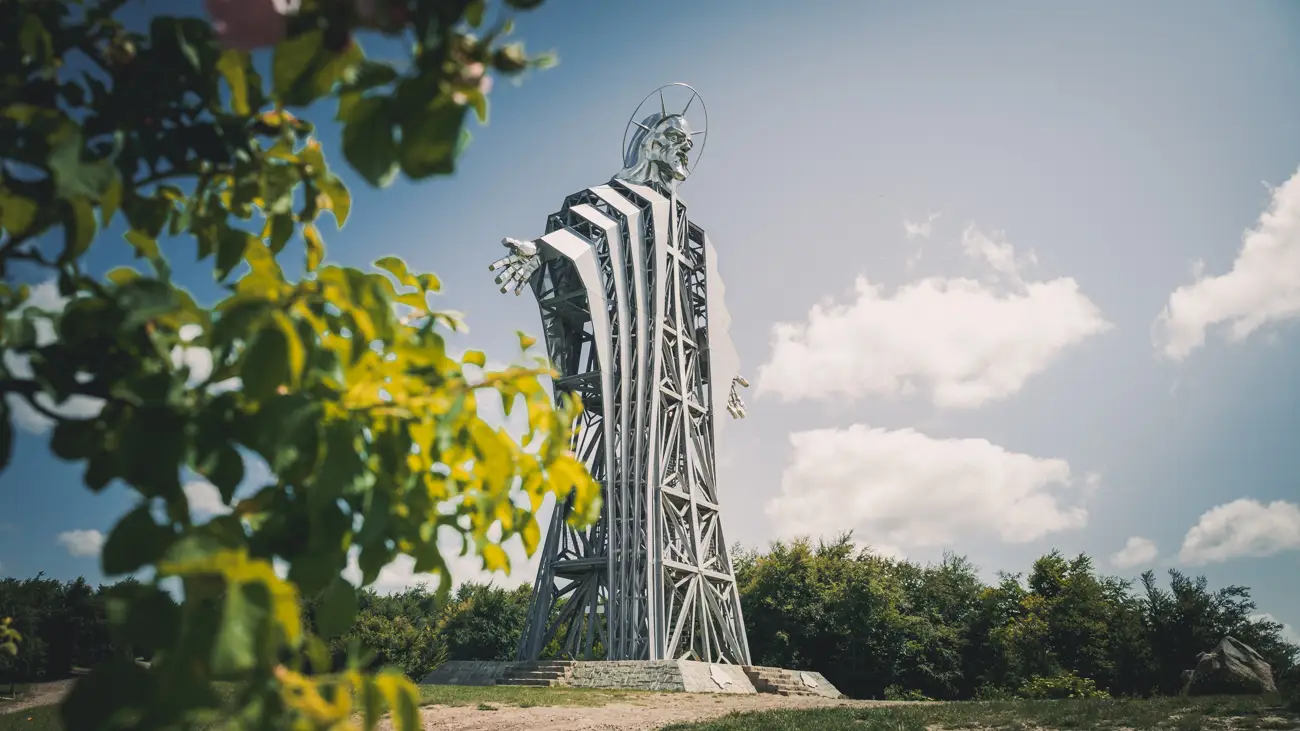
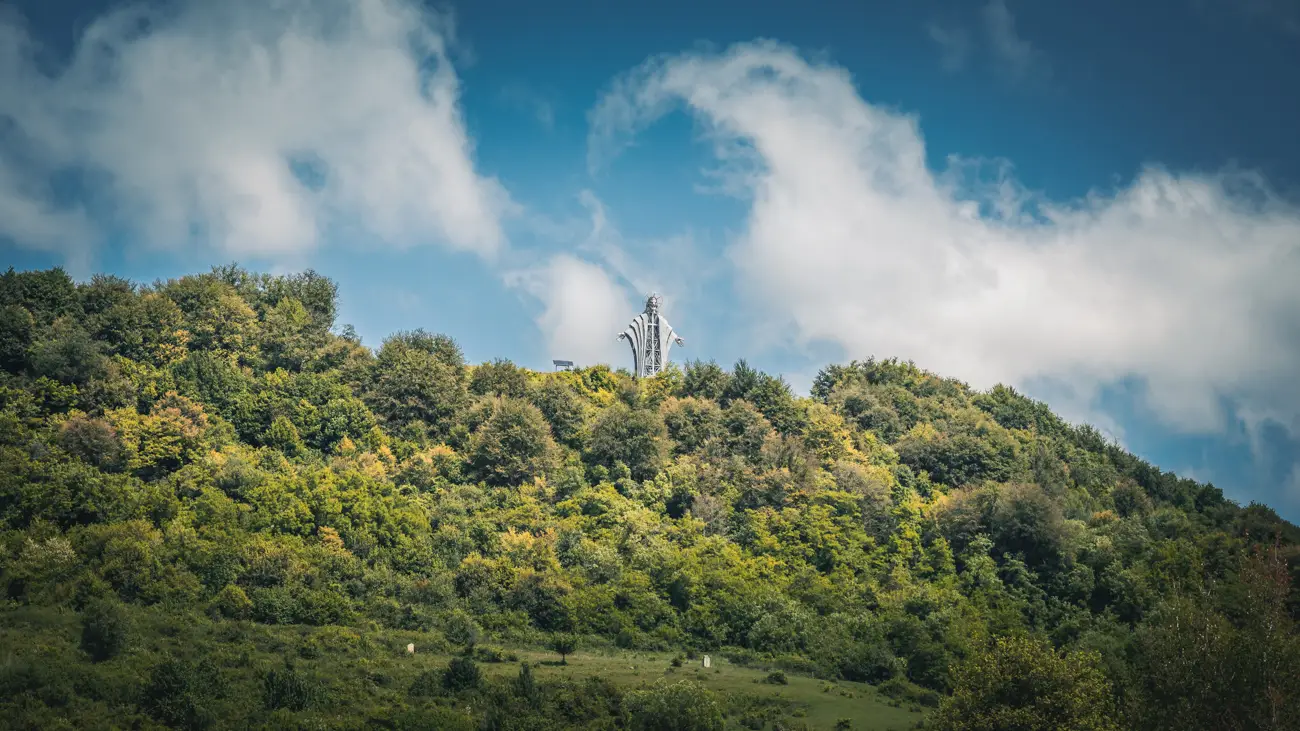
    The Heart of Jesus statue on top of Gordon Hill.
    The Heart of Jesus statue on top of Gordon Hill.

    Interesting facts of the Heart of Jesus Statue

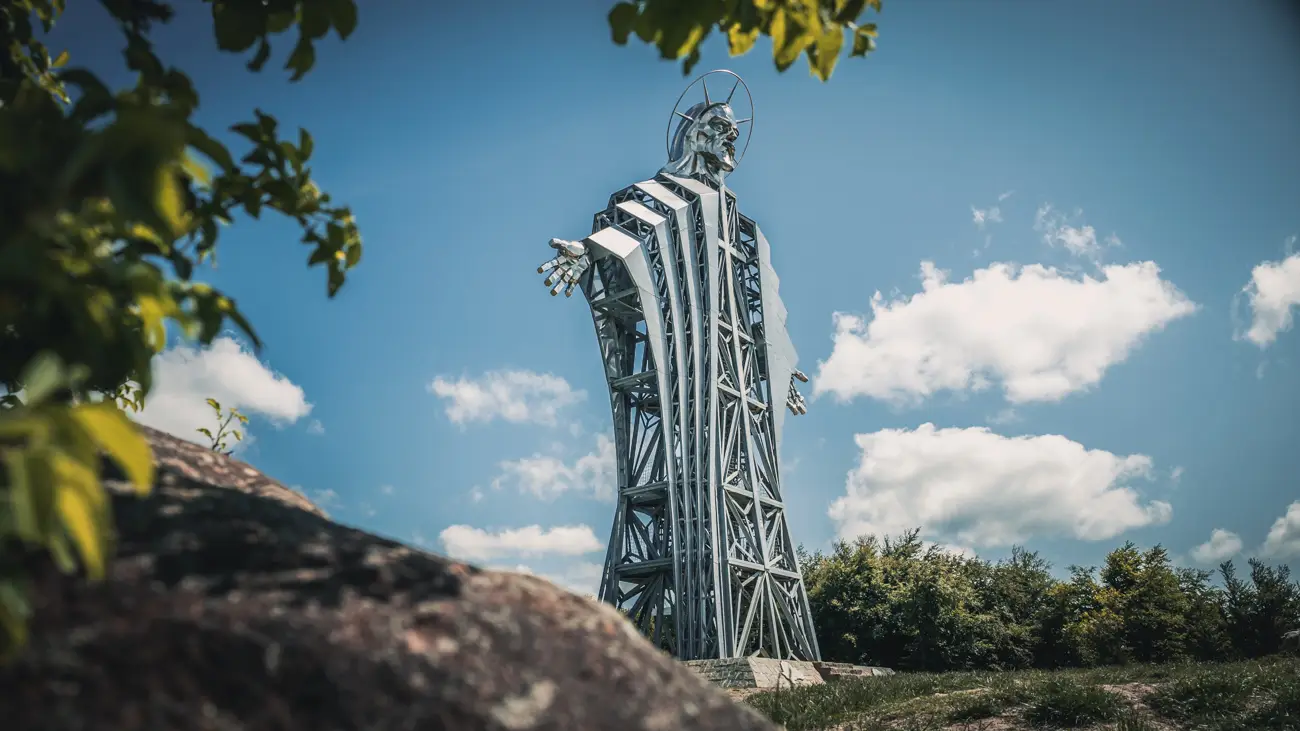
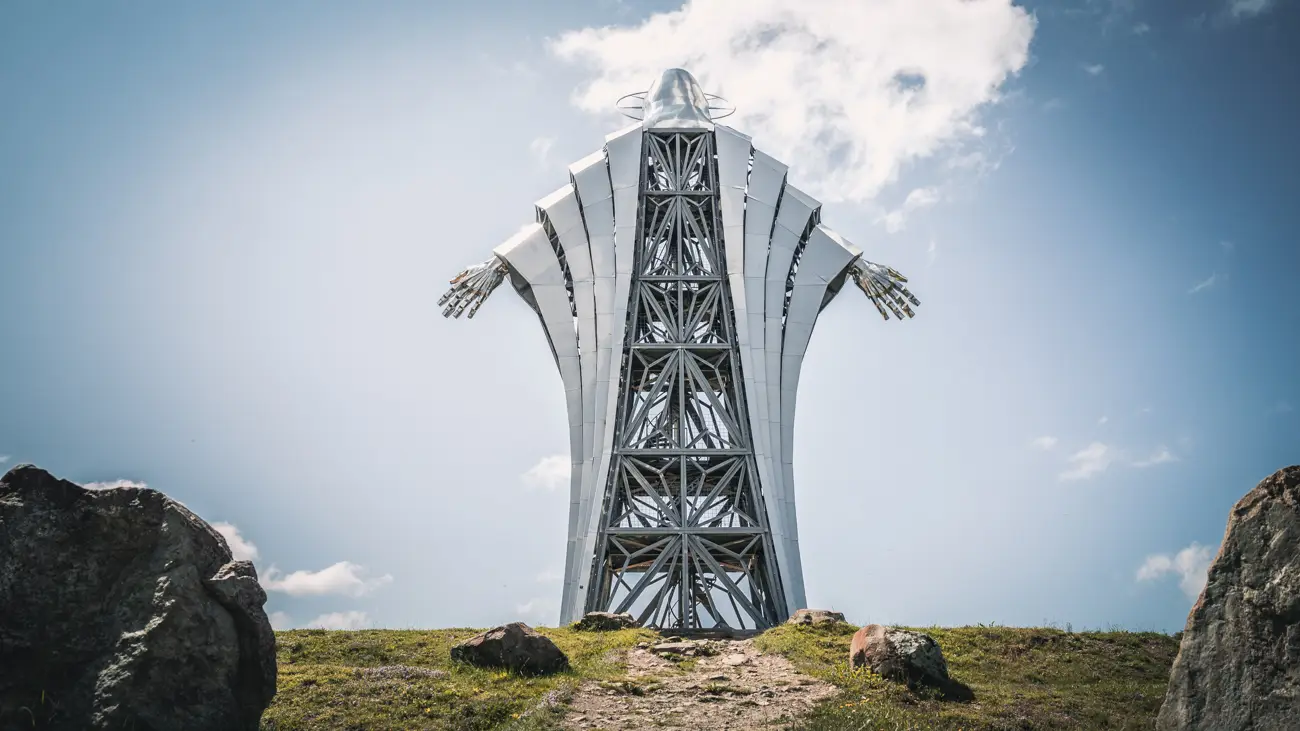
    The Heart of Jesus Statue stands an impressive 22 meters tall and is built on the top of Gordon Hill. Completed in 2011, it holds the title of the largest statue of Jesus in all of Eastern Europe. The statue is made of stainless steel and iron and has a unique feature inside – a spiral staircase. This staircase winds its way up to the head of the statue, where visitors can enjoy breathtaking views of the Transylvanian landscape.

    Next to the tall statue.
    Next to the tall statue.
    The back of the tall statue.
    The back of the tall statue.
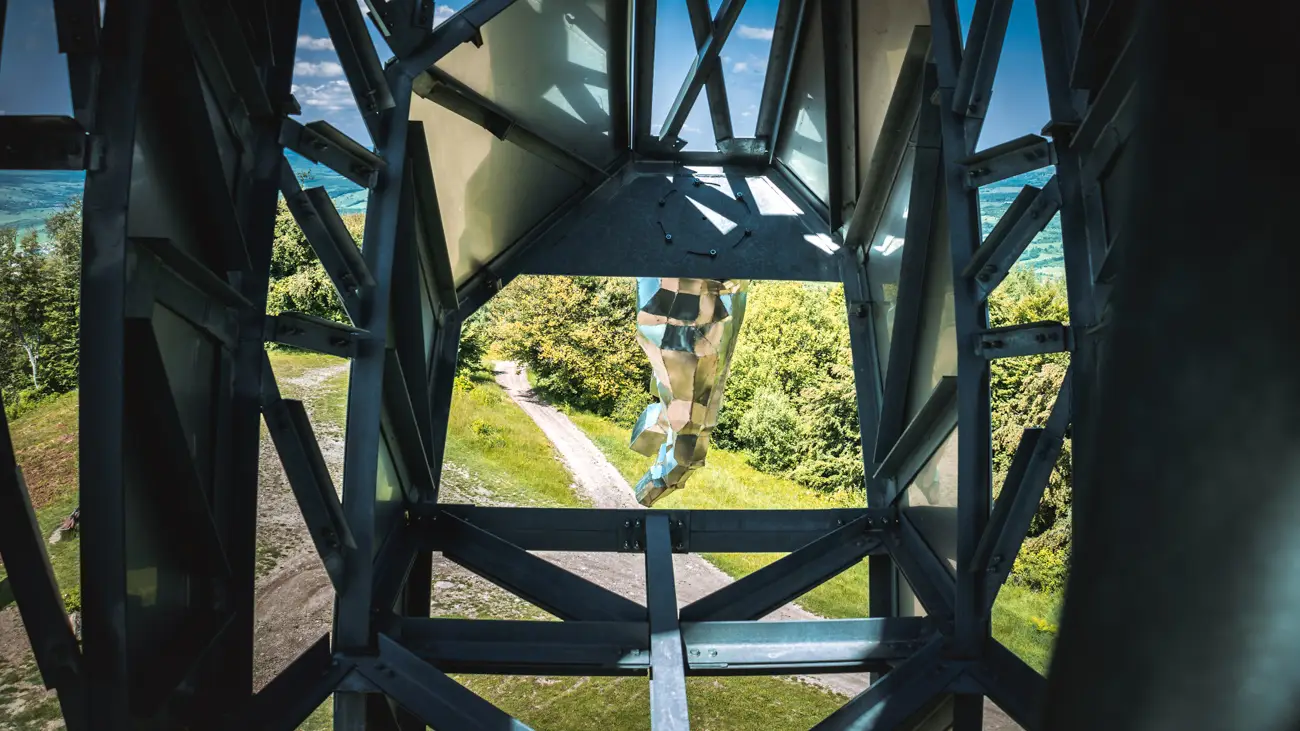
    Inside the statue.
    Inside the statue.

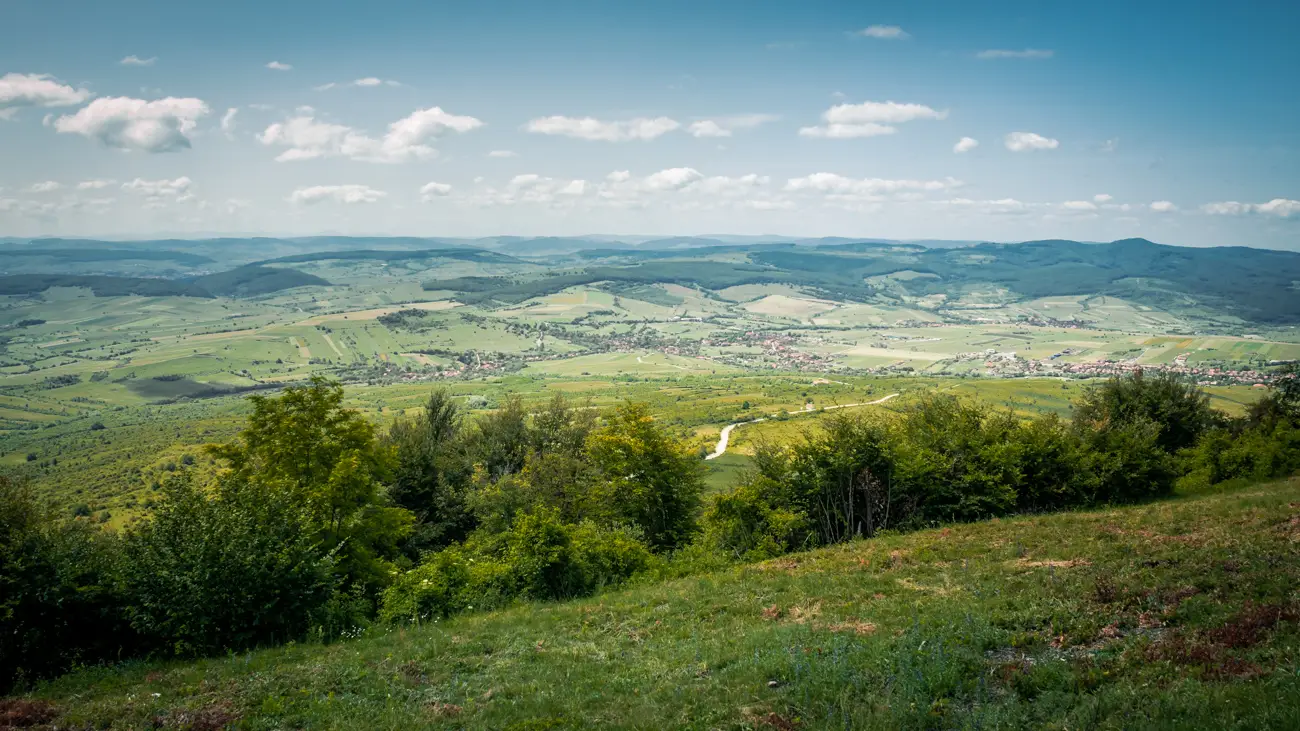
    The scenery from the Gordon Hill

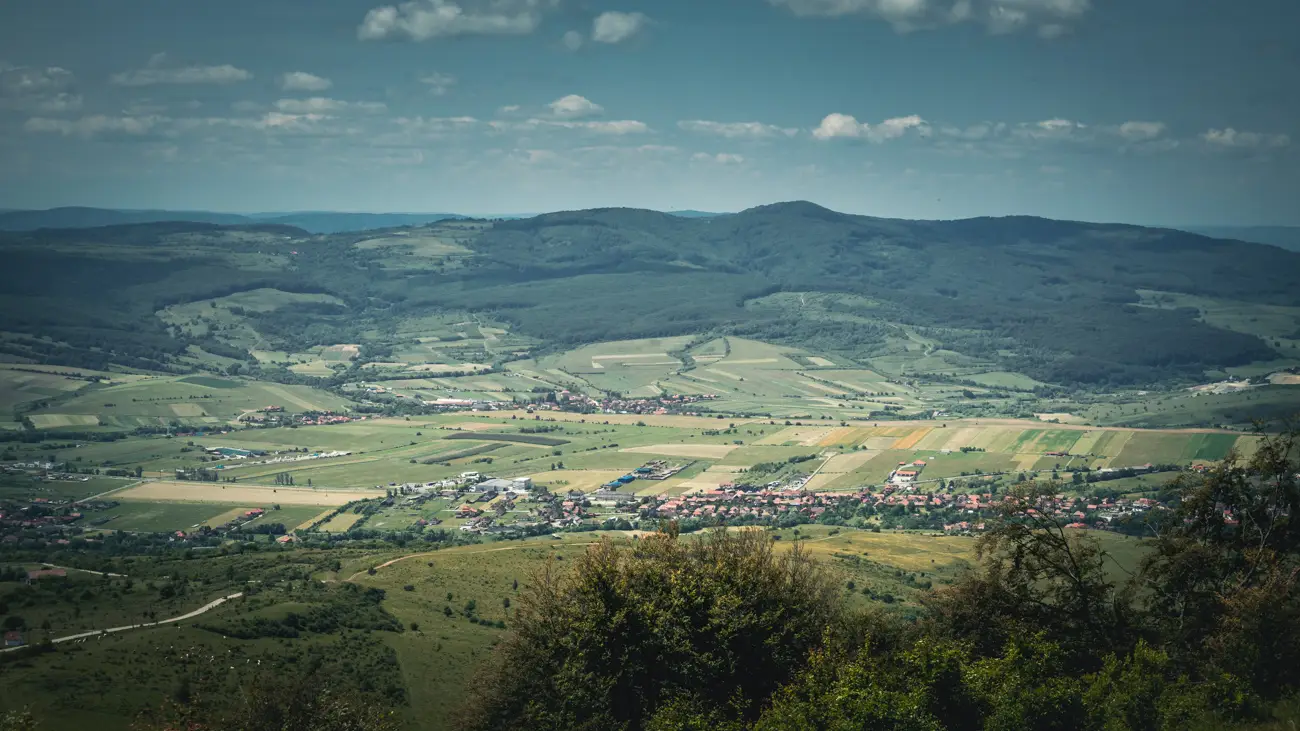
    From this high vantage point, you can see the picturesque villages scattered throughout the valley below. It’s even possible to spot the main road that connects Odorheiu Secuiesc to Praid, winding its way through the countryside.

    When you arrive at Gordon Hill, the scenery is simply unforgettable. Surrounding the statue is a peaceful rural landscape—rolling hills, fields, and small villages—that perfectly captures the charm of this part of Romania. It’s a place where history, faith, and nature come together in one striking view.

    Village in the valley.
    Multiple villages can be seen from the Gordon Hill.
    Beautiful rural landscape.
    Beautiful rural landscape.
  • Geoagiu Bai’s Best Attractions – What to See and Do

    Geoagiu Bai’s Best Attractions – What to See and Do

    Share this:

    Geoagiu Bai is a small but charming spa resort in the Apuseni Mountains, close to the city of Orastie. While it’s best known for its thermal spas, there are also several interesting attractions to explore in and around the resort.

    When you arrive, you’ll notice a sign that points to all the attractions within the resort. This makes it easy to find your way around and decide which places you’d like to explore first.

    Must-Visit Attractions in Geoagiu Bai:

    The Outlaws’ Grotto

    Just a 10-minute walk from the abandoned swimming pool located on the outskirts of the resort, a dirt road leads to the Outlaws’ Grotto or Groata Haiducilor in Romanian, a hidden cave with a fascinating history. According to a legend, a treasure was buried inside the cave during the interwar period, adding to its mystery.

    Path leading to the Outlaws Grotto.
    Path in the forest leading to the Outlaws Grotto
    The Outlaws Grotto.
    The Outlaws Grotto.

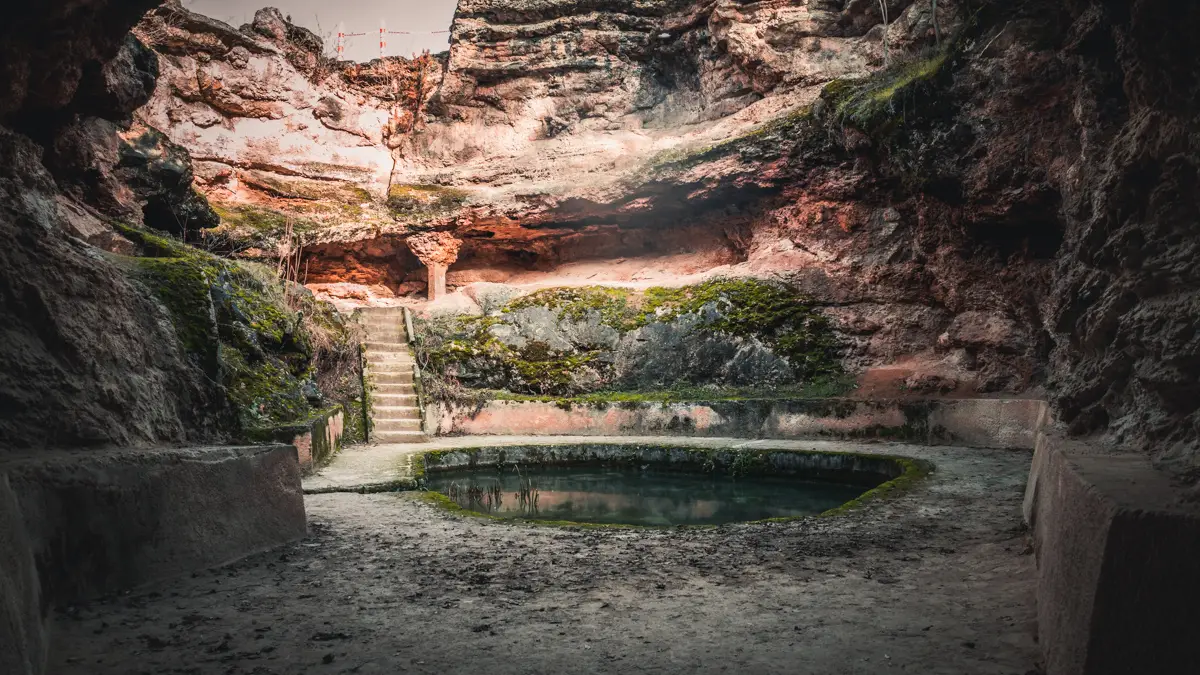
    The Roman Baths – Germisara

    The Old Roman Baths can be found right next to much larger swimming pools located in the heart of the resort so it’s easy to visit and explore the old ruins built by the Romans.

    Next to entrance to the Roman Baths.
    The scenery next to the main entrance to the Roman Baths.
    The Roman Baths in Geoagiu Bai seen from above.
    The Roman Baths.
    Inside the Roman Baths.
    Inside the Roman Baths.
    The swimming pool.
    The swimming pool.

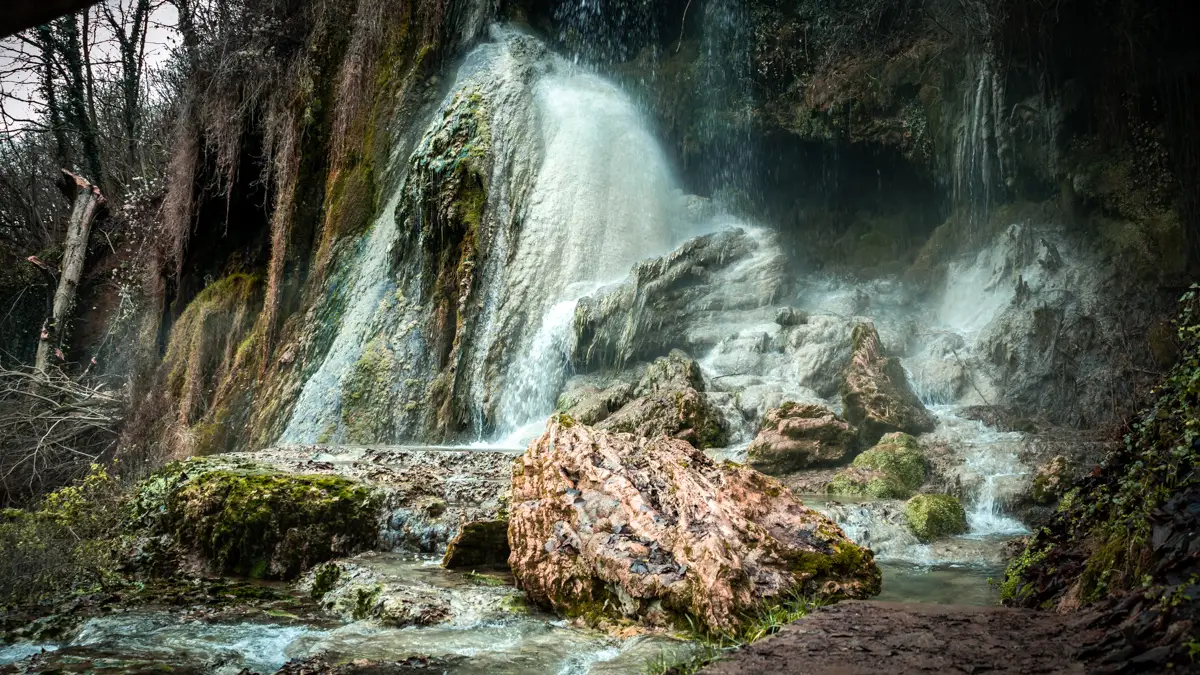
    The Clocota Waterfall

    At the end of Taberei Street, you’ll find the stunning Clocota Waterfall. The last part of the path is quite steep, so it’s best explored on foot for a safer and more enjoyable visit.

    The Clocota Waterfall.
    A portrait photo of the Clocota Waterfall.
    Close-up shot of the waterfall.
    Close-up shot of the waterfall.
    Tourists arrive to visit the waterfall.
    Tourists arrive to visit the waterfall

    More Places to Visit Nearby

    If you have extra time, there are several amazing sites worth visiting:

    Deva Fortress – Located on a high hill overlooking the city of Deva, this fortress offers great views and a rich history.

    Sarmizegetusa Regia – The ancient capital of Dacia, a must-visit for history lovers, not far from Orăștie.

    Corvin Castle – One of Romania’s most famous and breathtaking castles, located in Hunedoara, about 17 km from Deva.

    Final thoughts

    Geoagiu Bai is a destination that offers something for everyone—whether you seek relaxation, history, or adventure. The blend of ancient traditions and natural beauty makes it a place worth visiting.

  • The Enchanting Panorama of Sighisoara

    The Enchanting Panorama of Sighisoara

    Share this:

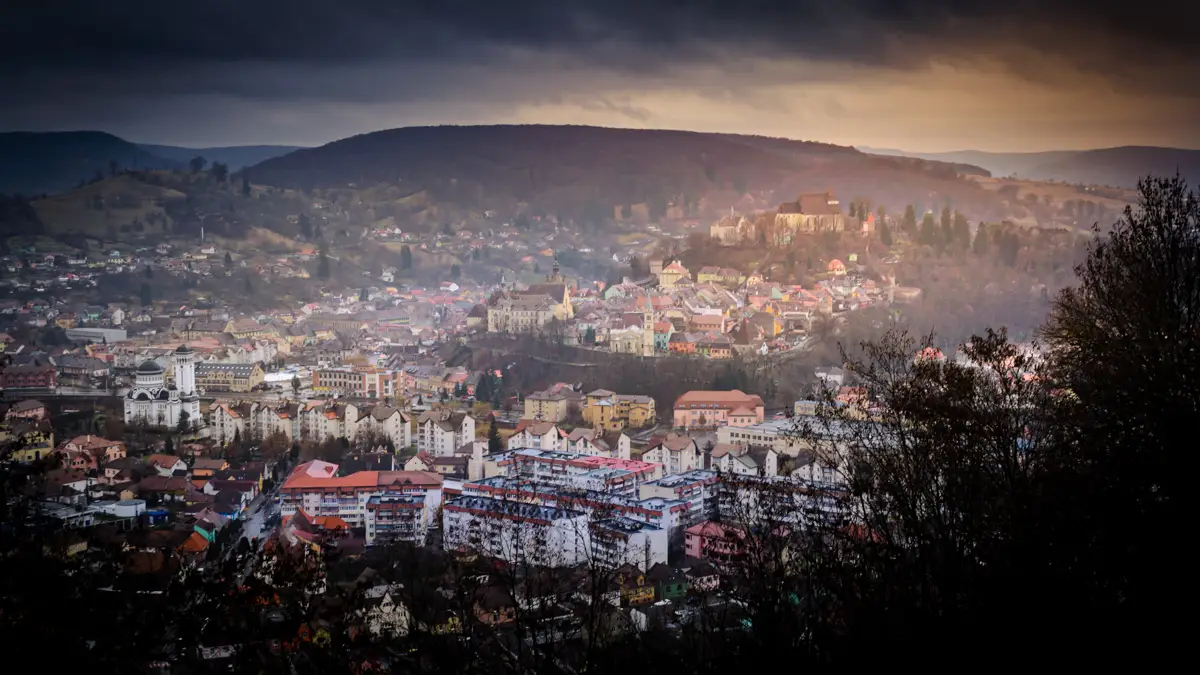
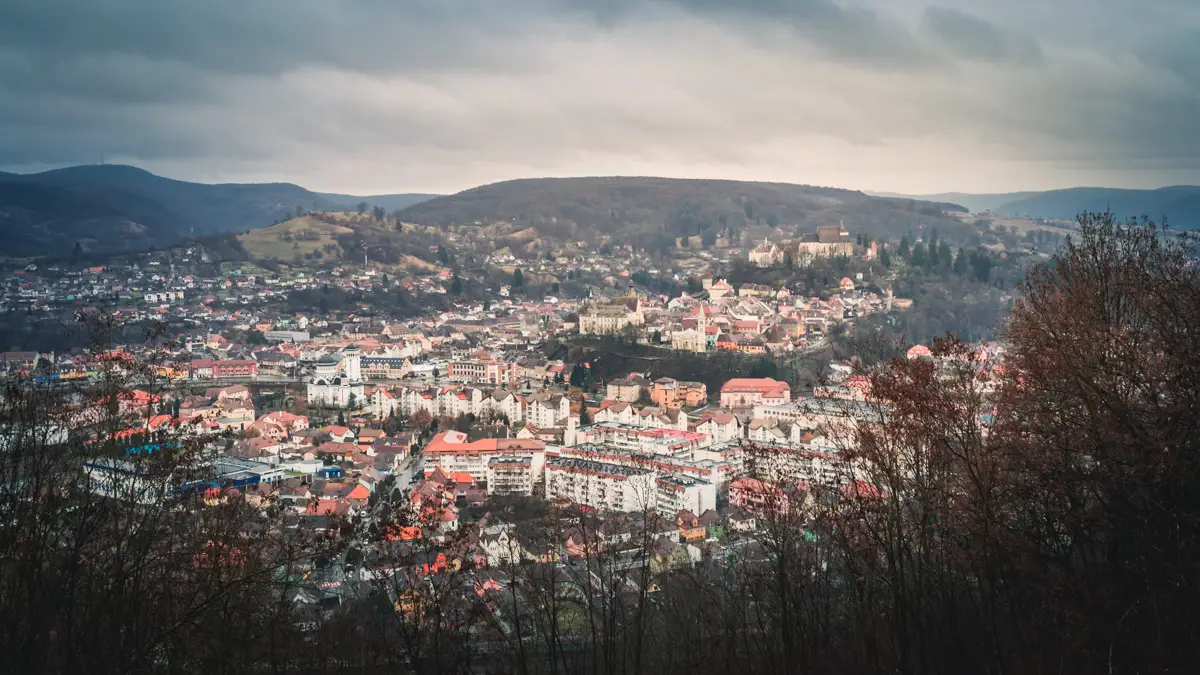
    Since the city is surrounded by taller hills, a nice vantage point over the city of Sighisoara can be found on the top of a larger hill right behind the train station. You can easily get there by car. This is one of the best places to admire the beautiful panorama of the city because from there, a large part of the city is visible including the old inhabited medieval citadel.

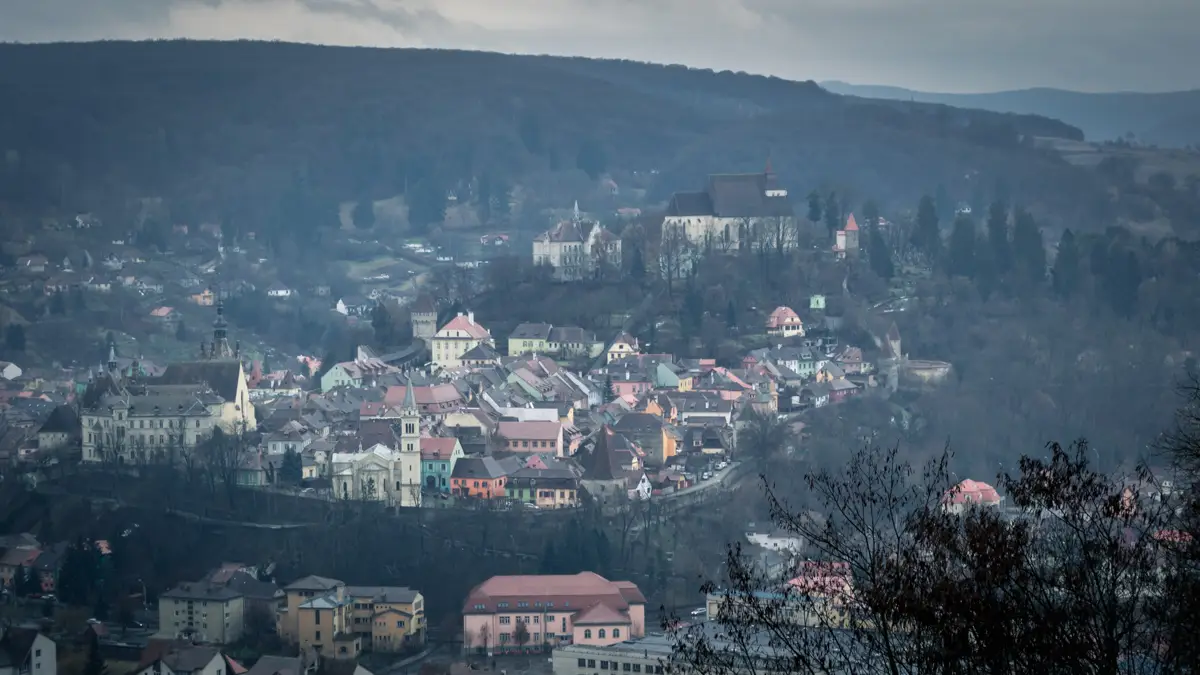
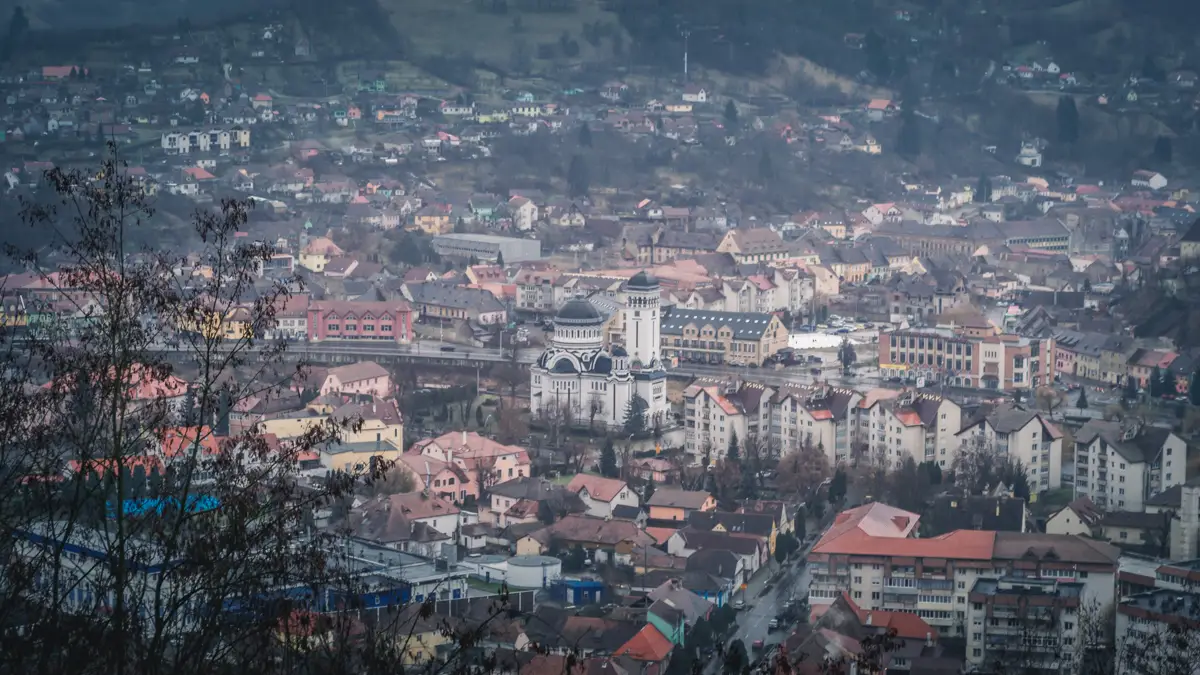
    As you can see from the photos below, both the upper and lower part of Sighisoara medieval citadel is visible. Unfortunately, the most emblematic building, the Clock Tower, is covered by the town hall, only a part of its roof is visible. On the left side of the citadel, you will find the Holy Trinity Orthodox church.

    Close-up panoramic view of Sighisoara medieval citadel.
    The Sighisoara Medieval Citadel.
    Holy Trinity Orthodox church.
    The Holy Trinity Orthodox church surrounded by residential buildings.
    A large part of the city as seen from a hill next to the train station.
    Panoramic view of the city.

    Visit the Sighisoara Medieval Citadel

    After admiring the city’s panorama from above, it’s time to explore the old Sighisoara Medieval Citadel because it is home to one of the best-preserved medieval citadels in Europe. Its cobblestone streets, colorful buildings, and medieval architecture create a picturesque setting that transports visitors back in time.