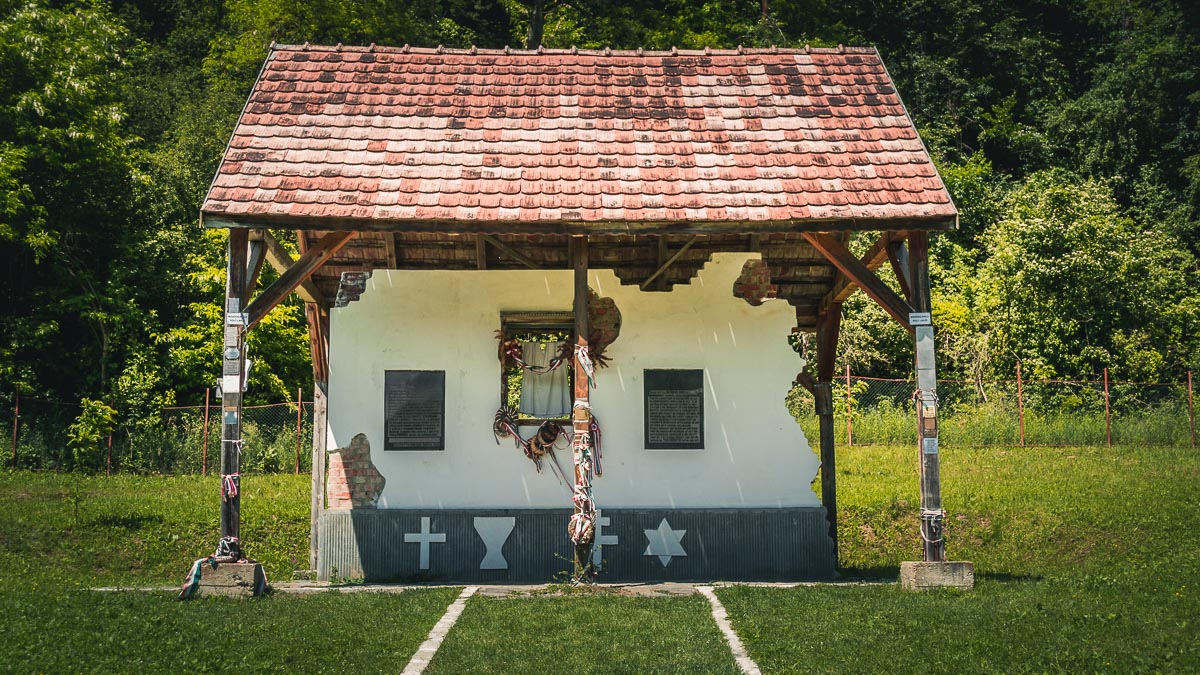
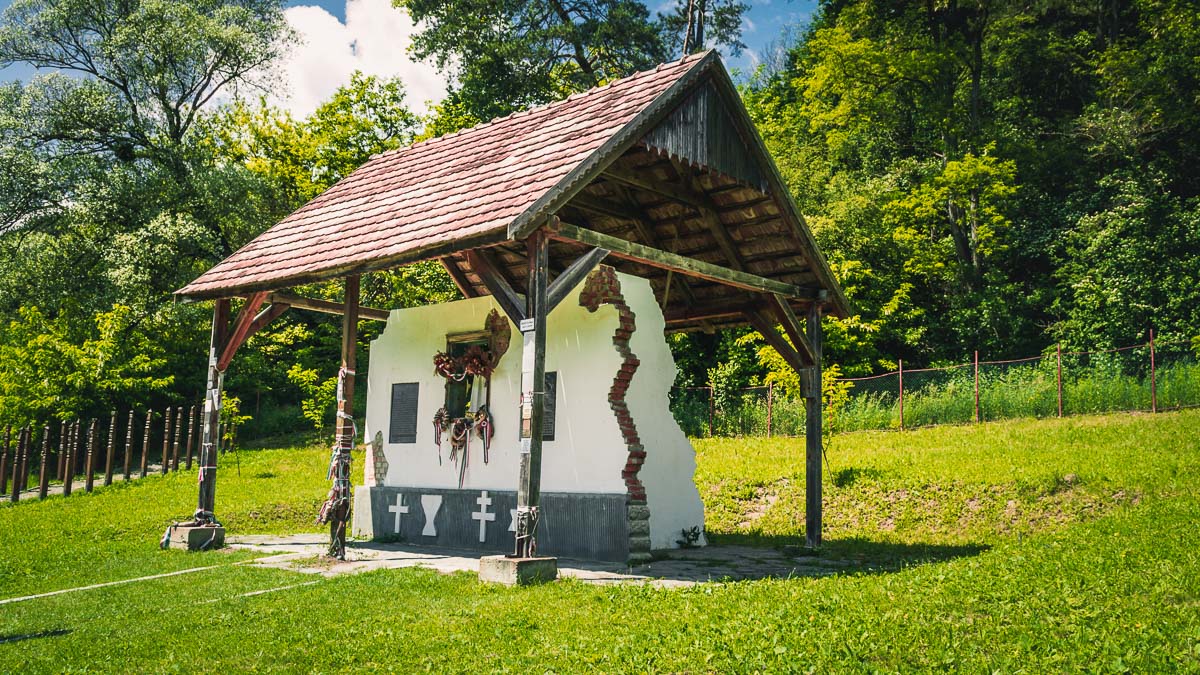
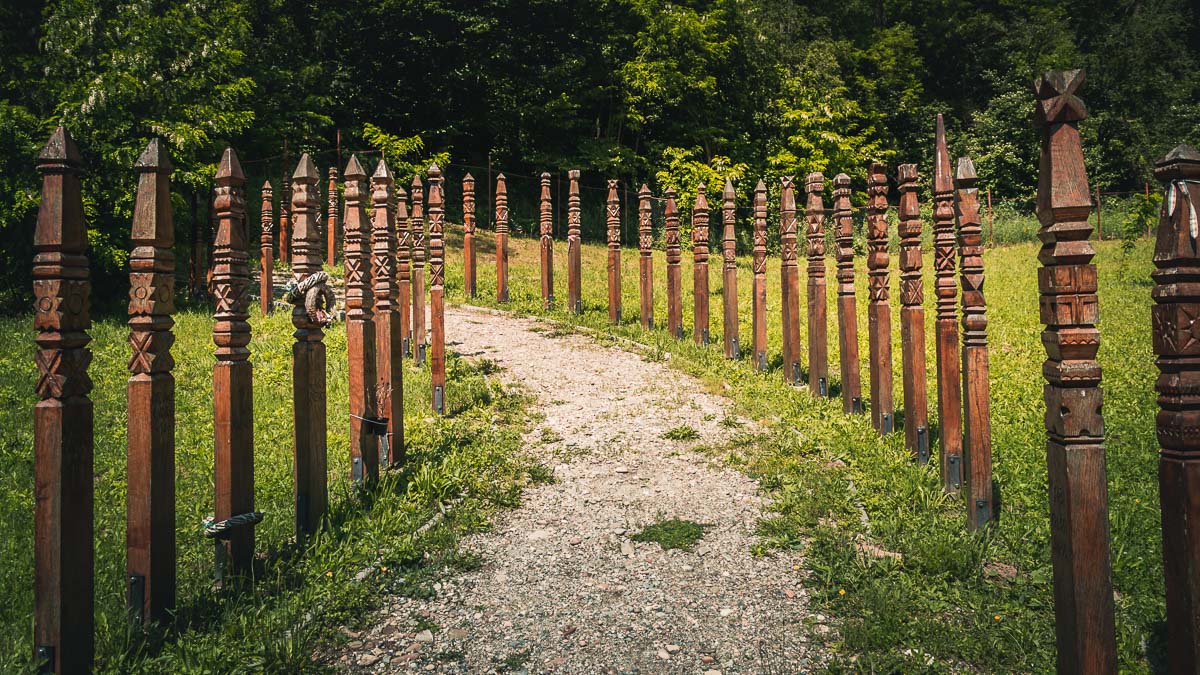
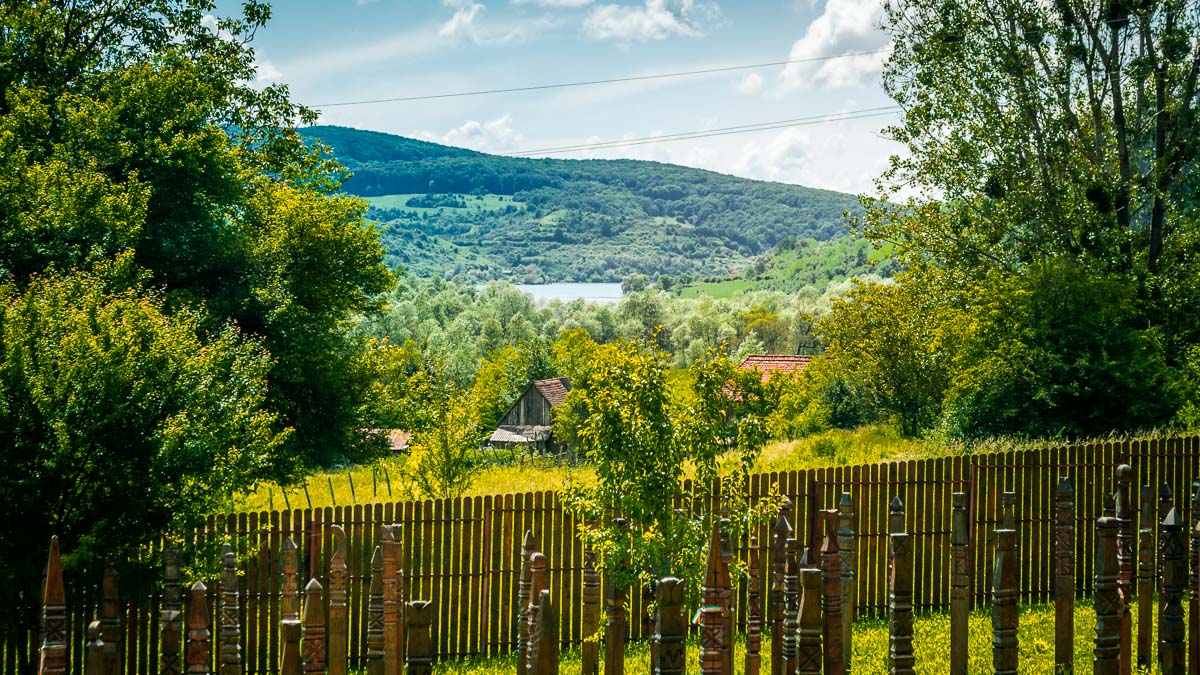
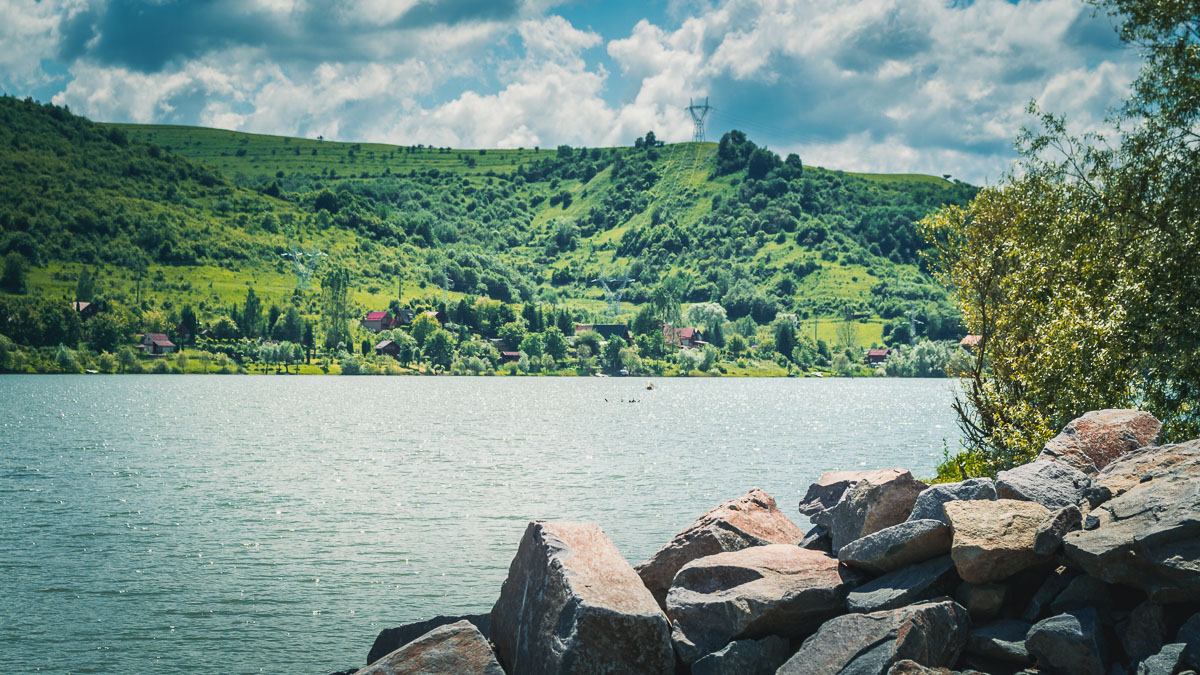
The Bezid Memorial Park is located close to lake Bezid in Mureş County, Romania. It was built in memory of the former village of Bezidu Nou which currently lies under the lake’s water. The sad history of this Transylvanian village starts in 1975 when the construction of the nearby dam has started. Mainly, the dam was constructed to prevent flooding in the area but in exchange, the village of Bezidu Nou had to be evicted. The construction was stopped in 1977 but unfortunately it was resumed in 1984.
In 1985 the villagers were evicted because the dam was finished and the water level started slowly to rise. In 1994 the two churches from the village were covered entirely by water.
In 1995 a former inhabitant built a memorial park on the outskirts of the former village of Bezidu Nou. Inside the small memorial park you will find a collapsed wall. Next to the wall, you will find funeray pillars which actually is a map of the former village. You will also find some older images of the village before and after it was covered by the water.
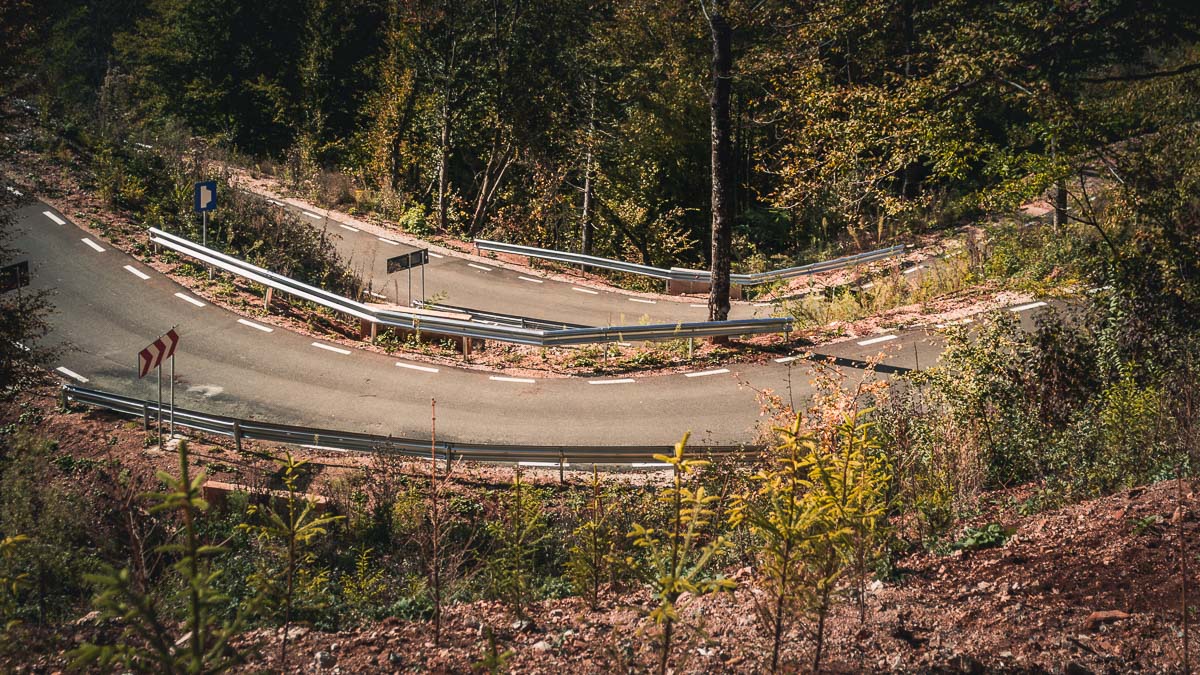
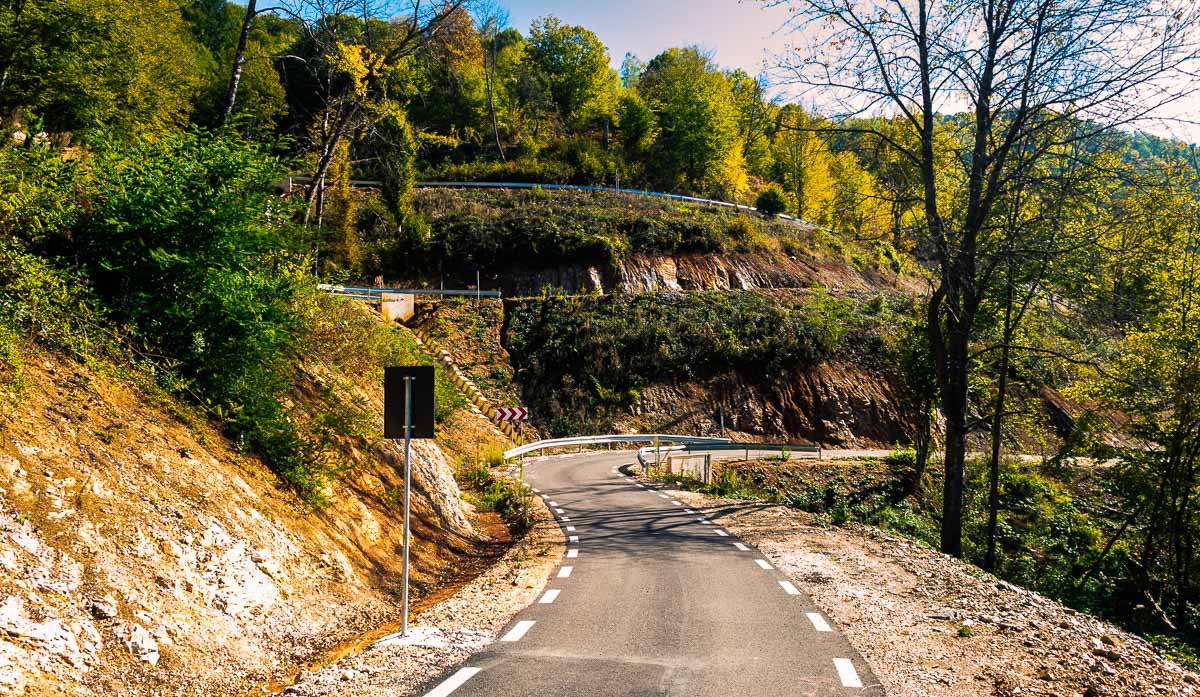
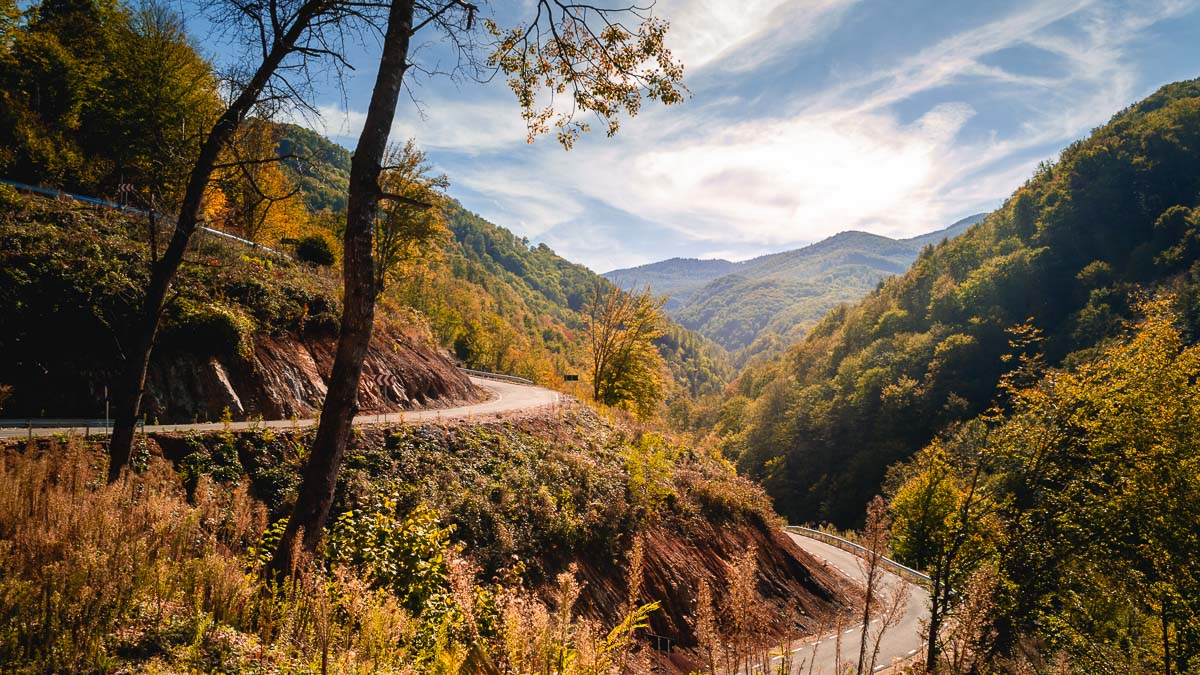
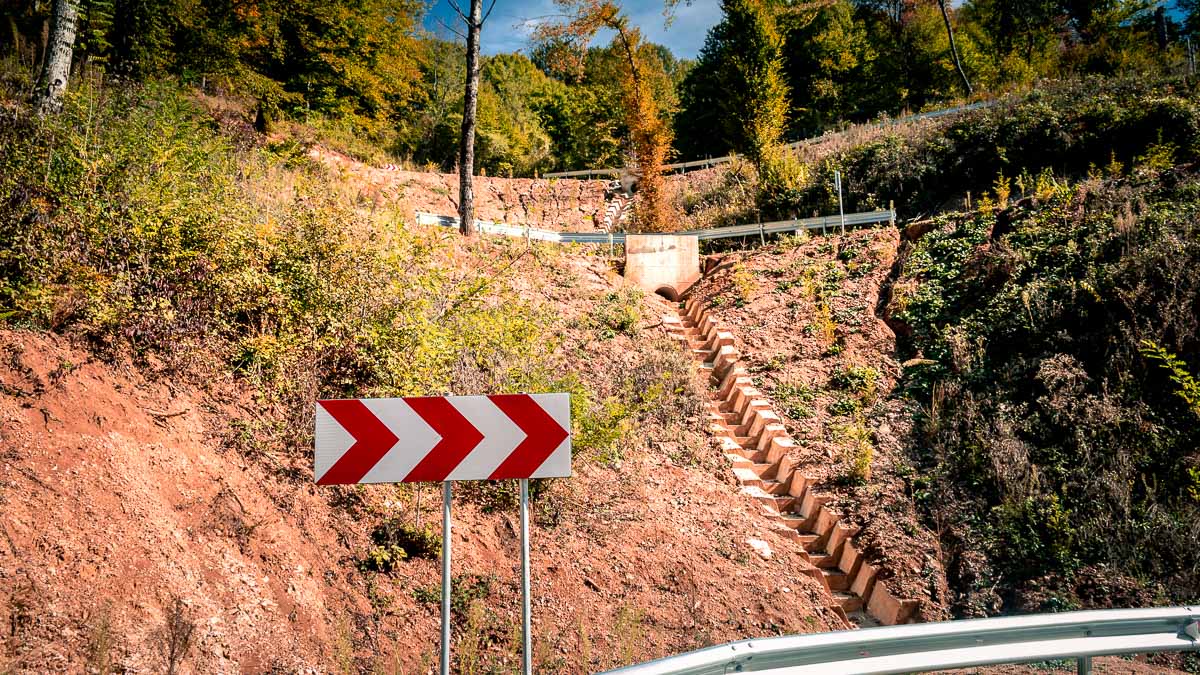
The Transluncani is a spectacular road which was built in the mountains and you will find it near the village of Luncanii de Jos, Timiș County. The construction of this road was finished in 2019 and it was built mainly to facilitate the access to the plateau where the locals have their lands. The plateau is at an altitude of around 700 meters. On the Translucani you will find many steep hairpin turns and sharp descents. The highest gradient is around 20%. It’s recommended to drive slowly and carefully because the road is very narrow and two cars can barely fit.
The Transluncani road is a smaller version of Transalpina or Transfăgărășan which currently are the most popular mountain passes in Romania.
Other things to visit in the area:
Valea lui Liman – This is a popular touristic complex which has a nice restaurant and a hotel. It’s only about 7 km away from Transluncani.
Sopot waterfall – This is another popular attraction in the area that you must visit.
Gyula is a charming city in the eastern part of Hungary, located very close to the Romanian border. Despite its small size, Gyula is a popular destination for visitors, thanks to its rich history, relaxing thermal baths, and beautiful surroundings.
The Gyula Castle
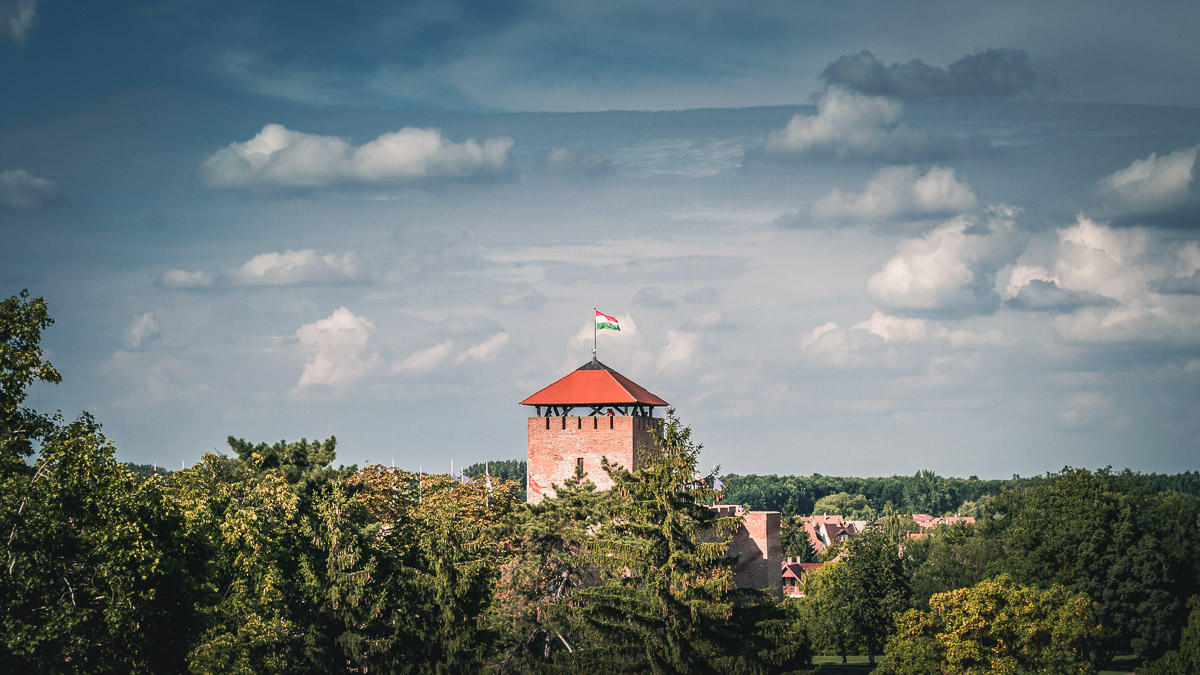
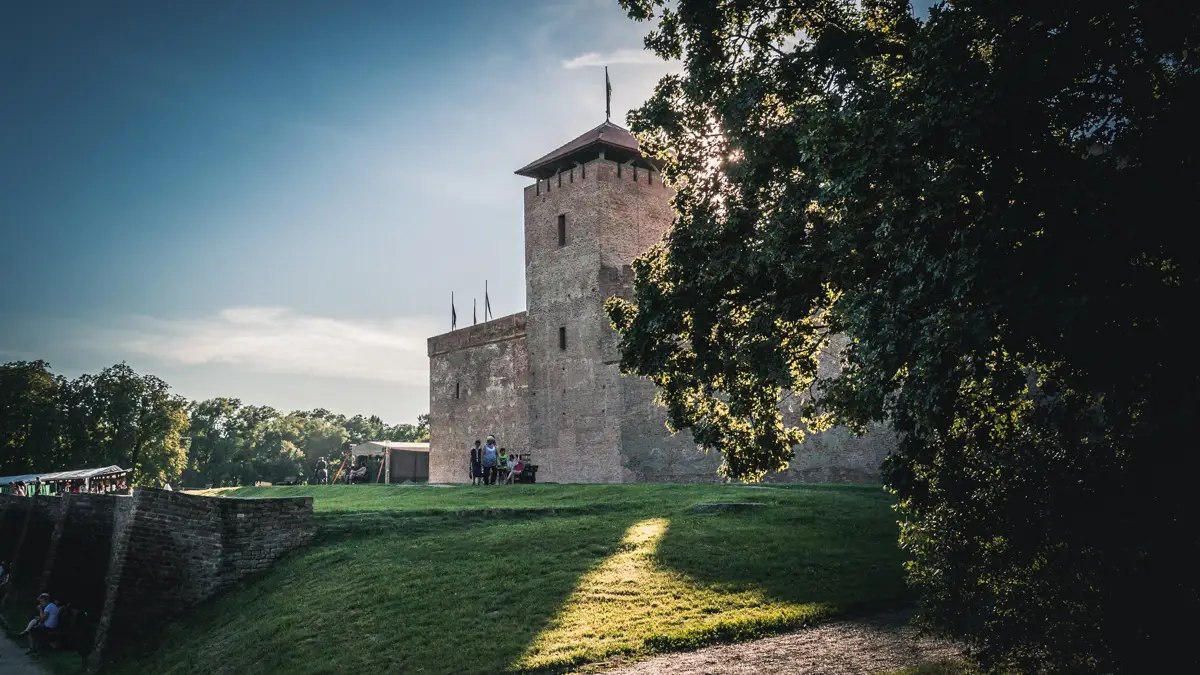
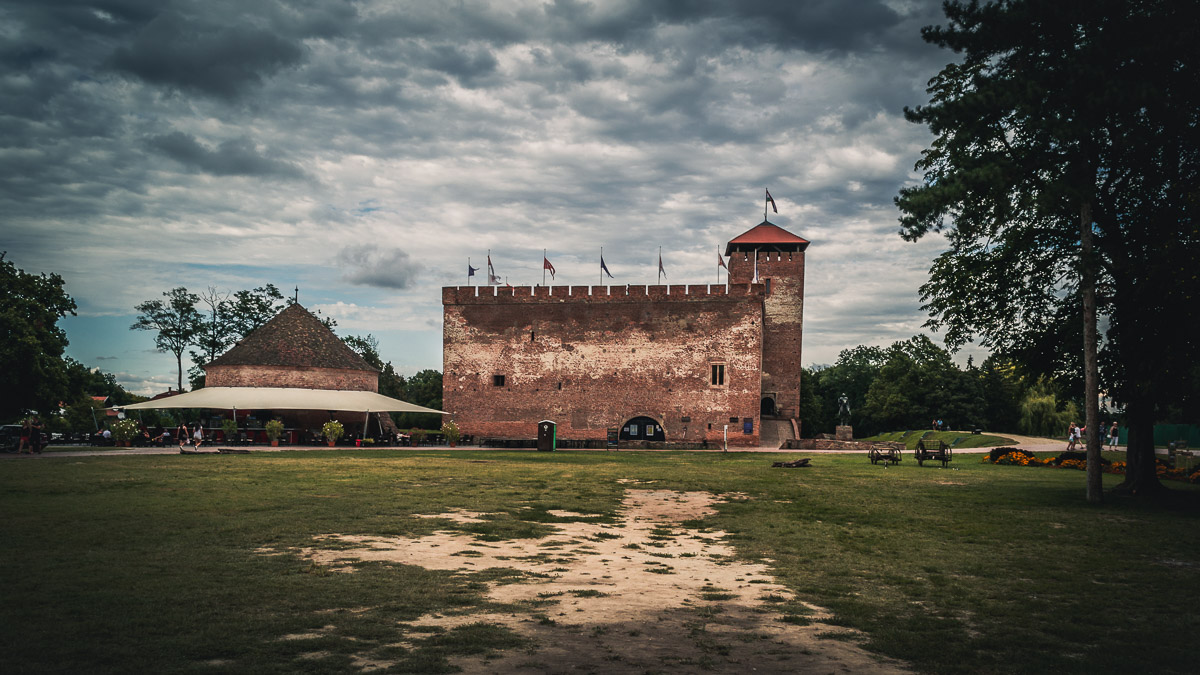
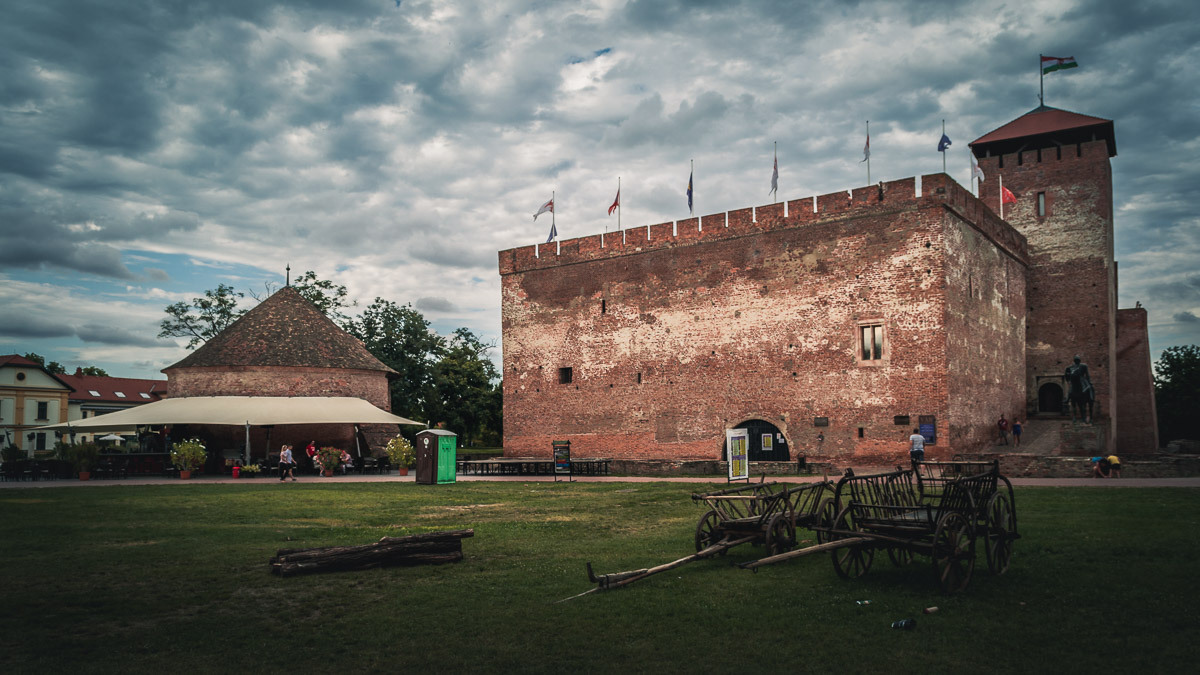
Right next to the Gyula Castle Bath stands the Gyula Castle, a magnificent medieval fortress. The construction of this castle was completed in the 16th century, and it has a fascinating history. The castle was once conquered by the Ottomans and later recaptured by Christian forces in 1694. Today, visitors can tour the castle and explore its well-preserved interior.
Inside the castle, there is a fantastic museum with many interactive exhibitions. The museum offers a glimpse into the past, with displays about the castle’s history and the life of the people who lived there. You can easily spend more than an hour exploring the exhibits and learning about the rich history of the region.
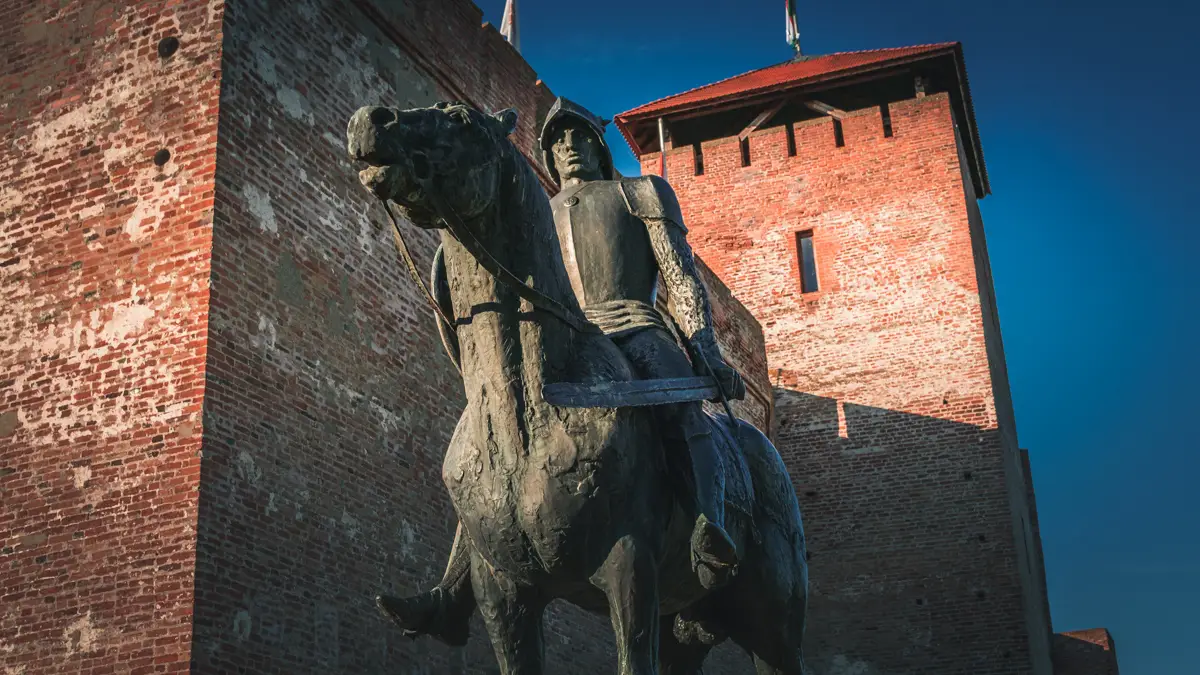
The castle during sunset.The Gyula Castle.The castle and with a terrace next to it.Statue near the castle.
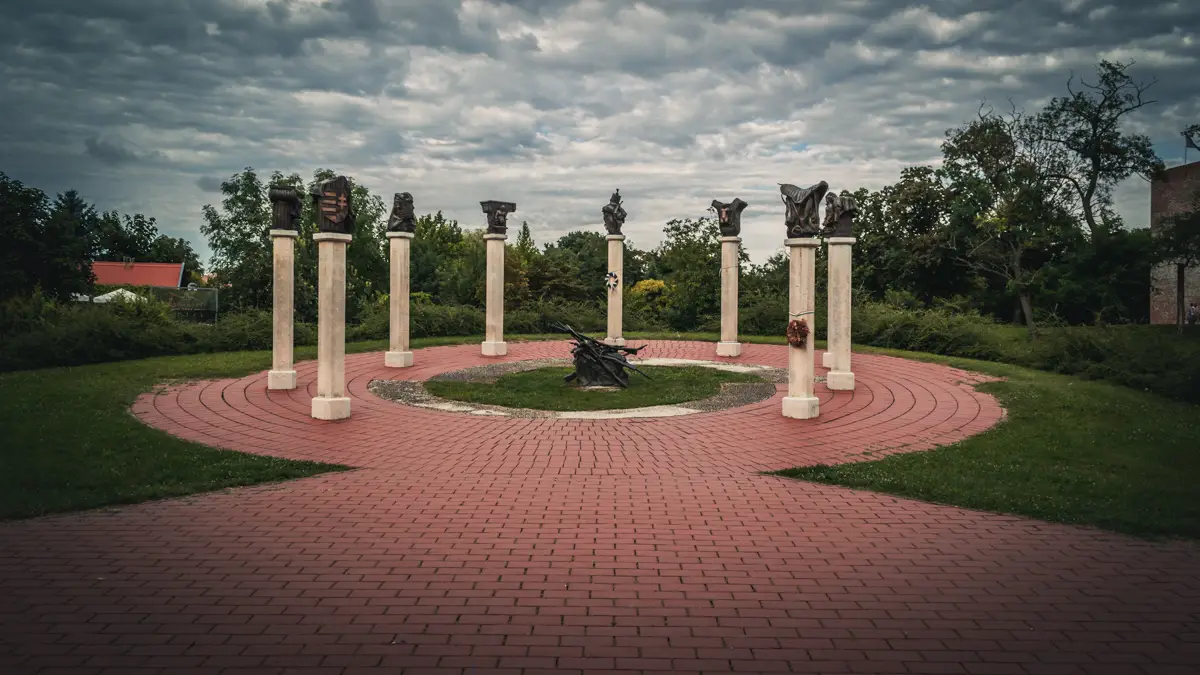
Very close to the Gyula Castle you will find the memorial to the Defense Force Officer’s or Honvéd Officers who were executed by the Habsburgs after the 1848-1849 Revolution. Each column is inscribed with the names of the officers, offering a solemn reminder of their sacrifice for Hungary’s freedom.
The Defense Forces Officer’s Memorial.
The Almasy Castle
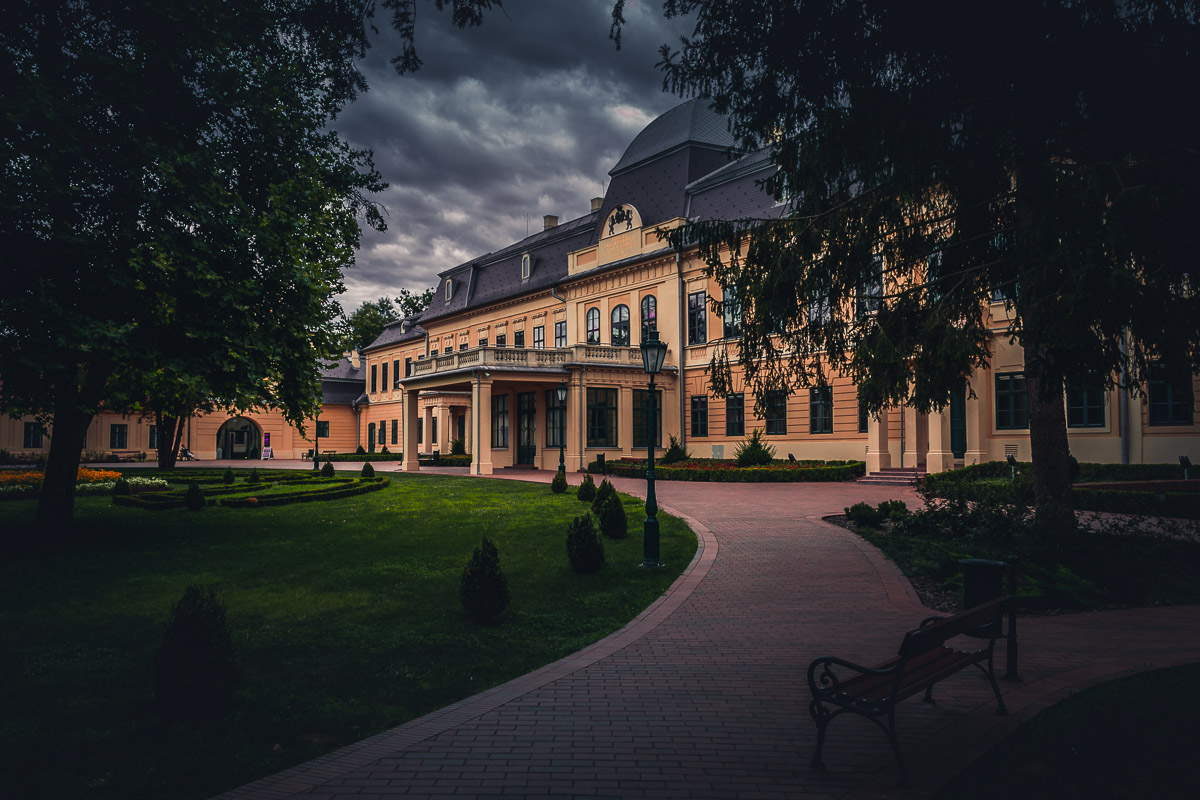
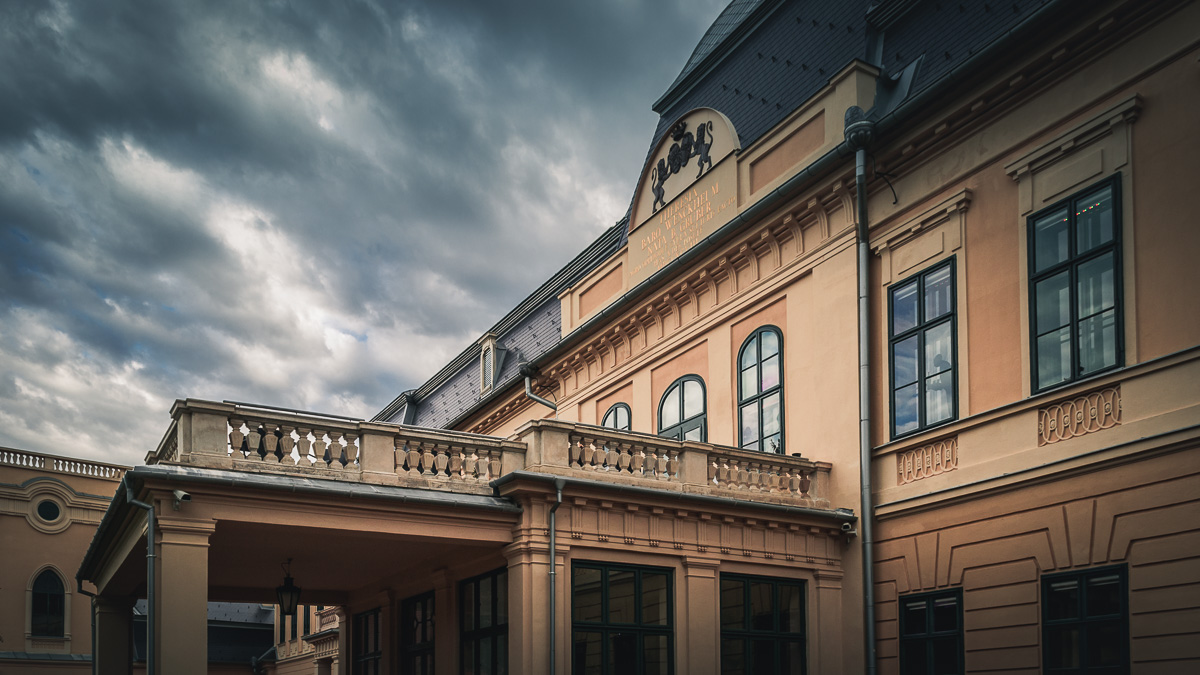
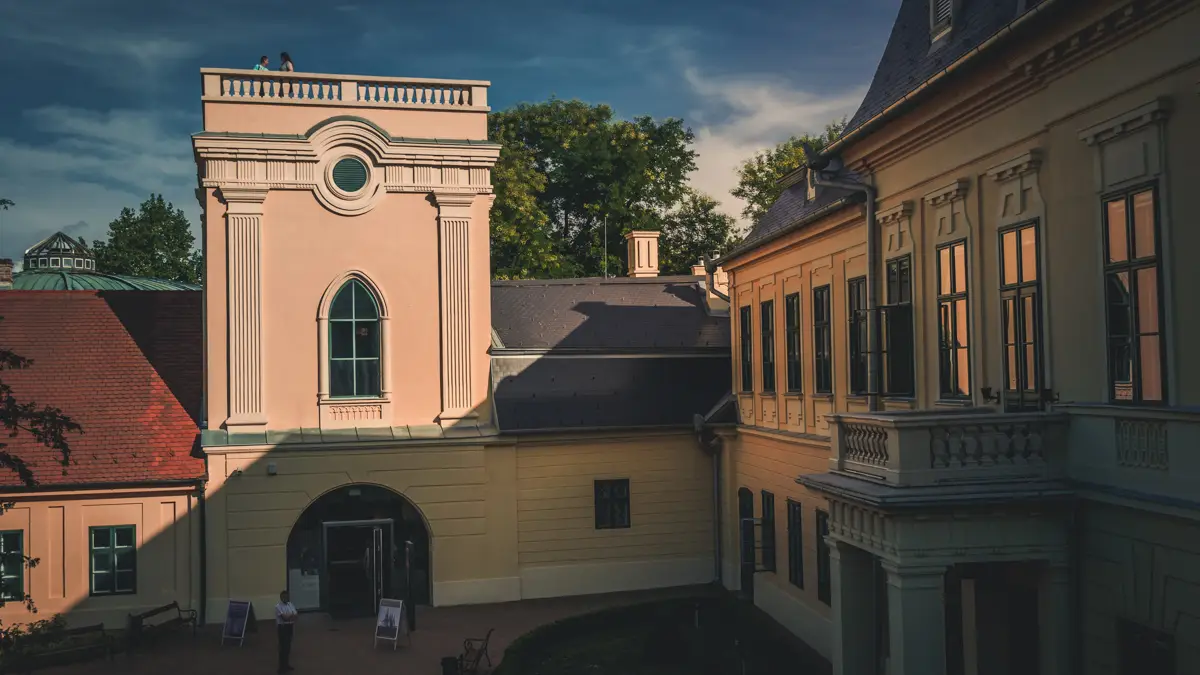
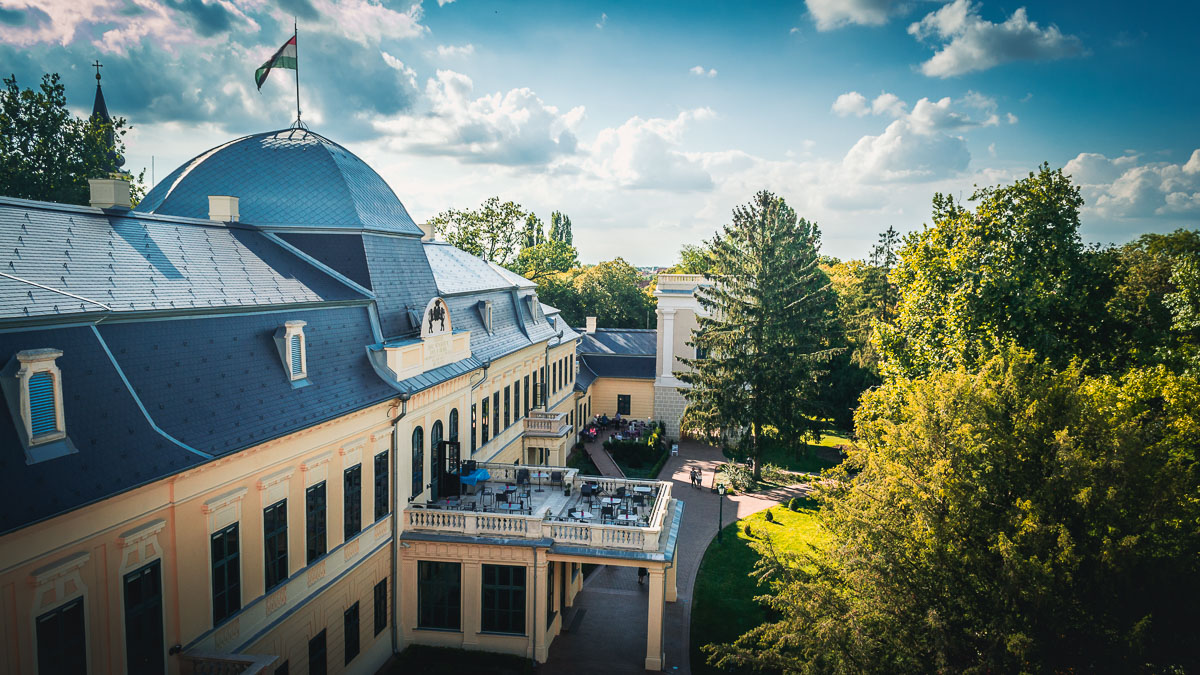
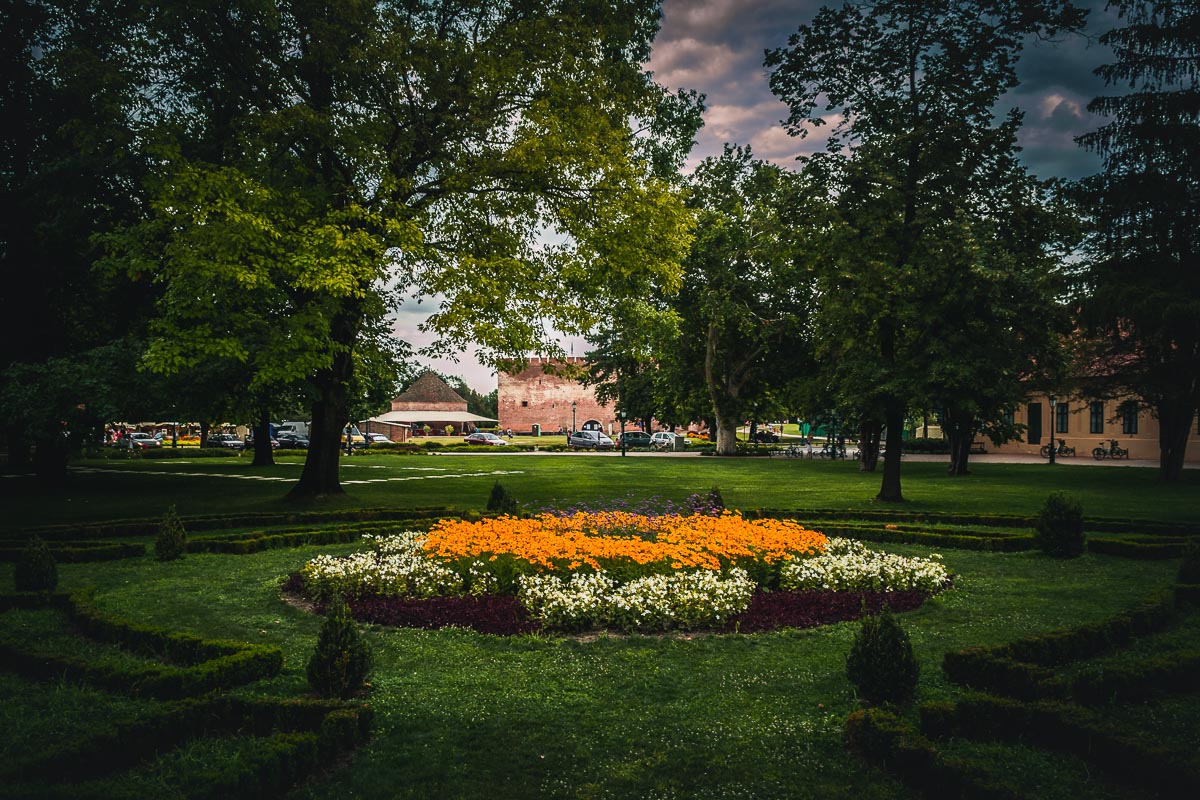
Another must-see attraction in the Hungarian city of Gyula is this Almasy Castle which in my opinion is a fascinating museum. It offers a wide range of interactive exhibits that are both fun and educational. Visitors can easily spend more than an hour exploring everything the museum has to offer. Its location is also very convenient, as it’s close to two other popular sites—the historic Gyula Castle and the relaxing Gyula Castle Bath.
The Almasy CastleA small balcony.The entrance into the Almasy Castle.The view from the tower.Flower garden with the Gyula Castle in the background.
Discovering the city’s sights
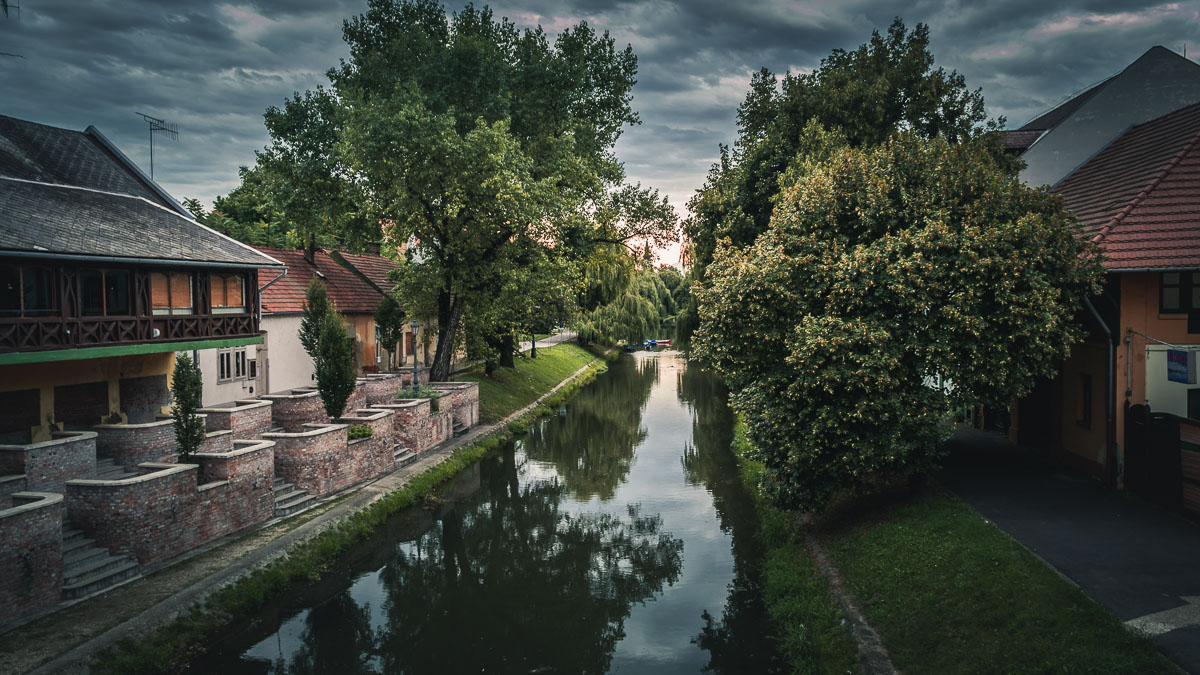
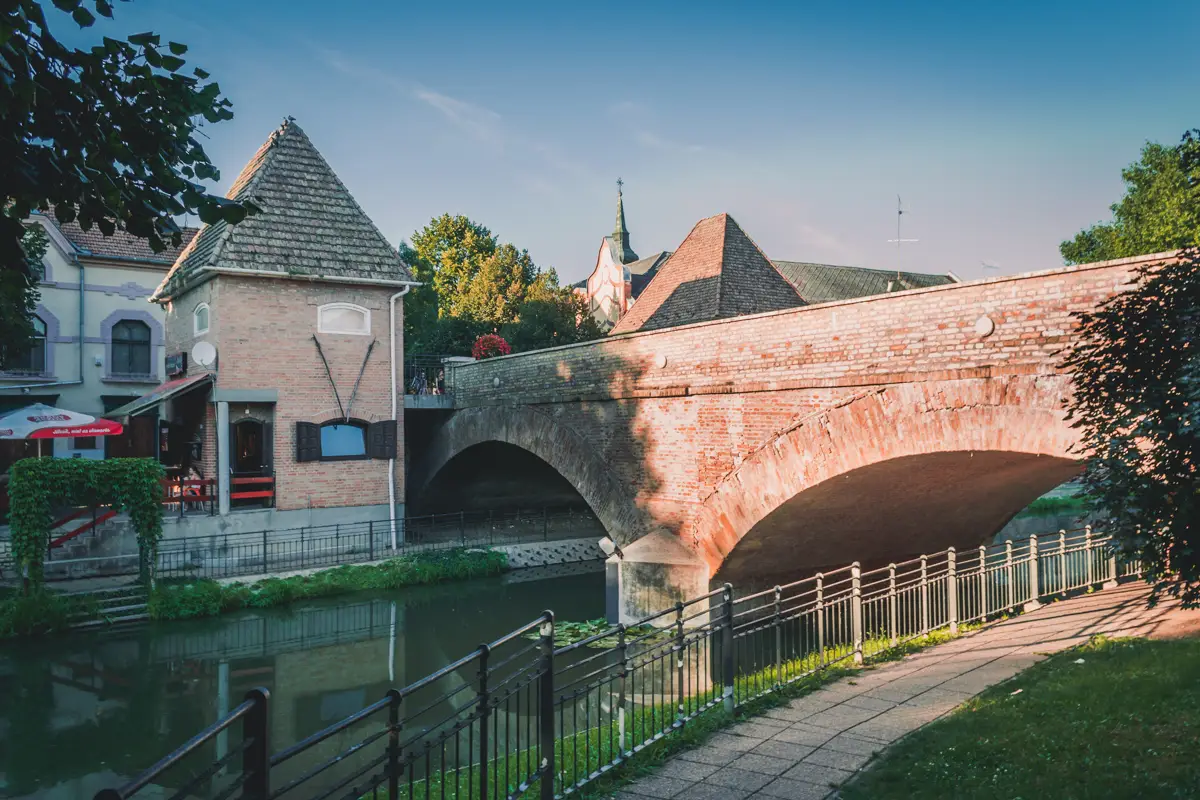
Gyula is a city full of surprises, and there are many other attractions to explore besides the castle and the thermal baths. One of the most pleasant ways to experience Gyula is by taking a walk along the Élővíz Canal.
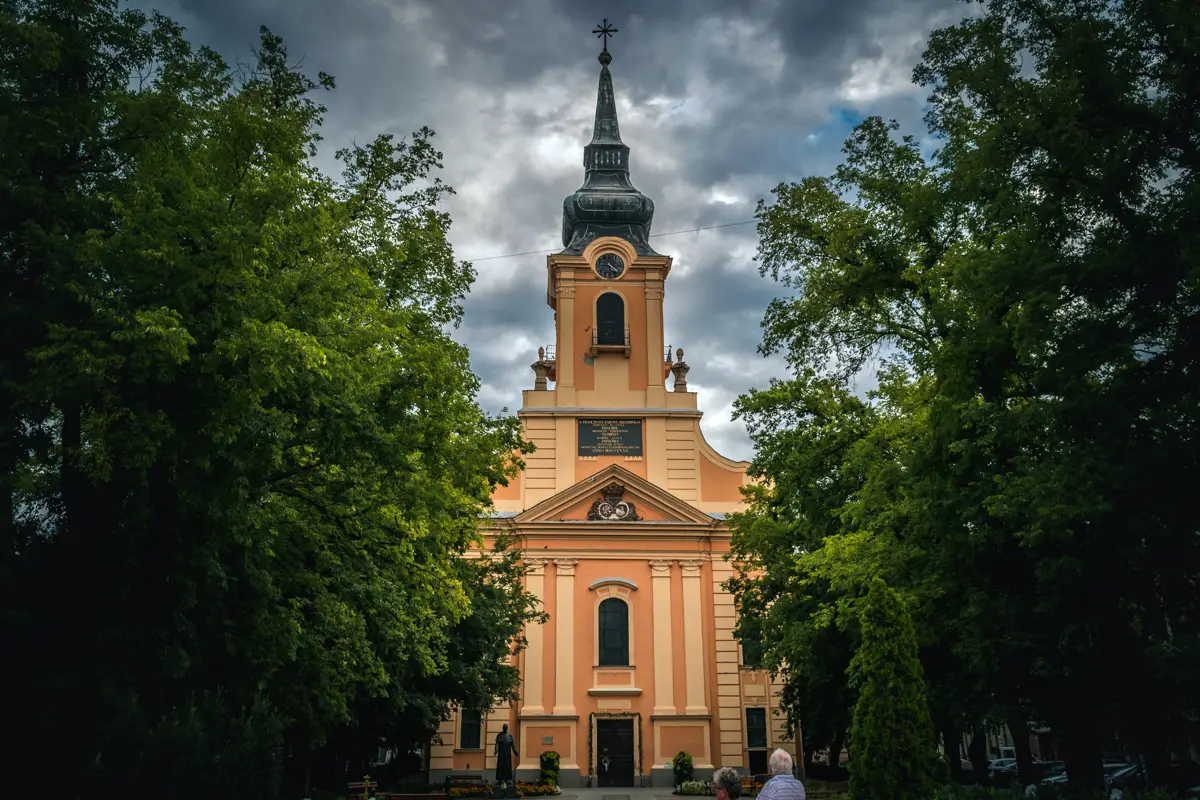
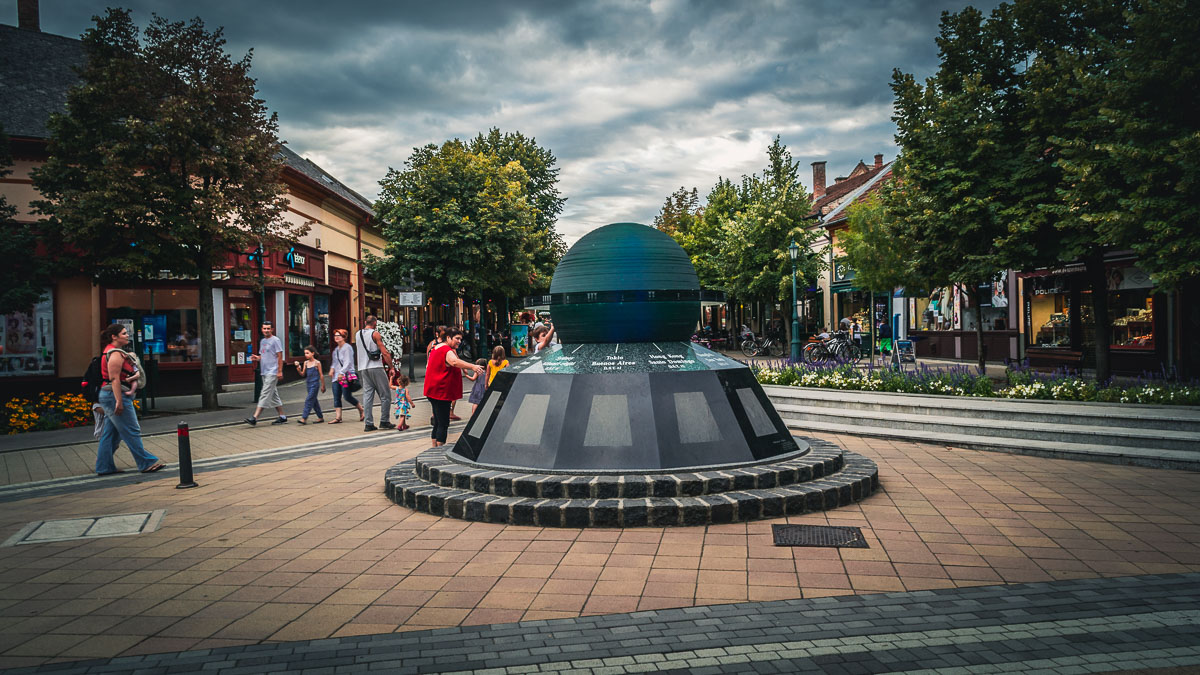
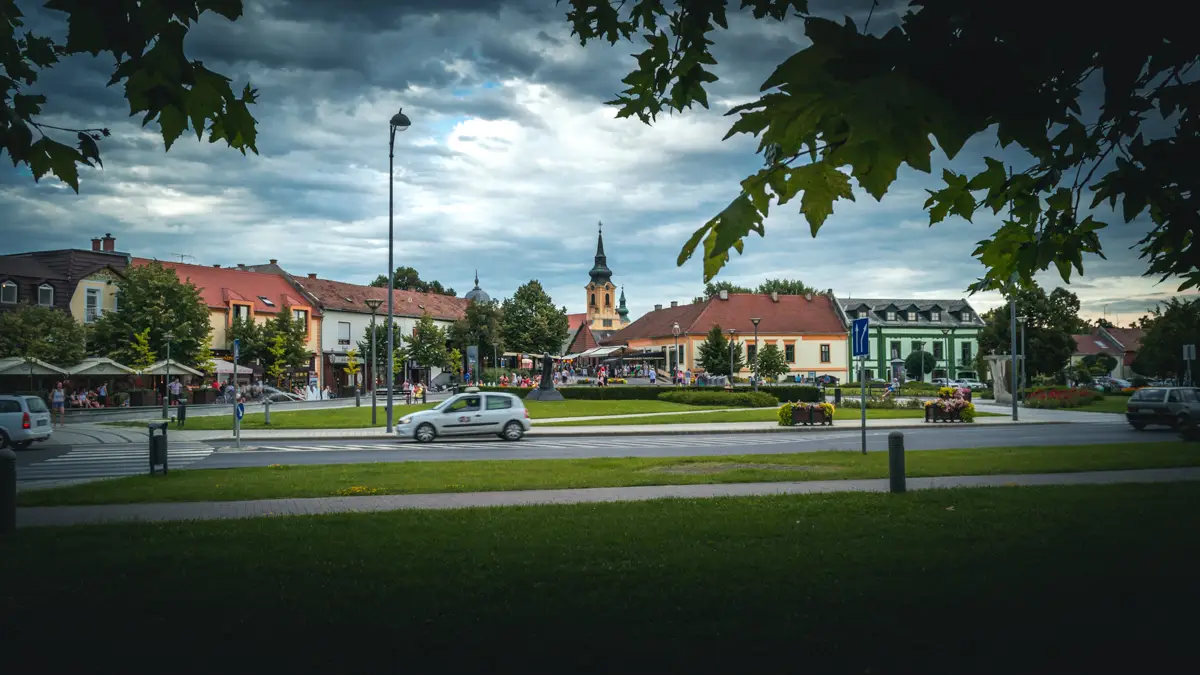
Another must-visit area in Gyula is Városház Street. This street is home to the impressive World Clock (called Világóra in Hungarian) and the beautiful Church of the Assumption of Mary. The World Clock is a unique landmark that shows the time in various cities around the world. Városház Street is also lined with restaurants, shops, and boutiques, making it a great place to shop, dine, and enjoy the local atmosphere.
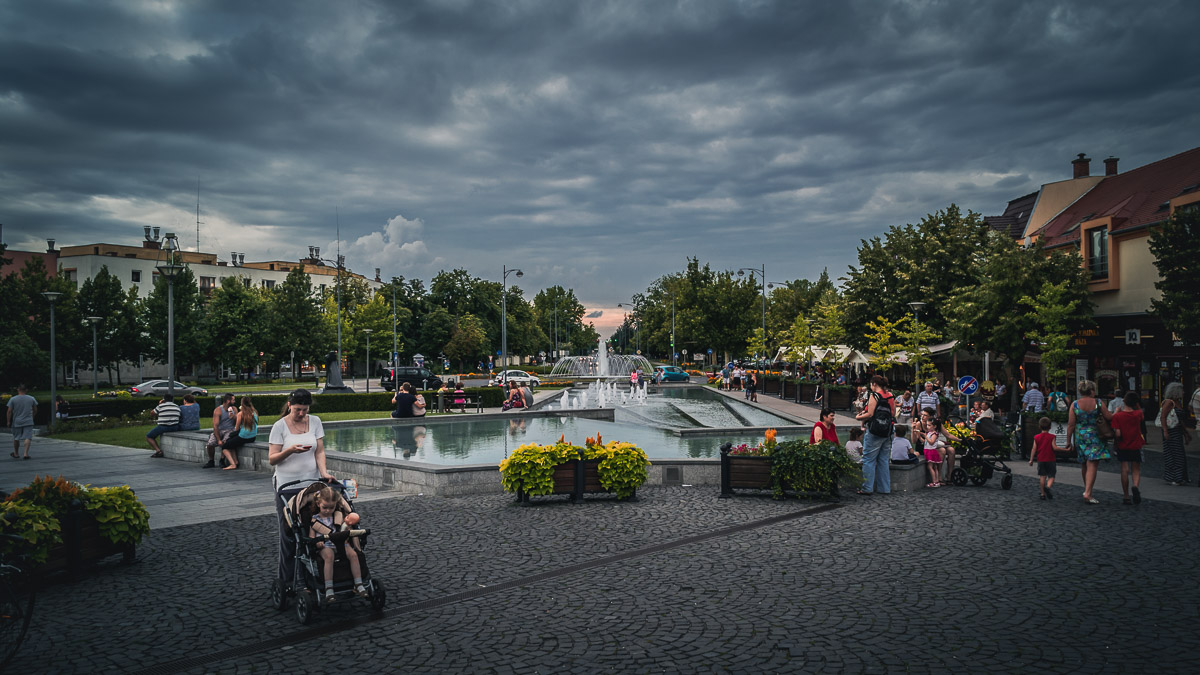
Church of the Assumption of Mary.The World Clock.Fountains in downtown.The small Eloviz canal.Old brick bridge over the canal.A part of Gyula.
Gyula may be a small city, but it’s full of charm and character. It’s a place where you can relax, explore history, and enjoy the beauty of nature. Whether you’re soaking in the thermal baths, wandering through the medieval castle, or simply strolling along the canal, Gyula offers a peaceful and enriching experience.
We use cookies on our website to give you the most relevant experience by remembering your preferences and repeat visits. By clicking “Accept All”, you consent to the use of ALL the cookies. However, you may visit "Cookie Settings" to provide a controlled consent.
This website uses cookies to improve your experience while you navigate through the website. Out of these, the cookies that are categorized as necessary are stored on your browser as they are essential for the working of basic functionalities of the website. We also use third-party cookies that help us analyze and understand how you use this website. These cookies will be stored in your browser only with your consent. You also have the option to opt-out of these cookies. But opting out of some of these cookies may affect your browsing experience.
Necessary cookies are absolutely essential for the website to function properly. These cookies ensure basic functionalities and security features of the website, anonymously.
Cookie
Duration
Description
cookielawinfo-checkbox-analytics
11 months
This cookie is set by GDPR Cookie Consent plugin. The cookie is used to store the user consent for the cookies in the category "Analytics".
cookielawinfo-checkbox-functional
11 months
The cookie is set by GDPR cookie consent to record the user consent for the cookies in the category "Functional".
cookielawinfo-checkbox-necessary
11 months
This cookie is set by GDPR Cookie Consent plugin. The cookies is used to store the user consent for the cookies in the category "Necessary".
cookielawinfo-checkbox-others
11 months
This cookie is set by GDPR Cookie Consent plugin. The cookie is used to store the user consent for the cookies in the category "Other.
cookielawinfo-checkbox-performance
11 months
This cookie is set by GDPR Cookie Consent plugin. The cookie is used to store the user consent for the cookies in the category "Performance".
viewed_cookie_policy
11 months
The cookie is set by the GDPR Cookie Consent plugin and is used to store whether or not user has consented to the use of cookies. It does not store any personal data.
Functional cookies help to perform certain functionalities like sharing the content of the website on social media platforms, collect feedbacks, and other third-party features.
Performance cookies are used to understand and analyze the key performance indexes of the website which helps in delivering a better user experience for the visitors.
Analytical cookies are used to understand how visitors interact with the website. These cookies help provide information on metrics the number of visitors, bounce rate, traffic source, etc.
Advertisement cookies are used to provide visitors with relevant ads and marketing campaigns. These cookies track visitors across websites and collect information to provide customized ads.