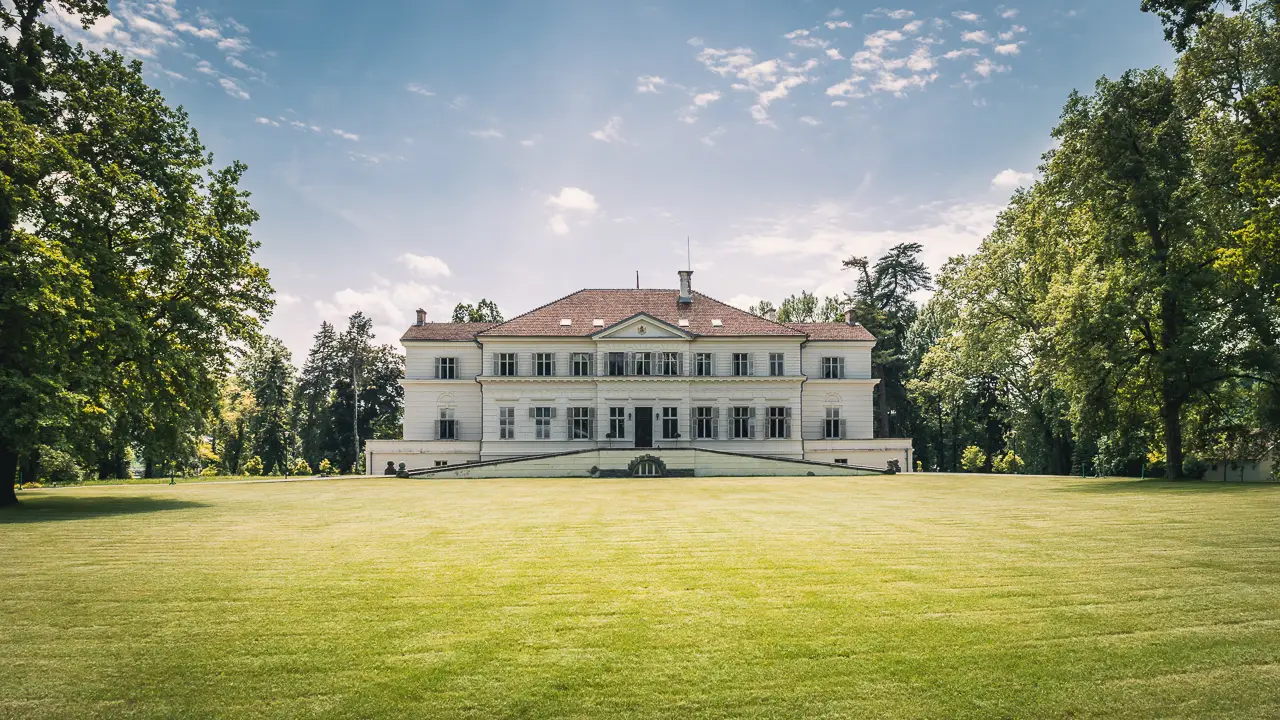
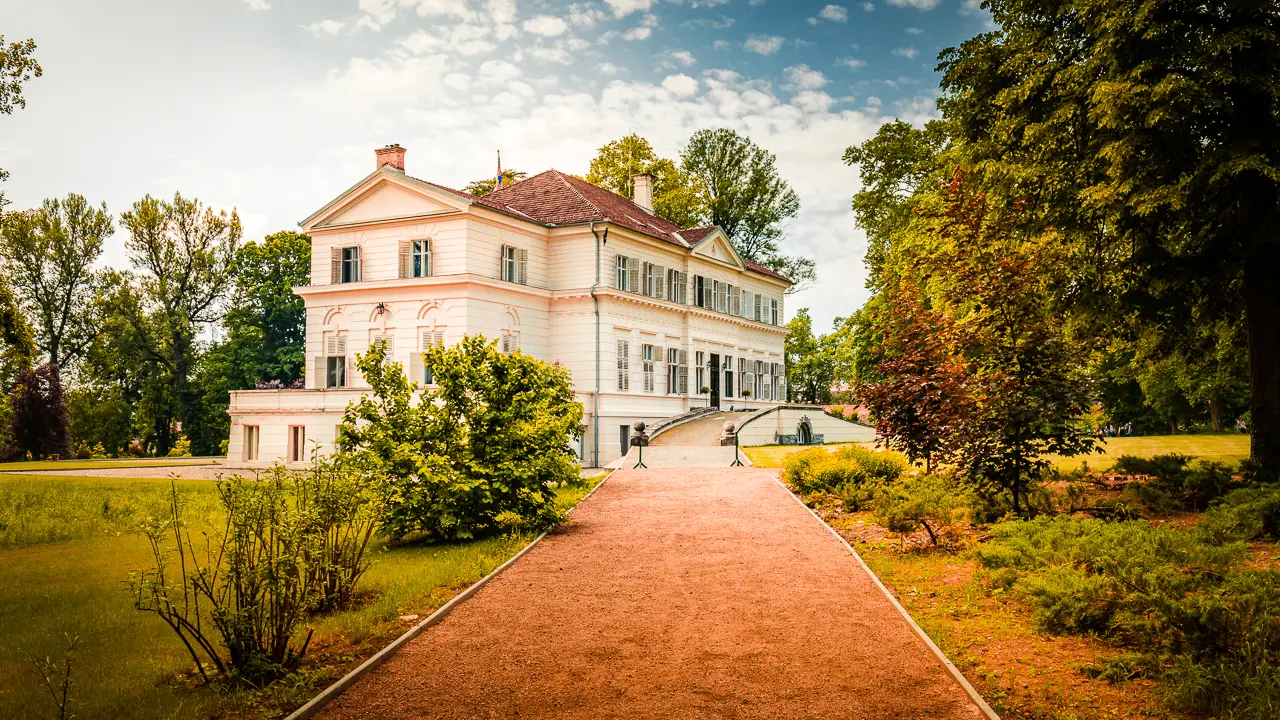
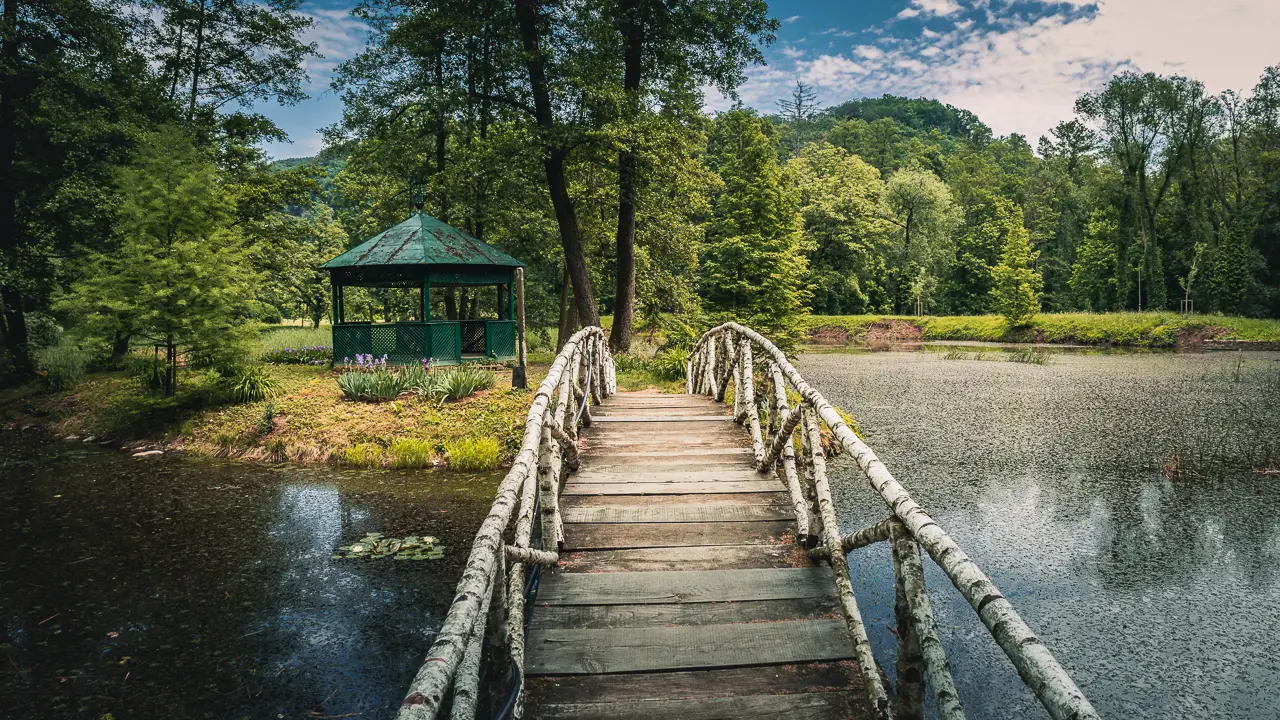
Another important objective to visit in the Mureș valley is the Royal Castle located in the commune of Săvârșin. It’s about an hour of driving away from Radna if you drive towards Deva. The Royal Domain was owned by King Michael I of Romania. In order to visit the park you will have to pay for a ticket. There are also guided tours available for the tourists if you want to learn even more things about this amazing and beautiful place.
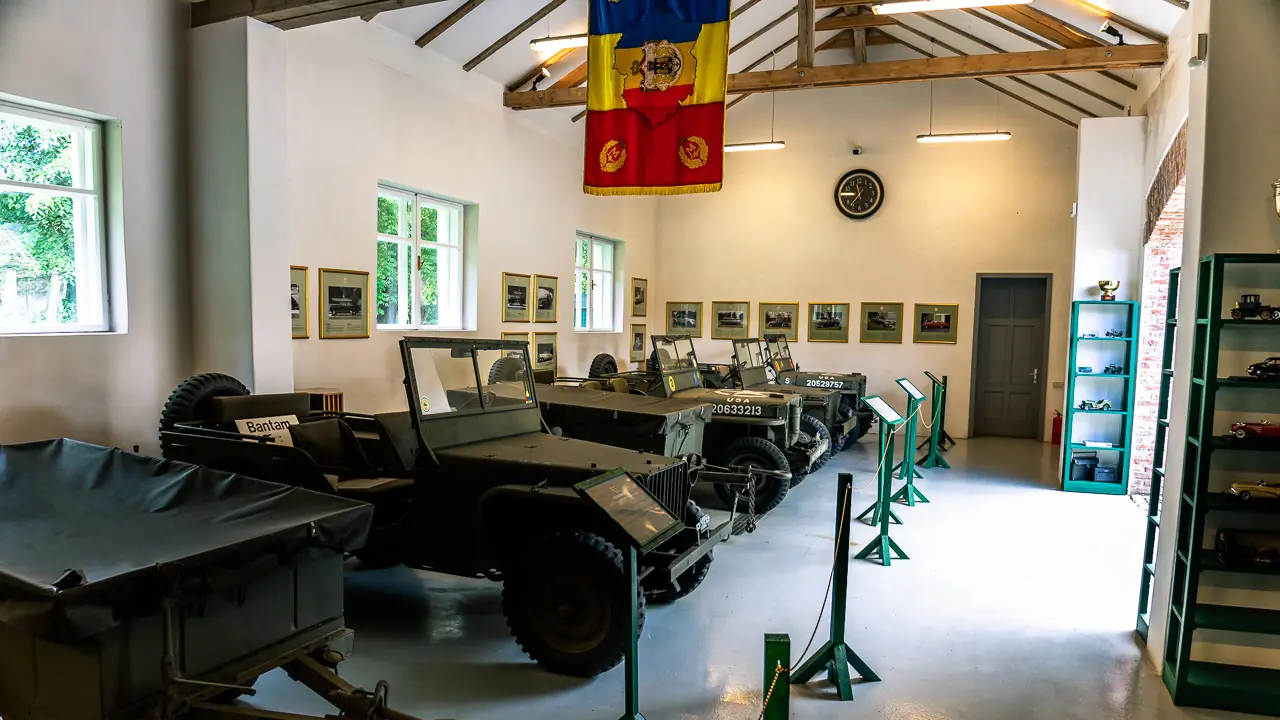
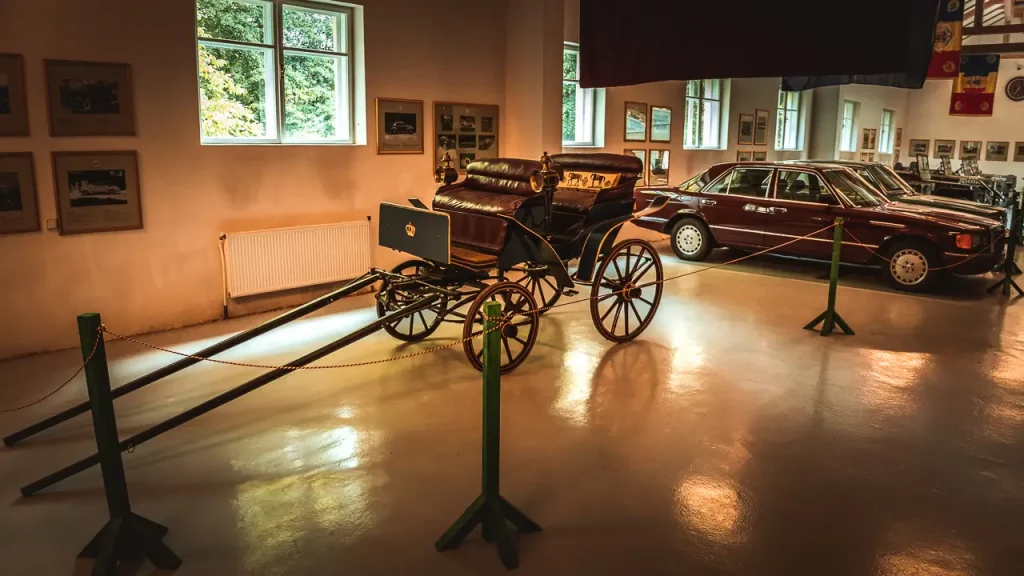
The Automobile Museum
After you enter the Royal Domain the first thing that you can visit is King Michael’s old car collection. Inside the small museum, among the exhibitions, you will gonna find a couple of old WW2 military Jeeps. Right after the automobile museum, you will find small repair shop.
Exploring the large park
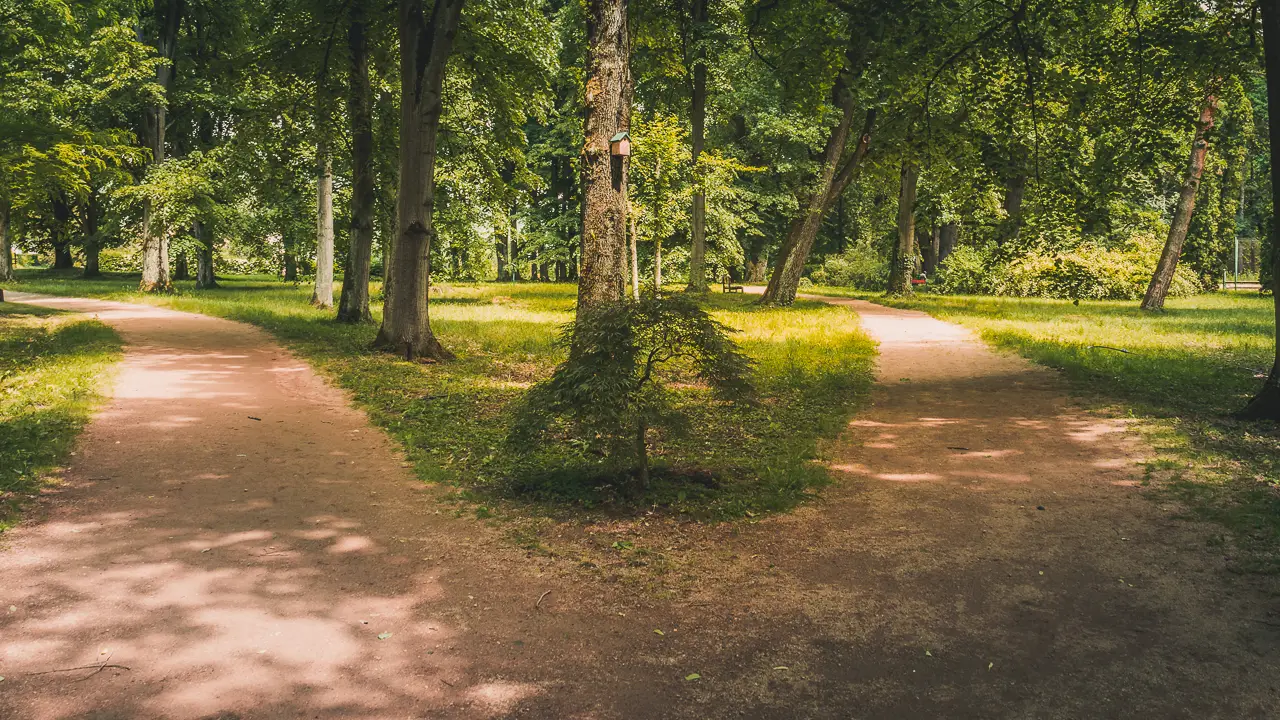
The large park can be found in the back side of the royal castle and it can be explored by the public. Unfortunately, the interior of the castle was not opened for the public.
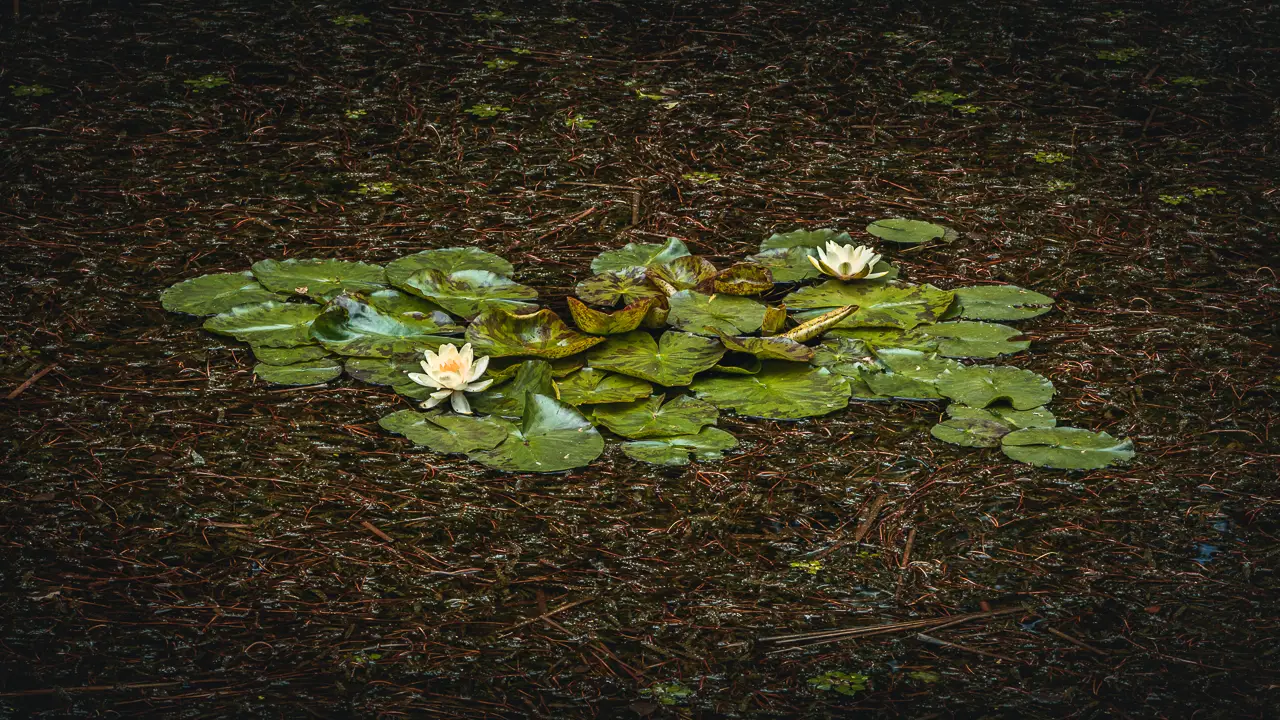
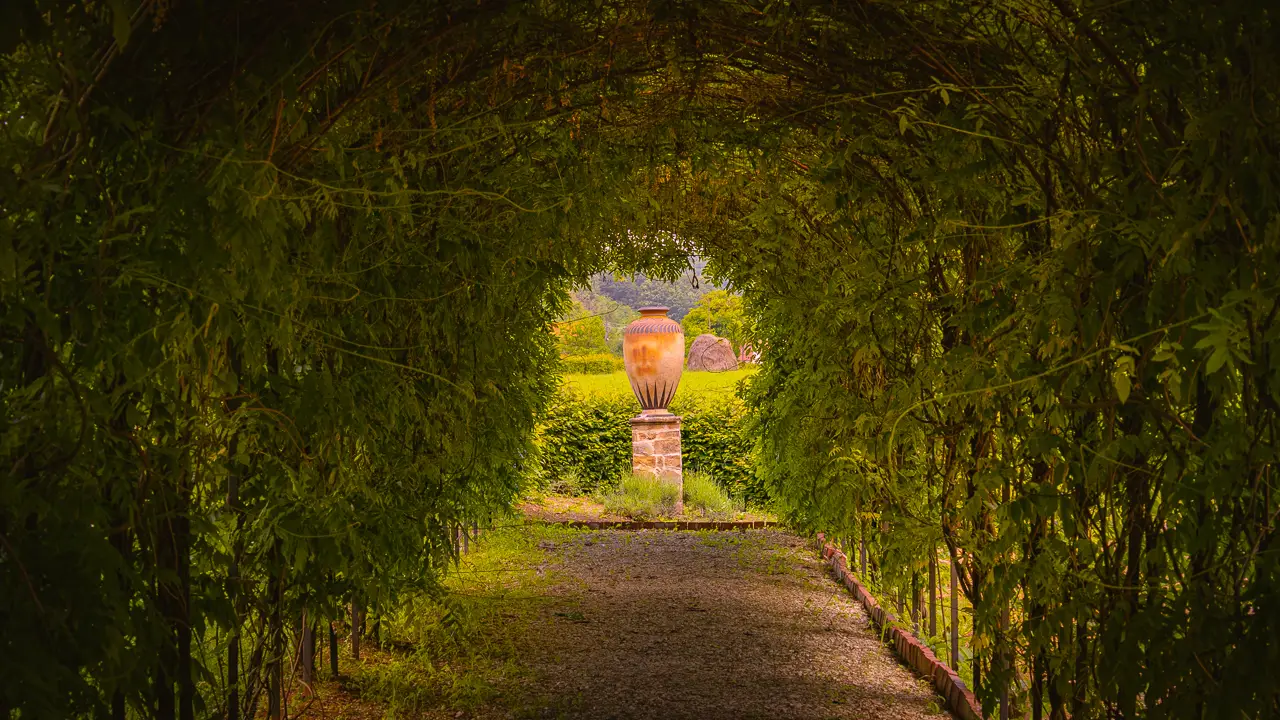
The park has a surface of 6.5 ha where you will find a couple of very old oak trees, some of them were planted 1660. Somewhere in the park you will also find a small island which is surrounded by a lake. Very close to the lake you will also have the chance to admire the beautiful gardens.
What else to visit in the Mureș Valley
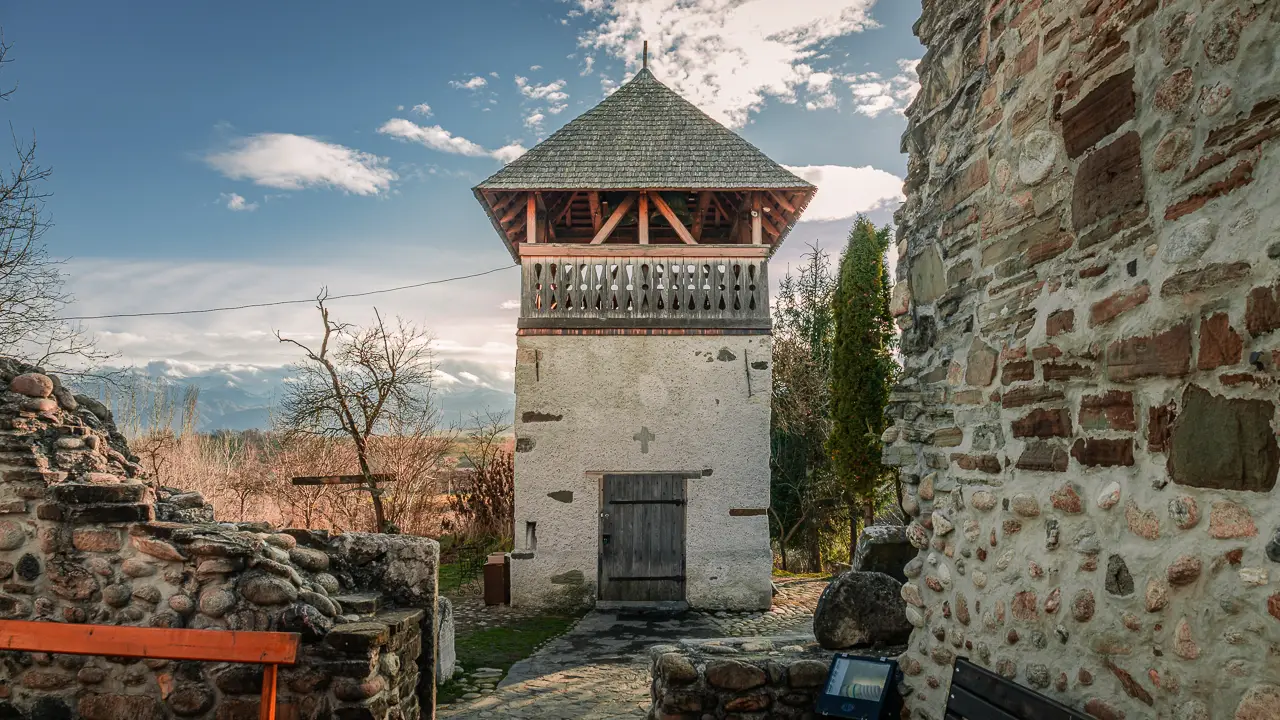
The Șoimoș Fortress – If you are driving towards the city Arad, then you should stop and visit the ruins of the Șoimoș Fortress.
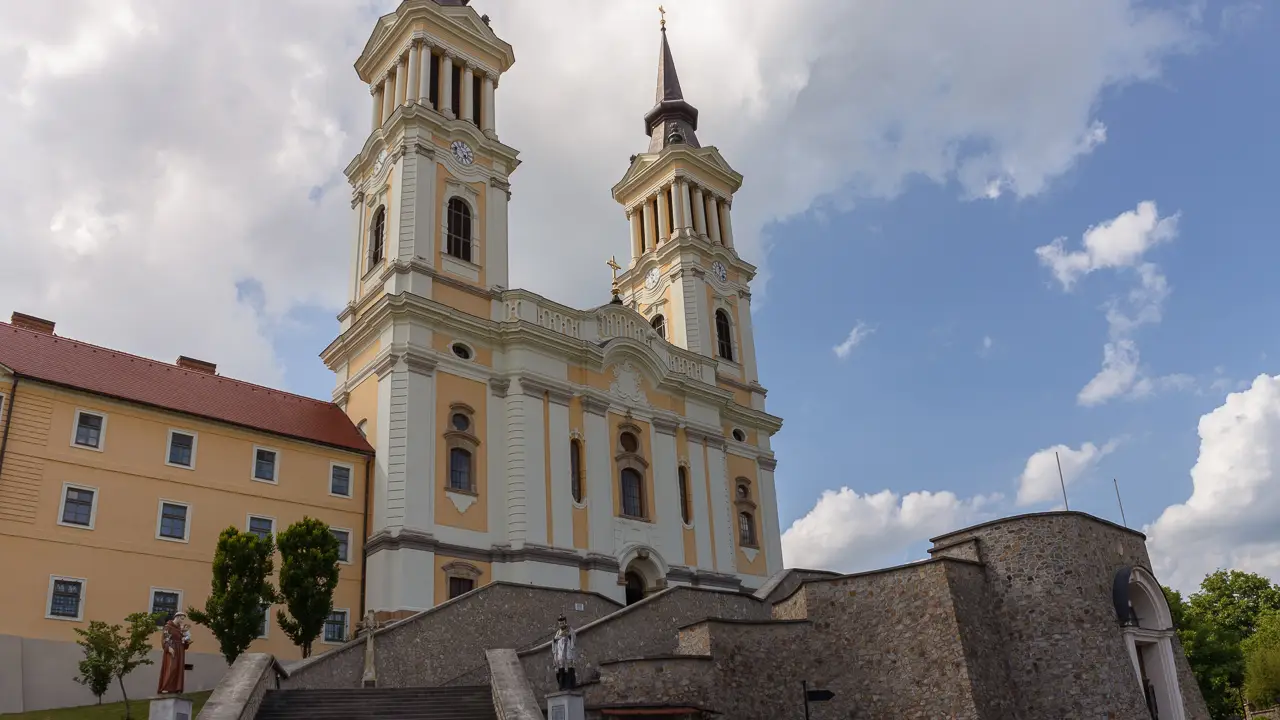
The Radna Monastery – this old monastery is actually very close to the Șoimoș Fortress. This should be the second important objective to visit in the Mureș Valley.
Romania is home to many remarkable historical and architectural monuments, and among them is the Densuș stone church. Situated in the heart of the Hateg region, this unique structure stands out not only for its historical significance but also for its unusual construction materials.
Location
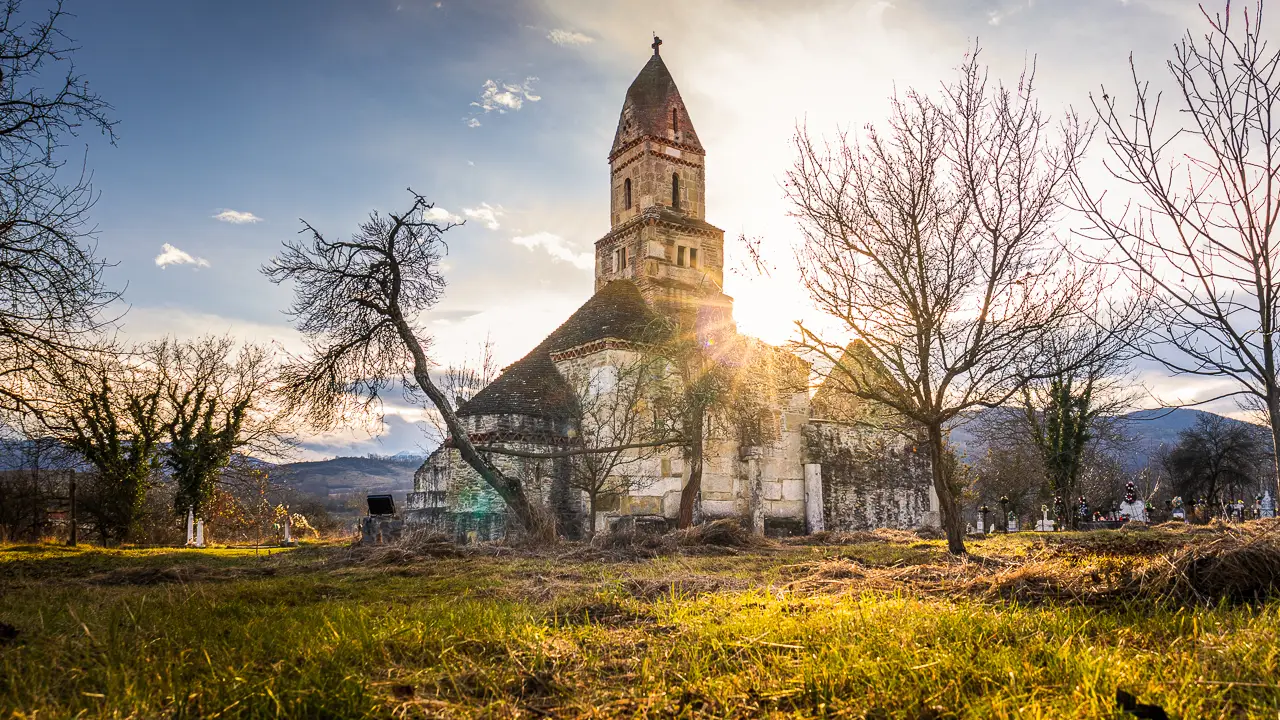
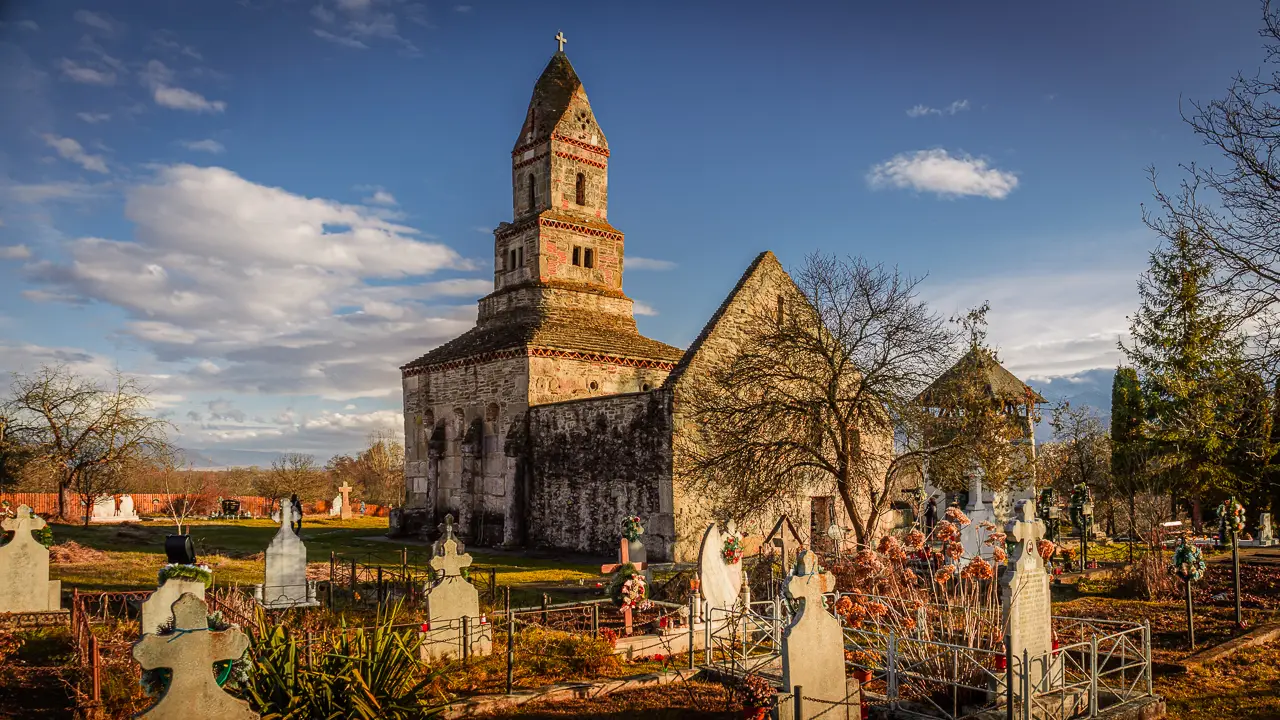
The stone church can be found in the Romanian village of Densuș which is about 14 km away from the small city of Hațeg. Once you entered the village, you will have to drive towards the cemetery where you will find the stone church.
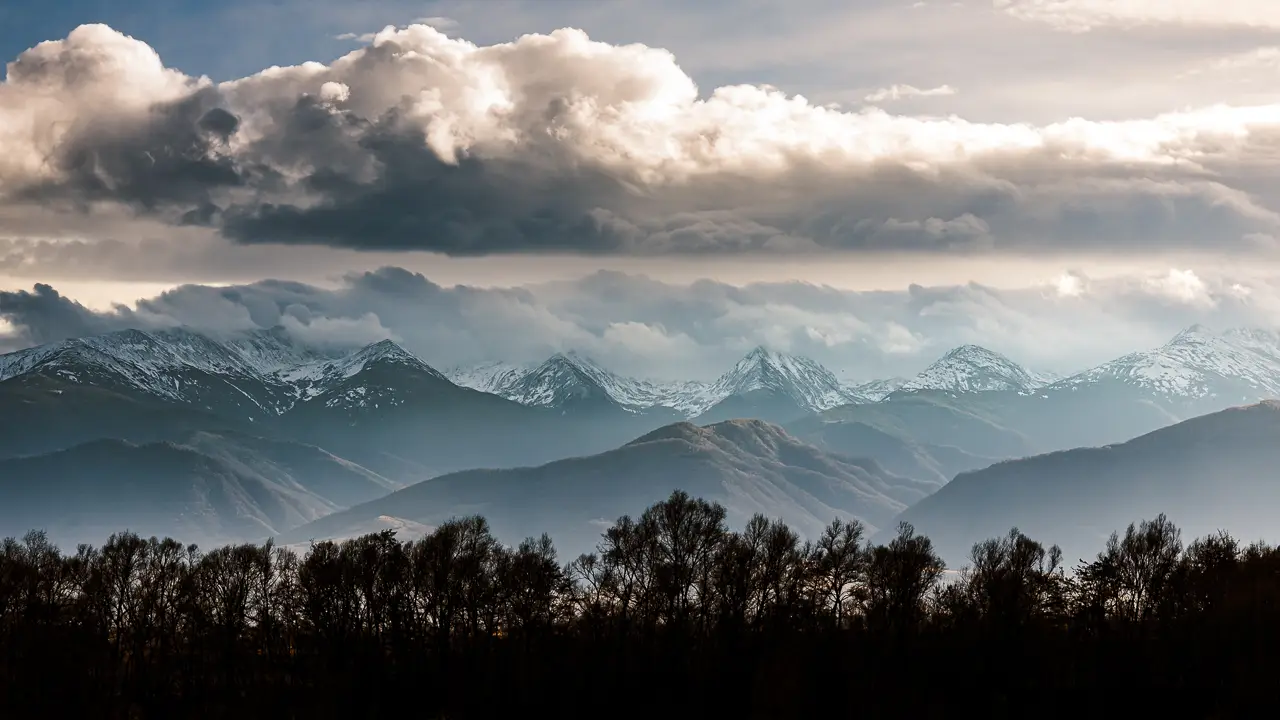
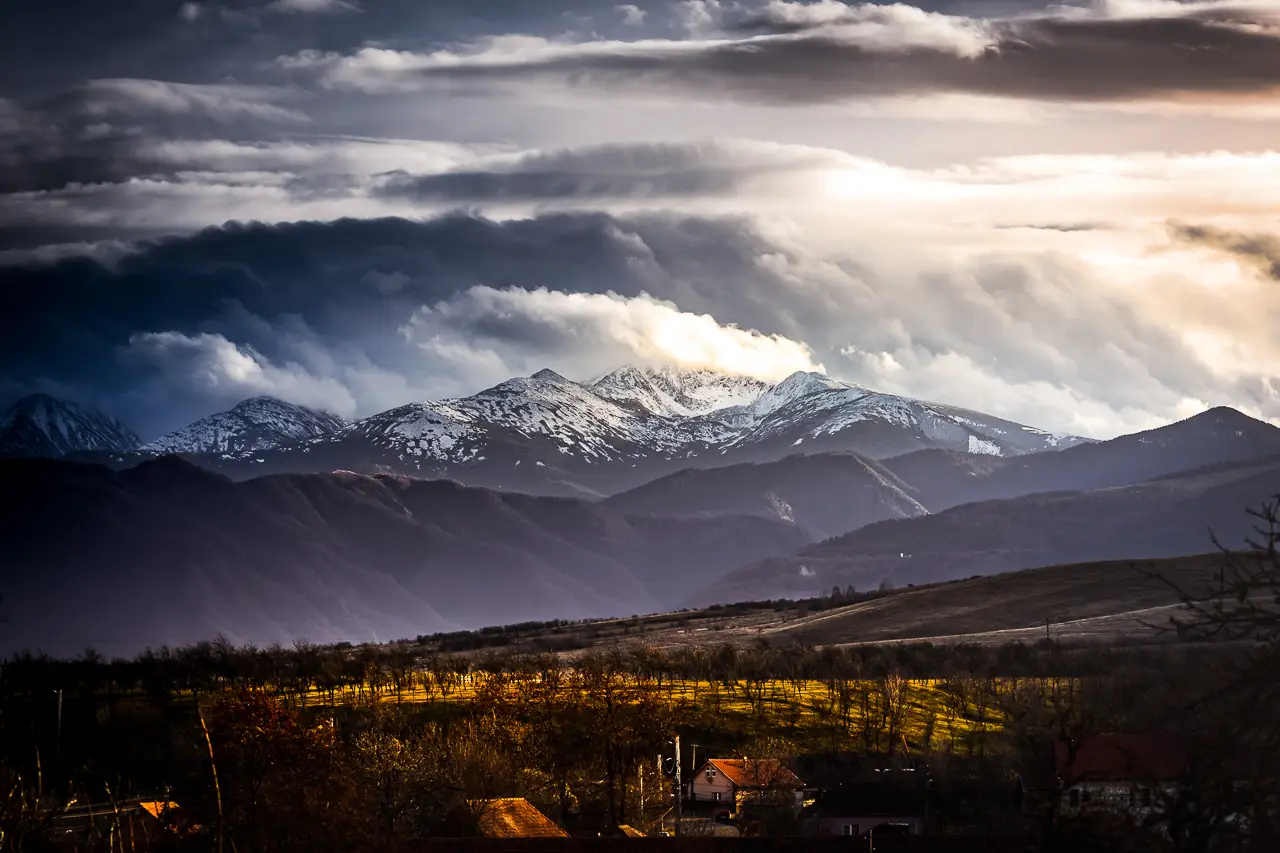
As you will drive towards the old stone church from Hațeg, the scenery is really beautiful. On the left side of the road, you will have the chance to admire the mighty Retezat Mountains belonging to the Western Romanian Carpathians.
About the stone church
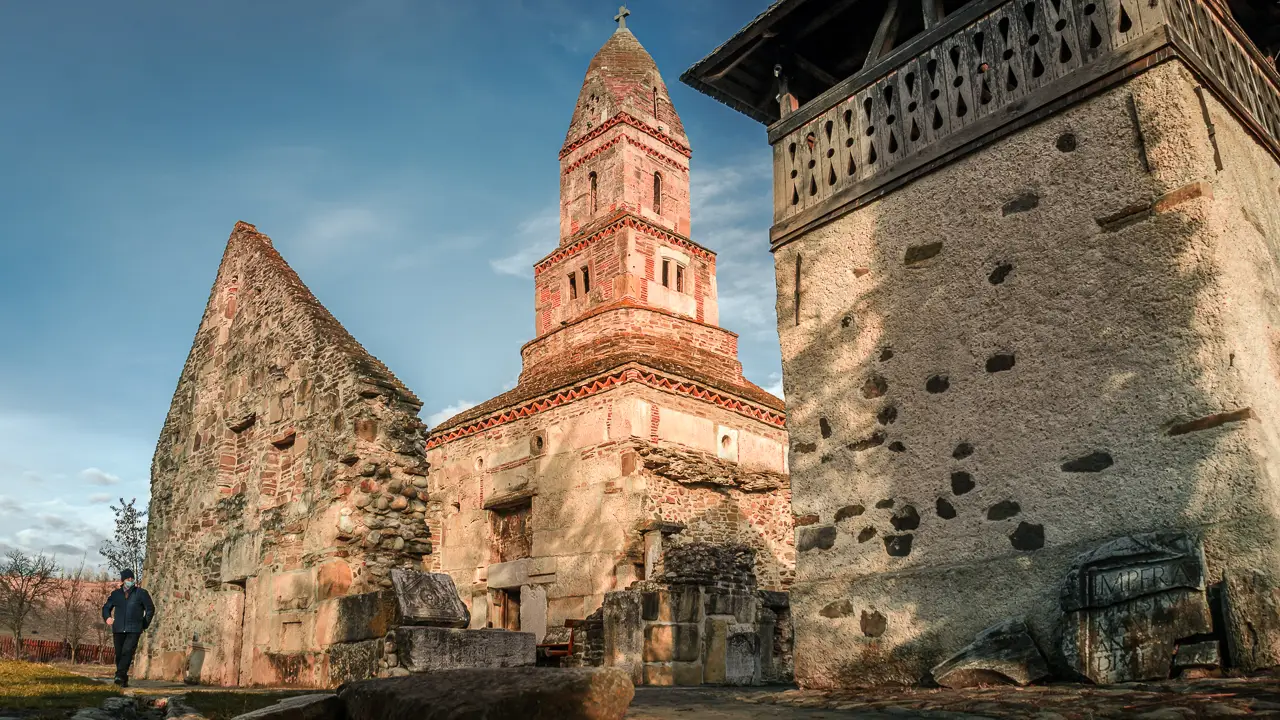
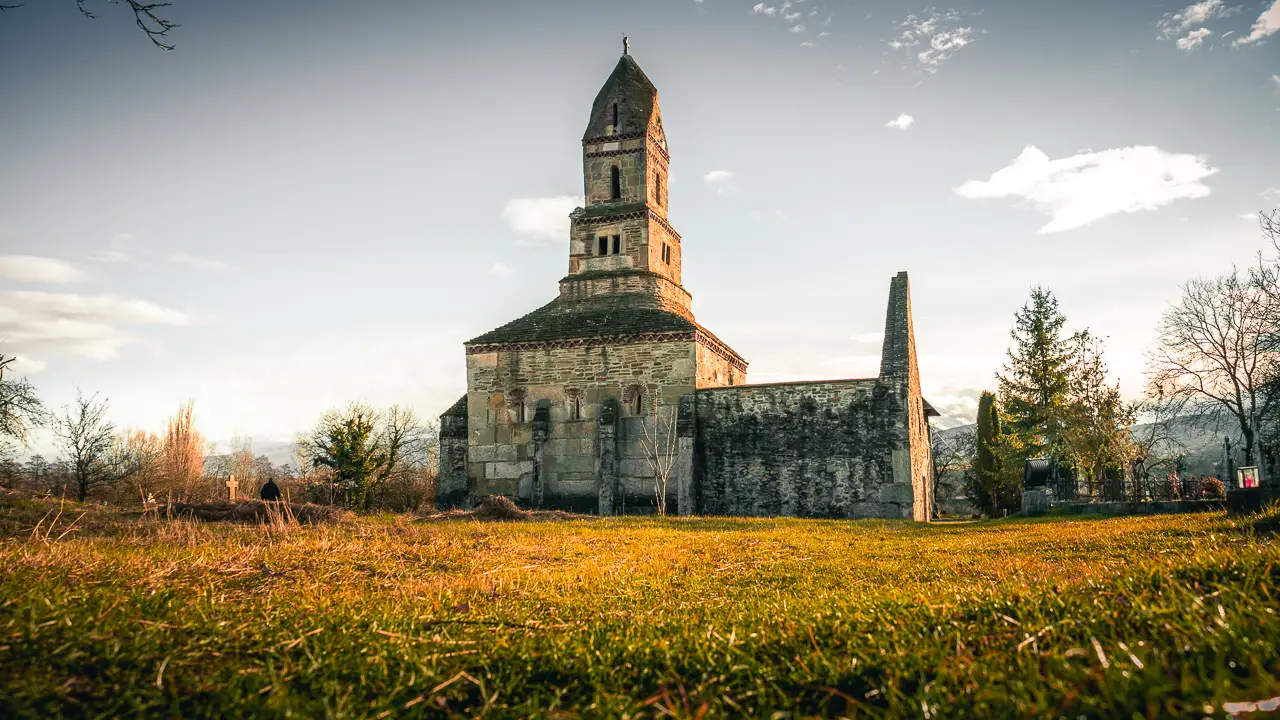
Densuș Church, also known as Saint Nicholas Church, holds the distinction of being widely regarded as the oldest church in Romania, standing strong for over 700 years. Unlike any other religious monument in the Hateg region, this remarkable church continues to host regular religious services to this day.
The fascinating history of Densus Church, shrouded in mystery and speculation, adds an air of intrigue to its already captivating allure. Although the first official mention of the church dates back to 1360, various theories propose that its origins could be even more ancient, contributing to the enigmatic charm that surrounds this monument..
In the church yard you will find an old stone tablet with ancient Roman inscriptions. Its not known whether this large tablet was brought from Sarmizegetuza Ulpia or it remained there from the previous Roman church.
The Retezat Mountains: A Majestic view from Densuș
The Retezat Mountains are a stunning range of peaks, valleys, and alpine lakes. From the village of Densuș, visitors can enjoy a breathtaking view of this majestic mountain range. The view from Densuș offers a unique perspective of the Retezat Mountains, showcasing their rugged beauty and stunning natural features.
The Densuș stone church is a unique and fascinating monument that showcases Romania’s rich history and cultural heritage. Its unusual construction materials, combined with its intricate design make it a must-see attraction for visitors to the region. And with the many other attractions and natural wonders that the Hateg region has to offer, a visit to the Densuș stone church is sure to be an unforgettable experience.
The Deva Fortress stands as a breathtaking testament to history. With a storied past dating back centuries, it offers panoramic views and an air of timeless wonder. Its imposing walls and ancient charm draw visitors to explore it.
The Corvin Castle, a must-visit attraction located approximately 42 km away, is steeped in historical significance and mesmerizing allure. As one of Romania’s important landmarks, it captivates visitors with its rich heritage, intricate architecture, and captivating stories that echo through time.
The Bison Reserve, only 32 km away, is a must-visit destination where you can see majestic bisons, providing a rare and unforgettable wildlife experience.
As you drive from Hațeg towards Petroșani, in the village of Ohaba de sub Piatra you will have to make a right turn and drive almost 8 km until you will reach the small citadel.
If you plan to drive from Densus towards Caransebes, then you can make a short stop in Sarmizegetusa in order to visit the old Roman ruins. The main entrance is right next to the main road.
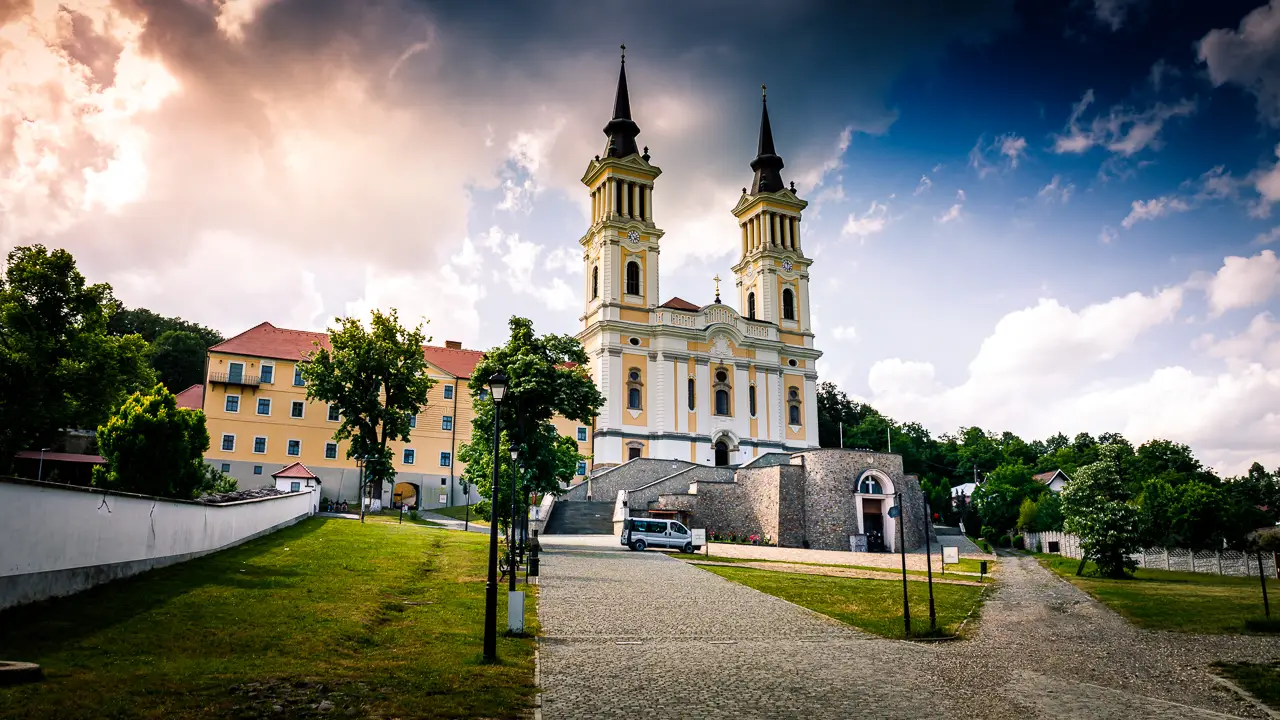
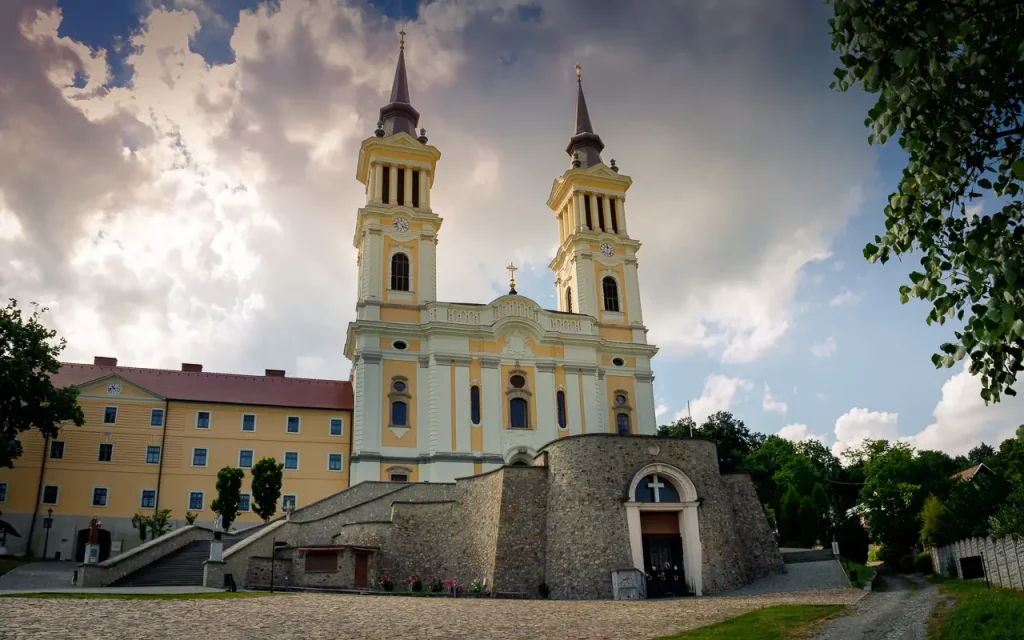
This monastery can be found in Radna which is right next to the small city of Lipova. Basically the river Mureș divides the two settlements. The closest major city is Arad which is about 32 km away from Radna.
The Maria Radna Monastery was built in the 13th century by the King of Hungary, Carol Robert of Anjou. After the Ottomans were defeated in the region of Banat, a newer and larger church was built in Baroque style. The construction was finished in 1782.
Maria Radna is the most significant place of pilgrimage in Western part of Romania.
Other objectives in the area:
The Șoimoș Fortress – this is the closest objective to Maria Radna Monastery. It’s only a couple of kilometers away from the monastery.
The Șiria Fortress – this is another interesting place to visit. This fortress is also located on the top of a larger hill similar to Șoimoș Fortress.
We use cookies on our website to give you the most relevant experience by remembering your preferences and repeat visits. By clicking “Accept All”, you consent to the use of ALL the cookies. However, you may visit "Cookie Settings" to provide a controlled consent.
This website uses cookies to improve your experience while you navigate through the website. Out of these, the cookies that are categorized as necessary are stored on your browser as they are essential for the working of basic functionalities of the website. We also use third-party cookies that help us analyze and understand how you use this website. These cookies will be stored in your browser only with your consent. You also have the option to opt-out of these cookies. But opting out of some of these cookies may affect your browsing experience.
Necessary cookies are absolutely essential for the website to function properly. These cookies ensure basic functionalities and security features of the website, anonymously.
Cookie
Duration
Description
cookielawinfo-checkbox-analytics
11 months
This cookie is set by GDPR Cookie Consent plugin. The cookie is used to store the user consent for the cookies in the category "Analytics".
cookielawinfo-checkbox-functional
11 months
The cookie is set by GDPR cookie consent to record the user consent for the cookies in the category "Functional".
cookielawinfo-checkbox-necessary
11 months
This cookie is set by GDPR Cookie Consent plugin. The cookies is used to store the user consent for the cookies in the category "Necessary".
cookielawinfo-checkbox-others
11 months
This cookie is set by GDPR Cookie Consent plugin. The cookie is used to store the user consent for the cookies in the category "Other.
cookielawinfo-checkbox-performance
11 months
This cookie is set by GDPR Cookie Consent plugin. The cookie is used to store the user consent for the cookies in the category "Performance".
viewed_cookie_policy
11 months
The cookie is set by the GDPR Cookie Consent plugin and is used to store whether or not user has consented to the use of cookies. It does not store any personal data.
Functional cookies help to perform certain functionalities like sharing the content of the website on social media platforms, collect feedbacks, and other third-party features.
Performance cookies are used to understand and analyze the key performance indexes of the website which helps in delivering a better user experience for the visitors.
Analytical cookies are used to understand how visitors interact with the website. These cookies help provide information on metrics the number of visitors, bounce rate, traffic source, etc.
Advertisement cookies are used to provide visitors with relevant ads and marketing campaigns. These cookies track visitors across websites and collect information to provide customized ads.