Category: Romania

Category dedicated for all the photos taken in the country of Romania.

  • Exploring the Ruins of Ulpia Traiana Sarmizegetusa

    Exploring the Ruins of Ulpia Traiana Sarmizegetusa

    Share this:

    On my way back from Gura Apelor which is located about 30 km from Sarmizegetusa in the Retezat Mountains, I decided to stop by the ancient Roman ruins of Ulpia Traiana Sarmizegetusa. If you’re traveling by car, there’s a large parking lot right off the main road from Hateg to Caransebes, where you can park while you explore the ruins. The main entrance is conveniently located next to the parking area.

    About Ulpia Traiana Sarmizegetusa

    The ruins of Ulpia Traiana Sarmizegetusa can be found in the Romanian commune of Sarmizegetusa, Hunedoara county. The ancient city offers a window into the grandeur and legacy of the Roman Empire. Founded in the 2nd century AD by the Emperor Trajan, Ulpia Traiana Sarmizegetusa was a significant center of commerce, culture, and military power in the region for over 300 years. Today, the ruins of this once-thriving metropolis provide a fascinating glimpse into the heart of ancient Roman civilization.

    One of the most remarkable features of Ulpia Traiana Sarmizegetusa is its strategic location. The city was situated at the intersection of several key trade routes, making it a hub of commerce and exchange for goods, ideas, and people. Its position also made it an important military stronghold, as it controlled access to the surrounding territories and provided a strategic vantage point for defending against invasions.

    The Forum

    The most prominent structure in the city was the Forum, a grand public space that served as the center of political, social, and cultural life.
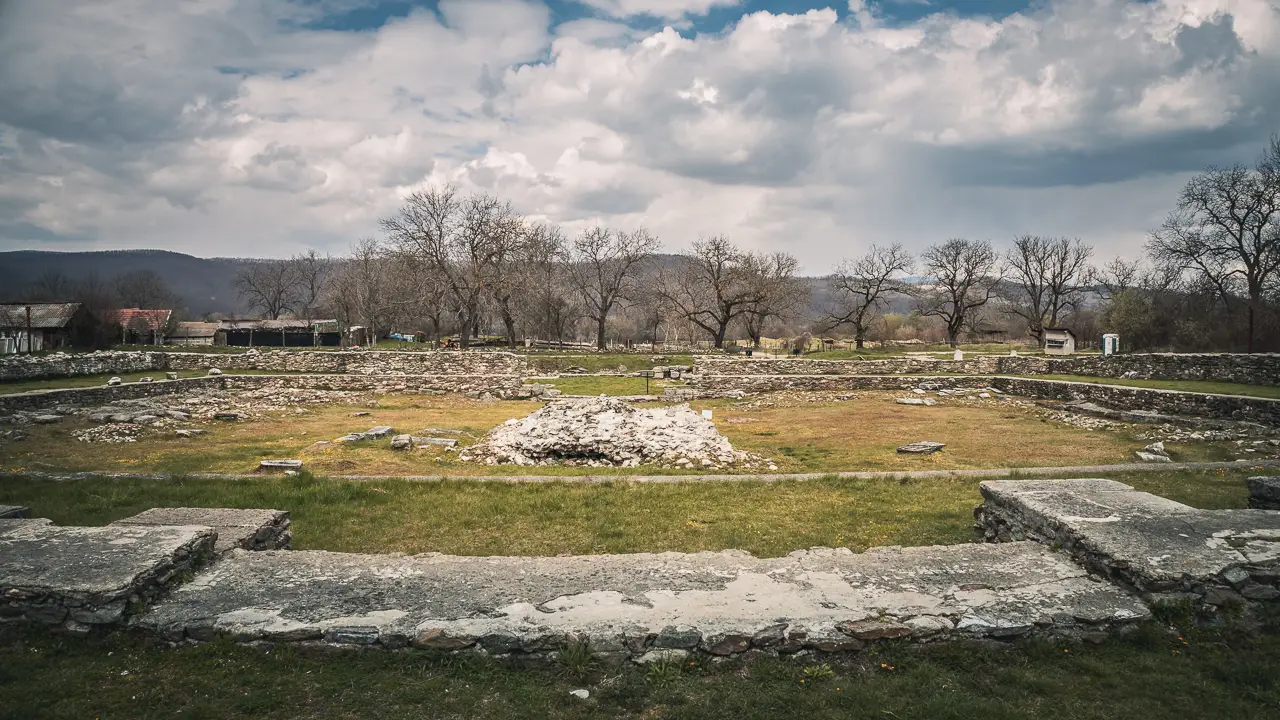
    The Forum in Ulpia Traiana Sarmizegetusa.
    The Forum with the Retezat Mountains in the background.
    Ruins near the Forum.

    Domus Procuratoris

    This was the palace of the Financial Procurator of the Province Dacia. You will find the former palace if you follow the main path from the entrance towards the forum.
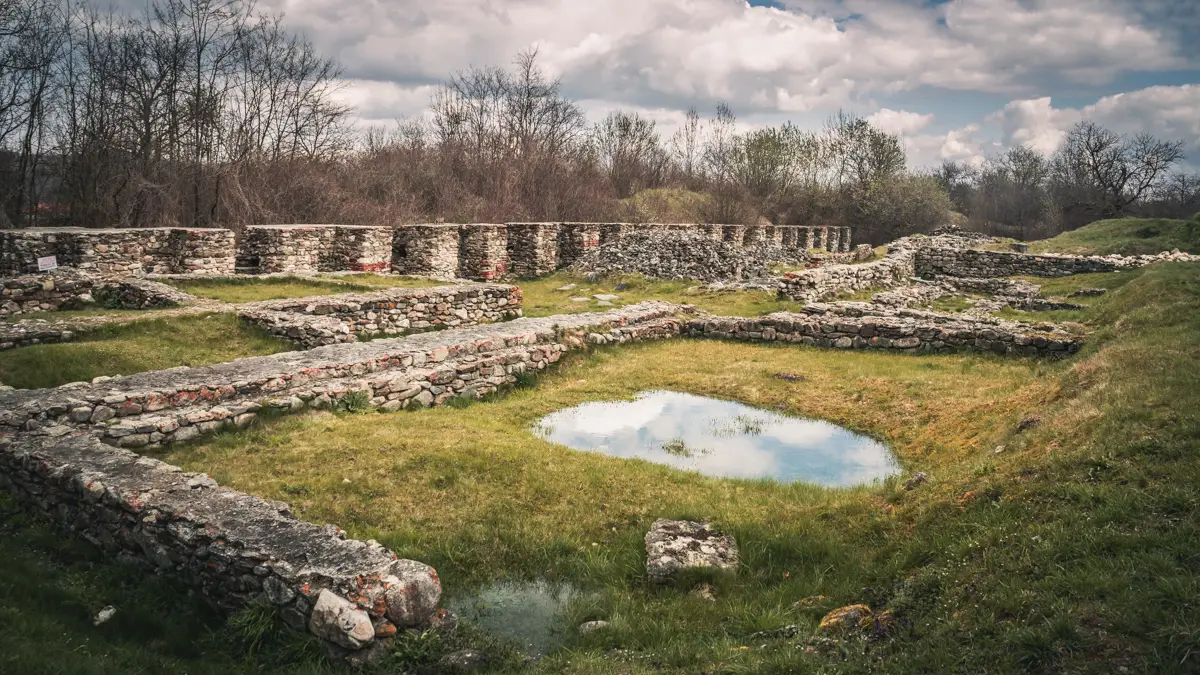
    The Domus Procuratoris

    The Amphitheater

    Other notable structures in Ulpia Traiana Sarmizegetusa include the Amphitheater, which could seat up to 5,000 spectators for gladiatorial games and other spectacles. When I visited this place, the Amphitheater was closed to the public due constructions.

    The Amphitheater
    Ruins with the Amphitheater in the background.

    The Great Temple

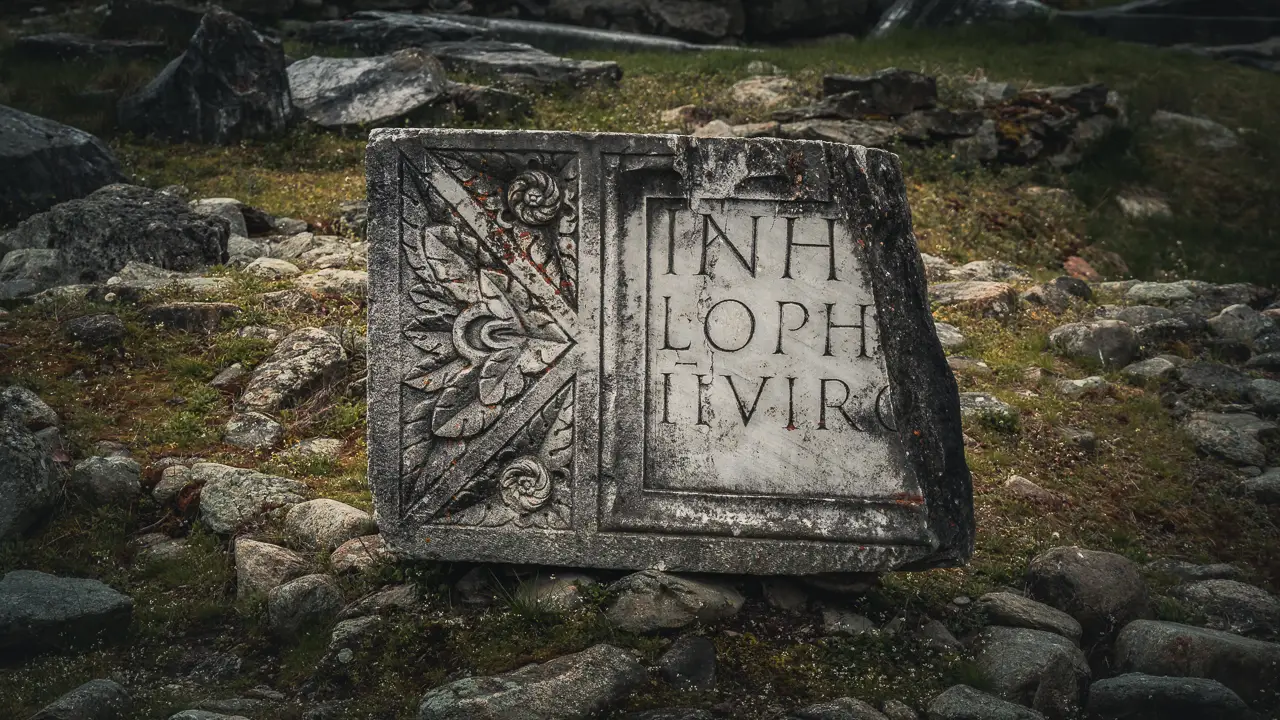
    The most impressive religious structure in Roman Dacia was the Great Temple. The only structure still standing from the Roman period that I could see was a single Roman column. This column likely marked the entrance to what was once the Great Temple. Standing tall among the ruins, it gave a glimpse into the grandeur of the ancient site.

    The Great Temple

    Other archeological site

    One of the surprising discoveries in Sarmizegetusa is the presence of an ancient glass workshop, something I never expected to find here. Among the popular historical sites, this workshop stands out as unique. According to archaeologists, remains of five furnaces were uncovered in two rooms, revealing that they were once used for glass production.
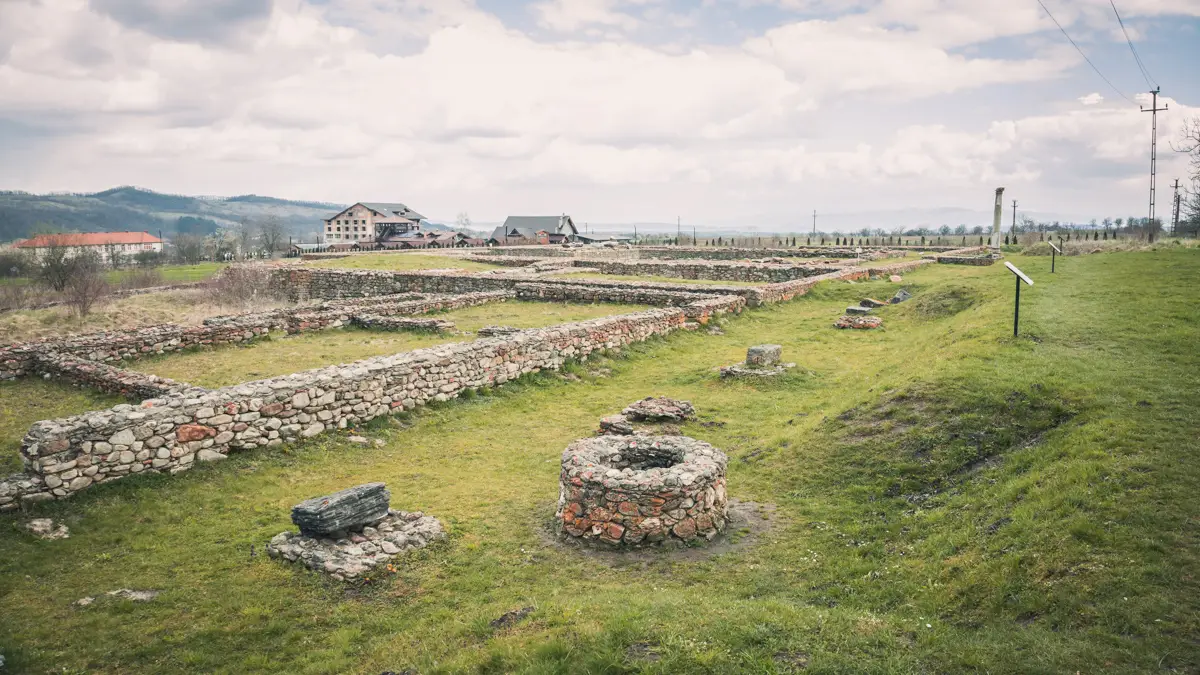
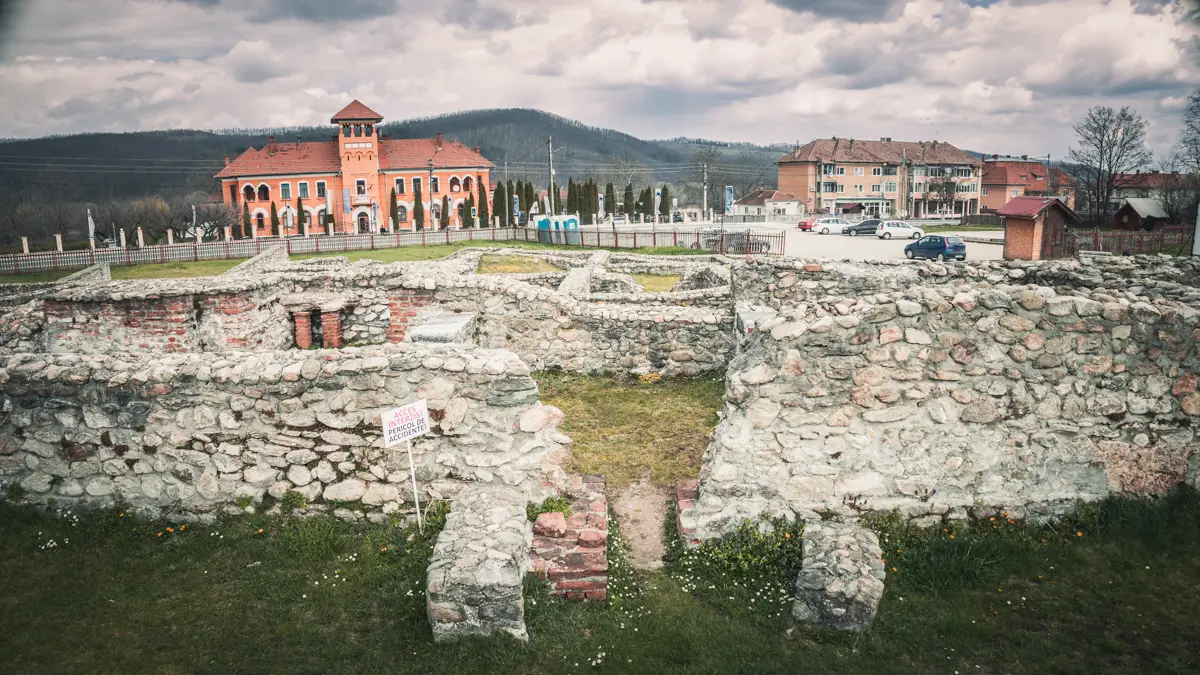
    Other archeological sites.
    Ruins with the parking lot in the background.

    Aside from its architectural marvels, Ulpia Traiana Sarmizegetusa was also a center of intellectual and artistic activity. Excavations have uncovered numerous sculptures, inscriptions, and other artifacts that offer insights into the daily life and beliefs of the people who lived in the city

    Despite its rich history and significance, Ulpia Traiana Sarmizegetusa was largely forgotten for centuries after its decline and eventual abandonment in the 5th century AD. It was not until the 19th century that scholars and archaeologists began to explore and excavate the ruins, uncovering the city’s fascinating past and legacy.

    Its ruins offer a unique and enriching experience for visitors who wish to explore the ancient history and culture of the Roman Empire. The site is a testament to the enduring legacy of one of the world’s greatest civilizations, and a reminder of the importance of preserving and studying our shared human heritage.

    Sarmizegetusa Regia

    Another popular spot to visit nearby is Sarmizegetusa Regia, the ancient Dacian capital during Roman times. Located about 77 km from Sarmizegetusa, the ruins of this historic site lie in the Orastie Mountains. Sarmizegetusa Regia was once the heart of Dacian culture and power, especially before the Roman conquest. The site is filled with remnants of Dacian fortifications, temples, and ancient structures, all set against the scenic mountain backdrop.
  • The Gura Apelor Lake In The Retezat Mountains

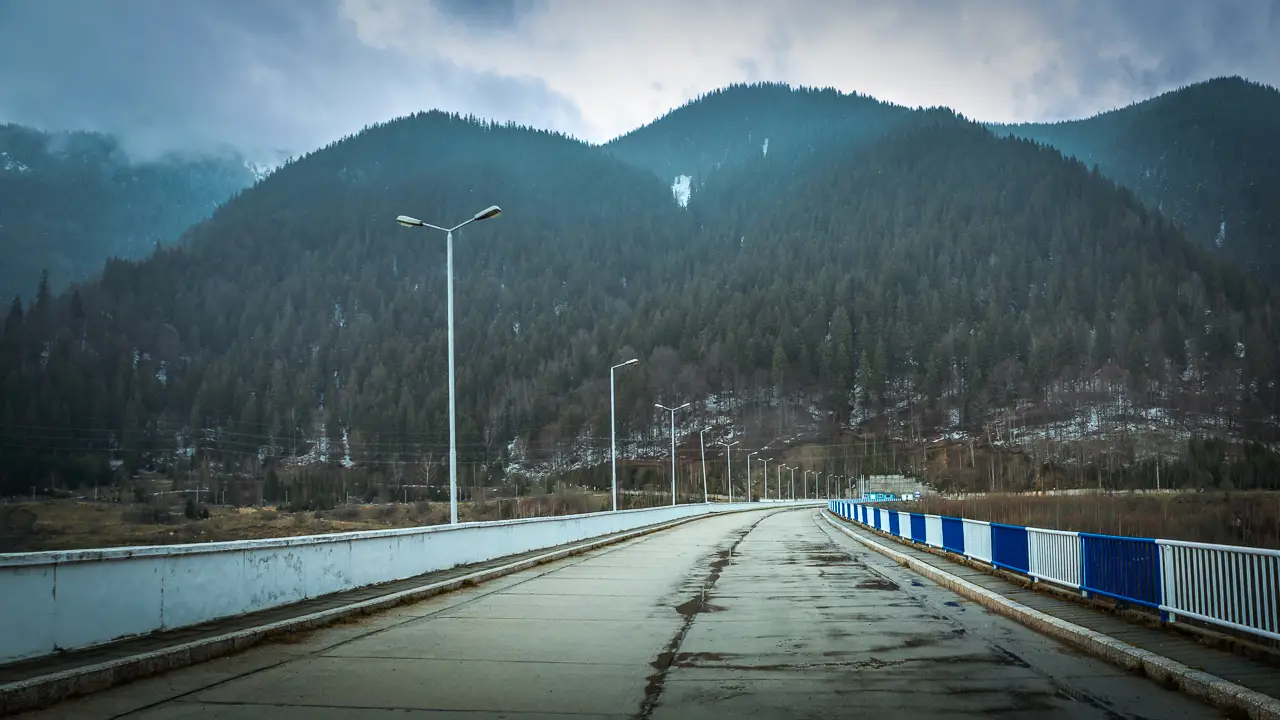
    The Gura Apelor Lake In The Retezat Mountains

    Share this:

    After driving a few hours from Timisoara, I finally arrived at Gura Apelor. The drive from the village of Clopotiva to the dam is full of sharp curves, so be sure to take it slow and stay alert. As you get closer to the dam, the road hugs steep cliffs, and you’ll likely encounter rocks that have fallen onto the road in several places. This makes it even more important to drive cautiously.

    About the lake

    Gura Apelor lake, also known as Lacul Gura Apei, is a hidden gem located in the heart of the Retezat Mountains in Romania. This lake can be found about 40 km away from the small Romanian city of Hateg. To those who don’t know, the Retezat Mountains are a popular destination for hikers, climbers, and nature lovers. However, despite its natural beauty and stunning vistas, Gura Apelor lake remains relatively unknown to many tourists, making it a perfect spot for those seeking a quieter and more intimate experience.

    The lake is surrounded by several hiking trails, ranging from easy to challenging, that offer stunning views of the lake and the surrounding mountains.

    In addition to its natural beauty, Gura Apelor Artificial lake is also a significant source of hydroelectric power for the region. The lake’s dam generates electricity for the surrounding towns and cities, making it an essential infrastructure asset for the region’s development.

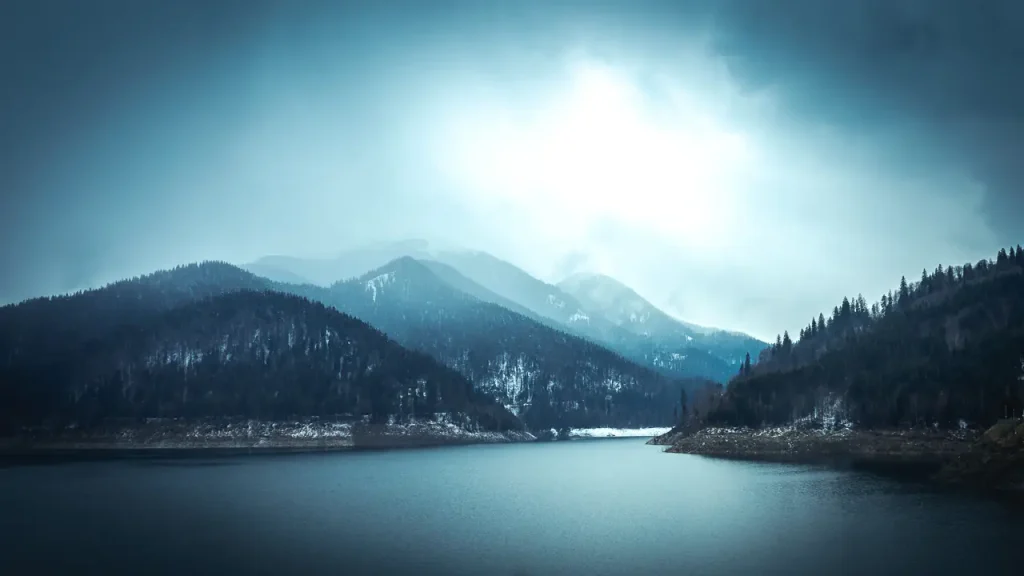
    The Retezat Mountains viewed from the dam.
    The Gura Apelor lake between the Retezat Mountains.
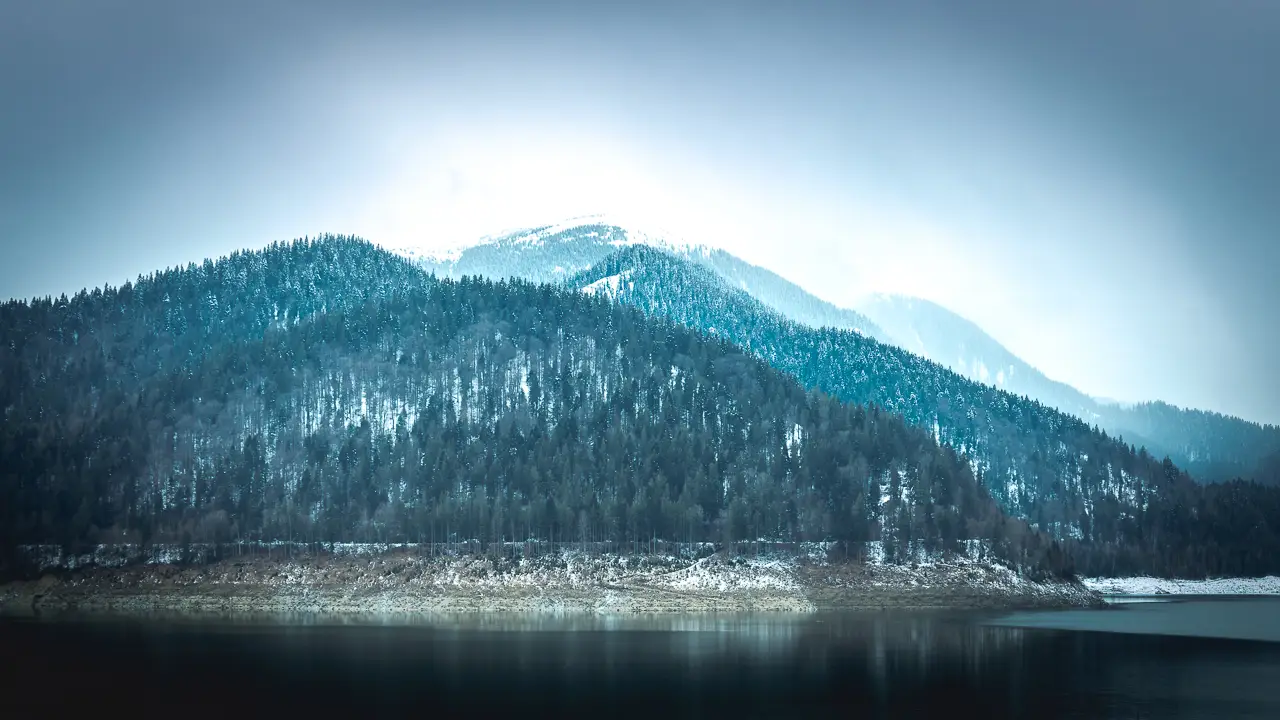
    A part of the Retezat Mountains.
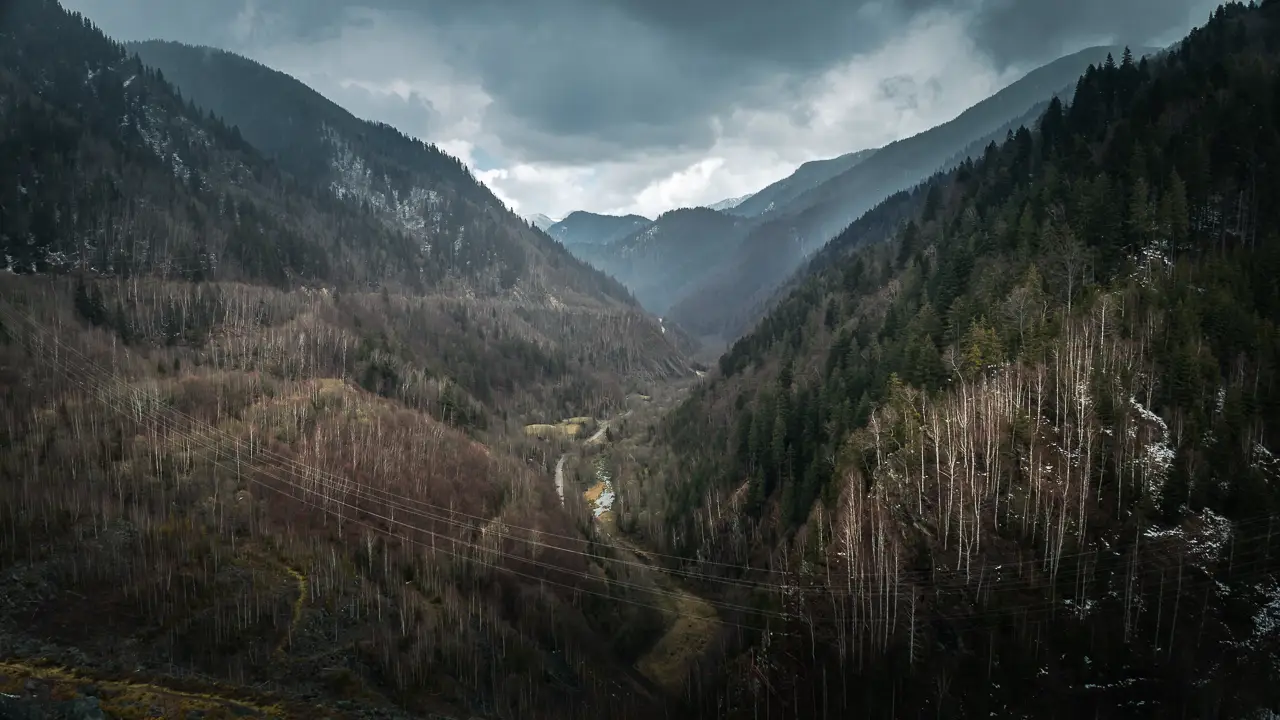
    The valley behind the dam.

    I visited Gura Apelor in early April and I have included an Instagram video below to show what it was like. Down in the valley, the weather was warm and pleasant, but as you head higher into the Retezat Mountains, you’ll find the conditions can change quickly. That day, the weather turned foggy as we arrived, and a light rain began to fall. Higher up on the surrounding mountains, patches of snow were still visible from winter.

    Five places to visit in the Hateg region

    On your way back from Gura Apelor, there are many interesting places that you can visit in the Hateg region which is known for its rich history, breathtaking landscapes, and unique attractions. Below I highlighted a couple of them:

    1. Corvin Castle – One of the most impressive castles in Europe, Corvin Castle, also known as Hunyadi Castle, is a stunning Gothic-Renaissance fortress located in Hunedoara. It has a long and fascinating history dating back to the 14th century, and it is surrounded by picturesque scenery.
    2. Densus Church – This ancient church is one of the oldest Christian buildings in Romania, dating back to the 13th century.
    3. Dacian Fortresses – The Hateg region is home to several Dacian fortresses, including Blidaru, Costesti, and Sarmizegetusa Regia. These ancient fortifications were built by the Dacians more than 2,000 years ago and are now a UNESCO World Heritage Site.
    4. Deva Fortress – This medieval fortress, perched on a hill overlooking the city of Deva, is a must-see attraction in the Hateg region. The fortress dates back to the 13th century and has played a significant role in Transylvania’s history.
    5. Sarmizegetusa Ulpia Traiana – This ancient Roman city was once the capital of the Roman province of Dacia and is now a UNESCO World Heritage Site. Visitors can explore the ruins of the city’s public buildings, temples, and residential areas and learn about life in ancient times.
  • Exploring Petrila

    Exploring Petrila

    Share this:

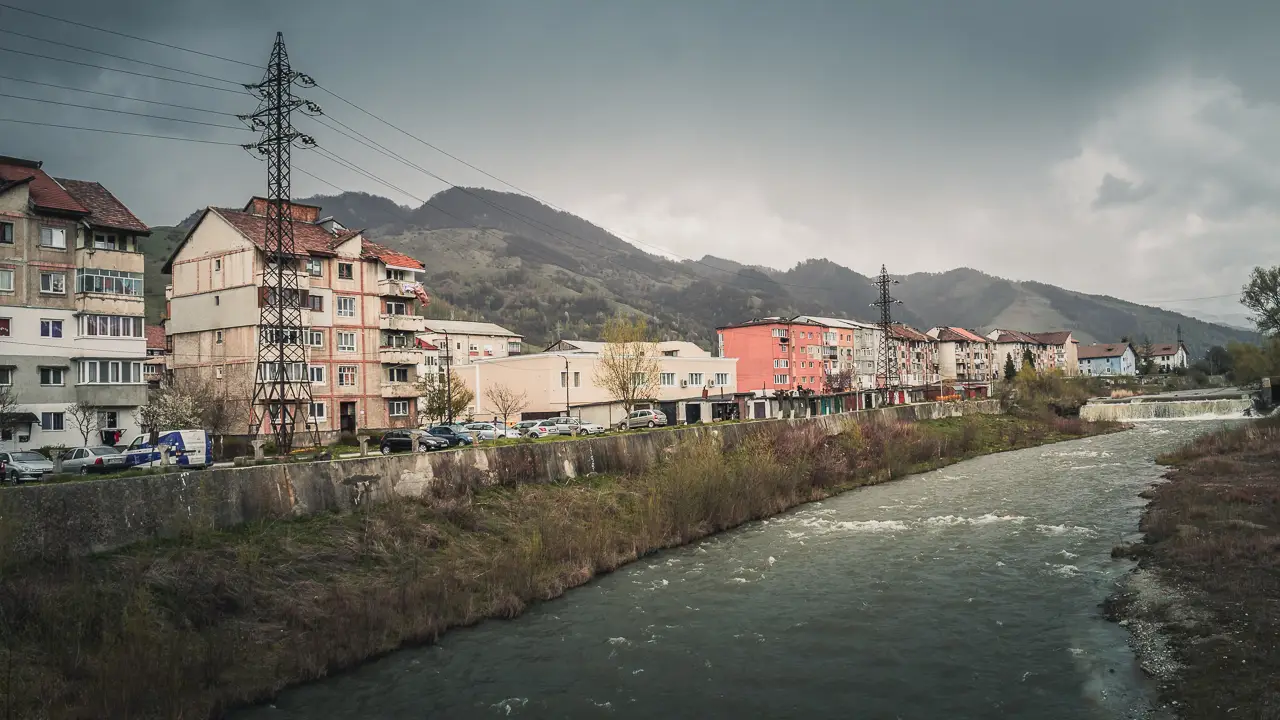
    Petrila is a small town in Romania, located in the Jiu Valley, Hunedoara county and has a population of approximately 22,000 people. Despite its small size, Petrila is a town that has a rich history and unique characteristics that make it stand out.

    One of the most important things to note about Petrila is its industrial heritage. The town was founded in the early 19th century as a mining settlement, and it quickly grew to become an important center of the coal mining industry. For many years, the mines in Petrila were a significant source of employment and income for the local community, and they played a vital role in the development of the entire Jiu Valley region.

    The mining industry in Petrila, however, experienced a decline in the 1990s due to a lack of investment and modernization. Many of the mines were shut down, including the one in Petrila, leading to a significant economic downturn in the area. Despite this, the town has managed to reinvent itself and find new sources of growth and development.

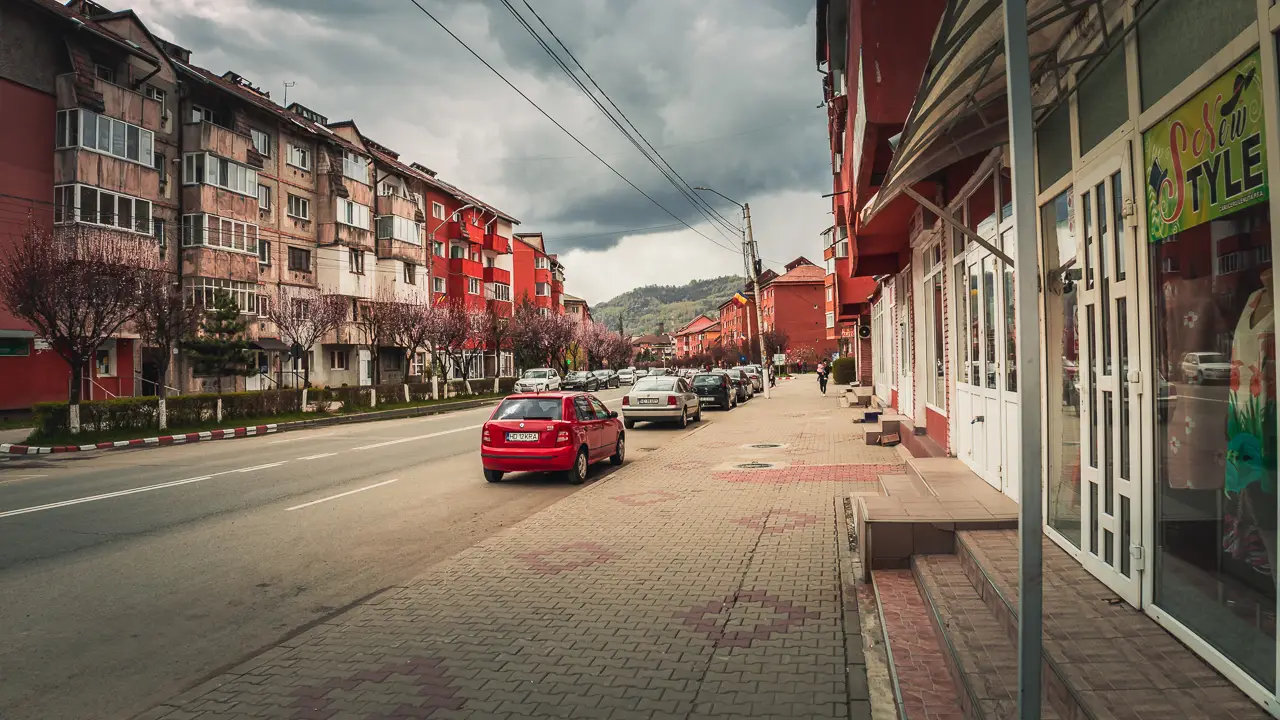
    Spring in Petrila.
    Main street in Petrila.
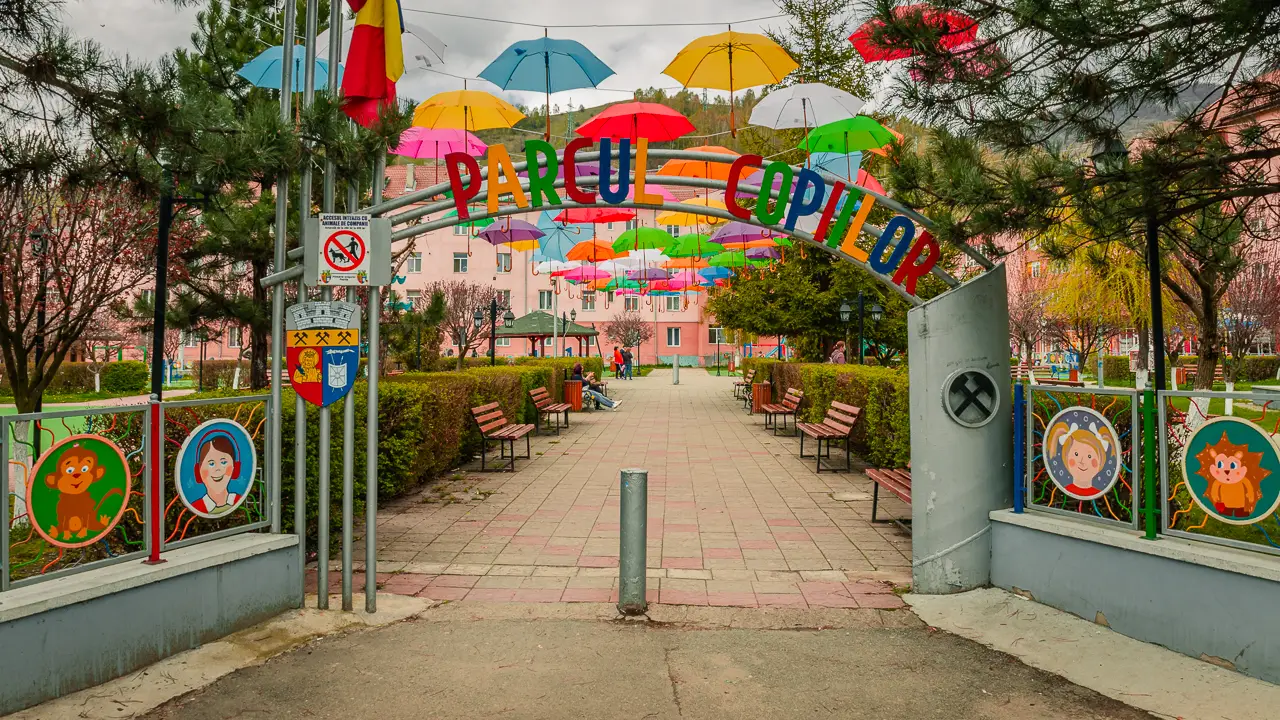
    Children's playground.
    Children’s park.
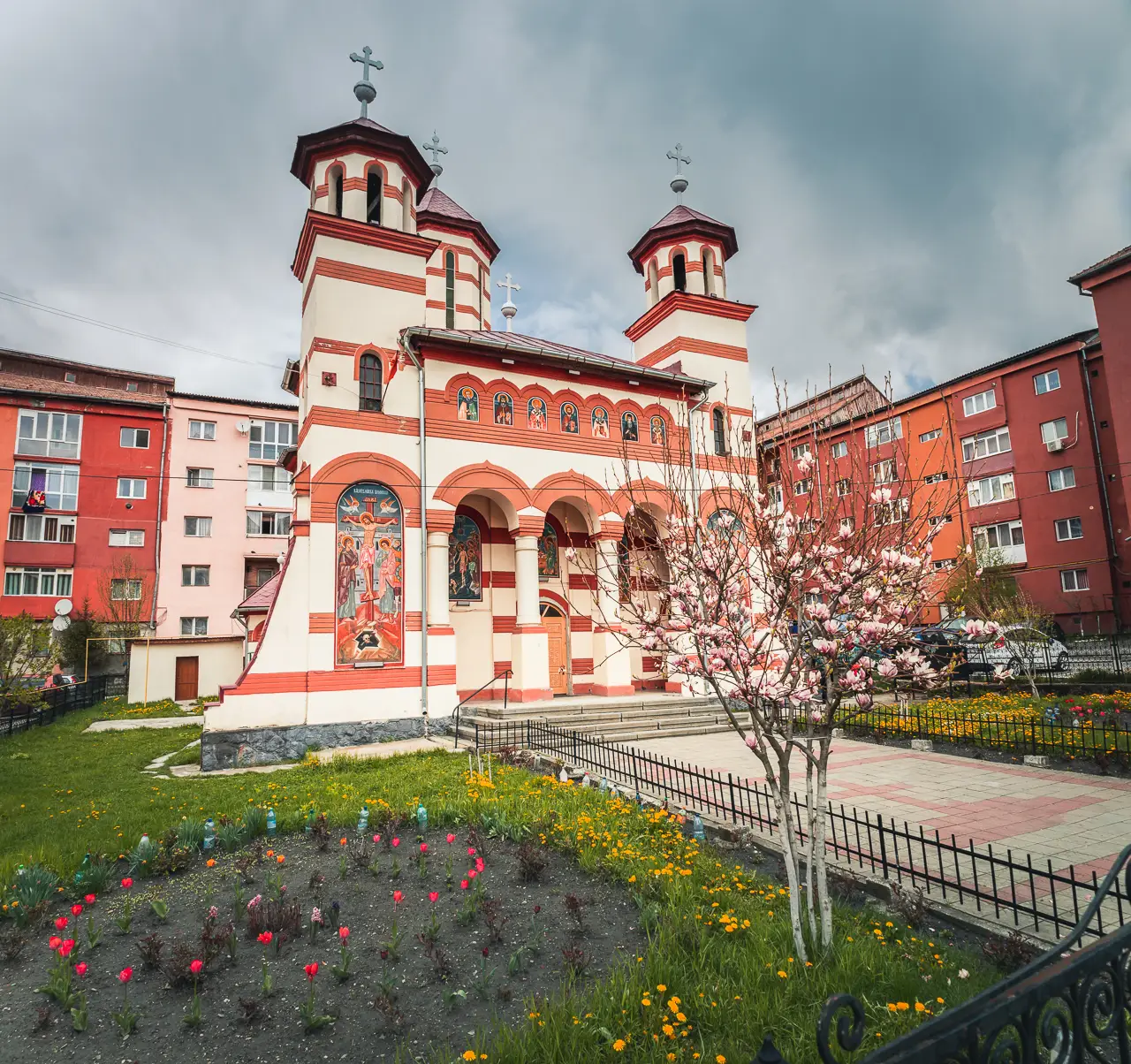
    Orthodox church surrounded by flat apartments.
    Orthodox church between the flats.
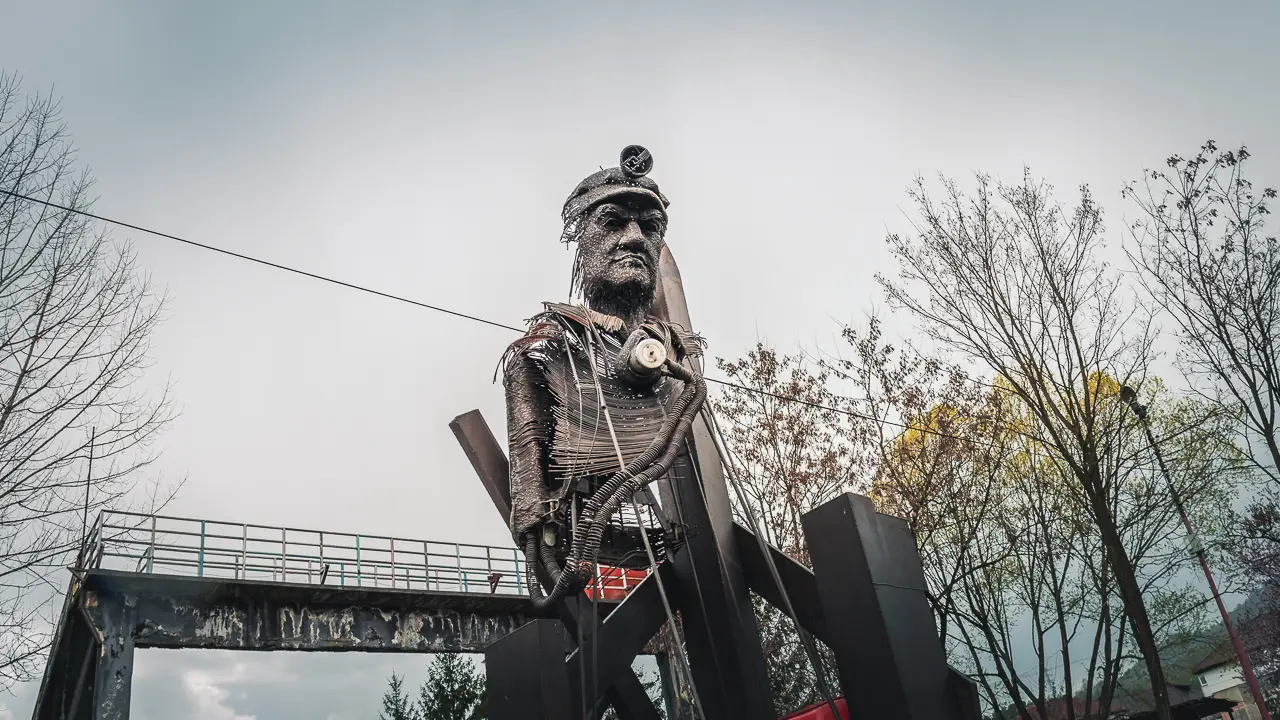
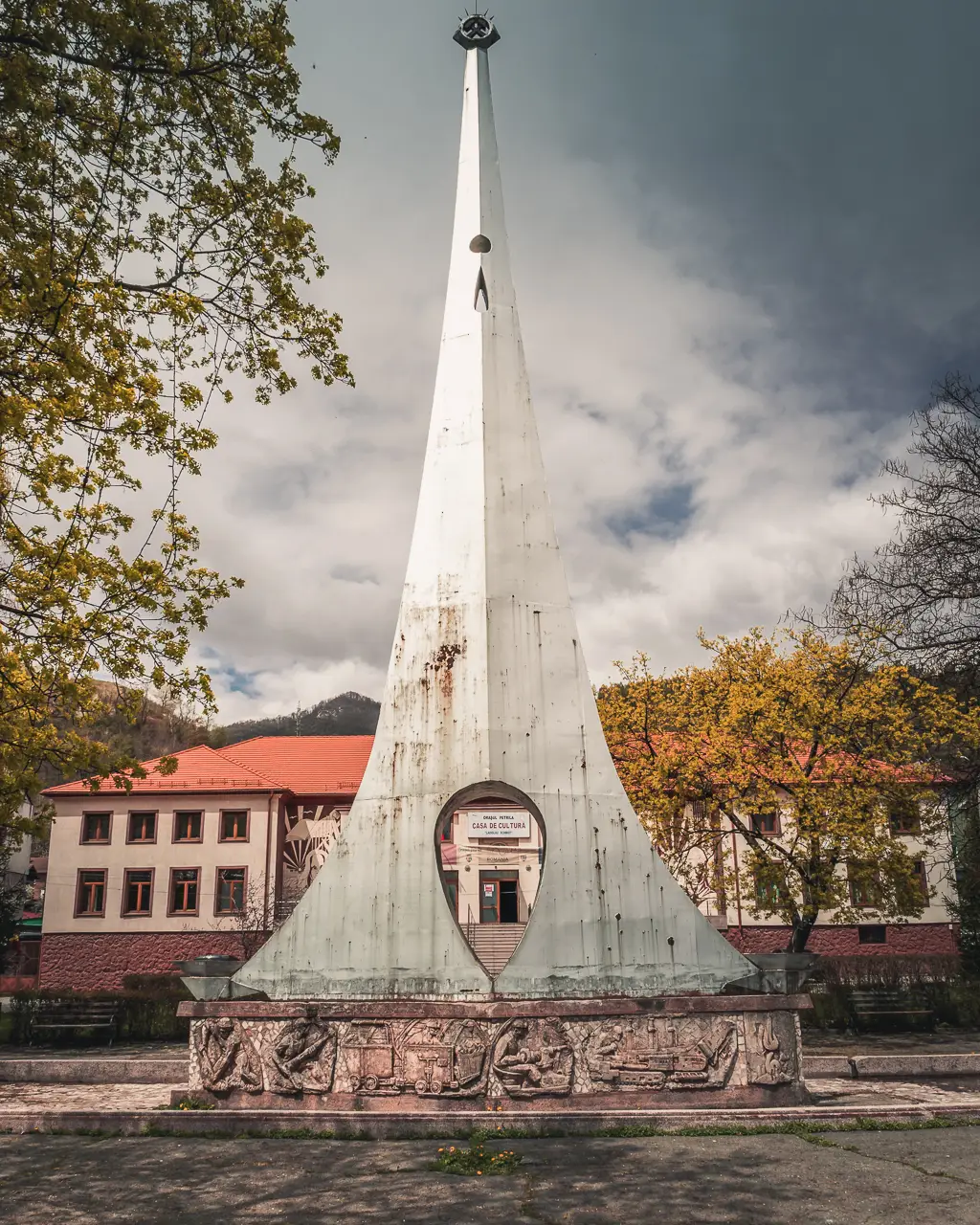
    Monument dedicated to the miners.
    Monument dedicated to the miners.
    A part of the city and the Jiu river.
    The Jiu river and a part of Petrila.
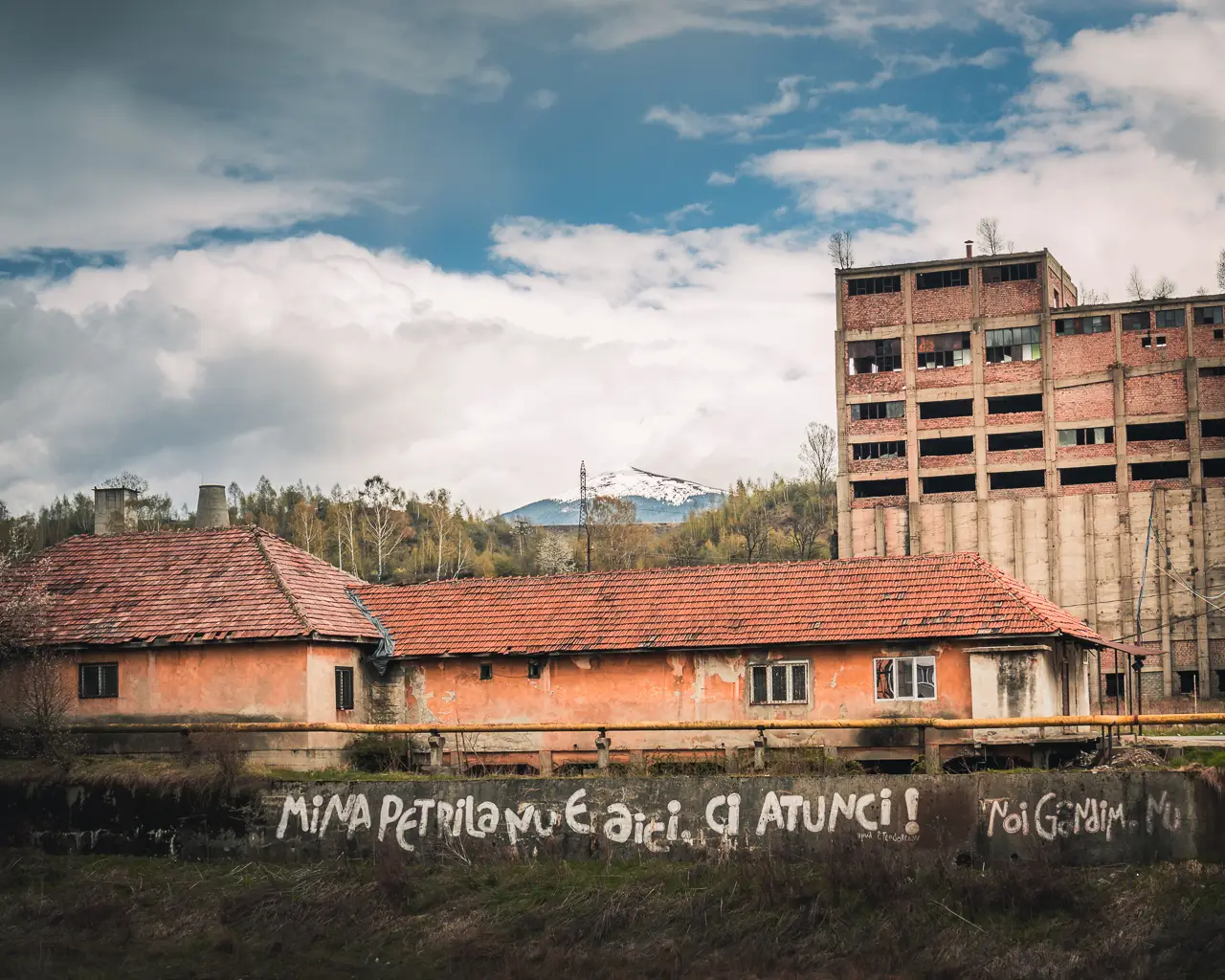
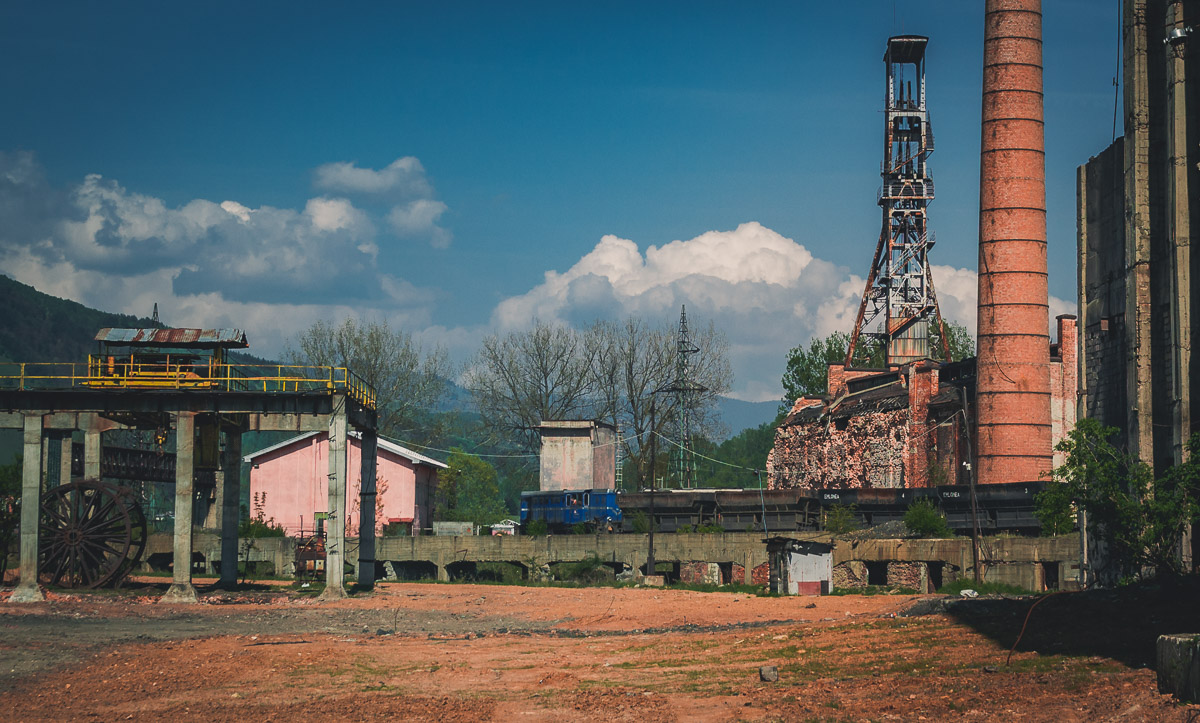
    The Parang Mountains with the mine in the foreground.
    The Parang Mountains with the former coal mine.

    The coal mine complex

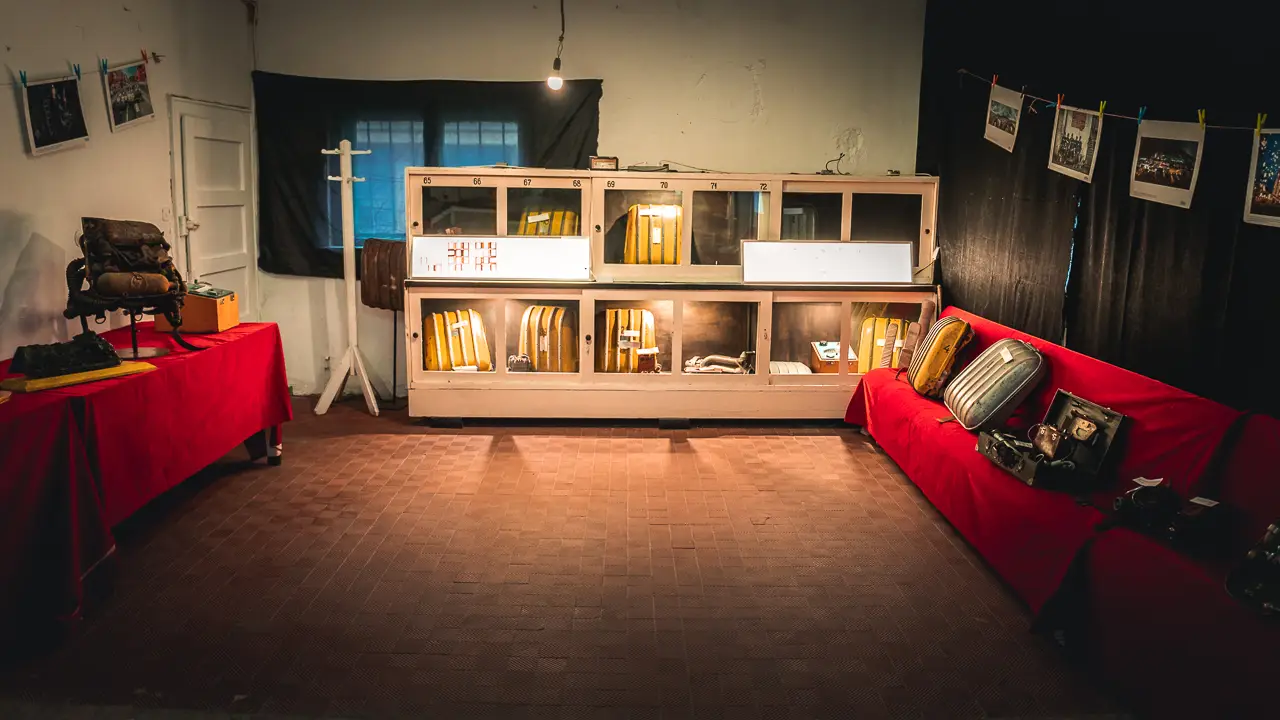
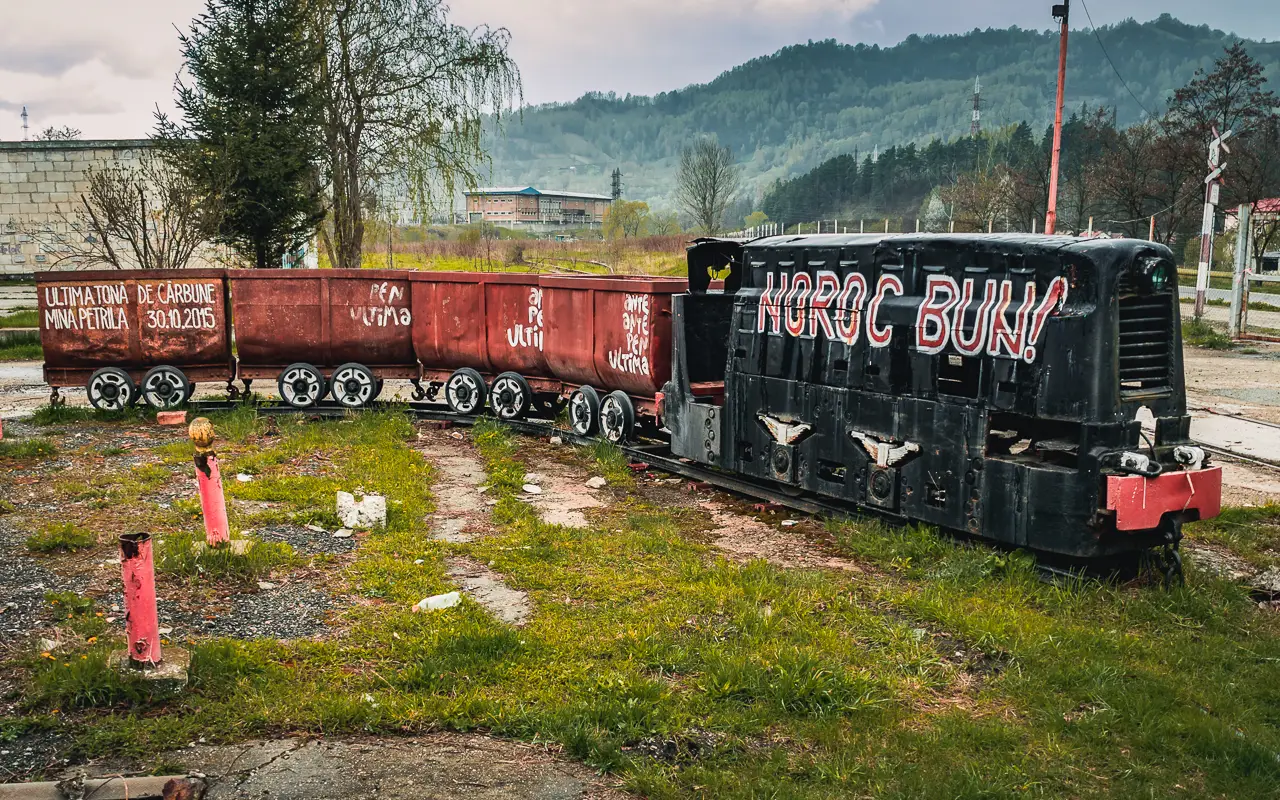
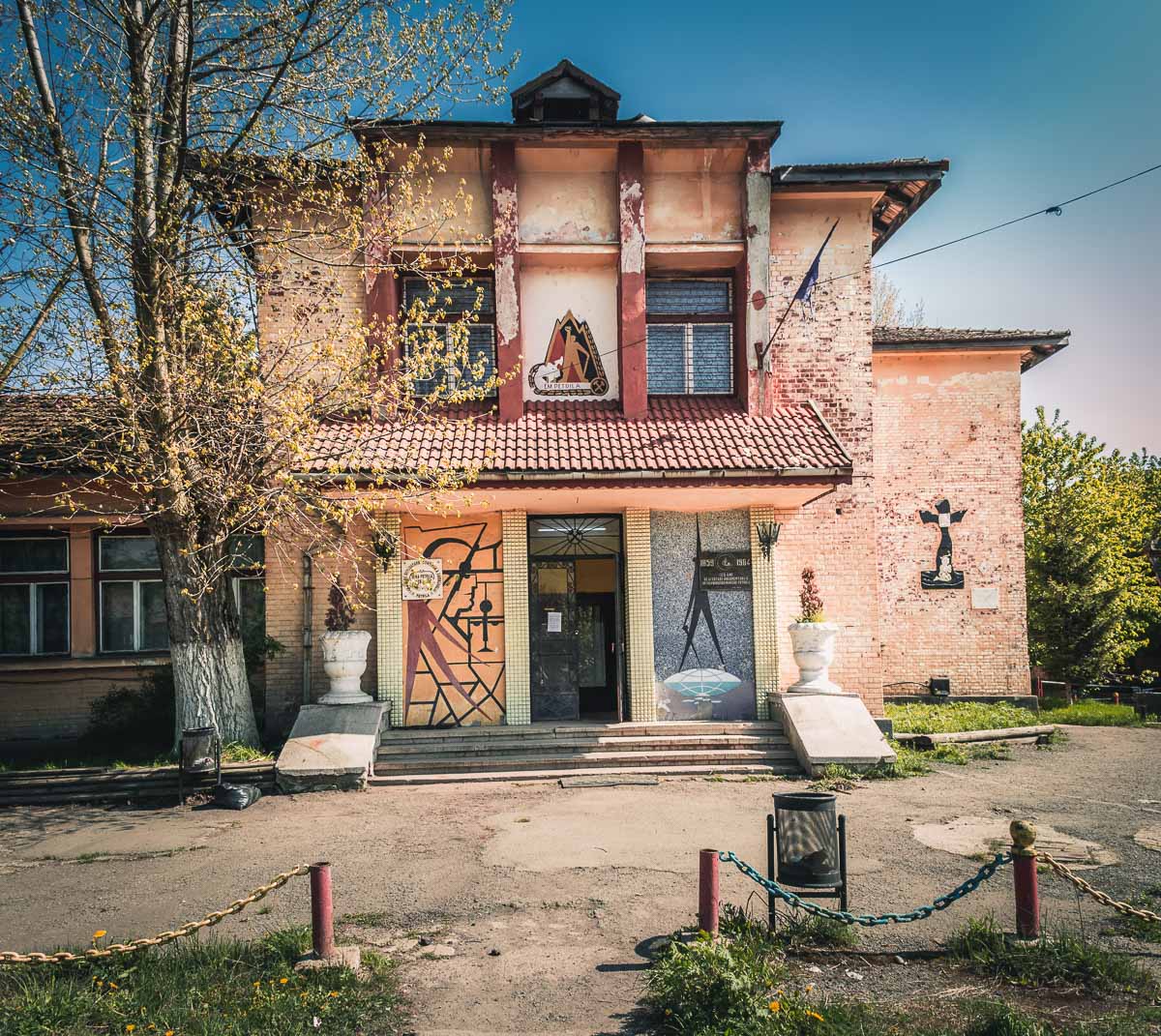
    The former coal mine in Petrila was one of the deepest mine in the entire Jiu Valley, it had a depth of approximately 1000 meters. Unfortunately, it was closed back in 2015 after the last ton of coal was brought up from the mine. Today only some industrial and administrative buildings remained on the large mine complex. In one of the former administrative building, right next to the main entrance you will find the Museum of the Mine Rescuer which I definitely recommend to visit it.

    The Museum of the Mine Rescuer in Petrila

    The Museum of the Mine Rescuer in Petrila, Romania is dedicated to the history of mine rescue and the courageous individuals who risked their lives to save others in the dangerous mining industry.

    The museum is located in yhe former mining complex in the town of Petrila, which was once a hub for coal mining in the Jiu Valley region of Romania. The museum’s exhibits include photographs, artifacts, and interactive displays that illustrate the history of mine rescue, from the early days of mining in the 19th century to the modern era.

    Visitors to the museum can learn about the equipment and techniques used by mine rescuers, as well as the training and preparation required to undertake these dangerous missions. The museum also pays tribute to the miners who lost their lives in mining accidents, and the efforts made to improve safety in the mining industry.

    The Museum of the Mine Rescuer in Petrila is an important cultural institution in Romania and a fascinating destination for anyone interested in the history of mining and the bravery of those who worked in this challenging industry.

    Close to the museum you can also explore the small miner school which was established within the Petrila coal mine complex, and its primary purpose was to provide training and education for the mine workers.

    Various equipment in the museum of the mine rescuer in Petrila.
    Various equipment used by the rescuers in the mine.
    Inside the small miner school located next to the museum of mine rescuer.
    The mine school.
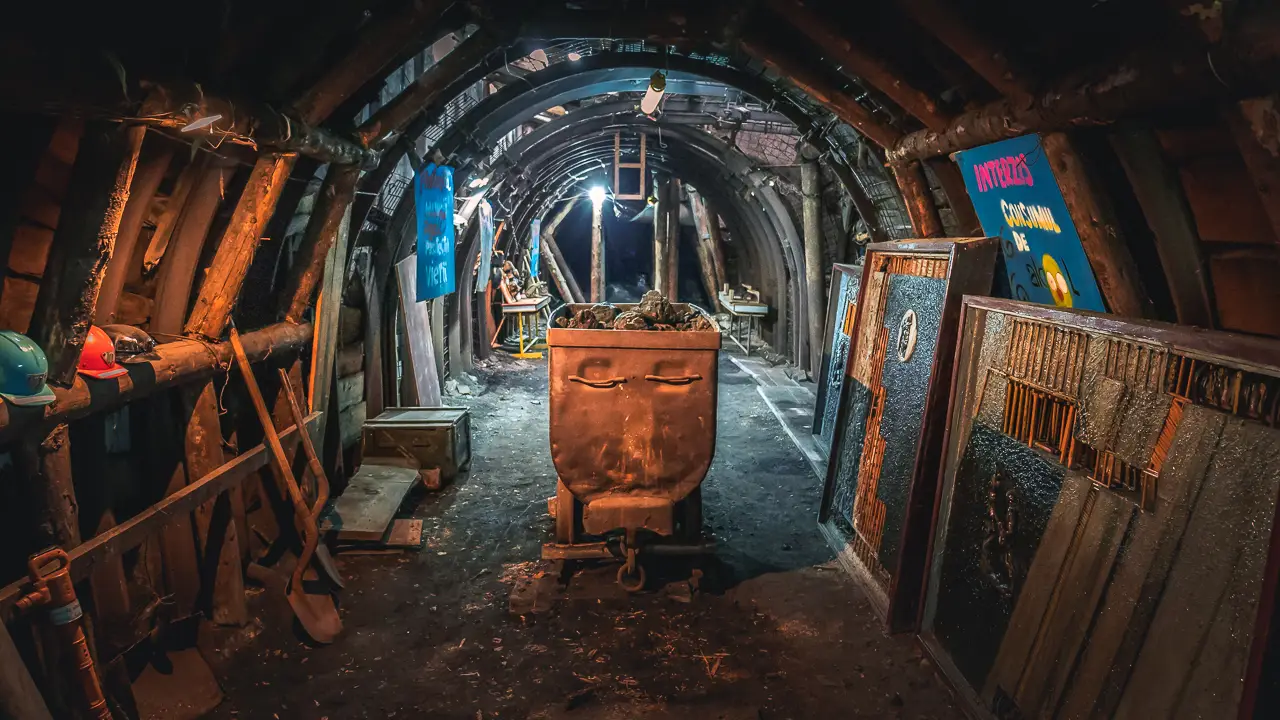
    Mine train which once was used to transport the extracted coal within the mine complex.
    Small mine train used to transport the coal within the mine complex.
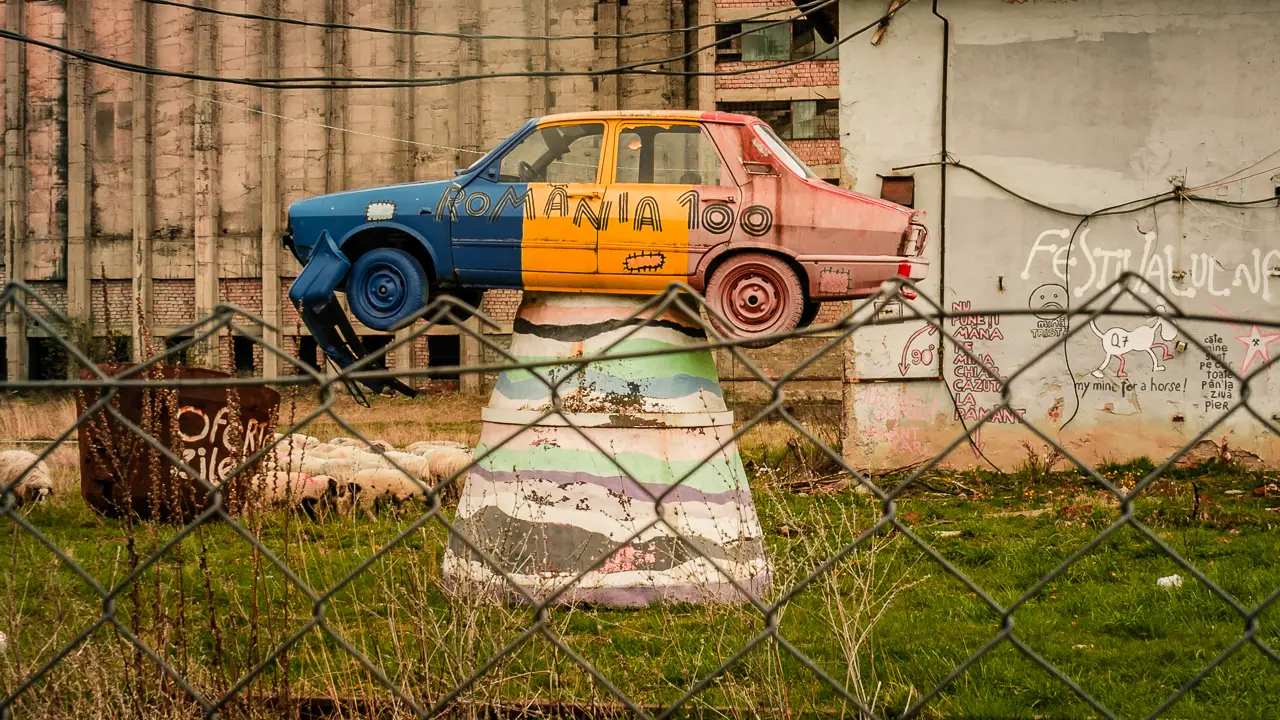
    Old Dacia car painted in Romania's flag colors.
    Old Dacia car painted in Romania’s flag colors.

    Industrial buildings

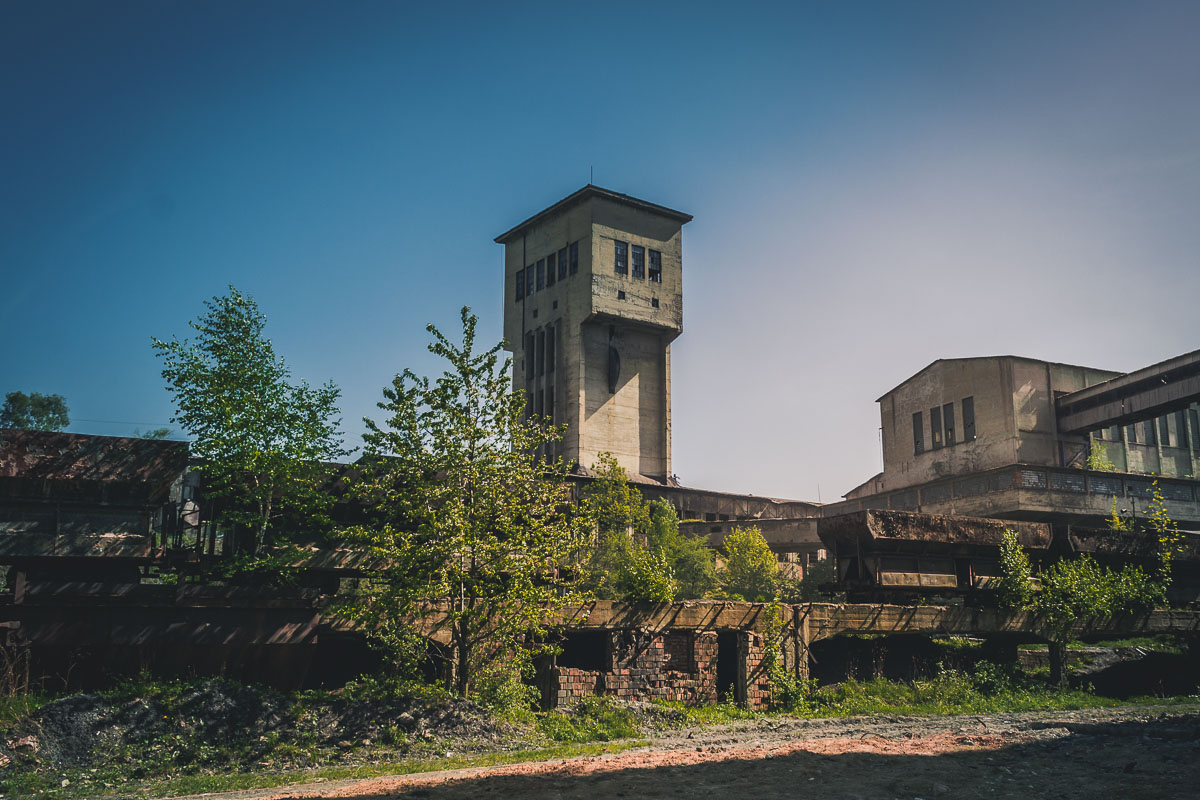
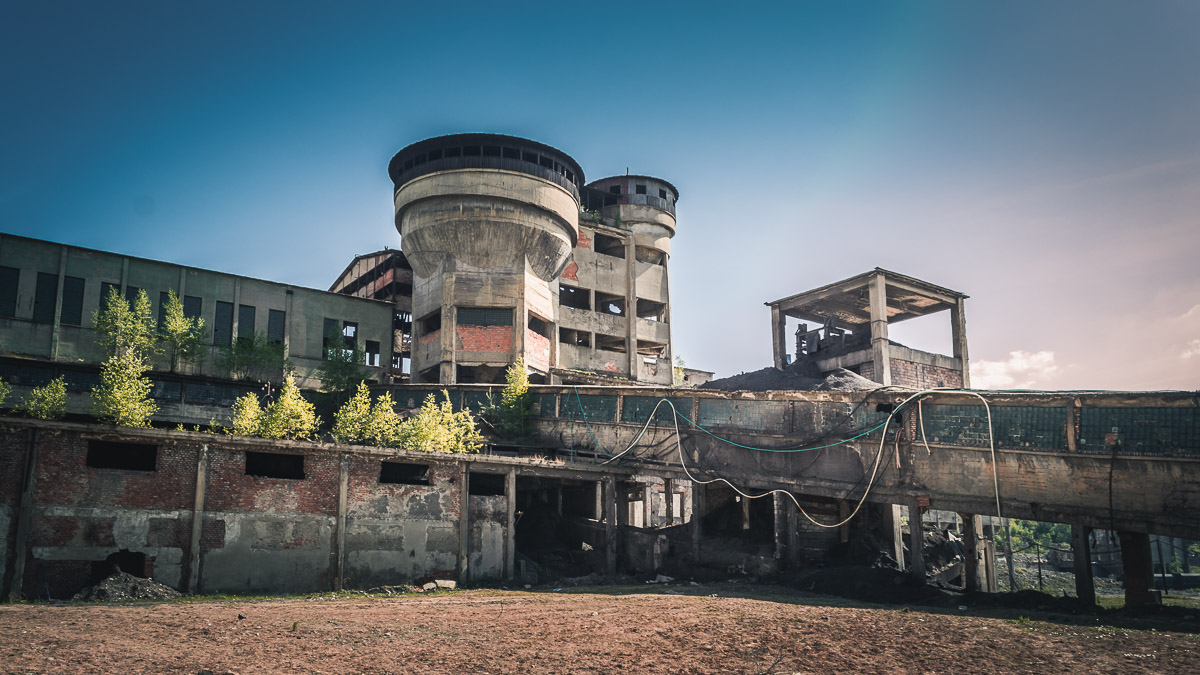
    Below I’ve shared a couple of pictures of the buildings which once were used to bring up the black gold from the depths of the earth and process it in to other products.

    Large mine shaft and narrow gauge coal hoppers.
    Mine shaft with narrow gauge coal hoppers.
    Industrial buildings.
    Industrial buildings.
    Narrow gauge train heading towards Lonea coal mine.
    Narrow gauge train heading to Lonea coal mine.
    Administrative building.
    Administrative building.

    What can you visit near Petrila?

    • The Taii Gorge, also known as the “Gorge of the Taii River”, is a stunning natural landmark located near the town of Petrila in the Jiu Valley region of Romania. The gorge was formed by the Taii River as it flows through the Carpathian Mountains, and it is known for its rugged cliffs, towering rock formations, and crystal-clear water.
    • In the Parang Mountains – there is a place not far from Petrila from where a large part of the Jiu Valley is visible including the Parang and the Retezat Mountains. You can easily reach this place by car.
  • Experience the Beauty of the Danube and Coronini

    Experience the Beauty of the Danube and Coronini

    Share this:

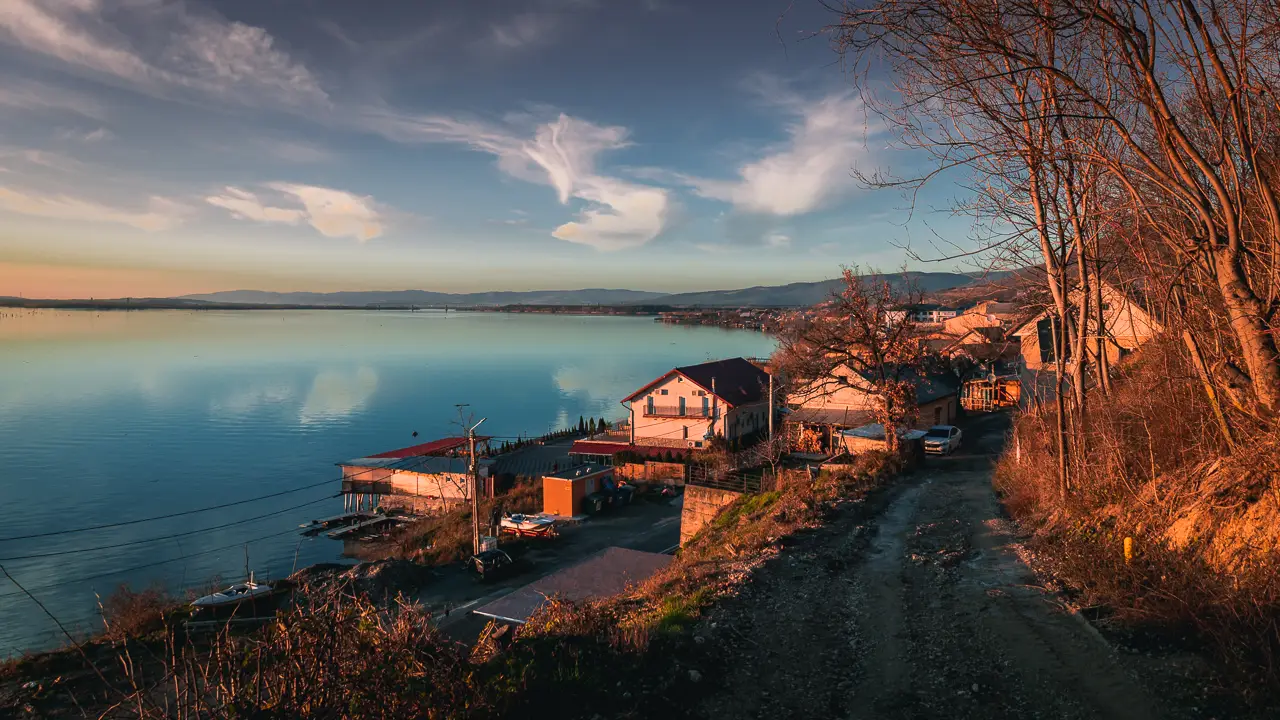
    The Romanian commune of Coronini is located near the banks of the Danube River, right before the entrance into the Danube Gorge. This enchanting commune is surrounded by breathtaking natural landscapes, and is filled with rich history and culture.

    One of the most striking features of Coronini is its untouched beauty. The village is situated at the entrance to the Danube Gorge, a breathtaking canyon that is filled with lush greenery, and is home to a wide variety of flora and fauna. The nearby mountains offer spectacular views, and the Danube river provides a tranquil backdrop for the village.

    For those looking for adventure, Coronini has plenty to offer. The nearby Danube river is a popular spot for boating, kayaking, and fishing, while the surrounding mountains are perfect for hiking and exploring. The commune is also home to a number of restaurants and cafes, where visitors can enjoy traditional Romanian cuisine and soak up the local atmosphere.

    If you wish to discover the beauty of the Danube Gorge then I highly recommend to drive from Coronini next to the Danube to the port city of Orsova.

    The village of Coronini and the Danube next to it.

    The Golubac Fortress

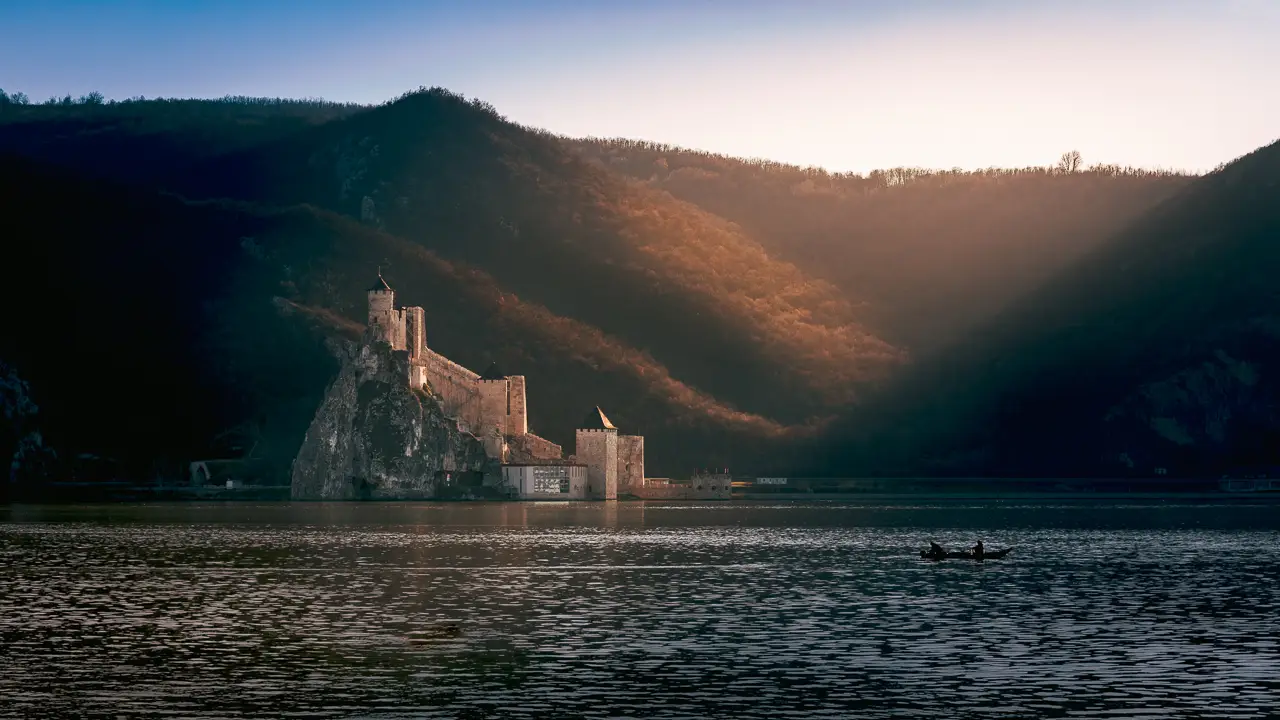
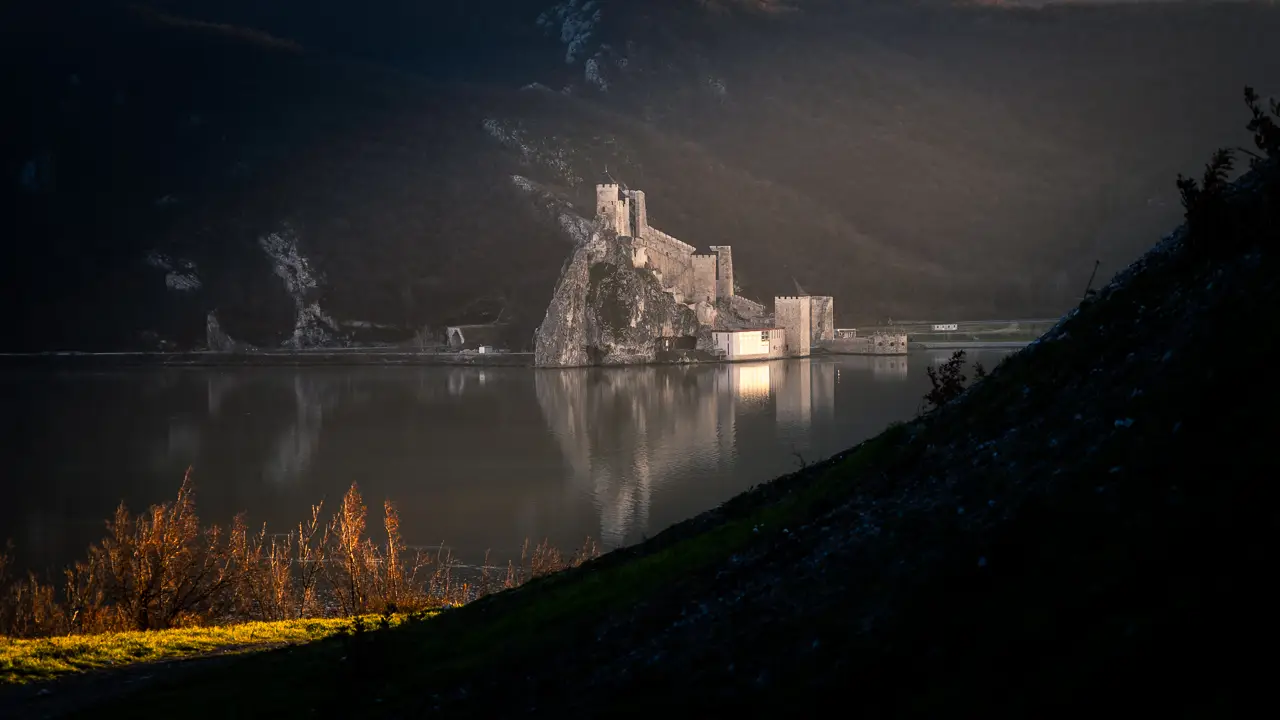
    The Golubac Fortress is a stunning historic structure located next to the Danube river in Serbia. From the village of Coronini in Romania, visitors can enjoy breathtaking views of this impressive fortress.

    Built in the 14th century, the Golubac Fortress is a testament to the area’s rich history and culture. The fortress played an important role in the defense of the Danube River, and was a key strategic location during numerous conflicts and battles

    Today, visitors to the area can marvel at the fortress’s imposing walls and towers, which are perched atop a rocky cliff overlooking the Danube River. From the village of Coronini, the fortress is visible in the distance, providing a stunning backdrop for the surrounding natural scenery.

    One of the best ways to experience the Golubac Fortress is to take a boat tour along the Danube River. From the water, visitors can get a closer look at the fortress and its many impressive features. The fortress’s imposing walls and towers can be seen up close, and visitors can also explore the many rooms and chambers of the fortress.

    For those interested in history and culture, the Golubac Fortress is a must-see destination. The fortress is home to numerous exhibitions and displays, which provide a fascinating glimpse into the area’s rich past. Visitors can learn about the fortress’s many battles and conflicts, and can explore the many artifacts and treasures that have been uncovered in the surrounding area.

    The Golubac fortress on the Serbian side of the Danube.
    The Golubac Fortress.

    The Baba Caia

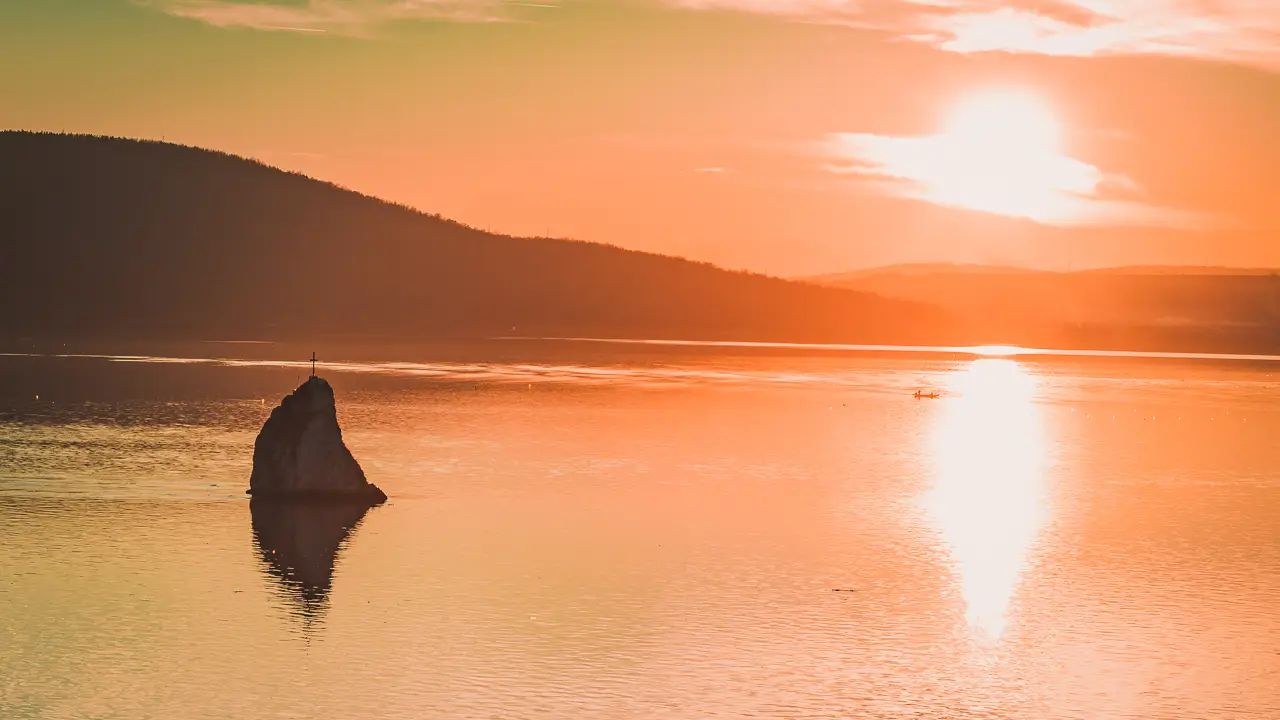
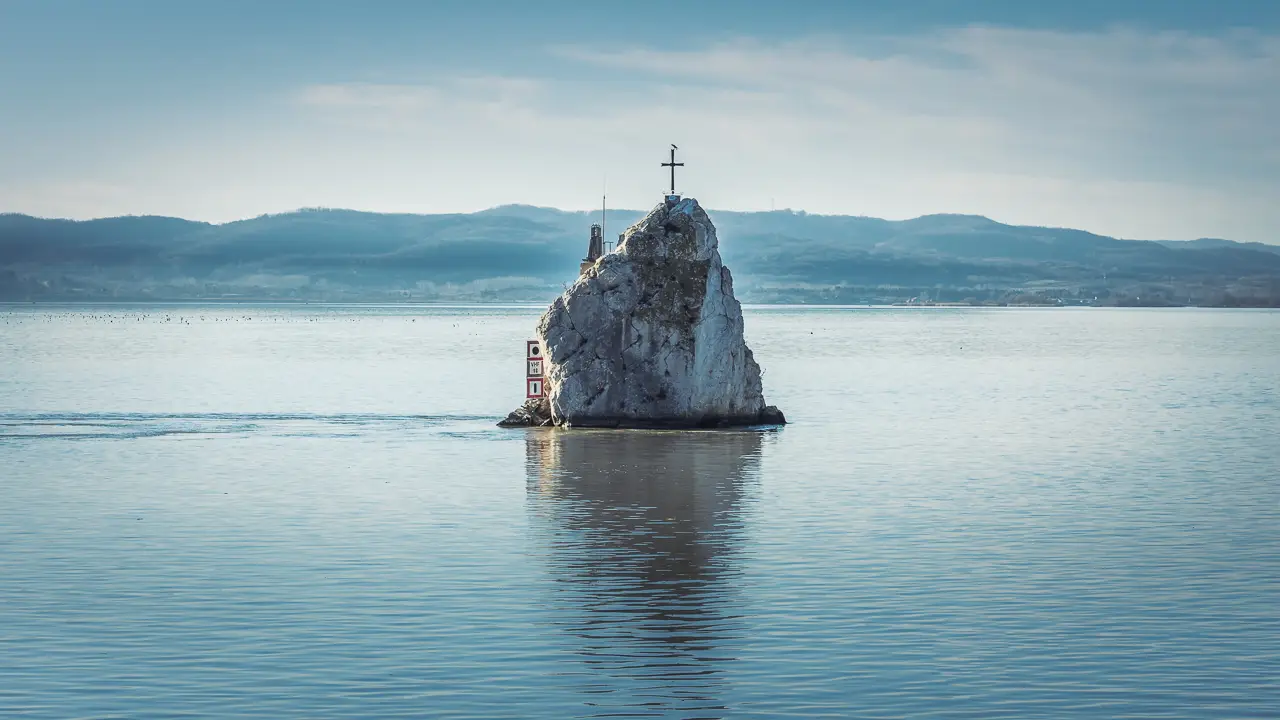
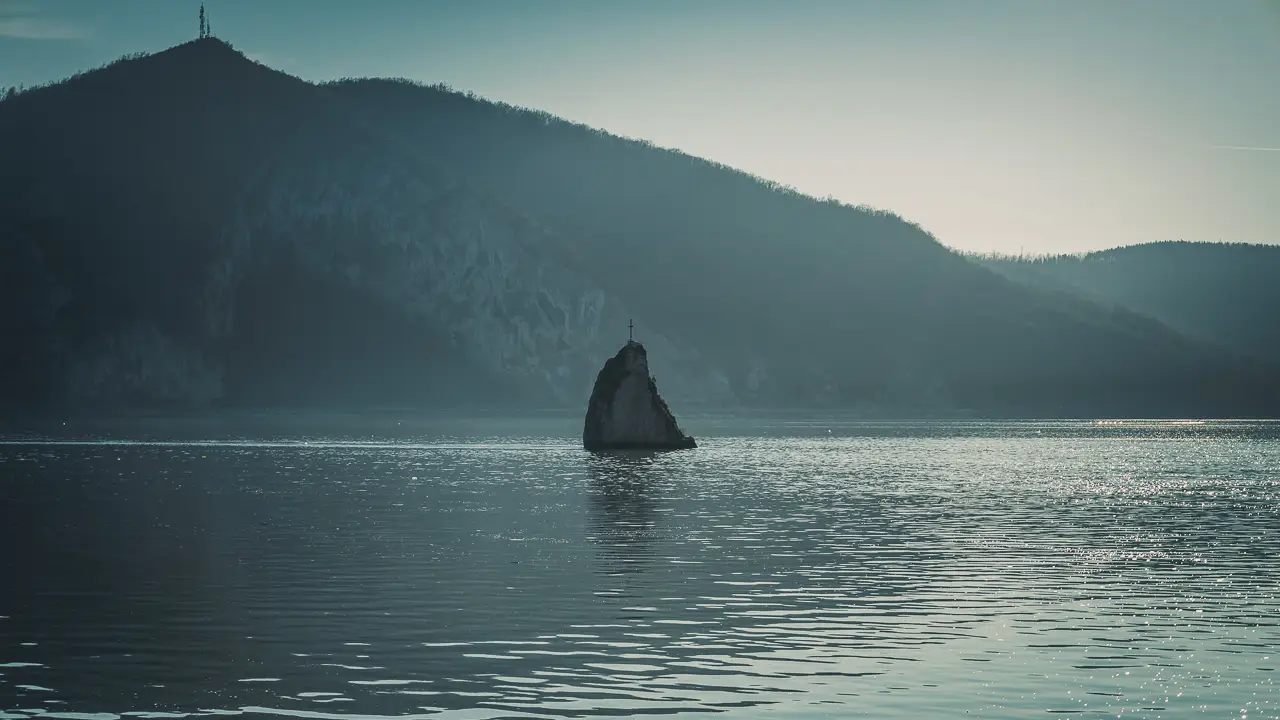
    Next to the commune of Coronini, you will find a smaller cliff which rises from the Danube. That cliff is called Baba Caia and over the years, several legends have been woven around it. This 7 meter height cliff actually marks the entrance to the Danube Gorge.

    The Baba Caia near Coronini.
    The Baba Caia and the Danube.

    The Ladislau Fortress

    The Ladislau Fortress can be found on top of a small hill located close to the outskirts of the village of Coronini. You can easily spot it from the main road as you drive trough Coronini towards Orsova. Currently this fortress is under renovation therefore it is not open for the tourists.

    The Ladislau fortress.

    What else can you see near Coronini?

    • Not very far from Coronini you will find two beautiful waterfalls, the first would be Buraul Mare and the second one is Modavita.
    • Near the small village of Bazias you can actually see where the mighty Danube river enters Romania.
  • The Modavita Waterfall: A Natural Wonder in Romania

    The Modavita Waterfall: A Natural Wonder in Romania

    Share this:

    Located in Banat Mountains, in the southern part of Romania, not far from the beautiful Danube River,  the Modavita Waterfall is a hidden gem waiting to be discovered. With its crystal-clear waters and breathtaking scenery, the Modavita Waterfall is a natural wonder that is sure to take your breath away.

    This waterfall can visited all year round, even in winter the flow of water was strong enough to make the waterfall even more interesting and beautiful.

    It’s worth mentioning that this spot can sometimes get crowded with tourists who come to see the waterfall. During our visit, at least two cars stopped, and people got out to admire the view and take pictures.

    How to get here?

    The waterfall is easily accessible from the nearby small town of Moldova Noua, those who want to visit this natural wonder can take a short drive to the waterfall. It’s only about 9 km away from the outskirts of the city. The road from town to the waterfall was in good condition, except for a very short stretch right at the outskirts of Moldova Noua.

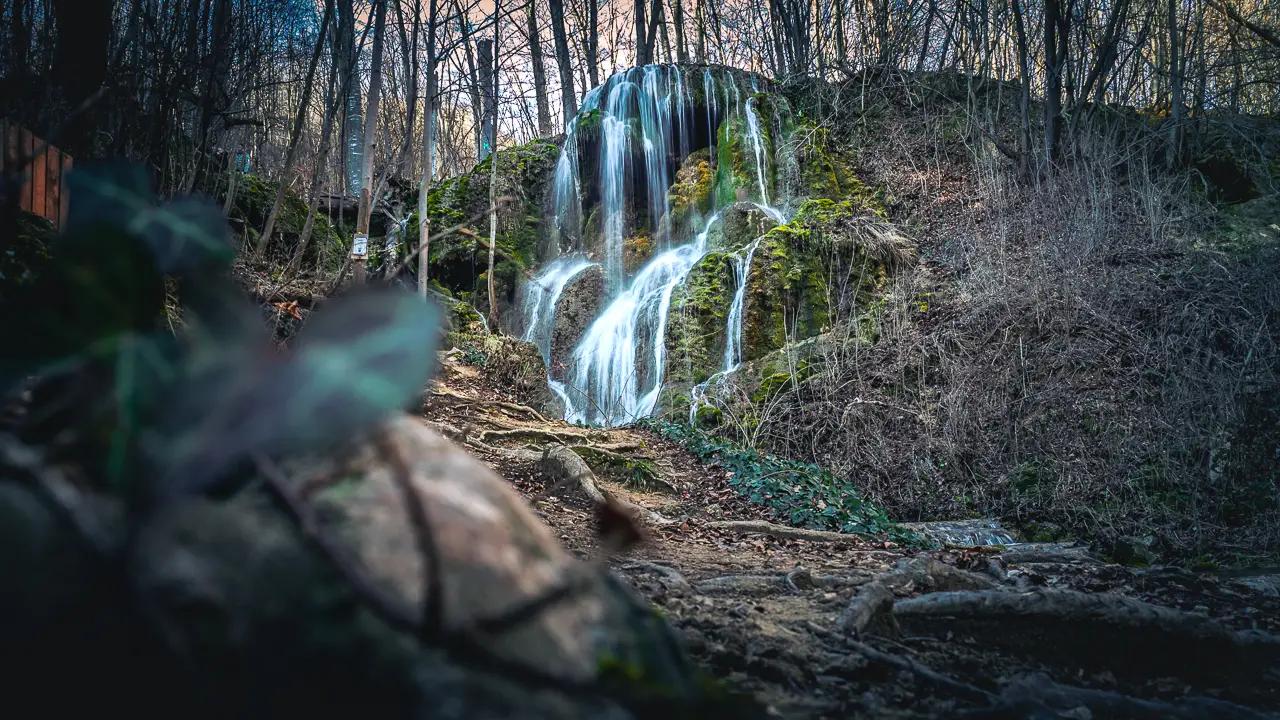
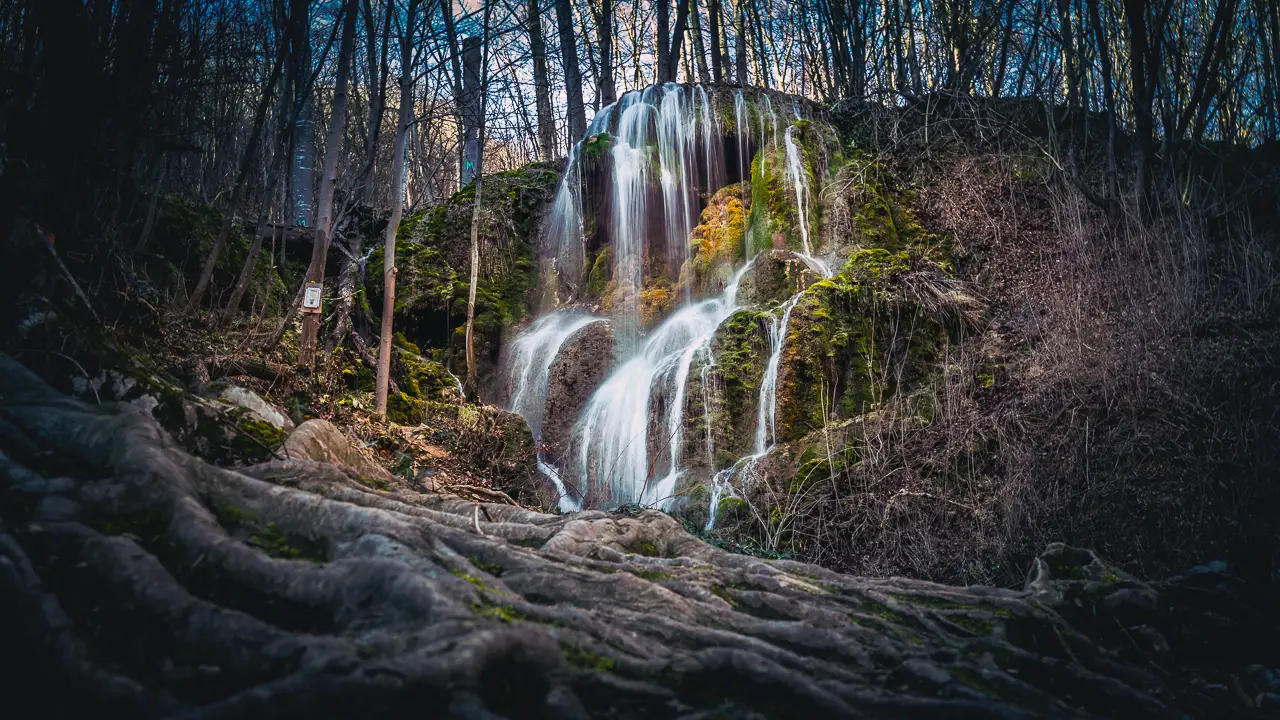
    The Modavita waterfall.
    The Modavita Waterfall.
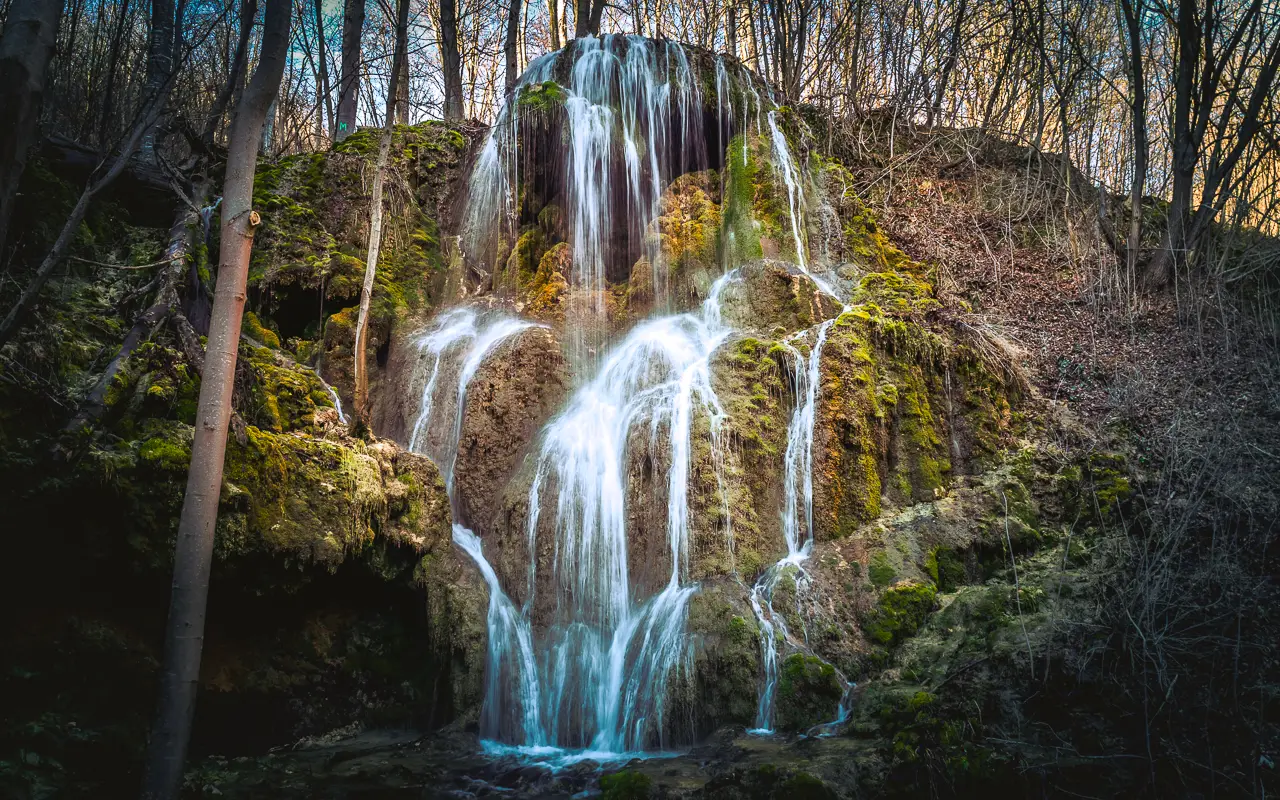
    A close-up photo of the waterfall.
    Close-up photo of the waterfall.

    Make sure to visit the Buraul Mare!

    On your way to the Modavita Waterfall, make sure to stop by the Buraul Mare Waterfall. It’s just about 2 kilometers before Modavita and is definitely worth a visit.

    What else can you visit in the area?

    • Coronini is a great place to stop and admire the beautiful Danube River. From here, you can also see the famous Golubac Fortress on the opposite side, in Serbia, standing proudly on the riverbank. It’s a breathtaking view that shouldn’t be missed,
    • A little further along, you’ll reach Balta Nera, the exact spot where the Danube River officially enters Romania. This is an important geographical point and a great place to appreciate the river’s journey as it flows into the country.