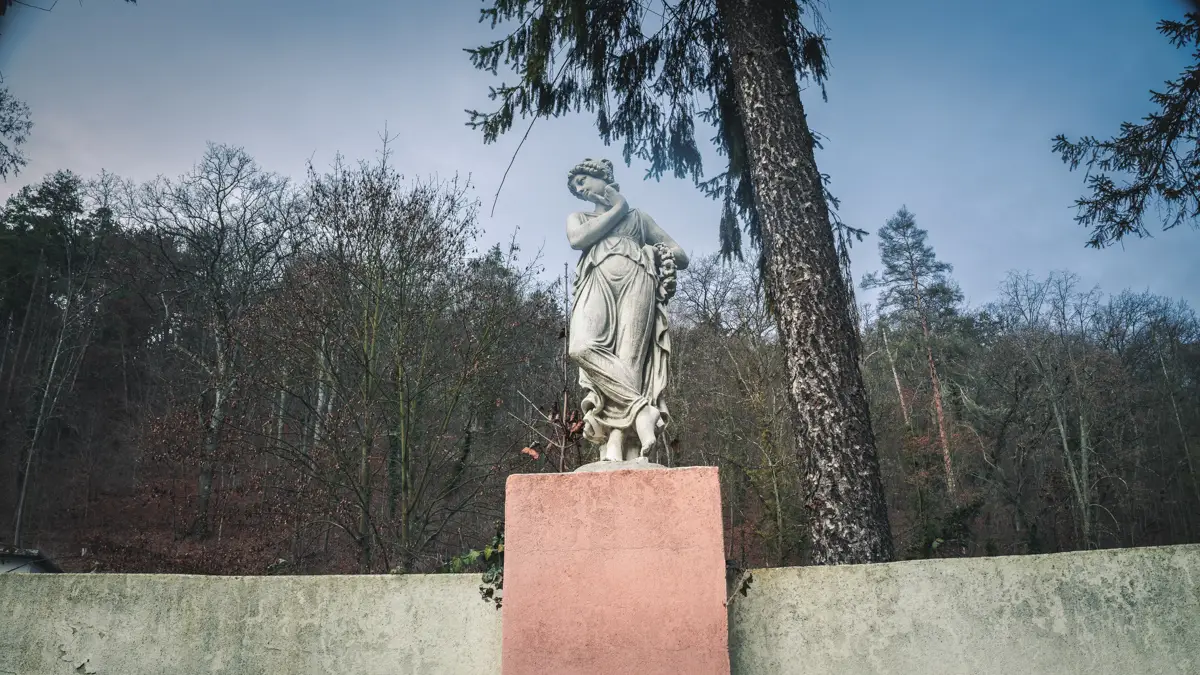
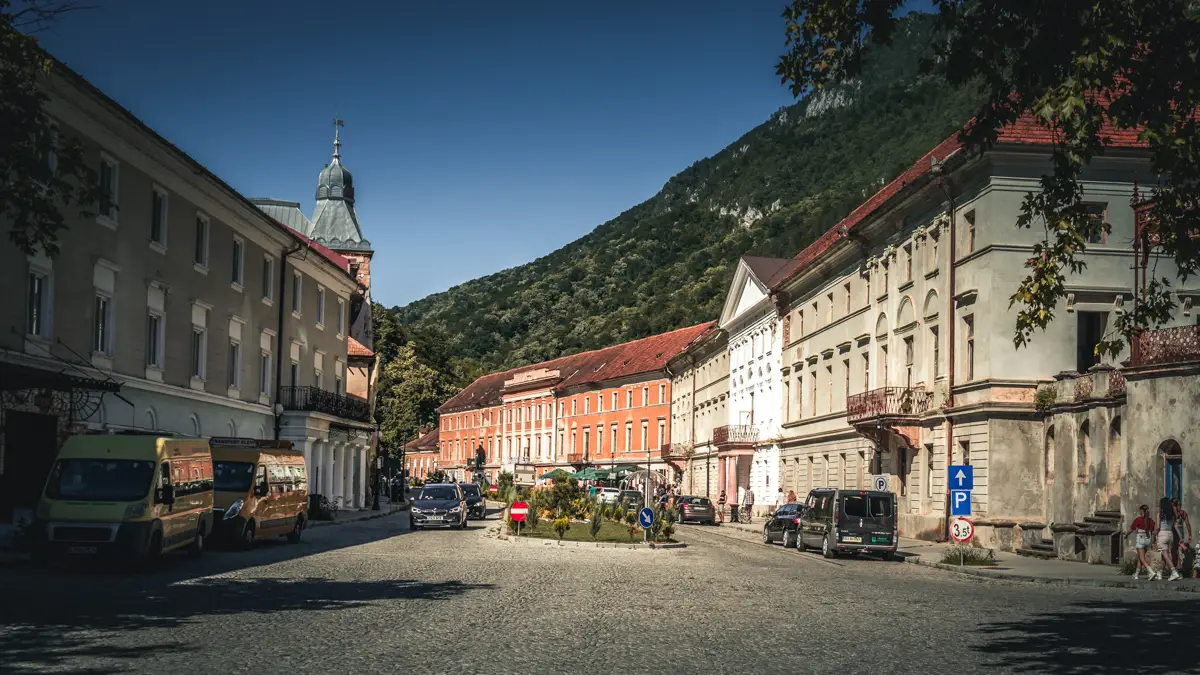
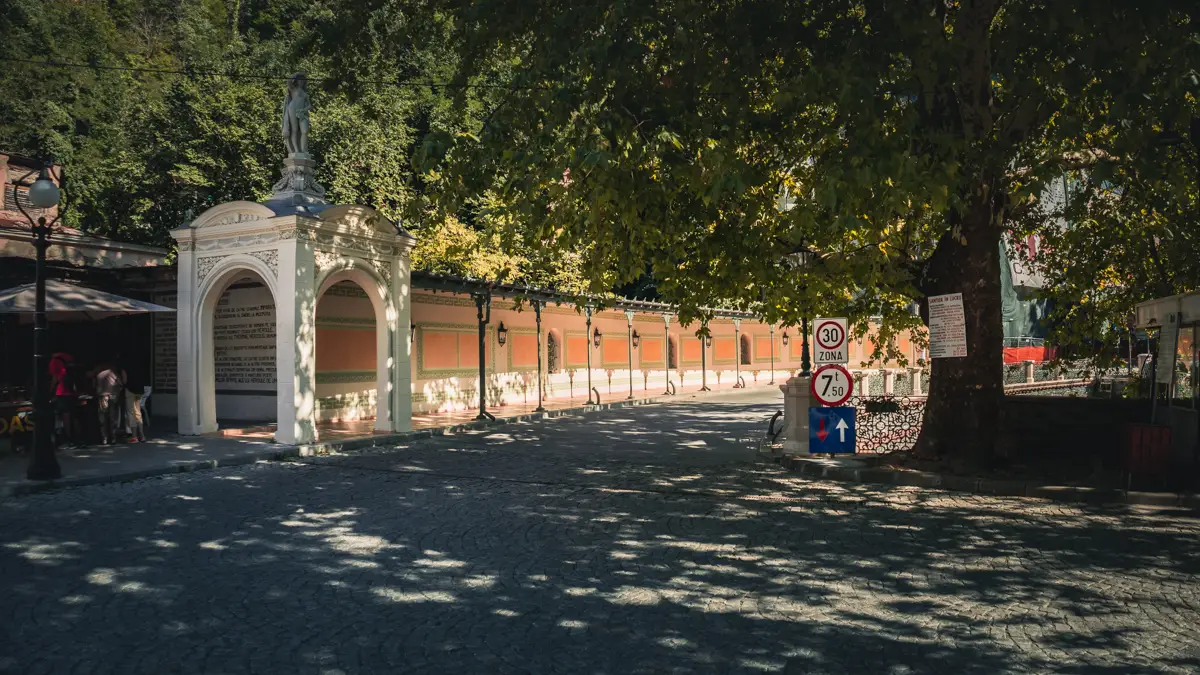
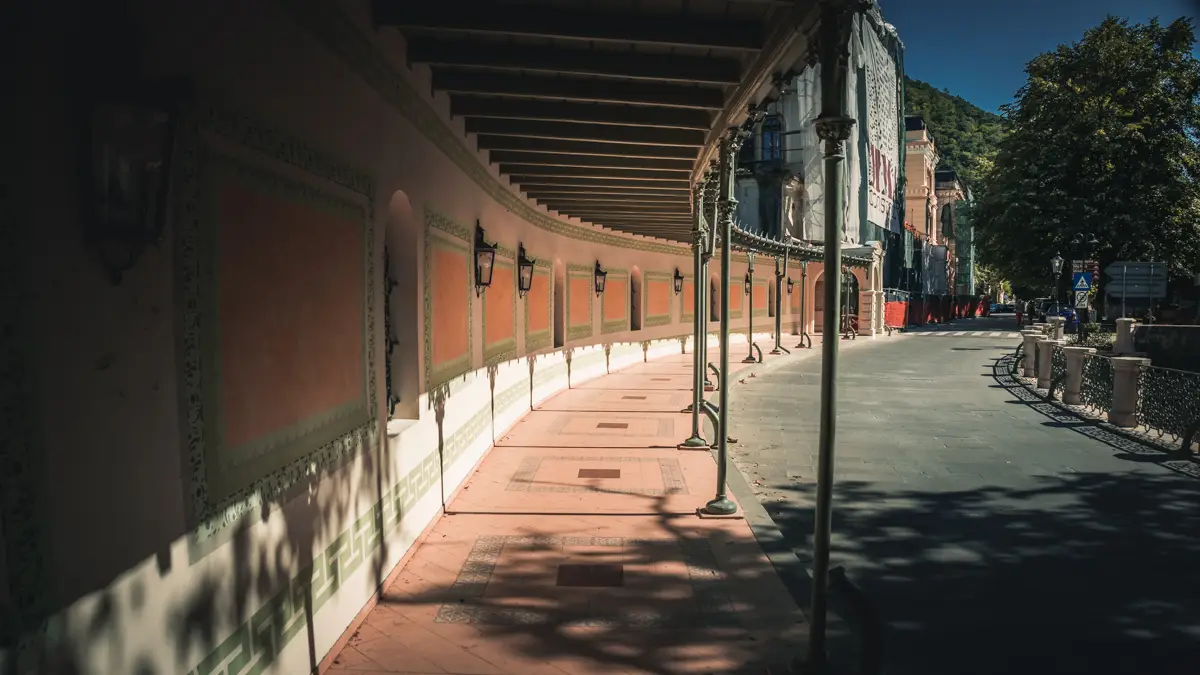
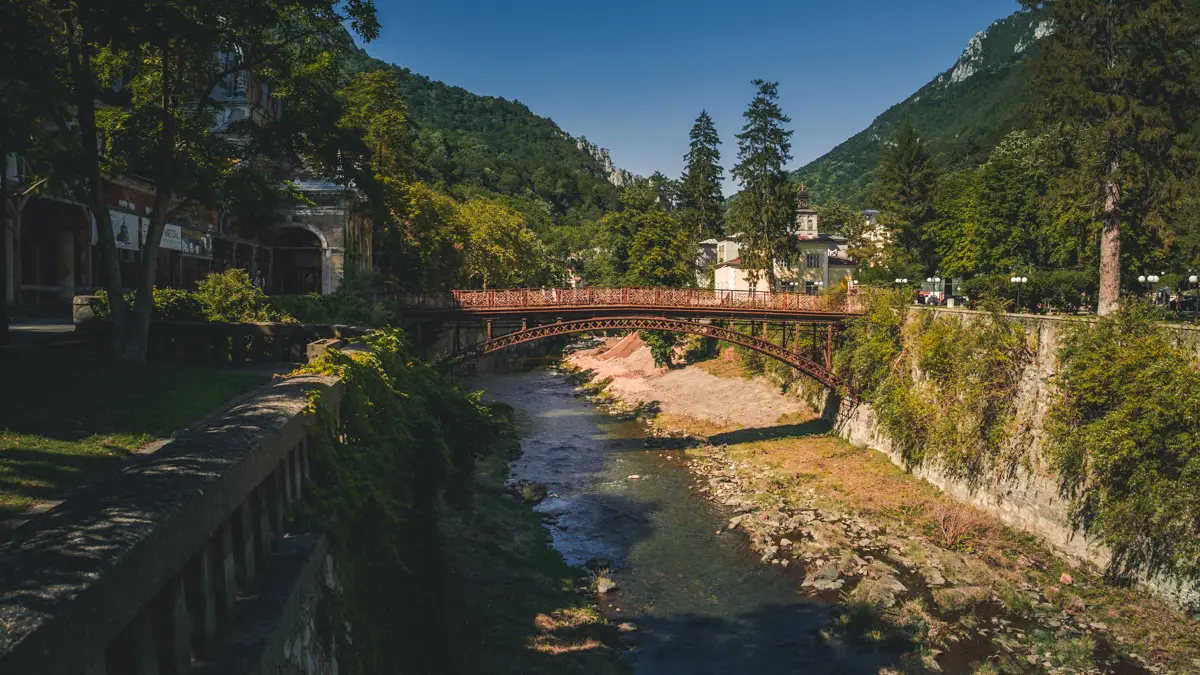
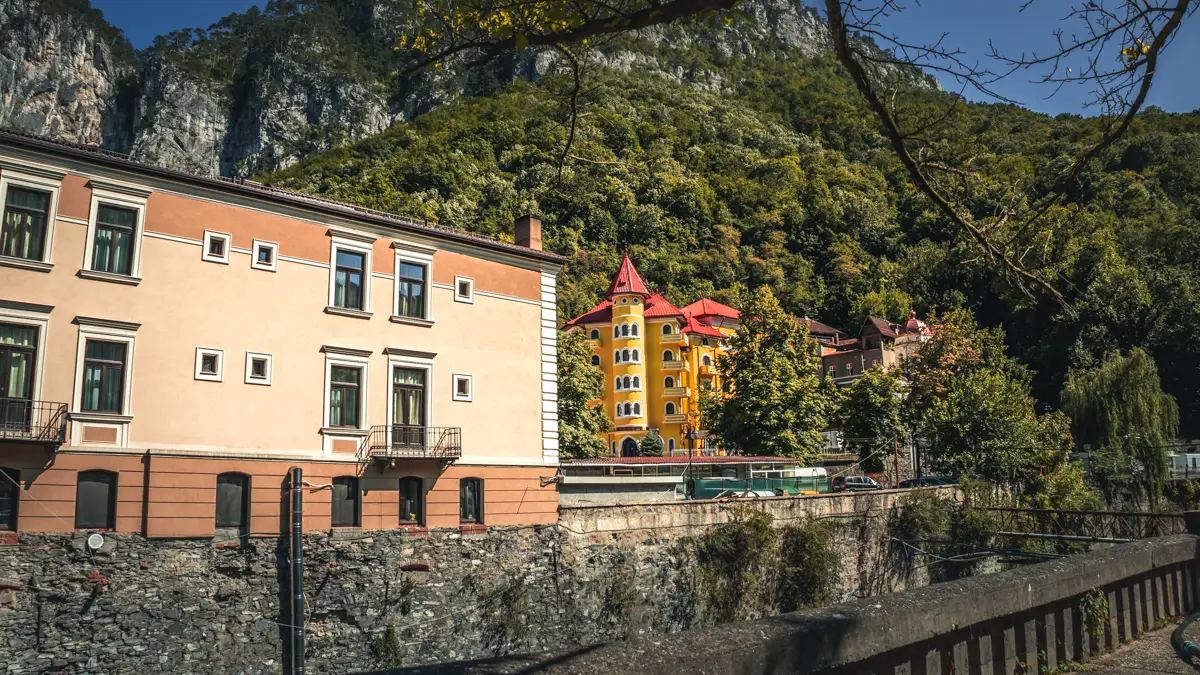
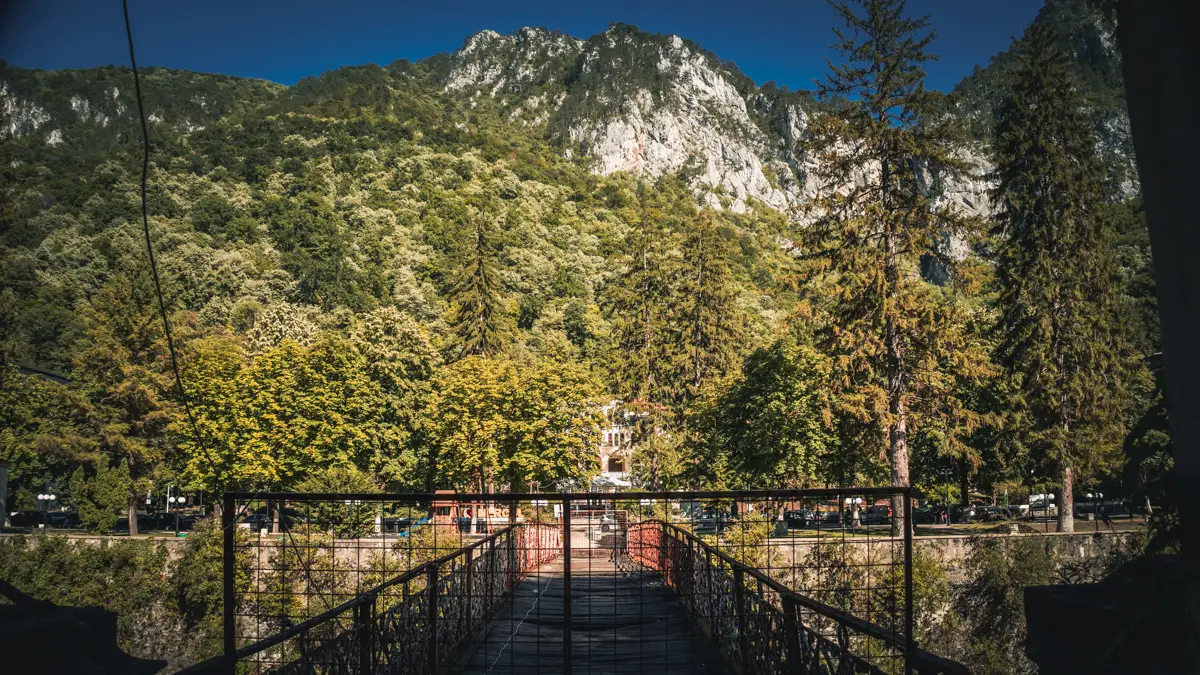
Geoagiu Bai is a small but charming spa resort in the Apuseni Mountains, close to the city of Orastie. While it’s best known for its thermal spas, there are also several interesting attractions to explore in and around the resort.
When you arrive, you’ll notice a sign that points to all the attractions within the resort. This makes it easy to find your way around and decide which places you’d like to explore first.
Must-Visit Attractions in Geoagiu Bai:
The Outlaws’ Grotto
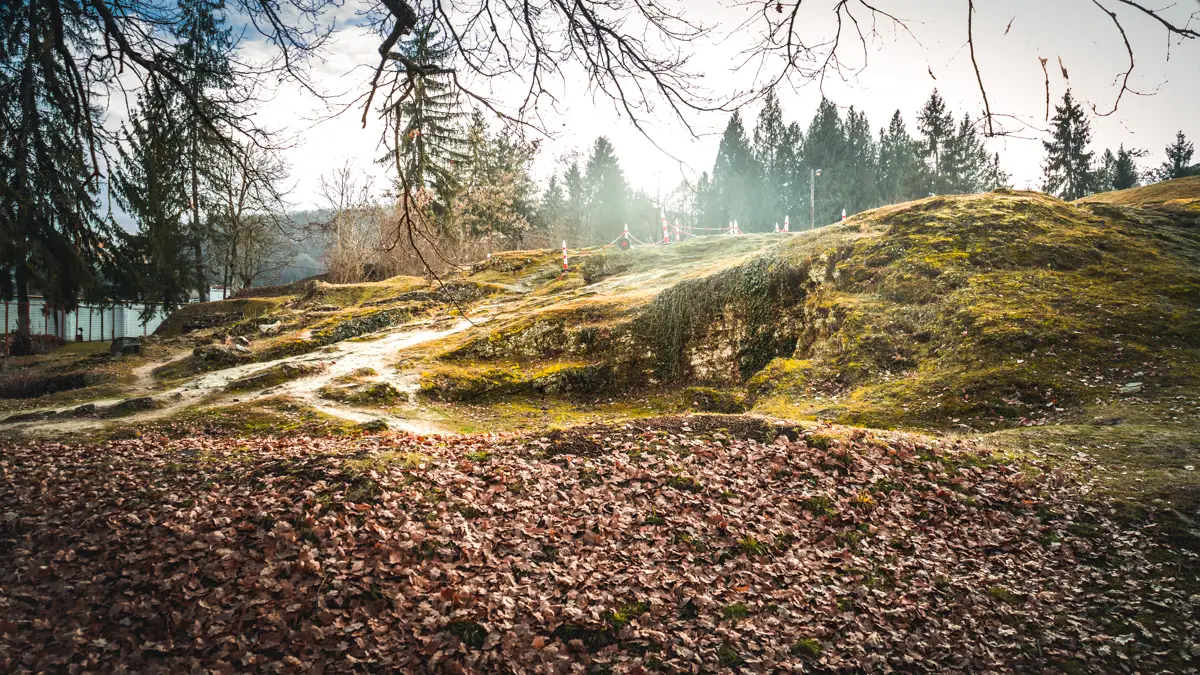
Just a 10-minute walk from the abandoned swimming pool located on the outskirts of the resort, a dirt road leads to the Outlaws’ Grotto or Groata Haiducilor in Romanian, a hidden cave with a fascinating history. According to a legend, a treasure was buried inside the cave during the interwar period, adding to its mystery.
Path in the forest leading to the Outlaws GrottoThe Outlaws Grotto.
The Roman Baths – Germisara
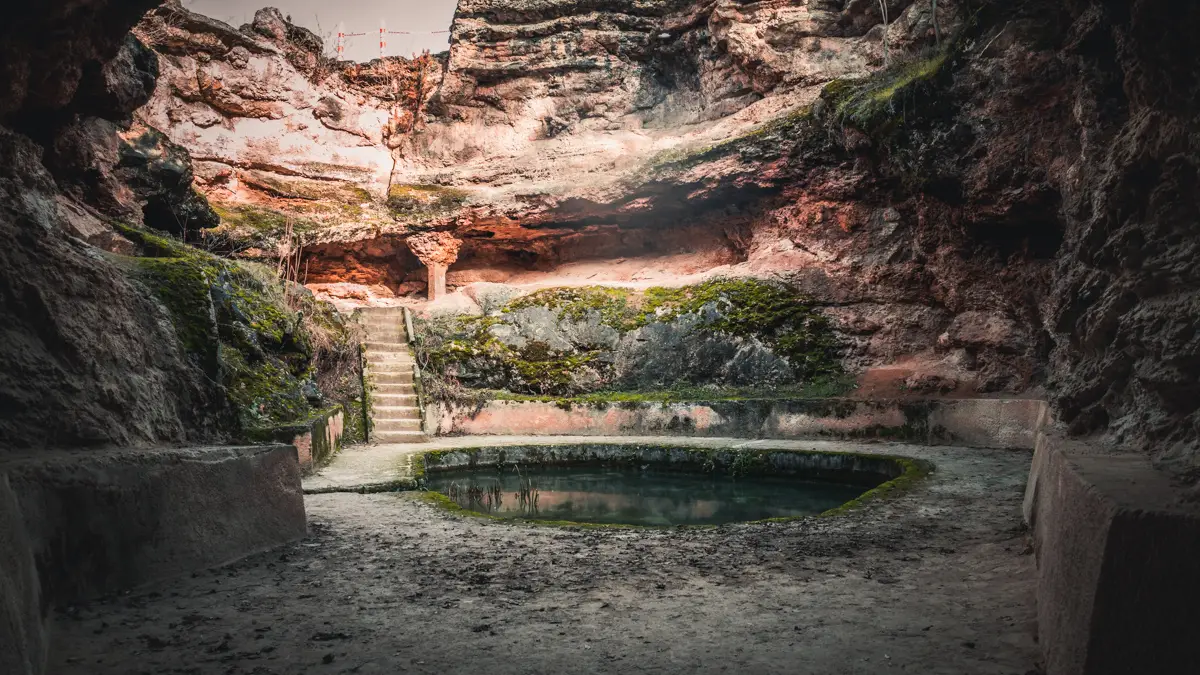
The Old Roman Baths can be found right next to much larger swimming pools located in the heart of the resort so it’s easy to visit and explore the old ruins built by the Romans.
The scenery next to the main entrance to the Roman Baths.The Roman Baths.Inside the Roman Baths.The swimming pool.
The Clocota Waterfall
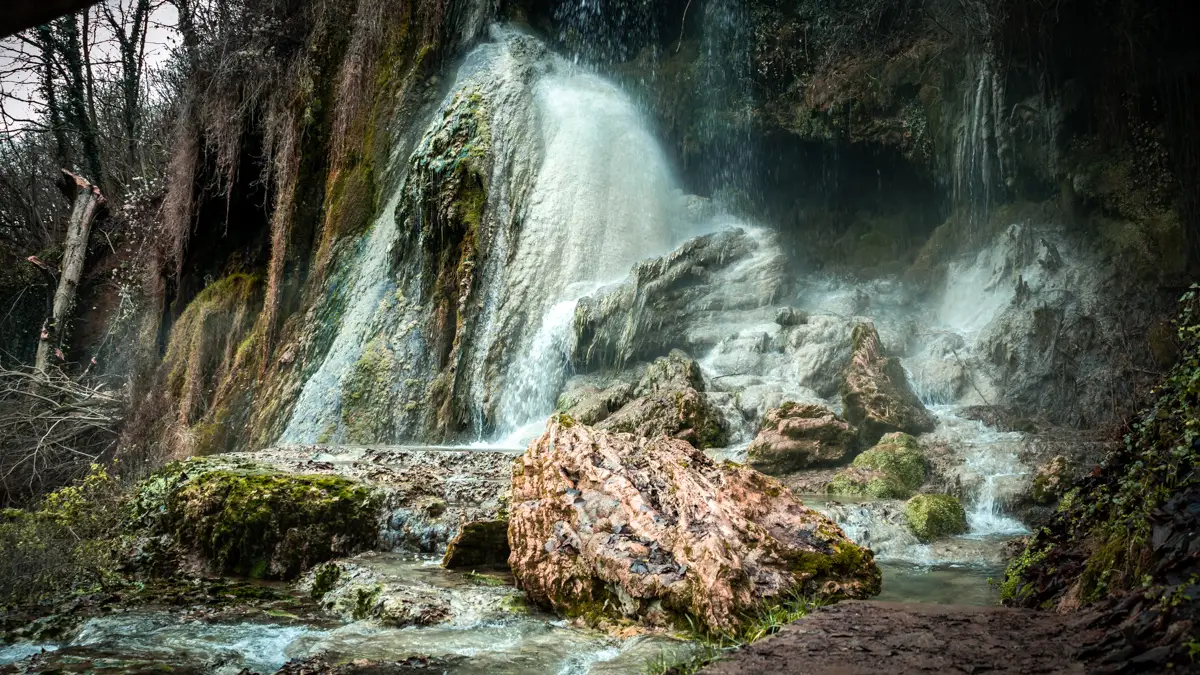
At the end of Taberei Street, you’ll find the stunning Clocota Waterfall. The last part of the path is quite steep, so it’s best explored on foot for a safer and more enjoyable visit.
A portrait photo of the Clocota Waterfall.Close-up shot of the waterfall.Tourists arrive to visit the waterfall
More Places to Visit Nearby
If you have extra time, there are several amazing sites worth visiting:
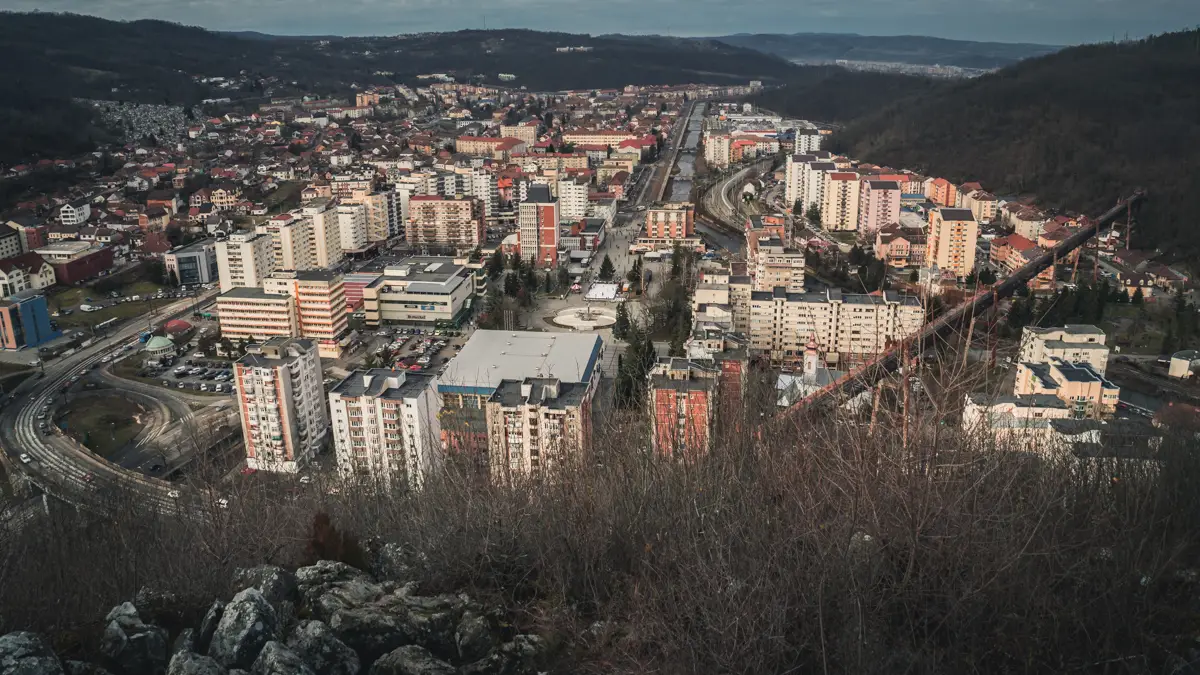
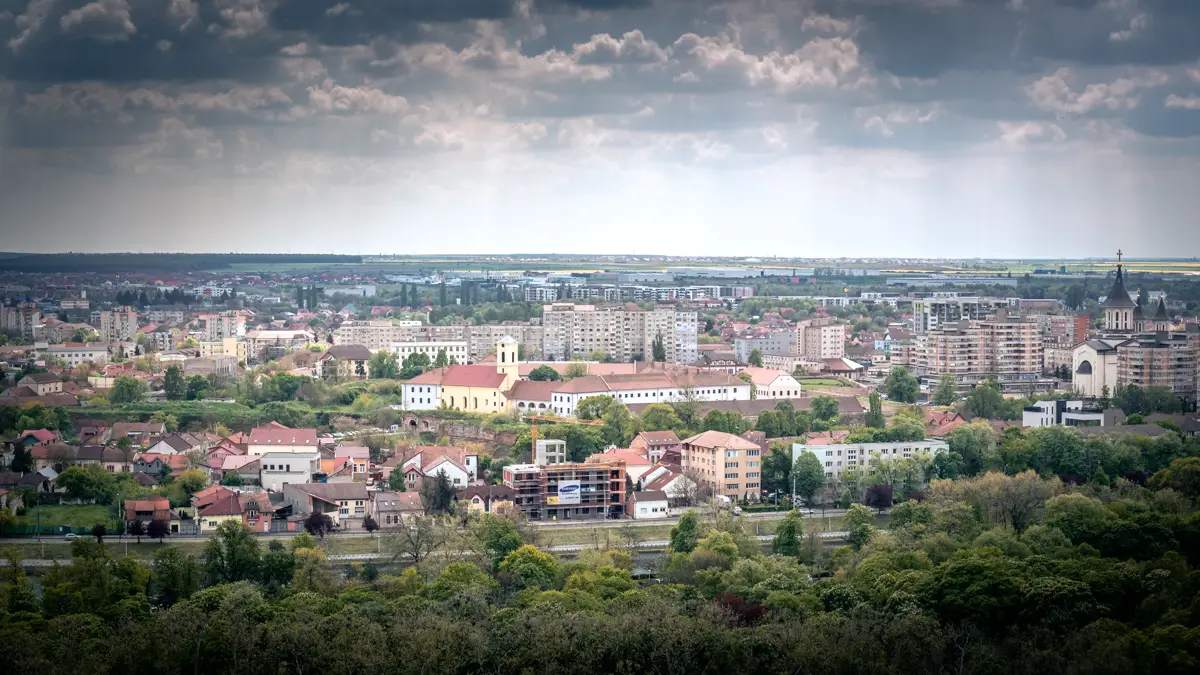
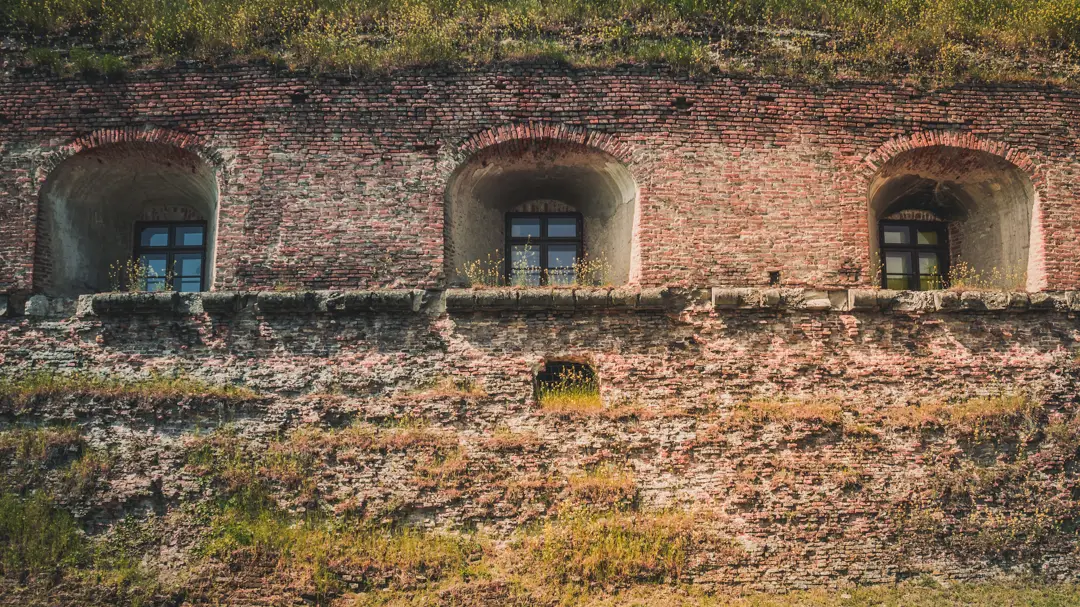
Deva Fortress – Located on a high hill overlooking the city of Deva, this fortress offers great views and a rich history.
Sarmizegetusa Regia – The ancient capital of Dacia, a must-visit for history lovers, not far from Orăștie.
Corvin Castle – One of Romania’s most famous and breathtaking castles, located in Hunedoara, about 17 km from Deva.
Final thoughts
Geoagiu Bai is a destination that offers something for everyone—whether you seek relaxation, history, or adventure. The blend of ancient traditions and natural beauty makes it a place worth visiting.
Timisoara is one of the largest cities in western Romania, located in the Banat region, not far from the borders with Hungary and Serbia. The city is well connected to the rest of the country, with the A1 highway just a short distance away, making travel by car easy and convenient.
Timisoara also has a well-developed railway system, offering both domestic and international connections, making it accessible for travelers coming from different parts of Europe.
Here are some of the amazing places I visited in Timisoara that I highly recommend!
The Victory Square
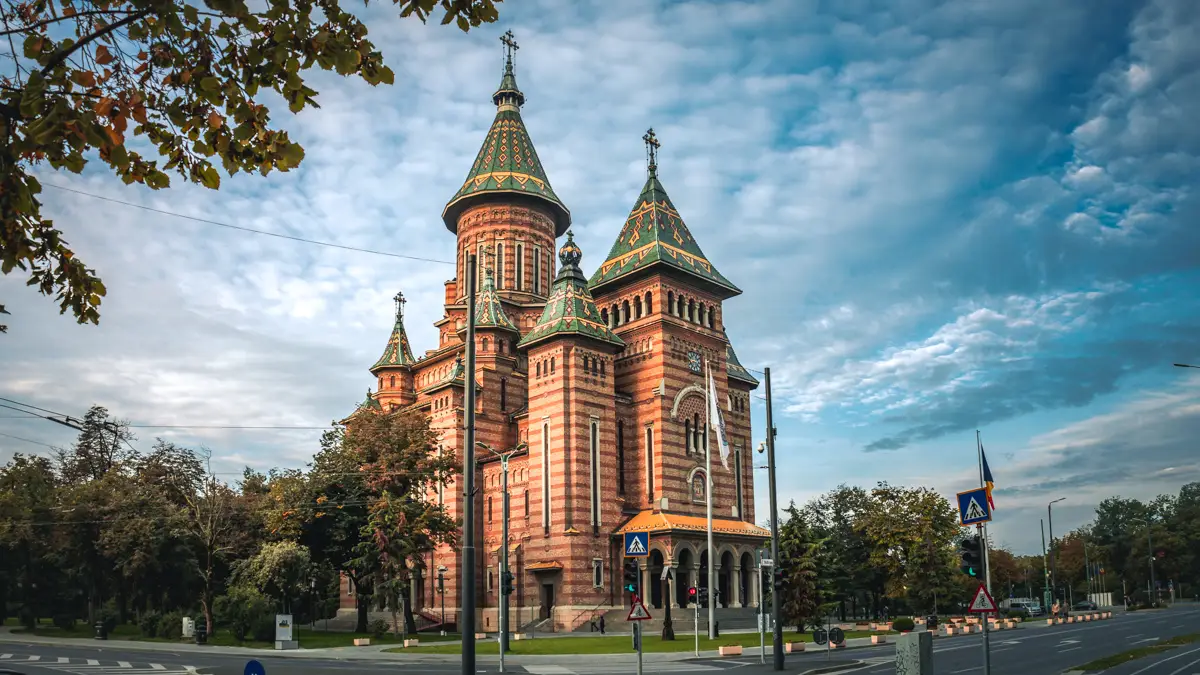
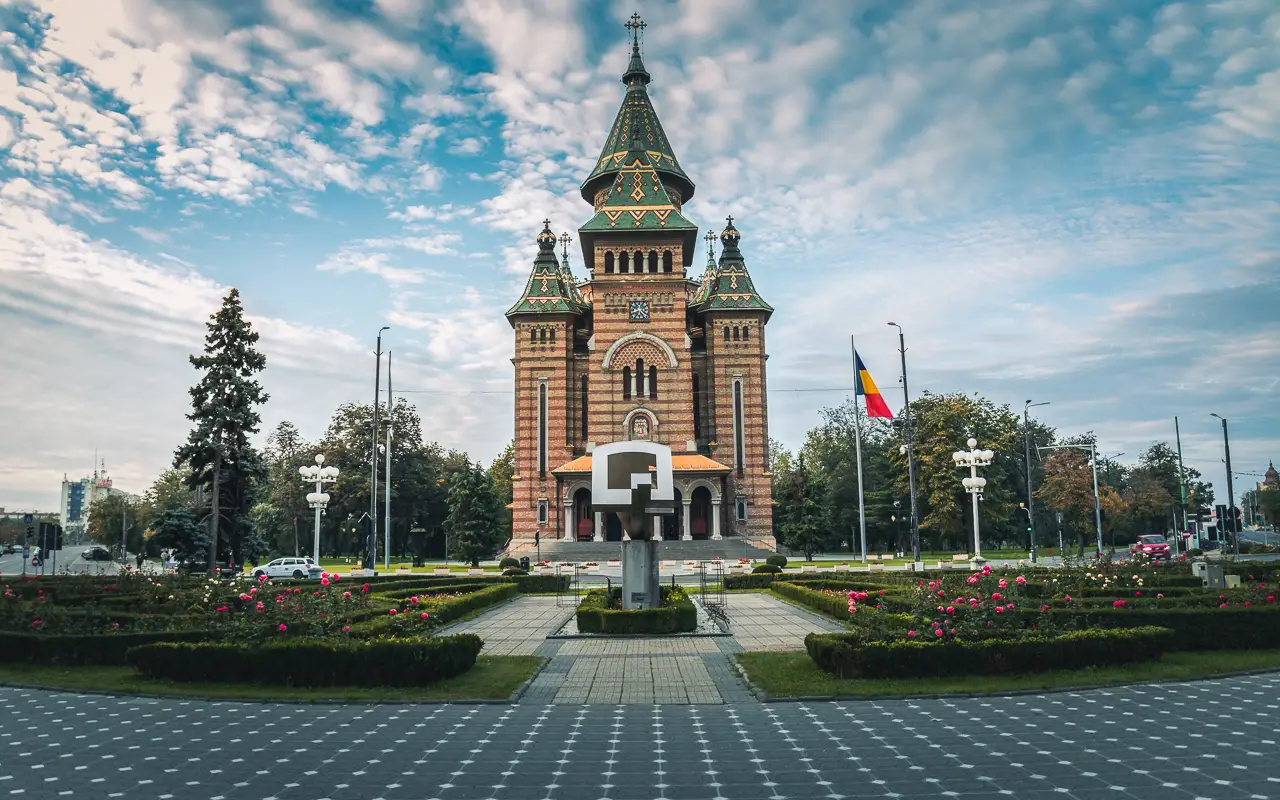
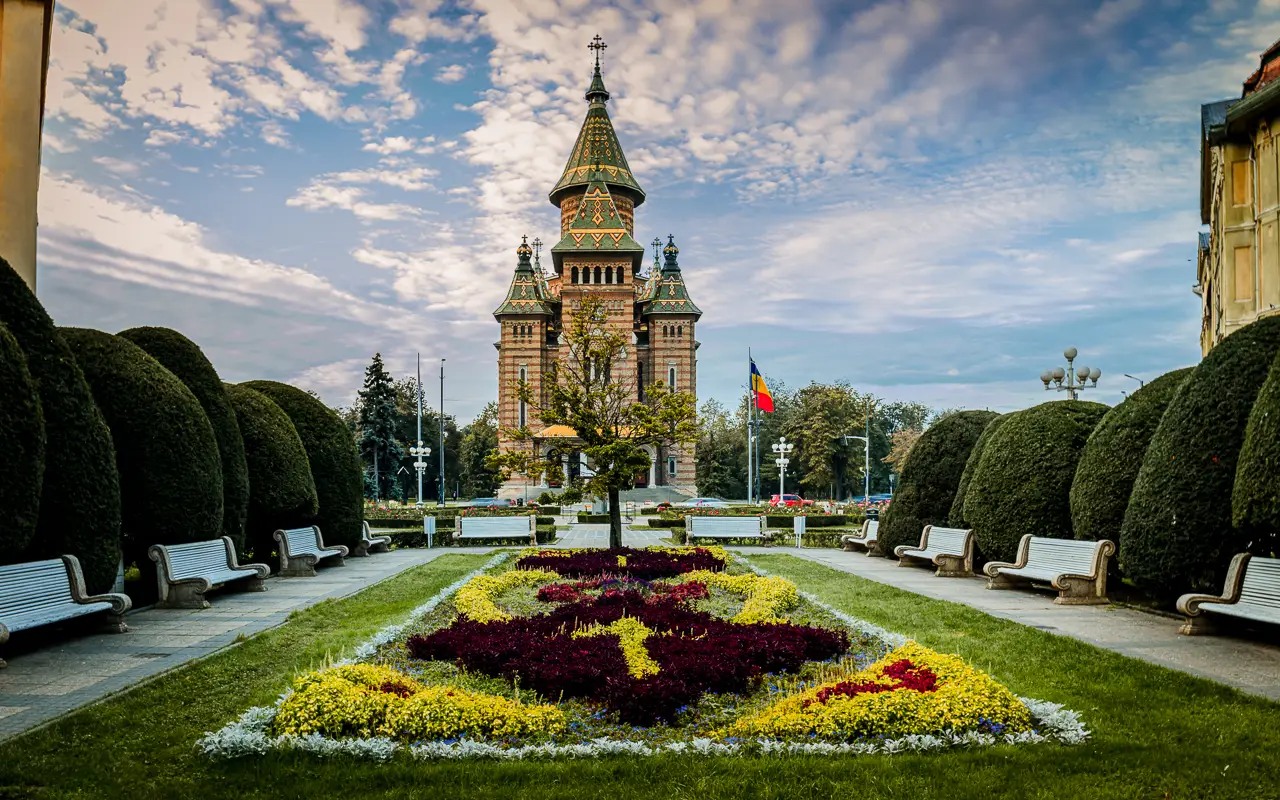
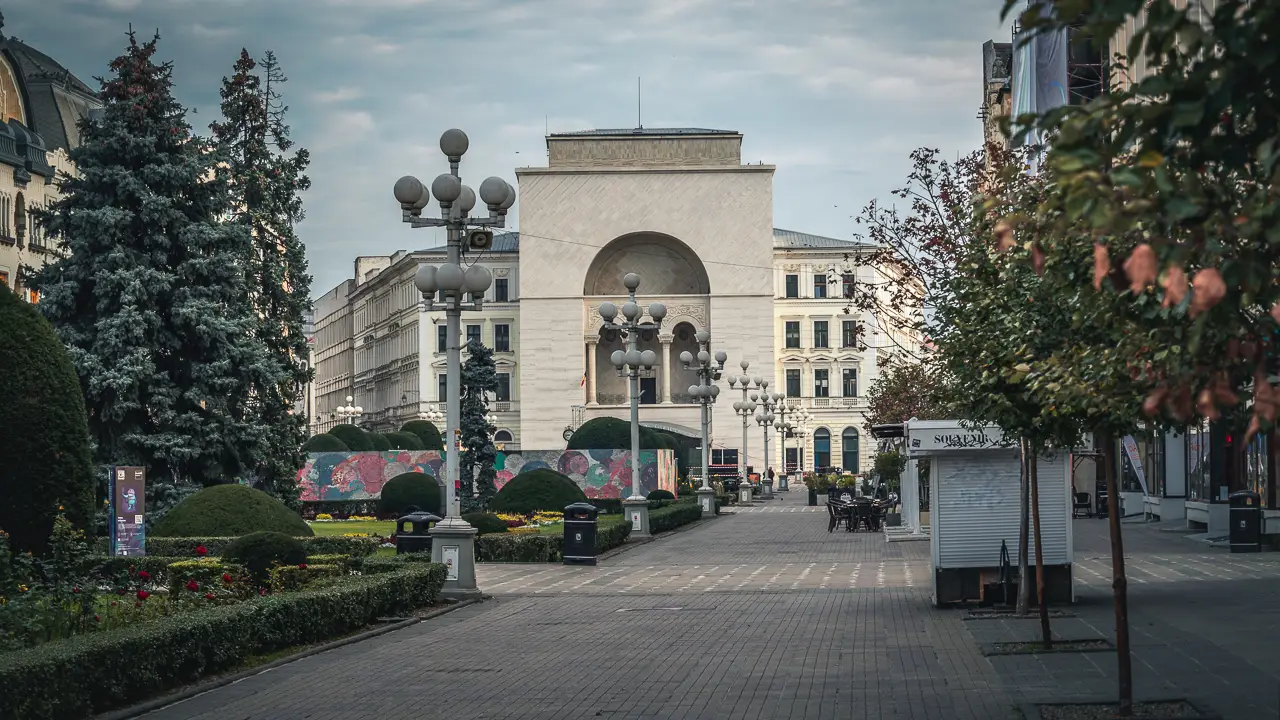
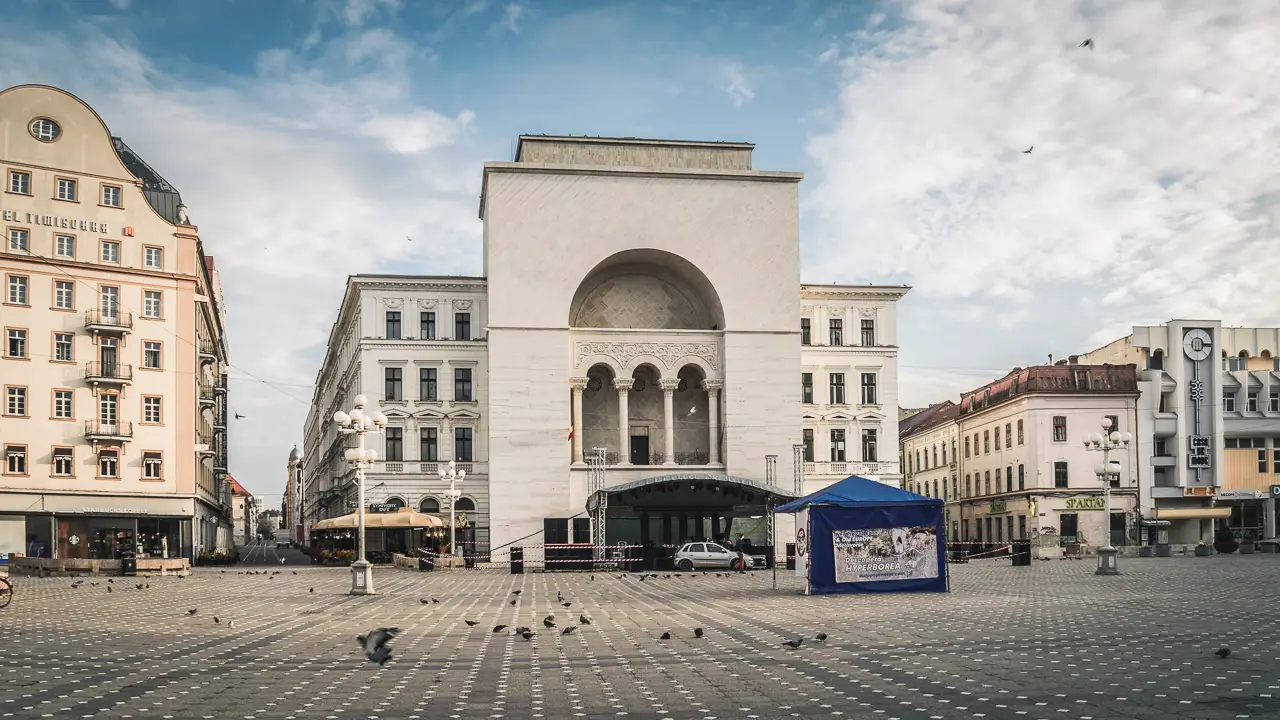
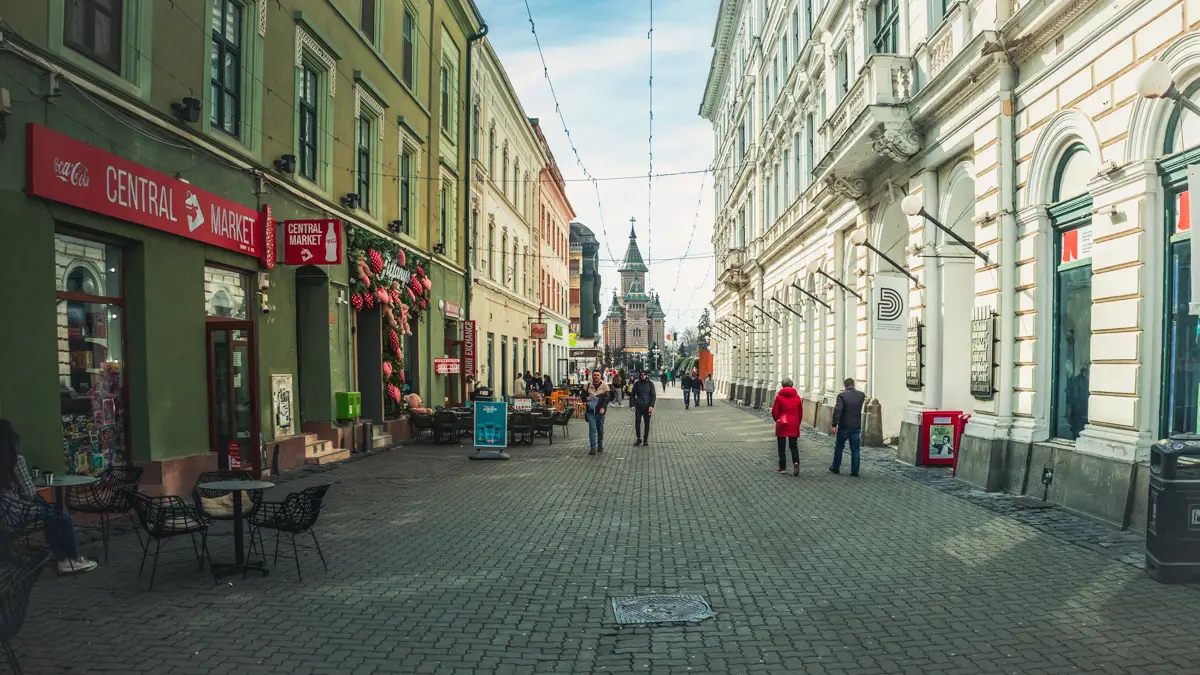
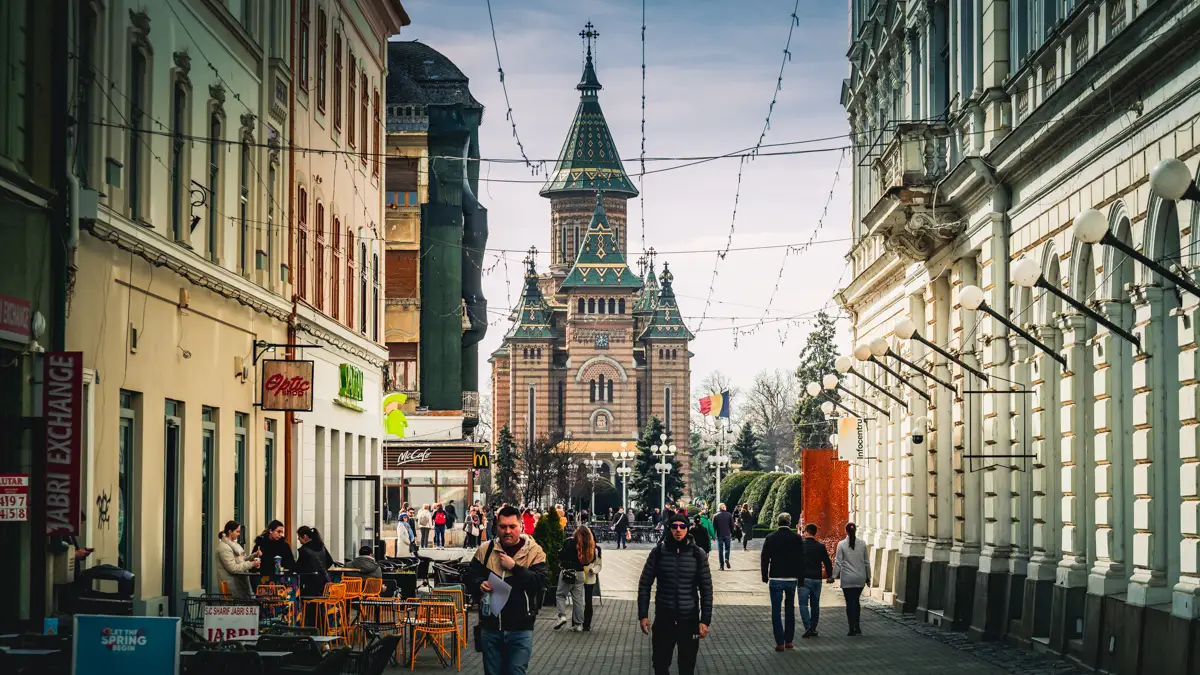
The Victory Square is located in the middle of Timisoara. The most emblematic buildings in this square are the National Opera and on the opposite side of the square is the large Orthodox Metropolitan Cathedral with a height over 90 m. As an interesting fact, the Metropolitan Cathedral is the second tallest church in Romania after the recently built cathedral in Bucharest.
The Monument of the Crucifixion.
This square played an important role in the history of this city because in December 1989 many protest were held against the communist regime and against the former communist president of Romania Nicolae Ceausescu. On 20 December 1989, from the Victory square, Timisoara was proclaimed the first city freed from communism in Romania.
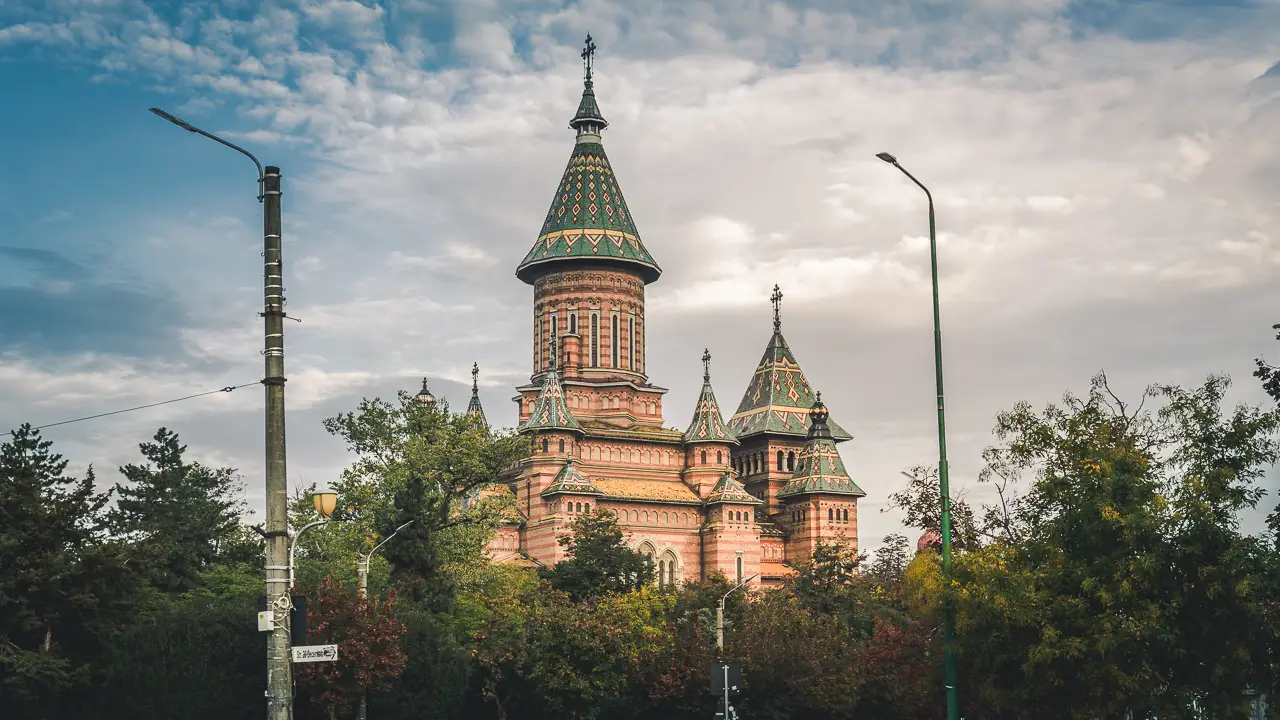
The Orthodox Metropolitan Cathedral on the edge of the Victory Square.The Cathedral’s towers.Statue of the Capitoline Wolf in the Victory Square with the Opera in the background.The promenade in the Victory Square.The Opera in Timisoara.
The Bega Canal
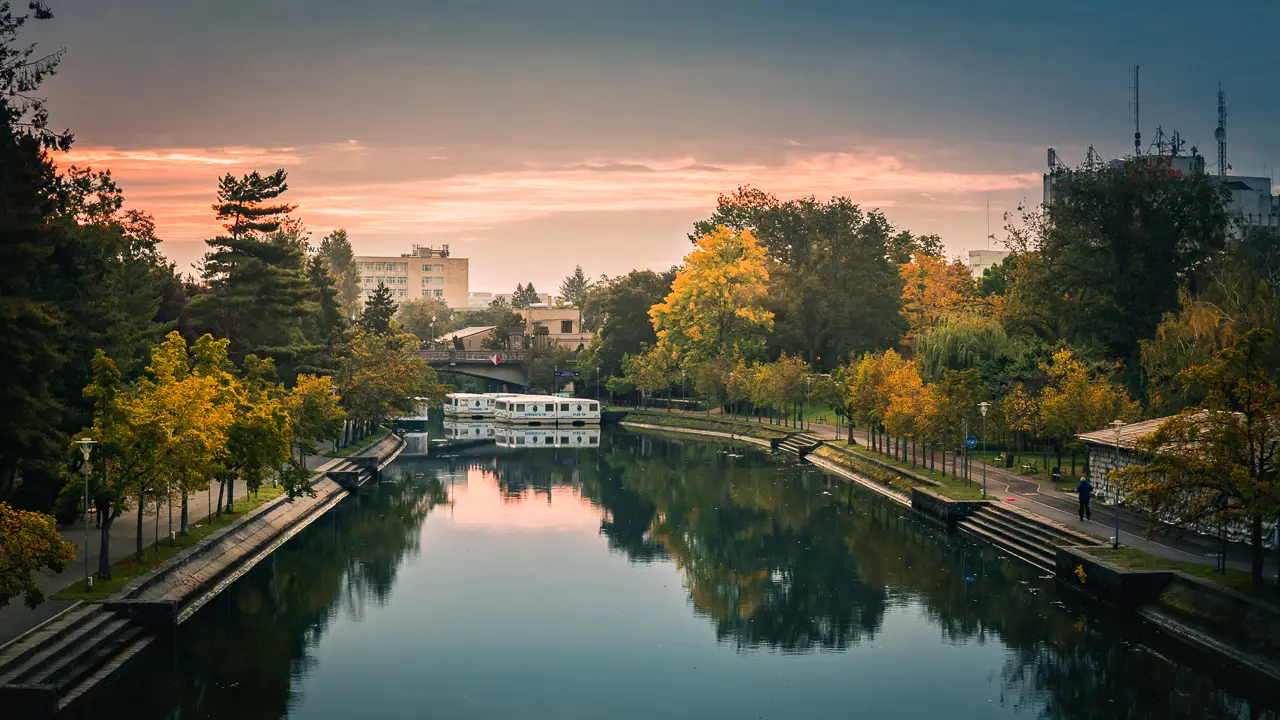
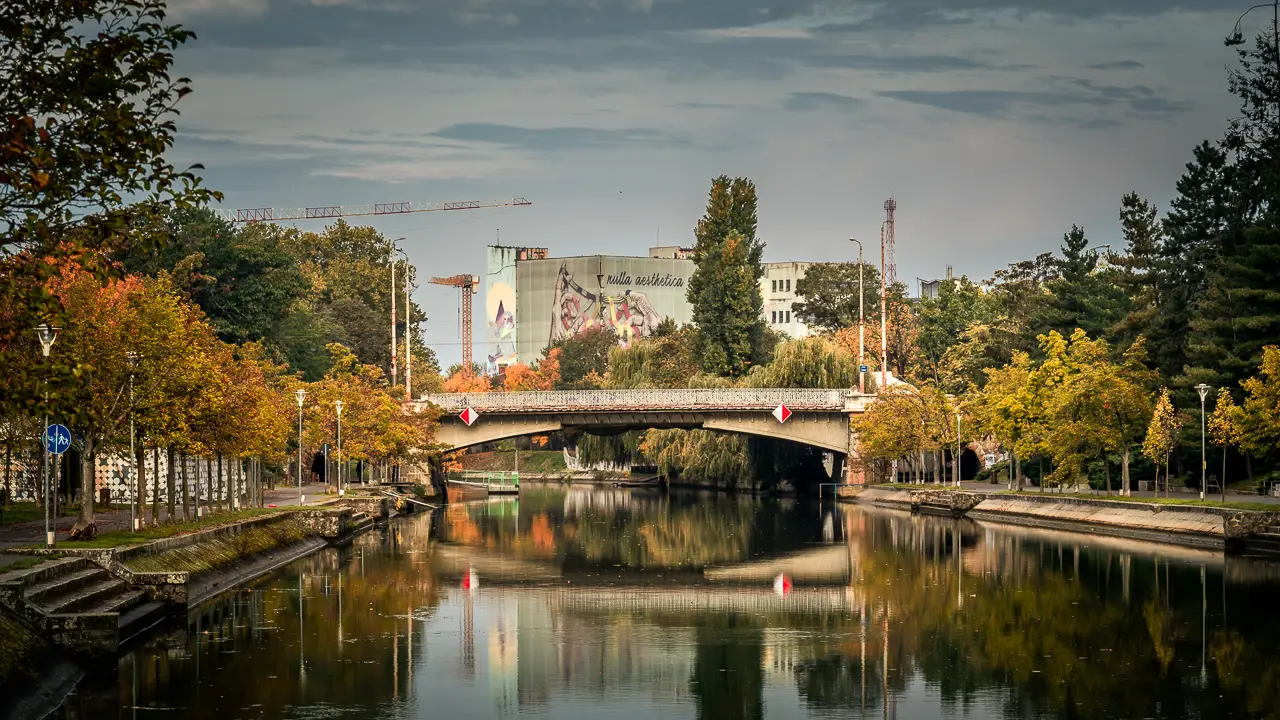
Not far from Victory Square, behind the Orthodox Metropolitan Cathedral, you’ll find the Bega Canal, which flows through the city and almost splits it in two.
Exploring the city by vaporetto is a wonderful experience, offering a unique and relaxing way to see the sights from the water.
Important tip: For more details on the vaporetto schedule and departure stations, check here: http://stpt.ro/Orare/orare.html
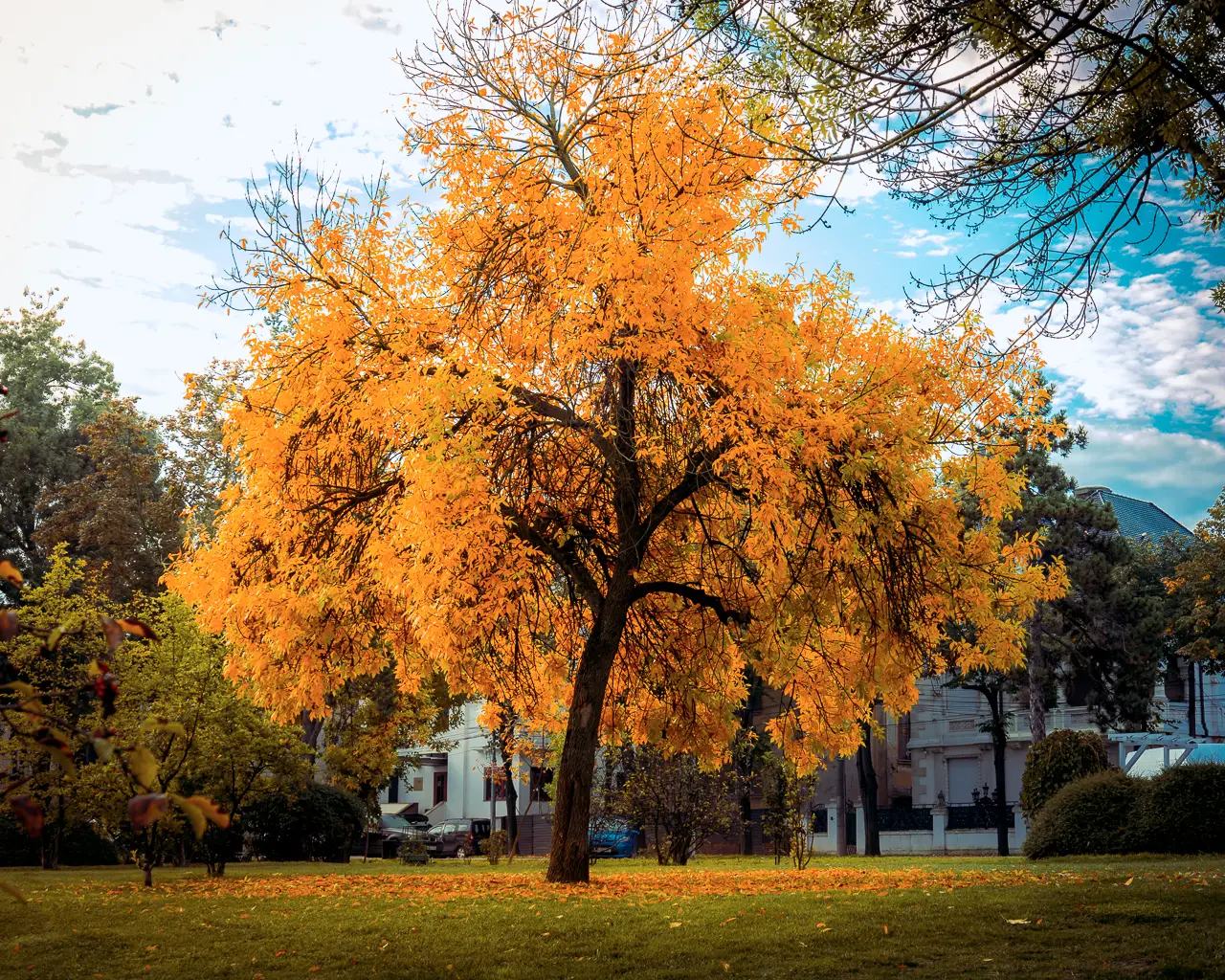
The Bega Canal during sunrise.The Bega Canal.Beautiful tree with yellow leaf in early autumn.The vaporetto.
The Union Square
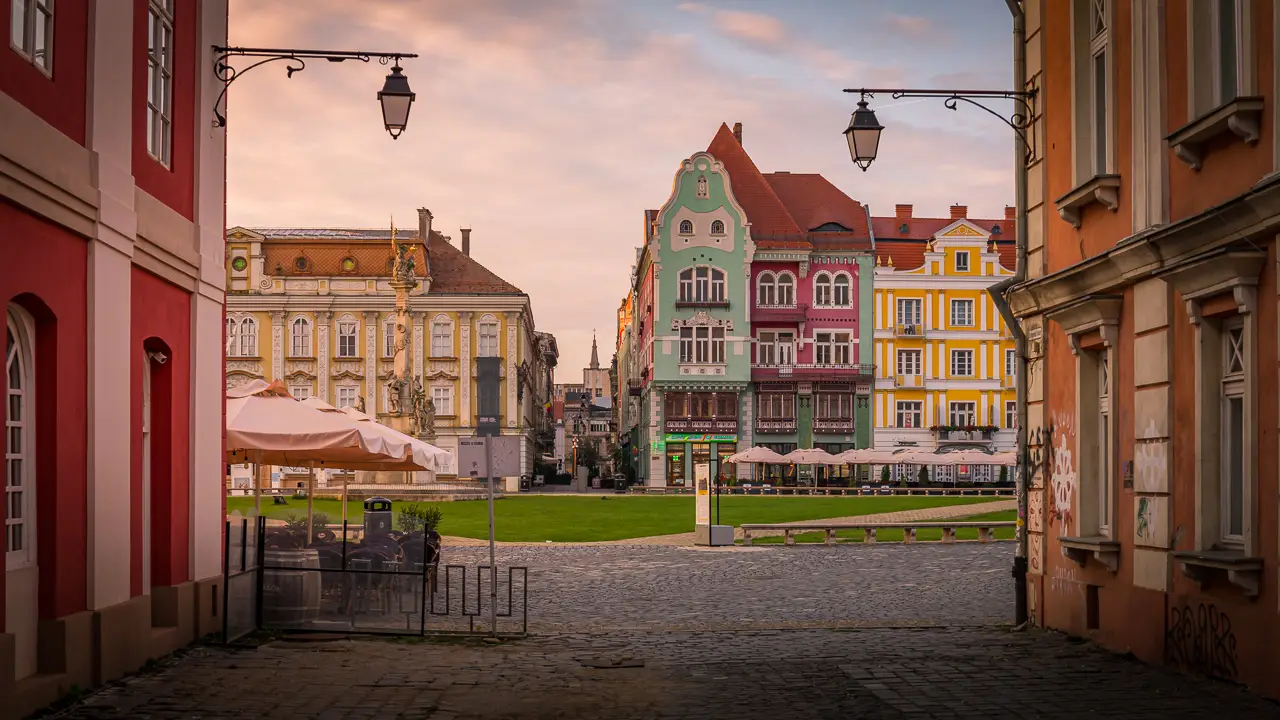
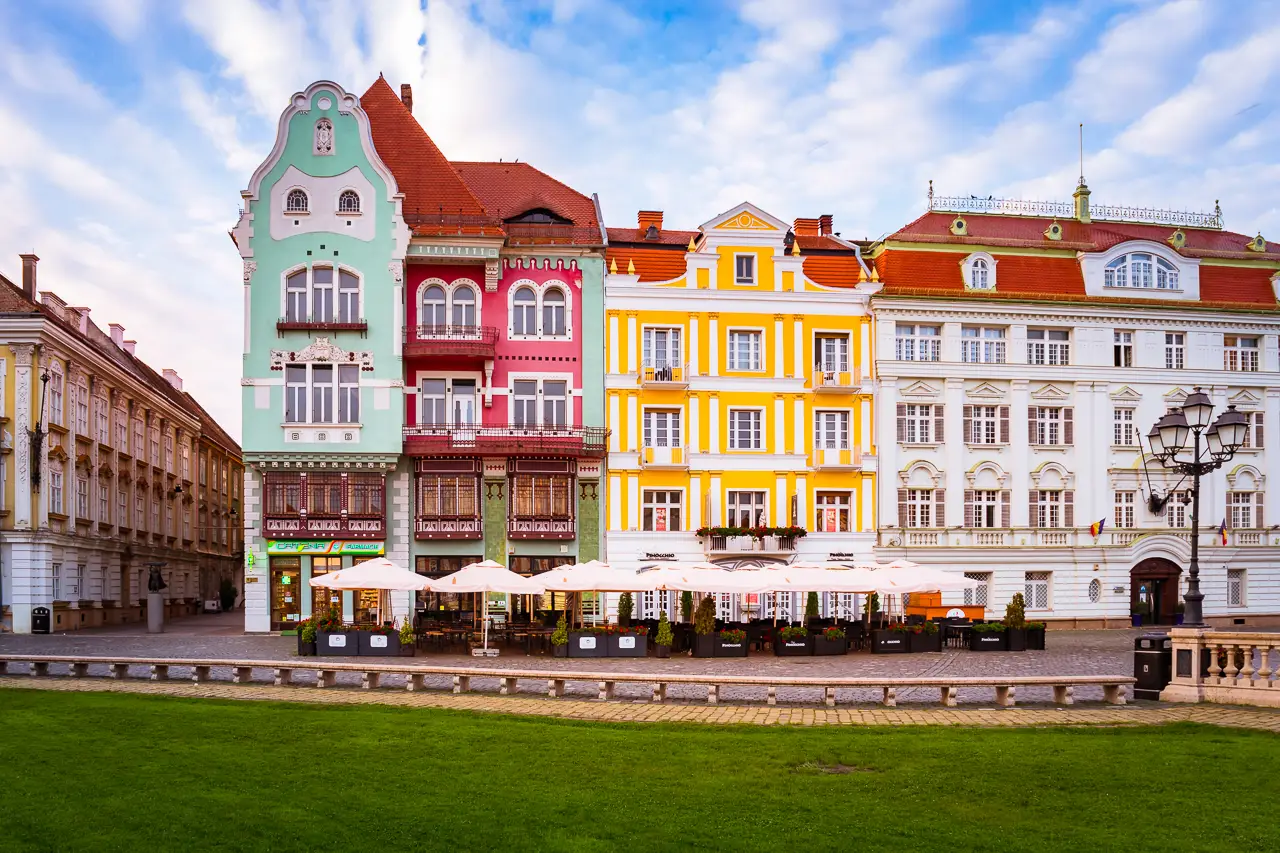
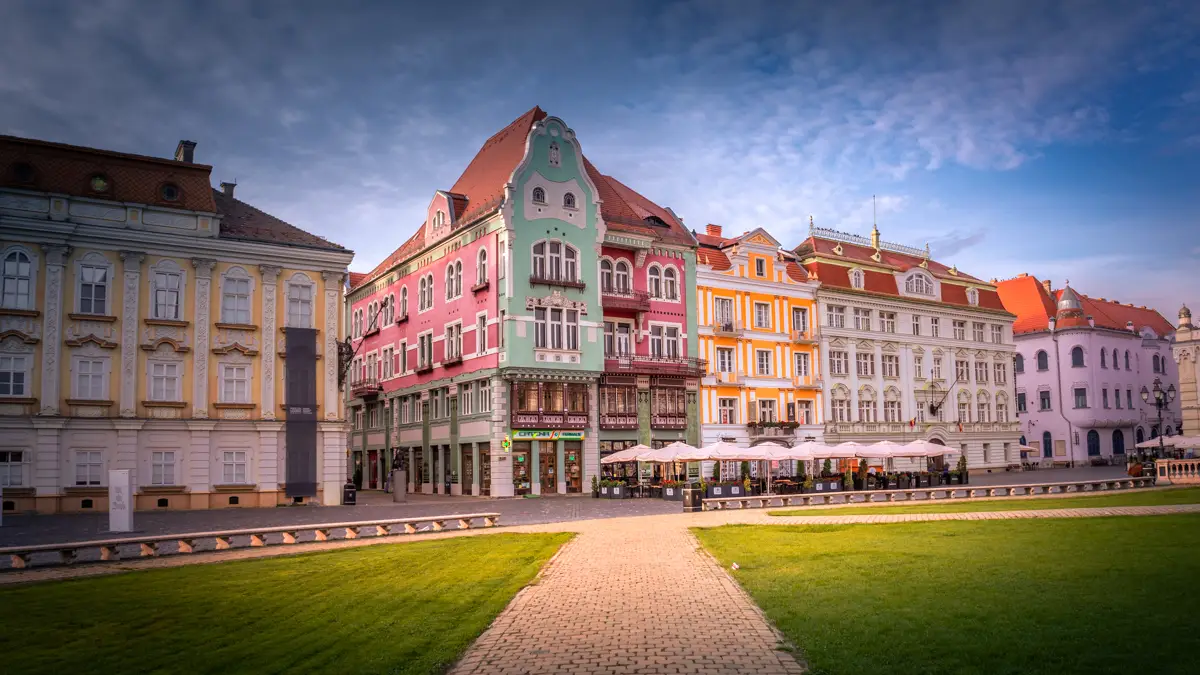
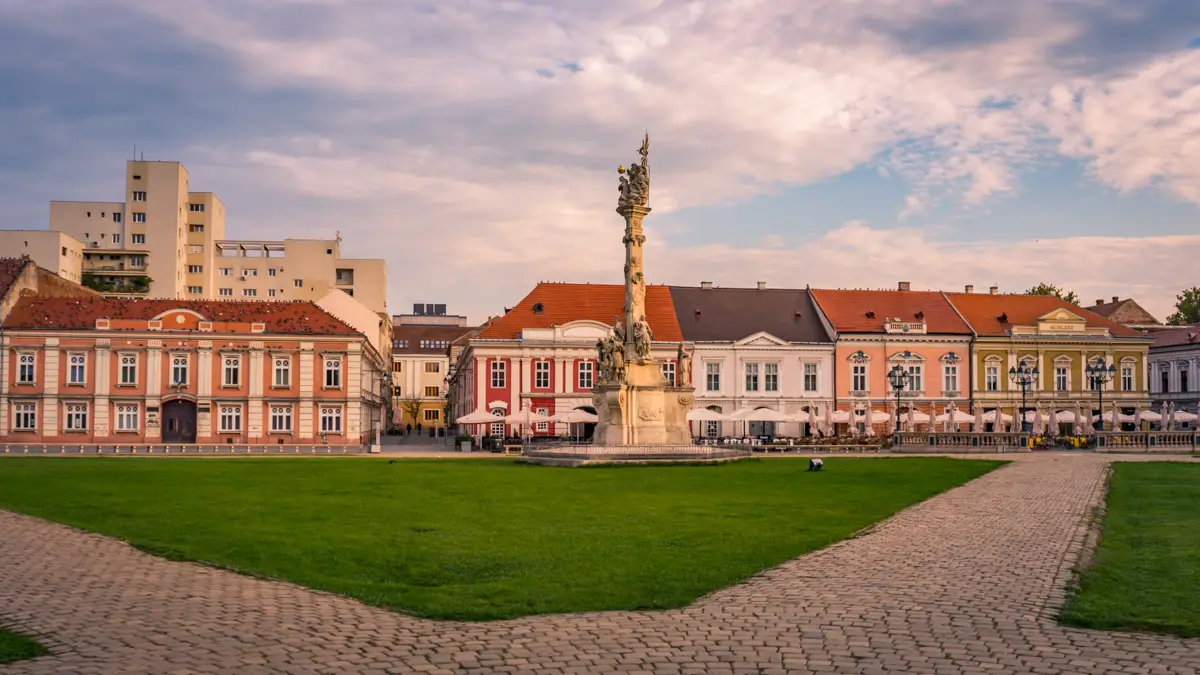
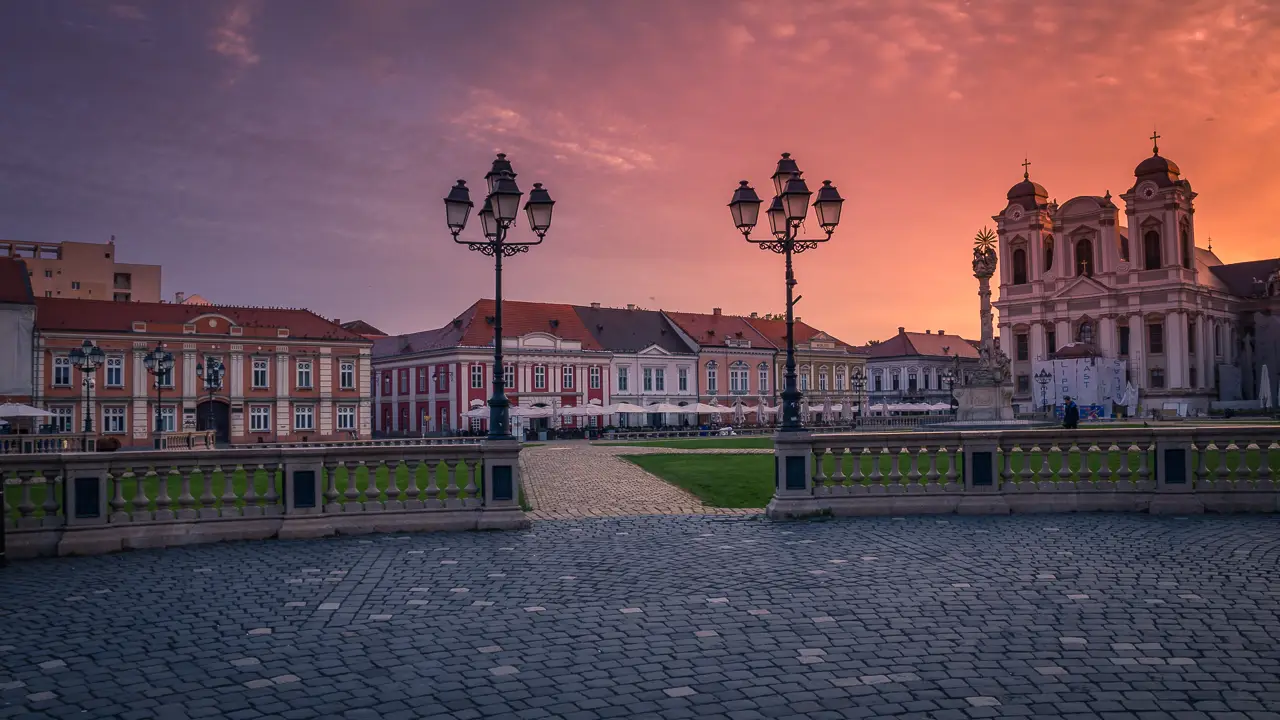
Timisoara, a city with a rich history and a vibrant cultural scene, boasts numerous landmarks that tell the tale of its past and present. Among these, Unirii Square or Union Square stands out as a bustling hub that encapsulates the spirit of Timisoara. This historic square, located in the heart of the city, serves as a focal point for both locals and visitors, offering a unique blend of history, culture, and modernity.
Street in the Union Square.
St. George Cathedral
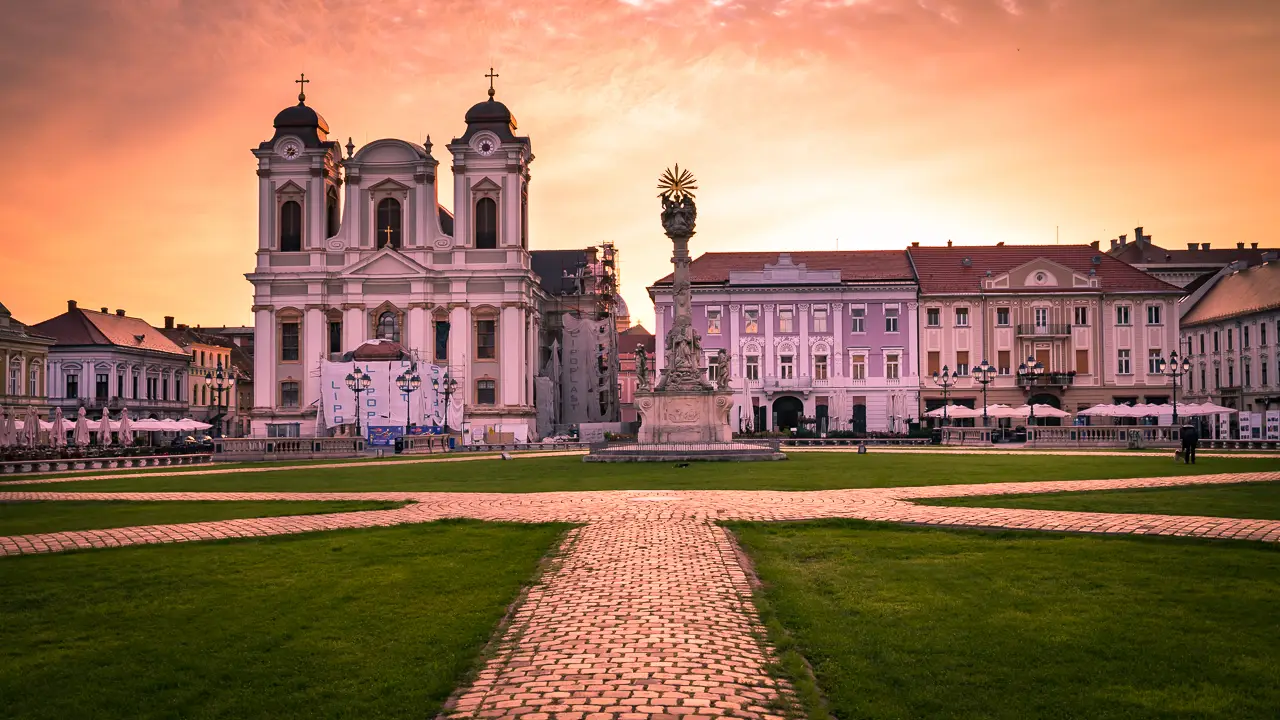
The St. George Cathedral (also known as the Dome Cathedral) in Timisoara, located in the historic center of the city, is one of the most impressive religious constructions in western Romania. The Baroque-style building was constructed between 1736 and 1774 and is dedicated to St. George.
The St. George Cathedral represents a significant symbol of local history and culture, attracting numerous visitors eager to explore the rich architectural heritage of Timisoara. This is the only place in Timisoara where you will find two cathedrals very close to each other, I’m referring to the Roman Catholic Cathedral and to the Serbian Orthodox Cathedral.
The St. George Cathedral with the Holy Trinity statue in the center.The Dome Cathedral and other old buildings in the Union Square.
The fountain in Union Square
Right behind the statue of the Holy Trinity there is a smaller fountain with drinkable water which is perfect especially if you visit this place on a hot summer day.
The Baroque Palace
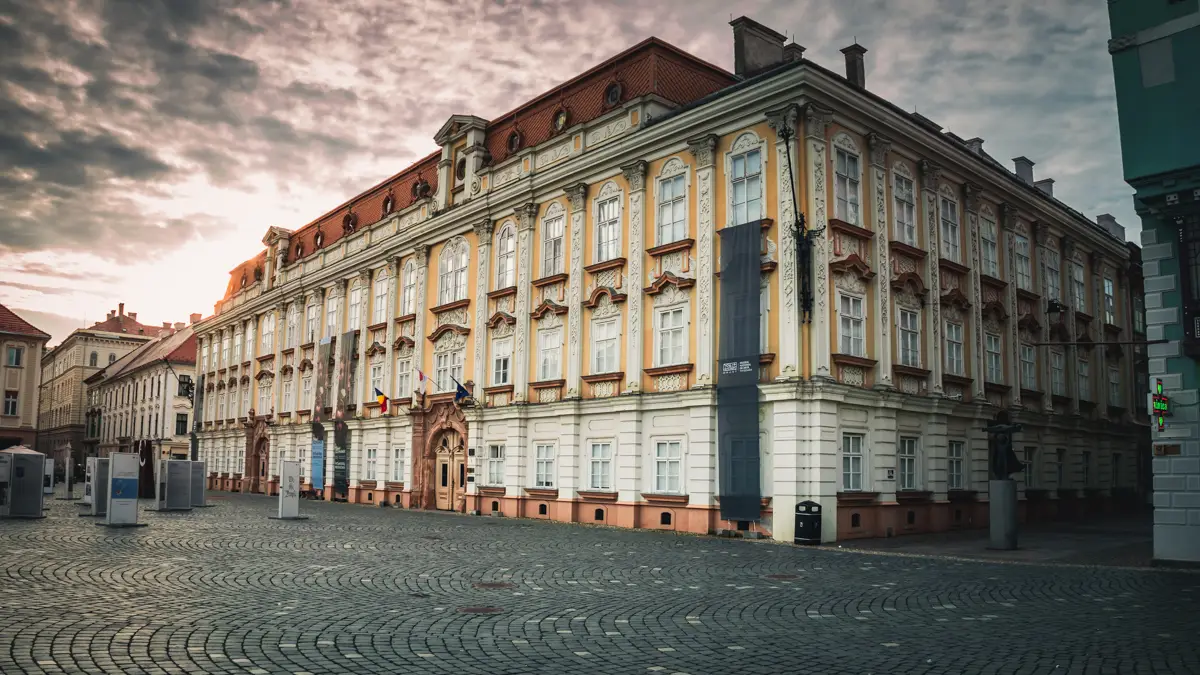
Situated in Union Square, the Baroque Palace is a notable architectural gem that showcases the Baroque style’s elegance. Today, it houses Timisoara’s National Museum of Art. The building’s ornate facade and historical significance make it a prominent landmark.
The National Museum of Art in Timisoara.Close-up shot of the National Museum of Art.
The Brück House
A striking example of Art Nouveau architecture, the Brück House is located on the eastern side of Union Square. Designed by architect Laszlo Székely, the building features Hungarian folklore motifs and intricate details that exemplify the Art Nouveau aesthetic. The Brück House adds a touch of modernity and artistic flair to Union Square, standing out as a testament to the city’s architectural diversity.
From left to right: The Brück House, Three Hussars and La Elefant House.Path leading towards the Brück House.
The Serbian Orthodox Episcopate and the Cathedral
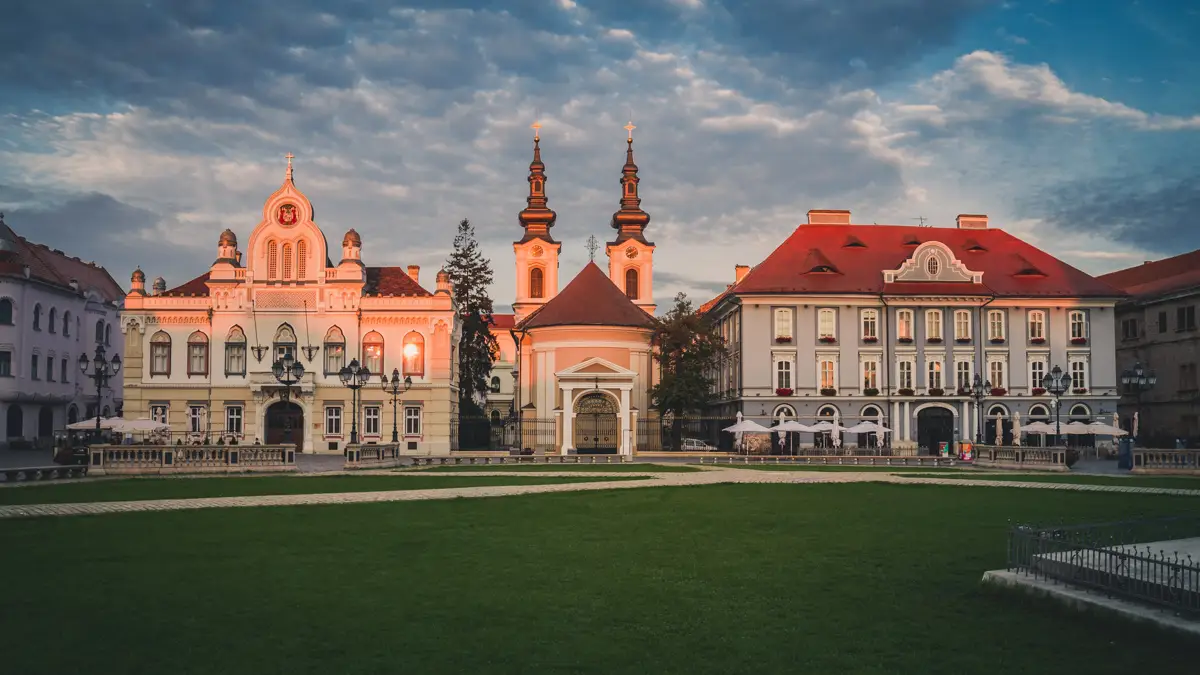
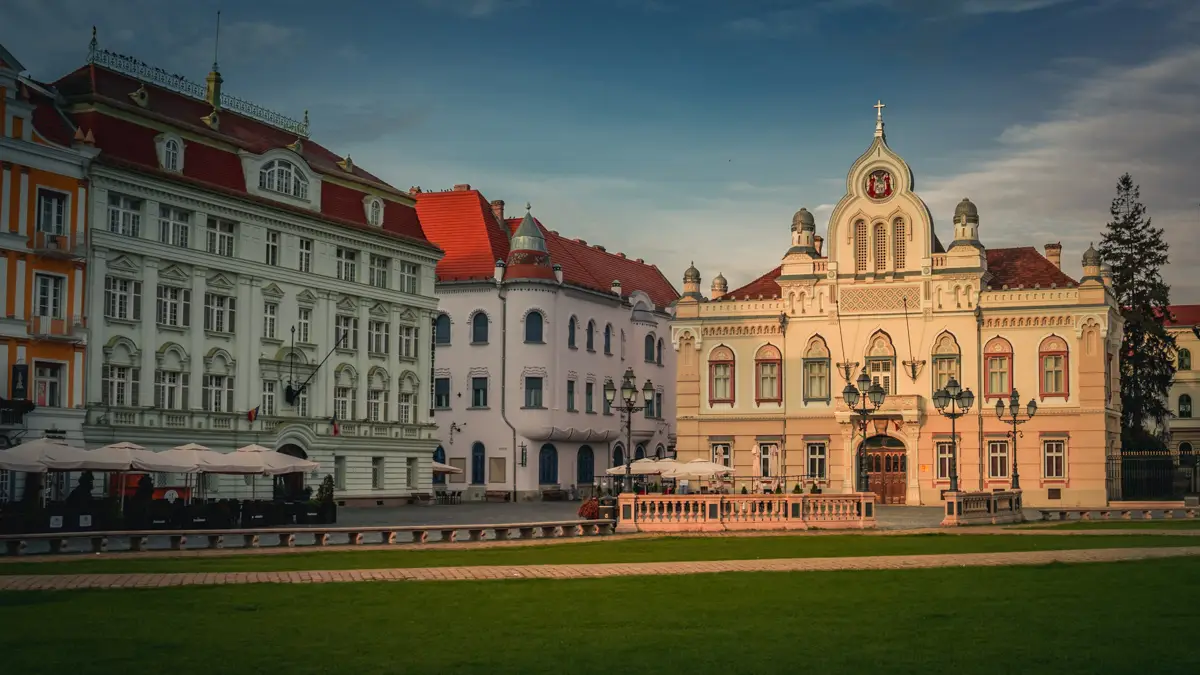
Constructed concurrently with the Episcopal Palace, the Serbian Orthodox Cathedral, devoted to the Ascension of the Lord, was finalized in 1748, a fact substantiated by an inscription preserved within its walls. Exhibiting Baroque architectural style, the church has predominantly preserved its authentic form from the 18th century.
From left to right: The Serbian Orthodox Episcopate and the Serbian Orthodox Cathedral.
Miksa Steiner Palace
Miksa Steiner Palace stands as a historic edifice constructed in the latter part of the 19th century. Renowned for its remarkable architecture, the palace mirrors the eclectic style characteristic of that era. Named in honor of its initial proprietor, Miksa Steiner, an affluent industrialist and philanthropist, the palace holds a significant place in the city’s history. This building is located between the La Elefant House and the Serbian Orthodox Episcopate.
Miksa Steiner Palace located next to the Serbian Orthodox Episcopate.
The Holy Trinity statue
Right in the middle of the Union Square you will find the Holy Trinity statue which is also known as the Plague statue. This statue was built in remembrance of the plague which devastated the Banat region in the 18th century.
Holy Trinity statue located in the middle of the square.Union Square during sunrise.
Besides the old buildings located in Union Square, here you will also gonna find many restaurants, terraces and bars.
The Liberty Square
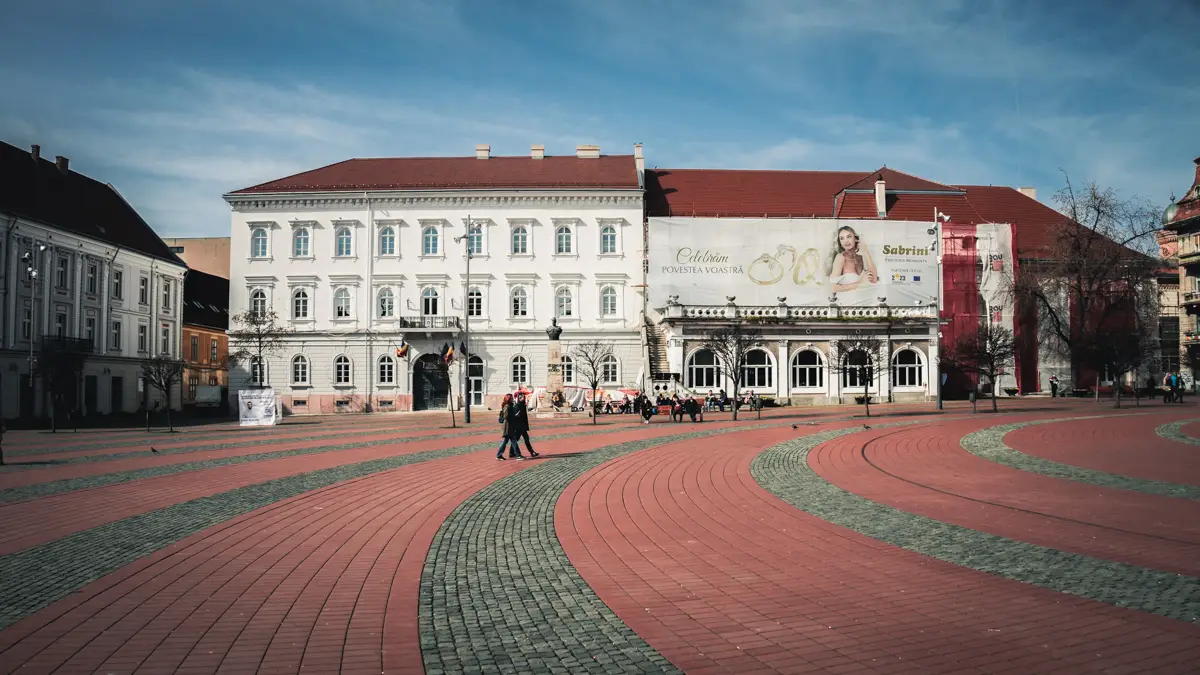
Liberty Square is a special place in Timisoara. It can be found between two other important squares: Victory Square and Union Square. If you’re starting from Victory Square, which is right at the heart of the city, you’ll need to take a stroll down Alba Iulia Street, which runs alongside the Opera House. Just follow that street, and before you know it, you’ll find yourself right in Liberty Square.
Alba Iulia Street with the Metropolitan Cathedral in the background.Close-up photo of the Metropolitan Cathedral.
When you reach Liberty Square, you’ll discover a lovely place that got a makeover a few years back. Honestly, it looks even better now than it did before the renovations. The improvements really make it shine!
A part of the Liberty Square.
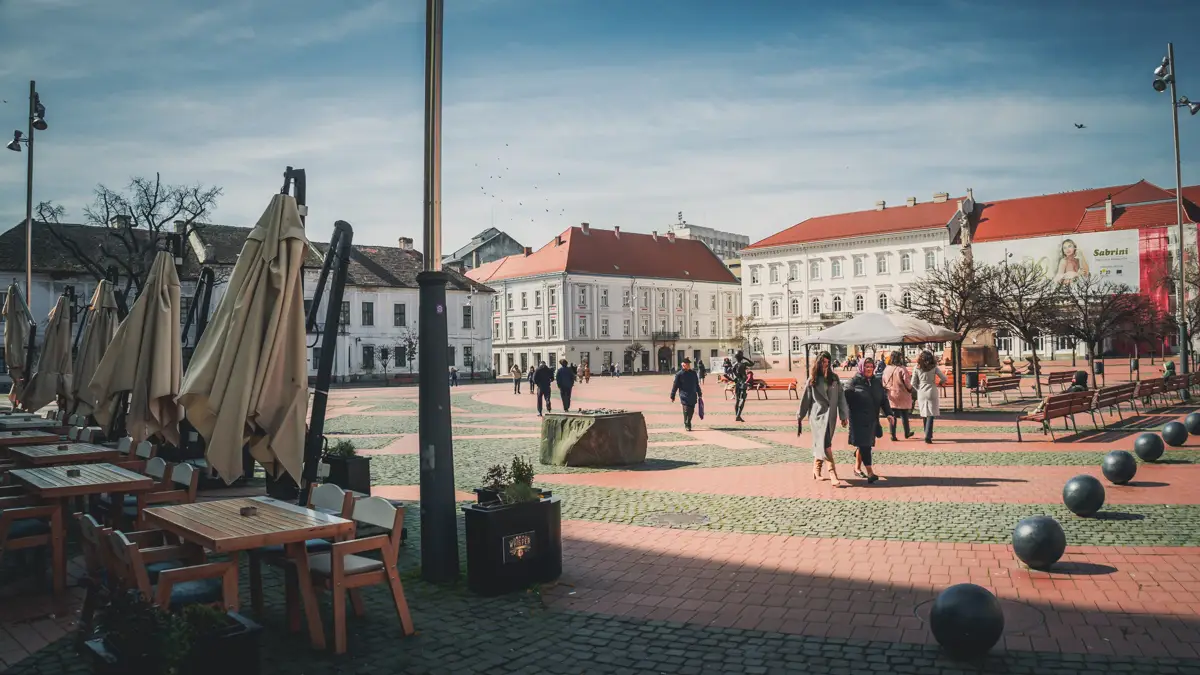
One of the best things about Liberty Square is its mix of old buildings. Liberty Square is always buzzing with activity. You might see street performers showing off their skills or markets selling handmade crafts. There are often concerts and festivals happening, too. And if you’re hungry, there are plenty of cafes and restaurants to grab a bite and soak in the atmosphere.
Almost in the middle of the square you will find the monument of St. Mary which which is dedicated to the Hungarian revolution and liberation war of 1848–1849 and right behind he monument, there is the Faculty of Music and Theater.
The Liberty Square.
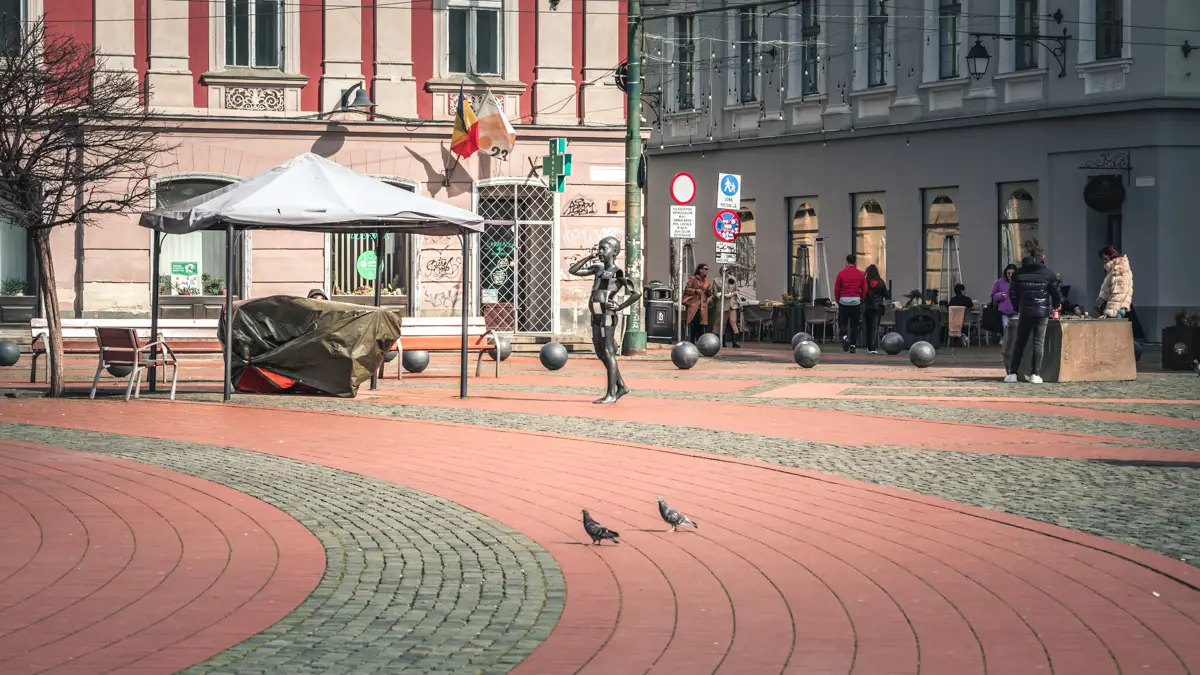
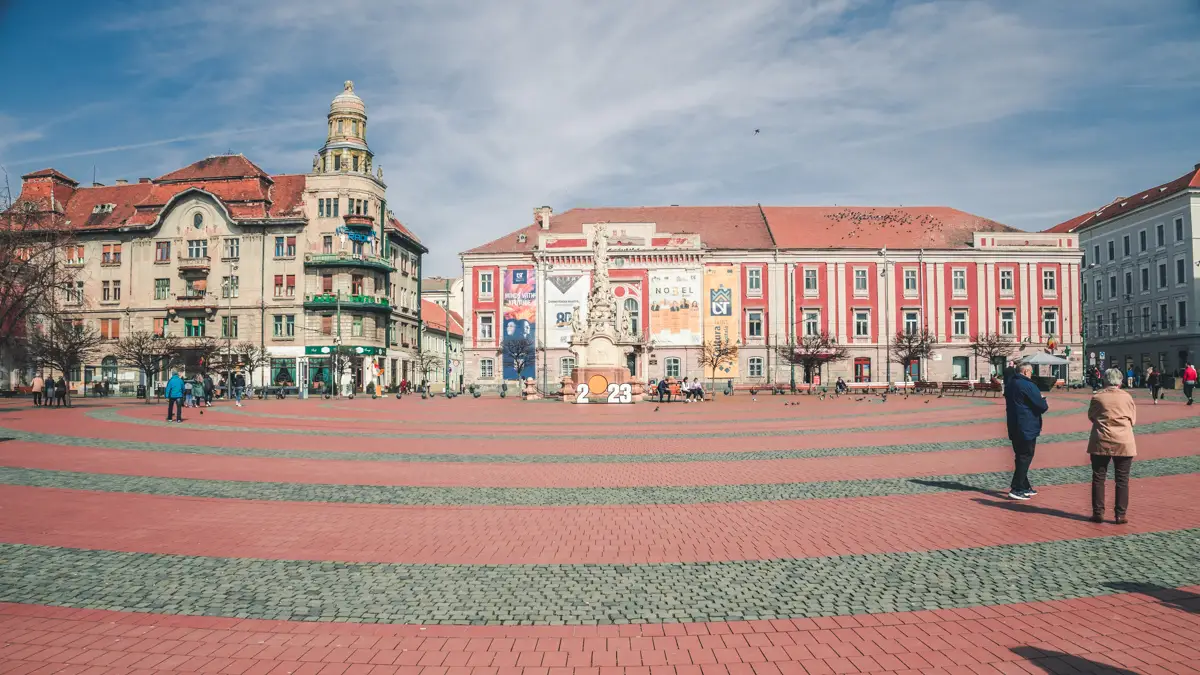
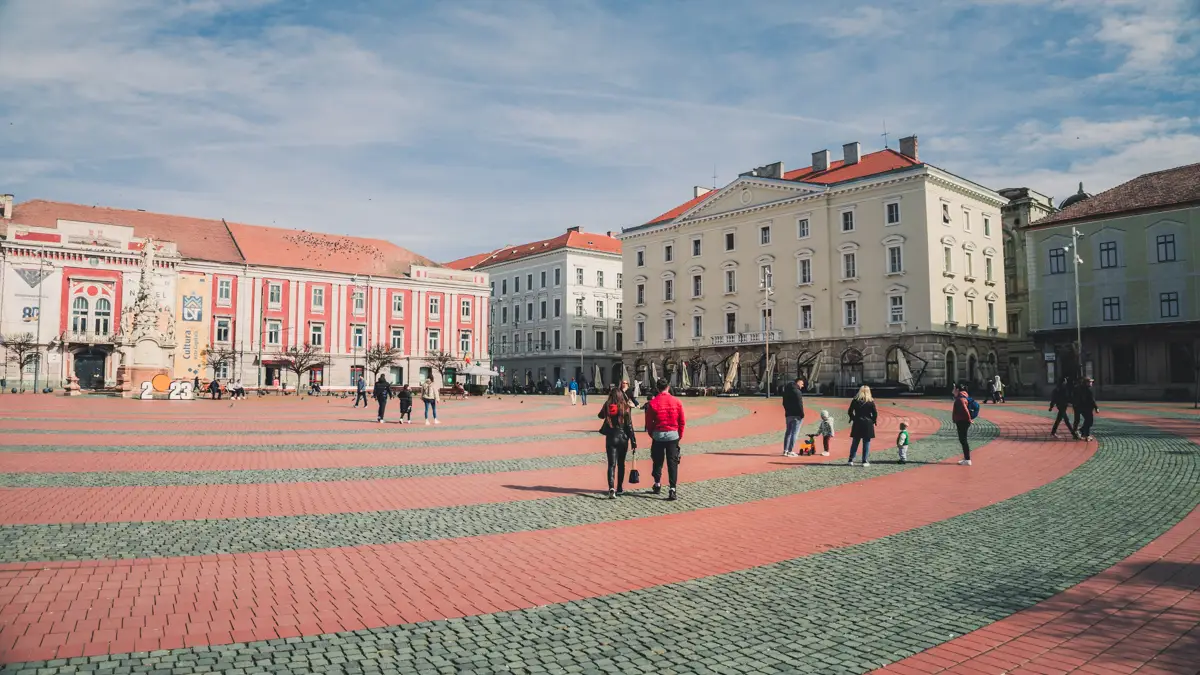
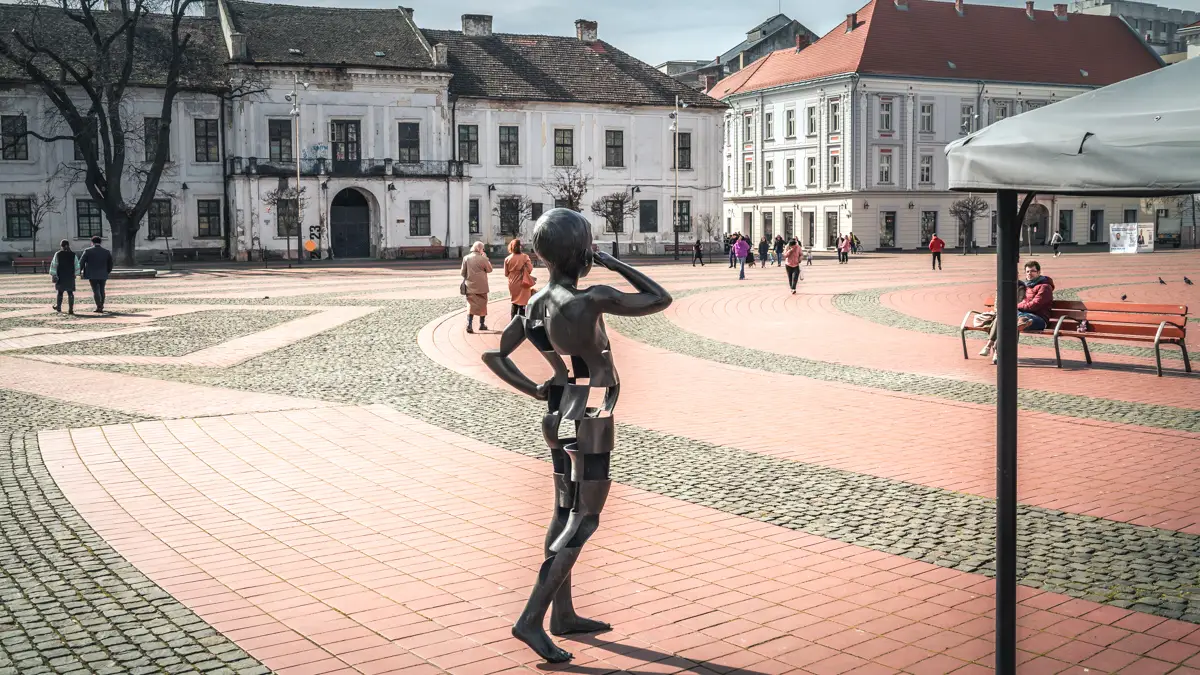
Back in 2015, Liberty Square went through a major makeover as part of a revamp project in the Cetate district. The square got a whole new look with red brick laid out in neat circles, giving it a fresh and inviting vibe. It was like giving an old friend a stylish makeover, making it more attractive and vibrant for everyone to enjoy.
Red bricks in concentric circles.Interesting statue with the garrison in the background of the image.The old Town Hall.People walk on a beautiful sunny day.
Explore other parts of Timisoara
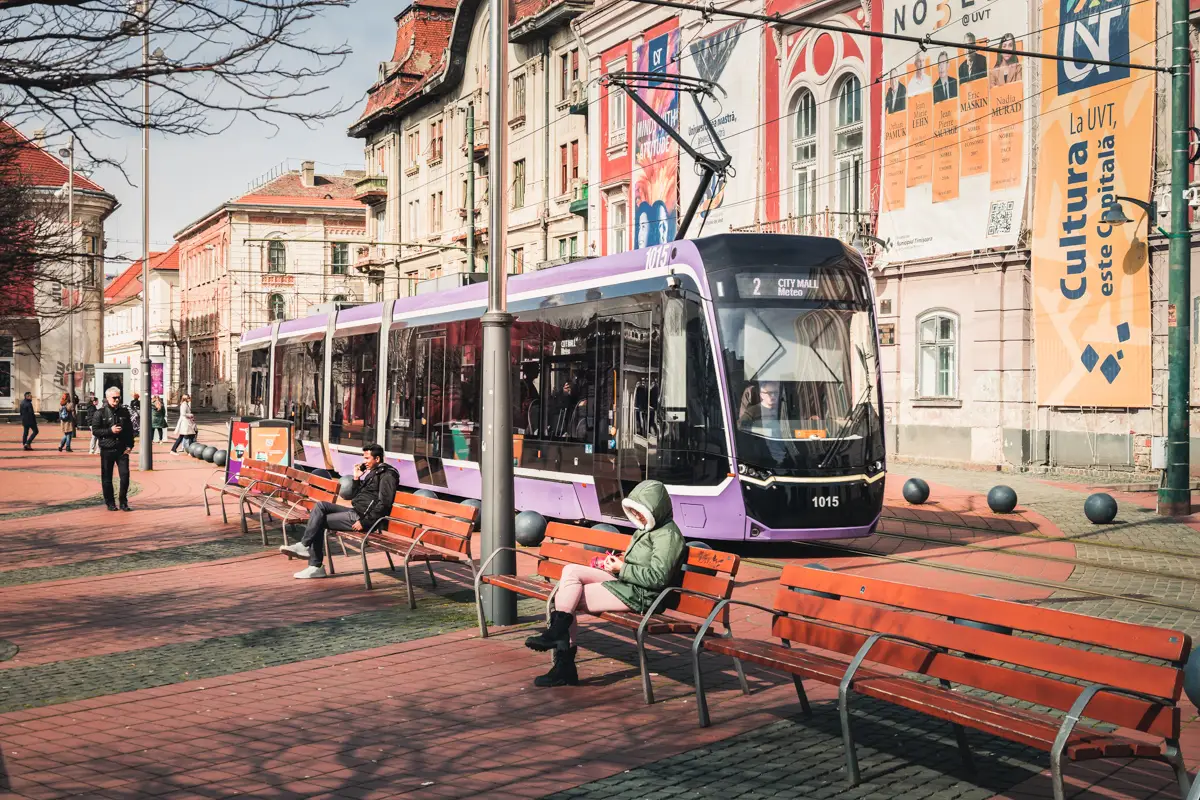
If you want to explore more of Timisoara, you can hop on a tram from Liberty Square. You’ll spot the tram station right next to the Palace of Agriculture Banc.
Timisoara has a really good transportation system, so it’s pretty easy to get around to different parts of the city. Just catch a tram from here, and you’re good to go to wherever you want in the city! A couple of years ago, brand new tram arrived in Timisoara which were built by the Turkish company Bozankaya.
Bozankaya GT6 tram passing through Liberty Square.
Saint George Square
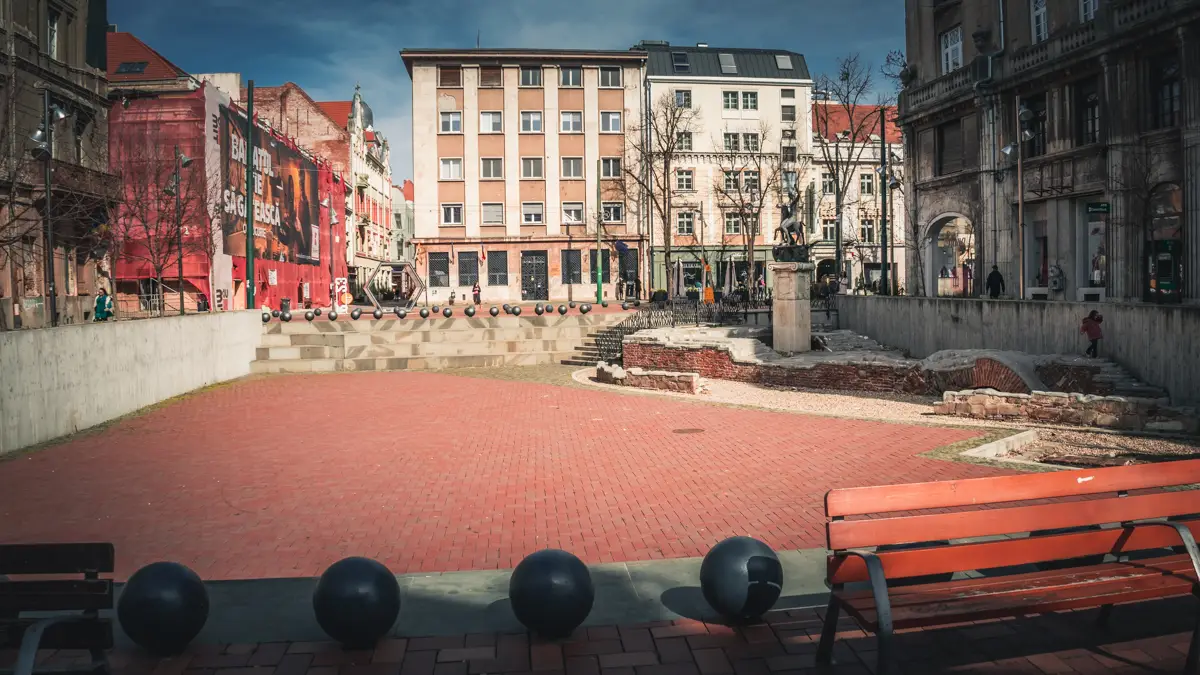
Near Liberty Square in Timisoara, there is a smaller and lesser-known square called Saint George Square. This charming spot holds historical significance, as it is home to the ruins of an old mosque built by the Ottomans during their rule over the region.
As you walk towards the tram tracks, you will come across a statue of Saint George. This statue stands as an important landmark.
The Saint George Square in Timisoara.Statue of Saint George with the ruins of the old mosque.The square as seen from near the tram tracks.
What else can you visit near Timisoara
Charlottenburg (Sarlota) – This is Romania’s only circular village, a unique and rare sight! It is located about 40 km from Timisoara and is known for its round shape, which was carefully designed by its original German settlers. A visit here offers a glimpse into history and a chance to admire this architectural curiosity.
Buzias– This charming small town, about 30 km from Timisoara, is famous for its beautiful Dendrological Park, home to a rich variety of trees and plants. Buzias is also well-known for its mineral water, which has been enjoyed for its health benefits for centuries.
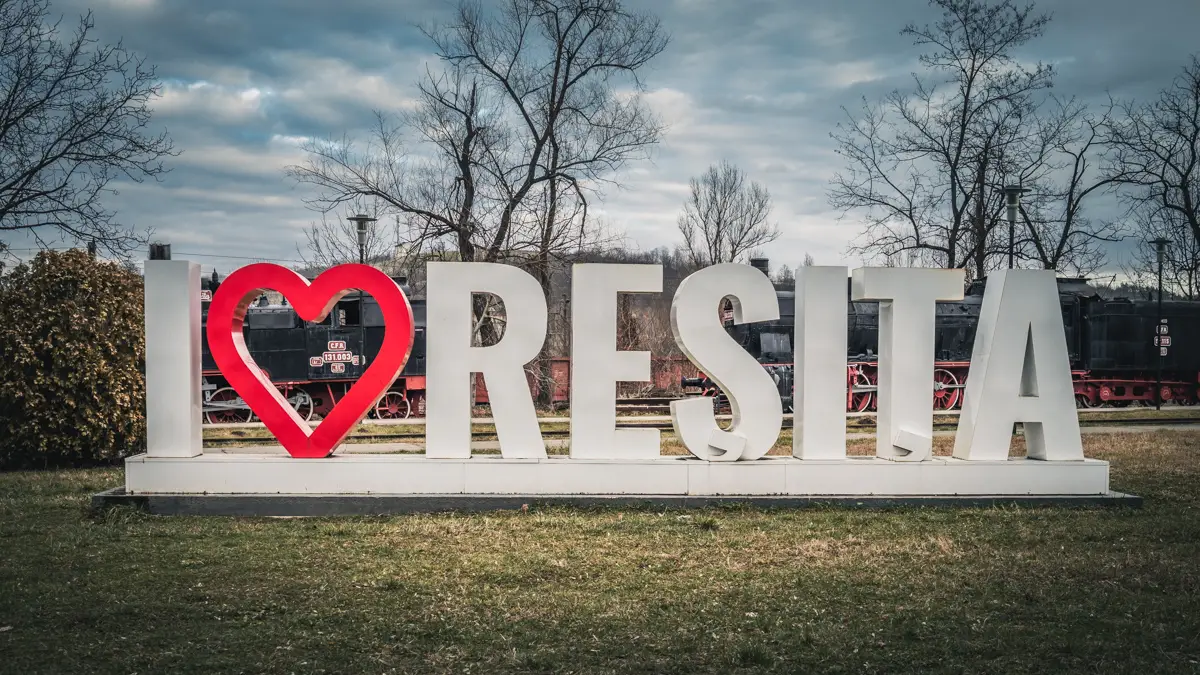
Resita is a city in southwestern Romania that had a rich industrial history, particularly in the production of steam locomotives and not just. Since I never had the chance to properly explore this city before, here are some of the places I visited during my time here.
Mountainous Banat Museum
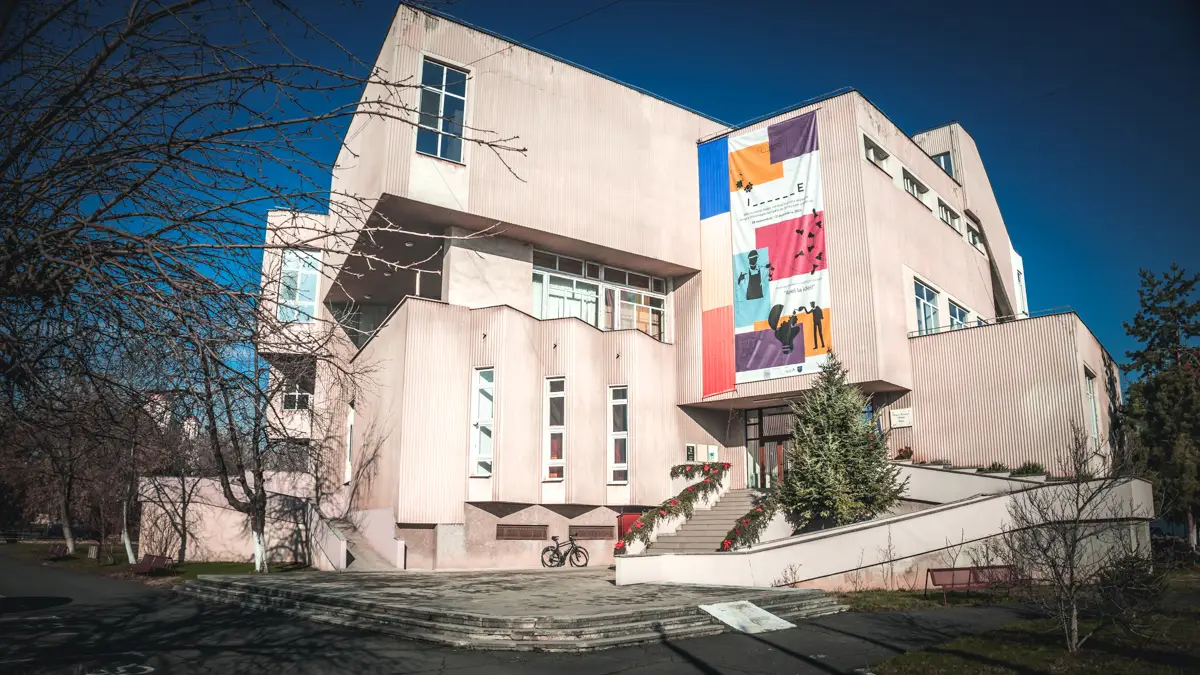
In the Lunca Barzavei district, I visited the Banat Museum, where you can dive deeper into the city’s cultural and industrial history. You’ll get to see and learn about the different types of industrial machinery and large engines built here, along with other fascinating exhibits.
Important tip: The museum is open Monday to Saturday, from 9 AM to 5 PM. It’s closed on Sundays.
Mountainous Banat Museum in Resita.
The Steam Locomotive Museum
The Resita locomotive factory played a crucial role in manufacturing steam locomotives for both domestic and international use. The locomotives produced in Resita were known for their robustness and reliability.
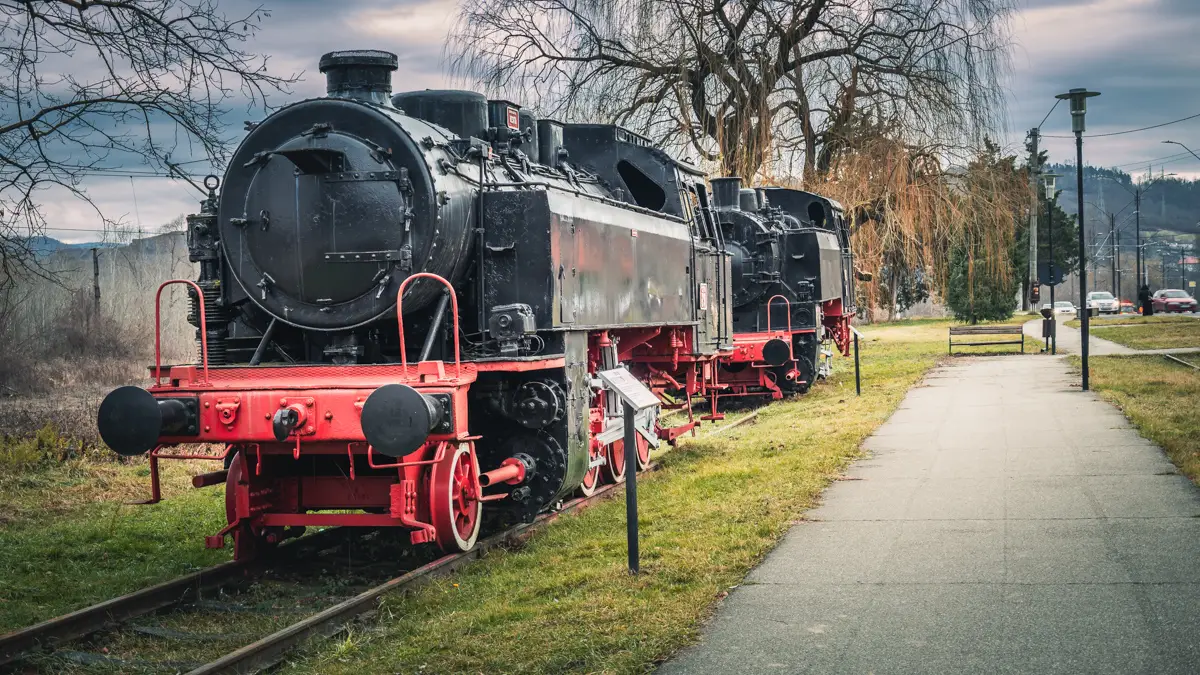
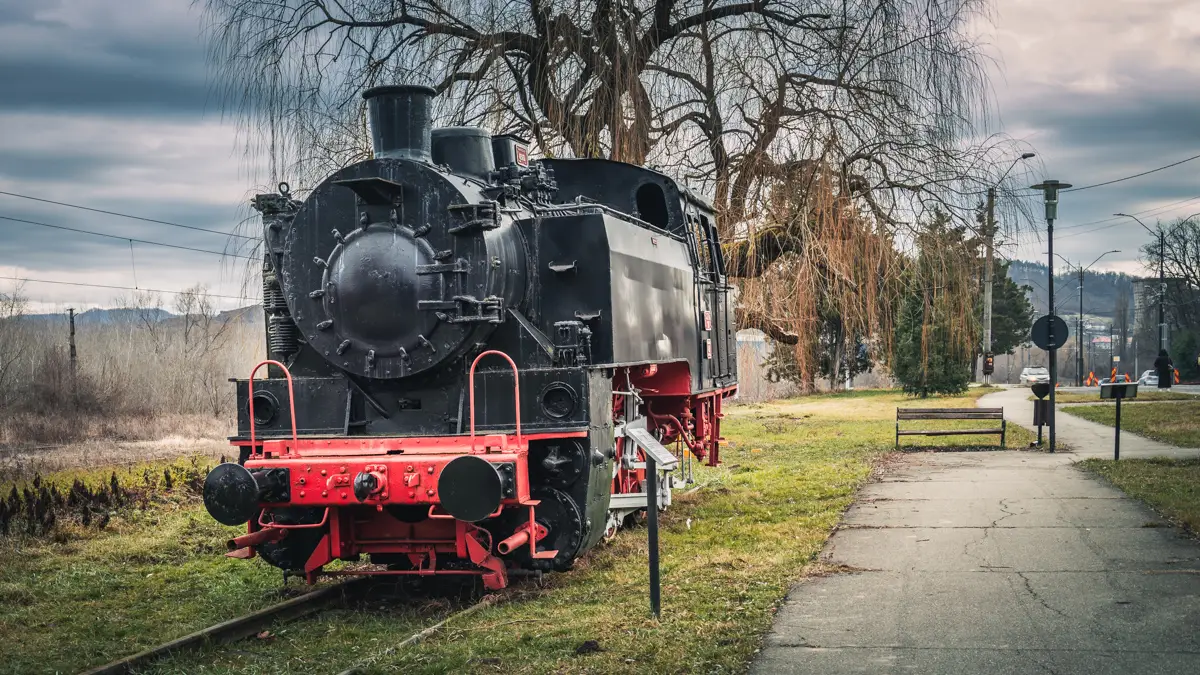
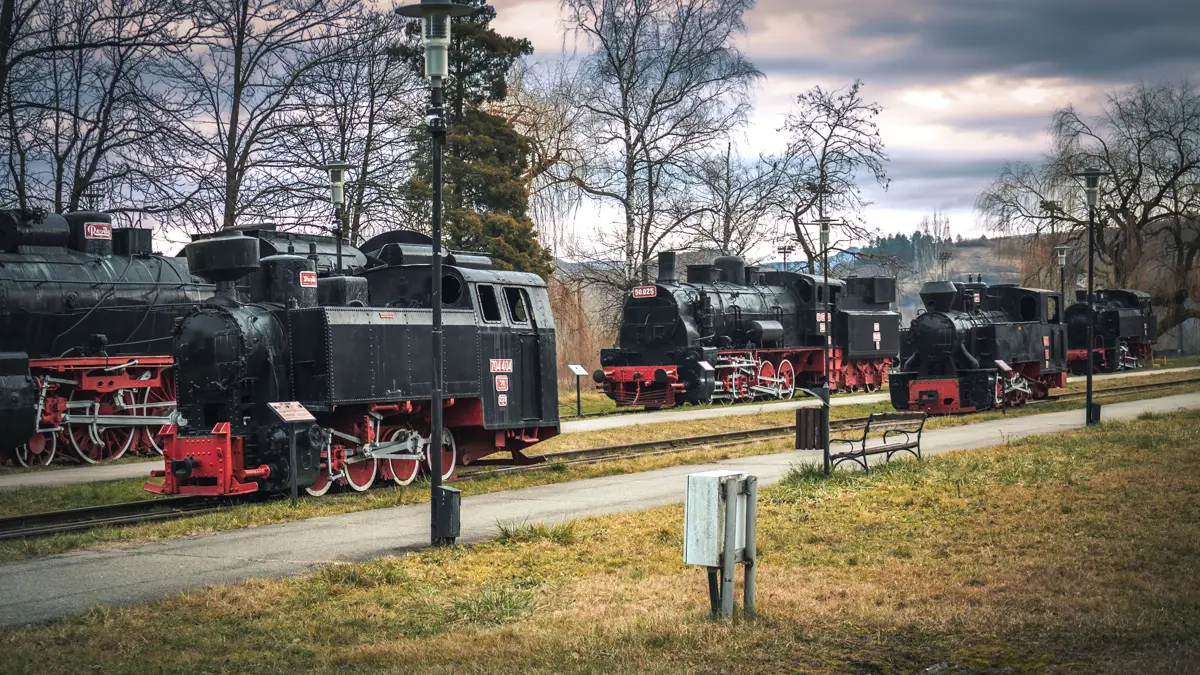
The steam locomotive museum is located between the old and the new part of the city, in the district called Triaj, or Railroad yard in English. In this open-air museum, you can find different types of steam locomotives that were built entirely in Resita, you can even find there the first steam locomotive which was built in the Resita locomotive factory. Also, you will find both standard and narrow-gauge steam locomotives. The entry is free and you can admire all the exhibits as much as you want.
Standard gauge steam locomotives
The standard gauge refers to a standardized distance between the two rails of a railway track. The international standard gauge is 1,435 millimeters (4 feet 8.5 inches).
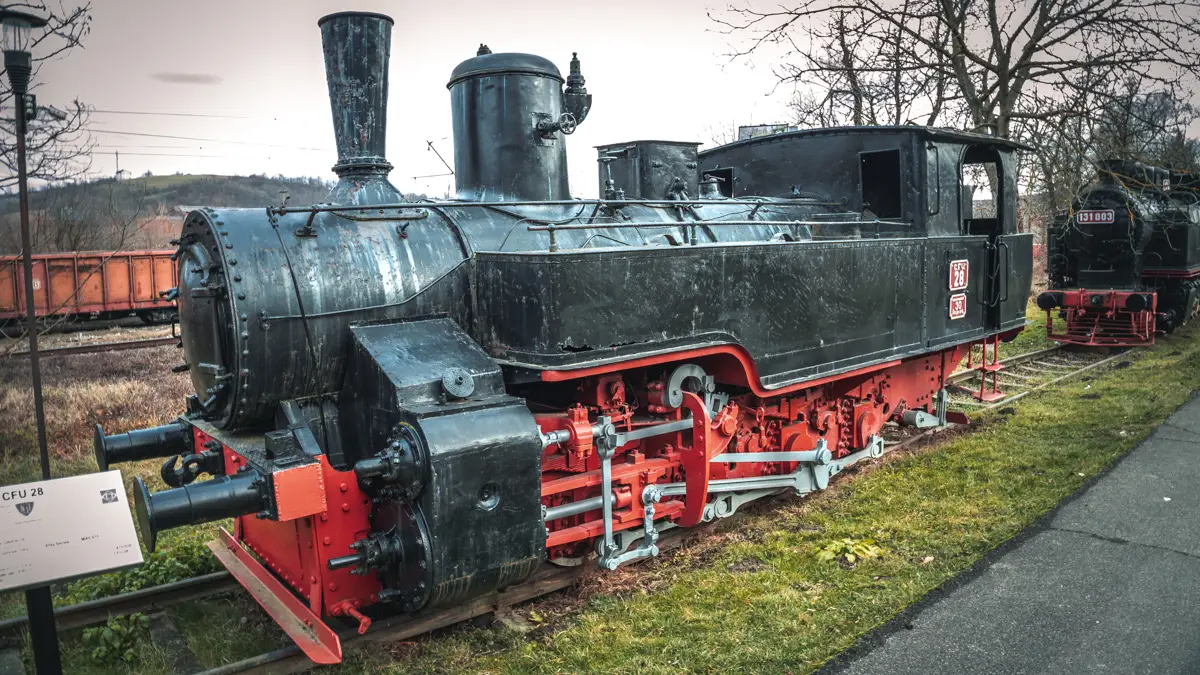
CFU 28
It used to be part of CFR and was numbered 475.028. After being transferred, it worked on the UDR industrial railways in Reista with the name CFU 28 until 1960. This series of locomotives were built between 1896 and 1901 and during this period, a total of 41 pcs were built.
Top speed: 30 km/h
The CFU 28 steam locomotive.
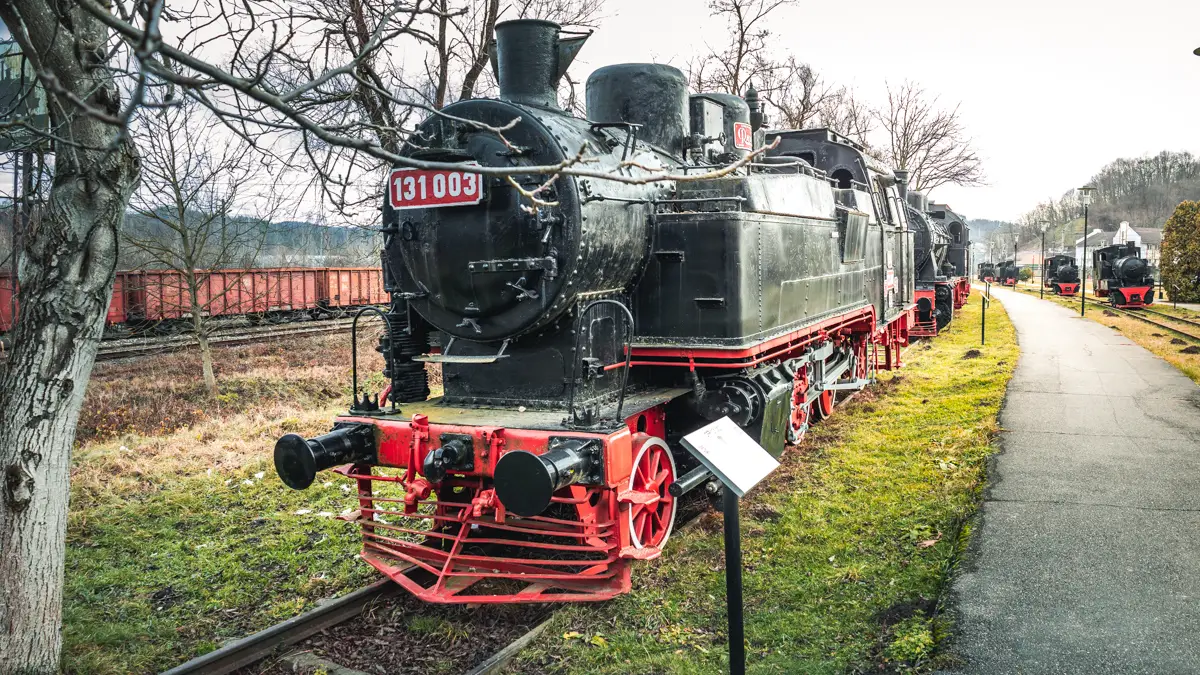
CFR 131.003
The 131.000 series of locomotives, also known as Prairie, was a remarkable achievement. UDR experts, along with people from CFR, designed and built these trains. It was mainly used in the western part of Romania, in the Banat region. It was designed to pull both the freight and passenger trains, on short secondary lines.
Top speed: 65 km/h
The CFR 131.003.
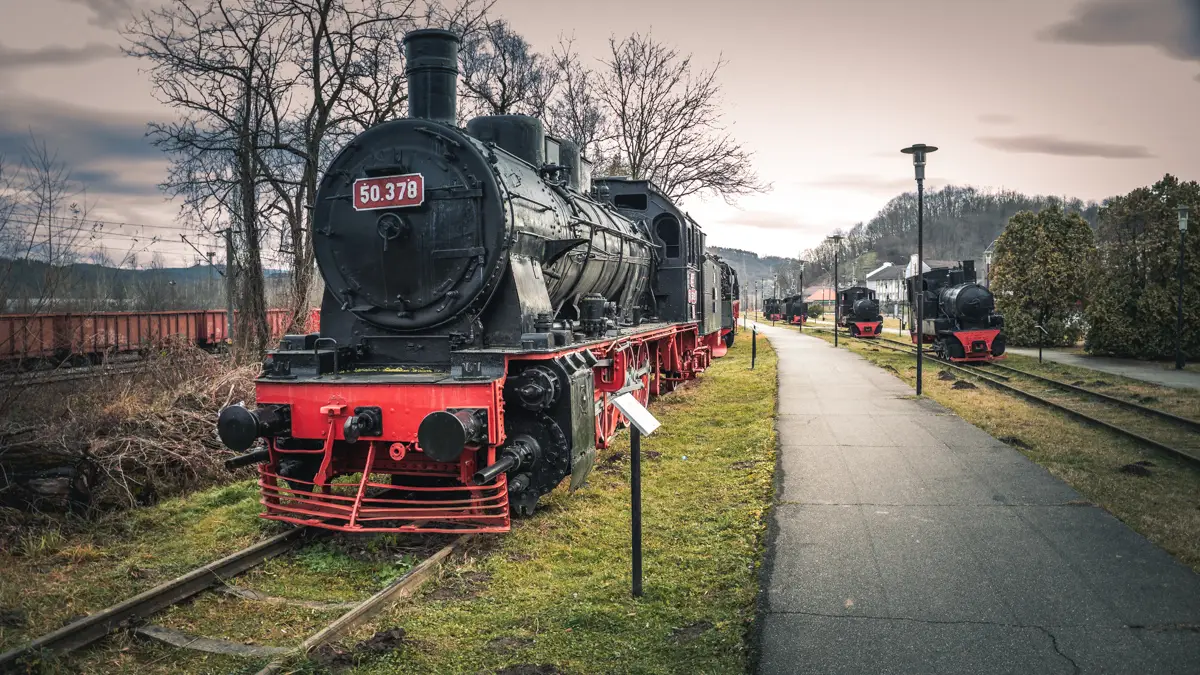
CFR 50.378
Modeled after the German G10 type, these engines were designed for both main and smaller tracks, mainly for hauling freight. Some of them were adapted for passenger transport.
Top speed: 70 km/h.
CFR 50.378.
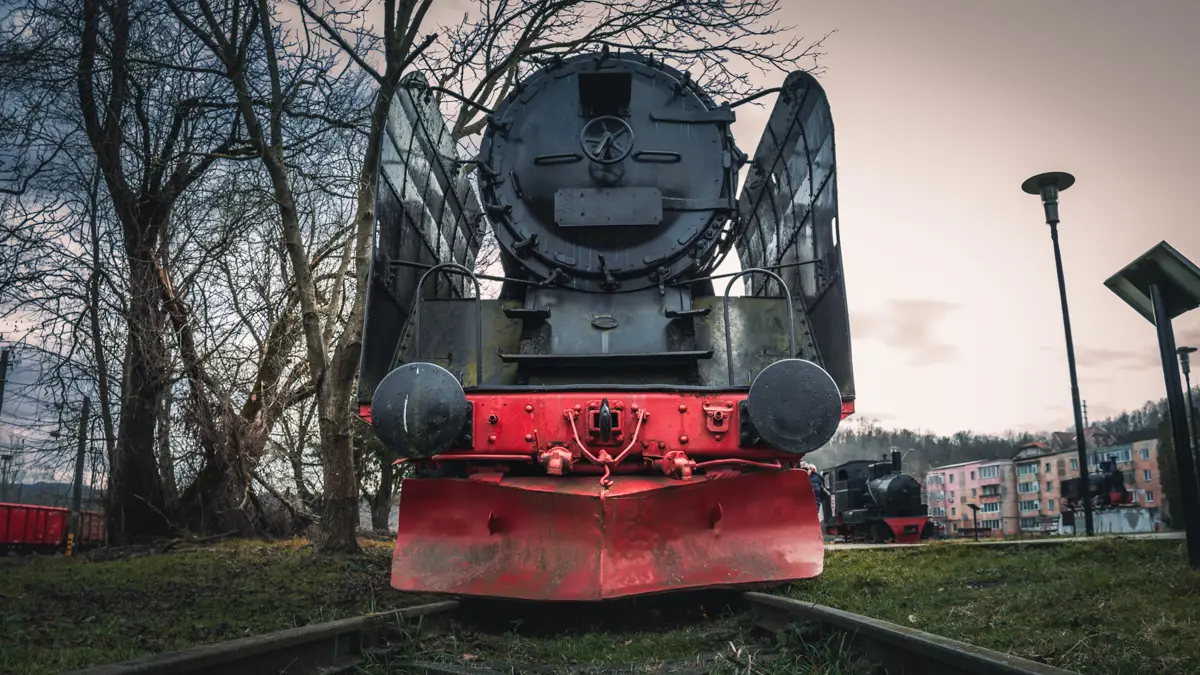
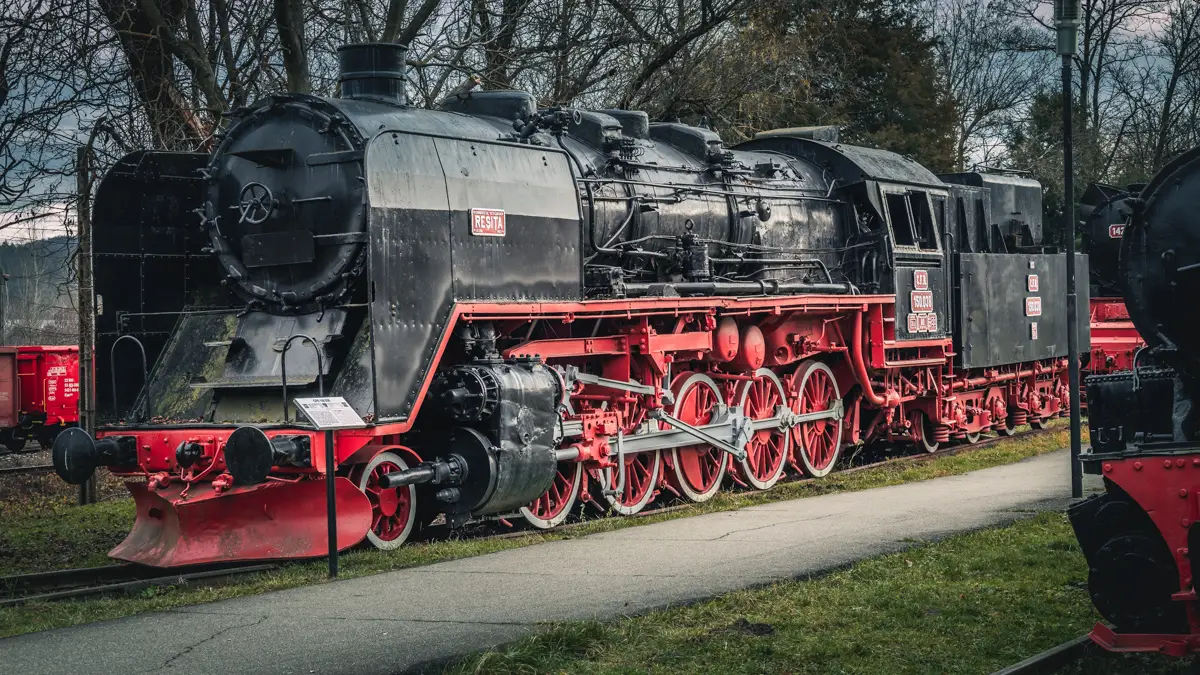
CFR 150.038
The 150.000 series was created by enhancing the German DR 50 model. Various improvements were made, including the Heusinger valve gear, Knorr automatic brake, Friedmann injector, and a mix of fuel oil and coal combustion. After 1959, the locomotives were upgraded with thermosyphon and double Kylchap exhaust. These trains were the most modern type used by CFR. From 1946 to 1961, Resita manufactured 261 locomotives of this kind.
Top speed: 80 km/h
Front side of the CFR 150.038.The steam locomotive with its tender.
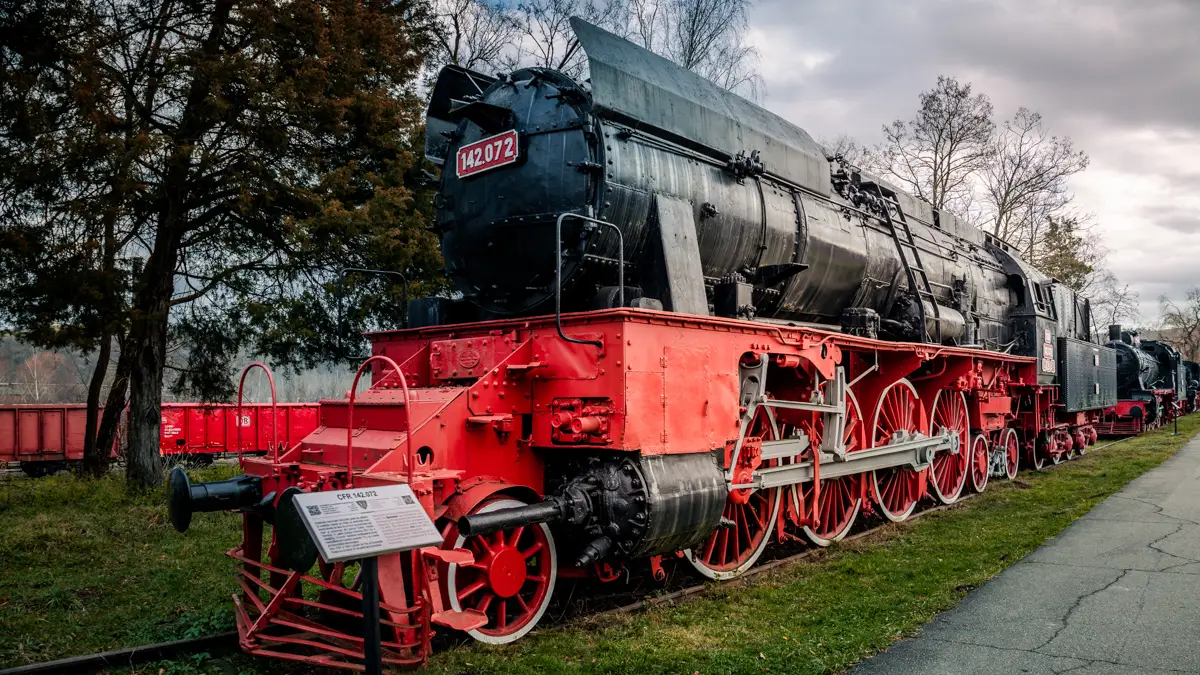
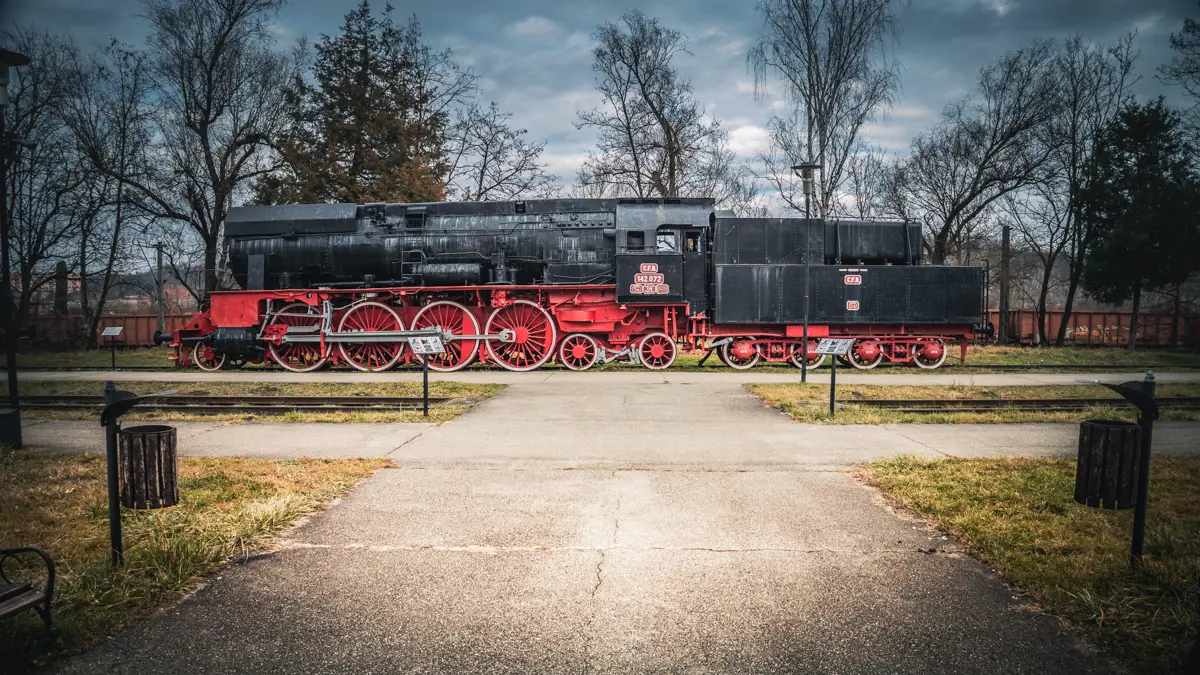
CFR 142.072
The Berkshire type locomotives, designed for hauling large passenger and freight trains, stood out as the largest and most powerful in the Romanian Railways. They were capable of pulling 700 tons at a speed of 110 km/h. Based on the Austrian 214 model, the Romanian version incorporated several technological upgrades. Between 1937 and 1939, Uzinele de Fier si Domeniile Resita produced 37 locomotives of this kind.
Additionally, it’s worth noting that this particular locomotive stands out for having the largest wheels among its counterparts within the museum. The four wheels boast an impressive diameter of 1940 millimeters.
Top speed: 110 km/h
CFR 142.072 – the largest steam locomotive in Romania.Side view of the CFR 142.072
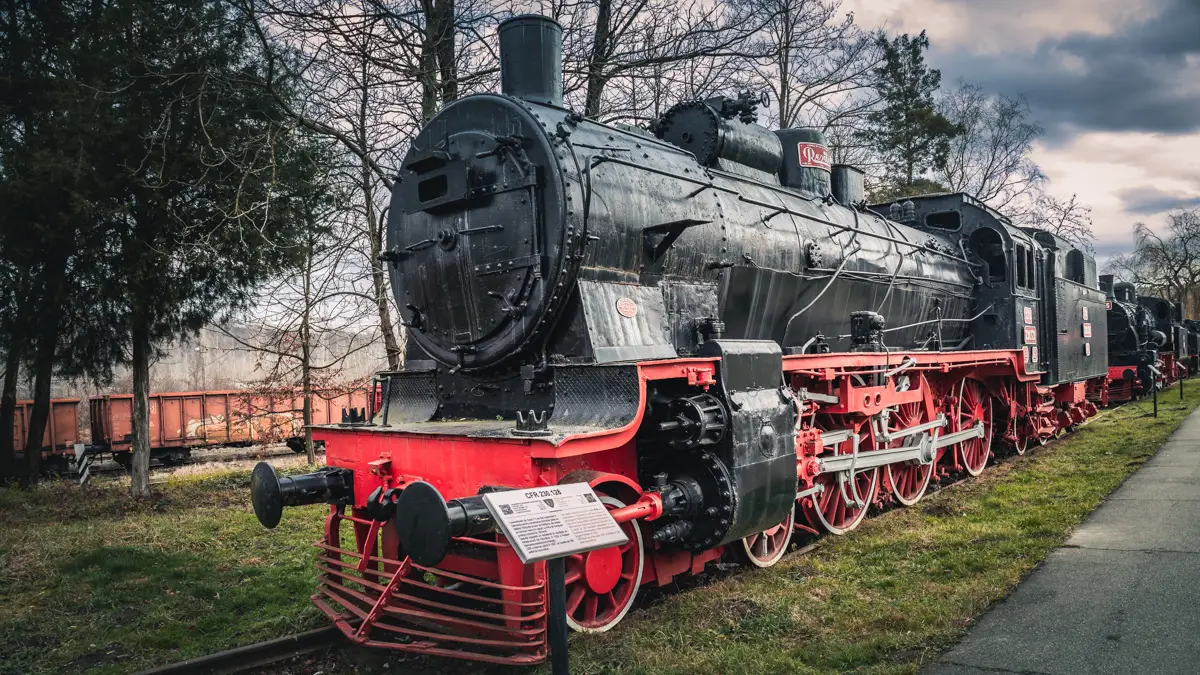
CFR 230.128
In Germany, they designed the P 8 class steam locomotives specifically for hauling big passenger trains. These trains were sturdy, easy to take care of, and had low fuel usage compared to the pulling power, with a top speed of 100 km/h. Due to their great fit with the Romanian railway system, Resita started making them in 1932. By 1937, UDR had built a total of 139 locomotives of this type.
Top speed: 100 km/h
The CFR 230.128 steam locomotive.
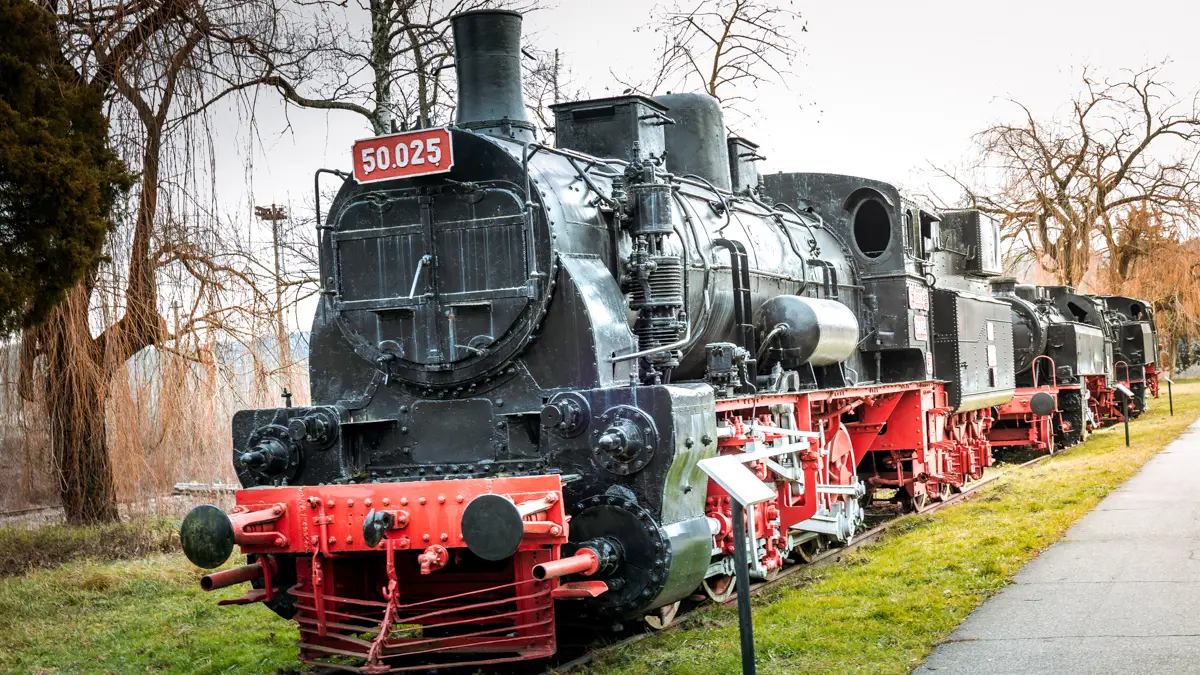
CFR 50.025
The CFR fleet’s most widespread steam locomotive was made to pull trains on both main and smaller railway lines. The Series 50.000 locomotives came with features like the Heusinger valve gear, Westinghouse brake, Schmidt high-pressure system, and a mix of fuel oil and coal for burning. From 1919 to 1980, they operated on nearly all of Romania’s railway lines.
Top speed: 50 km/h
CFR 50.025
CFU 29
This type of steam locomotive was designed for steelworks and other factory railway networks.
The CFU 29.
CFU 14
Similar to CFU 29, the CFU 14 as well was designed to pull heavy trains in steelworks and other industrial complexes.
CFU 14 steam locomotive.
Narrow gauge steam locomotives
Some of the narrow gauge steam locomotives from this museum needed a track with a distance between the two rails of 760 millimeters (2 feet and 5.92 inches). Some of the small steam locomotives were used in narrow forestry railways, industrial complexes and some of them were used on the CFR rail network to pull both passenger and freight trains.
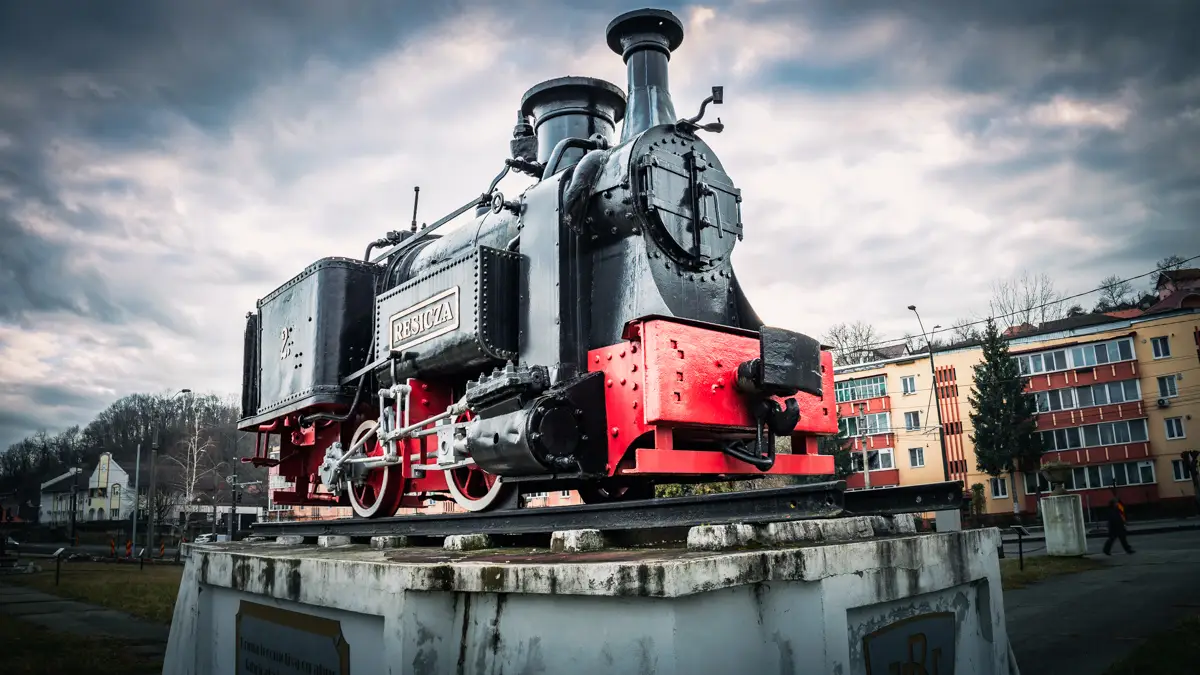
Resicza
This small steam locomotive was the first one built in Resita in 1872. You will find it on a pedestal right at the entrance to the museum.
The first steam locomotive built in Resita.
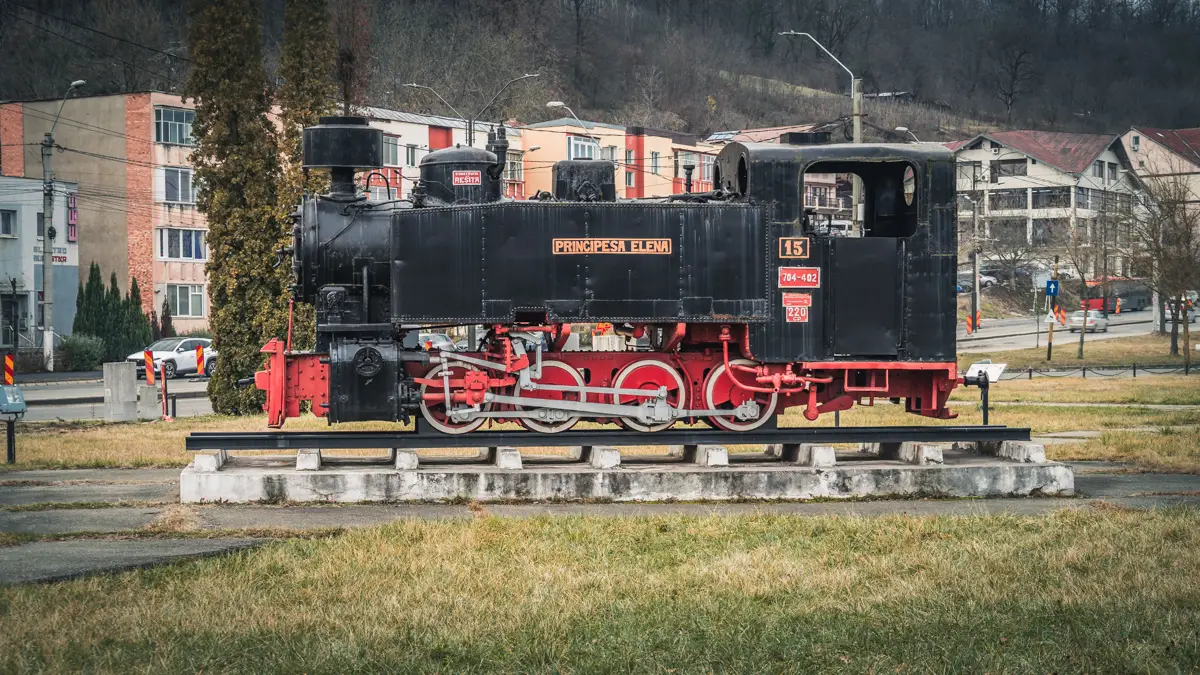
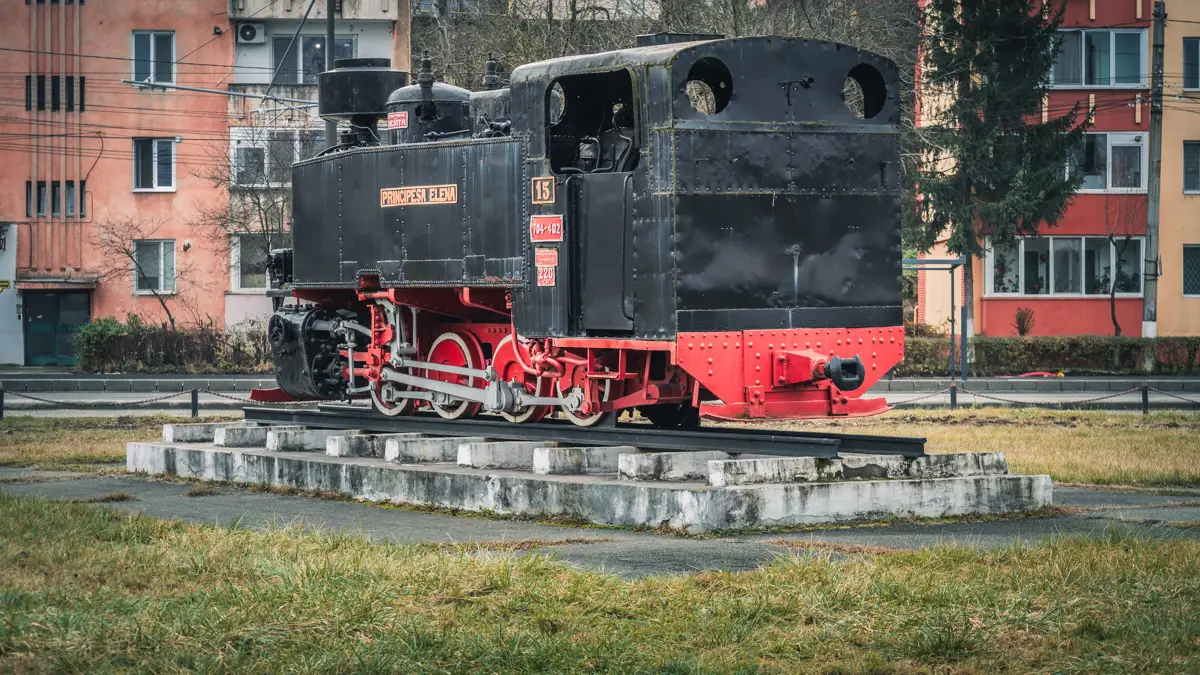
Principesa Elena
The 704.402 or Principesa Elena was the second superheated steam locomotive. It was used until 1970 in the Uzinele de Fier si Domeniile Reista (UDR).
The 704.402 or Principesa Elena.The back of Principesa Elena.
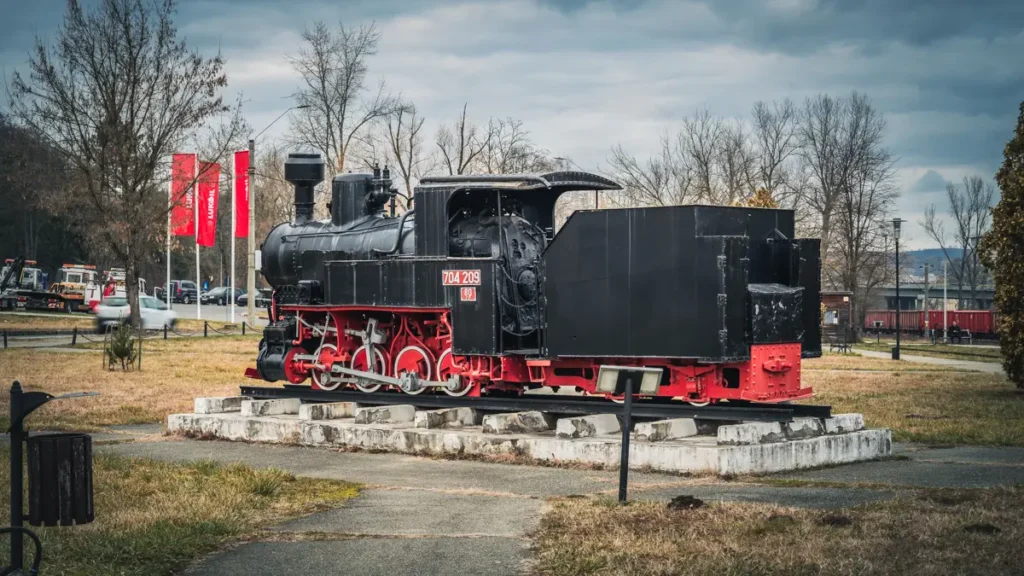
CFF 704.209
This steam locomotive was built in 1917 by St.E.G Locomotive Factory in Wien, Austria.
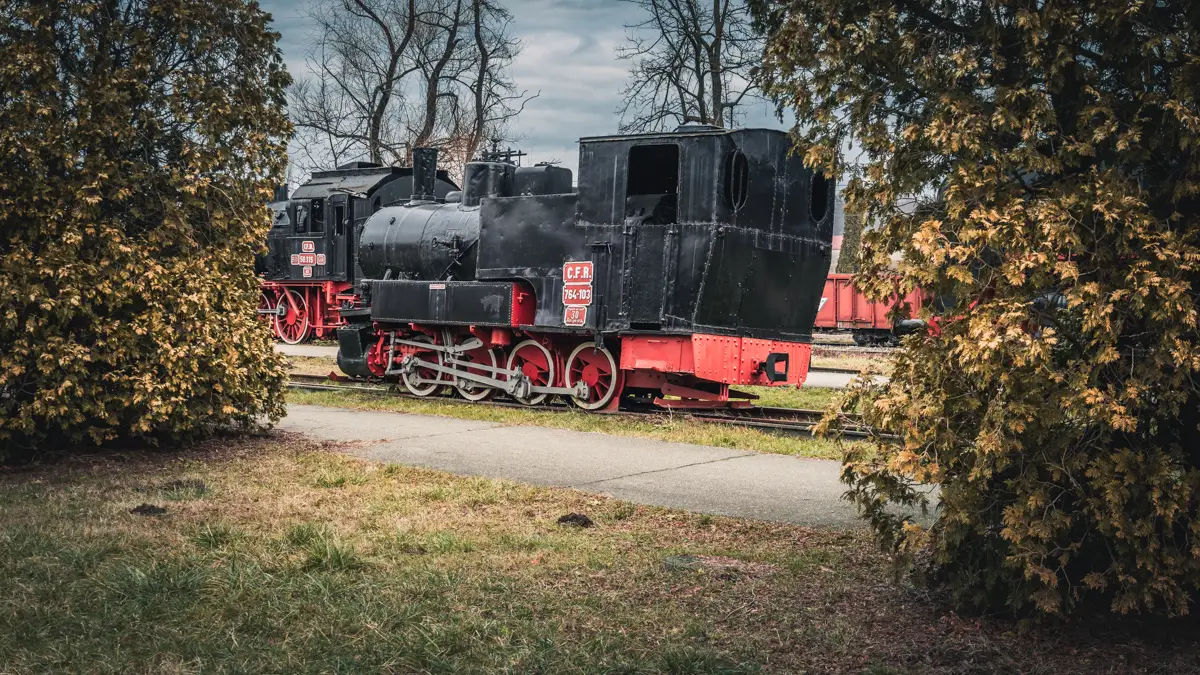
CFF 764.103
This narrow gauge steam locomotive was a common type used on narrow forestry railways and it was used by CFR on its narrow gauge railway lines to pull both freight and passenger trains. These locomotives once were used in Targu Mures, Satu Mare, Alba Iulia, Turda and Sibiu. This steam engine had a top speed of 30 km/h.
The CFF 764.103
CFF 704.404 and CFF 764.493
The 704.404 was used in the forestry railway (CFF stands for Calea Ferata Forestiera or Forestry Railways).
The CFF 764.493 it was used both by CFR on its narrow gauge lines and it was also used on the forestry railways
The left one is CFF 704.404 and the right one is CFF 764.493
This museum must be visited because it’s located right next to the main road which connects the older part of Resita with the new part of the city.
Important tip: Right next to the museum, you will find a smaller paid parking lot if you arrive there by car.
The Civic Center
After visiting the steam locomotive museum, I decided to make a short stop in the city center of Resita before heading to my final objective in the city. Since this is a small city, after a couple of minutes of driving from the museum I found a free parking lot very close the Civic Center.
Let’s explore this place
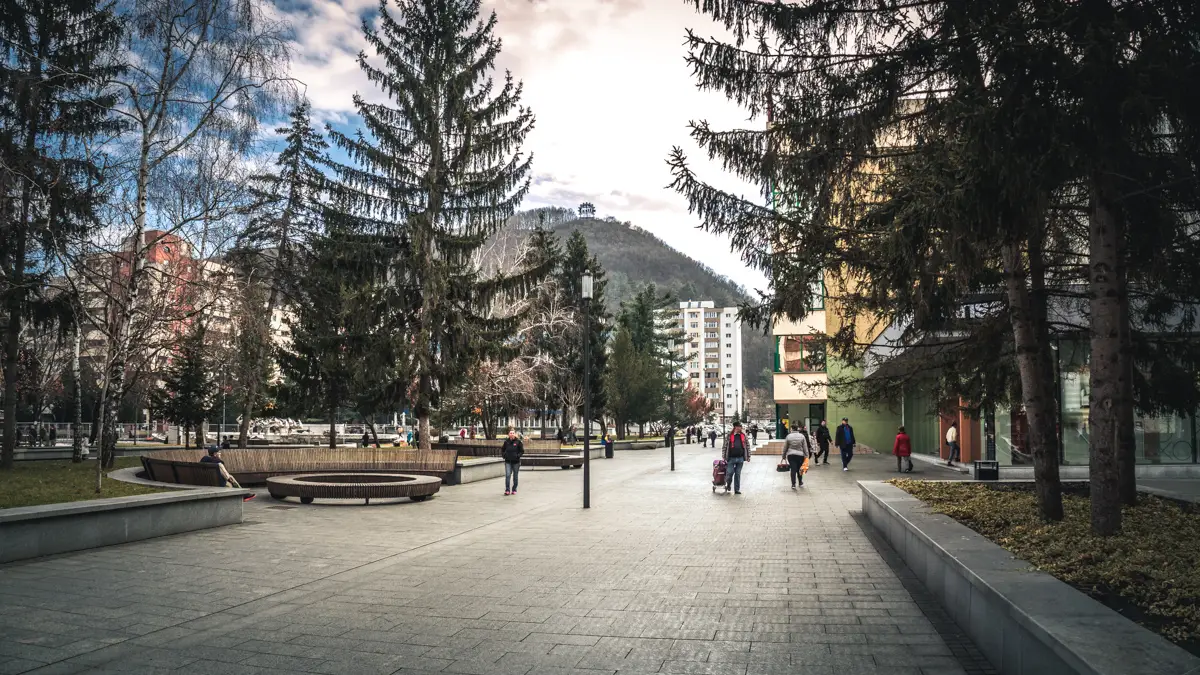
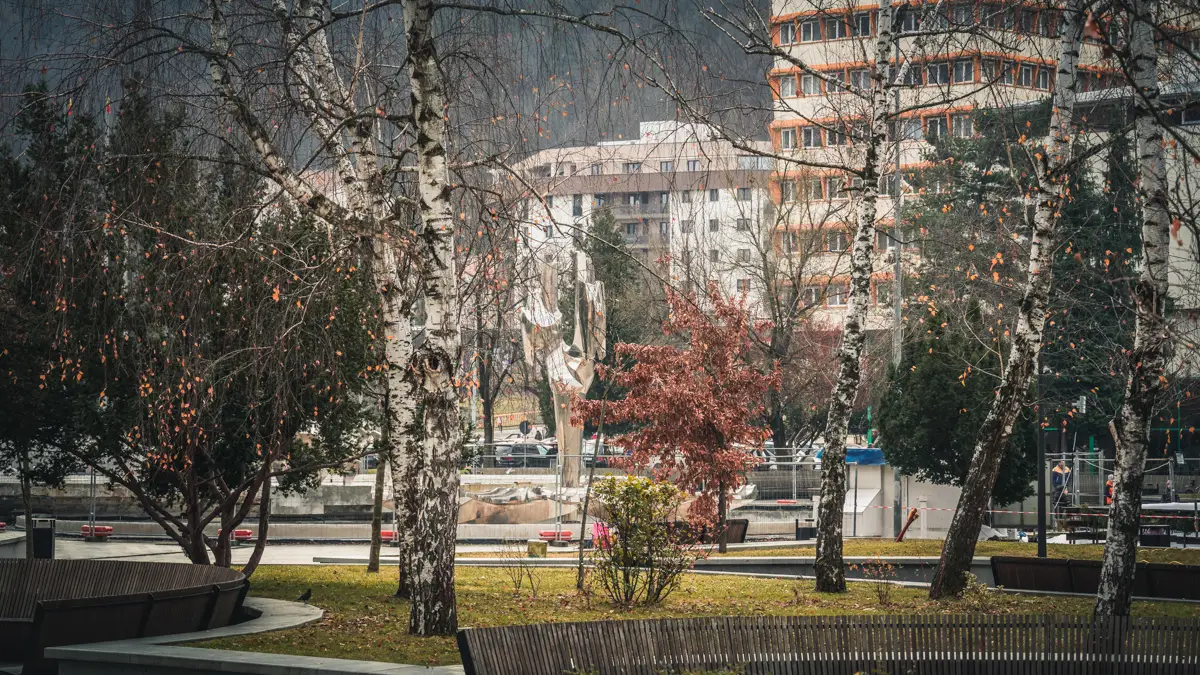
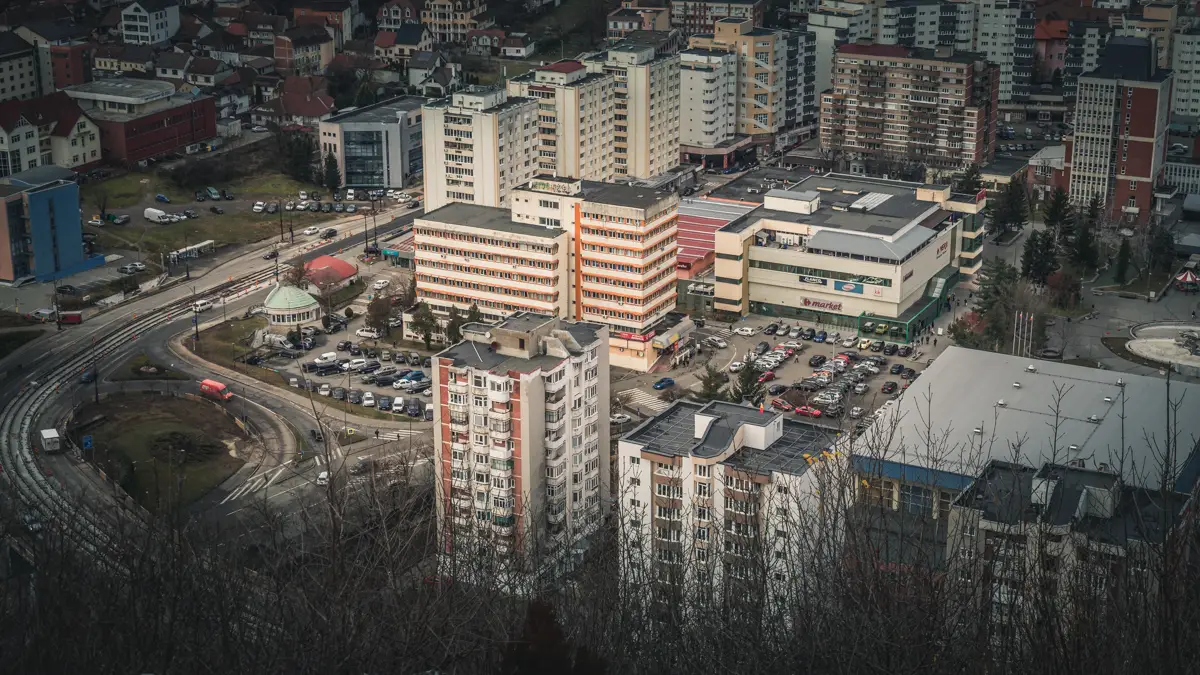
It’s hard to miss with those big communist-style apartment buildings towering around it. But that’s not all! This square is also bustling with shops and restaurants.
People walking in the city center.
Multipurpose Hall (Sala Polivalenta)
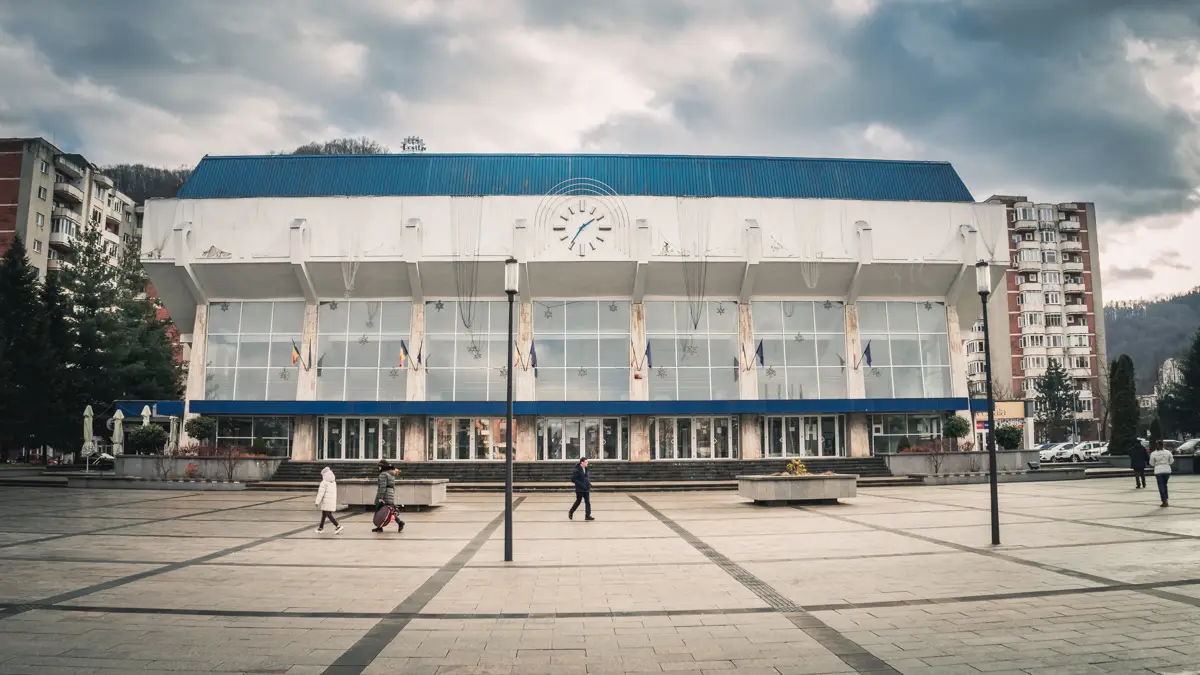
The first interesting building that popped up was the large Multipurpose Hall located next to the Kinetic Fountain which at the time when I was visiting this place was surrounded by fences. Probably it was under renovation.
Multipurpose Hall in the Civic Center.
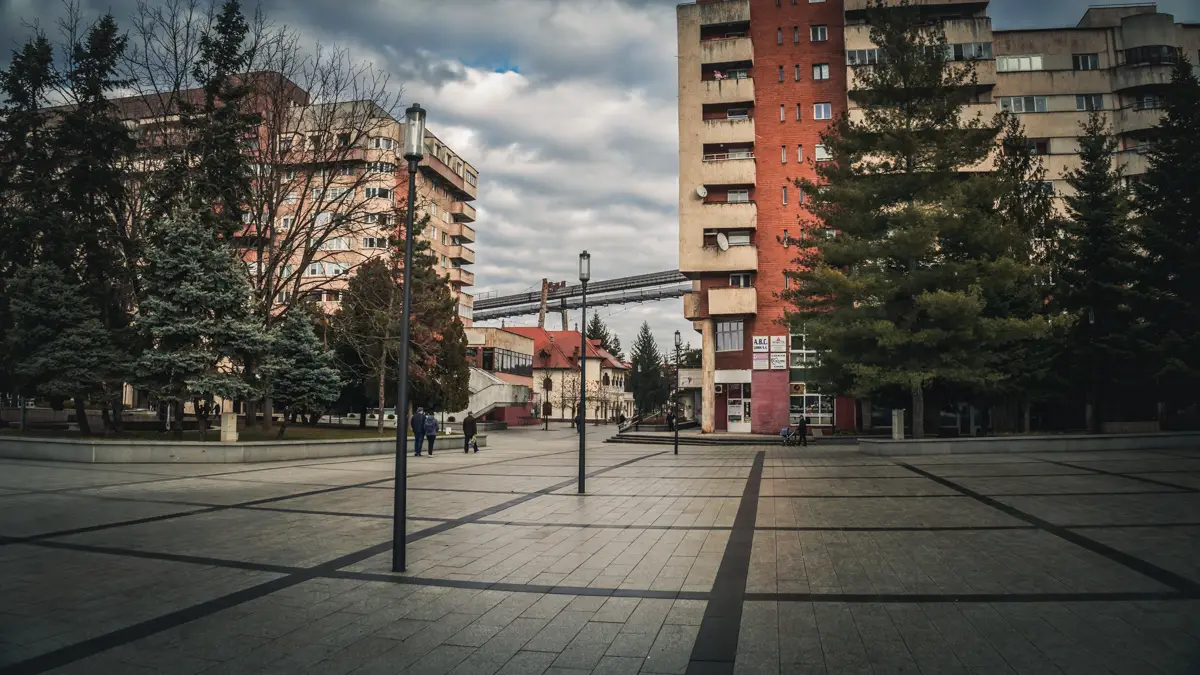
Between the tall apartment buildings you will have the chance to spot the funicular. This street will take you next to the funicular and the Vama bridge.
Street which takes you to the funicular.The Kinetic Fountain between the trees.
The UCM Resita Emblem (Stema UCM Resita)
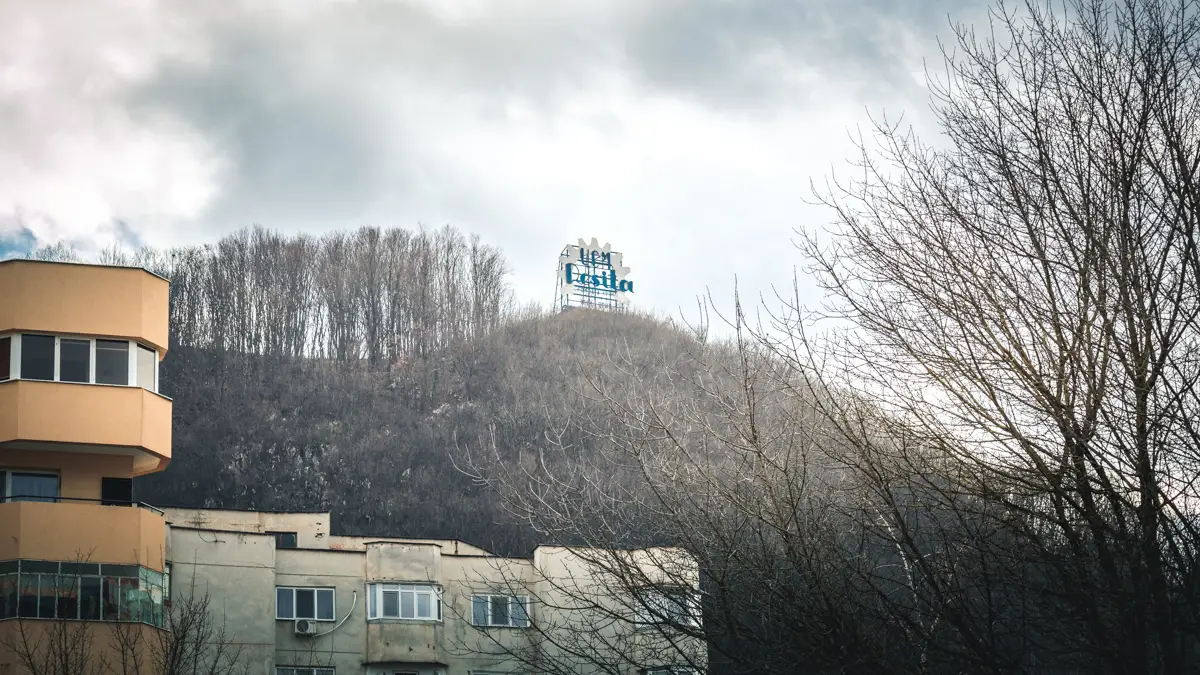
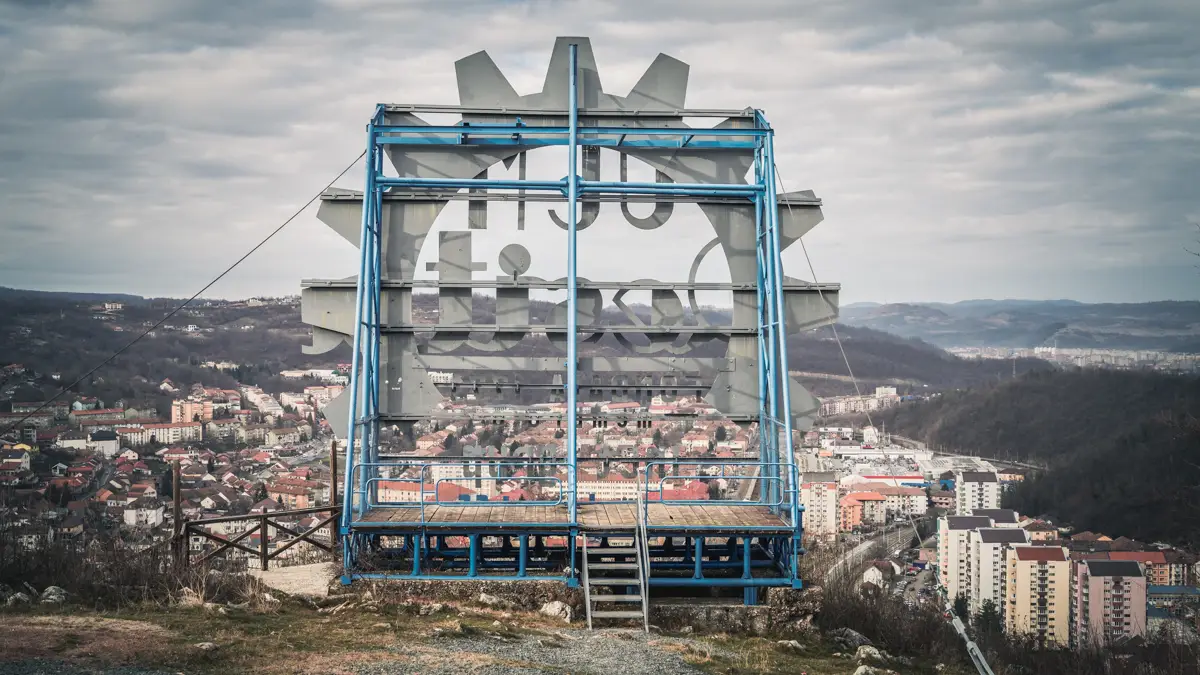
From the city center, you will also spot on the top of a larger hill overlooking Resita the UCM Emblem. If you plan to see a large part of the city from above, that would be the perfect place to do that.
The UCM Resita Emblem located on the top of Gol Hill.
Other objectives to check out
Very close to the city center you will find other objectives to visit. Below I’ve shared a couple of them.
The Funicular (Funicularul)
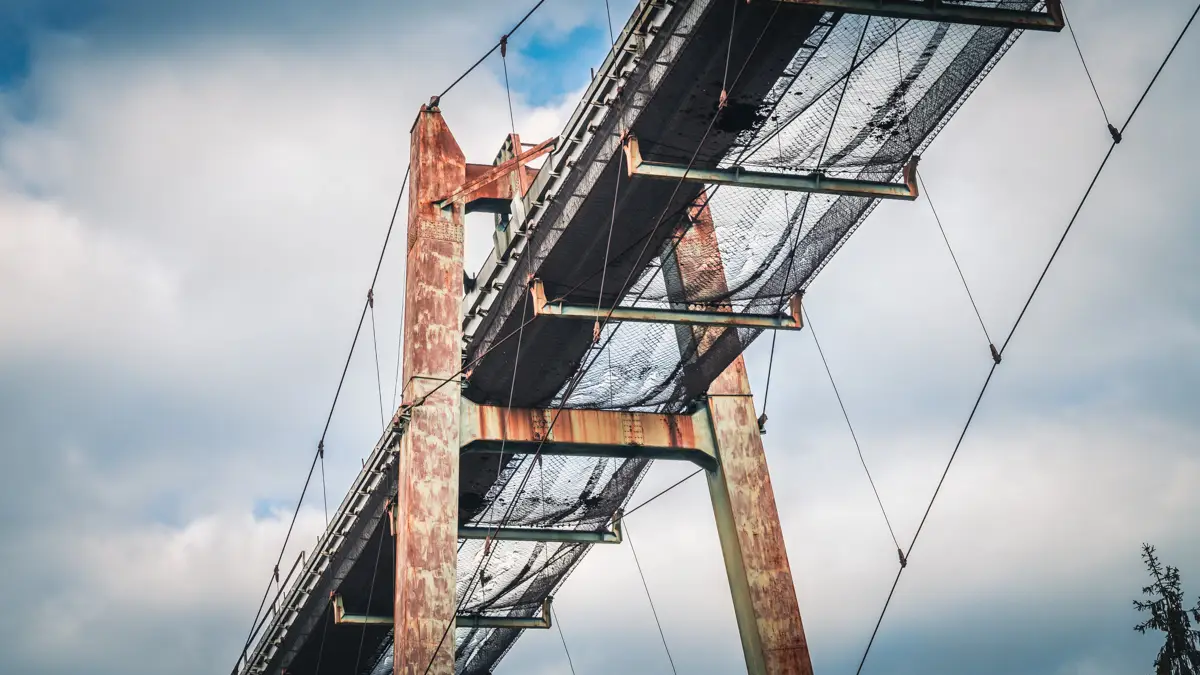
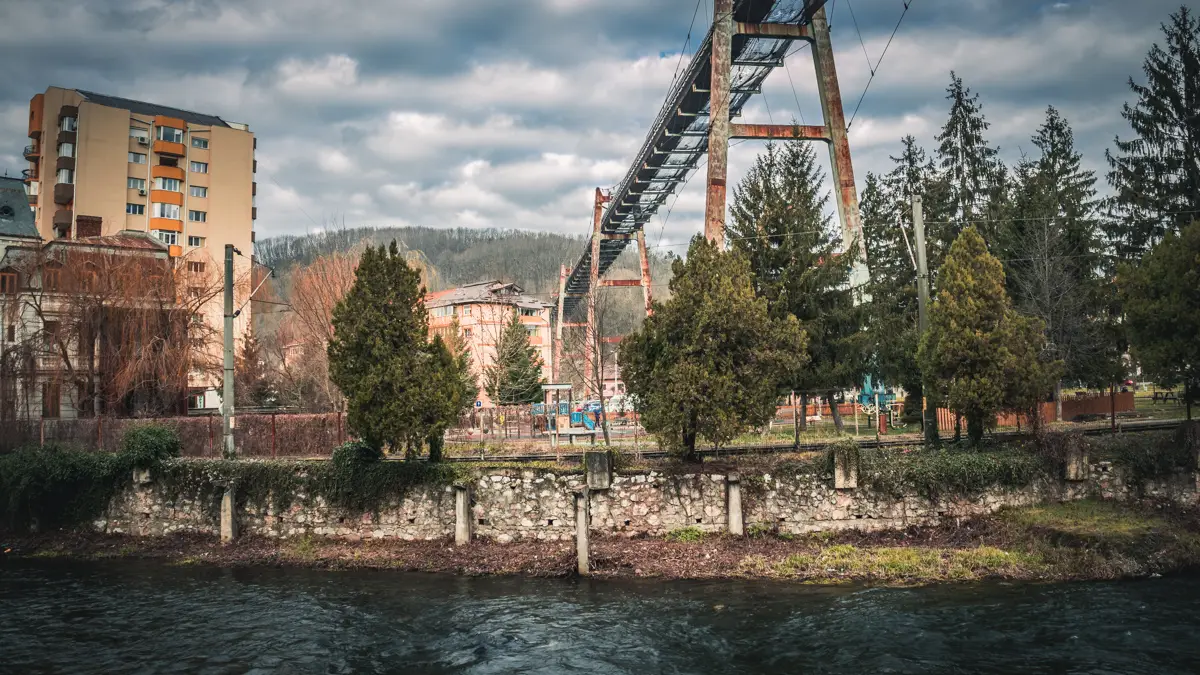
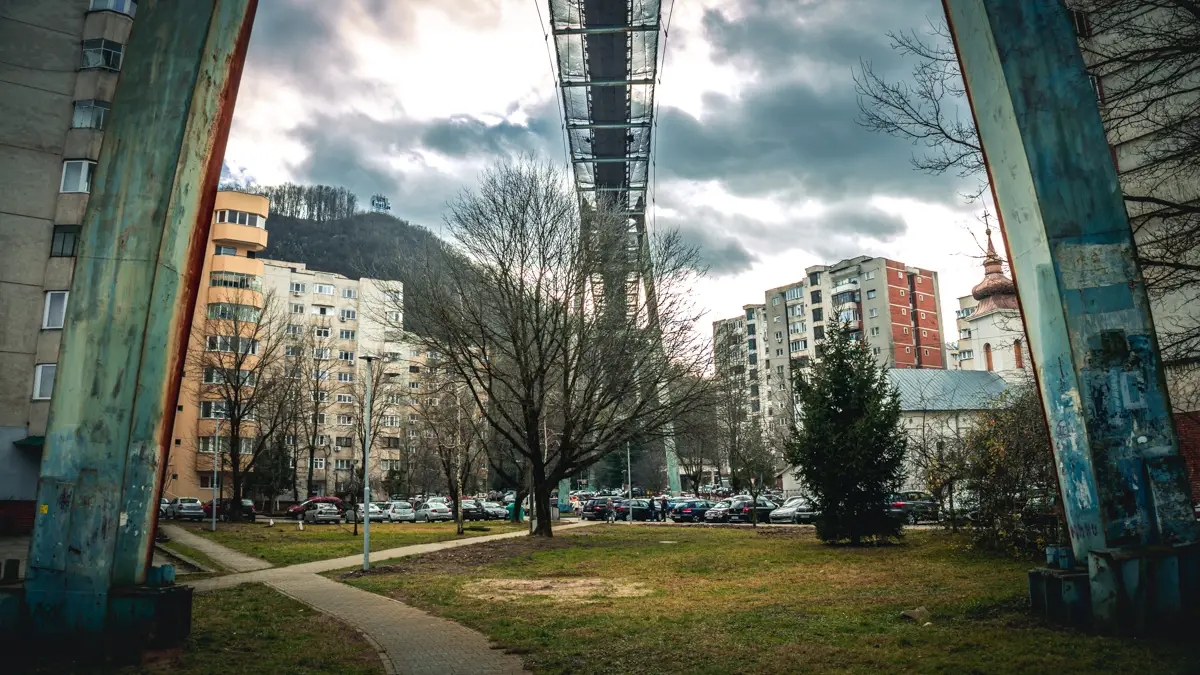
This unique construction was once busy transporting limestone from a nearby quarry. It was constructed back in 1964 and stands tall at a towering height of 30 meters. It has almost the same height as some of the apartment blocks in the area. So, if you’re up for a little adventure and want to delve into Resita’s past, this funicular is definitely worth checking out. You will find it just a stone’s throw away from the city center.
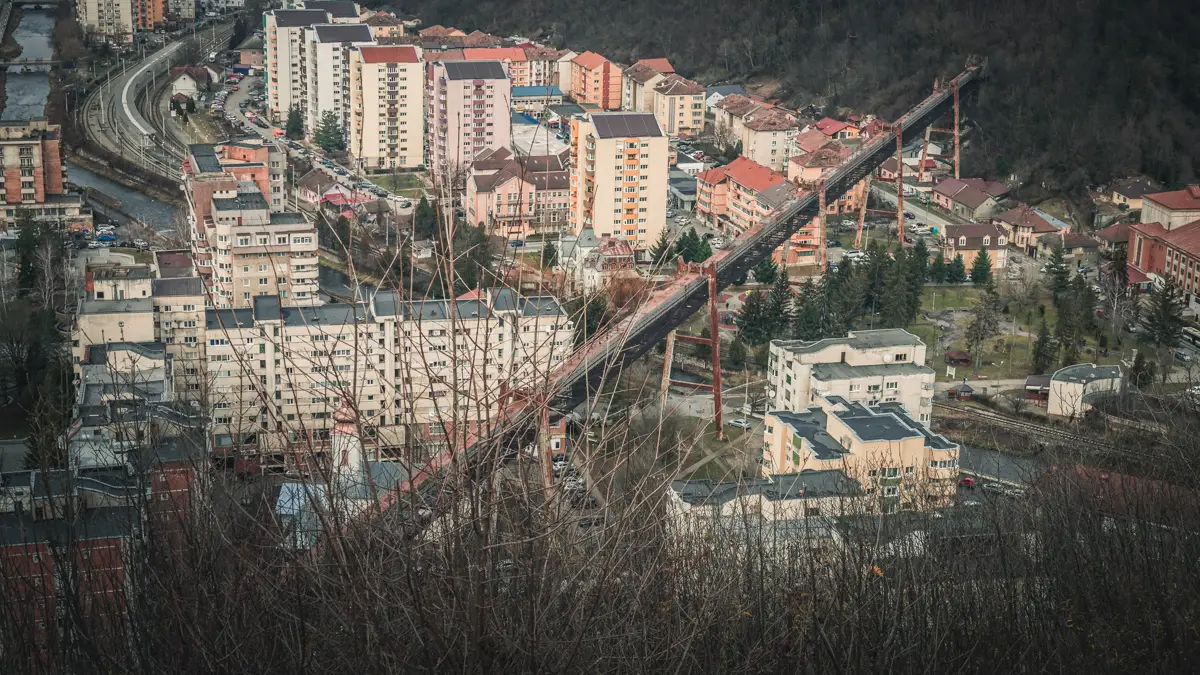
Close-up photo of the funicular which once used to transport limestone.The funicular next to the apartment blocks.Under the mighty funicular.The funicular, the Vama bridge, and the West Theater on the right side.
Vama bridge (Podul de la Vama)
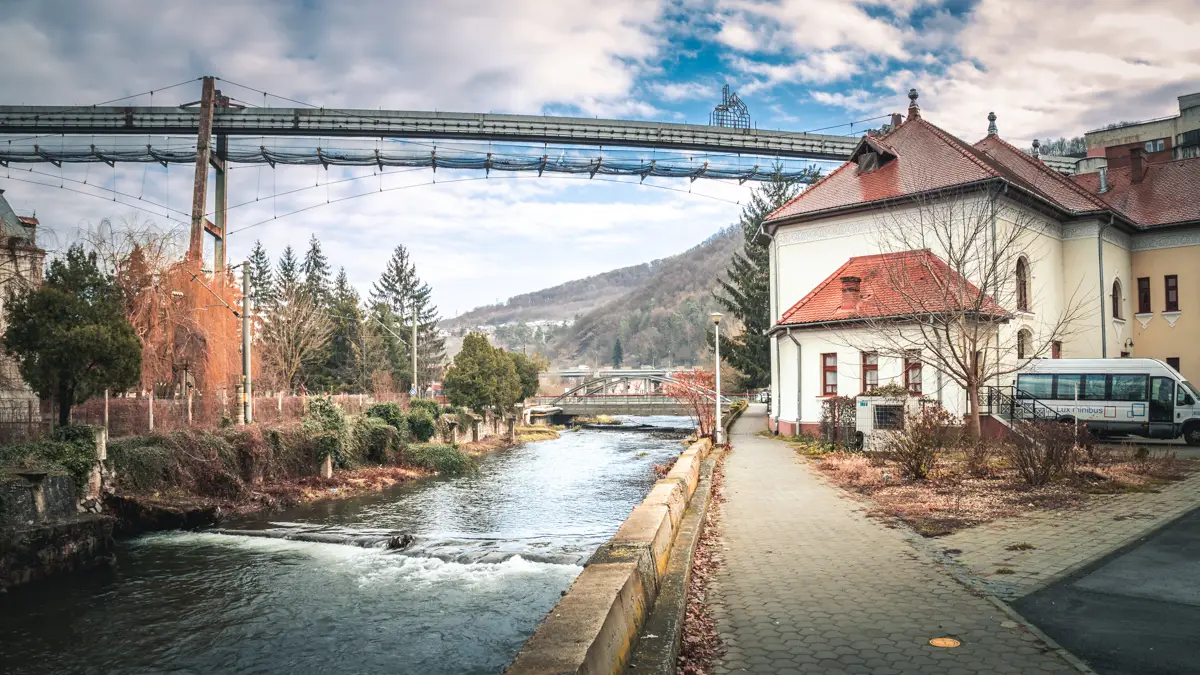
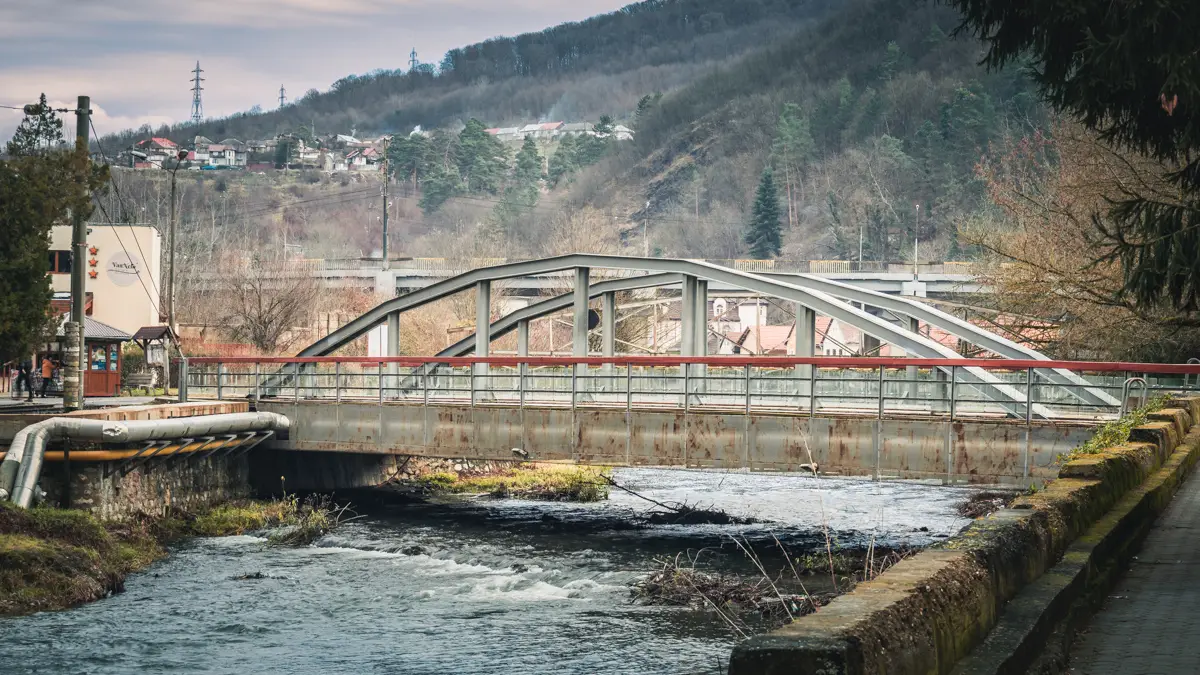
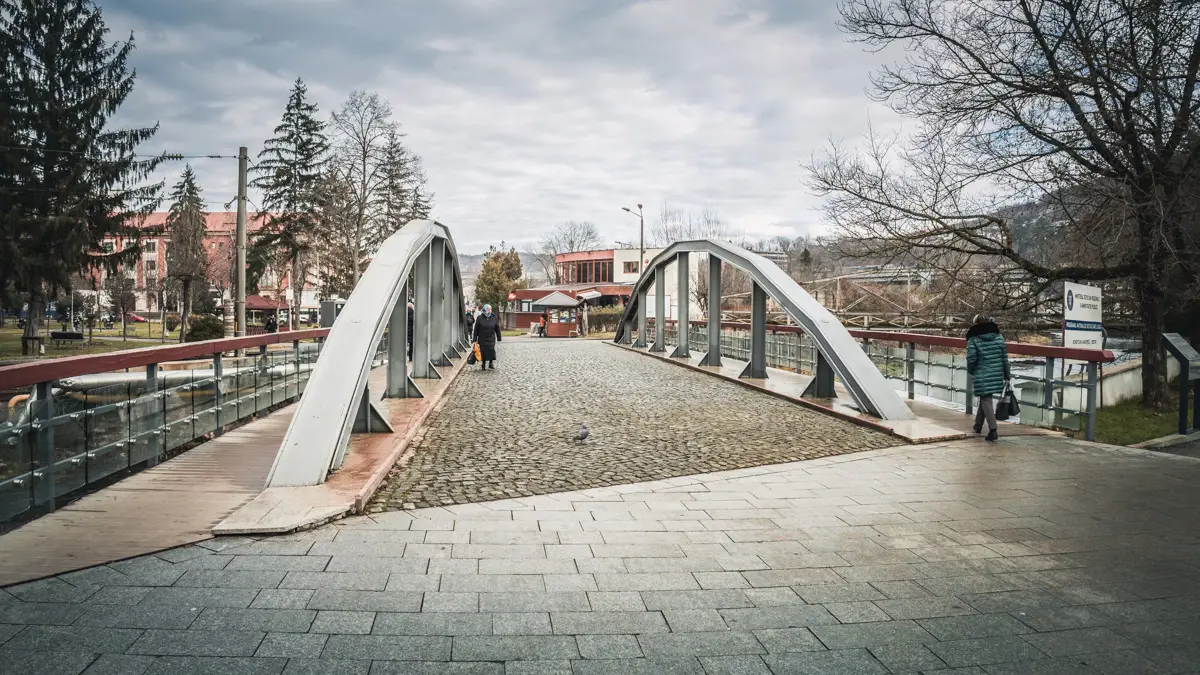
Under the Funicular you will find Romania’s first welded and riveted bridge built entirely in Reista. This bridge was super important because it connected two important parts of the city: Resita Montana and Resita Romana. They turned it into a pedestrian bridge, which means it’s perfect for strolling and enjoying the view over the Barzava River.
The Vama bridge and the Barzava River.People crossing the bridge.
At The UCM Emblem
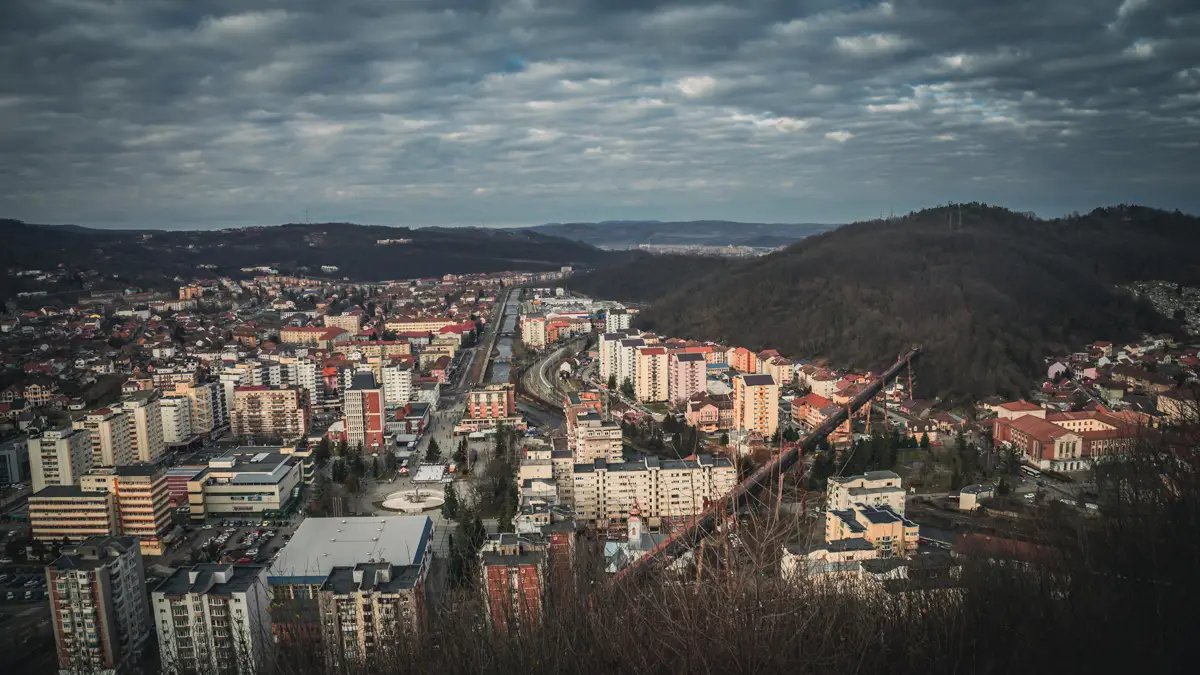
Located on the top of a hill adjacent to Resita’s Centrul Civic lies a marvelous vantage point known as Stema UCM Resita, which translates to “UCM Emblem” in English. From this elevated spot, one can behold a vast panorama encompassing a significant portion of Resita’s charming city including the Centrul Civic, Lunca Pomostului, Dealul Crucii, and in the distance you can even spot the Lunca Barzavei district of Resita.
The hill mentioned above is called Gol Hill, and the emblem is located at an altitude of approximately 330 meters. If you plan to visit this place, you will find the stairs at the base of the Gol Hill, right behind the Centrul Civic, which leads up to the prominent UCM Emblem.
Behind the UCM Emblem.Communist-era blocks next to the city center.The funicular next to the residential buildings.Residential buildings, the funicular, and the Barzava river.Panoramic view of Resita as seen from the UCM emblem.Lunca Barzavei district.
In my opinion, this is a very beautiful place to visit especially if you plan to admire the city of Resita. Below I’ve shared a short video of the city as seen from the UCM Emblem.
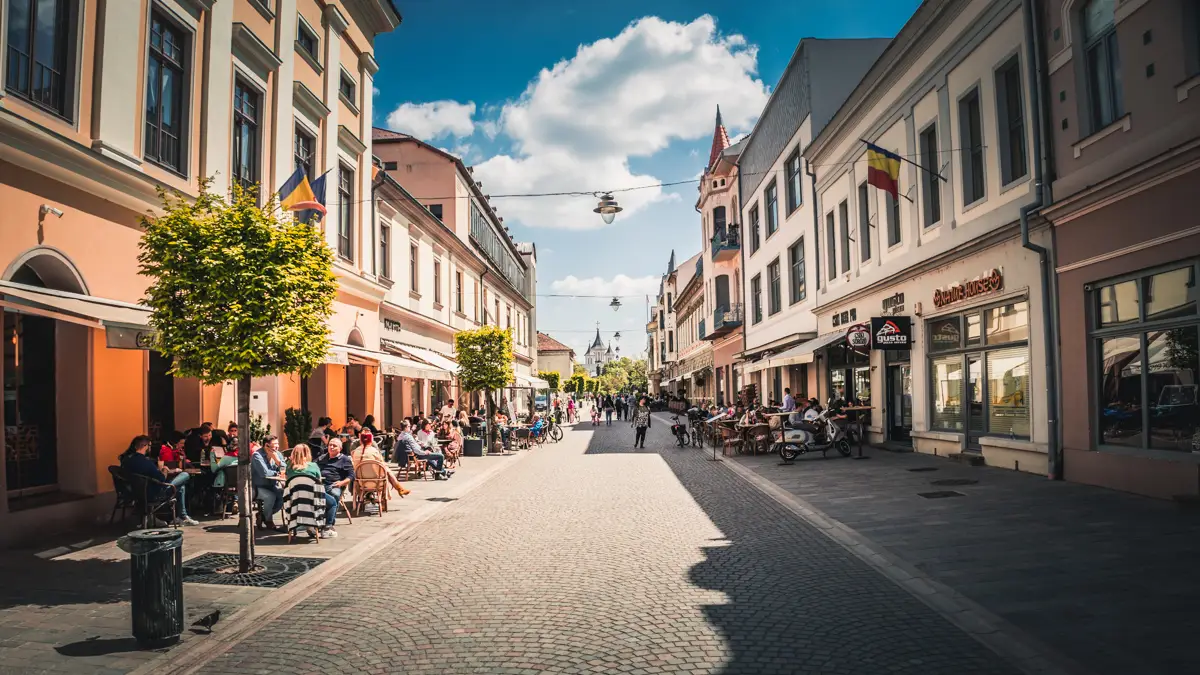
When I arrived in Oradea, I had no idea just how much this city had to offer. Located in the northwestern part of Romania, about 170 km away from my hometown of Timisoara, this city is packed with history, stunning architecture, and beautiful places to explore.
I’d like to share with you a few of the places I visited during my time in Oradea. Each one left a unique impression on me, and I think they’re all worth checking out if you ever find yourself in this charming city. Below, I’ve listed some of the spots that stood out to me, and I hope they inspire you to explore Oradea for yourself!
When I arrived here, my first stop was the old Oradea Fortress. Luckily, I found a parking spot right by the eastern entrance, making it easy to start my visit.
Oradea Fortress
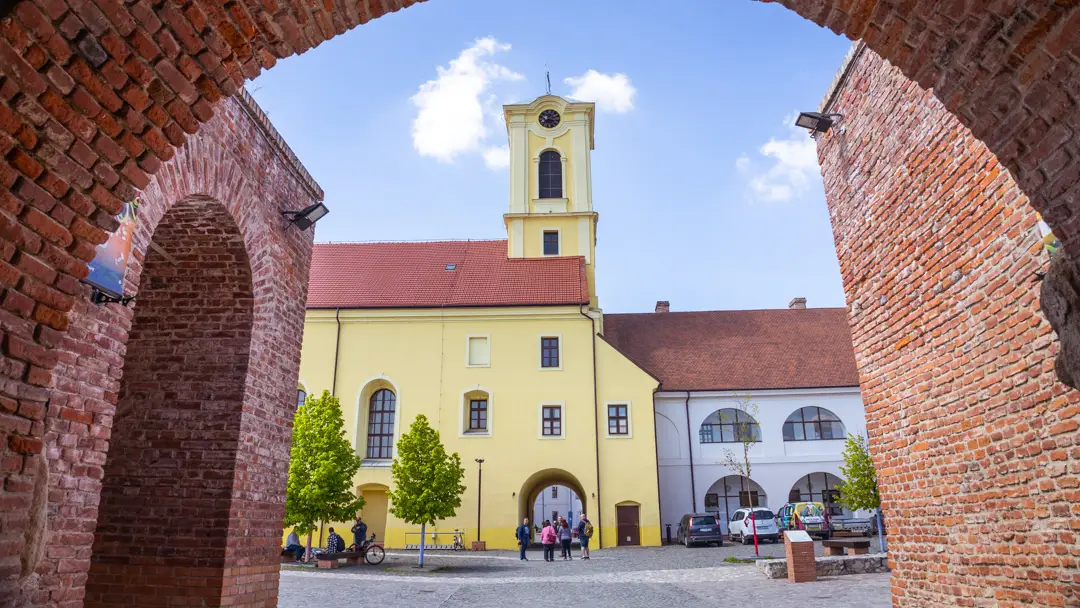
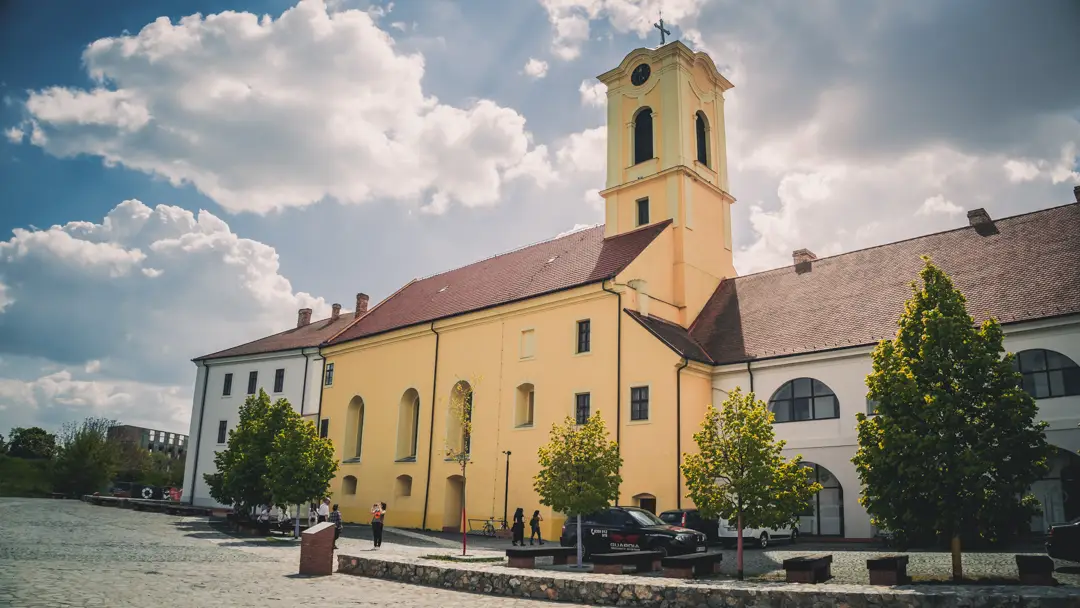
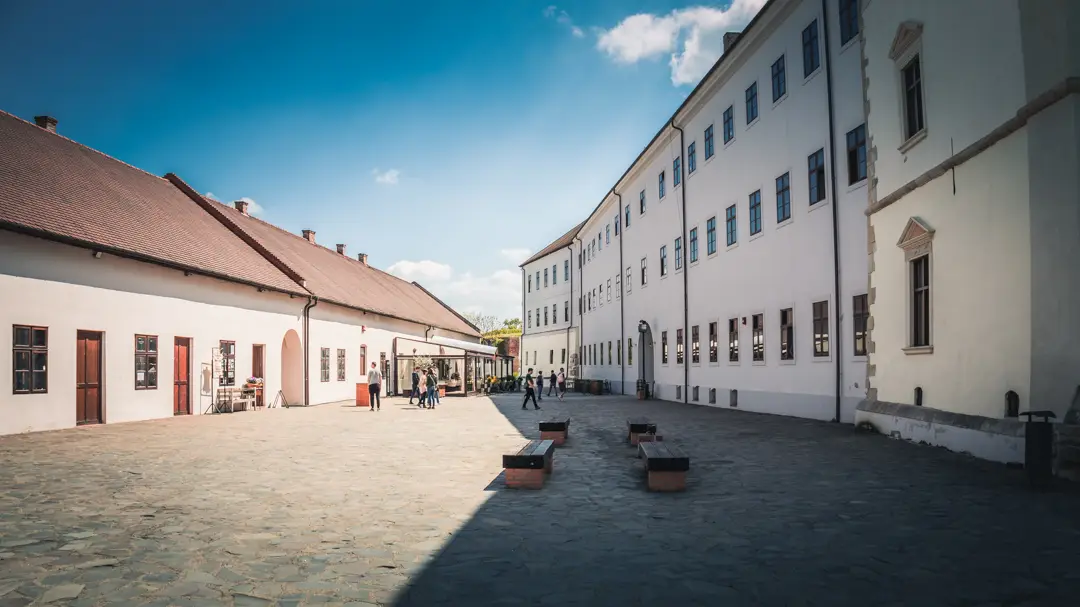
The fortress isn’t very large, so it’s quick to explore. However, if you’re interested in learning more about Oradea’s history, I highly recommend visiting the museum inside the fortress, which offers a lot of fascinating insights into the area’s past. Construction of the fortress began in the 11th century, making it one of the oldest and most significant medieval structures in the Crisana region.
The fortress hosts various events and exhibitions, showcasing traditional crafts, music, and performances. Visitors can immerse themselves in the vibrant atmosphere and experience the local traditions firsthand.
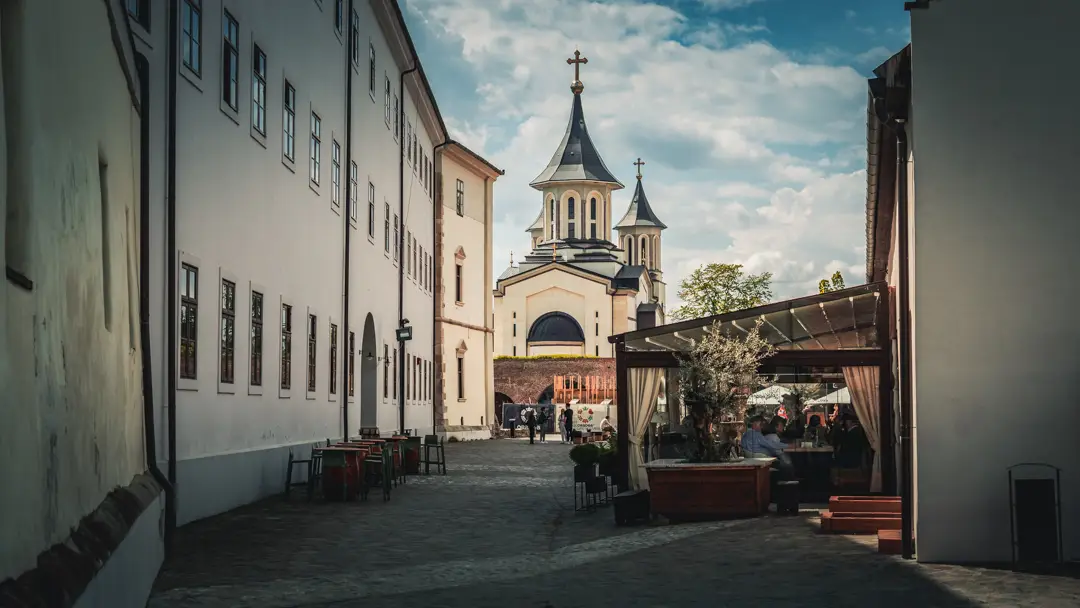
Windows on the old fortification wall.The catholic church in the Oradea Fortress.The catholic church on a beautiful summer day.Inside the fortress during a festival.The Resurrection Episcopal Cathedral In Oradea.Pedestrian street.Large fortification walls
Towards the Union Square
After leaving the Oradea Fortress, I decided to take a relaxing walk along the Crișul Repede River. It’s a lovely route to take if you want to enjoy the calmness of the water and the beauty of the city at the same time!
Footpath next to the river.
The Union Square
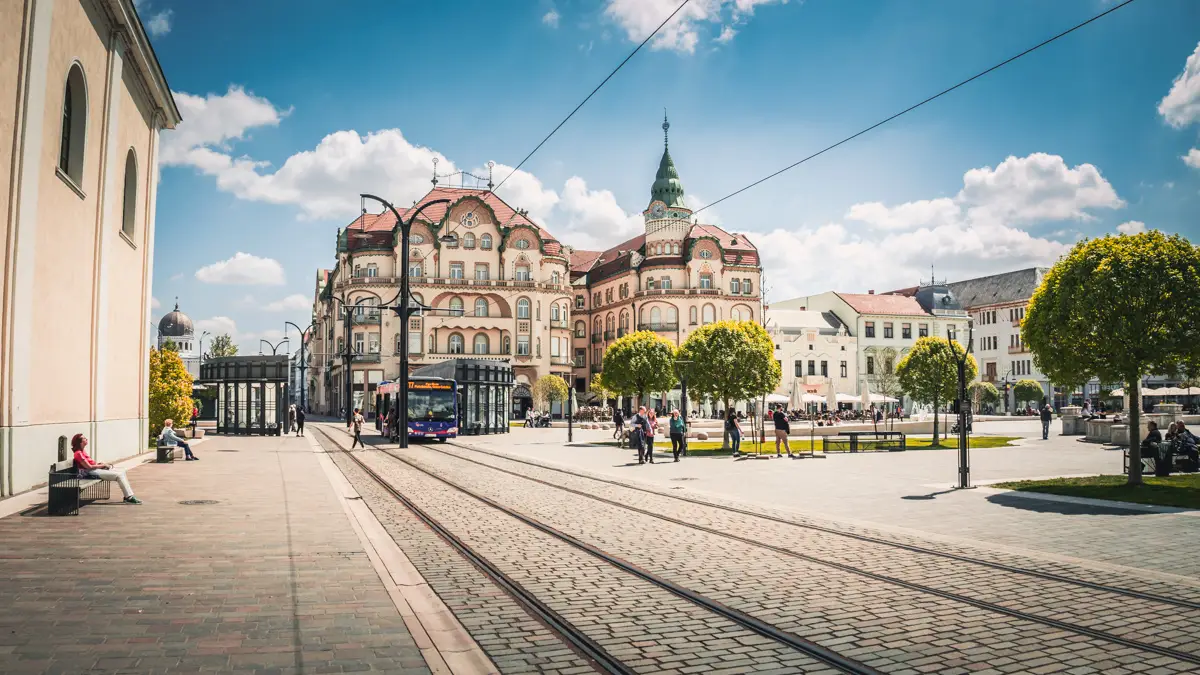
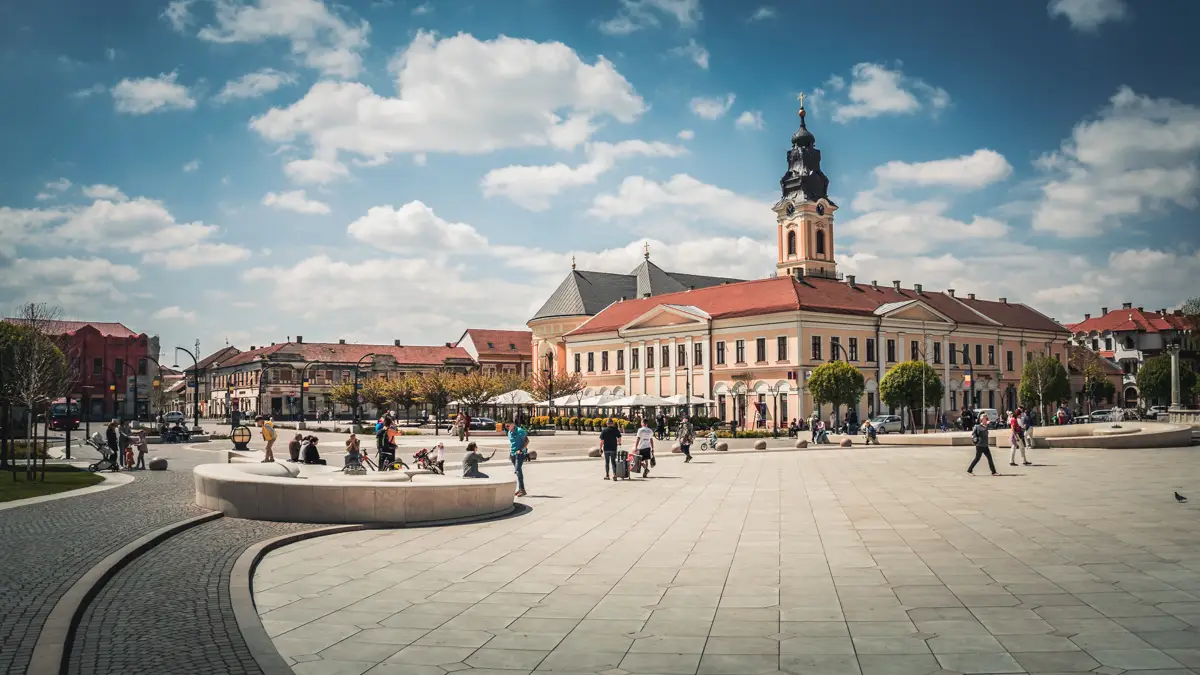
The Union Square, also known as Unirii Square in Romanian, has been the heart of Oradea since medieval times. Its history dates back to the 11th century when the city was first established. Over the centuries, the Union Square has witnessed significant events, political changes, and architectural transformations, making it a true historical treasure.
The Oradea Fortress is not too far from here, making it an easy walk. It took me about 20 minutes to reach this spot, and the walk was quite enjoyable. The path was straightforward, and along the way, I had the chance to take in some of the city’s sights. Before I knew it, I had arrived at this lovely location.
Tram station in the Union Square.
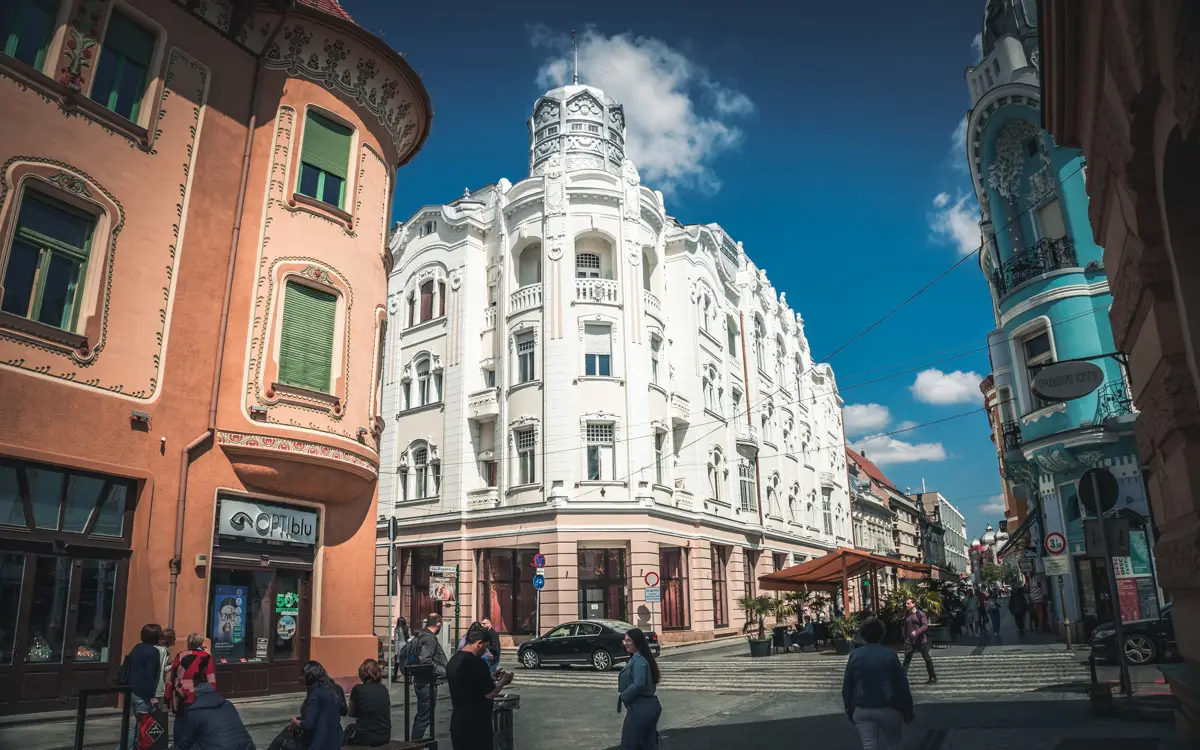
These buildings showcase various architectural styles, from Gothic to Renaissance and Baroque to Art Nouveau, showcasing the city’s architectural diversity. Some of these structures house cafes, restaurants, boutique shops, and cultural institutions, adding to the vibrant atmosphere of the square.
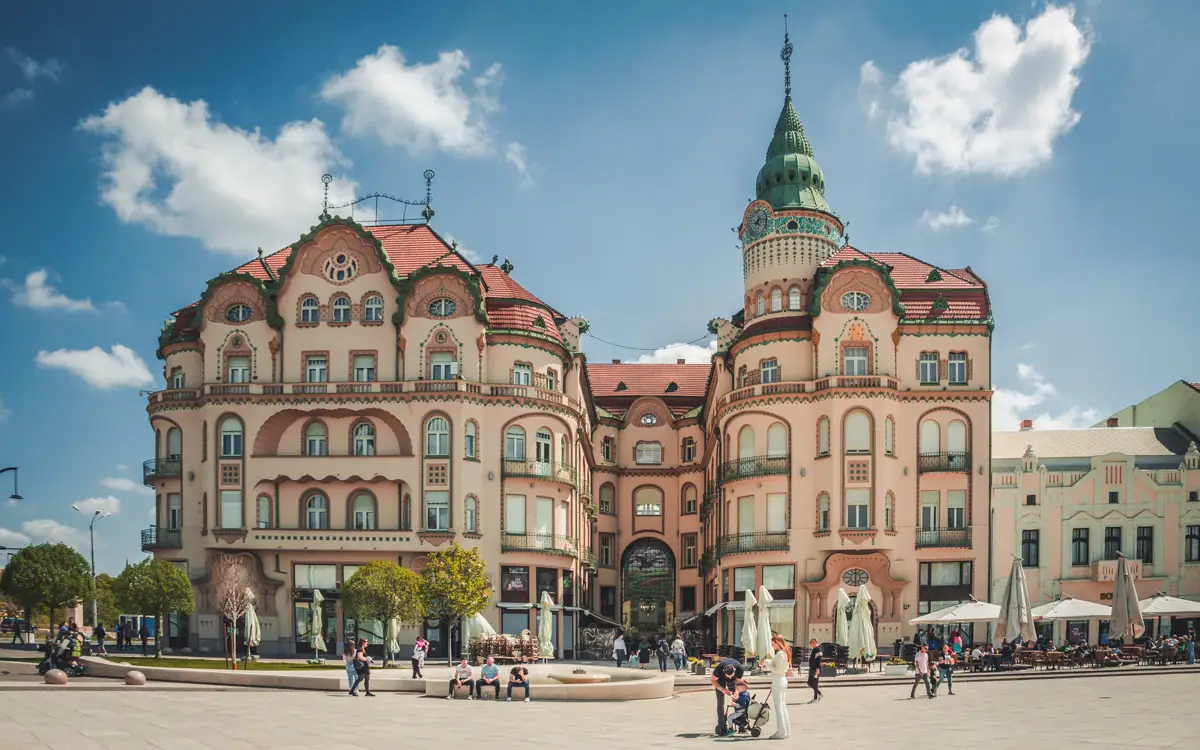
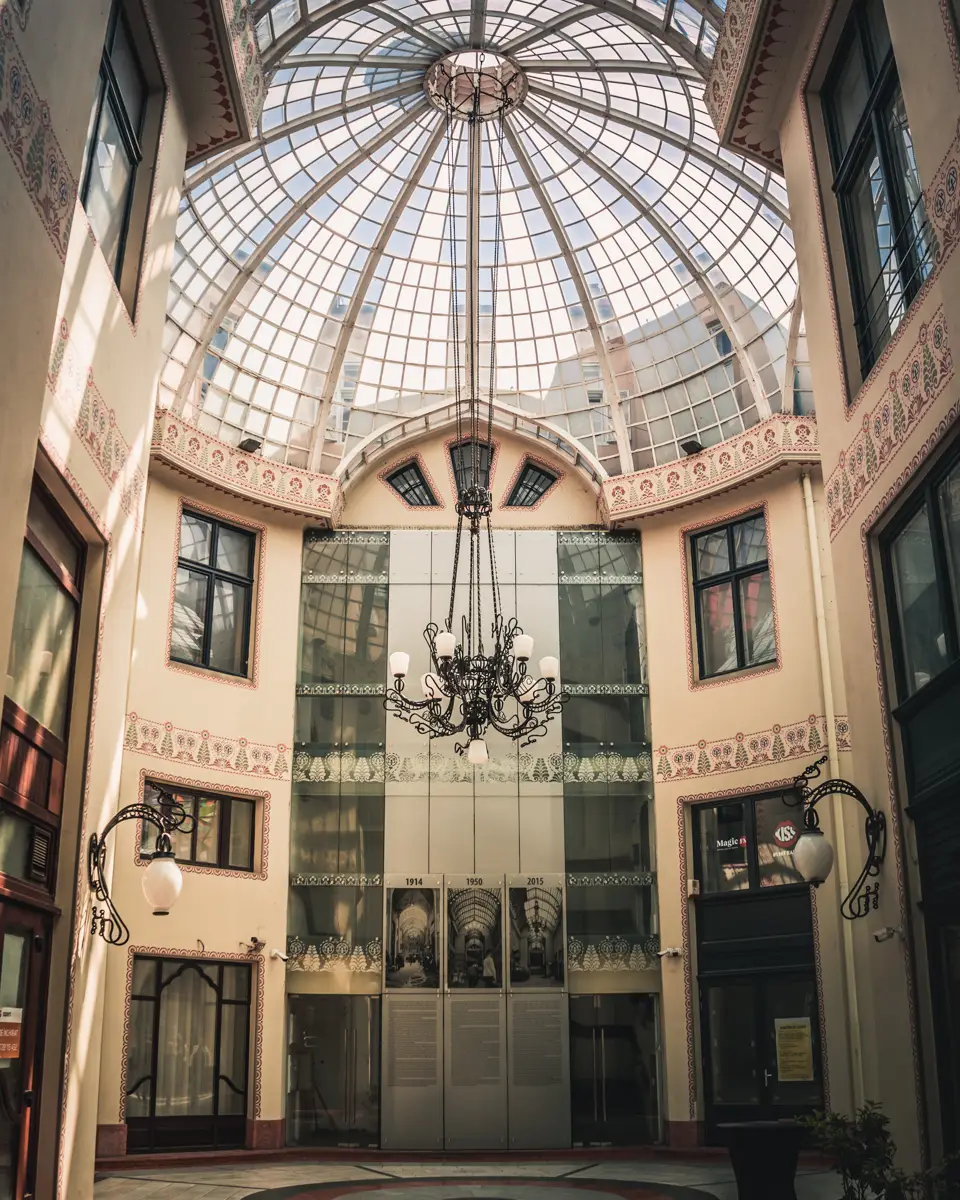
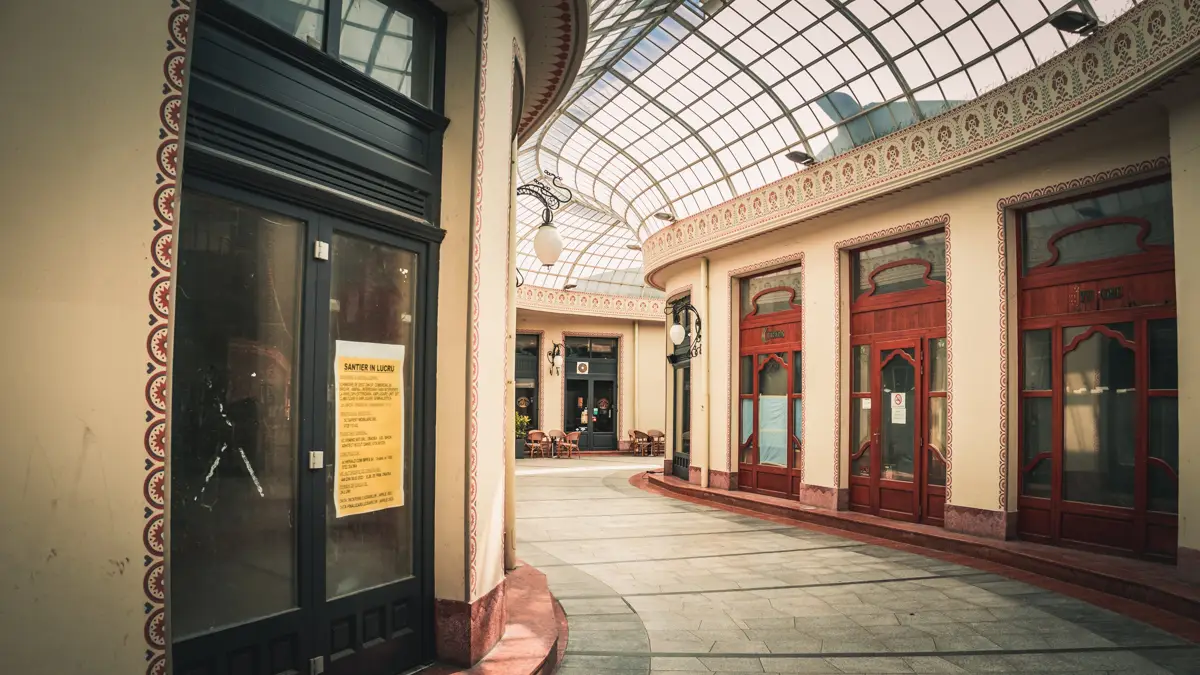
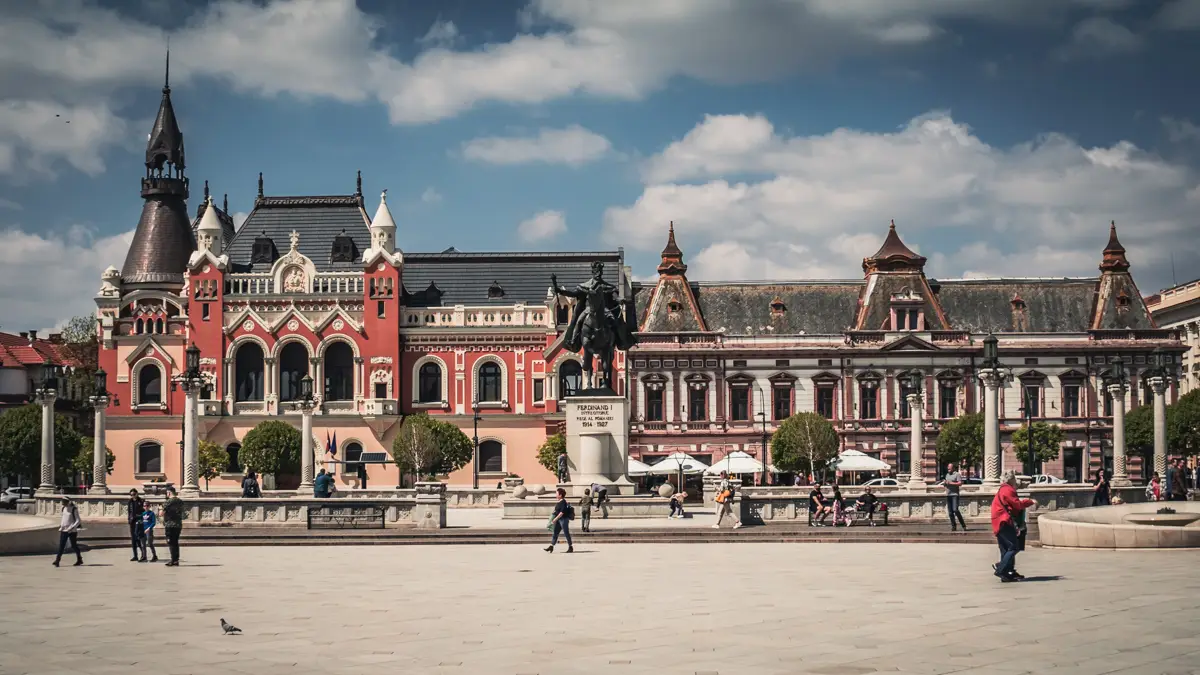
The Black Eagle Palace is one of the most known buildings in Union Square. In order to discover even more things about this building, I highly recommend you to visit the interior as well.
The Black Eagle Palace located in the Union Square.Inside the palace.Shops inside the Black Eagle Palace.
For those seeking a taste of the local culinary delights, this square is home to several restaurants and cafes that cater to every palate. From traditional Romanian cuisine to international dishes, visitors can indulge in a gastronomic adventure while enjoying the square’s ambiance. A nice place that I found was Vasile Alecsandri Street where as you can see in the photo below, there are multiple restaurants and terraces.
Many restaurants located on Vasile Alecsandri Street.
Right in front of the Greek-Catholic Episcopal Palace you will find an interesting statue of Ferdinand I who was the King of Romania between 1914 and 1927.
The Greek-Catholic Episcopal Palace
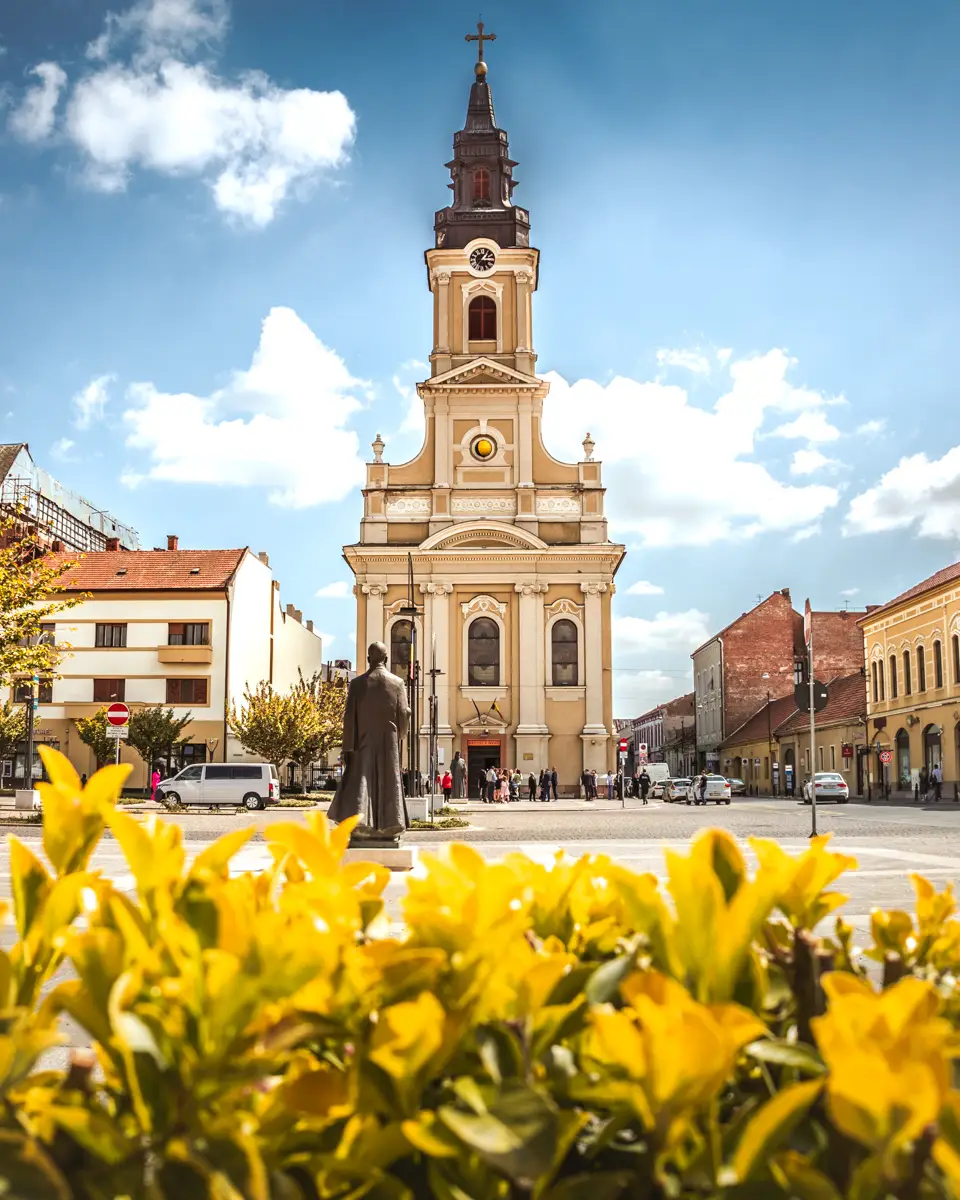
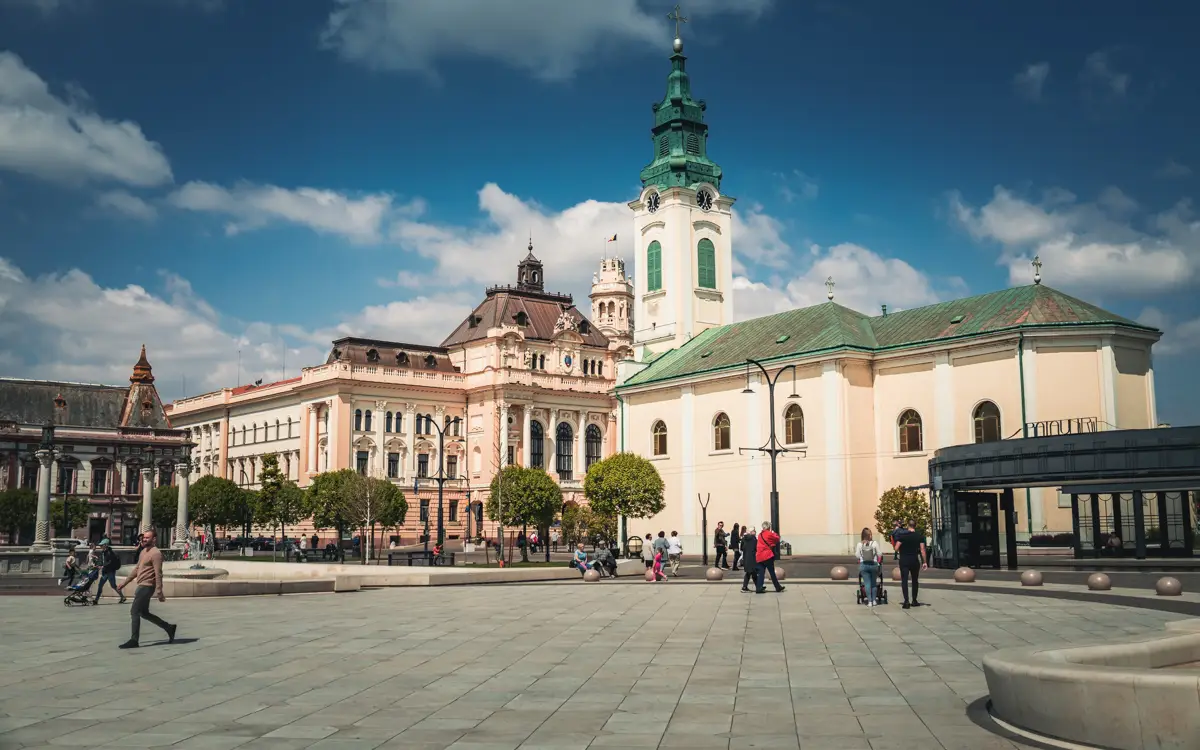
On the edge of the Union Square you will find the Dormition of the Mother of Gad Cathedral which is an Orthodox church. Right across the street, there is the St. Nicholas Cathedral which is a Greek-Catholic Cathedral.
Dormition of the Mother of Gad Cathedral.A part of the Union Square.
The St. Ladislaus Catholic Church in the foreground of the picture with the Town Hall in the background.
The Church of Saint Ladislaus.
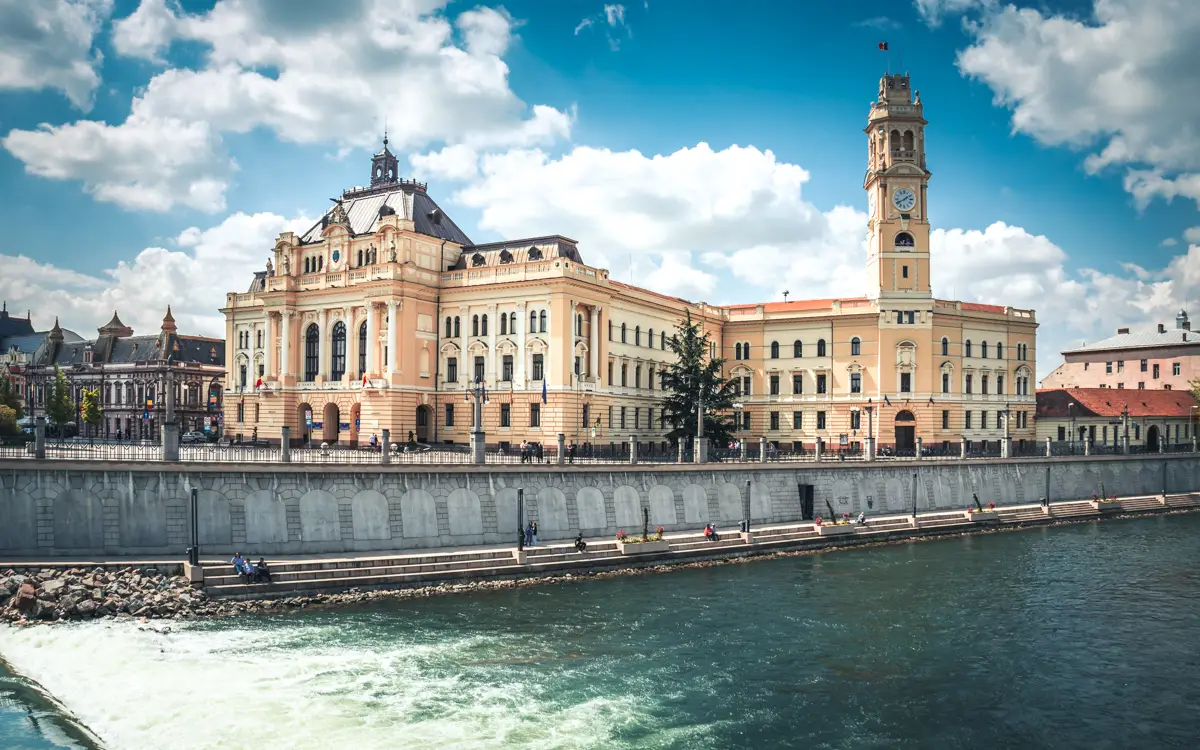
From the Town Hall’s tower, you can enjoy a beautiful view of the city.
The Town Hall with the Crisul Repede River in the foreground.
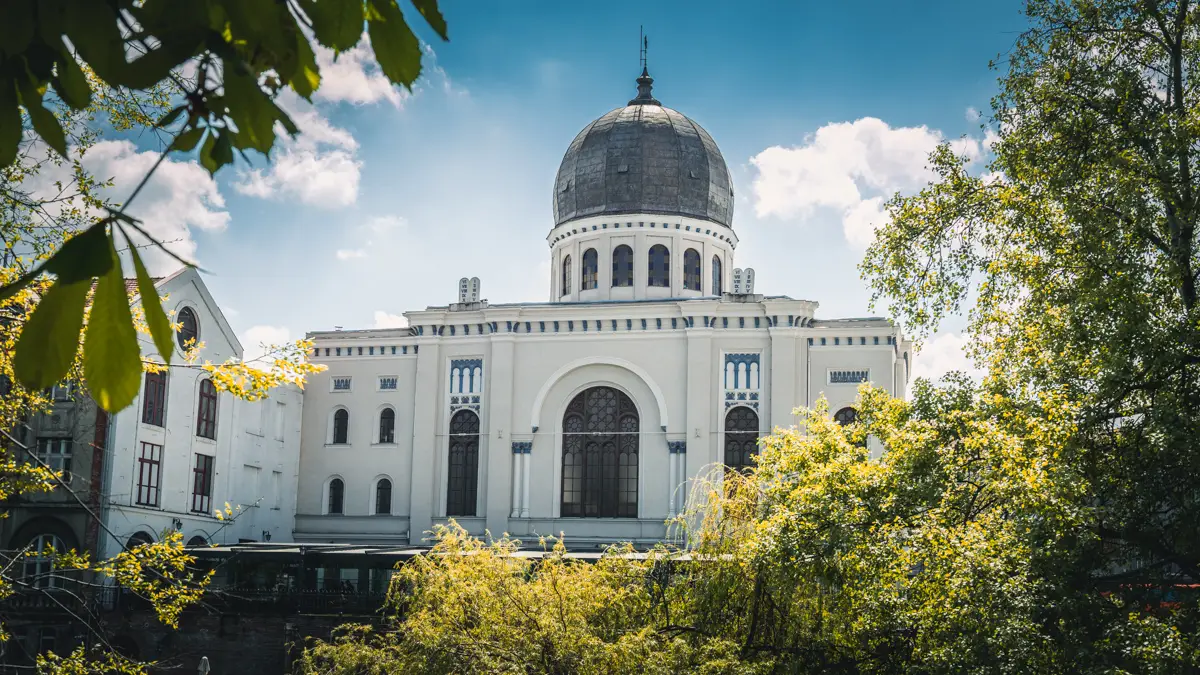
The Zion Neolog Synagogue in Oradea is a stunning testament to the city’s Jewish heritage and an architectural masterpiece in its own right. Constructed in the Moorish style in the late 19th century, the synagogue’s intricate facade and interior decorations reflect the cultural richness of the Jewish community that once thrived in Oradea. Today, the synagogue continues to be an important religious and cultural center, drawing visitors from all over to admire its beauty and learn about the history of the Jewish community in the region.
The Zion Neolog Synagogue.
Let’s explore the Olosig quarter
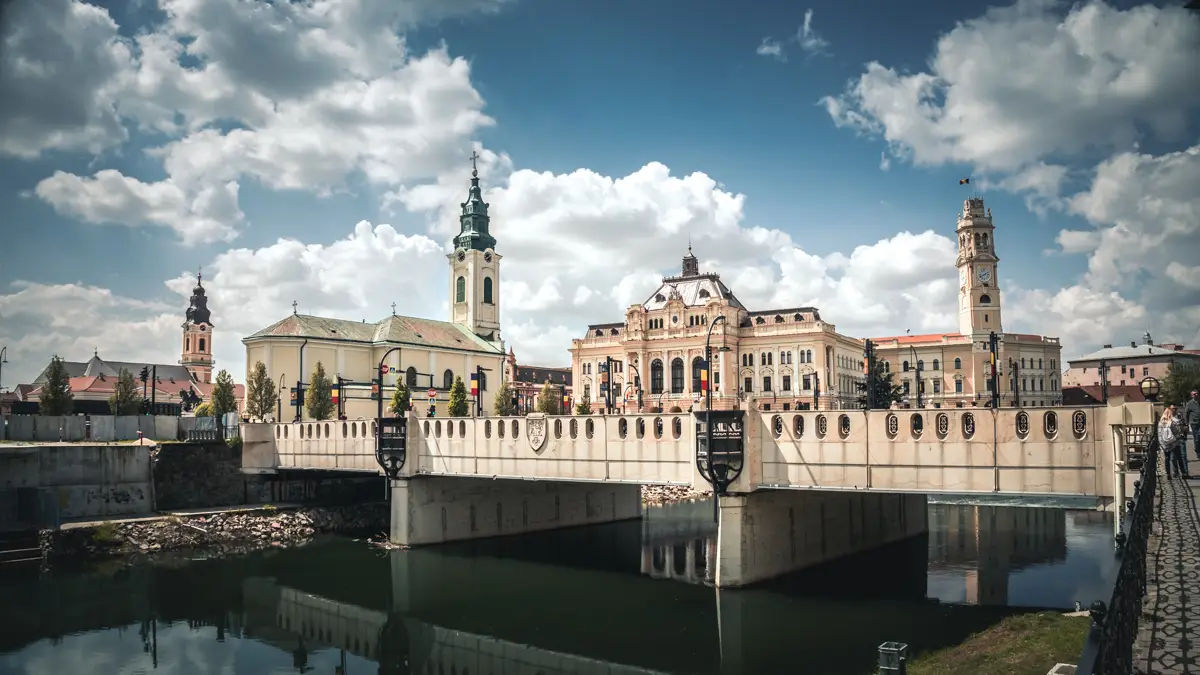
The Olosig quarter is located very close to Union Square, making it easy to reach. To get there, you just need to cross the Crisul Repede River using the St. Ladislaus Bridge. Once you’re across, you can begin exploring many other important and popular landmarks in the area.
St. Ladislaus Bridge with the Town Hall in the background.
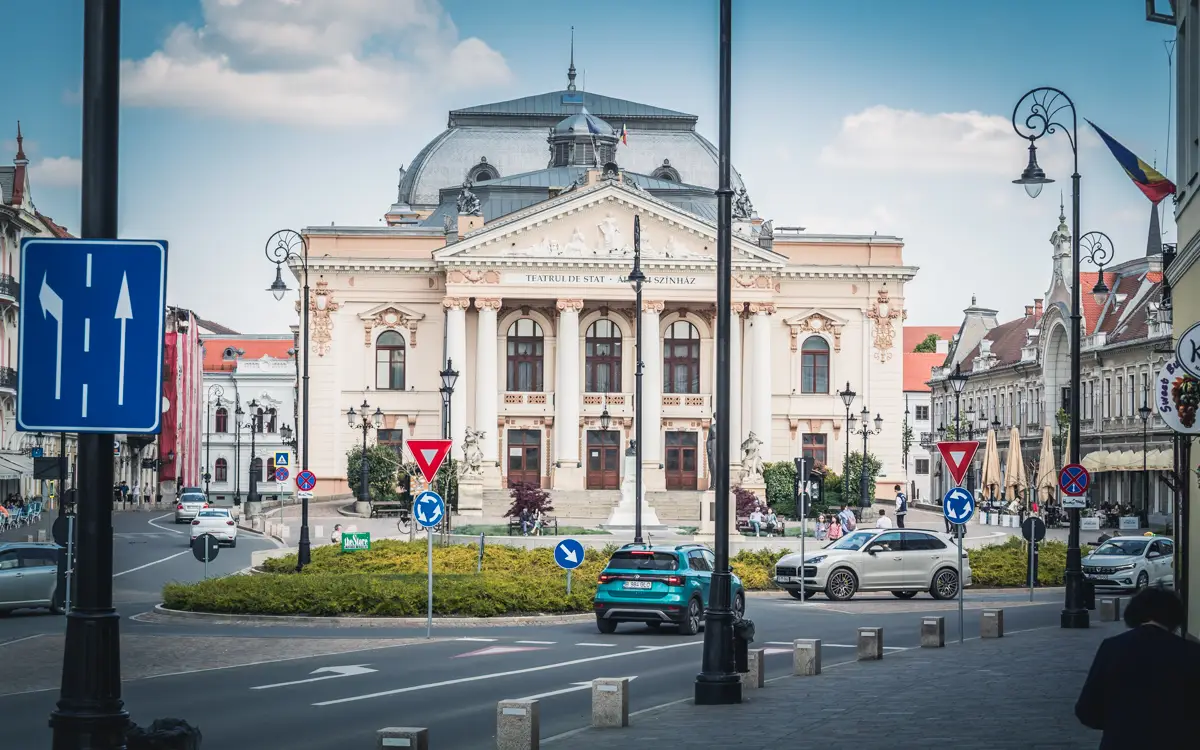
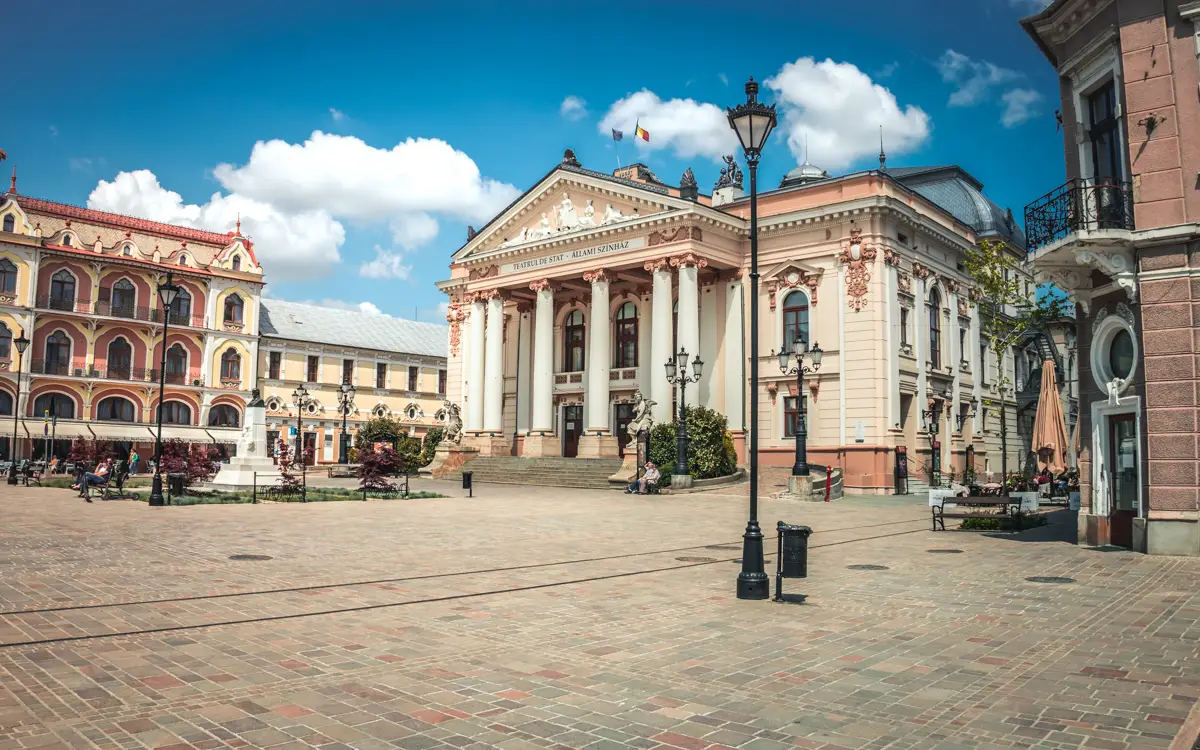
The first landmark that will come into sight is the Oradea State Theater which is a stunning neoclassical building that stands as a testament to the city’s vibrant cultural scene. Since its establishment in the late 19th century, the theater has been a central hub for performing arts, hosting a wide array of theatrical productions and showcasing the city’s rich artistic traditions.
The State Theater in Oradea.
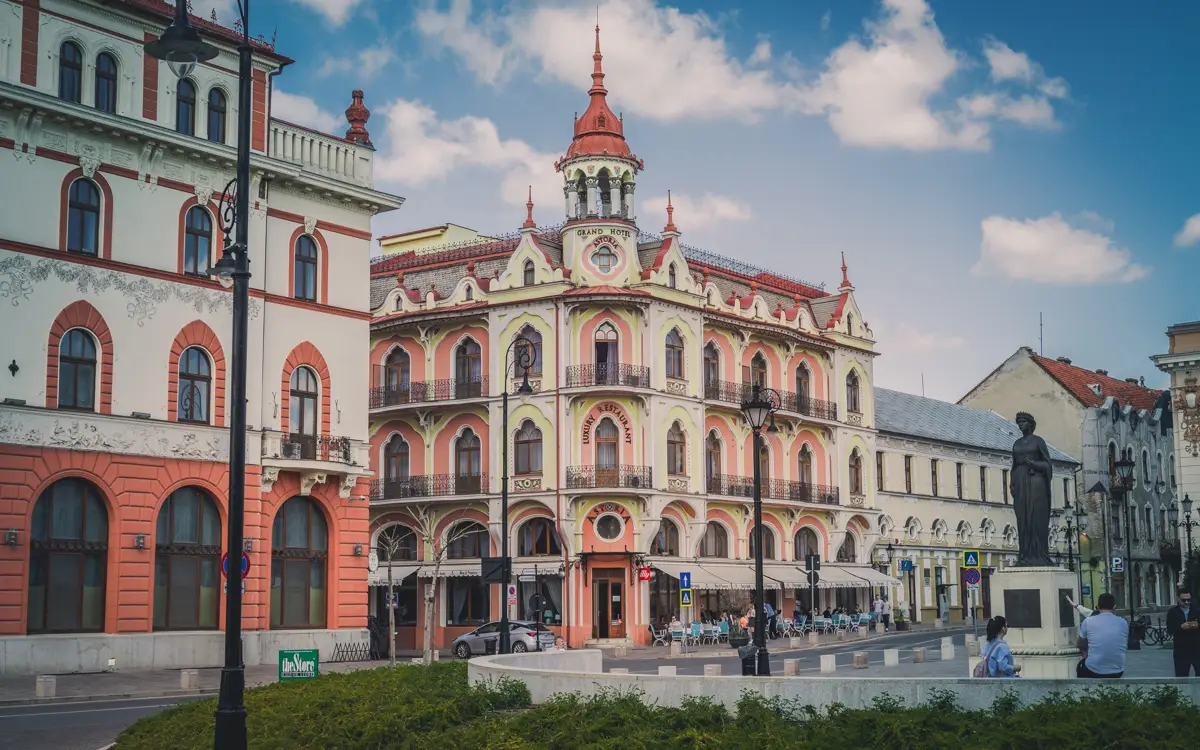
Located next to the State Theater, the Astoria Hotel in Oradea is an accommodation option that caters to both business and leisure travelers. The hotel offers a comfortable and memorable stay for guests exploring the charm of Oradea.
The Astoria Hotel located next to the State Theater.
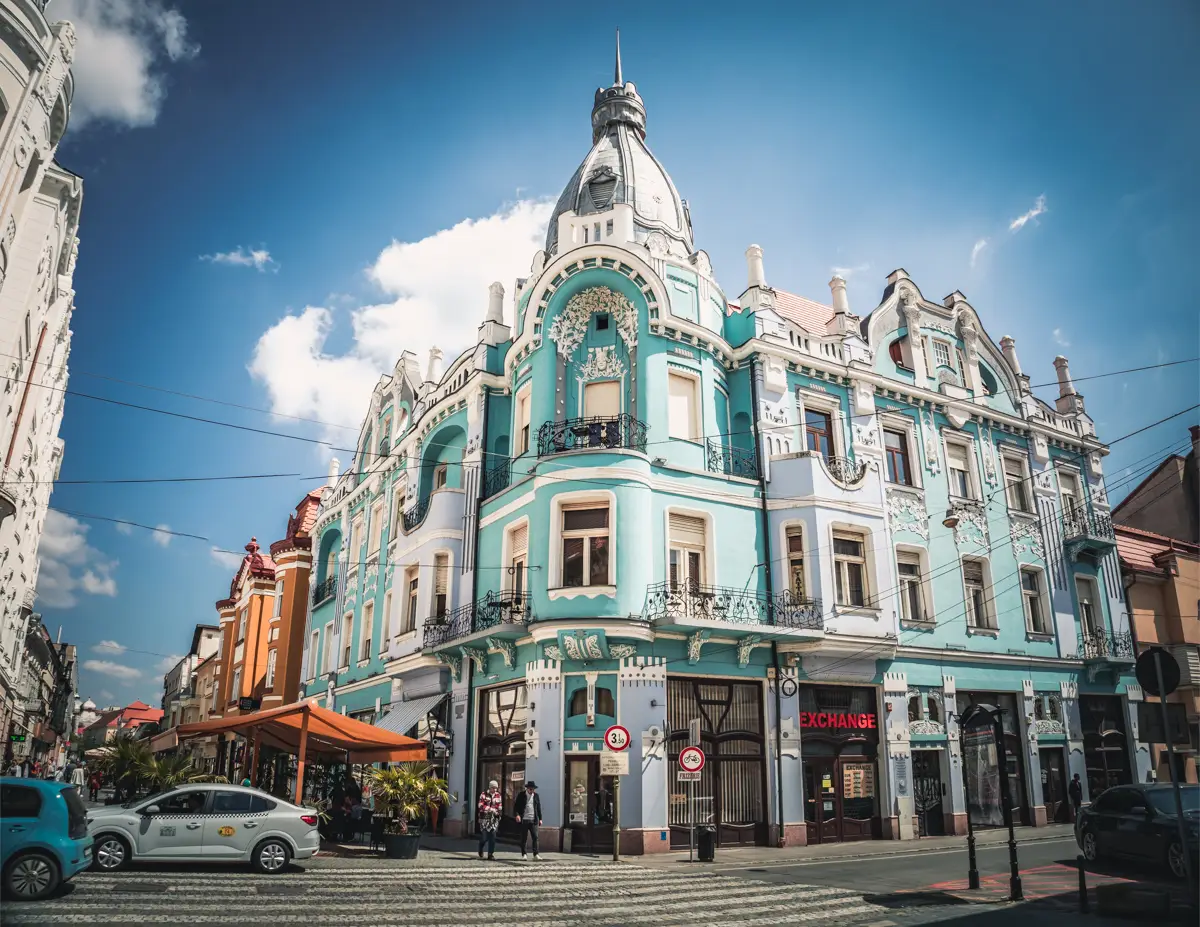
After walking past the two amazing buildings from above, it was time to walk towards my last objective in Olosig quarter, the famous the Moskovits Miksa Palace which is one of the most popular buildings in the beautiful city of Oradea. From the State Theater you will have to walk on Republicii Street which by the way is a pedestrian street.
The Moskovits Miksa Palace, one the most popular building in Oradea.
On the opposite side of the beautiful Moskovits Miksa Palace, you will find the Apollo Palace. This palace was built in 1914 by the architect Rimanóczy Kálmán Jr.
The Apollo Palace.
The Fortress Park
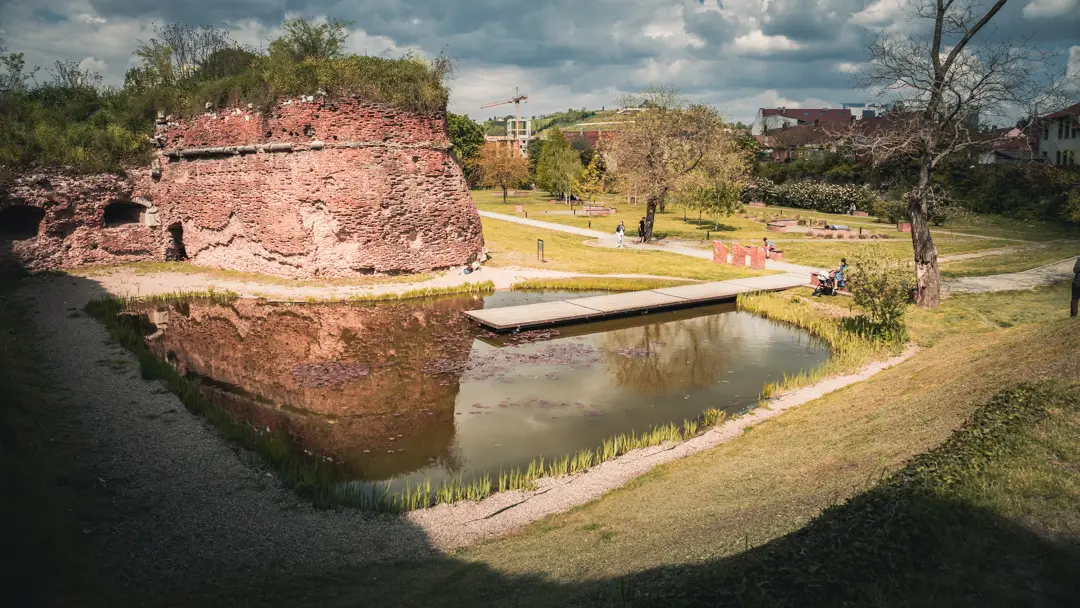
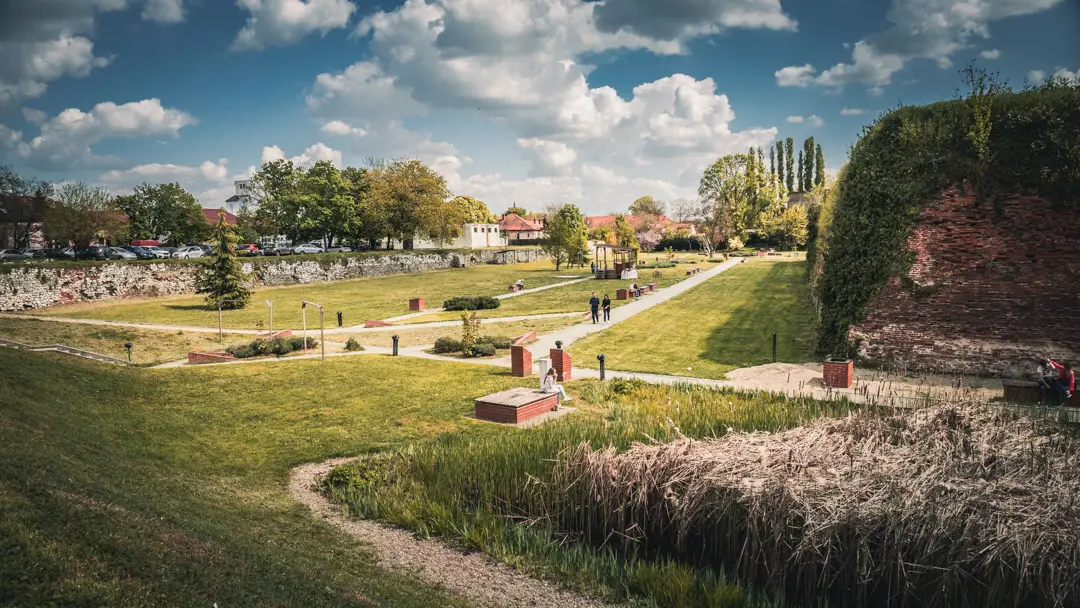
After exploring Union Square, I decided to take a scenic walk back to my car. To get there, I strolled through the beautiful fortress park, which lies next to the fortress’s defense walls. The park is exceptionally well-maintained, with lovely walking paths and plenty of green space, making it a real pleasure to explore.
An alley in the park.Small lake with fish next to the fortress.A part of the park with and the old walls belonging to the Oradea Fortress.
The Mushroom hill
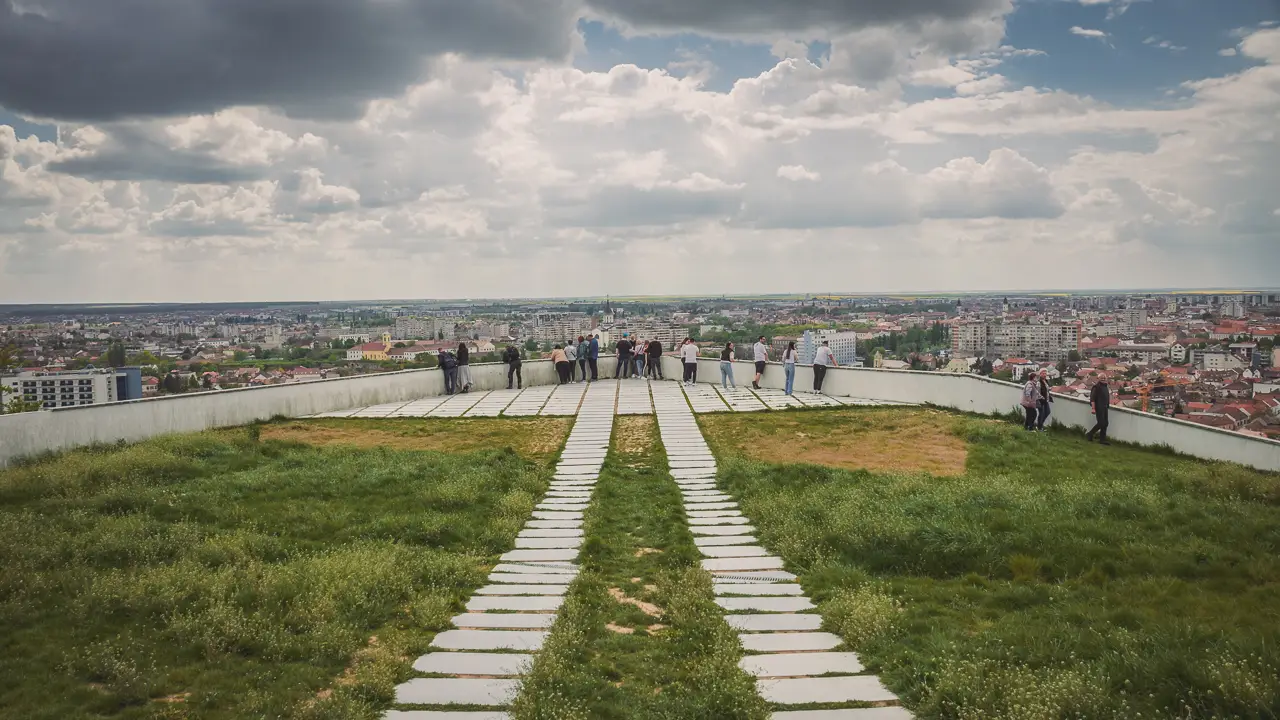
My final destination in Oradea was a beautiful spot known as Mushroom Hill. This is a lovely place where you can enjoy breathtaking views of the city from a high vantage point. It’s the perfect spot to take in the scenery and appreciate the charm of Oradea from above.
If you’re planning to drive there, the hill is conveniently located not too far from Union Square. It’s only about a 10-minute drive, making it an easy and quick trip. As you get closer to Mushroom Hill, you’ll notice a short stretch of steep road leading up to it. Don’t worry, though! The road is well-maintained, and a regular car can handle it without any trouble.
Visiting Mushroom Hill is definitely worth the effort for the stunning views and peaceful atmosphere it offers.
Vantage point over Oradea.The Roman-Catholic Cathedral in the background.Old and new flat apartments.The Oradea Fortress seen from the Mushroom Hill.Aquapark Nymphaea.
Nice restaurant
If you’re planning to eat somewhere, I highly recommend a lovely restaurant by the Crișul Repede River called Botanic by Armonia. The food I ordered was tripe soup with sour cream and hot peppers, honestly, it was delicious. The flavors were rich, and the dish was very satisfying. It’s definitely worth trying if you’re in the area!
Final conclusions
I really enjoyed this short city break to Oradea! I believe that to truly explore and appreciate everything the city has to offer, you would need to stay for a few days. However, for a quick city break, you can still discover many of the main attractions and get a good feel for the city’s charm.
One of the best things about Oradea is that you can easily spend a few hours wandering around and exploring. Most of the main attractions are located close to one another, so it’s very convenient to walk between them without much hassle.
After I spent some time exploring the fascinating watermills in the village of Rudaria, it was time to hit the road again. My next destination was the city of Baile Herculane, which was about an hour’s drive from Rudaria. I was excited to visit this place because it’s famous for its historic thermal baths and unique charm.
When I arrived in Baile Herculane, I decided to focus my visit on the old town. This area is where most of the city’s iconic and well-known buildings are located. The architecture told stories of the city’s rich past, and every corner seemed to hold a new surprise. This town has a history that stretches back to the Roman times, making it one of the oldest spa towns in Europe.
The Austrian Imperial Baths
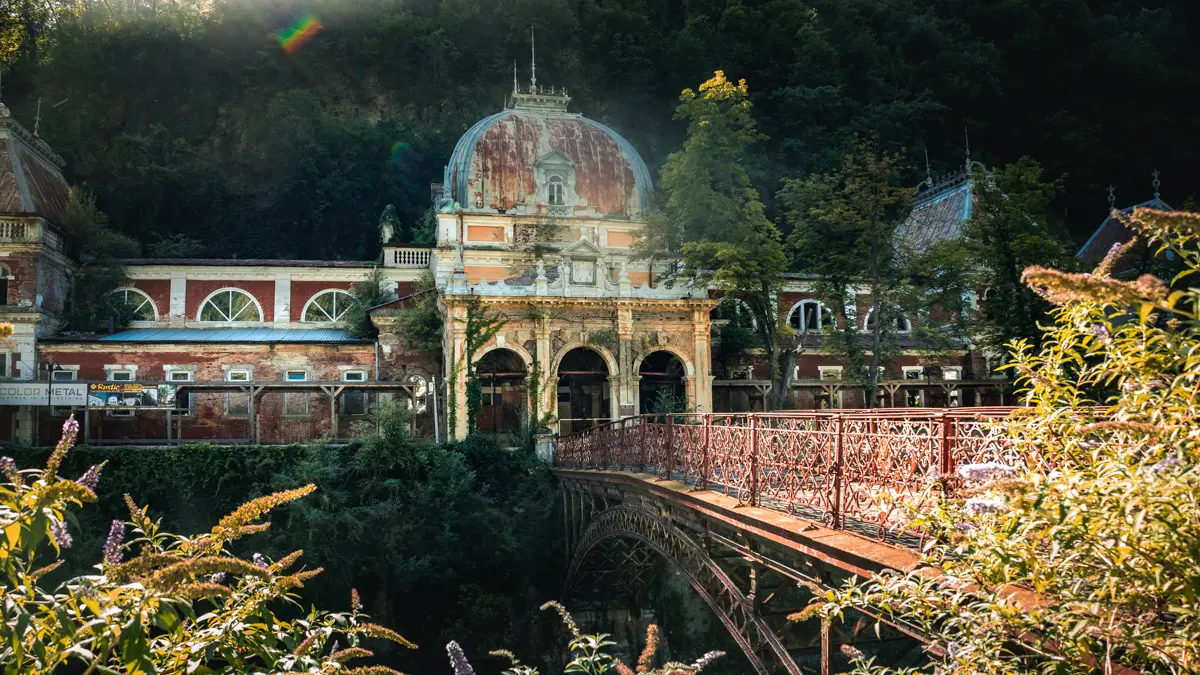
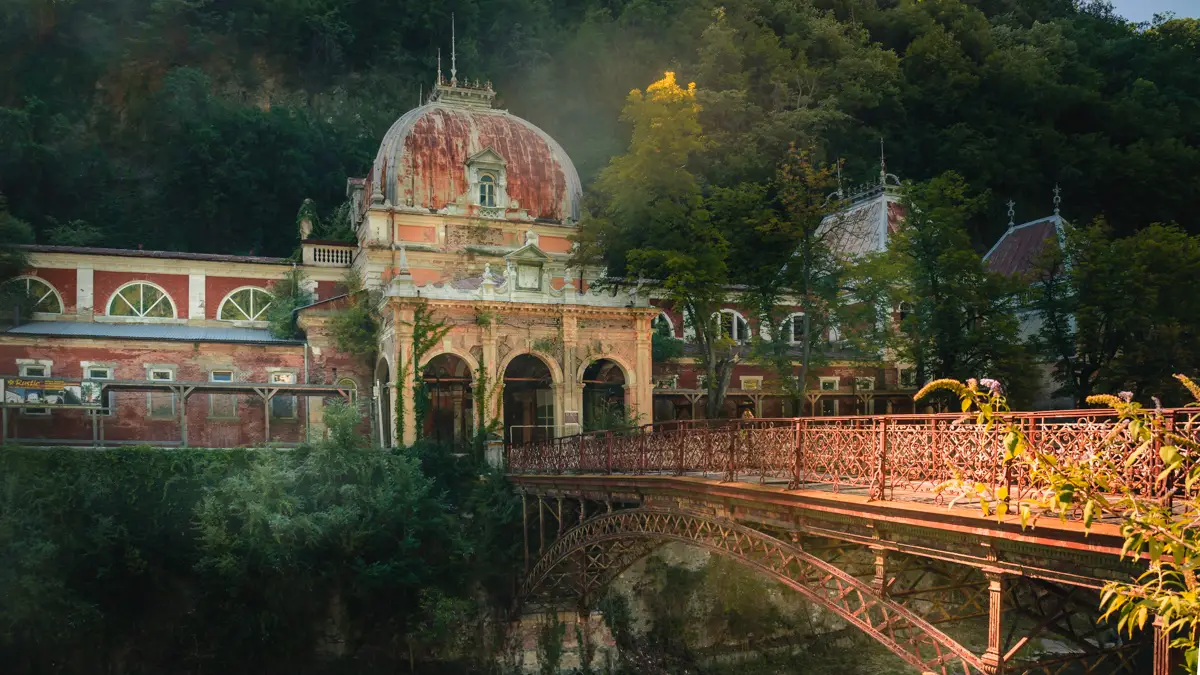
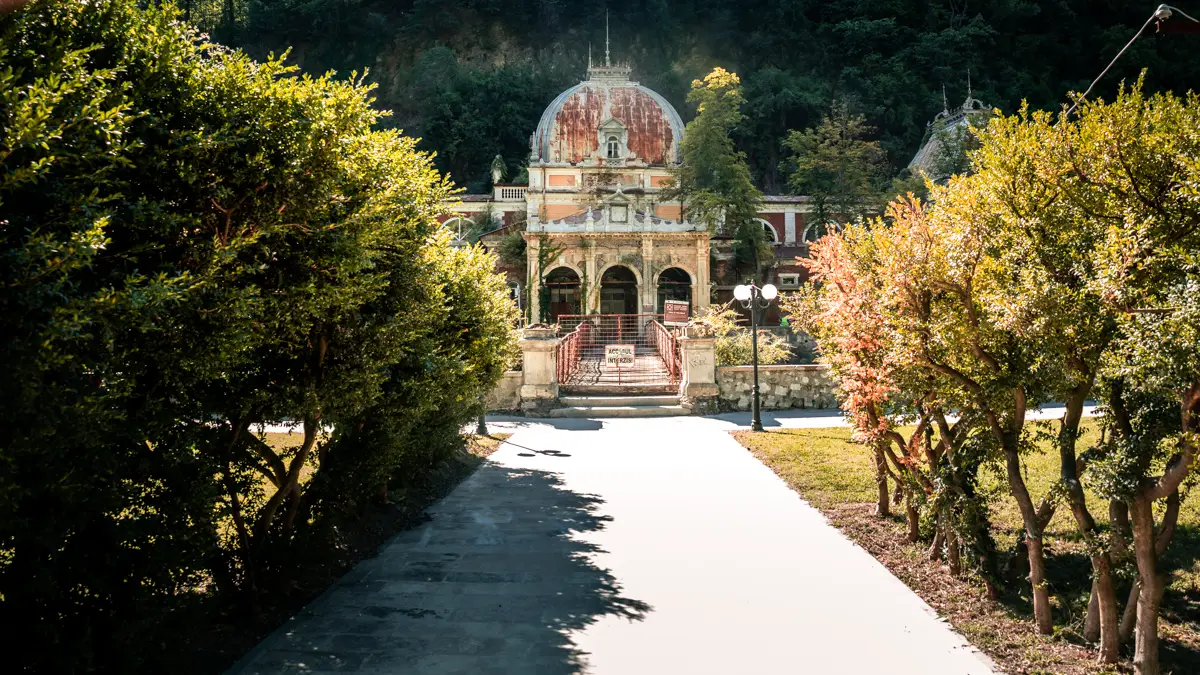
The Austrian Imperial Baths, also known as the Neptune Baths, are a fascinating historical site that, sadly, has been abandoned. While the interior of the building is not open to visitors, you can still enjoy its stunning architecture from the outside. Standing before this magnificent structure, it’s easy to imagine how grand it must have been in its prime. In its glory days, this place was a bustling hub that drew many tourists, all eager to experience its beauty and splendor. Although time has taken its toll, the exterior remains a testament to the elegance and charm that once made it a sought-after destination.
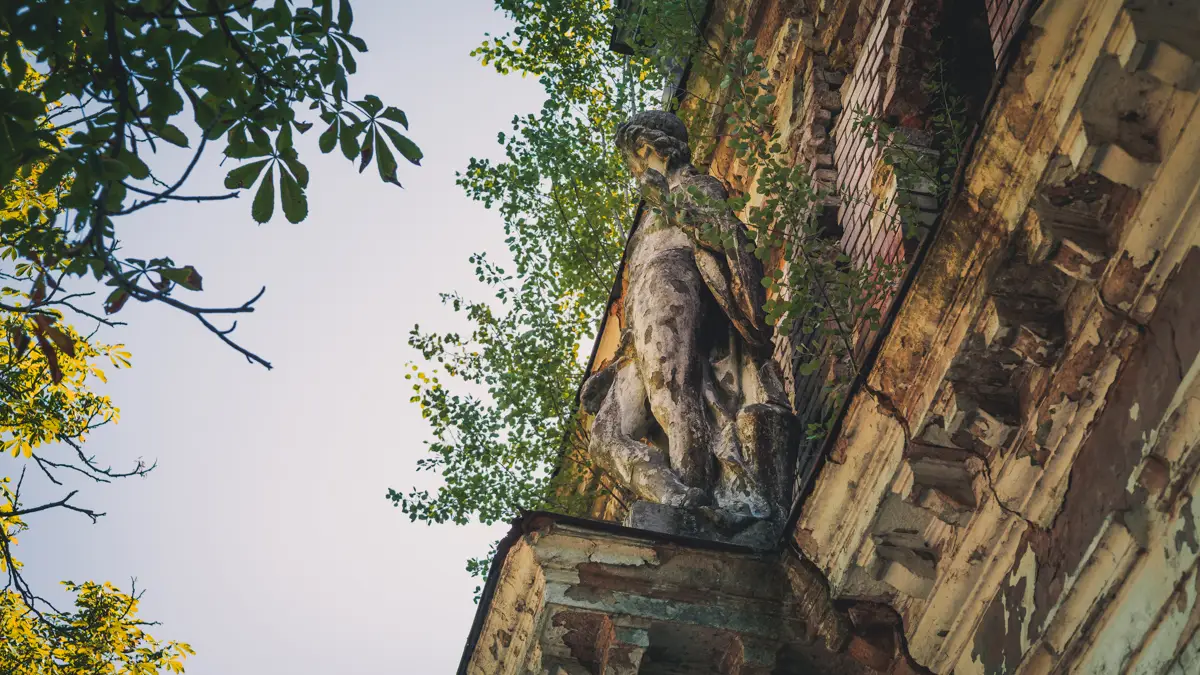
The Imperial Baths and the abandoned bridge across the Cerna River.Statue and vegetation growing on the Imperial Baths.Another statue on the crumbling building.Bai sulfuroase means sulfur baths in English.The Imperial Baths seen from the other side of the Cerna River.
Hercules Square
Just a short walk from the Imperial Baths, you’ll find Hercules Square, the heart of the old town in Baile Herculane. Though the square is small, it has a unique charm that makes it worth a visit. On a hot summer day, it’s the perfect spot to pause and enjoy a delicious ice cream from one of the nearby vendors. If you’re looking for a place to rest, there are benches shaded by the tall, historic buildings surrounding the square, offering a cool and relaxing spot to take a break. At the far end of Hercules Square, you’ll come across a small yet fascinating church, adding a touch of history and culture to this quaint area.
The Hercules Square located near the Imperial Baths.Statue of Hercules located almost in the middle of the square.The Dormition of the Mother of God Church in Baile Herculane.Hercules Square seen from the church.
Between Hercules Square and the Imperial Baths, you’ll come across the Diana Bath, a historic building with a story to tell. Originally built entirely out of brick in 1810, it was redesigned in 1858 to take on its current appearance. One of the most unique features of this building is the statue of Hercules that proudly stands on its roof.
The Diana Bath next to the old town.
The Stone Bridge
This stone bridge across the small Cerna River connects the old town with the rest of the city.
The Stone Bridge across the Cerna River.Covered footpath over the Stone Bridge.Close-up photo of the renovated covered footpath fond on the Stone Bridge.
Before leaving Baile Herculane, I took some time to capture more photos of this charming and historic city. Nestled in a valley surrounded by steep, dramatic mountains, Baile Herculane is a place of incredible natural beauty and rich history. I wanted to preserve the memories of its unique atmosphere and stunning views. Here are some of the photos I took during my visit:
Bridge across the Cerna River located right in front of the Imperial Baths.Hotels next to the steep mountains.Mountains that surrounds the city.
Where should I go next?
Just 21 km from Baile Herculane lies the small and picturesque city of Orsova, situated on the scenic shores of the Danube River. From Orsova, you can take a memorable drive along the Danube all the way to Moldova Noua. This road offers plenty of opportunities to stop and explore. Along the way, you can admire the impressive Decebalus Rex statue, the largest rock sculpture in Europe, and visit the historic Ladislau Fortress in the village of Coronini.
We use cookies on our website to give you the most relevant experience by remembering your preferences and repeat visits. By clicking “Accept All”, you consent to the use of ALL the cookies. However, you may visit "Cookie Settings" to provide a controlled consent.
This website uses cookies to improve your experience while you navigate through the website. Out of these, the cookies that are categorized as necessary are stored on your browser as they are essential for the working of basic functionalities of the website. We also use third-party cookies that help us analyze and understand how you use this website. These cookies will be stored in your browser only with your consent. You also have the option to opt-out of these cookies. But opting out of some of these cookies may affect your browsing experience.
Necessary cookies are absolutely essential for the website to function properly. These cookies ensure basic functionalities and security features of the website, anonymously.
Cookie
Duration
Description
cookielawinfo-checkbox-analytics
11 months
This cookie is set by GDPR Cookie Consent plugin. The cookie is used to store the user consent for the cookies in the category "Analytics".
cookielawinfo-checkbox-functional
11 months
The cookie is set by GDPR cookie consent to record the user consent for the cookies in the category "Functional".
cookielawinfo-checkbox-necessary
11 months
This cookie is set by GDPR Cookie Consent plugin. The cookies is used to store the user consent for the cookies in the category "Necessary".
cookielawinfo-checkbox-others
11 months
This cookie is set by GDPR Cookie Consent plugin. The cookie is used to store the user consent for the cookies in the category "Other.
cookielawinfo-checkbox-performance
11 months
This cookie is set by GDPR Cookie Consent plugin. The cookie is used to store the user consent for the cookies in the category "Performance".
viewed_cookie_policy
11 months
The cookie is set by the GDPR Cookie Consent plugin and is used to store whether or not user has consented to the use of cookies. It does not store any personal data.
Functional cookies help to perform certain functionalities like sharing the content of the website on social media platforms, collect feedbacks, and other third-party features.
Performance cookies are used to understand and analyze the key performance indexes of the website which helps in delivering a better user experience for the visitors.
Analytical cookies are used to understand how visitors interact with the website. These cookies help provide information on metrics the number of visitors, bounce rate, traffic source, etc.
Advertisement cookies are used to provide visitors with relevant ads and marketing campaigns. These cookies track visitors across websites and collect information to provide customized ads.